











Wholesale tweezers may look simple, but small differences in tip alignment, grip tension, material quality, and finishing can change the user experience dramatically. For salons, brow studios, beauty retailers, and private label brands, tweezers are not just low-cost accessories. They are frequently used tools that influence customer satisfaction, repeat sales, and professional service quality.
The wholesale market is shifting toward durable, precise, and brand-ready beauty tools. Buyers are paying closer attention to stainless steel construction, recyclable materials, consistent finishing, and packaging that supports retail presentation. For businesses sourcing from a professional beauty tools supplier, the goal is not simply to buy in bulk. The goal is to select tweezers that perform reliably across many users, batches, and sales channels.
This guide explains what to evaluate when sourcing wholesale tweezers, how to compare supplier claims, and which details matter most for salons, retailers, and growing beauty brands. You can also browse Olimor Beauty’s broader beauty tool products to compare related manicure and grooming tools for a more complete assortment.
Why Precision Matters in Wholesale Tweezers
Precision is the main reason a customer keeps using a pair of tweezers. A well-made tweezer should grasp fine hairs cleanly without repeated pulling, slipping, or breaking the hair midway. In professional settings, that reliability saves time and reduces discomfort for clients. In retail, it lowers returns and strengthens trust in the brand printed on the package.
The most important precision factor is tip alignment. The two ends should meet evenly, with no visible gap and no twisted angle. When tips do not align, users often squeeze harder, which creates hand fatigue and increases the chance of pinching skin. Finely tipped, properly aligned ends are especially important for brow shaping, facial hair removal, and detail work around the nail area.
Tension is equally important. Tweezers that are too stiff feel tiring after repeated use, while tweezers that are too loose lack control. For wholesale buyers, calibrated tension should be considered part of product performance, not a minor comfort feature. A balanced tool allows a salon technician or consumer to grip with steady pressure and more predictable control.
Stainless Steel, Durability, and Recyclability
Stainless steel is widely used for professional beauty tools because it supports durability, corrosion resistance, and a clean finished appearance. For tweezers, it also provides the firmness needed for consistent tip contact. A low-quality material or poor finishing process can lead to bending, rough edges, or surface discoloration after routine use.
Durability has commercial value. When a retailer sells a tweezer that continues to perform after many uses, the customer is more likely to trust the retailer’s tool selection. When a salon buys tweezers for daily services, longer usable life can reduce replacement frequency and help maintain consistent service standards.
Stainless steel also fits the market’s growing interest in recyclable grooming tools in bulk. A durable metal tool is not automatically a complete sustainability solution, because packaging, freight, and production practices also matter. However, selecting long-lasting stainless steel tweezers can support a more responsible product strategy than disposable or short-lived alternatives. Buyers building eco-conscious assortments should evaluate both the tool material and the packaging structure.
Choosing Tweezer Types for Different Customers
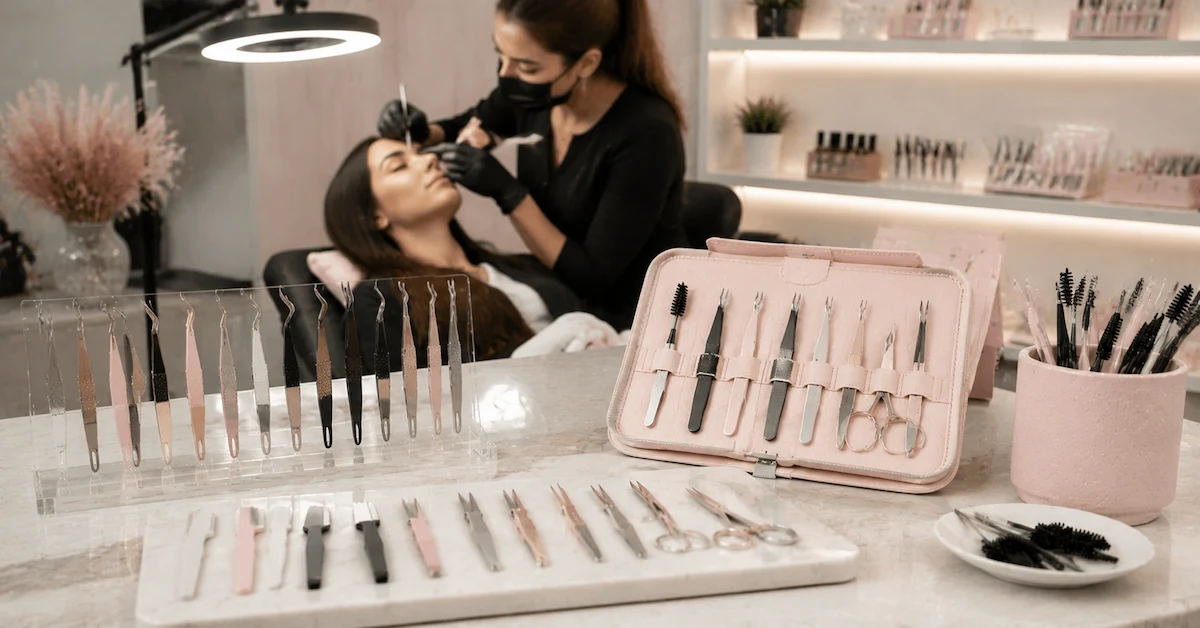
Not every buyer needs the same tweezer design. A salon may prioritize grip accuracy and long working comfort, while an online retailer may need a balanced mix of familiar shapes for different grooming tasks. Before placing a wholesale order, map each style to a practical use case.
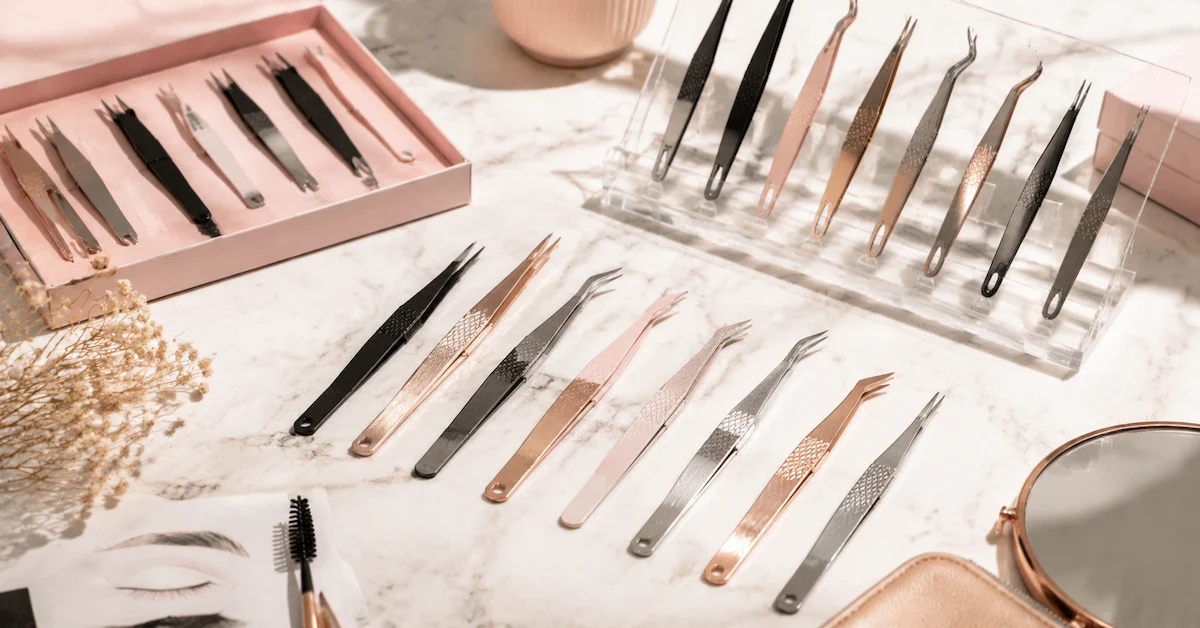
- Slant tip tweezers: A common option for brow shaping and general hair removal. The angled edge gives users visibility and control for daily grooming.
- Point tip tweezers: Useful for very fine or targeted work where accuracy is more important than speed. These require careful finishing because sharp points must meet precisely.
- Flat tip tweezers: Better suited to gripping broader items or thicker hairs, but less ideal for detail brow work.
- Curved or specialty tips: Appropriate for specific professional tasks when the target customer understands the use case.
For private label retail, it is usually better to start with a focused assortment rather than too many similar shapes. One reliable slant tip tweezer and one detail-focused option may be easier to explain on packaging and product pages than a large range with unclear differences. For salons, the priority is different: service providers may prefer several tip types for different client needs.
Quality Checks Buyers Should Use Before Bulk Ordering
Wholesale tweezer quality should be evaluated through practical handling, not only product photos. A polished finish and attractive packaging are useful, but they do not prove that the tool can grip fine hair consistently. Samples should be checked under normal working conditions and compared across multiple pieces, not just one hand-selected unit.
A structured checklist helps buyers avoid inconsistent results between samples and bulk production:
- Inspect tip alignment: Close the tweezers gently and confirm the tips meet evenly from edge to edge.
- Test grip on fine hair or thread: The tweezer should hold securely without requiring excessive pressure.
- Check tension consistency: Open and close several pieces to see whether the force feels balanced across the batch.
- Review edges and finishing: Handles and tips should feel smooth, without burrs or rough contact points.
- Assess surface treatment: Look for visible scratches, uneven coating, discoloration, or weak printing if branding is applied.
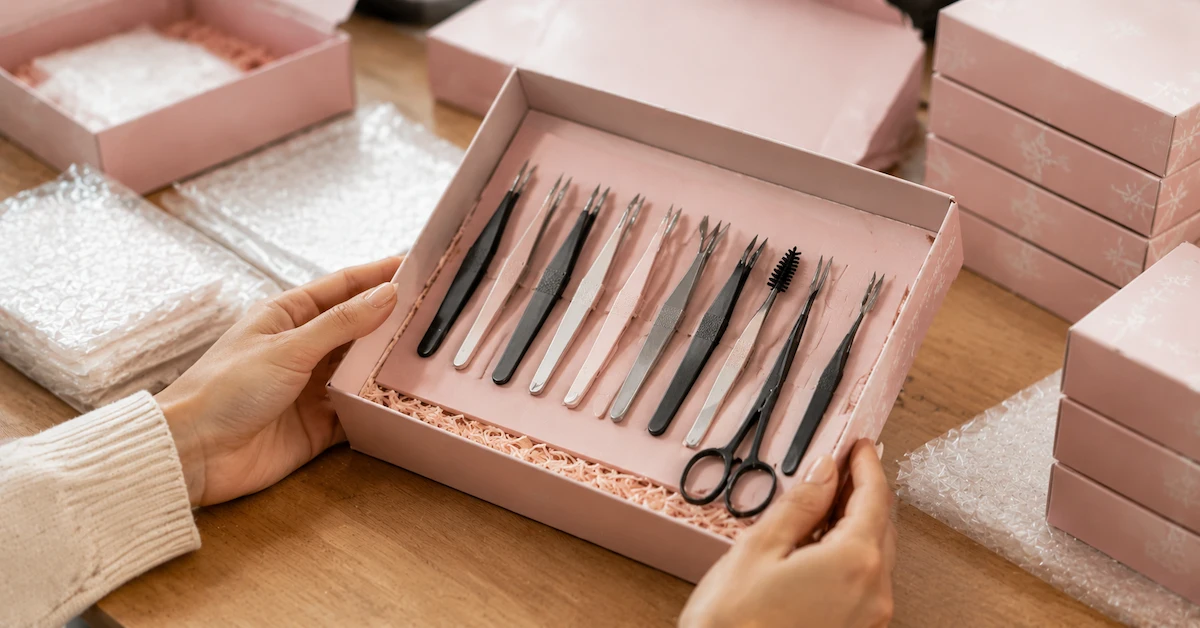
- Evaluate packaging fit: The tool should be protected during shipment and displayed clearly for retail sale.
- Confirm assortment consistency: If ordering multiple tweezer types, verify that each style is clearly separated and labeled.
For a brand or retailer, these checks can become part of an internal approval standard. That makes future reorders easier to manage and reduces confusion when comparing suppliers.
Branding and Private Label Considerations
Private label manicure tools and grooming tools allow retailers and beauty brands to create a more recognizable product line. Tweezers are well suited to branding because they are compact, frequently handled, and often sold as part of a broader beauty tool range. However, branding should not distract from function. A tweezer with poor alignment will not earn loyalty just because it has attractive packaging.
When planning private label tweezers, consider where branding will appear: on the tool, on the sleeve, on a box, or on a full retail card. Each choice affects cost, visual impact, and durability. Tool marking should remain legible and should not create roughness where the user grips the handle. Packaging should communicate the tip type, intended use, and care instructions clearly.
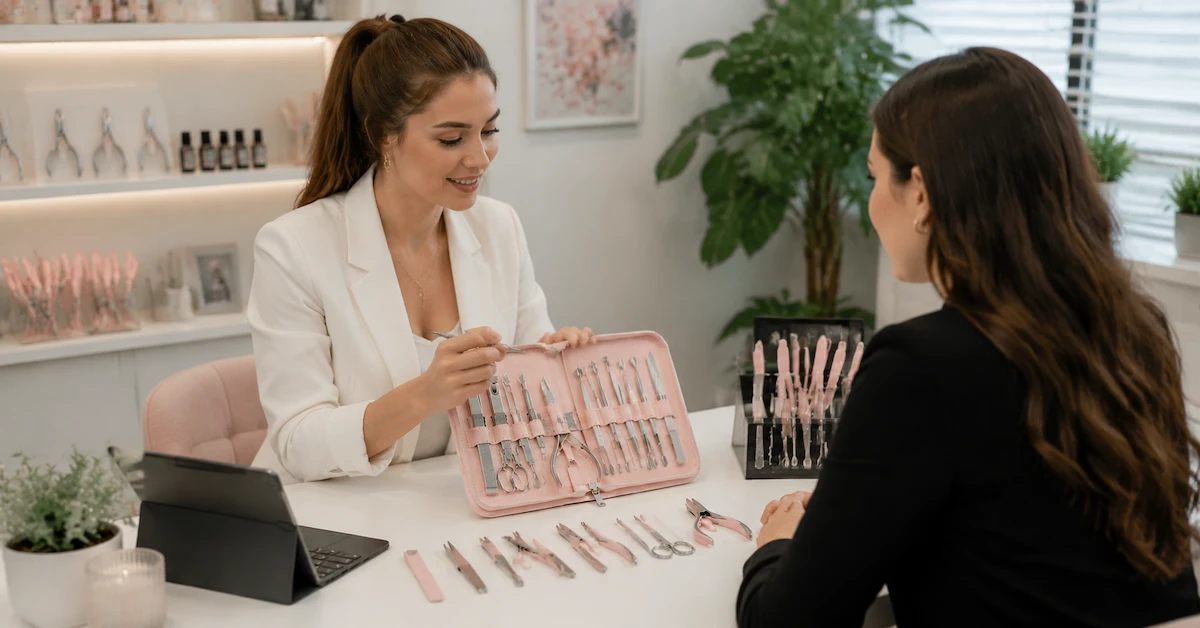
Brand consistency also matters across related products. If tweezers are sold with nail clippers, cuticle tools, lash tools, or grooming sets, finishes and packaging should feel coordinated. Buyers can review Olimor Beauty’s product collections to think about how tweezers may fit into a wider retail or salon assortment.
What to Discuss With a Manicure Tools Supplier
When comparing a manicure tools supplier or exporter, buyers should focus on practical production and quality questions. The objective is to understand whether the supplier can deliver consistent products, not just a polished catalog image. This is especially important for businesses buying wholesale tweezers for repeat retail programs or salon chains.
| Buyer Question | Why It Matters |
|---|---|
| What materials and finishes are available? | Helps match durability, appearance, and target retail positioning. |
| How is tip alignment checked? | Directly affects grip performance and customer satisfaction. |
| What branding and packaging options are supported? | Important for private label programs and retail presentation. |
| How are samples reviewed before production? | Creates a clear standard before confirming a larger order. |
| How are finished goods protected for shipping? | Reduces the risk of scratched tools, bent tips, or damaged packaging. |
These questions can be used whether the order is for a simple bulk tool or a fully packaged private label item. For sourcing support, buyers can contact Olimor with their requirements or send an inquiry for product and customization discussions.
Maintenance Guidance to Improve Customer Experience
Good maintenance instructions make wholesale tweezers more valuable to the end user. Even durable stainless steel tools benefit from basic care. Retailers should consider adding simple usage and storage guidance to packaging, inserts, or online product pages.
Customers should clean tweezers after use, dry them before storage, and avoid dropping them on hard surfaces because the tips can lose alignment. For point tip tweezers, protective caps or fitted packaging can help prevent accidental dulling or bending. Salons should store tools in a clean, dry location and follow their own hygiene procedures between clients.
Care information does not need to be complicated. Clear instructions reduce misuse and help customers understand that precision tweezers are tools that deserve proper handling. This is especially useful for higher-quality retail positioning, where customers expect longer service life than a disposable accessory can provide.
Building a Competitive Wholesale Tweezer Program
A strong wholesale tweezer program combines performance, consistency, and clear positioning. For salons, that means tools that feel comfortable during repeated use and grip accurately throughout daily services. For retailers, it means designs that are easy to explain, packaging that supports shelf or online sales, and quality that encourages repeat purchase. For private label brands, it means choosing materials, finishes, and branding methods that support the brand promise without compromising function.
Olimor Beauty focuses on beauty tools that align with the market’s demand for precision, durability, and customizable presentation. When evaluating wholesale tweezers, buyers should prioritize the details that customers will notice immediately: aligned tips, controlled tension, smooth handling, corrosion-resistant material, and packaging that protects the tool. Those details separate a short-lived accessory from a beauty tool that earns a lasting place in a salon station or consumer makeup bag.