










Beauty tools for online stores need more than an attractive product photo. For e-commerce buyers, marketplace sellers, beauty retailers and sourcing teams, a grooming kit must be easy to understand, practical to inspect, simple to photograph and credible enough to sell without exaggerated claims.
A bundled manicure, pedicure or eyebrow grooming set often includes small metal tools such as scissors, nippers, tweezers, files or push-type implements, arranged in a zippered storage case. The visible value comes from the complete presentation: reflective metal tools, organized slots, a coordinated case and a listing that clearly explains what the buyer receives. When that presentation is weak, even a useful set can look like a random collection of accessories.
This guide focuses on the commercial decisions behind beauty tool kits for online stores: what to look for before listing, how packaging affects conversion, what questions to ask suppliers, and how to build a product page that is useful for shoppers and realistic for B2B buyers.
What Online Buyers Expect From a Grooming Kit Listing
Most shoppers cannot judge a grooming kit by hand before purchase. They cannot feel the spring response of a tweezer, check whether a case holds each tool securely, or inspect the finish under retail lighting. They depend on images, listing copy, package details and the seller's credibility.
For a B2B buyer, the challenge is broader. The kit must work as a physical product and as an online listing asset. A set that looks organized in a case, opens neatly for photography and has a clear use case is easier to sell than a larger kit with confusing contents.
Online buyers usually want fast answers to these questions:
- Is this a manicure kit, pedicure kit, eyebrow grooming kit or mixed personal care set?
- Which tools are included, and are they shown clearly in the main image?
- Does the storage case protect the tools and improve presentation?
- Is the product suitable for beauty retail, online resale, gifting, personal grooming or salon support?
- Are material, finish and usage claims confirmed by the supplier rather than assumed?
Answering these points clearly reduces hesitation. In a category with many similar-looking products, clarity can matter as much as the number of pieces in the set.
How a Beauty Tool Kit Creates Value in E-Commerce
A small grooming tool kit does several jobs at once. It is a functional personal care item, a bundled SKU, a giftable product and a visual asset for online merchandising. That is why it deserves more attention than many low-ticket accessories receive.
A coordinated set can create perceived value because the customer sees multiple useful tools in one package. It can also simplify merchandising because the seller can position it as a starter grooming set, a travel-friendly personal care item, a retail add-on or a beauty gift. The case is important because it turns loose tools into a complete product.
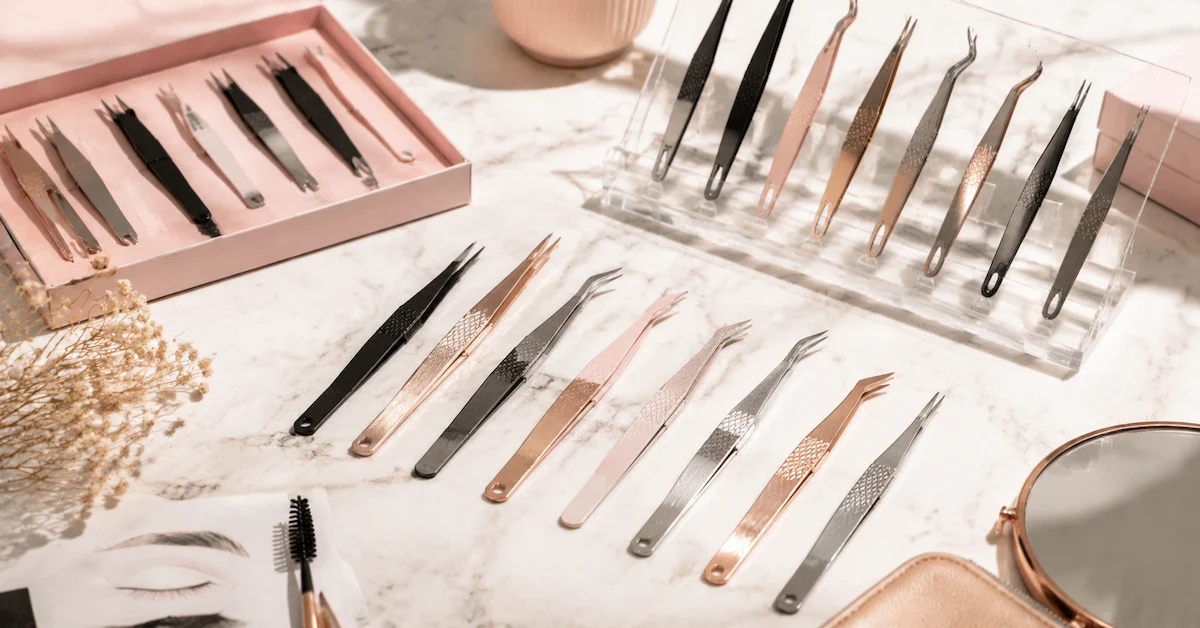
For online stores, the strongest kits usually have three qualities. First, the contents are easy to identify at a glance. Second, the tools sit neatly in the case or holder. Third, the overall look is consistent enough for product photography, marketplace thumbnails and catalog pages.
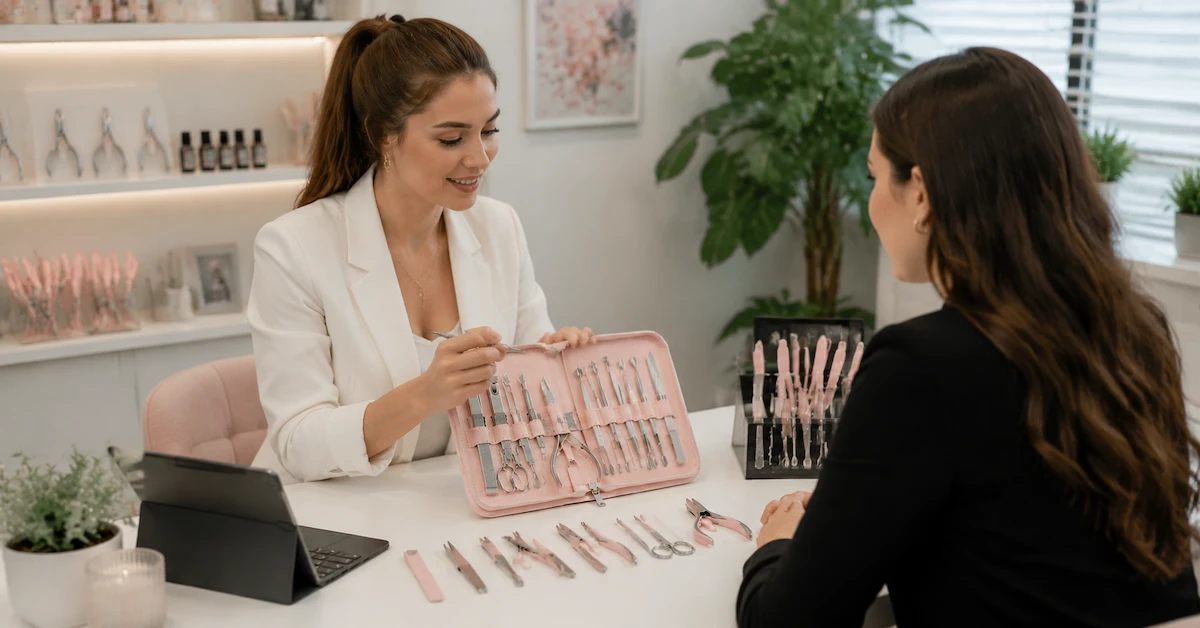
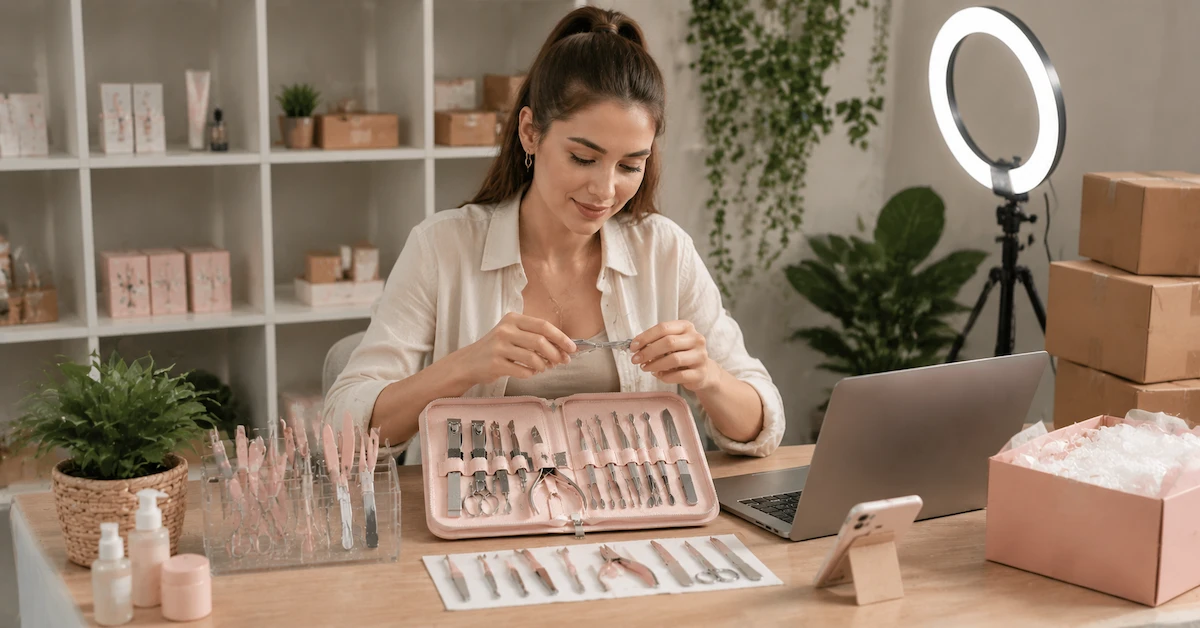
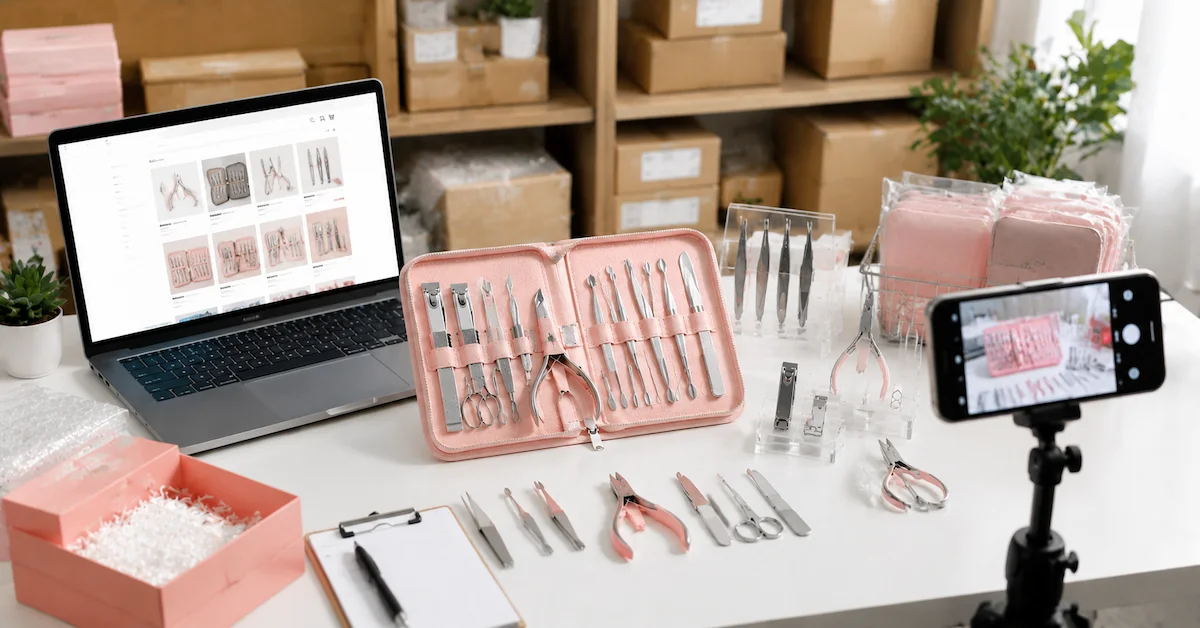
The pink zippered case shown in the product context is a good example of packaging as a merchandising cue. Pink often communicates beauty, self-care and giftability. That can help a consumer-facing online store. However, a sourcing team should still consider the target channel. A color that works well for beauty retail may be less suitable for a neutral salon supply range or a men's grooming assortment. Color is not just decoration; it helps define the audience.
Key Product Details to Check Before Buying
Before placing an order or publishing a listing, buyers should inspect the product as a complete set. Do not evaluate only the individual tools. In e-commerce, the case, layout and packaging are part of the sellable product.
Assortment logic
The tools should make sense together. A combination of tweezers, nippers, scissors, files and manicure implements can be practical if the listing explains the intended use. If the set includes too many unrelated pieces, shoppers may struggle to understand the purpose. If it includes too few, the bundle may not feel valuable.
Material and finish confirmation
Many grooming tools use reflective metal parts, and stainless steel is common in this category. However, buyers should not assume a specific steel grade, coating, hardness, rust-resistance level or sterilization suitability unless the supplier confirms it in writing. A clean listing can say what is verified; it should not build trust on unsupported technical claims.
Tool fit inside the case
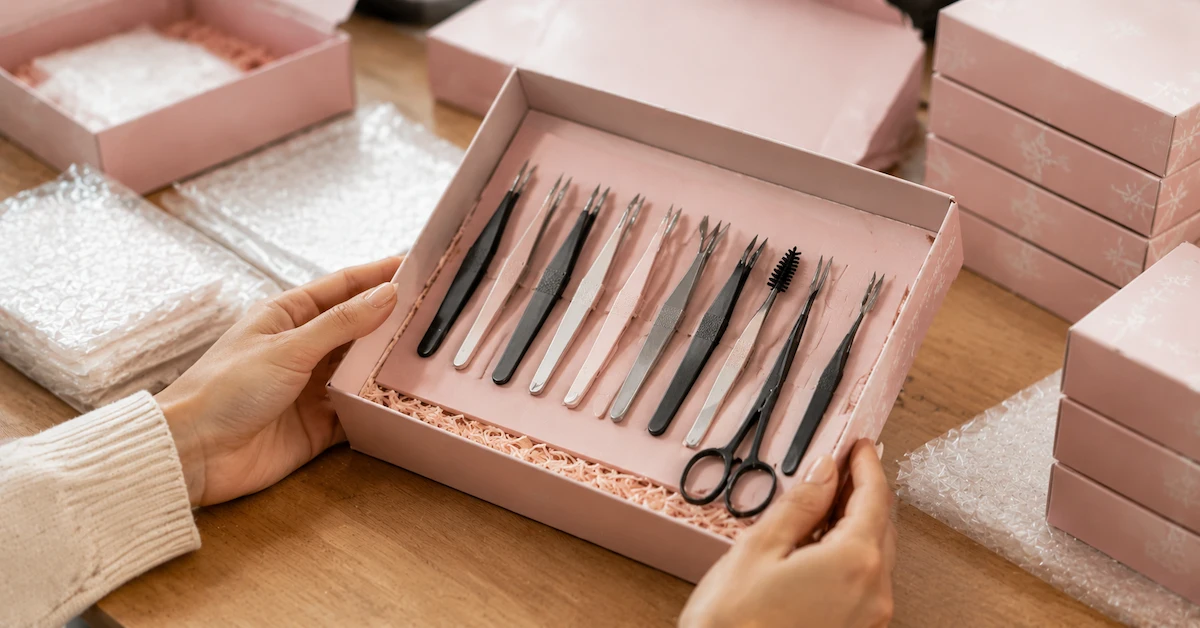
A kit can look premium when every item has a defined position. Loose elastic, uneven slots or tools that fall out when the case opens make the product feel unfinished. Ask for samples packed in the same way the final goods will ship, not just loose tool samples.
Finish consistency
Because metal tools reflect light, inconsistent polishing or visible marks can stand out in close-up photography. Inspect whether the finish looks consistent across all pieces. Also check whether the tools photograph cleanly without creating confusing glare.
Packaging readiness
The outer box, zippered case, insert, label and barcode area all influence retail handling. A product may be functional but still difficult to list if the packaging does not show the contents clearly or protect the case during storage and shipping.
Comparison Checklist for Selecting an Online-Ready Kit
The table below gives sourcing and e-commerce teams a practical way to compare grooming kits before adding them to an online store or marketplace catalog.
| Evaluation area | What to check | Why it matters online |
|---|---|---|
| Product purpose | Confirm whether the set is for manicure, pedicure, eyebrow grooming, mixed grooming, retail gifting or salon support. | A clear purpose helps the title, images and product bullets match shopper intent. |
| Included tools | List each visible item and confirm the final contents with the supplier. | Prevents disputes and avoids publishing inaccurate bundle descriptions. |
| Case design | Check zipper function, tool placement, holders, closure and open-display appearance. | The case affects perceived value, protection and product photography. |
| Material claims | Request confirmed material details and avoid assuming exact grade or treatment. | Unsupported technical claims can damage trust and create compliance risk. |
| Visual consistency | Inspect finish, color, case stitching, tool alignment and packaging uniformity. | Consistent appearance supports marketplace images and brand presentation. |
| Content readiness | Test whether the kit can be photographed open, closed and in detail without restyling. | Reduces content production time and improves listing clarity. |
| Supplier communication | Ask whether samples, customization, packing options and documentation can be provided. | Good communication lowers sourcing risk before larger orders. |
Manufacturing and Inspection Details That Matter
Small grooming tools often involve forming or stamping, grinding, polishing and assembly before they are packed into a case. The buyer does not need to describe every production step in consumer copy, but understanding the process helps with inspection and supplier communication.
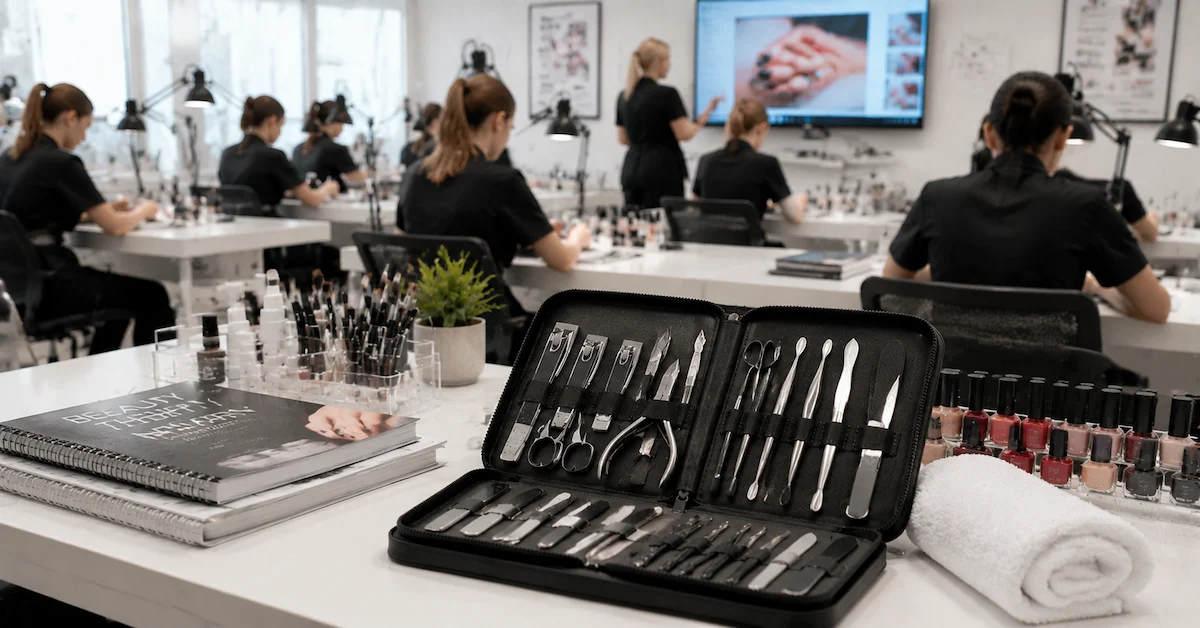
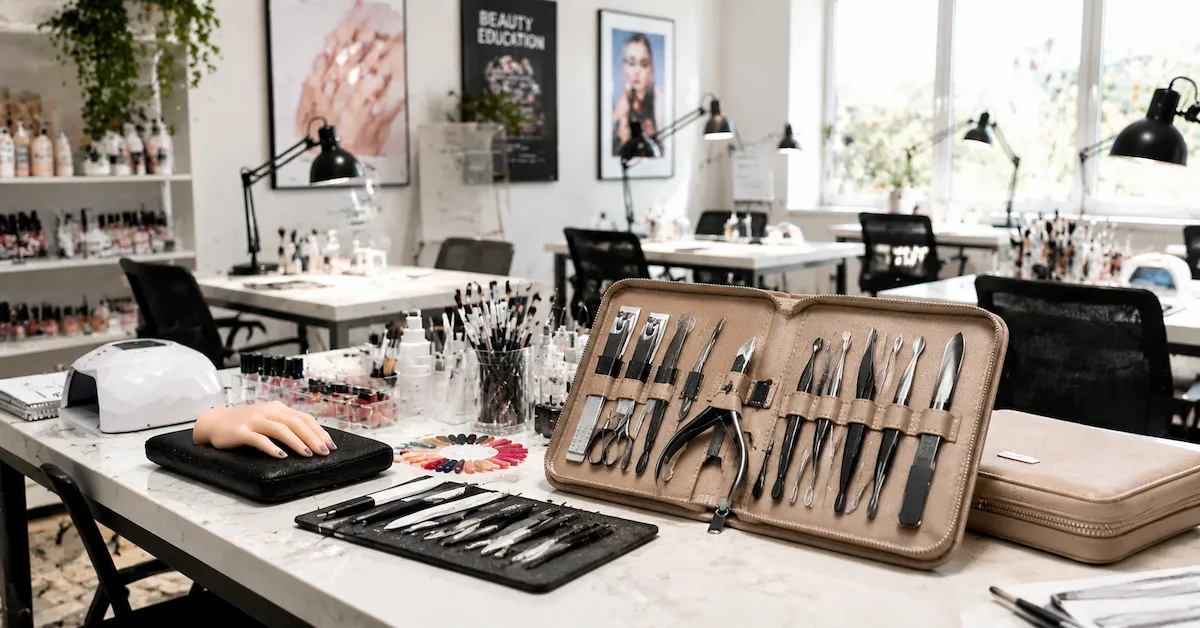
For metal tools, check edges, points, alignment and surface finish carefully. Tweezers should meet evenly where applicable. Scissor-like tools and nippers should open and close smoothly. Files or push-type pieces should be free from obvious burrs or rough handling points. These are practical inspection observations, not performance claims.
Kitting is just as important as tool production. A set can pass tool inspection but fail as a retail product if the contents are inserted incorrectly, the case does not close cleanly or the packaging varies from unit to unit. For online sale, inspect several complete packed samples if possible. Look for repeatability: the same layout, same visual standard and same information on each package.
If selling into regulated consumer markets, teams should verify current requirements with their compliance staff and the supplier's documents. Depending on destination and product positioning, public bodies or rules such as the U.S. Consumer Product Safety Commission and the EU General Product Safety Regulation may be relevant to general consumer product safety. Always verify current versions and do not treat general references as proof that any individual supplier or product is certified.
How to Present Beauty Tools on a Product Page
A strong product page starts with an answer-first structure. The first screen should make the product type, contents and case format obvious. Do not make shoppers zoom into every image just to understand what is included.
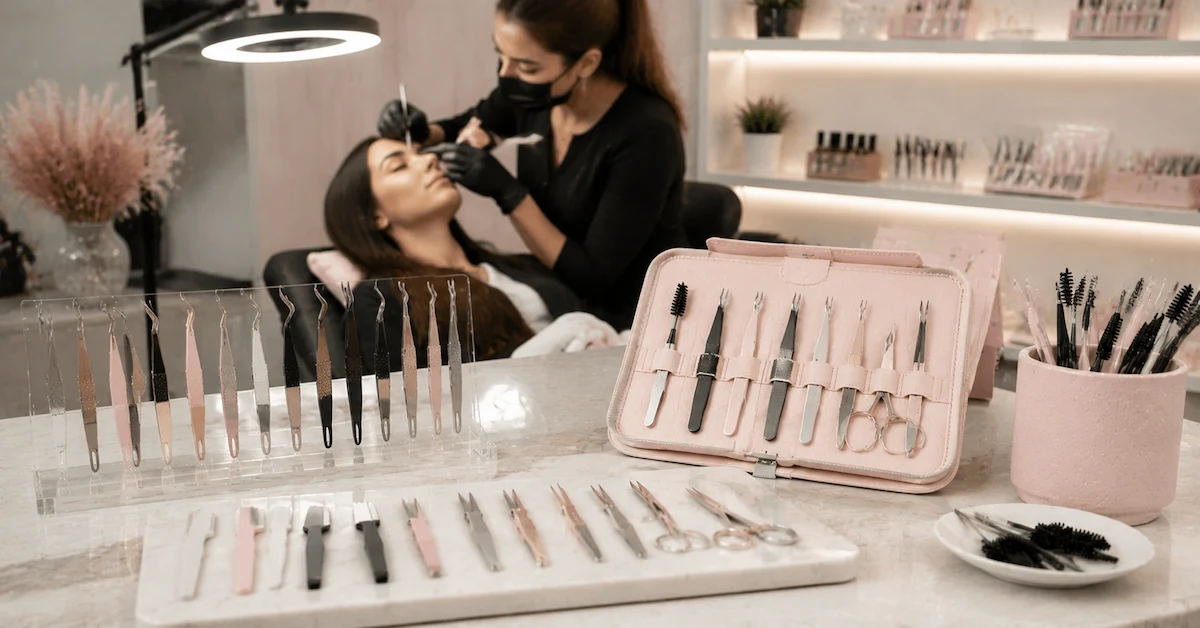
For a grooming kit arranged in a pink zippered case, the main image should show the open set clearly. Secondary images can show the closed case, close-up tool details, the storage layout and a realistic desk or beauty-retail scene. A smartphone, laptop or retail display background can provide scale and context, but it should not distract from the kit itself.
Useful image sequence for online listings:
- Main image: full open kit with all tools visible and organized.
- Case image: closed zippered case to show storage format.
- Detail image: close-up of metal finish and selected tools.
- Packaging image: retail box or packaged set if supplied.
- Use-context image: beauty counter, personal care area or e-commerce display setup.
The listing copy should be specific but restrained. Say that the set includes grooming tools in a storage case if that is confirmed. Mention visible tool categories such as tweezers, nippers, scissors or file-type pieces only when they are actually included in the final product. Avoid phrases such as professional-grade precision, medical quality, salon certified or sterilization ready unless proper supplier documents support them.
For B2B teams comparing product options, the catalog page at Olimor products can be used as a starting point for understanding available beauty tool formats. If building a broader retail range, review related items through the beauty tool collection and compare how each product would function as a listing, bundle or add-on SKU.
Cost Factors Without Guessing Prices
Beauty tool kit cost depends on configuration, materials, tool count, finishing, case design, packaging, order requirements and customization. Because these variables change by project, a reliable supplier should confirm pricing based on the selected set and final packing requirements rather than relying on a generic estimate.
Common cost drivers include:
- Number and type of tools included in the set.
- Confirmed metal material and surface finish requirements.
- Case material, color, zipper quality, holders and insert structure.
- Retail packaging, labeling, barcode or private label requirements.
- Inspection expectations and documentation needed for the target market.
- Customization such as case color, logo placement or assortment changes.
For online sellers, the cheapest set is not always the best commercial option. A slightly more organized case or clearer retail package can reduce photography work, improve perceived value and lower the chance of customer confusion. At the same time, avoid paying for unnecessary pieces that make the set harder to explain.
Common Problems and How to Prevent Them
The most common problem is vague positioning. If the listing tries to be a manicure kit, eyebrow kit, travel kit and professional salon set all at once, it becomes less convincing. Choose one primary intent and support it with images and copy.
Another problem is incomplete content. A product page that shows only the open kit may leave buyers wondering how it stores, ships or looks as a gift. Include the case and packaging wherever possible. For B2B buyers, request final packing photos before confirming a listing plan.
Overclaiming is also risky. Stainless steel-looking tools should not be described with exact grades, special treatments or tested performance unless confirmed. If buyers ask about documentation, provide the supplier's actual documents instead of improvising. This is especially important for marketplaces, where claims may be reviewed or challenged.
Finally, inconsistent samples can signal future problems. If one sample looks neat and another has loose tool placement or uneven packaging, ask the supplier how final packing is controlled. The goal is not perfection in a single photo; it is repeatability across inventory.
Supplier Evaluation Questions for B2B Buyers
A good supplier conversation should cover the product, the package and the listing needs. For a grooming kit, ask questions that reveal how the set will arrive and how much support the supplier can provide.
- Can you confirm the exact tool assortment included in the final set?
- Can you provide a sample packed in the same case and packaging intended for shipment?
- Which material details, finish details and product claims can be supported by documentation?
- Can the case color, logo, packaging or tool combination be customized?
- What information is needed to quote based on the target market and packaging format?
- How are packed sets inspected for tool placement, finish appearance and case condition?
When ready to discuss a specific configuration, buyers can send project details through the inquiry form. For questions about product fit, packaging approach or assortment planning, use contact Olimor to start a focused sourcing conversation.
FAQ
Can I request samples before placing an order?
Yes. For beauty tool kits, samples are especially useful because they let buyers inspect the tool assortment, finish, case fit and final presentation. Ask for the sample to match the intended packaging as closely as possible.
Is there a fixed MOQ for grooming kits?
MOQ can depend on the selected kit, packaging, customization and production plan. Buyers should confirm current requirements directly with Olimor for the specific product and order scope.
Can the case color, logo or tool combination be customized?
Customization may be possible depending on the item and project requirements. Confirm available options, artwork requirements and packaging details before preparing online listings or retail materials.
How should quality be checked before listing the product?
Inspect a complete packed sample. Check tool placement, case closure, finish consistency, visible defects, packaging accuracy and whether all listed contents match the actual set. Keep claims limited to details confirmed by supplier documents.
How can I estimate lead time?
Lead time depends on product selection, order quantity, customization, packaging and production scheduling. Request a current estimate during quotation and verify it again before confirming retail launch plans.
Final Takeaway for Online Stores and Sourcing Teams
A beauty tool kit for online sale should be selected as both a product and a listing asset. The best option is not simply the set with the most pieces. It is the kit that has a clear purpose, confirmed product details, organized packaging, reliable visual presentation and supplier support for accurate claims.
Before listing, define the role of the product: grooming kit, manicure and pedicure set, giftable beauty bundle, salon support item or e-commerce add-on. Then make sure the contents, case, images and copy all support that role. A well-presented grooming kit can build trust quickly, while a vague or overclaimed listing can lose the buyer in seconds.
For B2B buyers, the practical next step is to compare samples, confirm documentation and evaluate whether the final packed set is ready for photography and online sale. That disciplined approach creates a stronger product page, a clearer customer promise and a more reliable sourcing decision.