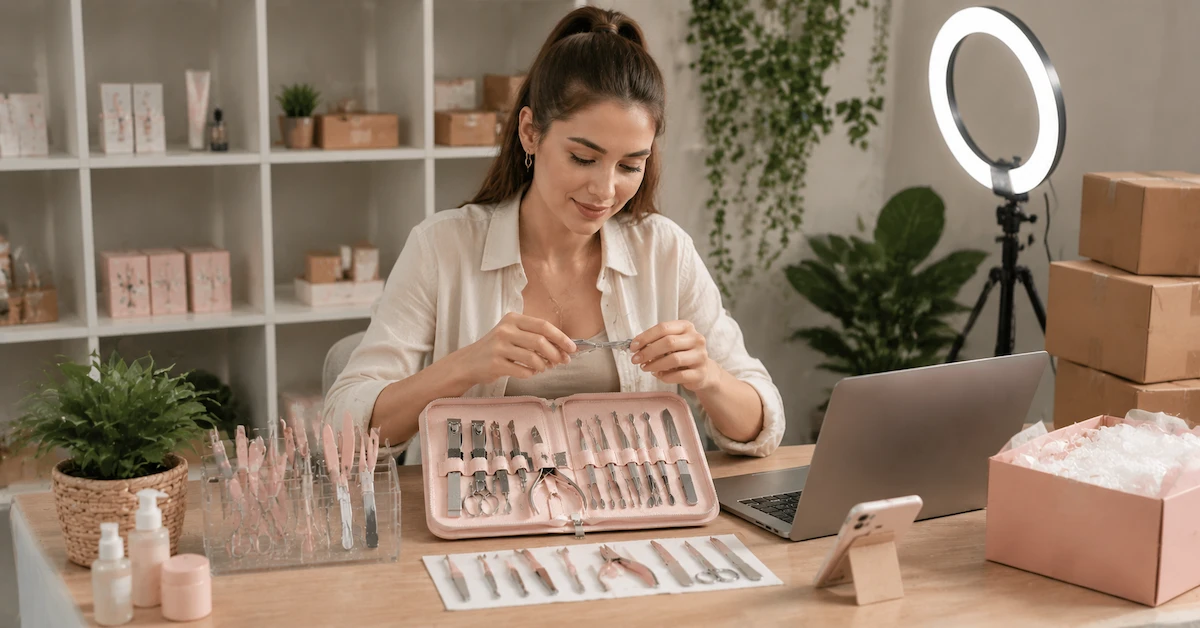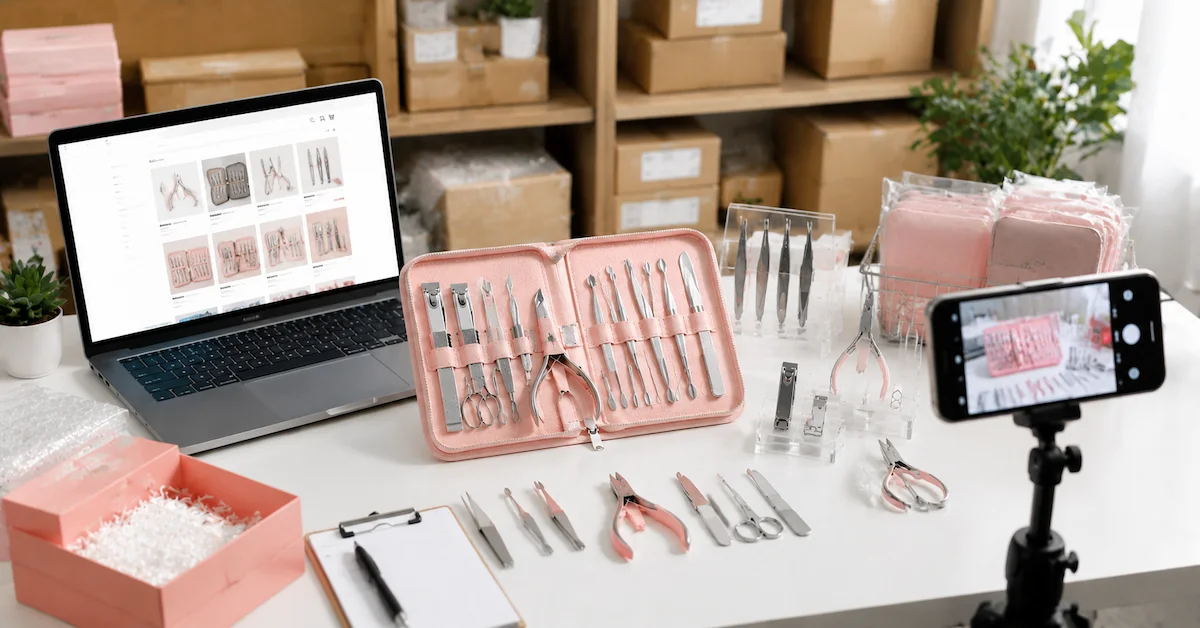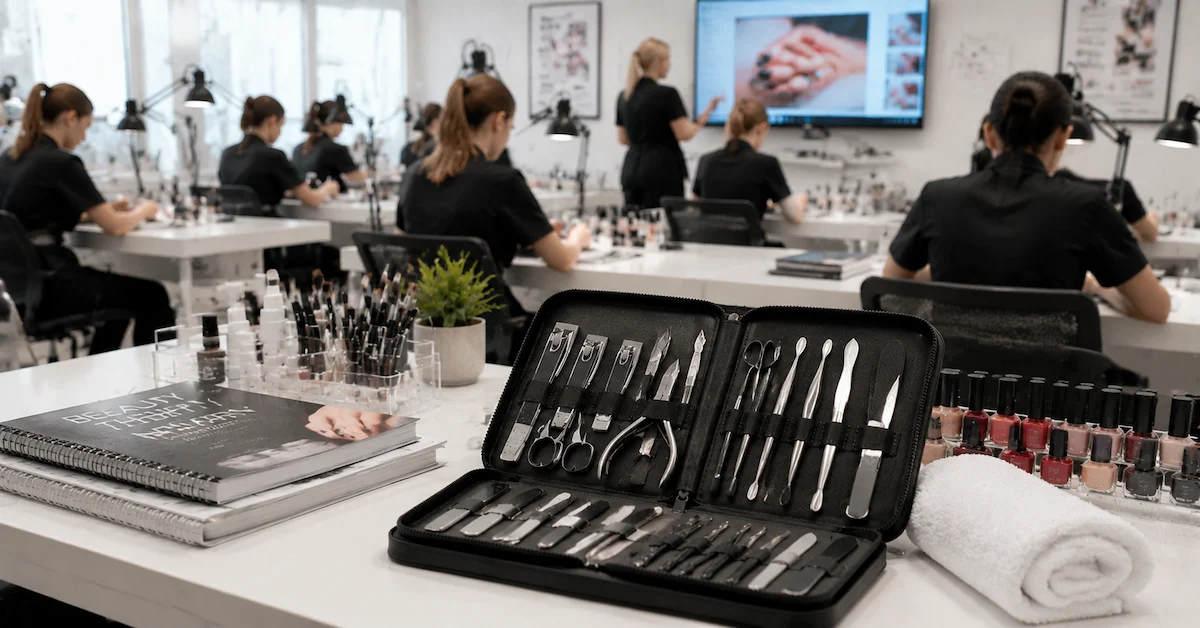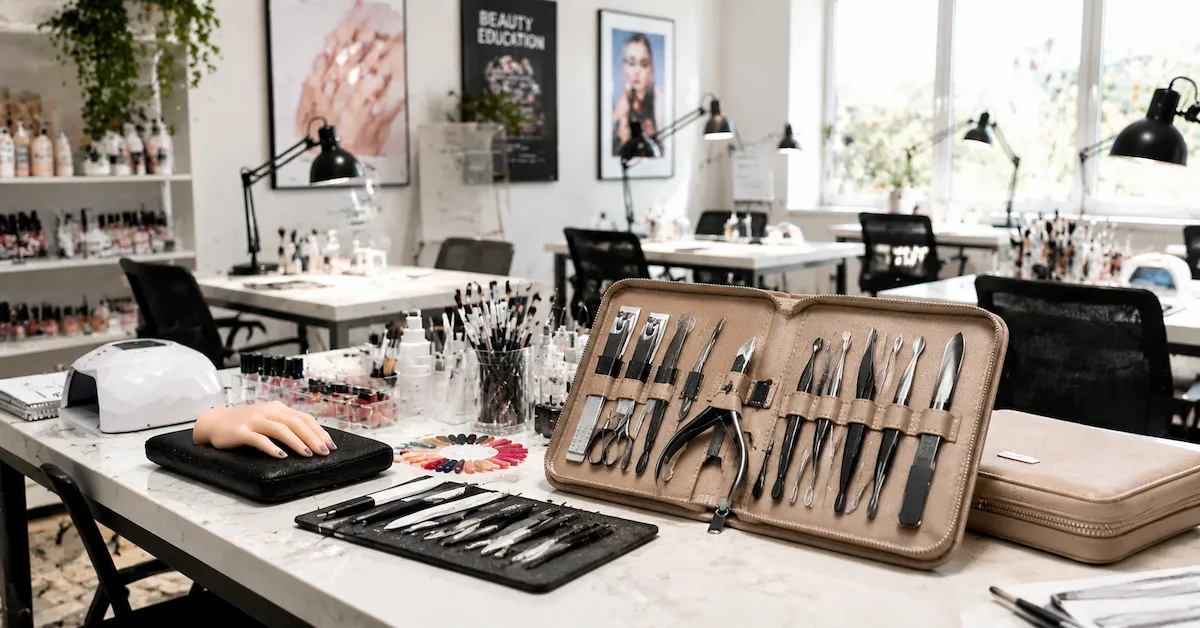











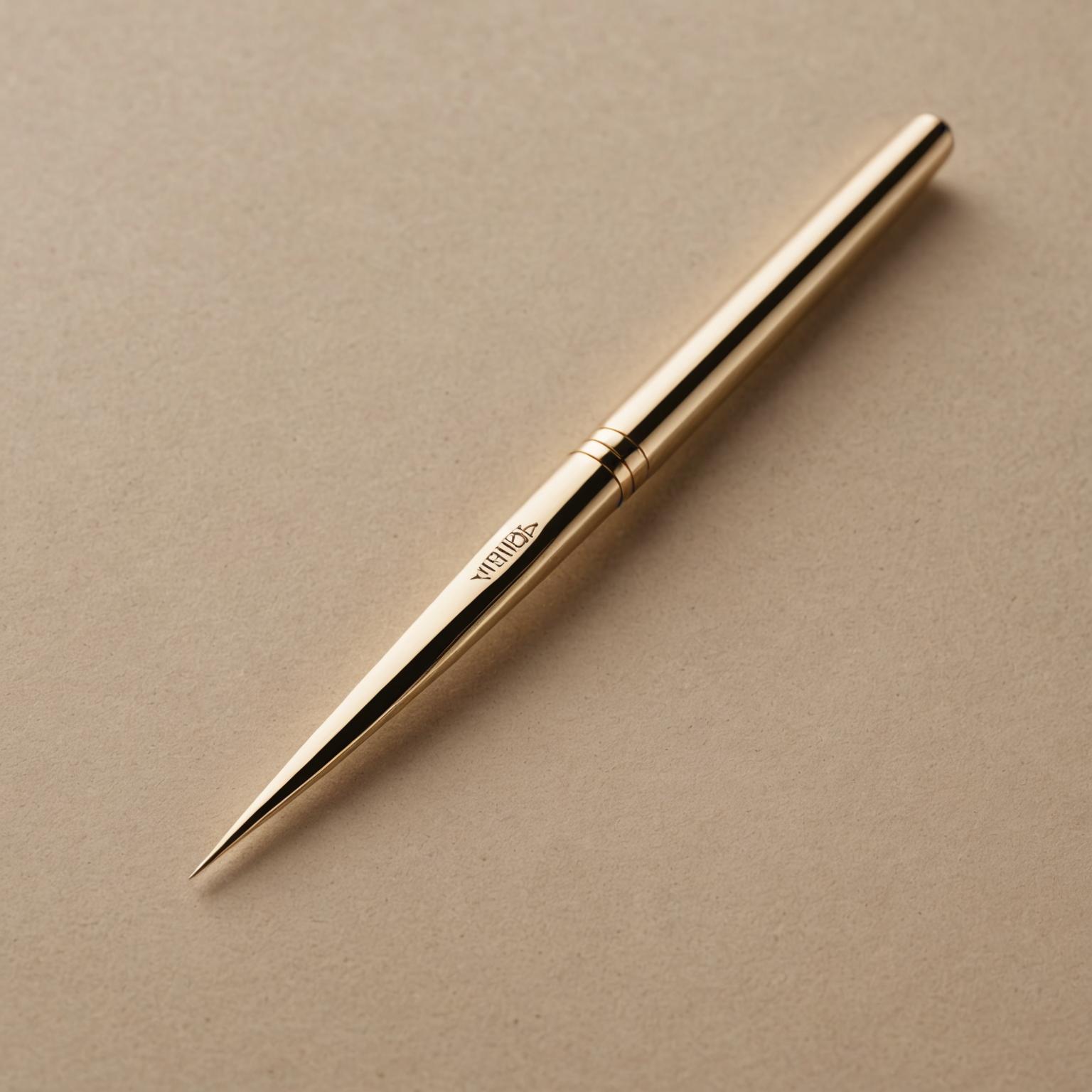
Wholesale salon supplies are no longer chosen only by price or broad product category. Salons, distributors, beauty retailers and private-label buyers now compare tools by durability, user comfort, finishing quality, packaging suitability and consistency across repeat orders. A tweezer, cuticle tool or manicure accessory may look simple, but in professional settings it is handled all day, cleaned frequently and expected to perform with precision every time.
For buyers sourcing beauty tool products, the opportunity is strong: personal grooming, manicure care and home beauty routines continue to support demand for reliable tools. At the same time, the market is crowded. A buyer needs a clear way to judge whether a supplier can deliver tools that suit professional use, retail presentation and long-term customer satisfaction. The most successful purchasing decisions balance trend awareness with practical quality assurance.
What Is Changing in Beauty Tools Wholesale
The beauty tools wholesale market is moving toward products that feel better in the hand, last longer and support more precise work. This is especially visible in small tools such as tweezers, manicure implements and personal care accessories, where small differences in alignment, edge finishing or surface treatment can change the user experience.
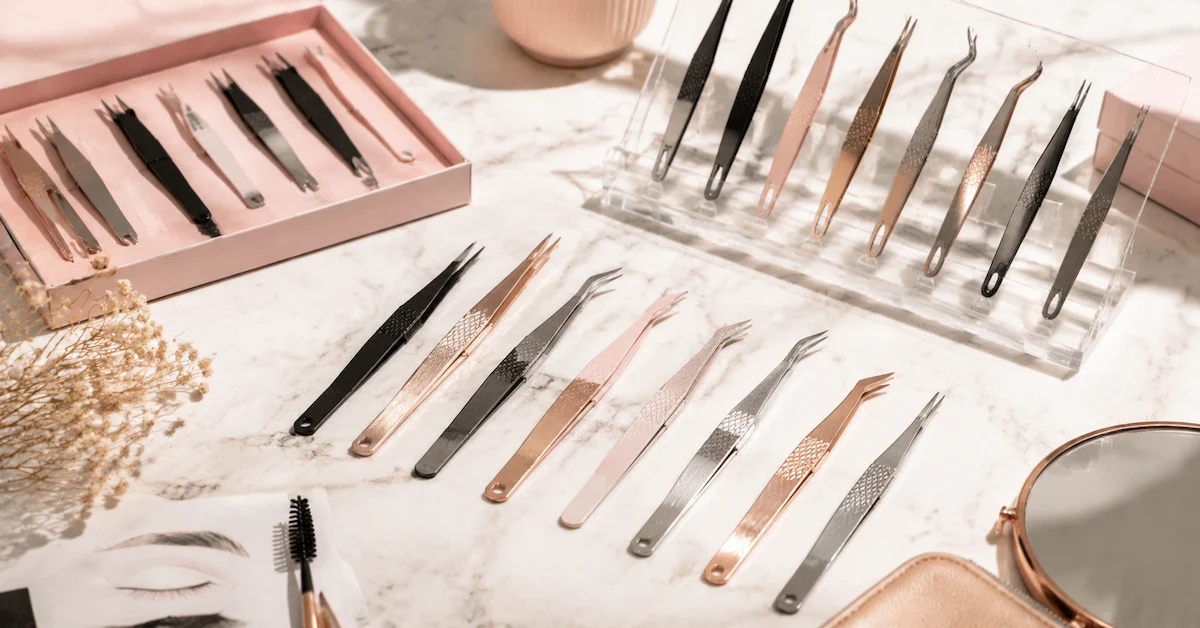
One clear trend is the preference for durable and ergonomic designs. The original discussion of wholesale salon supplies highlighted the Precision Titanium Tweezer from Olimor Beauty as an example of this direction, combining titanium durability with lightweight ergonomics. That matters because beauty professionals often repeat the same motions throughout the day. A lighter, well-balanced tool can reduce hand fatigue, while durable materials help the product maintain its working feel through regular use.
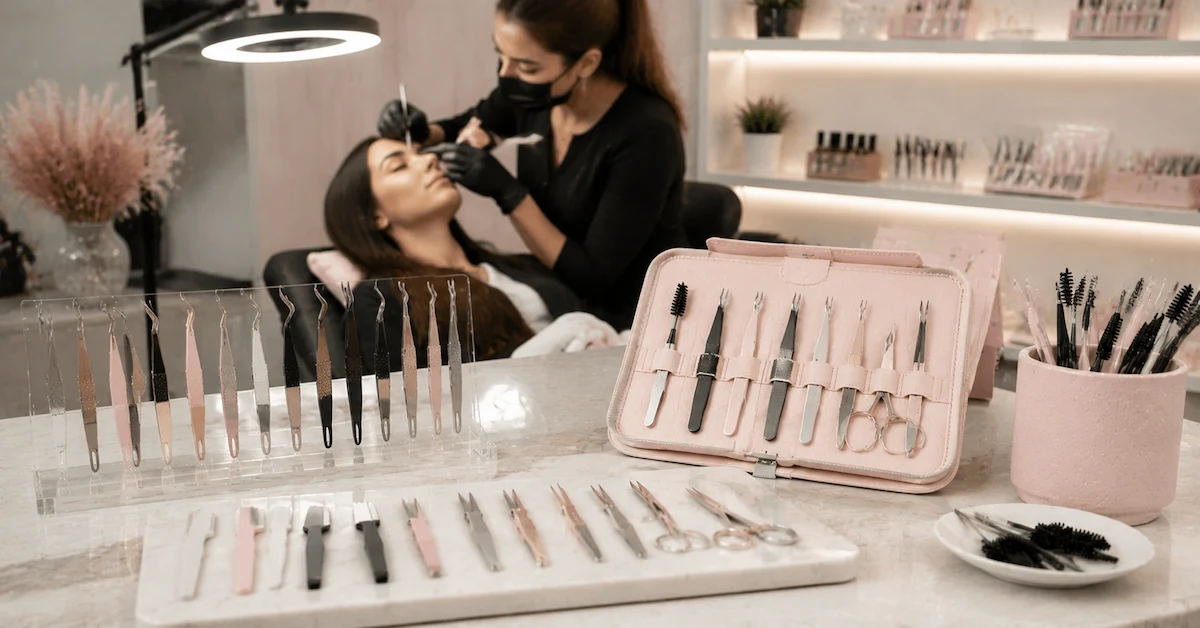
Another shift is the demand for tools that can serve both professional and home-care markets. Many consumers now maintain grooming routines between salon visits, while professionals still need dependable tools for accurate detail work. Wholesale buyers therefore look for products that are easy to understand, simple to clean, comfortable to use and attractive enough for retail shelves or online listings.
Why Manicure and Personal Care Tools Keep Growing
Manicure tools wholesale and personal care tools wholesale continue to expand because they meet repeat, practical needs. Nail care, brow grooming and facial grooming are not one-time trends; they are recurring routines. For distributors and salon supply companies, this makes small beauty tools a useful category for repeat sales, bundle building and cross-selling with consumable products.
Growth is also supported by at-home beauty routines. A shopper who visits a salon may still want reliable tweezers, nail tools or personal care accessories for maintenance at home. This creates demand for tools that are approachable for non-professionals but still made to standards that professionals can respect. For a wholesale buyer, this means product selection should not focus only on appearance. It should also consider grip, balance, tip symmetry, smooth finishing and how easily a customer can understand the tool’s purpose.
Professional users, meanwhile, often care about consistency more than novelty. If a tool performs well, they want the next shipment to feel the same. That is where supplier process control becomes important. A product can be visually attractive, but if alignment, tension or finishing changes from batch to batch, complaints may increase and reorders may decline.
Selection Criteria for Wholesale Salon Supplies
Before adding any salon tool to a wholesale catalog, buyers should define what role the item will play. Is it a professional-use tool, an entry-level retail item, a premium personal care accessory or part of a manicure kit? The answer changes the acceptable price range, packaging format and quality expectations.
A practical evaluation should include both technical and commercial criteria:
- Intended user: Decide whether the product is mainly for salon professionals, retail consumers, beauty schools or mixed channels.
- Material and durability: Review the stated material and assess whether it is appropriate for frequent handling, cleaning and storage.
- Ergonomics: Check whether the shape, weight and grip support controlled use without feeling awkward.
- Precision: For tweezers and detailed tools, inspect tip alignment, closure feel and whether the working end performs consistently.
- Surface finish: Look for smooth edges, clean polishing and a finish that does not feel rough during use.
- Packaging readiness: Consider whether the item can be packed for salon supply, retail display or e-commerce shipping.
- Repeatability: Confirm that samples represent what future production should look and feel like.
Buyers comparing product collections should also consider assortment logic. A strong wholesale range usually includes core tools that solve common grooming tasks rather than a large number of similar items that compete with one another. Clear differentiation makes it easier for sales teams and end customers to choose.
Quality Assurance Questions That Matter in B2B Beauty Supplies
Quality assurance in B2B beauty supplies is not only a final inspection step. It begins with product definition, continues through production and ends with packaging and shipment review. Beauty tools are small, but quality problems can be highly visible: uneven tips, loose joints, sharp burrs, inconsistent finish or poor packaging can quickly affect customer trust.
For salon supplies, buyers should evaluate quality through a structured checklist instead of relying only on attractive sample photos. The goal is to understand how the supplier controls the details that matter to the user.
- Sample review: Test multiple samples, not just one, and compare their weight, finish and working feel.
- Function testing: For tools such as tweezers, check alignment and gripping performance on realistic tasks.
- Visual inspection: Look for scratches, rough edges, uneven coating, stains or inconsistent polishing.
- Handling assessment: Hold the tool as a professional would use it and judge comfort, control and balance.
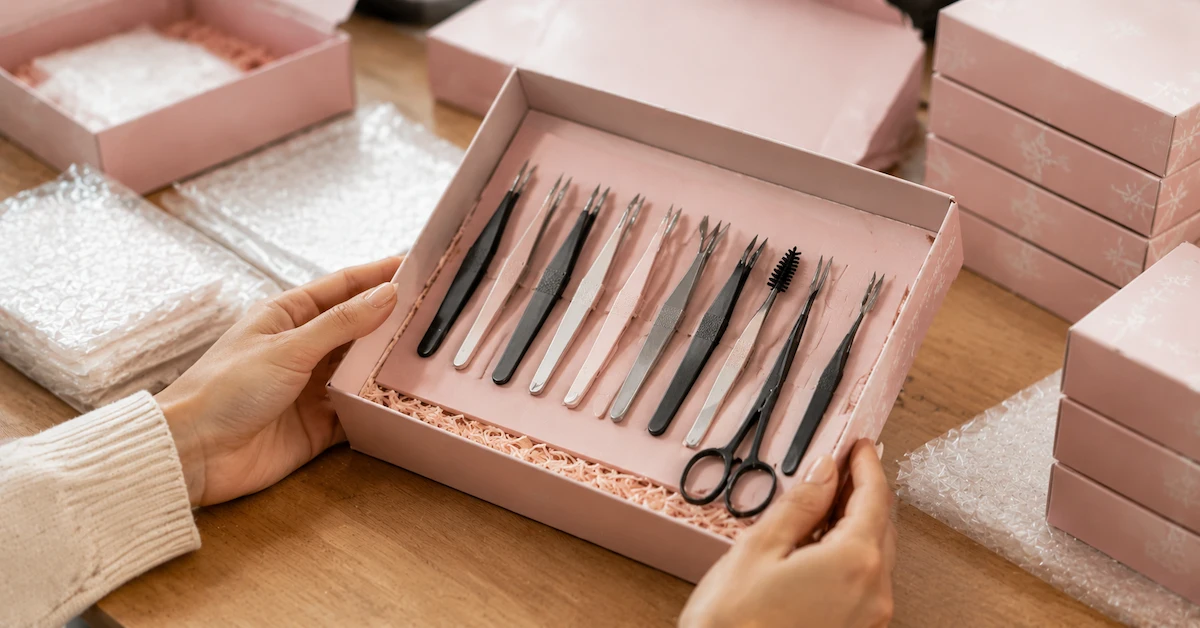
- Packaging check: Review whether packaging protects the tool and presents it clearly to the intended market.
- Batch consistency: Define what should be consistent across future orders, including finish, shape and working tension.
These steps are especially important when sourcing for salons, beauty retailers or distributors with repeat customers. A single inconsistent shipment can create returns and extra communication costs. Good quality assurance protects both the buyer’s reputation and the end user’s experience.
How to Compare Suppliers Without Relying on Price Alone
Price is important in wholesale salon supplies, but it should not be the only filter. A very low unit cost can become expensive if tools require extra sorting, generate complaints or do not support repeat sales. A better comparison considers total value: product consistency, communication clarity, packaging suitability and the supplier’s ability to understand the buyer’s market.
When reviewing a professional beauty tools supplier, buyers can use the following comparison table to organize decisions:
| Evaluation Area | What to Check | Why It Matters |
|---|---|---|
| Product function | Precision, alignment, grip and working feel | Determines whether the tool performs for salon or personal care use |
| Finish quality | Smooth edges, clean surface and consistent appearance | Affects safety perception, retail appeal and professional confidence |
| Ergonomics | Weight, balance and comfort during repeated use | Important for professionals who handle tools throughout the day |
| Packaging | Protection, labeling space and presentation | Supports shipping, retail display and brand positioning |
| Quality process | Inspection points and consistency controls | Reduces the risk of variable quality across repeat orders |
This approach helps purchasing teams make sourcing decisions that are easier to explain internally. It also gives suppliers clearer expectations, which can reduce misunderstandings during sampling and production.
Sourcing Decisions for Salons, Distributors and Retail Brands
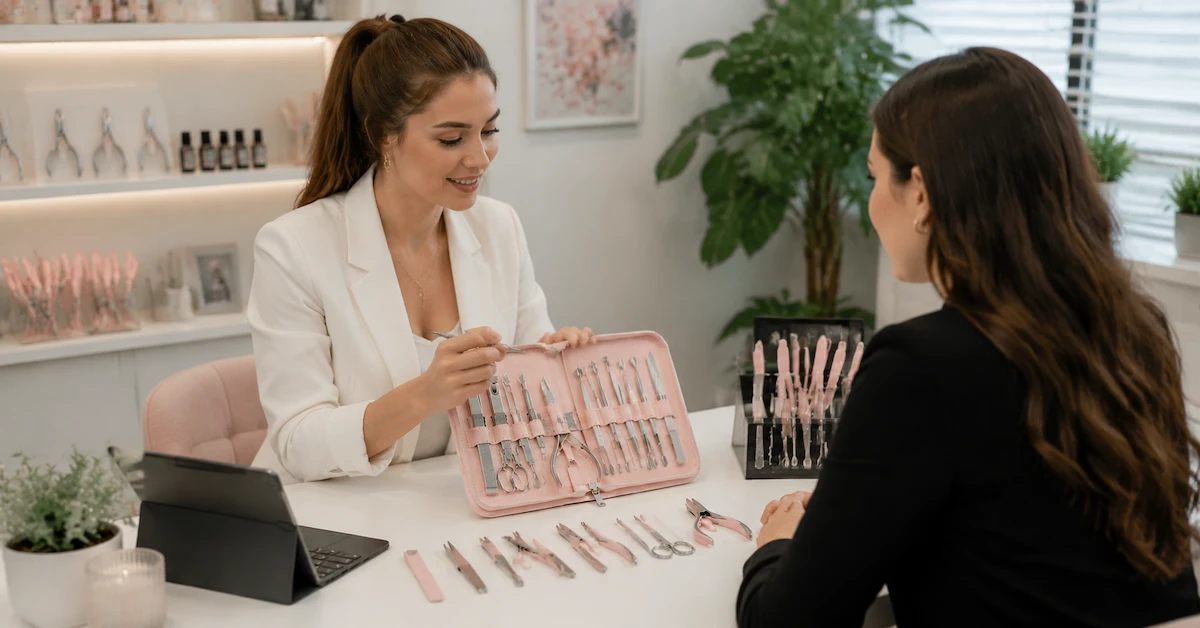
Different buyers need different wholesale salon supplies strategies. A salon group may prioritize durable tools that can handle frequent use. A distributor may need a balanced assortment that sells across many customer types. A retail or e-commerce brand may focus more on packaging, product story and consumer-friendly instructions. The same product category can serve all three, but the selection criteria should be weighted differently.
For example, a professional buyer evaluating a titanium tweezer may care most about weight, grip control and tip performance. A retail buyer may also consider how clearly the packaging communicates the tool’s purpose. A distributor may compare how the product fits alongside manicure tools, personal care accessories and other salon supply staples. In each case, the sourcing process should connect the physical tool to the customer’s actual use case.
Olimor Beauty buyers can begin by reviewing relevant categories on the beauty tool products page and then narrowing the selection according to channel, customer level and packaging needs. For custom sourcing questions or project discussions, buyers can send an inquiry with target product type, intended market and any required packaging direction.
Maintenance and Handling Considerations for Better Customer Satisfaction
Even well-made beauty tools need proper handling. Wholesale buyers can reduce complaints by providing simple care guidance to salons, retailers or end users. The guidance does not need to be complicated; it should focus on keeping tools clean, dry and protected from damage.
For metal grooming tools, customers should be reminded to clean according to the tool’s intended use, dry thoroughly after exposure to moisture and store tools in a way that protects working edges or tips. Tweezers and detail tools should not be dropped or used for tasks outside their purpose, because tip alignment is central to performance. If tools are sold in sets, packaging should help prevent items from rubbing against one another during shipping and storage.
This type of practical information supports the wholesale buyer as much as the end user. Clear care guidance can improve reviews, reduce avoidable returns and help customers understand the value of a better-made tool.
Building a Stronger Wholesale Salon Supplies Program
The best wholesale salon supplies programs combine trend awareness with disciplined product evaluation. Durable materials, lightweight ergonomics and precision-focused designs are important because they reflect how beauty tools are actually used. However, long-term success depends on consistency: the tool that arrives in a repeat order should match the quality and function approved during sampling.
For buyers in beauty tools wholesale, manicure tools wholesale and personal care tools wholesale, the smartest next step is to define clear selection standards before comparing options. Focus on user type, function, finish, ergonomics, packaging and quality assurance. With those criteria in place, it becomes easier to choose products that support salons, retailers and distributors with fewer surprises and stronger repeat potential.
To discuss sourcing needs, packaging direction or suitable tool categories, buyers can contact Olimor and share the intended market and product requirements.