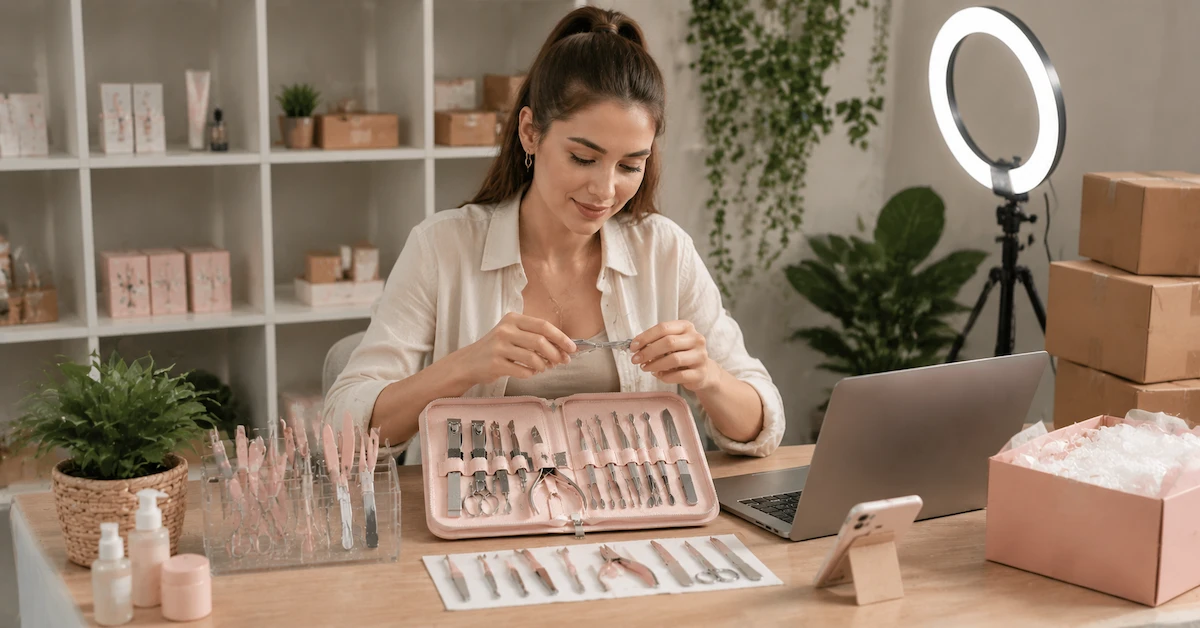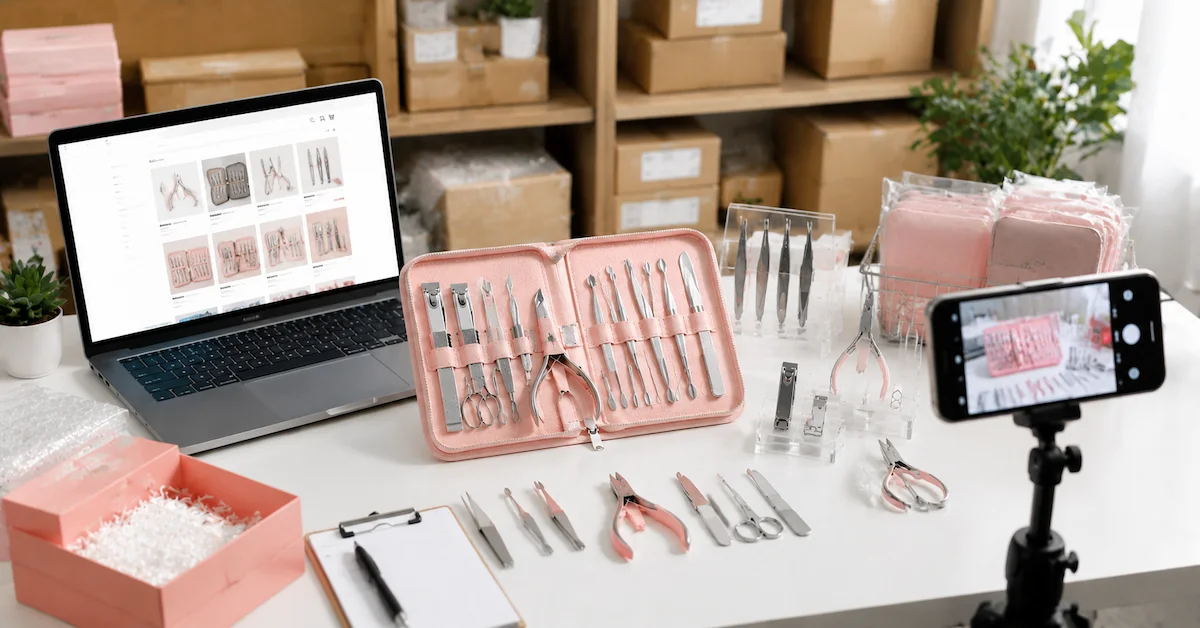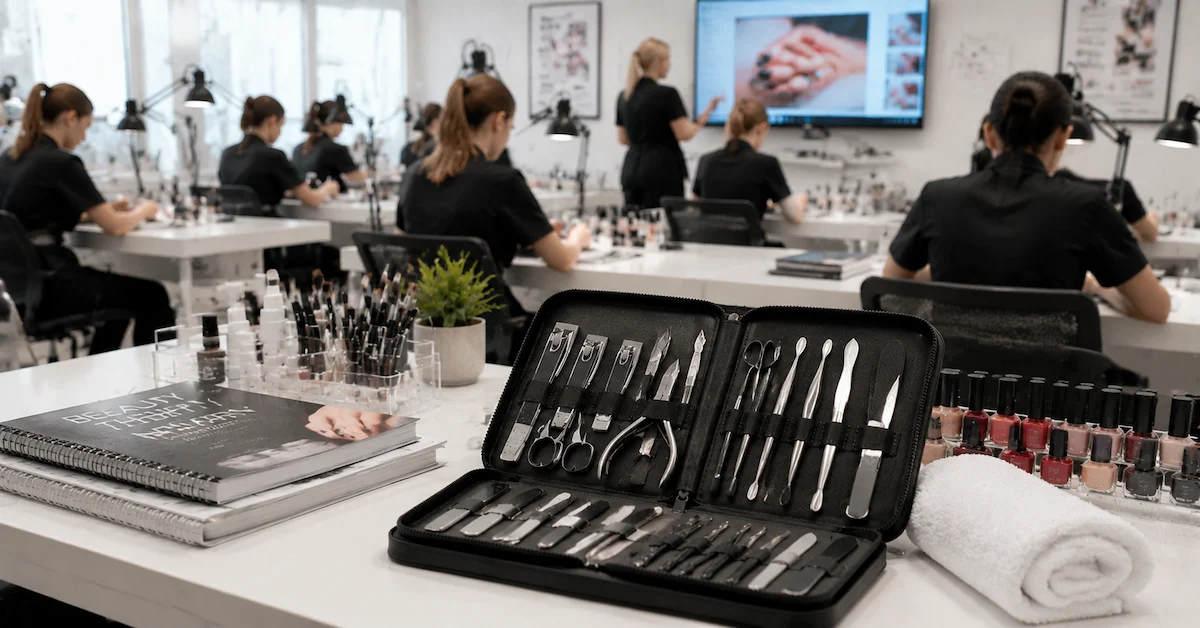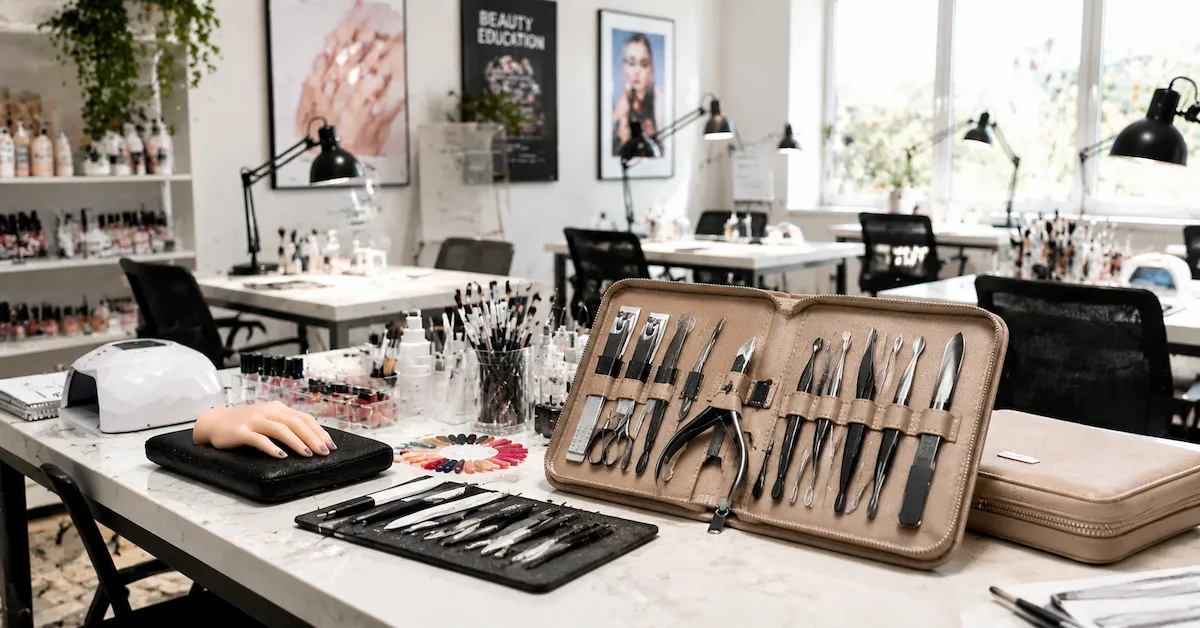












Wholesale salon supplies are not just a purchasing category. For salons, spas, brow studios, nail technicians, and personal care retailers, small tools directly affect service speed, hygiene routines, client comfort, and repeatable results. A tweezer that loses alignment too quickly, a manicure tool that feels tiring after a full day, or a personal care tool that is difficult to clean can create hidden costs long before it is officially replaced.
The most useful wholesale buying decisions begin with the way tools will be used in real services. Beauty professionals need instruments that feel controlled in the hand, tolerate repeated cleaning, and deliver precision without unnecessary strain. Olimor Beauty focuses on professional beauty tools such as stainless steel tweezers, manicure tools, and personal care tools for B2B buyers who need dependable supplies rather than one-off consumer purchases. If you are comparing beauty tool products for wholesale purchasing, the following criteria can help you separate attractive catalog items from tools that are better suited to daily salon work.
Why Wholesale Salon Supplies Require a Different Buying Standard
Buying for a professional environment is different from buying a tool for occasional home use. In a salon, the same category of tool may be used many times per day by different technicians and then cleaned, stored, and used again. That cycle makes consistency more important than novelty. A wholesale buyer is not only choosing a shape or finish; the buyer is choosing whether the tool can support repeated, efficient service delivery.
Cost control also works differently in wholesale salon supplies. The lowest unit cost may not be the lowest operating cost if tools need frequent replacement, arrive with inconsistent finishing, or require technicians to compensate for poor grip and alignment. On the other hand, the most expensive-looking item is not automatically the most appropriate choice. Good purchasing balances material, hand feel, finish, cleaning compatibility, packaging needs, and the specific services the tool supports.
For salons and distributors, this makes supplier evaluation essential. A professional beauty tools supplier should be able to discuss how products are checked, what materials are used when stated, how tools are packaged, and whether the range fits brow, nail, grooming, or personal care applications. Olimor Beauty emphasizes quality checks from raw materials to packaging, which is especially relevant for buyers who need a repeatable wholesale supply process.
Current Beauty Tools Wholesale Trends That Matter in Practice
Trends in beauty tools wholesale are most useful when they solve practical problems. The strongest direction in the market is not simply toward more decorative tools, but toward tools that improve control, reduce hand fatigue, and simplify hygiene workflows. Ergonomic design is a clear example. A tweezer or manicure tool that feels balanced can help a professional maintain precision during detailed work, especially in brow shaping, hair removal, nail care, and finishing tasks.
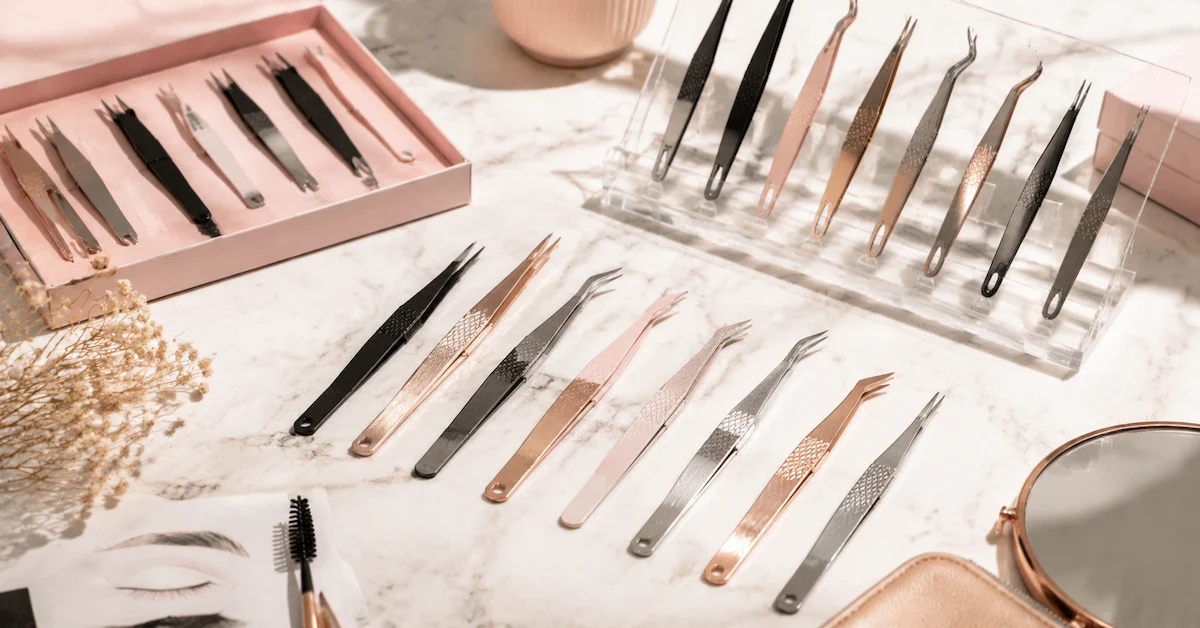
Stainless steel tweezers continue to gain attention because stainless steel is valued for resistance to corrosion and suitability for repeated professional handling when cared for correctly. In a wholesale context, this matters because many salons want tools that can be cleaned and reused according to their internal hygiene procedures. Durability, tip alignment, and grip texture all affect whether the tool remains useful over time.
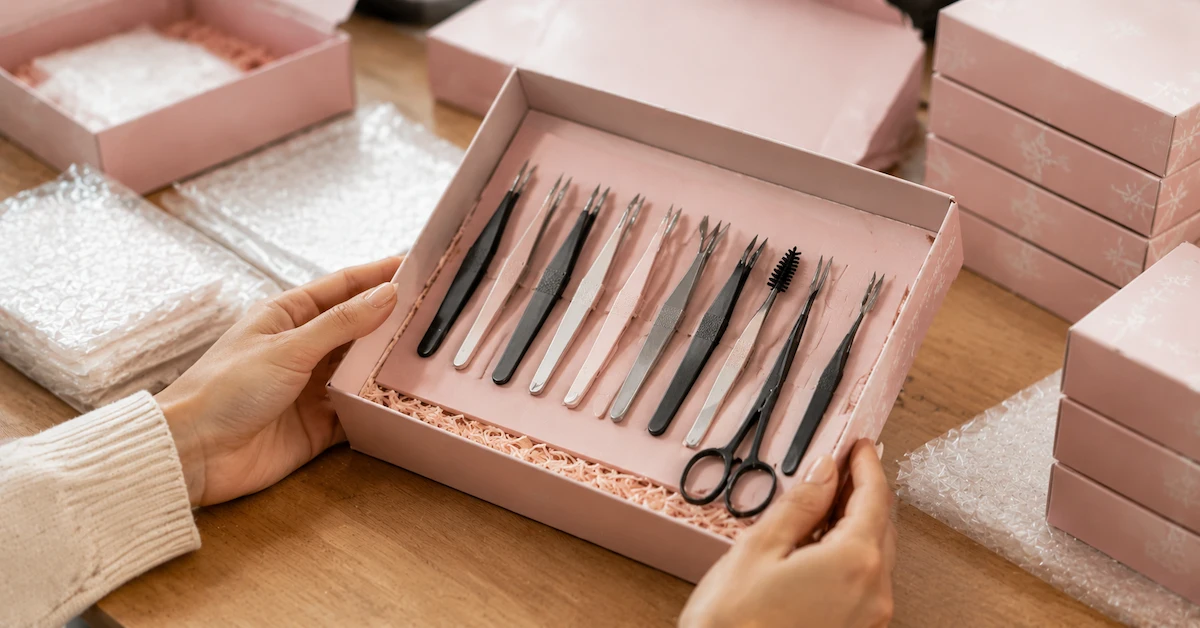
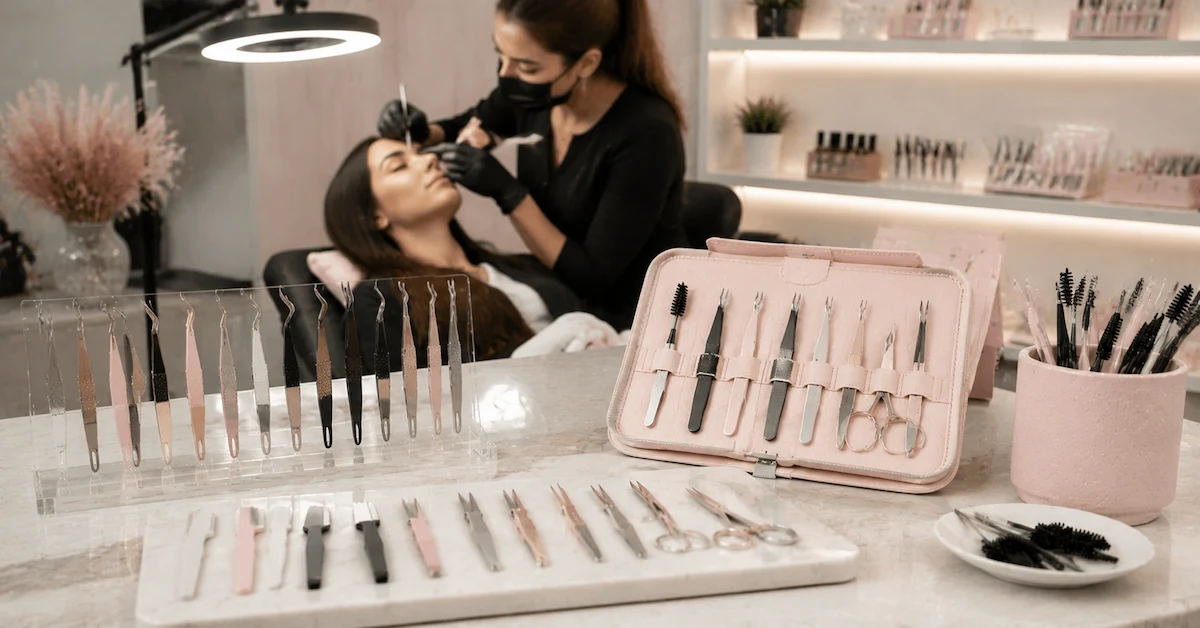
Another important trend is multifunctional purchasing. Many buyers are building coordinated tool assortments instead of ordering isolated items. For example, tweezers may be purchased alongside manicure tools or precision personal care tools so a salon, retail kit, or training program can maintain a more consistent service setup. This does not mean every tool should perform every task. It means the overall purchasing plan should cover the real range of treatments offered, with the right instrument for each job.
How to Evaluate Tweezers for Professional Salon Use
Tweezers look simple, but they are among the most sensitive beauty tools to evaluate. Small differences in tip shape, alignment, spring tension, and surface finishing can change the user experience. For brow services and precise hair removal, the tweezer must grip reliably without cutting hair too easily or slipping. For detailing work, the tip should allow controlled placement and clear visibility of the working area.
When reviewing tweezers in a wholesale salon supplies order, consider the following checkpoints:
- Tip alignment: The tips should meet evenly enough to grip fine hairs or small items without forcing the hand to overcompensate.
- Edge finishing: Edges should feel finished and controlled, not rough or uncomfortable during handling.
- Hand pressure: Spring tension should allow repeated use without creating unnecessary fatigue for the technician.
- Material suitability: If stainless steel is specified, review whether it supports the salon's cleaning and storage routine.
- Service match: Slanted, pointed, or other tip styles should be selected according to the tasks your team performs most often.
- Batch consistency: For wholesale supply, sample checks should focus on whether multiple units feel and perform consistently, not only whether one sample is acceptable.
Because tweezers are used close to the skin, a small improvement in control can make a service feel cleaner and more professional. For wholesale buyers, this is where quality and value meet: the right tweezer can support accuracy, service speed, and technician confidence.
Manicure and Personal Care Tools: Build Around the Service Menu
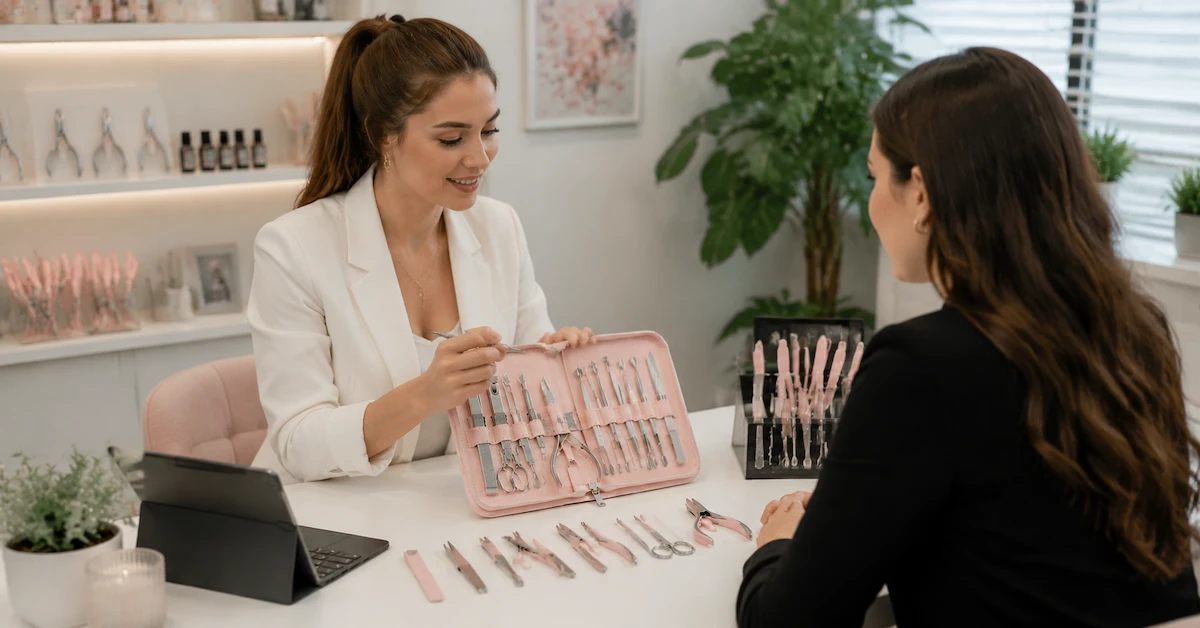
Manicure tools wholesale and personal care tools wholesale should be selected around actual service workflows. A nail station has different needs from a brow bar, and a grooming kit has different priorities from a spa treatment room. Before purchasing, list the services that require handheld tools, then identify which tools are essential, which are backups, and which are retail or aftercare items.
A useful purchasing plan may include tools for nail preparation, cuticle-area work where appropriate, grooming, precise detailing, and general personal care applications. Precision needles and similar detailed tools may complement tweezers in certain professional or personal care settings, but they should be chosen only when they fit the buyer's intended use and handling standards. The goal is not to add complexity; it is to create a tool selection that prevents technicians from improvising with instruments that were not designed for the task.
For salons, storage and cleaning routines should also influence buying. Tools should be easy to identify, organize, and rotate. If several technicians share inventory, consistent tool types can reduce confusion and make replacement planning easier. For retailers and distributors, packaging and presentation may matter more, especially when tools are sold as personal care essentials. Buyers comparing product collections should consider whether the assortment supports professional service use, retail display, or both.
A Practical Checklist for Wholesale Beauty Tool Sourcing
Wholesale sourcing is easier when the purchasing team has a repeatable review process. The table below outlines practical criteria that apply to many beauty tools, including tweezers, manicure tools, and personal care tools.
| Evaluation Area | What to Check | Why It Matters |
|---|---|---|
| Material and finish | Look for stated materials, smooth finishing, and surfaces that fit your cleaning routine. | Material choice affects durability, corrosion resistance, and professional handling. |
| Ergonomics | Test grip comfort, balance, and pressure required during repeated use. | Comfort reduces fatigue and supports precise work over a full service day. |
| Functional consistency | Review multiple units for similar alignment, tension, and finishing. | Wholesale orders must perform consistently across a team or resale channel. |
| Service suitability | Match tool shape and size to brow, nail, grooming, or personal care tasks. | Correct fit reduces wasted purchases and improves technician confidence. |
| Packaging and handling | Check whether tools are protected during shipping and practical to store. | Good packaging helps prevent damage before tools reach the salon or customer. |
| Supplier communication | Confirm product details, customization possibilities if needed, and order documentation. | Clear communication reduces mistakes in repeat wholesale purchasing. |
This type of review helps buyers avoid decisions based only on appearance. It also creates a shared standard for purchasing, training, and reorder decisions.
Quality Assurance Questions for Professional Beauty Tools Suppliers
Quality assurance should be part of every wholesale conversation. This does not require buyers to demand unrealistic claims; it means asking practical questions that show whether a supplier controls the details that matter. For beauty tools, those details often include raw material inspection, production consistency, finishing, tip alignment for tweezers, surface condition, and packaging checks.
Useful questions include: How are incoming materials reviewed? Which functional points are checked before packaging? Are samples available for evaluation? How should the tools be stored to reduce unnecessary wear? Can product details be confirmed in writing for repeat orders? These questions help buyers compare professional beauty tools suppliers without relying on vague marketing language.
Olimor Beauty's emphasis on quality checks from raw materials to packaging fits the needs of buyers who want dependable B2B beauty supplies. For a salon group, distributor, or private purchasing team, the objective is to reduce variation and make future reorders more predictable. If your team is planning a new assortment or comparing wholesale salon supplies, you can send an inquiry with your product category, intended use, and purchasing requirements.
Maintenance and Storage: Protecting the Value of Your Tool Investment
Even well-made tools can perform poorly if they are handled carelessly. Salons should create simple maintenance rules that fit local hygiene requirements and internal procedures. Tools should be cleaned according to the salon's approved process, dried before storage when relevant, and kept in a way that protects fine tips and working edges. Tweezers, in particular, should not be thrown loosely into crowded drawers where tips can bend or become misaligned.
Technicians should also know when a tool should be removed from active use. Signs may include poor grip, visible damage, uncomfortable pressure, corrosion, or a change in alignment. Keeping a small reserve of replacement tools helps avoid service disruption. For wholesale buyers, tracking replacement frequency can reveal whether the current product is delivering acceptable value or whether the specification should be adjusted in the next order.
Choosing Wholesale Salon Supplies for Long-Term Value
The future of wholesale salon supplies is likely to favor tools that combine professional function, comfortable handling, and reliable sourcing. Salons are under pressure to deliver consistent results while managing costs, and distributors need products that customers can reorder with confidence. In that environment, beauty tools wholesale purchasing should be treated as an operational decision, not a last-minute supply order.
Start with the services you perform, then evaluate tools by control, comfort, material suitability, cleaning workflow, and consistency across units. Give special attention to tweezers, manicure tools, and personal care tools because these categories are used directly in detailed work and can quickly influence service quality. If you need help comparing suitable options or preparing a wholesale purchase plan, contact Olimor to discuss the categories that fit your business needs.