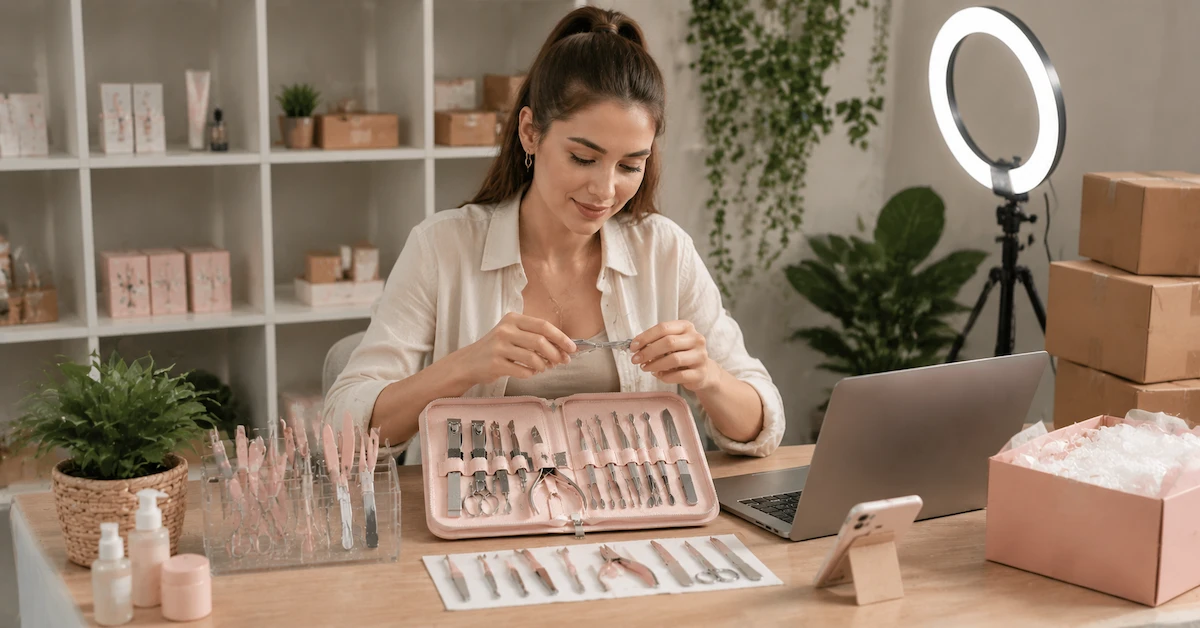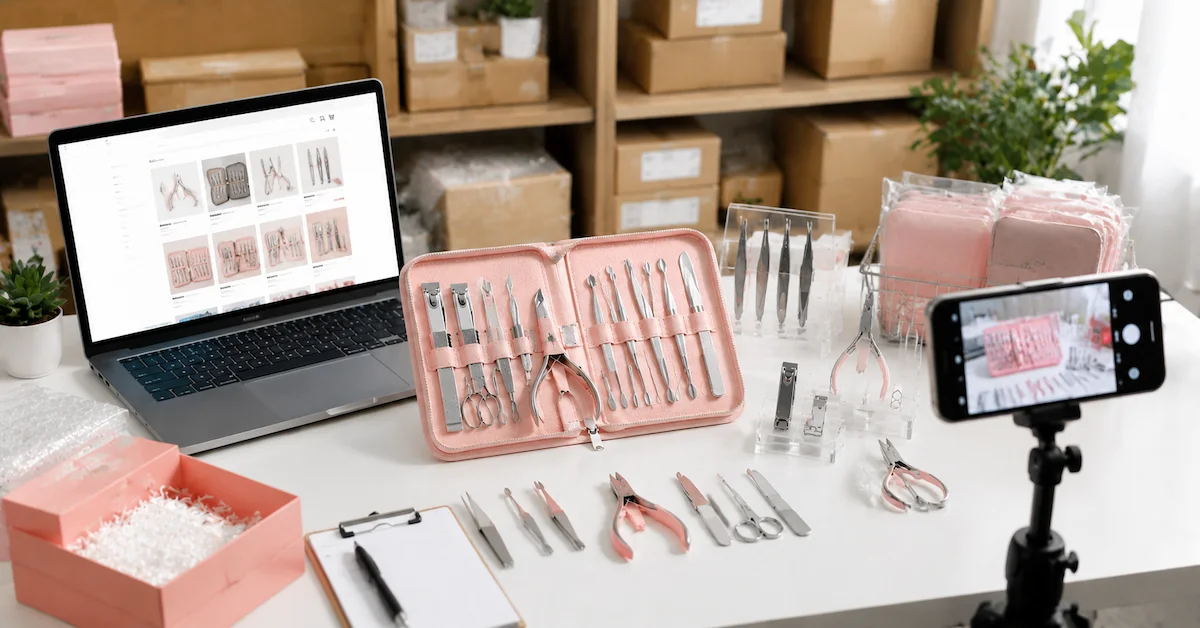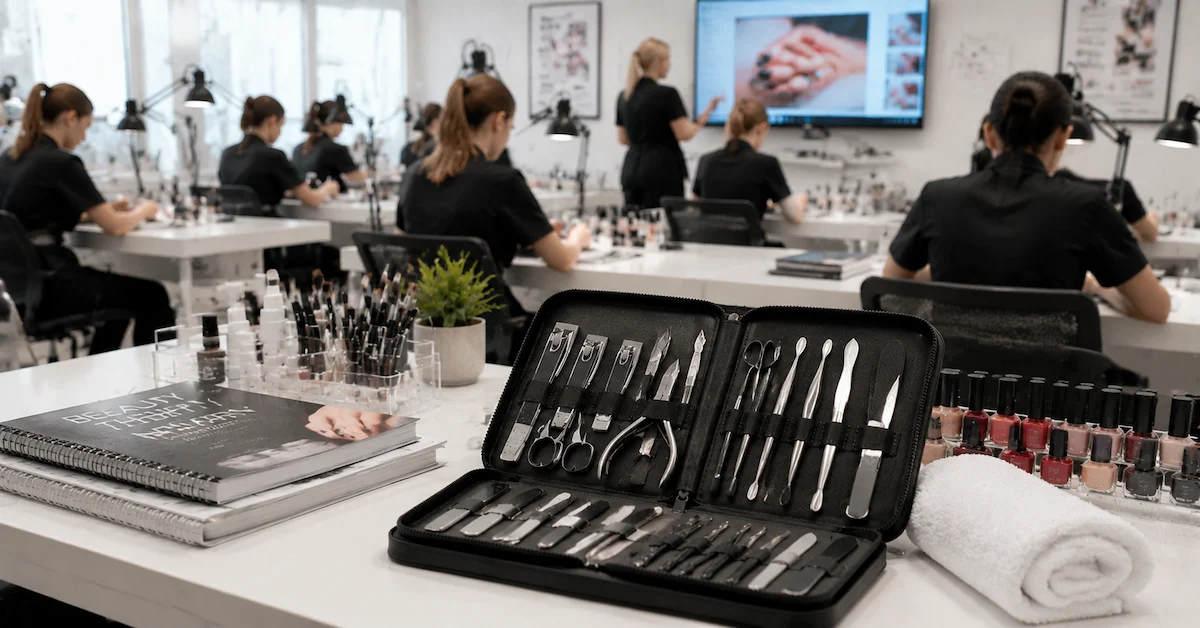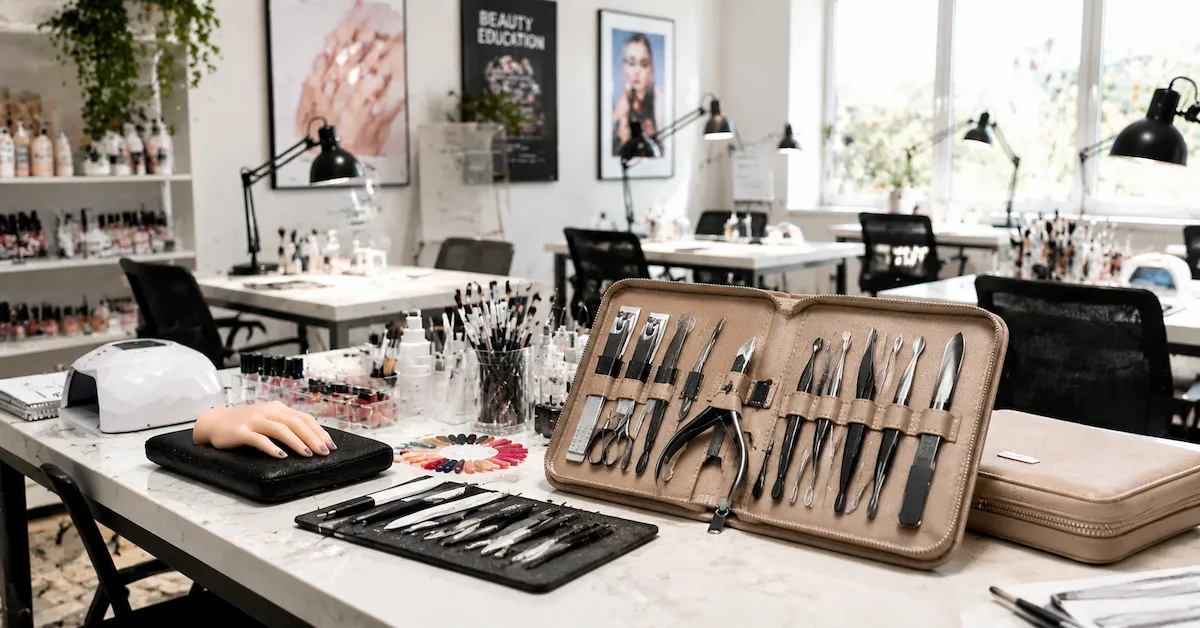












Buying wholesale salon supplies is not only a purchasing task. For a salon, spa, nail studio or beauty distributor, the tools selected for daily service affect treatment consistency, technician comfort, hygiene procedures and the client’s confidence in the business. A tool that feels balanced in the hand, cleans easily and performs reliably can support smoother appointments and fewer interruptions during busy service hours.
This guide is written for beauty businesses comparing manicure tools wholesale, spa tools wholesale and foot care tools such as foot files and rasps. It focuses on practical selection criteria rather than vague product claims, so buyers can make clearer decisions when reviewing beauty tool products, planning a replenishment order or building a new treatment menu.
Start With the Services Your Salon Actually Performs
Before comparing suppliers, list the services that generate the most tool usage in your business. A small nail studio may need repeated access to cuticle, shaping and finishing tools, while a foot care-focused salon may place more emphasis on files, rasps and smoothing accessories. A spa may need tools that support both professional treatment rooms and retail-friendly home-care recommendations.
A useful wholesale order begins with service mapping. For each treatment, identify the tools used before, during and after the appointment. This prevents overbuying attractive but rarely used items and helps standardize the tools used across technicians. Standardization is especially important for multi-chair salons because clients expect similar results no matter which professional performs the service.
- Manicure services: nail shaping tools, cuticle care tools, finishing tools and accessories that support detail work.
- Pedicure and foot care services: foot files, rasps and smoothing tools appropriate for different levels of dry skin and callus care.
- Spa treatments: tools that are comfortable for repeated use, simple to clean and suitable for a calm treatment environment.
- Retail or home-care add-ons: tools that are easy for consumers to understand and maintain safely between visits.
What to Check When Buying Manicure Tools Wholesale
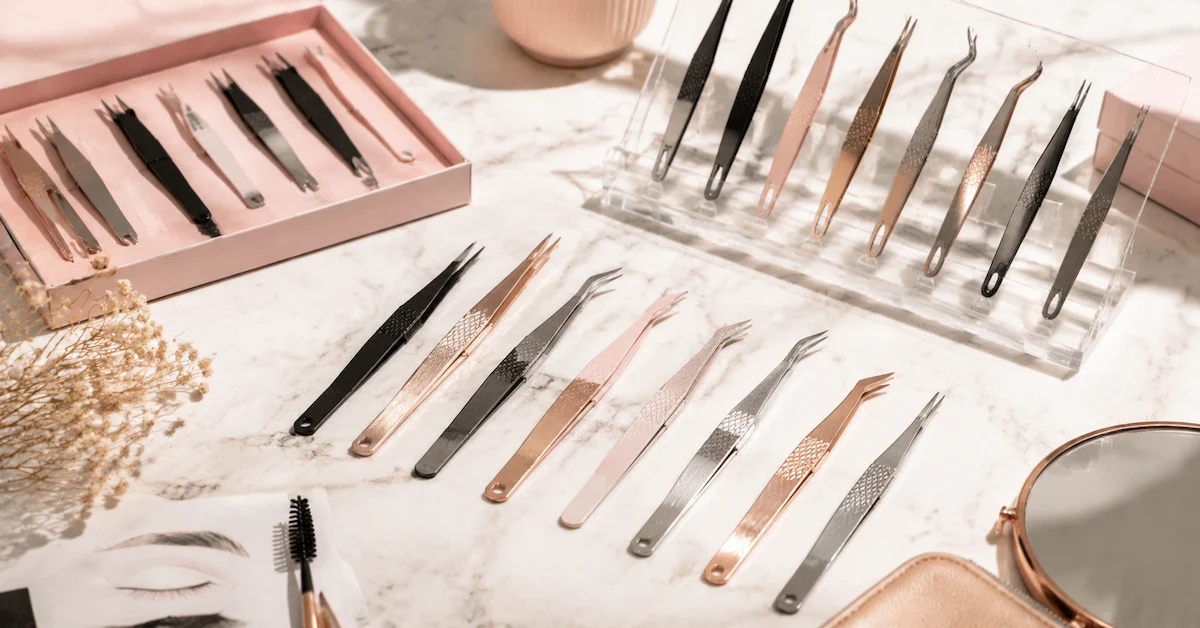
Manicure tools are used close to delicate skin and nail edges, so quality assessment should be detailed. When reviewing manicure tools wholesale, look beyond appearance and ask how the tool will perform after repeated handling, cleaning and storage. Stainless steel construction is mentioned in many professional beauty categories because it is associated with durability and cleanability, but the buyer still needs to evaluate finish, edge consistency, joint movement and comfort.
Ergonomics matter because technicians repeat the same motions many times per day. A tool that is too slippery, heavy or awkward can slow down service and increase hand fatigue. For wholesale purchasing, it is helpful to test samples with the people who will actually use them, not only with the purchasing team. Technicians can quickly identify whether a grip feels secure, whether the working edge is predictable and whether the tool gives enough control for detailed work.
For salons selling retail care items, the decision is slightly different. A professional may tolerate a tool that requires advanced handling, but a home-care buyer needs a product that is intuitive and supported by clear usage guidance. Separating professional back-bar tools from consumer-friendly retail tools can reduce confusion and improve client satisfaction.
Choosing Spa Tools Wholesale for Daily Treatment Rooms
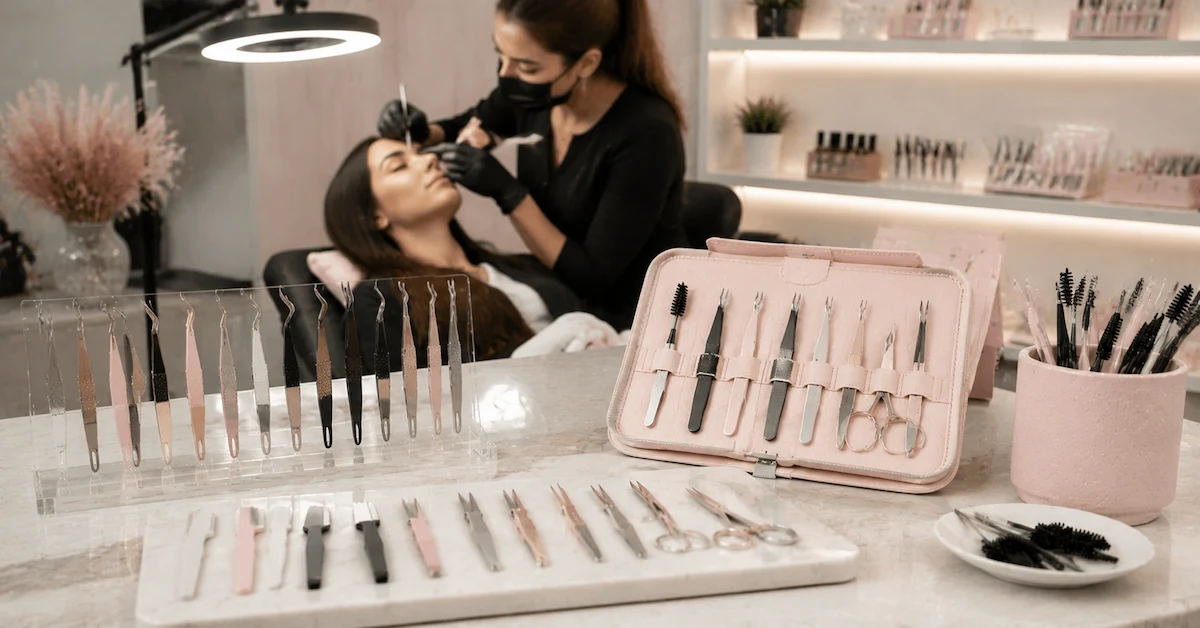
Spa tools wholesale purchasing should support both durability and the atmosphere of the treatment room. Clients may not notice every technical detail, but they do notice whether tools look clean, feel appropriate and are handled confidently. For this reason, tool finish, storage compatibility and cleaning workflow are just as important as the tool’s first impression.
If the tool will be used in wet areas or during foot and hand treatments, consider how it will be dried, stored and inspected between clients. A tool that traps residue or is difficult to rinse can create avoidable delays. A tool with a shape that fits existing storage trays or treatment trolleys can improve organization and reduce the chance of damage from careless stacking.
The original product information mentions the Aqua Pearl Dual-Surface Foot File as an example of a spa or foot care tool with dual-surface functionality. Dual-surface designs can be useful because they allow the professional to approach different smoothing steps with one tool, but buyers should still evaluate whether the surfaces match the salon’s service style. A high-volume pedicure area, a luxury spa room and a retail home-care display may each need different levels of aggressiveness, grip comfort and visual presentation.
How to Evaluate a Foot Rasps Supplier
Foot rasps and foot files deserve careful review because they directly influence comfort during pedicure and foot care services. The right tool helps a technician work efficiently while maintaining control. The wrong tool can feel harsh, remove material unevenly or require too much pressure. When choosing a foot rasps supplier, compare the tool’s surface, handle design, edge finish and cleaning routine rather than relying only on product photos.
A practical sample test can be simple. Have experienced technicians compare several tools during normal service preparation, not just in a short office inspection. They should note whether the handle stays stable, whether the tool provides predictable contact and whether it can be cleaned according to the salon’s internal hygiene process. If the salon also plans to retail foot files for home use, review packaging clarity and whether the tool is easy to explain to clients after a treatment.
| Buying criterion | Why it matters | What to review |
|---|---|---|
| Working surface | Affects smoothing control and client comfort | Texture, consistency and suitability for treatment steps |
| Handle or grip | Supports technician control during repeated use | Balance, slip resistance and hand comfort |
| Cleanability | Impacts hygiene workflow and turnaround time | Whether residue is easy to remove and the shape dries well |
| Durability | Influences replacement planning and cost per service | Finish quality, construction and resistance to routine handling |
| Client suitability | Helps match tools to professional or home-care use | Ease of instruction, safety guidance and retail presentation |
Supplier Questions That Help Separate Useful Tools From Generic Stock
Professional beauty tools suppliers should make it easier for buyers to compare options. This does not mean every supplier must provide the same range, but buyers should be able to understand how products are intended to be used, what materials or construction features are stated, and how the tools should be maintained. When information is not available, a neutral checklist helps keep the buying process objective.
- Define the user: Is the tool intended for trained professionals, retail customers or both?
- Review the service fit: Which manicure, pedicure or spa steps does the tool support?
- Inspect the finish: Are edges, surfaces and handles consistent across samples?
- Test cleaning workflow: Can the team clean, dry and store the tool without extra friction?
- Compare replacement needs: How often will the salon inspect tools and remove worn items from service?
- Check order flexibility: Can the buyer source a practical mix of manicure, spa and foot care tools without fragmenting purchases across too many vendors?
Olimor Beauty works with beauty tool categories used by salons, spas and grooming businesses. Buyers can browse current product collections to compare tool types and identify which items may fit their treatment menu. For purchasing teams that need to clarify category availability or sourcing details, it is also practical to send an inquiry with the intended service use, target market and preferred tool categories.
Build a Wholesale Buying Process Around Consistency
Consistency is often more valuable than chasing the widest possible catalog. A salon that chooses a smaller group of dependable tools can train staff faster, maintain cleaner workstations and reduce confusion during reorders. For distributors, consistency helps with product positioning because buyers can understand what each tool is for and how it compares with alternatives.
Create an internal standard for tool evaluation. Include sample testing, technician feedback, cleaning checks and reorder notes. Keep records of which tools are used for which services, when replacements are needed and whether clients respond positively to retail recommendations. This type of record does not need to be complex; even a shared checklist can reveal which tools truly support the business.
It is also wise to separate initial sourcing from long-term replenishment. During initial sourcing, the goal is to compare options and find the right fit. During replenishment, the goal is to maintain continuity. If a salon changes tools too often, technicians may need to adjust their technique repeatedly, and clients may notice differences in service feel. A good wholesale strategy protects the service experience as much as it controls purchasing cost.
Maintenance and Storage Considerations for Professional Beauty Tools
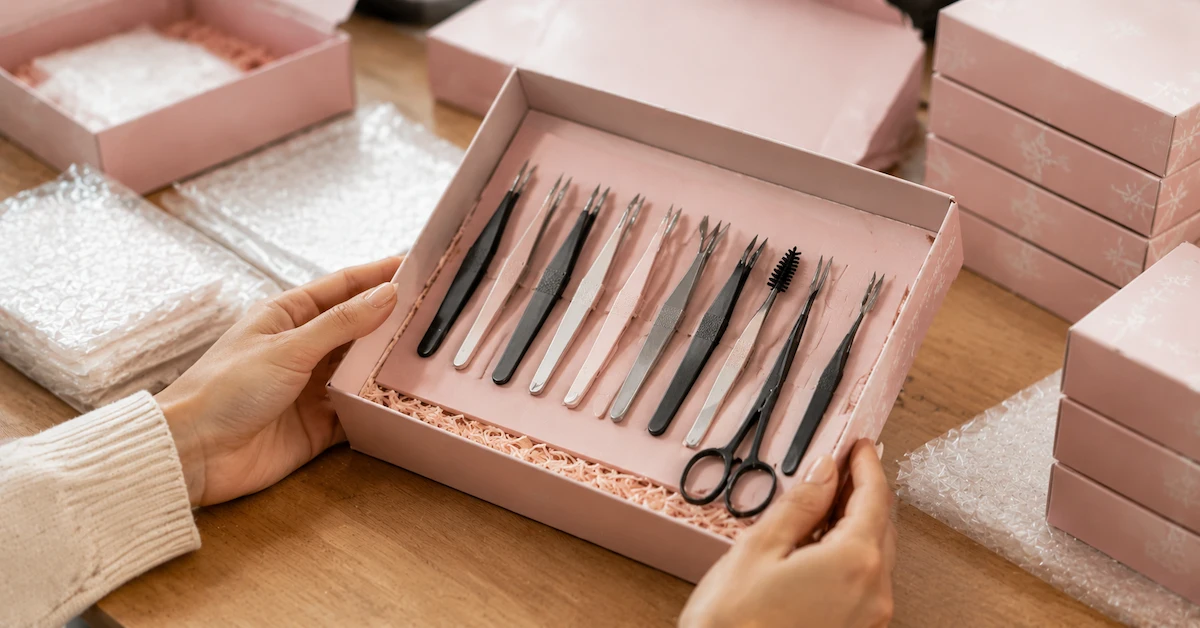
Maintenance should be considered before the first wholesale order is placed. Tools used in manicure, pedicure and spa services must fit the business’s hygiene and storage procedures. Even a well-made tool can underperform if it is tossed into crowded drawers, left damp or used beyond its practical service life. Assign a clear place for clean tools, used tools and items waiting for inspection or replacement.
Salons should train staff to inspect tools regularly. Look for surface wear, bent components, loosened joints, damaged edges or any condition that affects safe handling. Foot files and rasps should be reviewed for surface performance and cleanliness. Manicure tools should be checked for smooth movement and controlled contact. Spa tools should be stored so finishes are protected and tools are easy to locate during treatments.
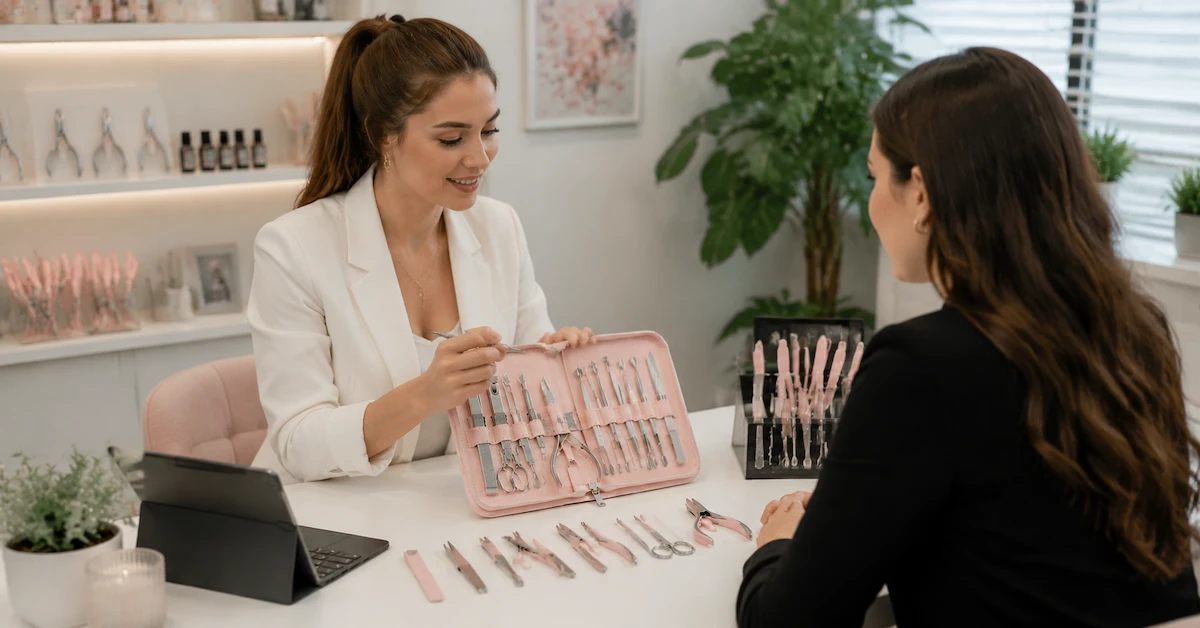
If your business is comparing new wholesale salon supplies for a launch, menu refresh or distributor program, prepare a concise buying brief before contacting vendors. Include your service categories, expected user type, retail or professional focus and any handling preferences. A clear brief leads to a more productive sourcing conversation. To discuss beauty tool categories directly, buyers can contact Olimor with their requirements.
Final Checklist for Wholesale Salon Supply Buyers
The best wholesale salon supplies are not chosen by appearance alone. They are chosen because they support the treatment, the technician and the client experience. For manicure tools wholesale, prioritize control, finish and repeated-use comfort. For spa tools wholesale, review cleaning, storage and treatment-room suitability. For foot rasps and foot files, test surface performance, grip and maintenance requirements before placing a larger order.
Olimor Beauty is relevant for buyers looking at professional beauty tools across manicure, spa and foot care categories. Whether the priority is a foot care tool such as the Aqua Pearl Dual-Surface Foot File or a broader selection of salon tools, a careful sourcing process will help the business choose products that are easier to train, easier to maintain and better aligned with daily service needs.