










Wholesale salon supplies are more than a purchasing category. For salons, spas, brow studios, lash artists, nail technicians, and beauty retailers, the tools selected in bulk can affect service speed, hygiene routines, customer comfort, and repeat purchasing decisions. A low unit price may look attractive, but professional buyers usually need a wider view: how the tool feels after repeated use, whether it can perform precise work, how it holds up to cleaning, and whether the supplier can support consistent quality from order to order.
The beauty tools wholesale market has grown as professional services and at-home grooming routines have both become more detail-oriented. Brow shaping, lash application, manicure care, and personal care all require tools that are accurate enough for close work and durable enough for frequent handling. Olimor Beauty focuses on beauty tools such as stainless steel tweezers and ultra-fine needle tools designed for precise tasks, making this category especially relevant for businesses that want dependable tools without overcomplicating their assortment.
Why Wholesale Salon Supplies Need a Professional Buying Standard
Buying wholesale salon supplies is different from buying a single retail tool. A salon or distributor must consider how the item performs across many users, many services, and many cleaning cycles. One technician may prefer a lighter feel, while another may prioritize a firm grip or a sharper working tip. A retailer must also think about whether the product is easy to explain to customers and whether it fits common use cases such as brow maintenance, lash placement, manicure preparation, or daily personal grooming.
Cost efficiency matters, but it should not be separated from consistency. If tools vary noticeably from batch to batch, the operational cost can rise through returns, service delays, or customer dissatisfaction. In practical B2B sourcing, the goal is to find tools that are reasonably priced for bulk purchase while still meeting expectations for finish, alignment, comfort, and reliability. Browse Olimor’s beauty tool products to understand the types of items that can be evaluated for professional and retail supply programs.
Key Beauty Tool Categories to Evaluate Before Ordering in Bulk
Not every salon supply category carries the same risk. Some items are simple consumables, while others directly affect precision and user confidence. Tweezers, manicure tools, and detailed personal care tools should receive closer review because small differences in shape, finish, and handling can change the result of the service.
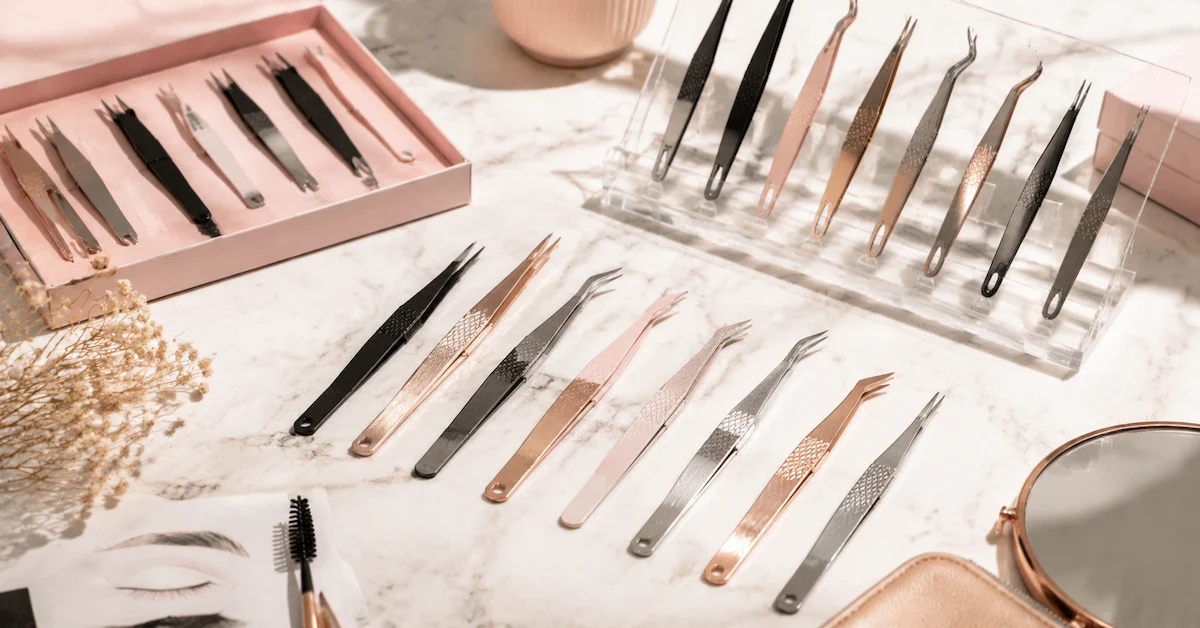
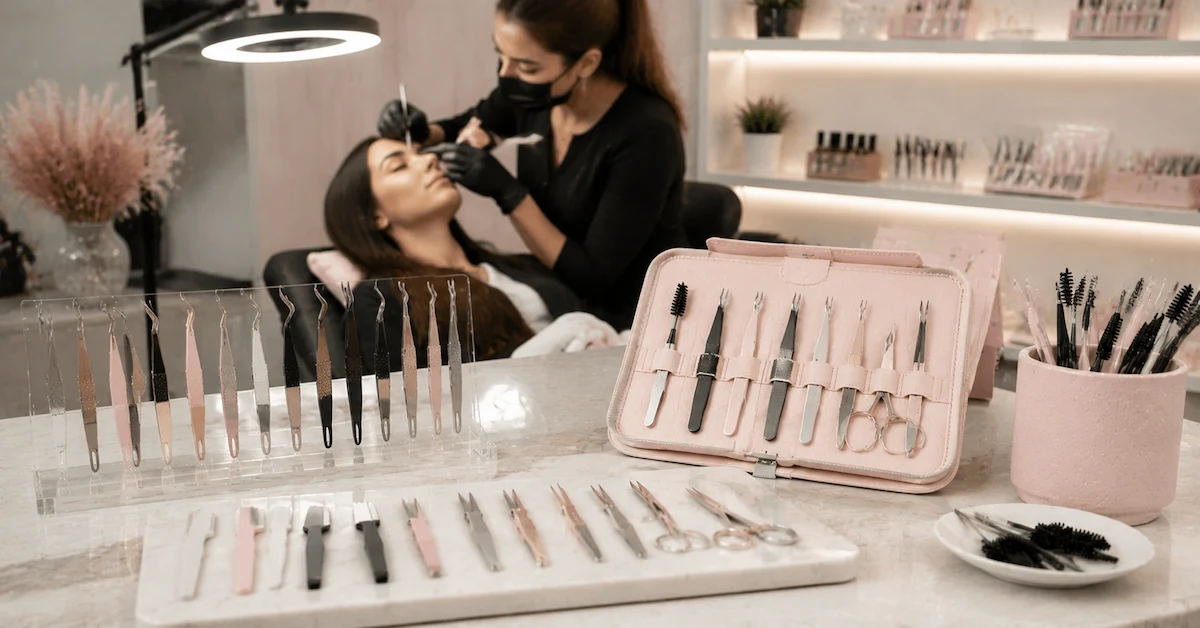
- Tweezers for brow shaping: Look for clean tip alignment, comfortable tension, and a finish that feels controlled in the hand. Olimor Beauty offers premium tweezers made from high-quality stainless steel for precise tasks such as brow shaping.
- Tweezers for lash application: Lash work requires controlled pickup and placement. Buyers should compare tip style, grip comfort, and how easy the tool is to hold steadily during repeated movements.
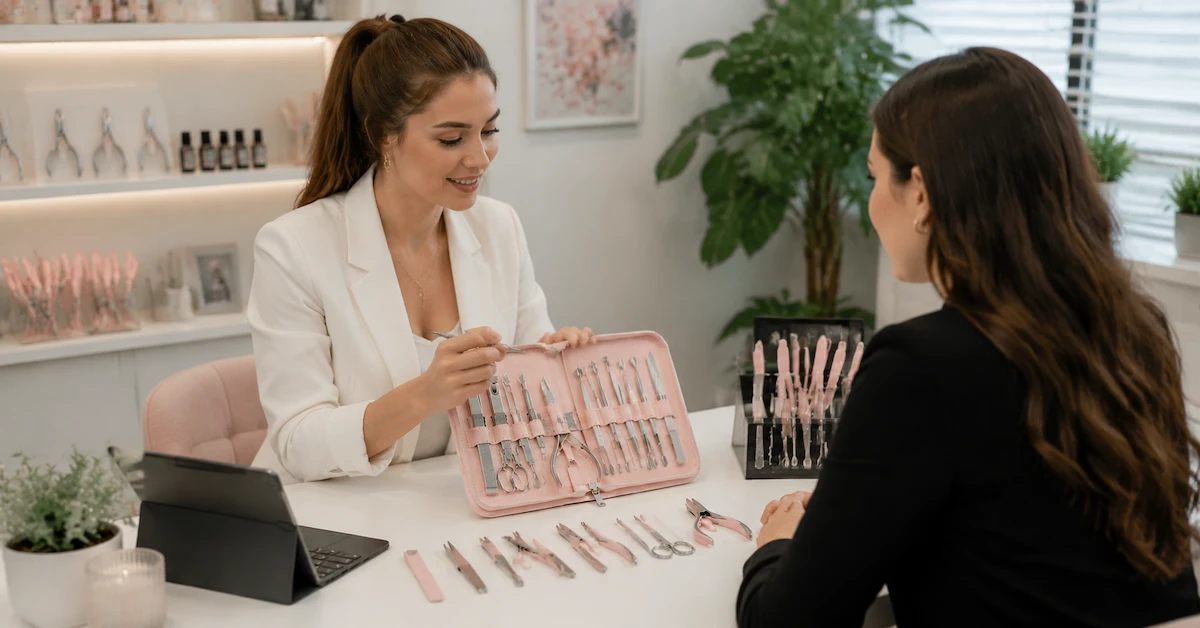
- Manicure tools: For manicure tools wholesale, check whether edges, points, or working surfaces are finished cleanly and whether the tool can support consistent hygiene routines.
- Personal care tools: These products often serve both professional and consumer use. Packaging, ease of instruction, and safe handling become especially important for retail channels.
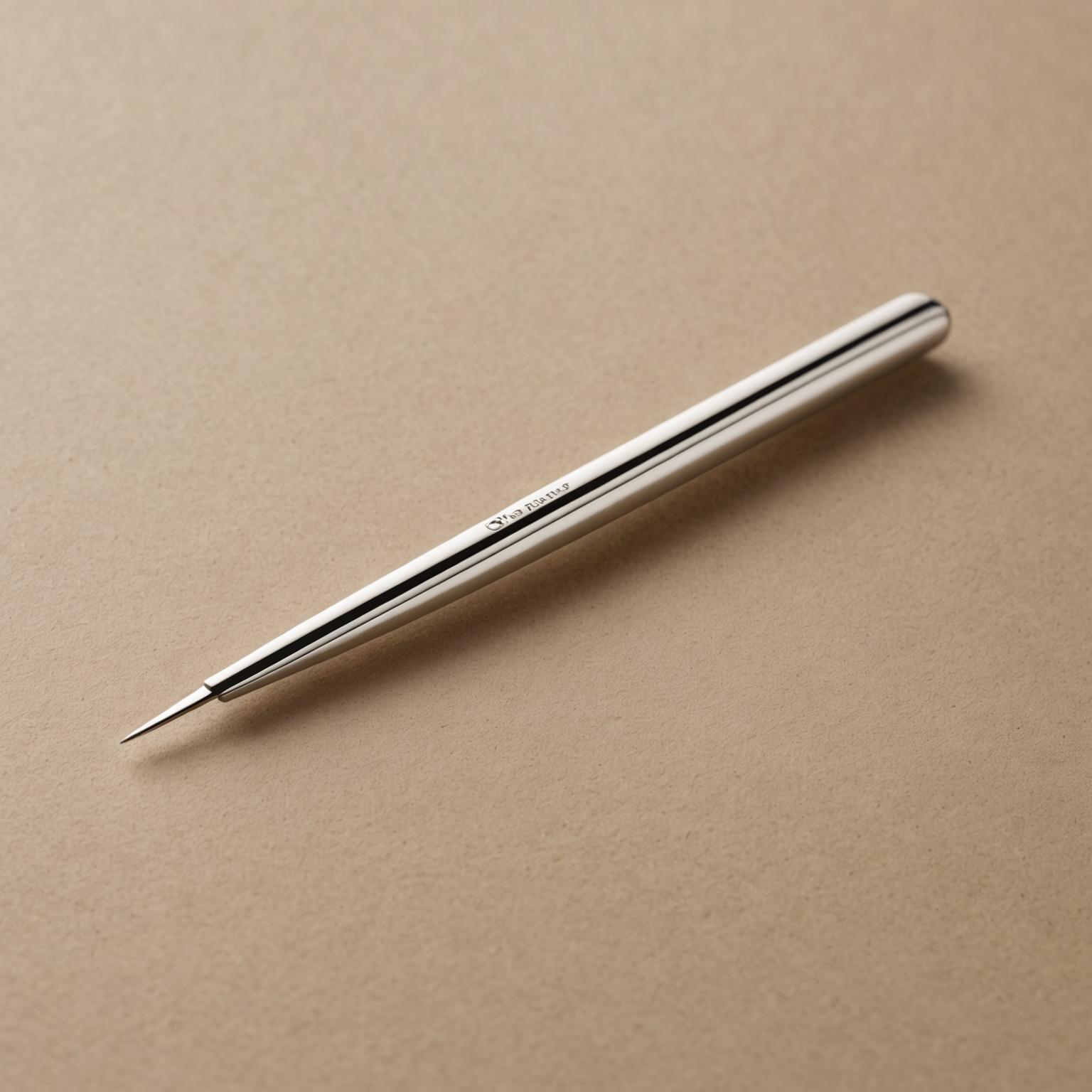
- Ultra-fine needle tools: Olimor Beauty’s ultra-fine needle tools are positioned for detailed work where precision is important. Buyers should evaluate whether the tool suits the intended professional task and user skill level.
Selection Criteria for Tweezers, Manicure Tools, and Detail Tools
A strong wholesale selection process should be practical, repeatable, and easy for purchasing teams to document. Instead of relying only on product photos, compare samples in the same way technicians or customers will use them. For tweezers, test pickup control on fine hair or lash materials. For manicure tools, review how the tool sits in the hand and whether the working surfaces feel smooth and controlled. For ultra-fine detail tools, consider visibility, tip consistency, and whether the tool can be handled safely by the target user.
| Buying factor | What to check | Why it matters |
|---|---|---|
| Material suitability | For stainless steel tweezers, review finish, surface smoothness, and general resistance to routine handling. | Material choice affects durability, cleaning compatibility, and perceived quality. |
| Tip alignment | Check whether tweezer tips meet evenly and grip fine materials without excessive force. | Alignment is essential for brow shaping, lash application, and detailed grooming. |
| Ergonomics | Hold the tool through repeated open-close movements and assess tension and hand comfort. | Comfort reduces fatigue during busy service schedules. |
| Finish quality | Look for rough edges, uneven surfaces, or inconsistent polishing. | A clean finish supports professional presentation and user confidence. |
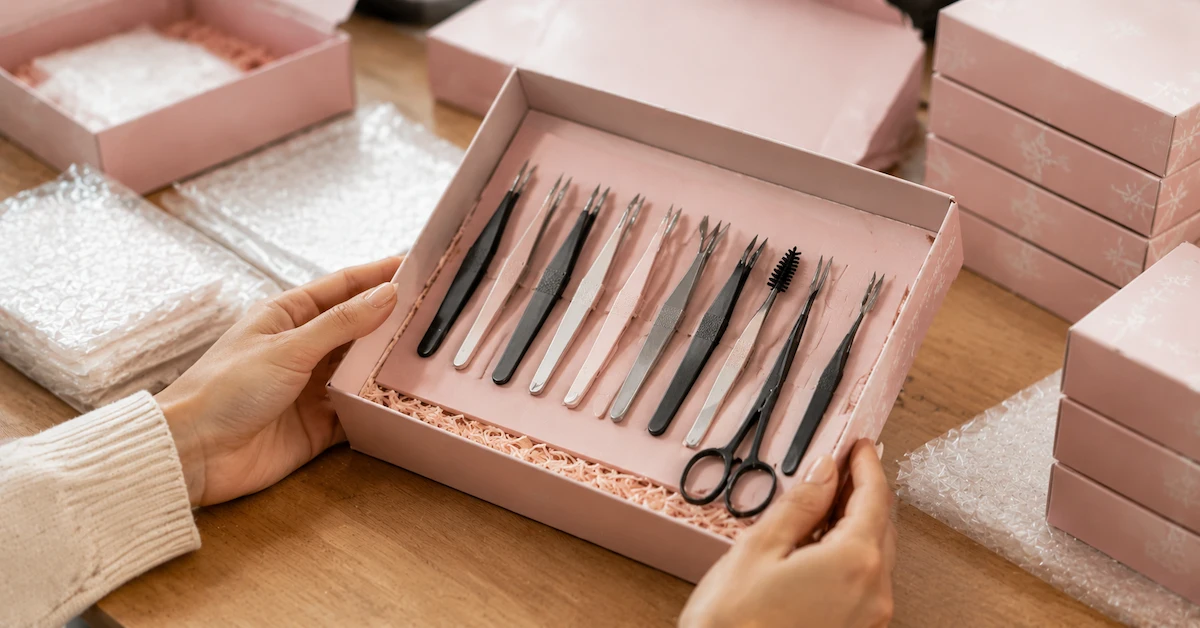
| Packaging readiness | Review whether the packaging protects the tool and communicates the intended use clearly. | Important for retail, training kits, and organized salon storage. |
Ergonomics and Durability Are Not Cosmetic Details
In beauty tools wholesale, there is a clear shift toward ergonomic and durable products. This is not just a design preference. A tool that feels awkward can slow down work, especially when the service requires accuracy. A tweezer with uncomfortable tension may be acceptable for one use but frustrating during a full day of brow appointments. A detail tool that is hard to control may increase the chance of inconsistent results.
Durability should also be evaluated in realistic terms. Professional tools are frequently picked up, cleaned, stored, and reused. They may move between stations, kits, and treatment rooms. Buyers should examine whether the tool’s working areas remain stable after repeated handling and whether the finish supports the hygiene expectations of the business. When assessing Olimor Beauty stainless steel tweezers or ultra-fine needle tools, focus on how the product performs in the exact service environment where it will be used.
Hygiene, Maintenance, and Storage Considerations
The increased interest in manicure tools wholesale and personal care tools wholesale is partly connected to greater awareness of hygiene and personal grooming quality. Professional buyers should consider maintenance before placing a bulk order, because a tool that is difficult to clean or store properly can create daily workflow problems. Cleaning requirements vary by tool type and service environment, so each business should follow applicable local hygiene rules and its own professional protocols.
A practical maintenance plan can include clear separation between clean and used tools, protective storage for precision tips, and routine inspection for damage. For retail products, usage instructions should be easy to understand. For professional kits, technicians should know when a tool should be removed from service because the tip is misaligned, the surface is damaged, or the tool no longer performs with control.
- Inspect incoming tools for visible damage, finish consistency, and correct packaging.
- Assign tools to suitable use cases, such as brow shaping, lash application, manicure work, or personal care retail.
- Store pointed or precision tools in a way that protects the working tips.
- Clean and maintain tools according to the service setting and relevant hygiene practices.
- Remove tools from active use when alignment, grip, or surface condition no longer meets the business standard.
How B2B Buyers Can Compare Professional Beauty Tools Suppliers
Professional beauty tools suppliers should be assessed on more than product appearance. A useful supplier relationship supports repeat purchasing, quality expectations, and clear communication. Olimor Beauty’s quality approach is described as including checks from raw materials to final packaging, which is the kind of process buyers should look for when sourcing tools that will represent their business.
When comparing suppliers, create a simple evaluation framework. Review whether the product range fits your services or retail concept. Compare samples under the same testing conditions. Check whether product descriptions clearly identify intended uses, such as brow shaping, lash application, manicure care, or detailed personal care. Confirm that communication is clear before placing a larger wholesale order. Buyers exploring broader assortment planning can review Olimor product collections or send an inquiry with their intended tool categories and application needs.
Building a Smarter Wholesale Assortment
A strong assortment does not need to include every beauty tool available. It should include tools that match the services, customers, and sales channels of the business. A brow studio may prioritize stainless steel tweezers with reliable alignment and comfortable handling. A lash-focused business may need tools that support precise placement. A nail and personal care retailer may look for manicure tools and detail tools that are easy for consumers to understand and maintain.
Segmenting the assortment helps avoid overbuying. Start with core professional tools used daily, then add supporting personal care products if there is proven demand. For distributors and retailers, consider whether each product has a clear purpose, a realistic customer profile, and packaging suitable for the sales environment. For salons, consider whether staff will use the tool consistently and whether it fits cleaning, storage, and replacement routines.
Final Checklist Before Placing a Wholesale Order
Before committing to wholesale salon supplies, take time to test the practical details. The best tool for a professional buyer is not always the most decorative or the cheapest. It is the tool that performs consistently, supports clean work, and fits the way the business operates every day.
- Does the tool match a specific service or retail customer need?
- Are the working tips, edges, or surfaces consistent across samples?
- Is the tool comfortable enough for repeated use?
- Does the material and finish support expected hygiene and maintenance routines?
- Is the packaging appropriate for storage, resale, or professional kits?
- Can the supplier support clear communication and repeatable quality expectations?
Wholesale salon supplies can improve efficiency and customer satisfaction when chosen with care. By focusing on precision, ergonomics, durability, hygiene, and supplier consistency, salons and beauty businesses can build a tool assortment that supports daily work instead of creating avoidable problems. To discuss tool categories for your business, contact Olimor and prepare a shortlist of the products, use cases, and quality priorities you want to evaluate.