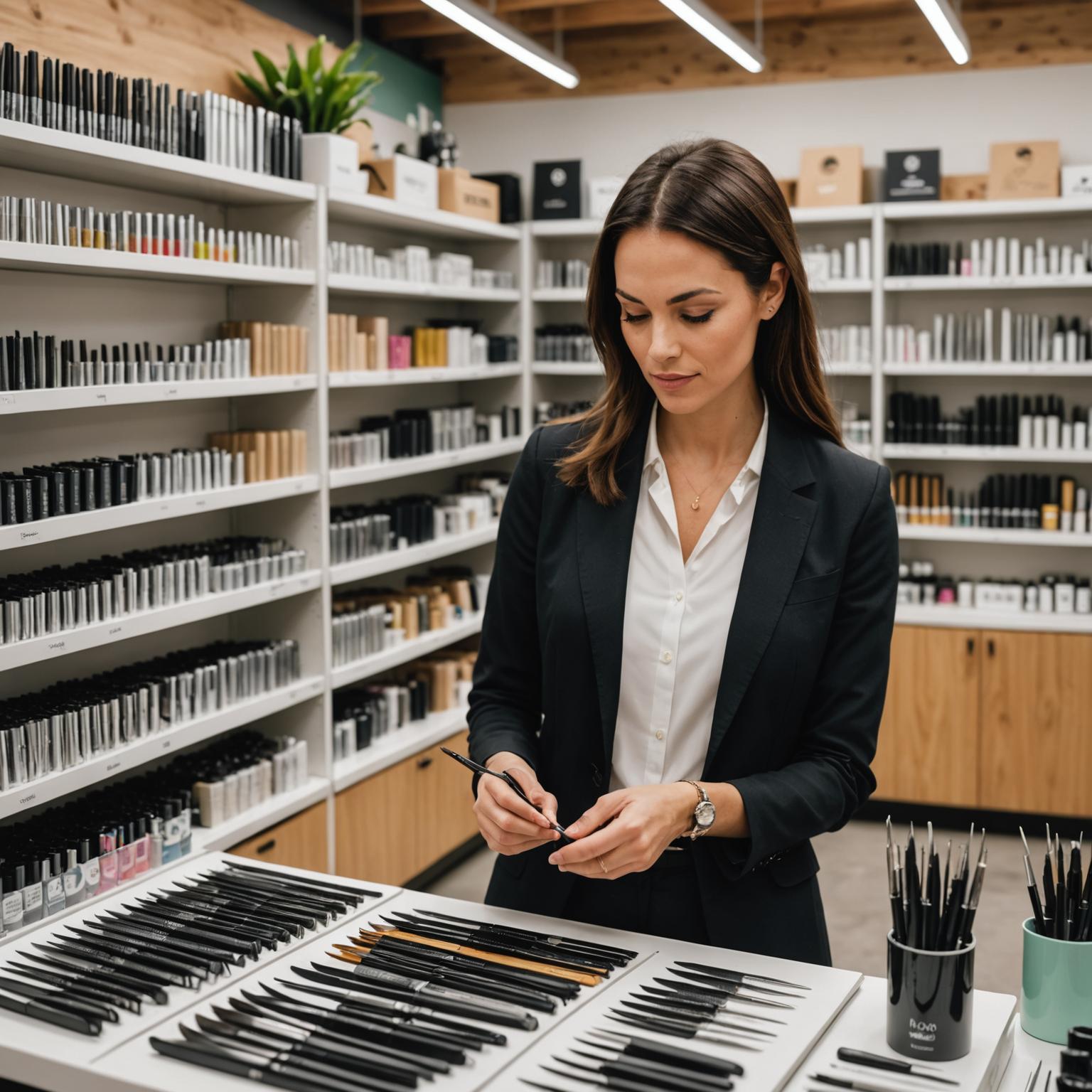
Wholesale tweezers are a small product category, but they carry a large share of customer trust. A tweezer that grips cleanly, aligns precisely, and feels stable in the hand can become a repeat-purchase driver for retailers, salons, brow studios, beauty subscription boxes, and private label grooming brands. A poor one creates immediate frustration: slipping tips, rough edges, weak tension, or a finish that looks worn after minimal use.
The demand for professional-grade grooming tools has moved beyond salon counters. Many consumers now expect at-home beauty tools to feel precise, durable, and well made. For buyers sourcing tweezers in bulk, this means the decision should not be based only on unit cost. The better approach is to evaluate performance, consistency, packaging readiness, and supplier capability together. If you are comparing options across beauty tool products, tweezers deserve a focused checklist because their quality is judged at the tip.
Why Wholesale Tweezers Need More Than a Price Comparison
Tweezers appear simple, yet several details determine whether they perform reliably. Tip alignment, steel hardness, polishing, coating, and spring tension all affect the user experience. In retail, even minor inconsistency can lead to complaints because customers notice immediately when a tweezer cannot grasp fine hair or splinters.
Wholesale buyers also have different requirements depending on the sales channel. A brow salon may prioritize daily professional use and easy disinfection. A retail brand may care more about shelf presentation, product photography, and packaging that supports a clear price point. A distributor may need stable replenishment and consistent specifications across repeat orders. A private label buyer may focus on logo placement, color finish, and carton organization for efficient fulfillment.
Instead of asking only whether the tweezer is “stainless steel” or “professional,” buyers should define the exact use case. Are the tweezers intended for eyebrow shaping, lash application support, general grooming, manicure kits, travel kits, or multi-tool beauty sets? Each use case may require different tip shapes, tension, and packaging decisions.
Key Tweezer Types and Use Cases
The first sourcing decision is the tweezer style. A strong wholesale assortment often includes more than one tip type, but each SKU should have a clear reason to exist. Too many similar products can complicate inventory and dilute brand messaging.
| Tweezer type | Best use | Buyer considerations |
|---|---|---|
| Slant tip | Eyebrow shaping and general grooming | Most versatile choice; check that the full slanted edge meets evenly for fine hair grip. |
| Point tip | Precision work, ingrown hair removal, splinter removal | Requires careful tip protection and quality control because sharpness and alignment are critical. |
| Flat tip | Gripping broader hairs or applying small beauty accessories | Less precise for fine brows but useful in some grooming and kit applications. |
| Pointed slant | Detailed brow work with some versatility | Good for brands positioning toward advanced home users or brow professionals. |
For many brands, the slant tip is the starting point because it serves the widest market. However, a premium brow-focused collection may benefit from pairing slant and point styles. Manicure, grooming, and travel sets may include tweezers as one component among other tools, where durability and safe packaging become just as important as ultra-fine precision.
Quality Checks That Matter Before Bulk Ordering
When evaluating wholesale tweezers, samples should be tested the way customers will use them. A tweezer may look acceptable in a catalog photo but fail in hand. The most important performance area is the meeting point of the tips. Both sides should close evenly without visible gaps, crossing, or twisting.
Use a practical inspection process before confirming a bulk purchase:
- Check tip alignment under good lighting. Close the tweezer slowly and confirm that the tips meet evenly from edge to edge or point to point.
- Test grip on fine material. Use a fine hair, thin thread, or paper fiber to see whether the tips grasp without slipping.
- Assess tension. The tweezer should open and close smoothly. Excessive stiffness causes hand fatigue, while weak tension feels unstable.
- Inspect edges and corners. Outer edges should not feel rough or unfinished. This is especially important for point tweezers.
- Review surface finish. Polished, matte, coated, or colored finishes should look consistent across samples, with no obvious staining, scratches, or uneven color.
- Evaluate packaging fit. Tip protectors, sleeves, cards, boxes, or pouches should hold the tweezer securely and prevent damage in transit.
Consistency is the real challenge in wholesale. A single good sample is not enough if production cannot repeat the same feel and alignment. Buyers should define acceptable quality expectations clearly before placing larger orders, including finish, packaging, and inspection criteria.
Materials, Finish, and Long-Term Durability
The original market shift toward durable grooming tools is important: consumers are moving away from disposable-feeling accessories and toward tools that remain useful over time. Stainless steel is commonly preferred for professional beauty tools because it can support durability, a clean appearance, and practical maintenance. However, “stainless steel” alone does not guarantee performance. The shaping, finishing, polishing, and alignment work determine whether the tool feels professional.
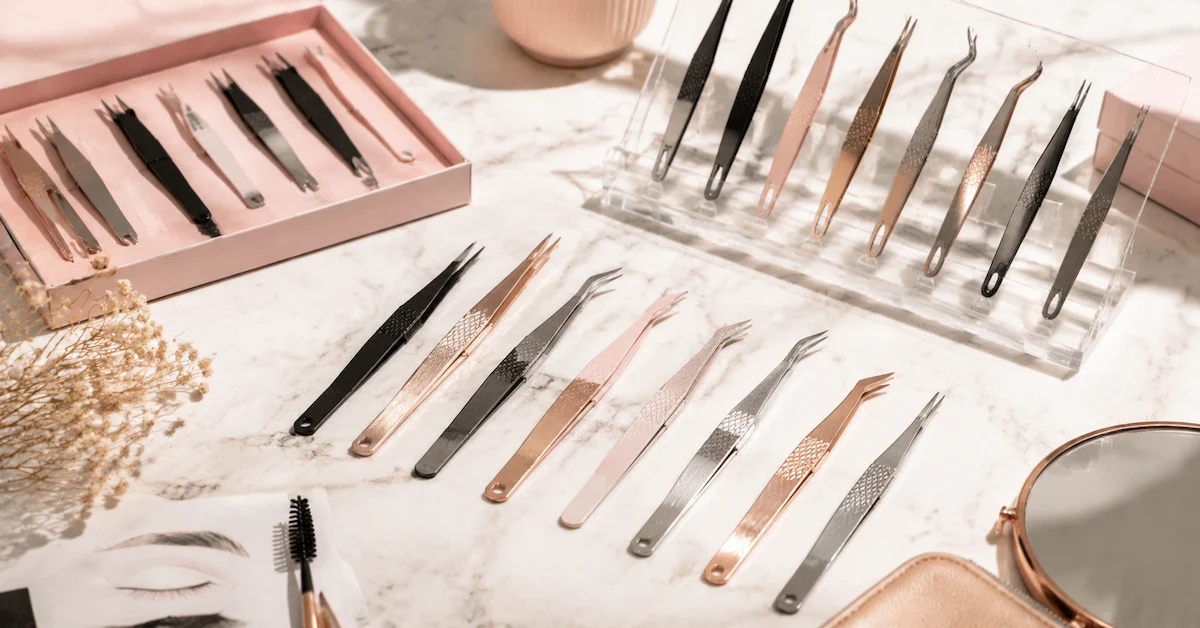
Surface finish also affects brand positioning. A bright polished tweezer may communicate classic beauty retail. A matte finish can feel modern and understated. Colored finishes may support private label branding, gift sets, or seasonal assortments. For coated or colored tweezers, buyers should consider how the finish may respond to handling, packaging friction, and cleaning. A beautiful color that scratches too easily can weaken the perceived value of the product.
For sustainability-minded assortments, recyclable grooming tools in bulk can be part of the sourcing conversation. Buyers should separate genuine material and packaging decisions from vague eco claims. Practical improvements may include durable tools designed for long-term use, reduced unnecessary plastic, recyclable paper-based packaging where suitable, and clear end-user care guidance that helps customers keep the product longer.
Private Label and Packaging Decisions
Private label manicure tools and grooming accessories can help retailers create a distinct shelf presence, but customization should be planned carefully. Tweezers offer limited surface space, so logo size, placement, and contrast matter. A mark that looks sharp in artwork may be too small or low-contrast on the actual tool, especially on reflective finishes.
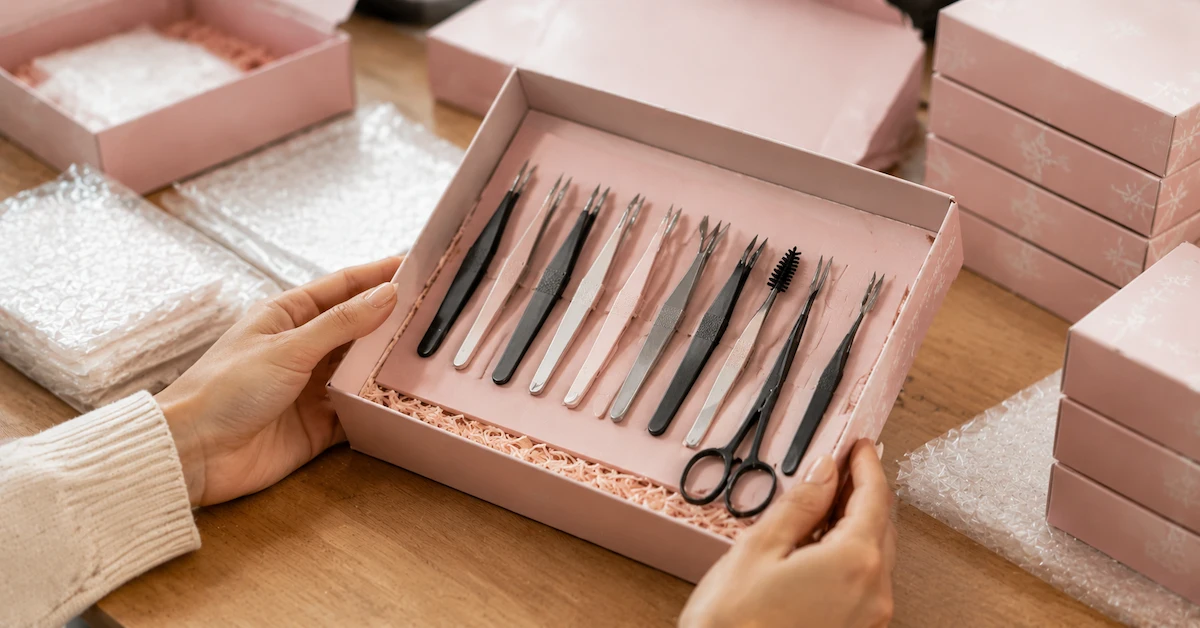
Packaging is often where private label value becomes visible. Depending on the sales channel, options may include simple sleeves, blister-style retail cards, paper boxes, reusable pouches, or inclusion in a larger grooming kit. The right choice depends on price point, shipping method, and brand positioning. For online sales, packaging must protect the tips during parcel movement. For physical retail, it must communicate the tip type and intended use quickly.
A useful packaging brief should include:
- Product name and tip style, such as slant or point;
- Target customer, such as brow shaping, professional salon use, or travel grooming;
- Logo placement and color requirements;
- Preferred packaging format and retail display needs;
- Barcode, warning, or care instruction requirements if applicable;
- Carton labeling needs for warehouse receiving and fulfillment.
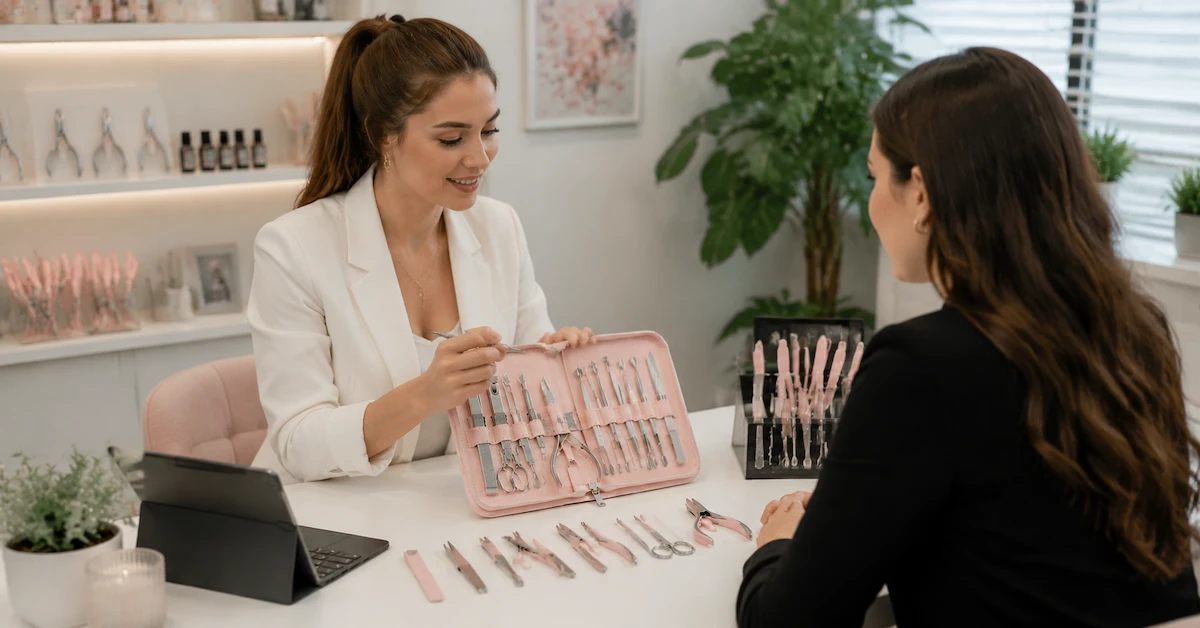
If you are developing a wider assortment, review related product collections so that tweezers, nail tools, lash tools, and grooming accessories can share a coherent packaging language without forcing every item to look identical.
How to Evaluate a Wholesale Beauty Tool Supplier
A high-caliber supplier should be able to discuss more than appearance. For wholesale tweezers, supplier evaluation should cover technical understanding, quality control habits, communication, and flexibility for repeat business. Sourcing from established manufacturing hubs can offer access to experience in beauty tool production, but buyers still need to evaluate each supplier on evidence and sample performance.
When comparing a professional beauty tools supplier, focus on concrete questions:
- Can the supplier explain the difference between available tweezer tip styles and their best use cases?
- Are samples consistent across multiple pieces, not just one selected item?
- Can finish, logo, and packaging options be reviewed with realistic production limitations?
- Is there a clear process for confirming pre-production samples before bulk production?
- Are cartons, inner packs, and labeling suitable for your receiving process?
- Can the supplier support future replenishment with consistent specifications?
Buyers should also consider communication speed and clarity. Beauty tools are detail-driven products. If a supplier cannot confirm drawings, colors, packaging dimensions, or sample feedback clearly, the risk of errors increases. For custom or private label projects, early alignment saves time and cost later.
Maintenance Guidance to Reduce Customer Complaints
Even good tweezers perform better when customers understand basic care. Including concise care instructions in packaging or product pages can reduce returns and improve satisfaction. The advice does not need to be complicated: keep tips protected, avoid dropping the tool, clean after use, and store it dry. Pointed tweezers especially should include tip protection because one impact can damage alignment.
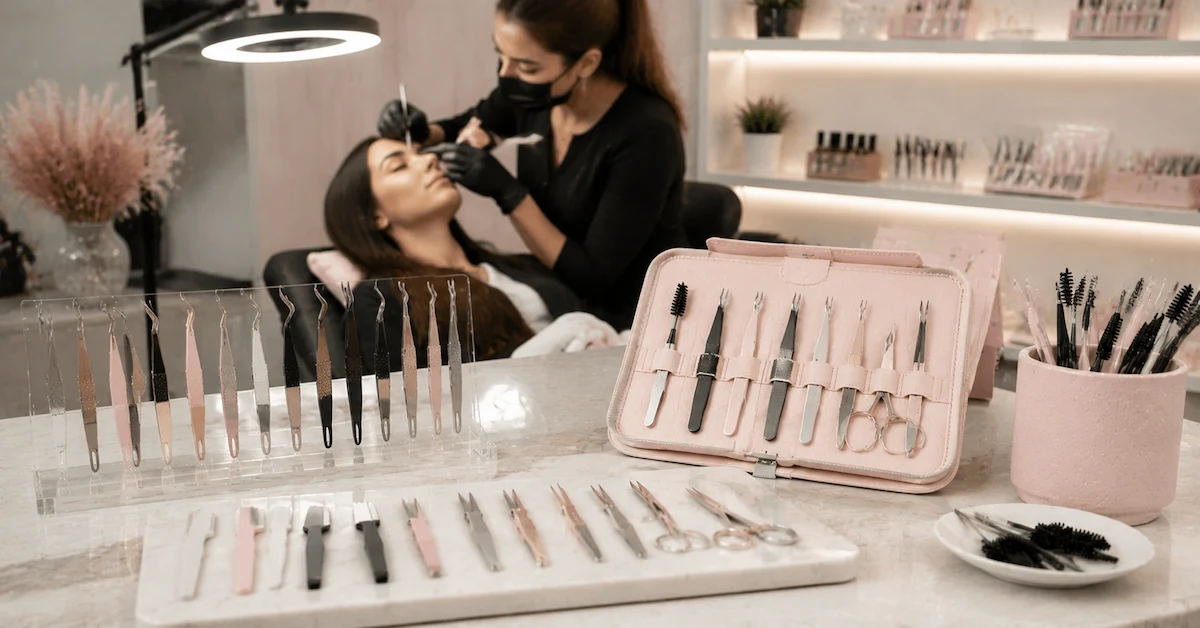
For salons and professional users, maintenance expectations may be higher. They may need tools that tolerate frequent cleaning and organized storage. Retail buyers serving this channel should prioritize sturdy packaging, protective caps, and consistent performance over purely decorative finishes.
Building a Strong Wholesale Tweezer Program
A successful tweezer program starts with a focused assortment, reliable quality checks, and packaging that matches the sales channel. Begin with the core tip types your audience actually needs, test samples carefully, and confirm how the product will be protected in storage and transit. Then consider branding options, sustainability goals, and replenishment planning.
Olimor Beauty works with buyers looking for practical, well-presented beauty tools for retail, salon, and distribution channels. To compare sourcing options or discuss a private label tweezer project, contact Olimor or send an inquiry with your target use case, preferred tip style, finish direction, and packaging requirements.