











The wholesale market for tweezers is changing because the people who use them are more informed than ever. Brow artists, nail technicians, salon buyers, beauty retailers, e-commerce brands, and home grooming customers all expect tools that feel precise, durable, and comfortable. A tweezer is a small product, but poor alignment, rough edges, weak tension, or inconsistent finishing can quickly damage customer trust.
For businesses buying tweezers in bulk, the goal is not simply to find the lowest unit cost. The better approach is to match the tool to the user, compare quality consistently, and build a sourcing plan that supports repeat sales. Whether you are expanding a grooming category, developing private label manicure and beauty tools, or refreshing salon accessories, this guide explains what to review before placing a wholesale order.
Why Professional-Grade Tweezers Are Driving Wholesale Demand
The line between professional salon care and at-home grooming has become less distinct. Consumers watch brow tutorials, compare tool shapes, and expect a clean pluck without excessive pressure. Professionals, meanwhile, need tools that can withstand repeated daily use and still perform with reliable accuracy. This has increased demand for professional-grade tweezers across beauty retail and service channels.
Professional quality is most noticeable in three areas: tip alignment, grip control, and material performance. If the tips do not meet cleanly, the tweezer may slide off fine hairs. If the arm tension is too stiff, the user experiences fatigue. If the surface finishing is poor, the tool may feel uncomfortable or look low value in a retail package. Buyers should treat these practical details as part of product quality, not minor finishing preferences.
Stainless steel is commonly preferred in beauty tools because it supports durability and corrosion resistance when properly manufactured and maintained. However, material alone does not guarantee performance. Forming, polishing, sharpening, alignment, and inspection all influence whether a tweezer feels professional in the hand. When reviewing beauty tool products, compare finished samples rather than judging only by a product description.
Choose the Right Tweezer Tip for the End User
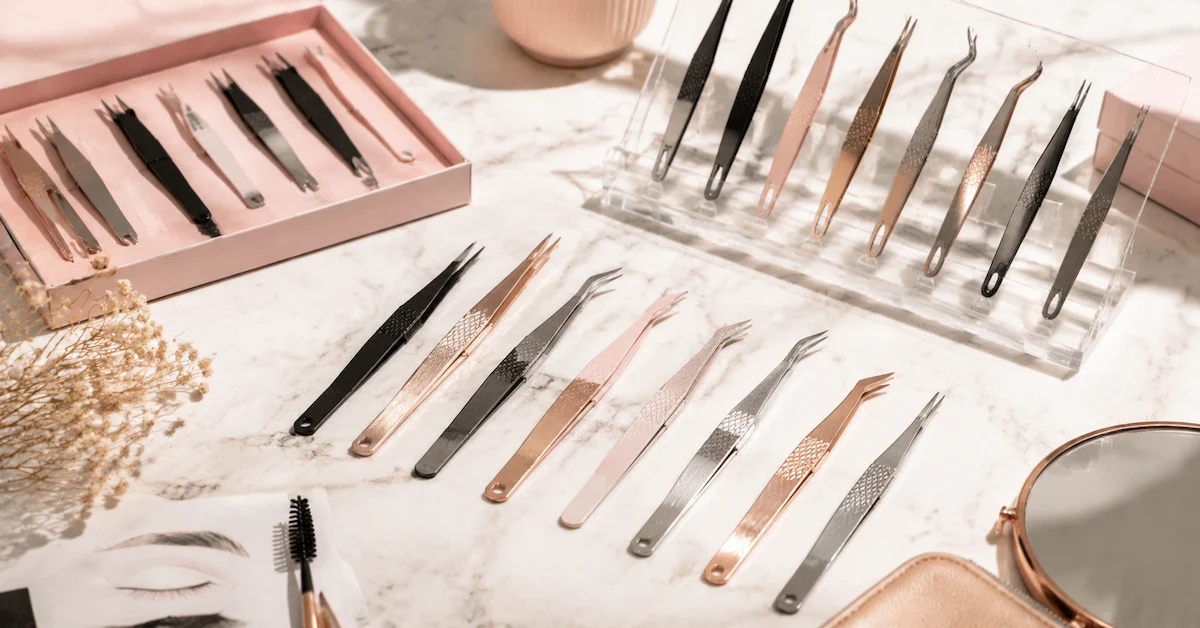
One of the most important wholesale sourcing decisions is tip style. Different tips support different grooming tasks, and offering the wrong shape can lead to poor user feedback even if the tool itself is well made. A beauty retailer may need a balanced assortment, while a brow studio may prefer fewer styles with more consistent professional performance.
| Tip style | Common use | Buyer considerations |
|---|---|---|
| Slant tip | General eyebrow shaping and everyday grooming | Often the most versatile option for retail assortments; check that both edges meet evenly. |
| Pointed tip | Fine hair removal and detail work | Requires careful finishing and protective packaging because the point is delicate. |
| Flat tip | Gripping larger hairs or broader contact tasks | Less suited to precision brow shaping; useful when a firm, even grip is needed. |
| Pointed-slant tip | Combination of detail work and general tweezing | Can be attractive for compact retail ranges, but alignment must be checked closely. |
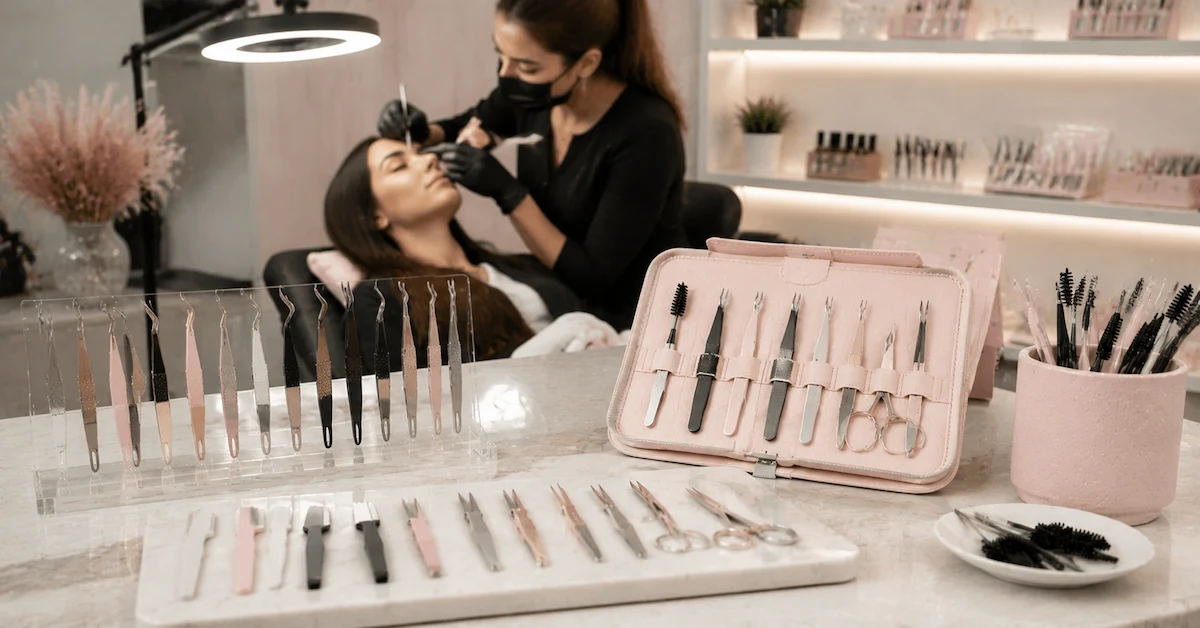
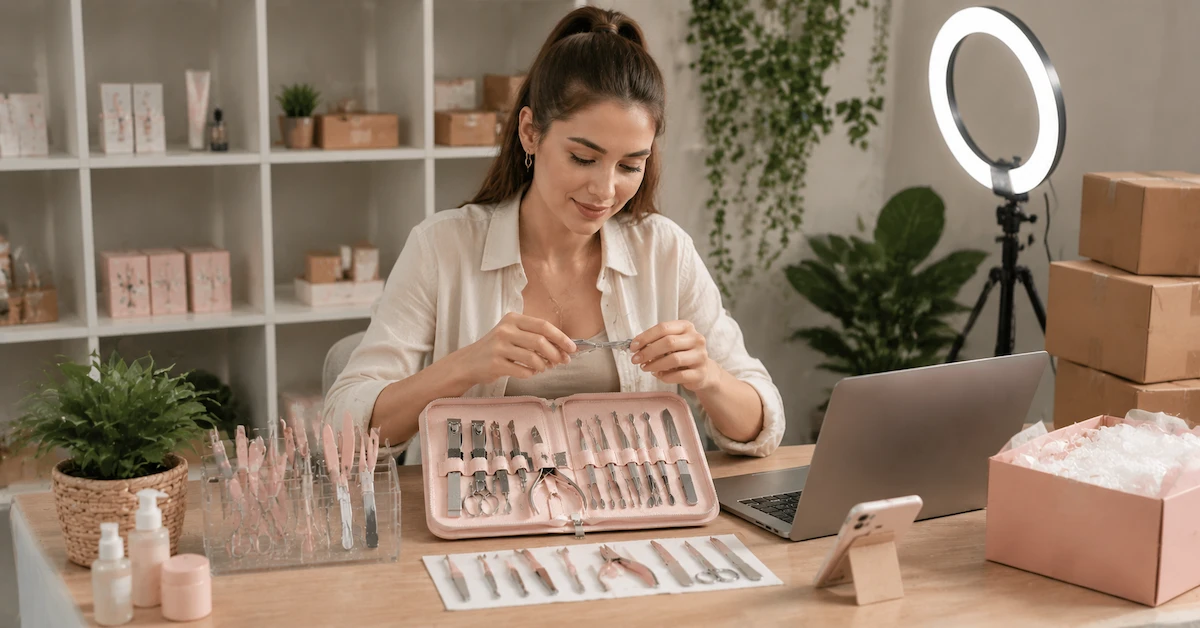
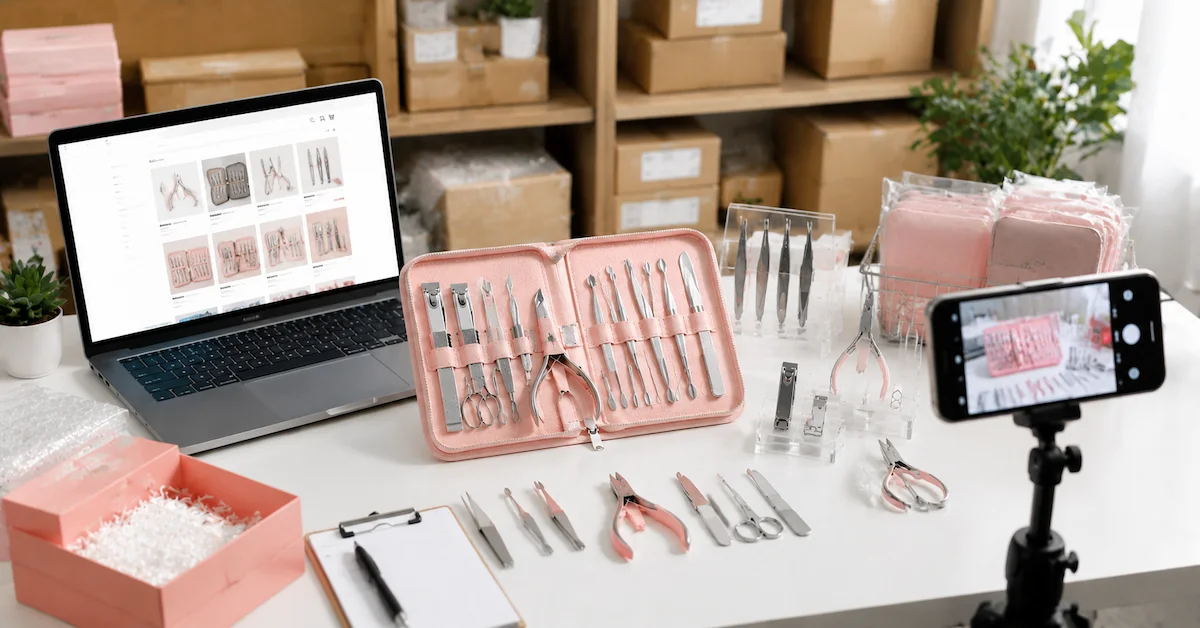
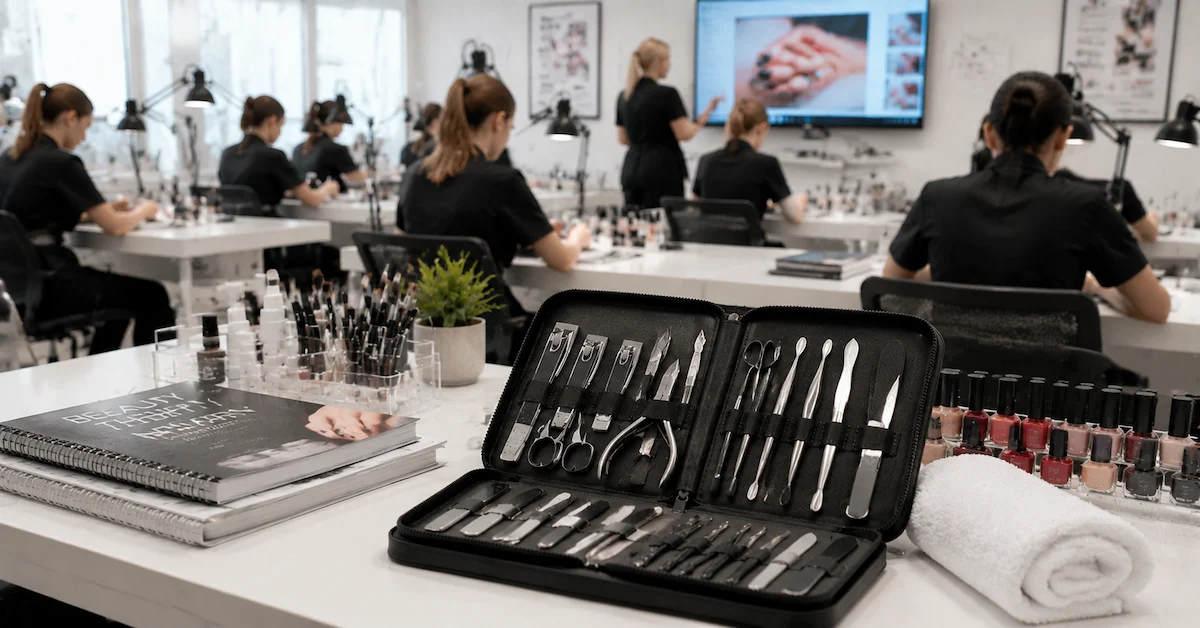
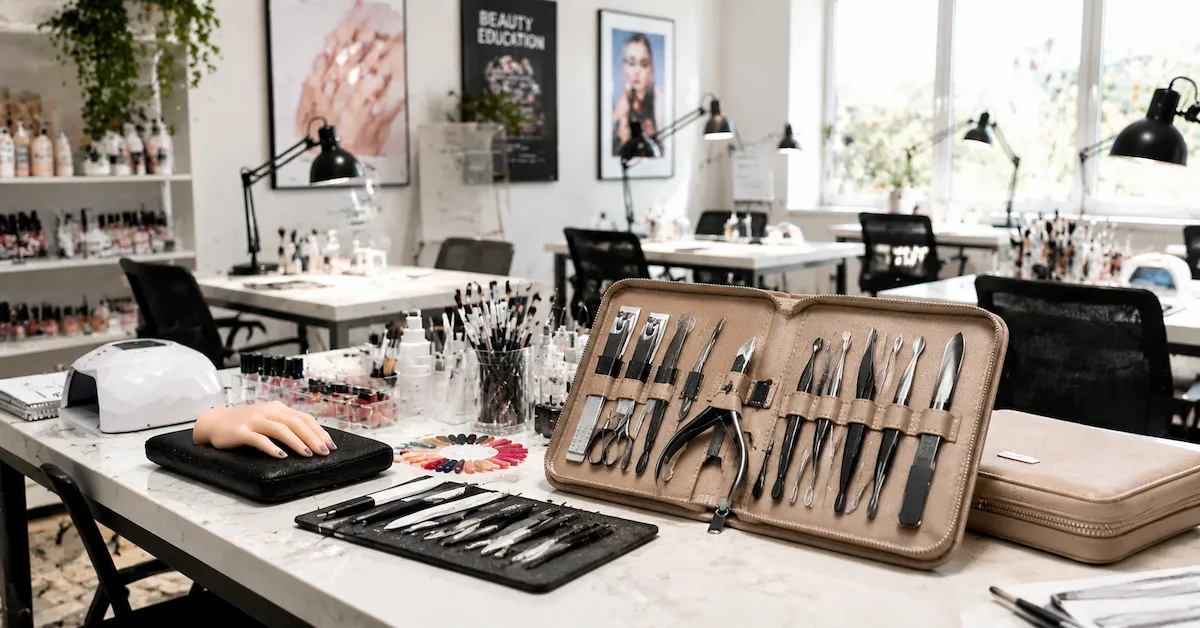
For wholesale buyers, the best assortment depends on channel and audience. A drugstore-style retail set may benefit from a slant tweezer as the core item. A brow-focused beauty brand may add pointed or pointed-slant options for precision users. A manicure or grooming kit may include tweezers as one component, where safety caps, packaging fit, and finish consistency become especially important.
Quality Checks That Matter Before Bulk Ordering
Small metal tools can appear similar in photos, so sample evaluation is essential. Instead of relying on visual appeal alone, create a repeatable checklist your purchasing, product, or quality team can use across suppliers. This is especially useful when comparing several wholesale tweezer options or planning a private label range.
- Tip alignment: Hold the tweezer against a light background and confirm the tips meet cleanly without visible gaps.
- Grip test: Test on fine fibers or sample hairs to see whether the tweezer grips without cutting, slipping, or requiring excessive force.
- Arm tension: Open and close the tweezer repeatedly. The movement should feel controlled, not loose or overly stiff.
- Edge finishing: Check for sharp burrs, rough corners, or uneven polishing that could irritate the hand or damage packaging.
- Surface consistency: Compare multiple samples for finish, color, coating, logo placement, and visible scratches.
- Protective packaging: Confirm that pointed or sharpened tips are protected during shipping, storage, and customer handling.
- Cleaning compatibility: Consider how the tool will be cleaned by professionals or consumers and whether instructions are appropriate for the finish.
It is helpful to test more than one sample from the same batch when possible. A single excellent sample does not prove production consistency. Buyers should also define acceptable cosmetic standards in advance, especially for mirror polish, matte finishes, coated colors, or engraved branding. Clear standards reduce disputes and make future reorders easier to manage.
Sustainability and Durable Tool Sourcing
Sustainability in beauty tools is not only about using recyclable materials. It also involves reducing unnecessary replacement by choosing durable tools, avoiding excessive packaging, and making sourcing decisions that support long product life. A tweezer that performs well for longer may be more responsible than a low-cost tool that is quickly discarded because it loses alignment or corrodes under normal use.
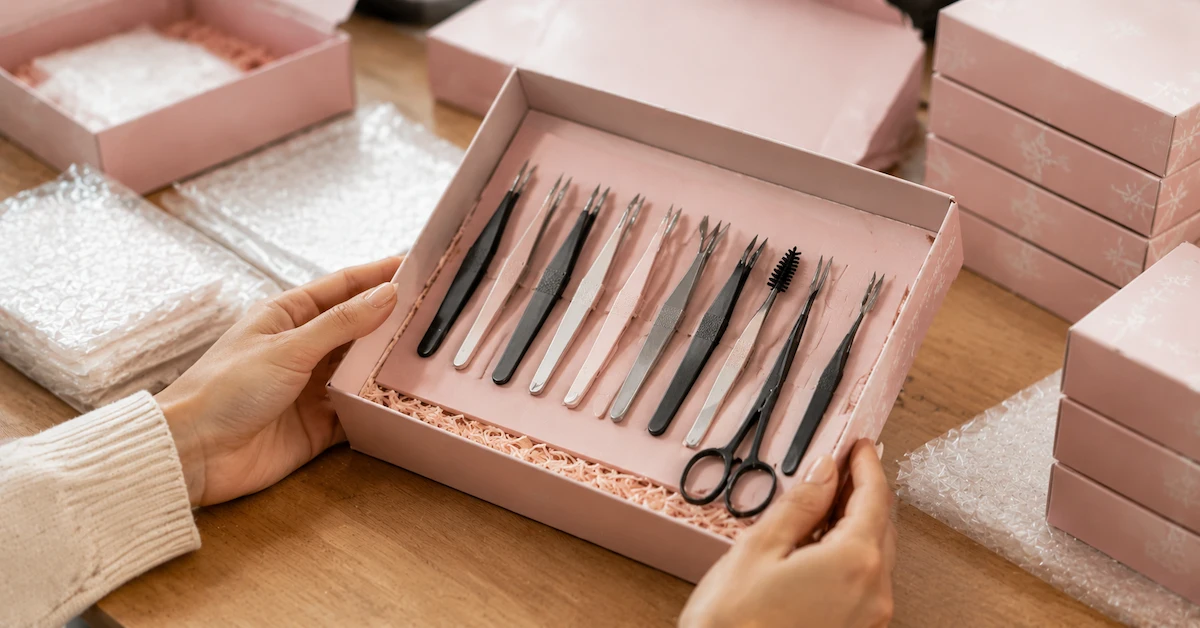
Wholesale buyers can review sustainability from several angles. Packaging can often be simplified without reducing product protection. Retail cartons, sleeves, pouches, or tip guards should be designed for the sales channel rather than added by default. For professional use, practical storage and easy identification may matter more than decorative packaging. For retail, packaging needs to communicate tip style, care instructions, and safe handling clearly.
When comparing recyclable grooming tools in bulk, avoid vague claims. Look for practical information that helps your team make decisions: what the tool is made from, how it is packaged, whether the packaging is necessary for protection, and how the product can be maintained. Sustainability should be treated as a sourcing discipline rather than a marketing phrase.
Private Label and Branding Without Compromising Function
Private label tweezers can help beauty brands, retailers, salons, and subscription businesses create a more distinctive product range. Branding options may include logo placement, finish selection, color direction, packaging design, and set configuration. However, branding should never interfere with the tool’s basic performance. A beautiful tweezer that cannot grip fine hair will not build repeat customers.
Before developing private label manicure or beauty tools, define the role of the tweezer in your range. Is it a hero product for brow care, an add-on accessory, part of a manicure kit, or a travel grooming item? The answer affects tip style, packaging, finish, and price positioning. For example, a premium brow tool may need stronger emphasis on precision and hand feel, while a kit component may need compact packaging and consistent appearance across multiple tools.
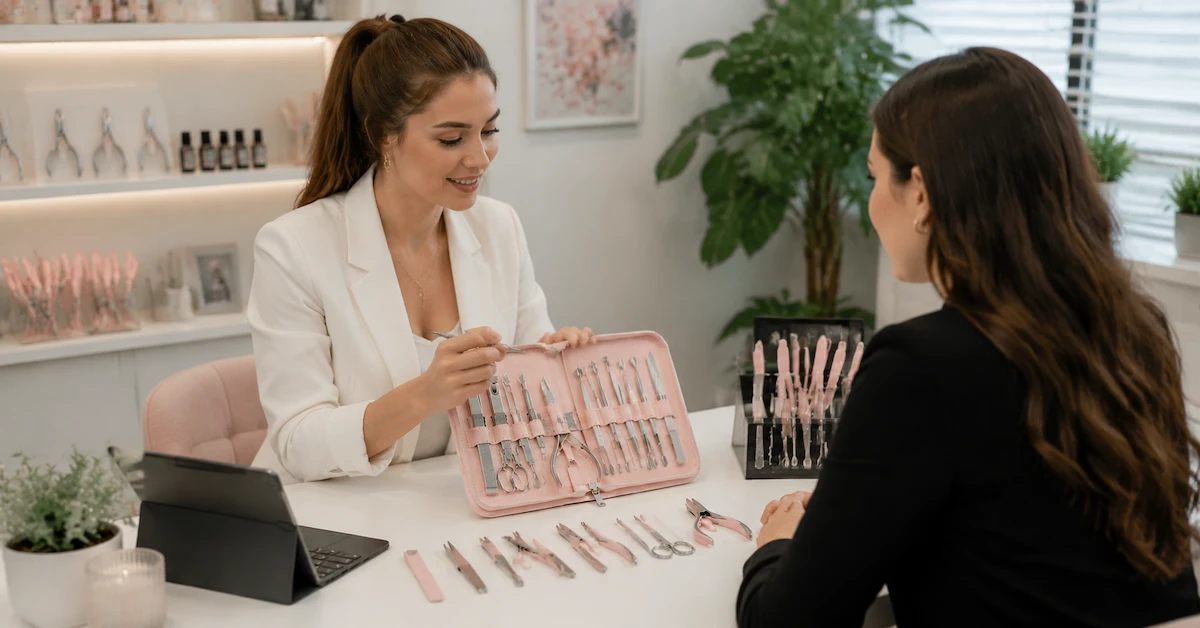
Buyers exploring customization can browse Olimor product collections to understand how different beauty tools may work together in a broader assortment. If the project involves a branded range, prepare artwork files, target packaging format, finish preferences, and expected sales channel requirements before discussing production details. This makes communication more efficient and helps avoid design choices that look good in a mockup but create handling or quality issues later.
How to Compare Wholesale Tweezer Suppliers
A reliable wholesale supplier should support consistent product quality, clear communication, and realistic decision-making. The right partner is not only a manufacturer or exporter; it is a source of practical guidance on materials, finishing, packaging, and quality expectations. This is particularly important when sourcing from established manufacturing regions where many options may look similar at first glance.
Use a structured comparison process before selecting a supplier. Review samples, communication quality, packaging capability, customization support, and how clearly the supplier explains limitations. A strong supplier should be able to discuss trade-offs, such as how a very sharp pointed tip may need better protection, or how certain finishes may show fingerprints or scratches more easily. These details help buyers choose products that fit real market use.
- Define the target customer: Professional brow artist, general retail customer, salon buyer, travel kit user, or private label brand.
- Select core tip styles: Start with the use case before choosing color, packaging, or decoration.
- Request and evaluate samples: Test alignment, tension, comfort, and finish consistency.
- Confirm packaging needs: Consider retail display, e-commerce shipping, safety, and storage.
- Document quality expectations: Create written standards for acceptable finish, logo placement, and functional performance.
- Plan reorder consistency: Keep approved samples or reference records to compare future production.
For project-specific discussions, buyers can contact Olimor or send an inquiry with details about intended use, preferred tool types, packaging direction, and branding needs. Providing a clear brief from the beginning helps the sourcing process move from general options to practical product decisions.
Maintenance Guidance Adds Value for Retail and Professional Customers
Maintenance information is often overlooked in wholesale beauty tools, but it can reduce complaints and improve customer satisfaction. Tweezers should be kept clean and dry, stored with tip protection when appropriate, and handled carefully to preserve alignment. Dropping a tweezer onto a hard surface can damage the tips, especially on pointed styles. Retail packaging or inserts should include simple care guidance so users understand how to protect the tool.
For professional environments, cleaning practices should match the salon’s hygiene procedures and the tool finish. For consumer retail, instructions should be easy to understand and avoid overpromising. Clear use and care information makes the product feel more credible and helps customers get better results.
Build a Tweezer Range Around Use, Not Assumptions
The strongest wholesale tweezer decisions begin with the user. Professional brow specialists need precision and repeatable grip. Beauty retailers need clear assortments and packaging that explains the difference between tip styles. Private label brands need a balance of appearance, performance, and production consistency. Kit developers need tools that fit the overall set without feeling like an afterthought.
By focusing on tip selection, alignment, ergonomics, finishing, packaging, sustainability, and supplier communication, buyers can source tweezers that support both daily use and long-term brand reputation. In a crowded beauty tools market, small details are what separate a forgettable accessory from a product customers trust and reorder.