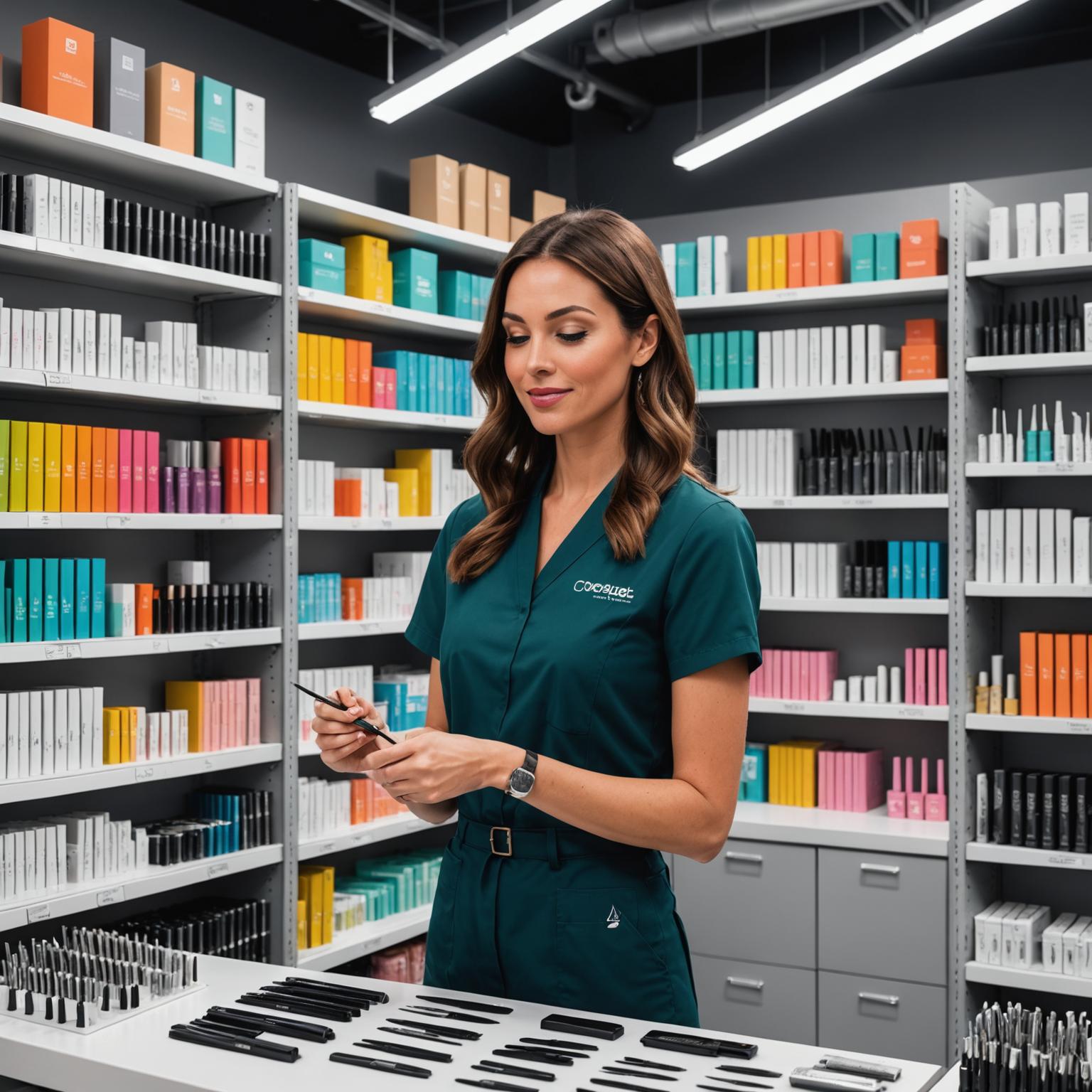
Tweezers may look simple, but buyers who source them in bulk know that small details decide whether a tool feels professional or disposable. A reliable tweezer should meet cleanly at the tip, grip fine hair without cutting it, resist corrosion in normal use, and feel stable in the hand. For salons, brow bars, lash technicians, retailers, gift set brands, and distributors, wholesale tweezers are not just a low-cost accessory. They are a repeat-use tool that customers judge by feel, accuracy, and consistency.
The wholesale market for tweezers has changed as consumers have become more skilled at at-home grooming and beauty professionals have raised their expectations for precision tools. A basic tweezer may be enough for occasional use, but professional assortments often require multiple tip profiles, careful finishing, and packaging that matches the sales channel. This guide explains how to compare tweezer options, what to check before placing a bulk order, and how Olimor Beauty can support buyers building dependable beauty tool programs.
Why Precision Matters in Wholesale Tweezers
In beauty use, the purpose of a tweezer is controlled removal, placement, or separation. If the arms flex unevenly, the tips do not align, or the edge is too sharp, the user may pull hair incorrectly, pinch skin, or lose grip on fine materials. These issues become more serious when a business purchases hundreds or thousands of pieces, because inconsistency can lead to returns, poor reviews, or dissatisfied professional users.
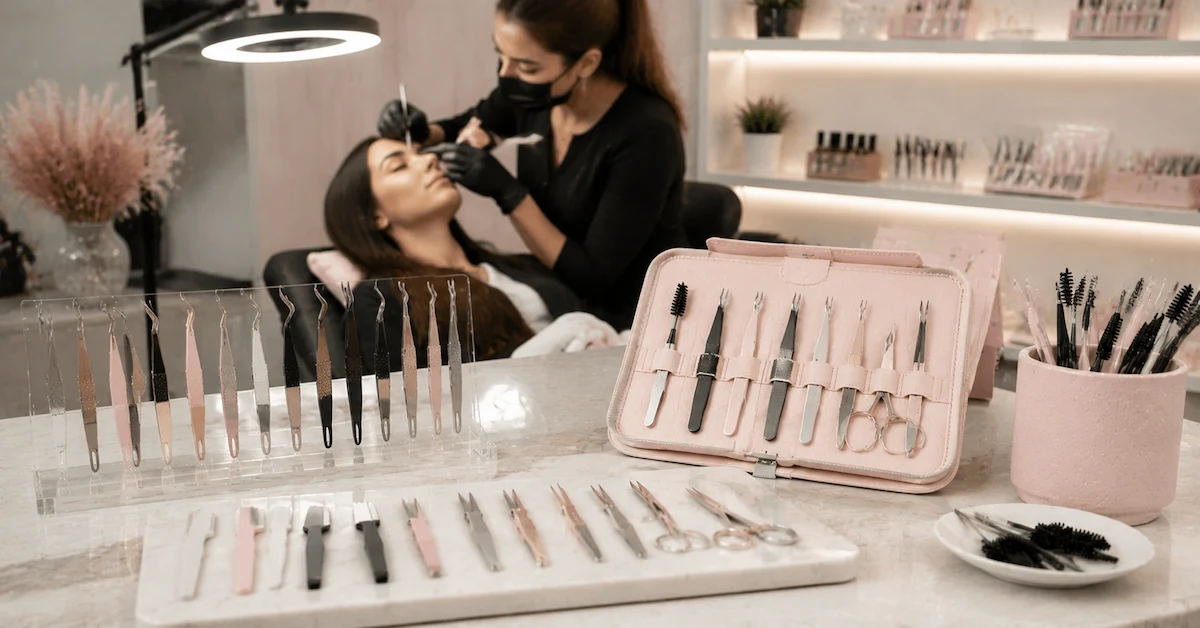
For eyebrow shaping, the tweezer must grip short and fine hairs close to the root. For lash work, technicians often need a tool that can separate or pick up delicate lash fibers with steady control. For grooming kits, buyers usually want a practical tweezer that looks clean, performs reliably, and fits compact packaging. In every case, precision begins with the meeting point of the tips and continues through the spring tension, surface finish, and hand feel.
When reviewing beauty tool products, buyers should avoid judging tweezers only by appearance. A polished finish and attractive color can help retail presentation, but the working edge is what determines user satisfaction. The best wholesale decision balances performance, durability, packaging, and the intended price position of the final product.
Common Tweezer Tip Styles and Where They Fit
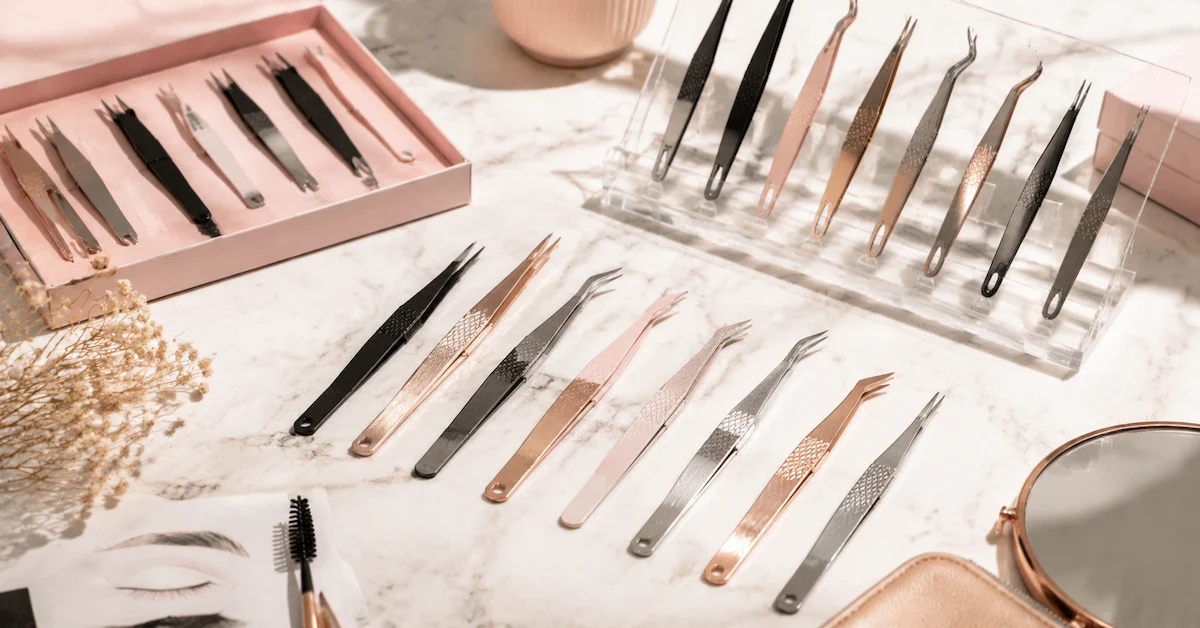
Different tip shapes suit different beauty tasks. A strong wholesale assortment may include more than one style, especially for professional channels or curated grooming sets. The table below outlines practical selection points without assuming one design is right for every buyer.
| Tip style | Typical use | Buyer considerations |
|---|---|---|
| Slant tip | Eyebrow shaping and general grooming | Popular for retail and salon use because the angled edge can approach hairs from different positions. |
| Pointed tip | Fine, precise work | Requires careful finishing and protective packaging because tips are delicate and sharp. |
| Flat tip | Gripping wider surfaces or thicker hair | Useful in basic grooming kits, though less suitable for very fine brow detail. |
| Curved tip | Lash placement, separation, or detailed beauty tasks | Often chosen for users who need visibility and angle control around the eye area. |
A slant tweezer is often the safest starting point for a broad consumer audience because it is familiar and versatile. However, buyers serving lash technicians or brow specialists may need more specialized tools. Precision curved tweezers, for example, can help users work at an angle without blocking visibility. If a product line targets both consumers and professionals, separating the range by use case is clearer than offering one generic tweezer for every purpose.
Material, Finish, and Hygiene Considerations
The original performance of a tweezer depends heavily on the material and finishing process. Stainless steel is commonly valued in beauty tools because it supports durability, cleaning, and a professional feel. For wholesale sourcing, buyers should look at how the material choice aligns with the tool’s intended environment. A salon tool may be handled frequently and cleaned often, while a retail grooming kit may spend more time in a pouch or bathroom drawer.
Finish also affects both appearance and usability. A mirror-polished tweezer can look premium, but it may show fingerprints easily. A matte or satin surface can feel more understated and reduce visible handling marks. Coated or colored finishes may help a brand stand out, but buyers should evaluate whether the coating is even, whether edges remain clean, and whether the tip alignment is affected after finishing. Decorative finishes should never compensate for poor gripping performance.
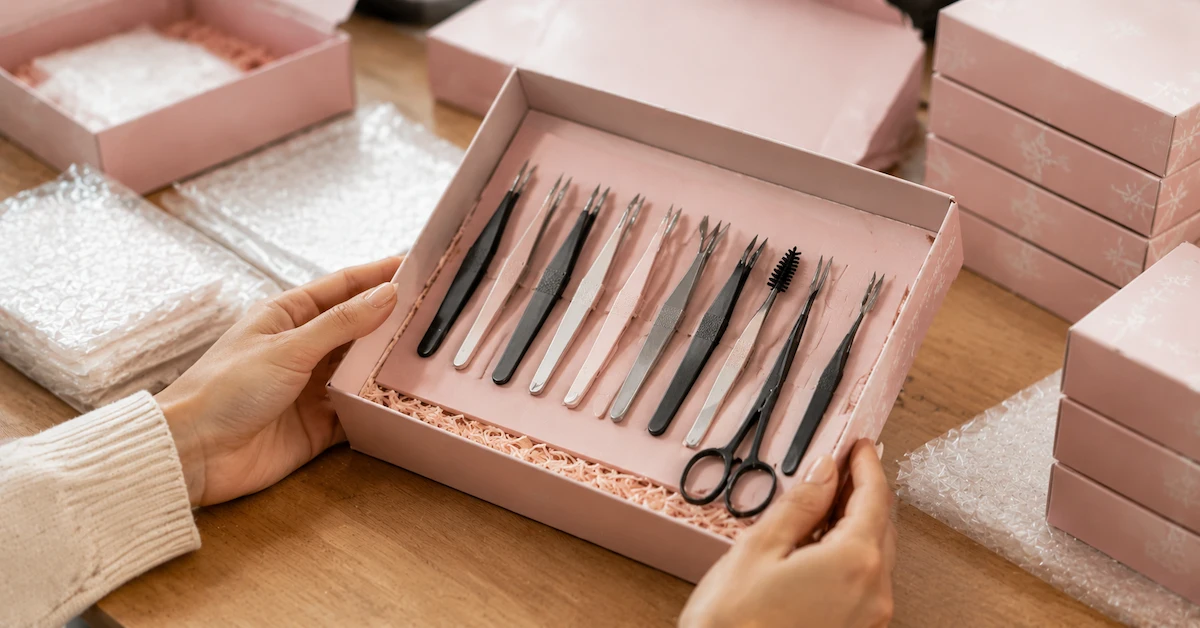
Hygiene expectations are another reason to choose carefully. Beauty tools used near the eye and brow area should have smooth surfaces without rough burrs, gaps, or residue traps. Packaging should also help protect the tips before sale and during shipment. For pointed or fine-tip designs, a small protective cap or secure insert can reduce damage before the product reaches the user.
Quality Checks Before a Bulk Order
Wholesale tweezers should be assessed with simple but consistent checks. Even when the design looks correct, small variations can affect the user experience. Before committing to a full production run or adding tweezers to a branded kit, create a review checklist that includes functional and visual standards.
- Tip alignment: The two ends should meet evenly without crossing, gapping, or twisting.
- Grip test: The tweezer should hold fine hair or a thin test fiber without slipping under normal hand pressure.
- Spring tension: Arms should press smoothly and return without feeling too stiff or weak.
- Edge comfort: Working edges should grip effectively without feeling jagged or overly sharp against skin.
- Surface finish: Check for scratches, stains, uneven coating, burrs, or rough seams.
- Consistency: Review multiple pieces, not only a single sample, to understand batch uniformity.
- Packaging fit: Confirm that inserts, caps, pouches, or retail cards hold the tweezer securely.
For distributors and retailers, consistency is especially important because the end customer expects the same performance from every unit. A single impressive sample is not enough if the bulk shipment varies widely. Clear approval samples, agreed packaging standards, and practical inspection points help reduce misunderstanding between buyer and supplier.
Private Label and Branding Decisions
Private label tweezers allow salons, spas, retailers, and beauty brands to create a more cohesive product line. A tweezer can be sold individually, added to a brow kit, included in a manicure or grooming set, or used as a promotional beauty accessory. The key is to make branding decisions that support the product’s real use rather than distract from it.
Branding may involve logo placement, finish selection, packaging artwork, or assortment planning. A minimalist logo on the handle can suit a professional salon line, while retail packaging may need clearer usage information and stronger shelf appeal. For online sales, packaging should also photograph well and communicate the tip style quickly. Customers should not have to guess whether the tool is intended for brows, lashes, or general grooming.
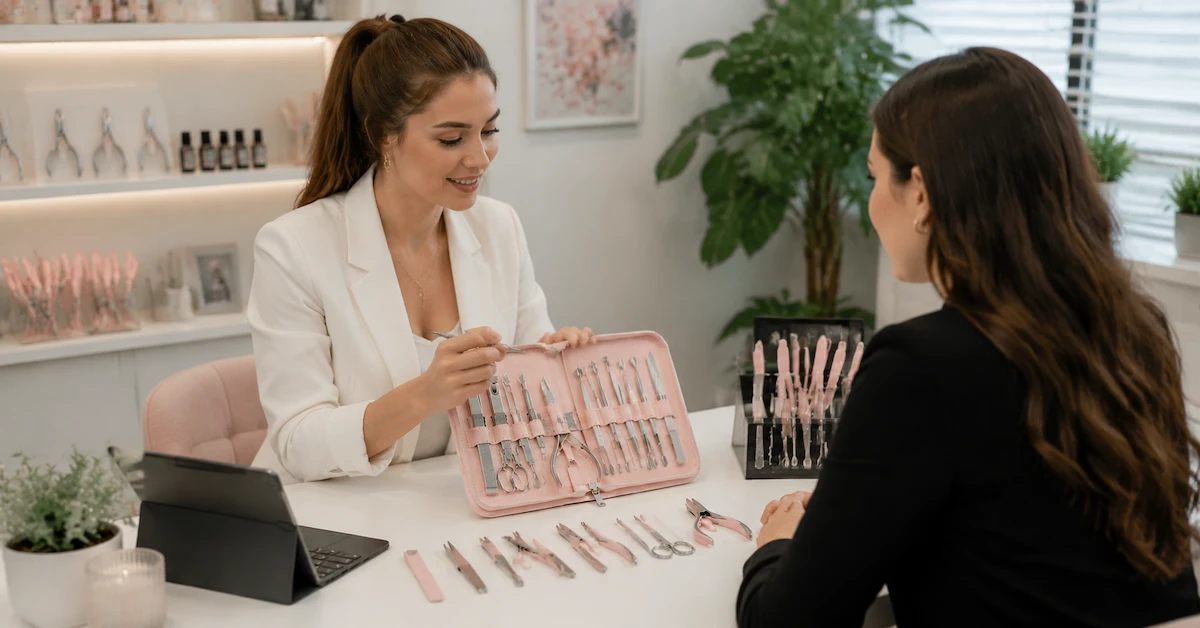
When planning private label manicure tools or grooming accessories, keep the tweezer’s role in the broader range clear. If the brand already sells nail tools, brow scissors, eyelash tools, or care kits, the tweezer should match the same quality position. Buyers can explore related product collections to think about how tweezers fit into a complete beauty tools assortment rather than standing alone.
Sustainability and Long-Term Value in Bulk Sourcing
Sustainability in wholesale beauty tools is often practical: choose durable products that do not need to be replaced quickly, avoid excessive packaging, and source assortments that customers will actually use. A well-made tweezer can support a lower-waste approach because it remains useful over time. Recyclable grooming tools bulk programs may also appeal to businesses that want to reduce unnecessary plastic or create a cleaner packaging presentation.
That does not mean every buyer needs the same packaging solution. A professional buyer may prefer simple protective sleeves and efficient cartons, while a retailer may need hang cards, window boxes, or compact pouches. The more important question is whether packaging protects the tool, explains the use case, and avoids unnecessary bulk. For e-commerce, protective packaging must also survive shipping without allowing tips to bend or scratch other items in a kit.
Long-term value also comes from supplier communication and repeatability. If a buyer plans to reorder the same tweezer season after season, the specification should be documented: tip style, finish, logo placement, packaging format, inspection requirements, and any approved sample reference. This makes repeat orders smoother and reduces the risk of gradual changes that customers may notice.
How to Choose a Tweezers Wholesale Supplier
A suitable supplier should understand both beauty performance and bulk order execution. For buyers sourcing from established manufacturing regions, including Guangdong, the decision should be based on product fit, communication, sampling, and quality control rather than location alone. Olimor Beauty works with beauty tool buyers who need practical sourcing support for tweezers and related grooming tools, with attention to precision, appearance, and order consistency.
Before finalizing a wholesale tweezers project, prepare a concise product brief. Include the target user, sales channel, preferred tip style, finish direction, packaging needs, and any branding requirements. If the buyer is unsure which tweezer style fits the market, sample comparisons can help. A brow-focused salon may prioritize slant and pointed tips, while a lash-focused business may compare straight and curved tools. A general retailer may prefer a balanced grooming assortment with clear packaging and broad usability.
For custom programs, buyers should also consider timeline, artwork readiness, carton labeling, and how the product will be displayed or shipped. These operational details matter because a good tweezer still needs to arrive protected, correctly labeled, and ready for its sales channel. To discuss a specific sourcing plan, you can contact Olimor or send an inquiry with your intended use, quantity range, and branding goals.
Building a Better Tweezer Assortment
The strongest wholesale tweezer programs are built around real user needs. Instead of selecting a tool only because it looks attractive in a catalog, define the task first: brow shaping, lash work, grooming kits, salon resale, or private label retail. Then compare tip geometry, tension, finishing, packaging, and quality checks against that use case.
For beauty professionals, precision and reliability are the priority. For retailers, the product must also explain itself clearly and meet customer expectations at the chosen price point. For private label brands, consistency across repeat orders is essential to protect brand trust. By focusing on these practical sourcing criteria, buyers can choose wholesale tweezers that perform well, present professionally, and support a more dependable beauty tools range.