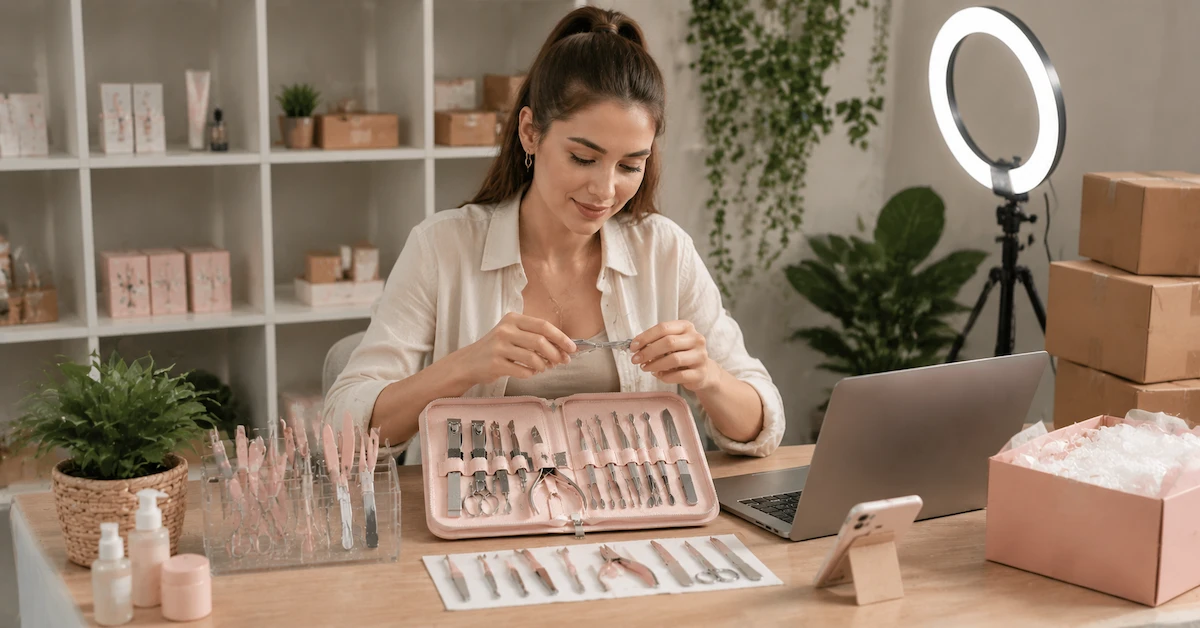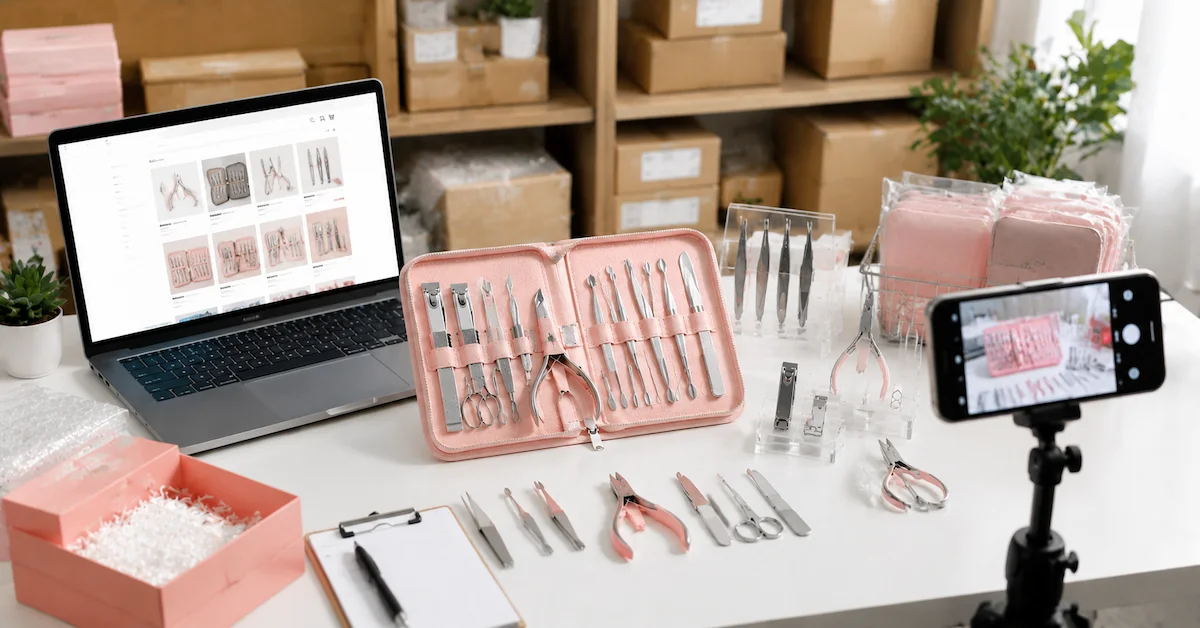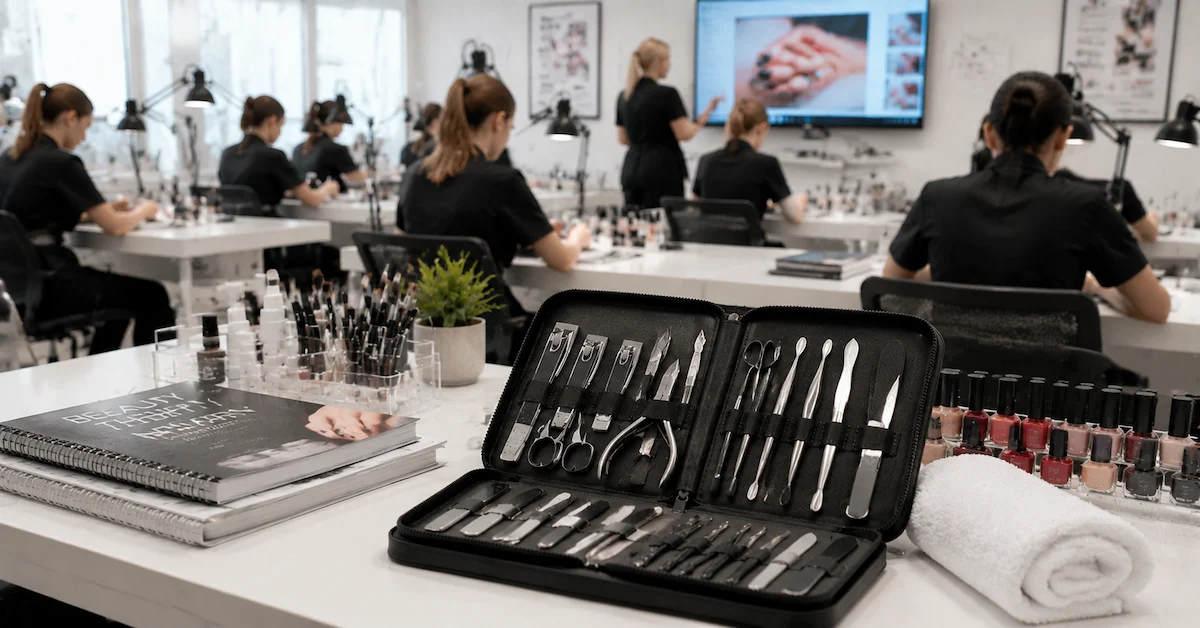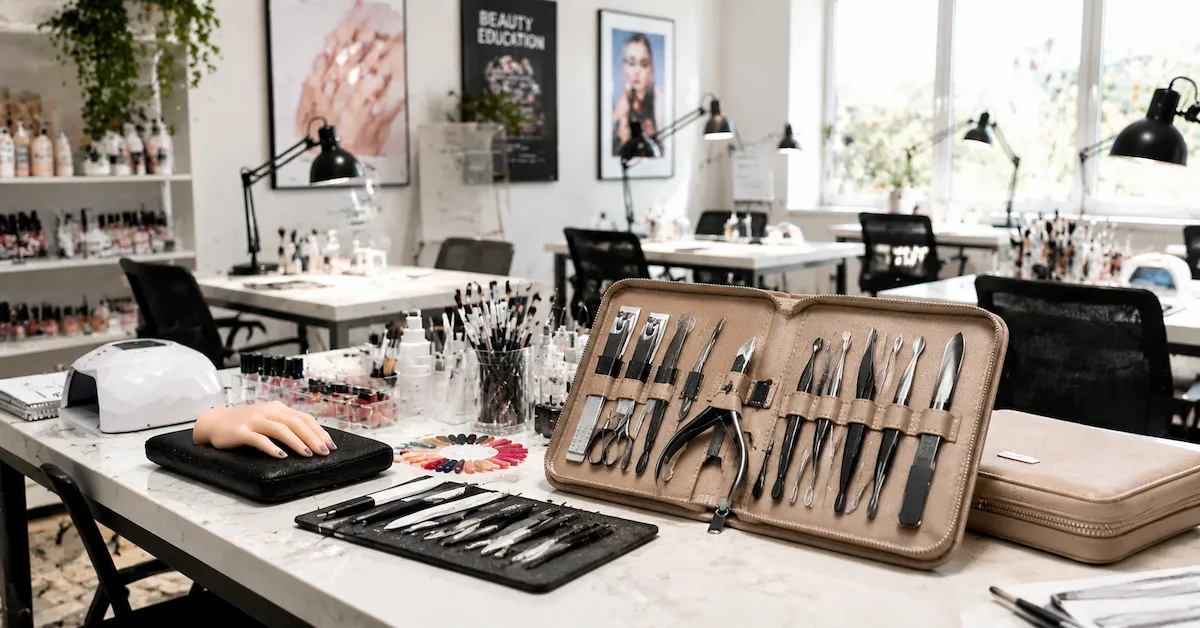











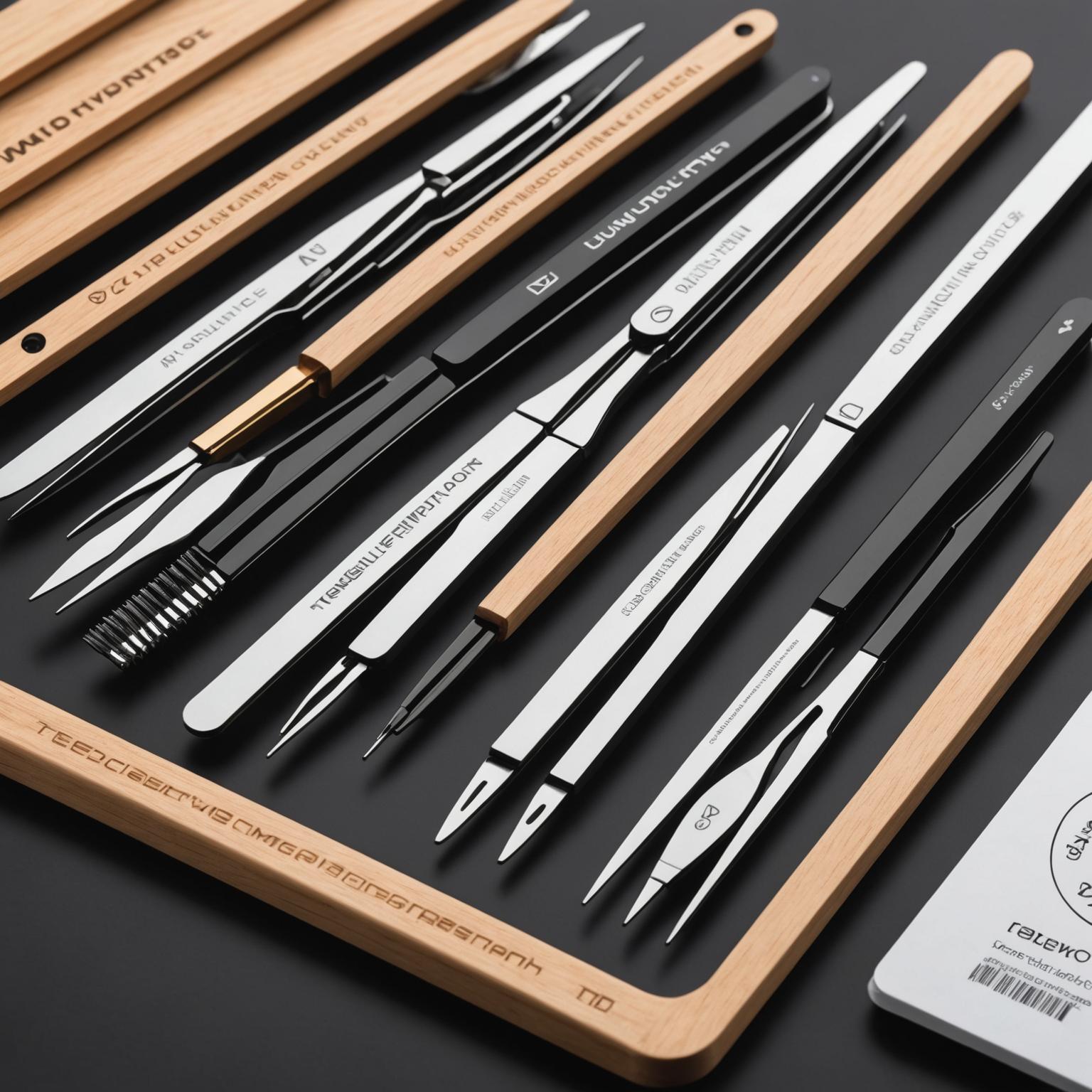
Tweezers are small tools, but they carry a large responsibility in a beauty range. A customer may buy them for eyebrow shaping, facial hair removal, lash work, splinter removal or general grooming, yet the same expectation appears every time: the tips must meet accurately, grip cleanly and feel controlled in the hand. For salons, retailers, distributors and private label beauty brands, sourcing wholesale tweezers is therefore not only a price decision. It is a decision about user trust, repeat purchase and the quality standard associated with your brand.
The beauty tool market has moved away from treating tweezers as simple commodity accessories. Buyers now compare tip alignment, surface finish, tension, packaging, sustainability considerations and supplier consistency. A low-cost tweezer that looks acceptable in a catalog can create returns if it pulls poorly, pinches the skin or loses alignment quickly. A well-selected tweezer, by contrast, can become one of the most reliable items in a grooming assortment because it is useful, compact and easy to reorder.
Why Wholesale Tweezers Require More Than a Unit Price Comparison
When purchasing in bulk, it is tempting to compare offers by unit cost first. Cost matters, but tweezers are performance tools. Two products that look nearly identical in a product photo can behave very differently in the hand. The most important differences often appear at the tips, where alignment, edge finishing and spring tension determine whether the tweezer grips a fine hair or slips repeatedly.
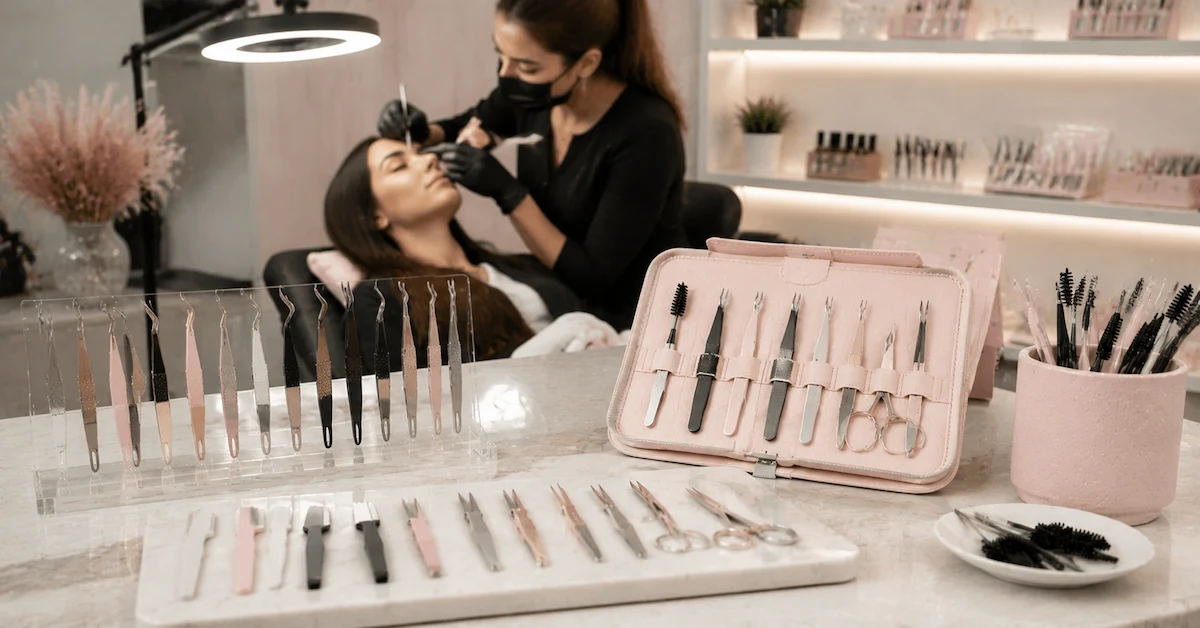
Professional users also pay close attention to durability. Tools may be cleaned frequently, stored in kits, transported between workstations or used throughout a busy service day. Consumers may keep a pair in a vanity bag for years. Stainless steel is widely used for beauty tools because it can offer strength, corrosion resistance and a clean appearance, but buyers should still evaluate workmanship rather than relying on material wording alone.
A stronger sourcing approach looks at the complete buying purpose. Are the tweezers intended for a salon retail wall, a brow care set, a travel grooming kit, a private label launch or a distributor catalog? Each channel may need a different balance of finish, packaging, price point and assortment depth. Viewing tweezers as part of a broader beauty tool strategy helps buyers make choices that are easier to sell and easier to defend.
Tip Shape, Tension and Finish: The Details That Affect Performance
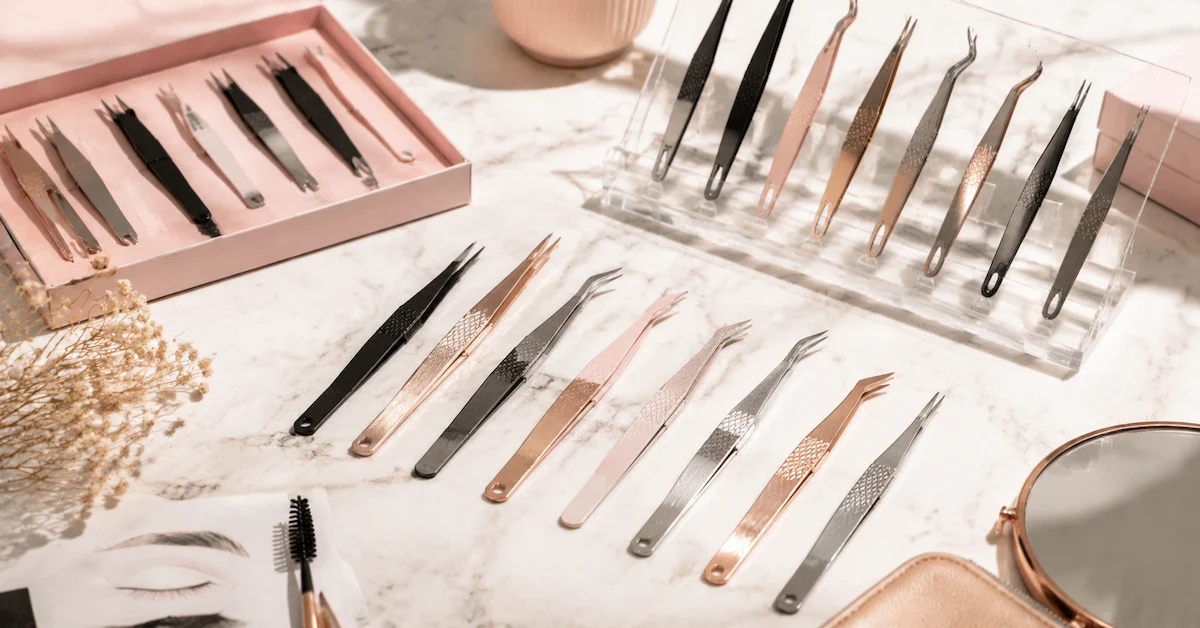
The most important feature of any tweezer is the working end. Tip shape should match the intended use. Slant tips are commonly chosen for eyebrow grooming because they provide a broad gripping surface and controlled angle. Pointed tips can support more precise work, although they require careful handling. Flat or straight tips may suit certain general grooming uses. For wholesale buyers, the key is not to select every possible shape, but to build an assortment that reflects real customer demand.
Tension is another detail that customers notice immediately. If the arms are too stiff, extended use becomes uncomfortable. If they are too loose, the tool may feel weak or imprecise. Good tension allows the user to close the tips smoothly with moderate pressure. This is especially relevant for beauty professionals who repeat the same motion many times during a service.
Surface finish also deserves attention. A polished or refined finish can make a tool more attractive at retail, while a textured or coated grip area may improve handling. However, decorative finishes should never hide poor tip alignment. A buyer evaluating wholesale tweezers should inspect the product both visually and functionally before focusing on color or branding options.
- Tip alignment: The tips should meet evenly without visible gaps when closed.
- Grip test: The tool should hold fine material without sliding or cutting unevenly.
- Edge comfort: Edges should feel clean and controlled, not sharp in the wrong places.
- Arm tension: Closing and releasing should feel smooth and consistent.
- Finish quality: Coating, polishing or texture should be even across the product.
How Design Choices Influence Retail Value
Design is not only about appearance. A tweezer that feels balanced, opens naturally and provides a secure grip can feel more premium even before the customer uses it. Ergonomic details may be subtle, such as the width of the arms, the curve of the body or the surface texture where the fingers rest. These choices can make the tool easier to control and more comfortable for both professional and personal use.
For retail brands, design also helps position the product. A minimalist stainless steel tweezer may fit a professional beauty range, while a color-finished version may suit lifestyle packaging or giftable sets. If the tweezer is part of a manicure, brow or grooming kit, the design should coordinate with the other tools so the assortment looks intentional. You can review broader categories through Olimor Beauty’s beauty tool products and product collections to plan how tweezers might fit within a complete range.
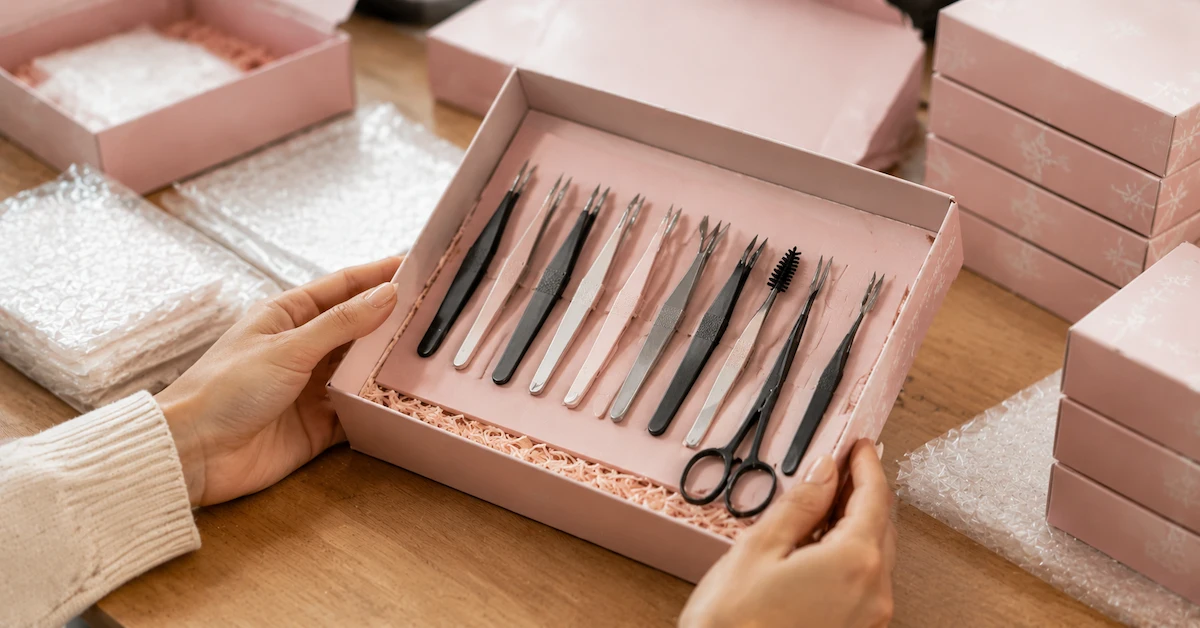
Packaging should support the same positioning. A protective sleeve, carded package, pouch or boxed set can change how the product is perceived and how safely it reaches the customer. The right packaging also reduces the chance of tip damage during transport and display. For private label buyers, packaging is often where the brand story becomes visible, so it should be planned alongside the tool rather than treated as a final add-on.
Private Label and Branding Considerations for Tweezer Programs
Private label manicure and grooming tools are growing because retailers and beauty brands want a distinct identity instead of reselling generic products. Tweezers can work well in a private label program because they are compact, practical and easy to combine with other tools. Still, branding decisions should be made carefully. A logo, color or package cannot compensate for weak performance.
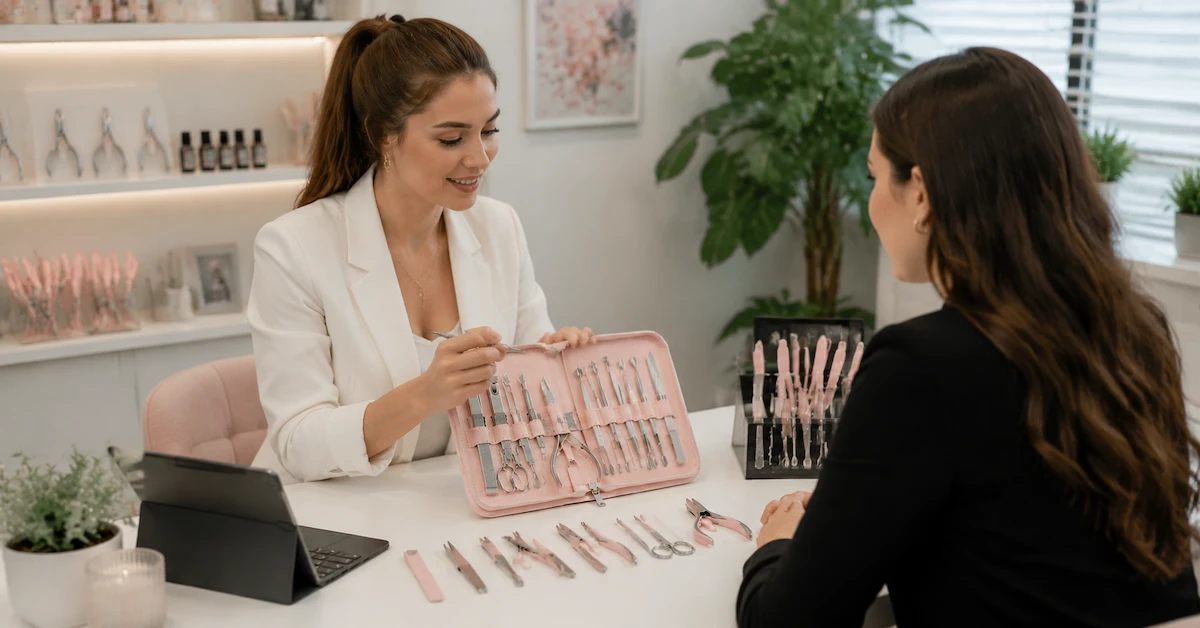
Before building a branded tweezer line, define the customer and selling channel. A brow-focused beauty brand may prioritize slant tweezers with refined packaging. A distributor serving salons may need practical, professional-looking tools that can be reordered consistently. A gift set brand may focus on coordinated finishes across several grooming tools. These decisions influence everything from tip shape to packaging format.
Buyers should also think about how much variety is useful. Too many colors, shapes or packaging versions can make inventory harder to manage. A focused assortment often performs better: one or two strong tweezer types, supported by clear usage descriptions and consistent visual identity. When planning a custom program, it is helpful to prepare artwork expectations, target packaging style, expected sales channels and quality priorities before you send an inquiry.
Sustainability and Longevity in Beauty Tool Sourcing
Sustainability in beauty tools should begin with durability. A tweezer that lasts longer and performs reliably creates less replacement waste than a low-quality tool that is quickly discarded. Stainless steel tools can also support a cleaner, longer-use product strategy when they are manufactured and finished well. For wholesale buyers, this means sustainability claims should be grounded in practical product decisions: material choice, product lifespan, repairability where relevant, packaging reduction and responsible assortment planning.
Packaging is another area where buyers can make thoughtful decisions. Excessive plastic, oversized boxes or unnecessary inserts may not match current consumer expectations. At the same time, the package must protect the tweezer tips, communicate usage and meet retail handling needs. A balanced approach avoids both wasteful over-packaging and under-packaging that leads to damaged goods.
For brands marketing eco-conscious grooming tools in bulk, wording should remain accurate and specific. Rather than relying on broad claims, describe concrete choices such as durable construction, reduced packaging elements or recyclable packaging materials when those details are confirmed for the final product. Clear, honest communication protects brand credibility.
A Practical Checklist for Evaluating a Tweezer Supplier
The supplier relationship matters because consistency is essential in wholesale purchasing. A sample may perform well, but repeat orders must match the approved quality level. Retailers and salon owners should evaluate how a supplier communicates, how samples are reviewed, how quality expectations are documented and how changes are handled before production.
| Evaluation Area | What to Check | Why It Matters |
|---|---|---|
| Tip precision | Alignment, grip and consistency across samples | Determines real user satisfaction |
| Material and finish | Stainless steel quality, coating evenness and surface feel | Affects durability and retail appearance |
| Branding options | Logo placement, packaging format and color coordination | Supports private label differentiation |
| Quality control | Inspection points, approved sample matching and defect handling | Reduces risk in repeat wholesale orders |
| Communication | Clear responses on specifications, timelines and documentation | Makes sourcing easier to manage |
Olimor Beauty works with buyers seeking professional beauty tools, including tweezers and related grooming items. If you are comparing product directions, packaging options or assortment structure, you can contact Olimor with your project requirements and target market details.
Building a Tweezer Range That Customers Trust
A successful wholesale tweezer program begins with a simple idea: customers judge the tool by how well it works. Precision tips, balanced tension, durable materials and suitable packaging matter more than decorative claims. Design and branding are still important, but they should support performance rather than distract from it.
For beauty brands, distributors and salon retailers, the strongest sourcing decisions come from testing products in the way customers will actually use them. Compare grip, comfort and finish. Review packaging protection. Decide whether the tweezer belongs as a single retail item, part of a kit or a branded private label line. Then choose a supplier relationship that can support consistency over time.
Wholesale tweezers may be small, but they can say a great deal about a brand’s quality standards. When selected with care, they become dependable tools that meet modern expectations for precision, durability and thoughtful design.