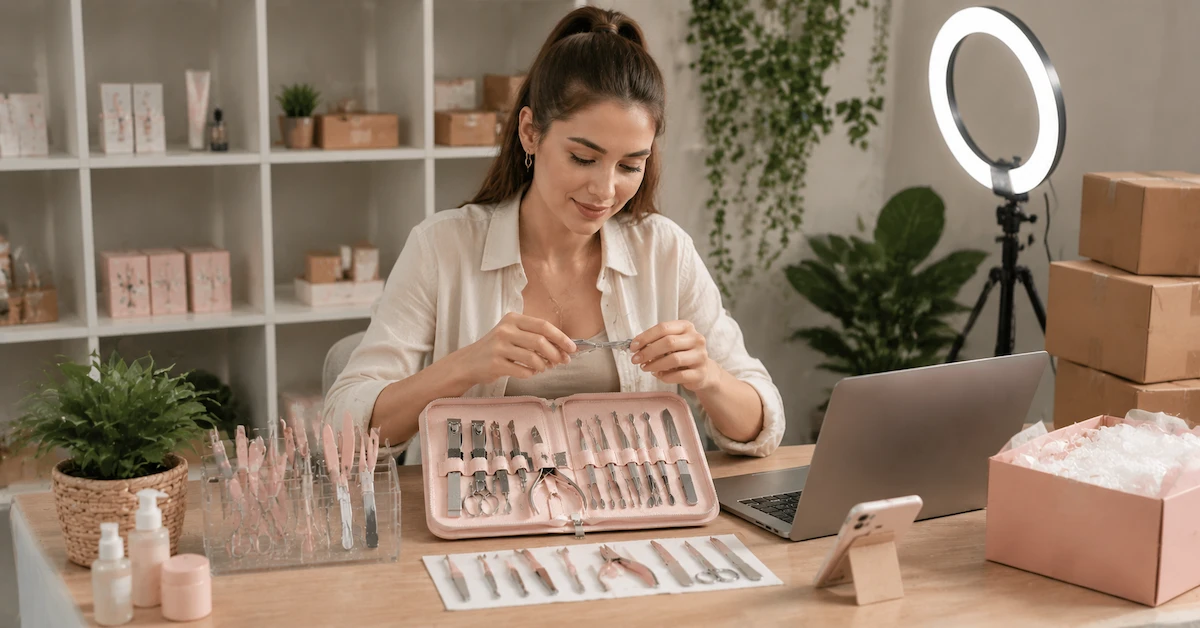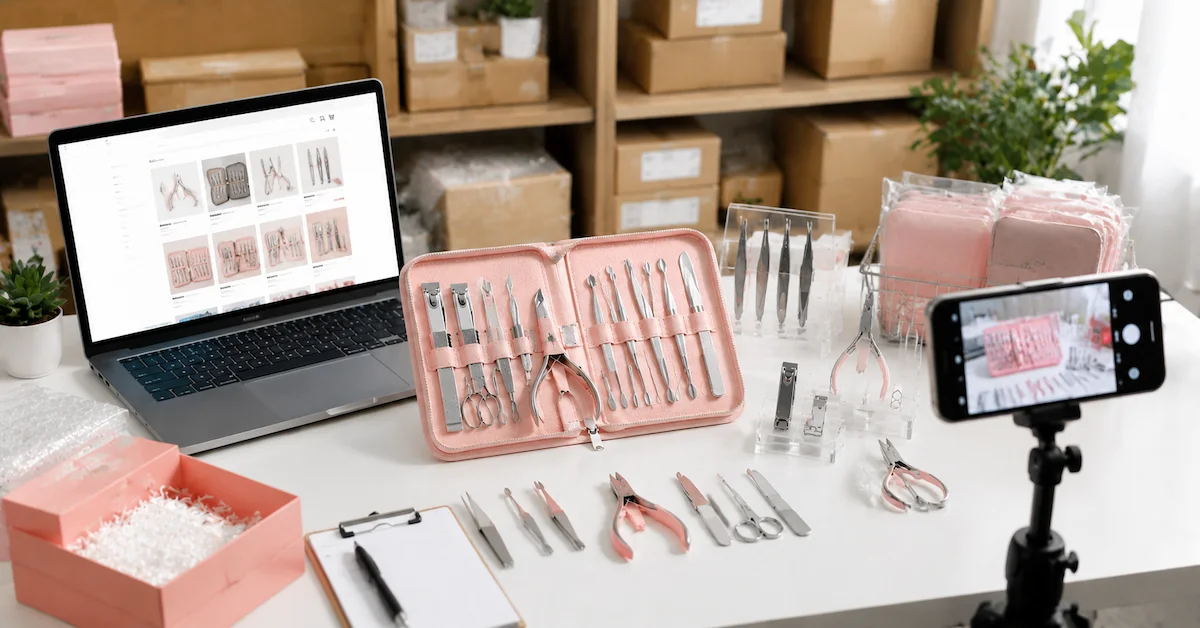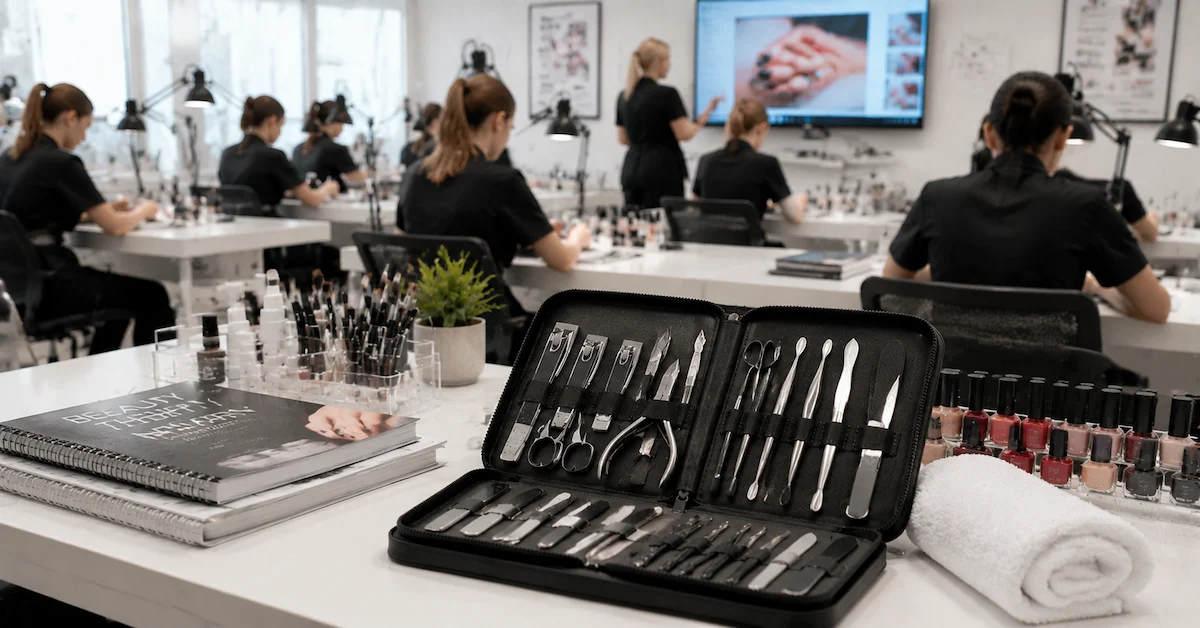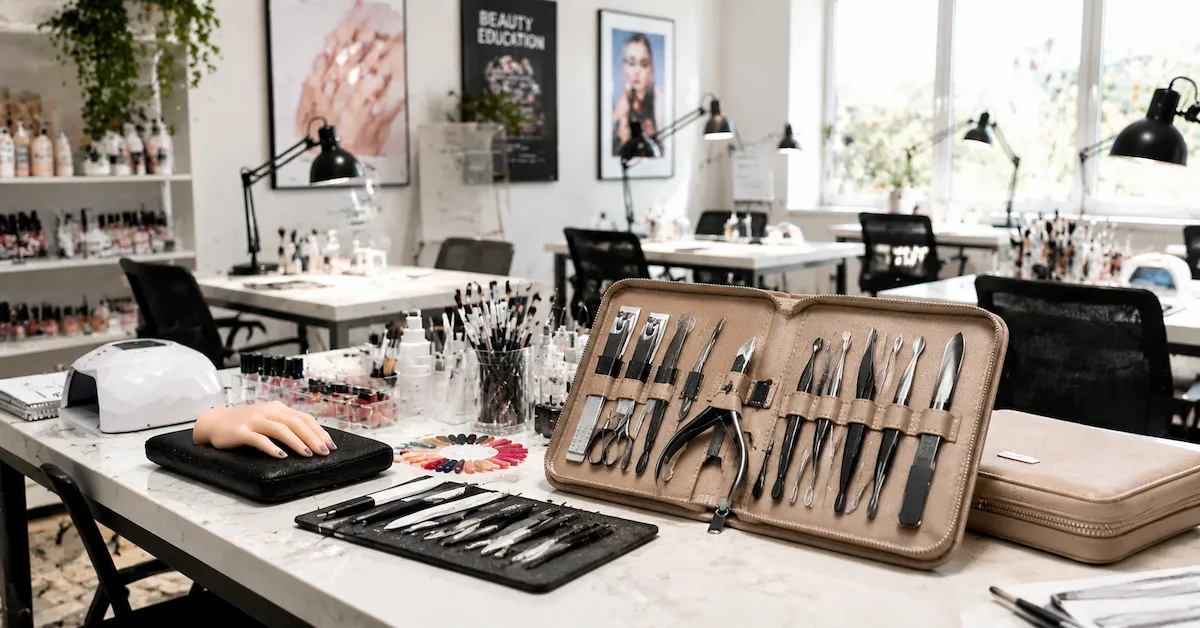











The tweezers wholesale market is changing because buyers are no longer choosing products by appearance alone. Retailers, salon suppliers, beauty brands, and grooming tool distributors are looking for tools that feel precise in the hand, perform consistently, and support a clear brand position. For an everyday beauty item like tweezers, small details matter: tip alignment, grip comfort, steel quality, finishing, packaging, and repeatable production all influence whether the product earns repeat orders.
Consumer expectations have also shifted. Many users now compare beauty tools with the same seriousness they apply to skincare or professional nail tools. They want instruments that remove fine hair cleanly, resist corrosion, are easy to sanitize, and last longer than disposable alternatives. For wholesale buyers, this means the best purchasing decisions are based on performance criteria rather than simple unit cost. A low-cost tweezer that bends, slips, or loses alignment quickly can damage customer trust and increase returns.
This guide explains the main trends shaping wholesale tweezers, with practical selection points for companies developing retail lines, salon kits, private label programs, or bulk grooming tool assortments.
Demand Is Moving Toward Durable, Salon-Quality Tools
Wholesale beauty tools used to be treated by many buyers as low-attention add-ons. That approach is fading. Tweezers are small, but they are high-contact tools, and customers notice immediately when they do not work well. A tweezer that cannot grip fine hair, pinches skin too easily, or feels unstable in the hand becomes a negative reflection of the brand printed on the package.
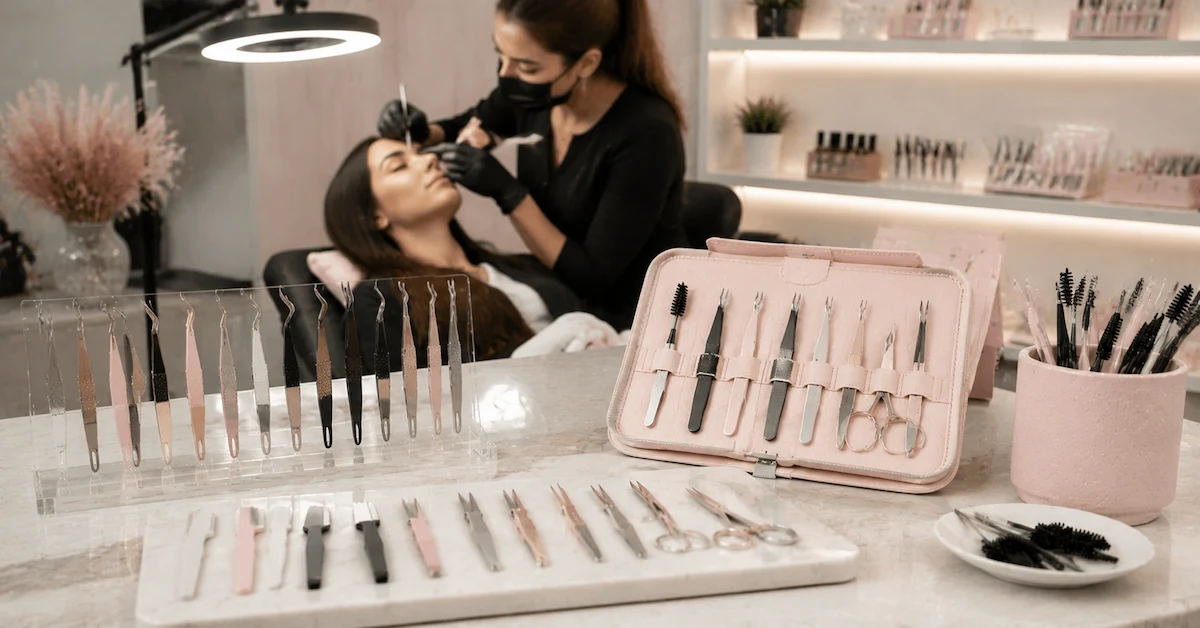
Professional users often judge tweezers by consistency. They need a tool that performs the same way during repeated use, not only when it is new. Retail customers may be less technical, but they still expect clean gripping, comfortable pressure, and a tip that does not feel rough. This demand is pushing the wholesale market away from disposable, short-life items and toward products positioned around dependable grooming results.
For buyers comparing beauty tool products, the most useful evaluation begins with the application. Eyebrow shaping, facial hair removal, lash work, splinter removal, travel grooming kits, and general personal care can all require different tip shapes and finishing standards. A retailer may need a balanced assortment rather than one universal tweezer for every customer.
Precision Is the Core Buying Standard
Precision is the defining quality of a tweezer. Many design features are visible, but performance depends on how accurately the two arms meet and how well the tips are finished. In wholesale sourcing, buyers should check samples for alignment, tension, tip contact, and edge smoothness before approving a larger order.
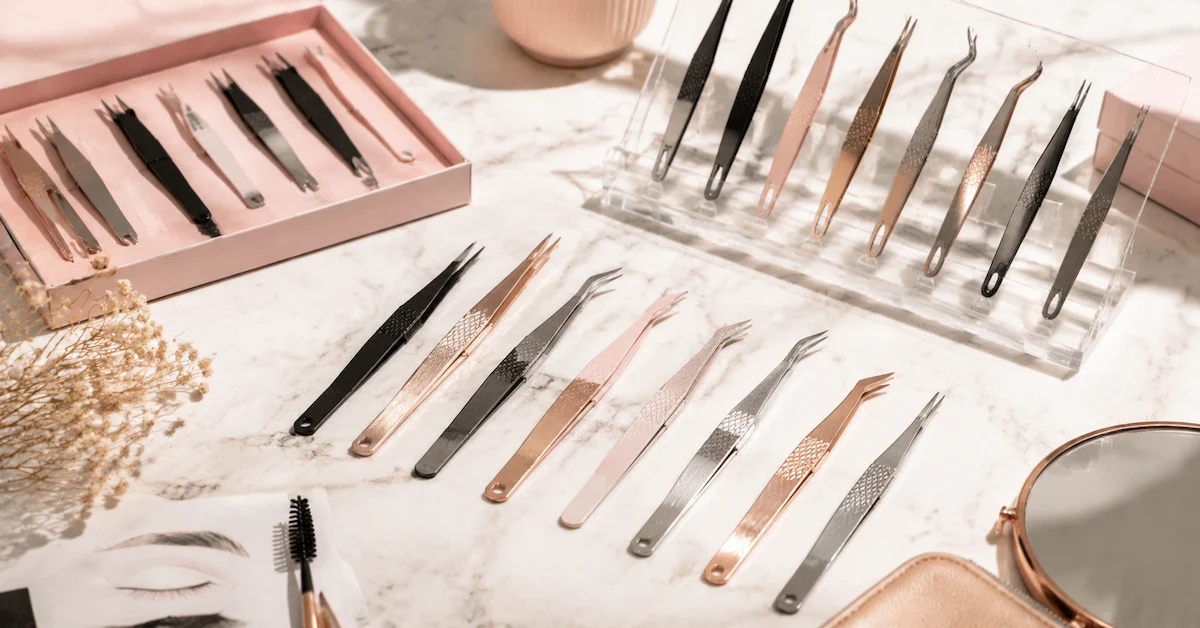
Common tweezer tip styles include slant, pointed, flat, and pointed-slant designs. Each has a different role. Slant tips are popular for eyebrow grooming because they offer a useful balance of control and contact area. Pointed tips are suitable for detailed work where accuracy is more important than speed. Flat tips can help grip broader surfaces but may be less precise for fine hair. The right choice depends on the target market, not only on trend or appearance.
- Tip alignment: The tips should meet evenly without visible gaps when light pressure is applied.
- Grip performance: The tweezer should hold fine hair without slipping or cutting the hair too easily.
- Hand pressure: Tension should feel controlled, not too stiff for frequent use and not too loose for precision.
- Edge finishing: Contact edges should be smooth enough for safe grooming while still providing grip.
- Surface consistency: Coating, polish, or matte finishing should be even across the batch.
These checks are simple, but they reveal much about manufacturing consistency. A well-made tweezer does not need exaggerated marketing claims. Its value is clear when it closes accurately, grips reliably, and feels stable during use.
Material Choice: Why Stainless Steel Remains Important
The original market trend toward high-performance materials remains highly relevant. Stainless steel is widely favored in beauty tools because it offers durability, corrosion resistance, and hygienic practicality. It also supports a longer product life, which matters for both professional buyers and consumers who prefer reusable grooming tools over disposable ones.
Material selection affects more than lifespan. It influences the feel of the tool, the quality of finishing, the ability to clean the surface, and the stability of the tweezer arms. For wholesale programs, buyers should consider whether the material and finish match the intended price point and retail promise. A premium-looking package paired with a weak or poorly finished tool can create a mismatch that customers quickly notice.
Sustainability is also shaping purchasing decisions. Many beauty businesses are trying to reduce short-life plastic accessories and improve the perceived responsibility of their assortments. Recyclable grooming tools in bulk can support this direction, especially when the product is designed for long-term use. However, sustainability claims should be handled carefully. Rather than relying on broad language, buyers can focus on practical factors such as tool longevity, minimal unnecessary packaging, material transparency, and refill or replacement planning for larger programs.
Ergonomics and Finish Influence Customer Satisfaction
Ergonomic design is not limited to large tools. Tweezers are controlled by small finger movements, so shape, tension, texture, and weight influence the user experience. If the arms are too slippery, users may squeeze harder than necessary. If the tension is too high, the tool can feel tiring. If the tool is too light or flexible, it may feel unstable.
Surface finish also affects both function and brand perception. Polished tweezers may look classic and clean, while matte or textured finishes can improve handling and reduce visible fingerprints. Colored finishes can support retail differentiation, but buyers should evaluate coating consistency and durability expectations. Decorative features should never interfere with the gripping surface or make the tweezer difficult to sanitize.
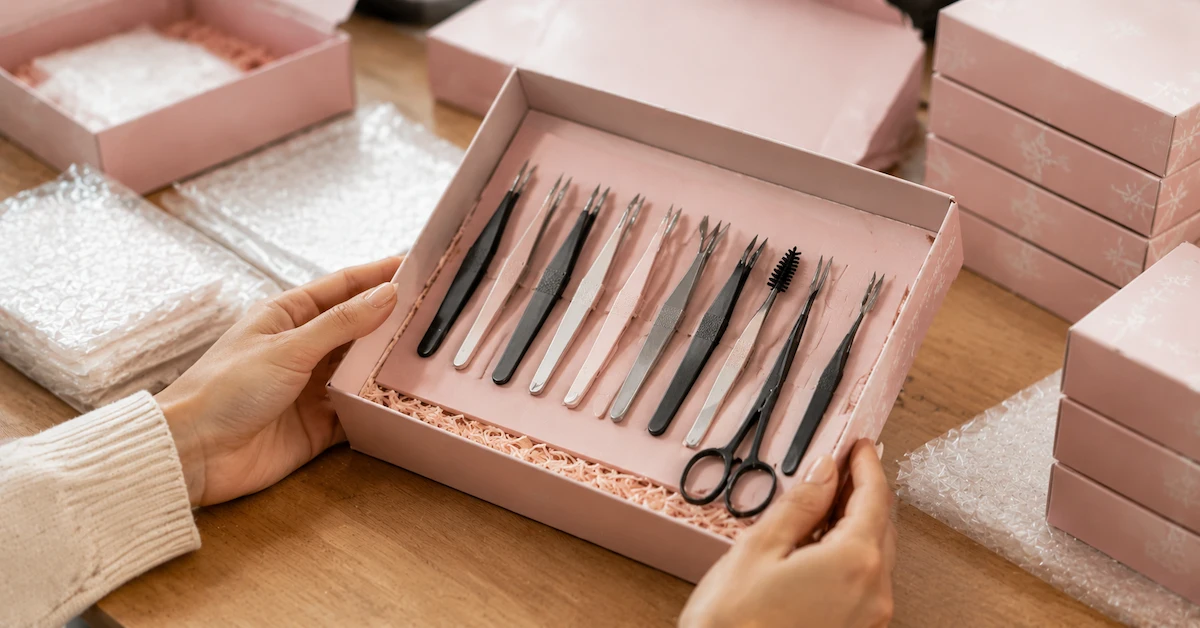
For retail assortments, packaging should communicate the tool's intended use clearly. If a tweezer is designed for brow shaping, fine hair removal, or detailed grooming, that should be easy for the customer to understand. Clear usage positioning helps reduce confusion and supports better conversion in stores and online listings.
Private Label Tweezers Are Becoming a Stronger Growth Area
Private labeling is one of the most important trends in the beauty tool market. Retailers and beauty brands want products that match their visual identity, price structure, and customer expectations. Tweezers are especially suitable for private label programs because they are compact, practical, and easy to include in grooming kits, brow care sets, travel beauty assortments, and giftable tool collections.
A private label program should start with product positioning. Is the tweezer meant to be a budget-friendly everyday item, a professional grooming tool, a salon retail product, or part of a premium kit? This decision affects material, finish, packaging, quality checks, and assortment planning. Without a defined position, buyers risk choosing features that look attractive individually but do not create a coherent product line.
Customization can include packaging design, finish choices, color direction, logo placement, and assortment combinations, depending on the manufacturing program. Buyers developing private label manicure tools or grooming tools should also think about how tweezers fit alongside other categories. A consistent tool family can support stronger brand recognition than isolated items purchased without a broader plan. Olimor Beauty offers buyers a way to explore related product collections when planning coordinated beauty tool ranges.
Wholesale Buyer Checklist for Tweezers
Before committing to a wholesale tweezer order, buyers should compare samples using a structured checklist. This prevents decisions from being based only on photos or price sheets.
| Buying factor | What to check | Why it matters |
|---|---|---|
| Tip type | Slant, pointed, flat, or hybrid shape | Determines the best use case and target customer |
| Alignment | Even tip closure with no obvious gap | Controls gripping accuracy and user satisfaction |
| Tension | Smooth pressure and controlled spring-back | Affects comfort during repeated use |
| Material | Durable metal suitable for grooming tools | Influences longevity, hygiene, and perceived value |
| Finish | Consistent polish, matte surface, or coating | Impacts appearance, handling, and retail quality |
| Packaging | Clear product use, safe protection, brand fit | Improves shelf presentation and reduces damage risk |
| Batch consistency | Compare multiple samples, not just one piece | Helps identify production stability before scaling |
This type of review is especially useful for distributors and brand owners comparing suppliers. Even when two tweezers look similar in photos, they can differ significantly in hand feel and gripping quality.
Regional Manufacturing Experience and Supplier Communication
The original market shift toward regional expertise is still important. A manufacturer with experience in beauty tools can help buyers translate a market idea into a practical product specification. This does not mean buyers should rely on vague claims. Instead, they should prepare clear requirements: intended use, target retail level, preferred tip style, finish direction, packaging needs, and quality expectations.
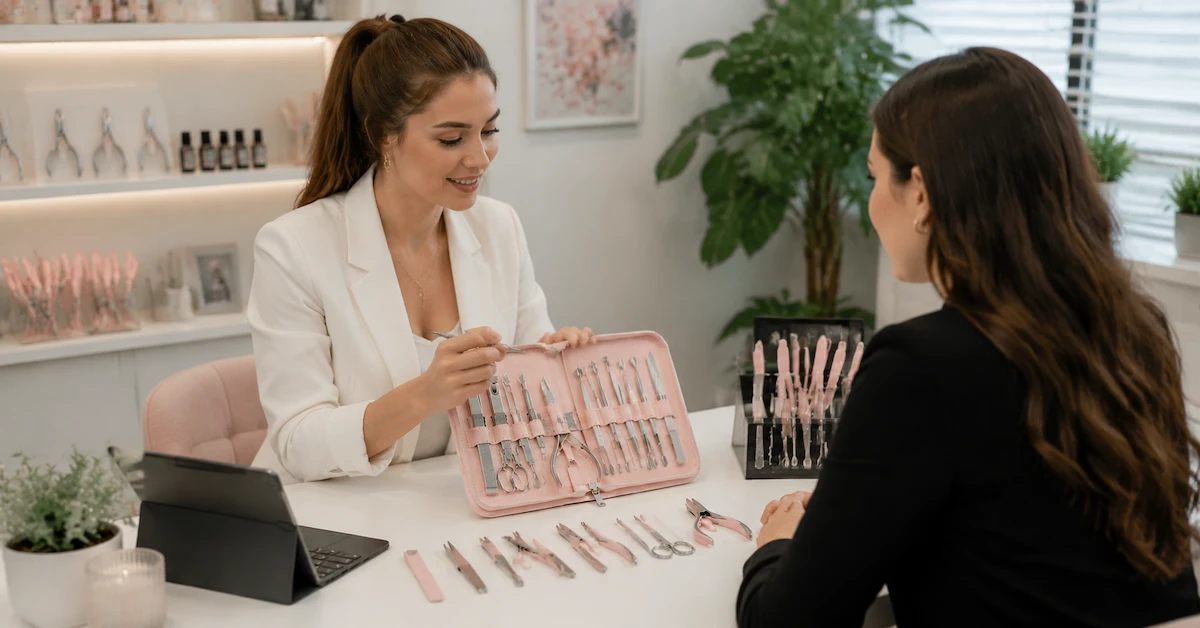
Good communication also reduces development delays. If the product is part of a larger launch, buyers should align tweezer decisions with packaging artwork, barcode planning, kit assembly, and shipping timelines. For companies developing a private label or wholesale grooming tool range, early sample testing is more effective than making major changes after production has started.
Olimor Beauty supports buyers evaluating wholesale beauty tools, manicure tools, and grooming tool assortments. If you are comparing options for a new tweezer program or planning a broader beauty tool line, you can send an inquiry with your intended market, product type, and packaging direction. For general sourcing questions, you can also contact Olimor.
How to Build a More Competitive Tweezer Assortment
A strong wholesale tweezer assortment does not need to be overly complicated. The goal is to cover real customer needs with a clear structure. A basic range might include a slant tweezer for everyday brow grooming, a pointed tweezer for detailed work, and a travel-friendly option for compact kits. A more developed retail line might add different finishes, color choices, or coordinated packaging that matches other beauty tools.
Buyers should avoid adding variations that do not serve a clear purpose. Too many similar options can confuse customers and increase inventory pressure. Instead, build the assortment around use cases, quality tiers, and visual consistency. For private label brands, the tweezer should feel like part of a larger grooming solution, not an unrelated accessory.
The wholesale tweezers market will continue to reward products that combine precision, durability, responsible material choices, and clear branding. Buyers who evaluate tools carefully, test samples thoroughly, and align product features with customer needs can create assortments that perform better in retail, salon, and distribution channels.