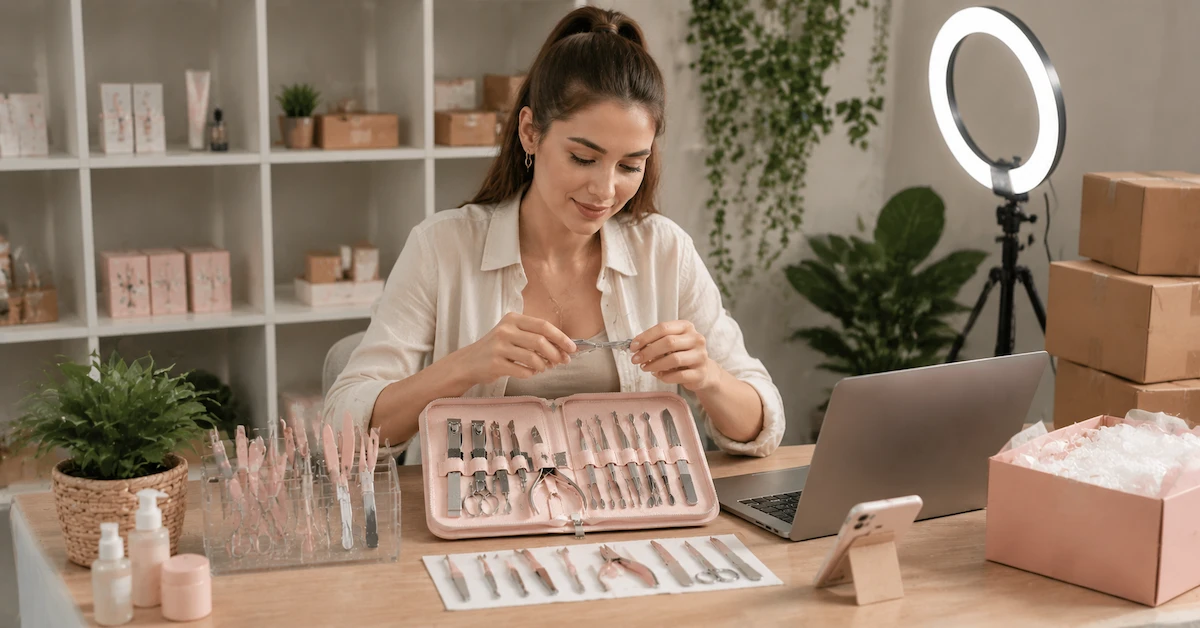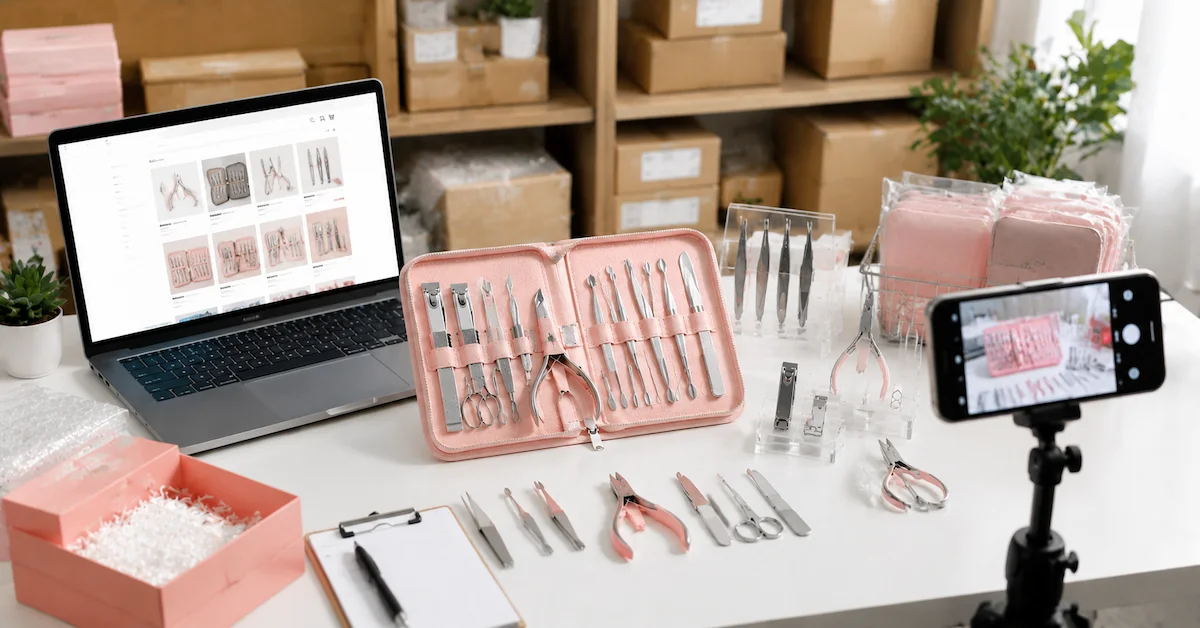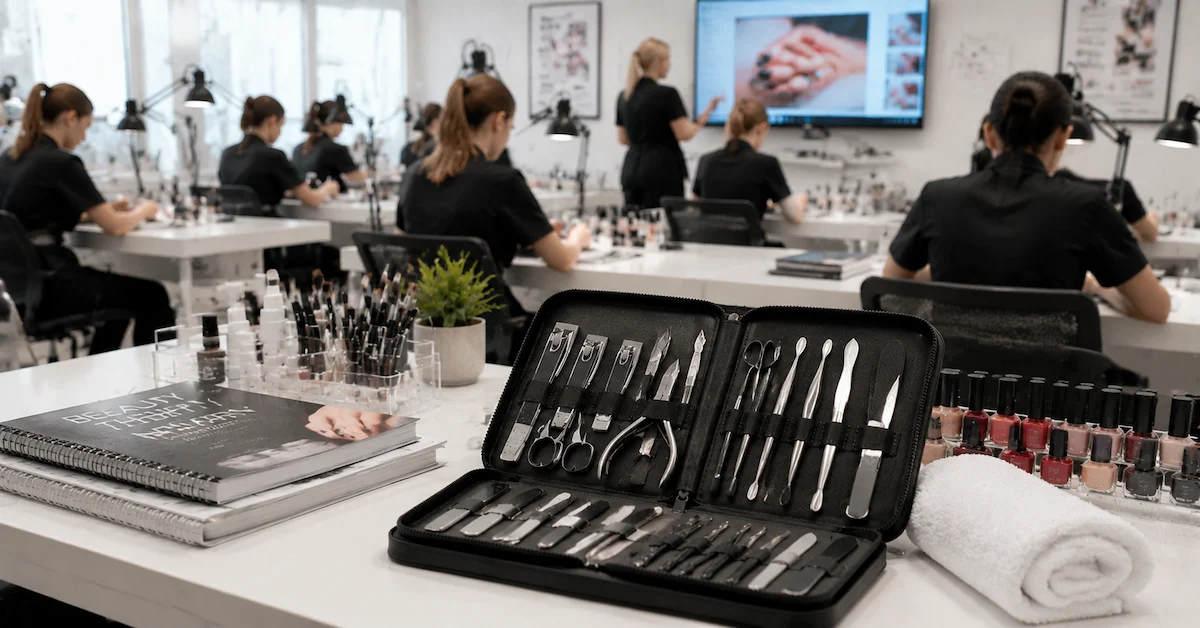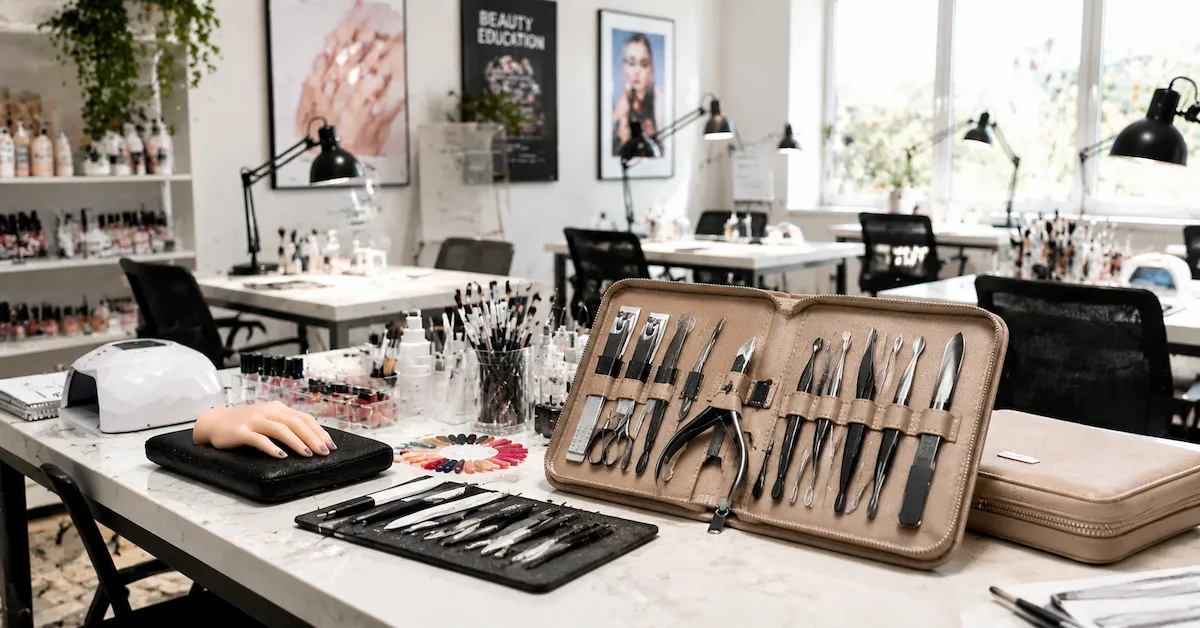












For a beauty brand, salon distributor or personal care retailer, tweezers may look like a simple product. In practice, they are one of the tools customers judge immediately. A pair that cannot grip fine hair, pinches the skin, feels weak in the hand or loses alignment after short use can quickly damage confidence in a product line. Choosing the right tweezers supplier is therefore not only a purchasing decision; it is a quality and brand-positioning decision.
Olimor Beauty focuses on salon-quality beauty tools where precision, durability and ergonomic design matter. When sourcing tweezers for retail sets, professional use, private label programs or beauty kits, buyers should evaluate how the tool is made, how consistently it performs and how well the supplier can support repeat orders. This guide explains the practical criteria to review before selecting a tweezers factory, wholesaler or OEM partner.
What Makes a Beauty Tweezers Supplier Worth Shortlisting?
A reliable supplier should be able to deliver more than a product photo and a unit price. Tweezers are small tools with tight tolerances, so performance depends on production control and final inspection. Tip shape, closing tension, surface finish and hand feel all affect whether the user can remove short or fine hairs cleanly.
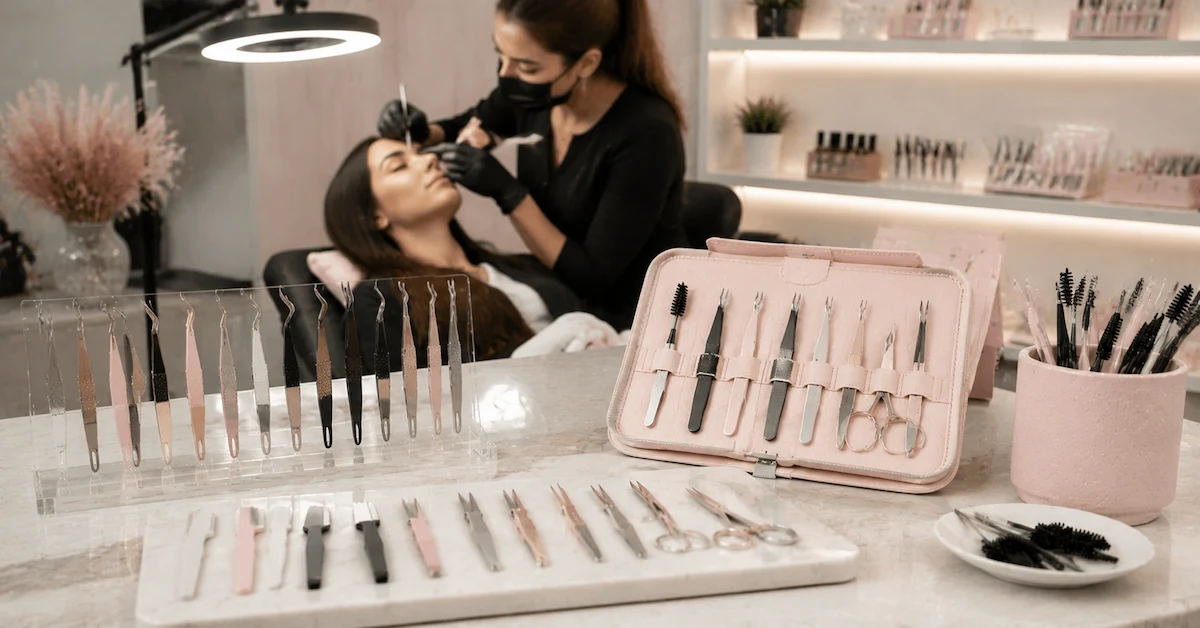
When comparing suppliers, start with the intended use. A salon may prioritize consistent professional performance and comfortable grip during repeated use. A retailer may need attractive packaging and dependable quality across larger volumes. A brand developing a custom tool may need OEM support for shape, finish and presentation. Olimor Beauty works with buyers who need practical beauty tool sourcing support, whether they are reviewing ready-made options or considering customization.
For related categories and broader sourcing ideas, explore Olimor’s beauty tool products and product collections. Reviewing adjacent tools can help buyers plan coordinated retail assortments or grooming kits rather than sourcing tweezers in isolation.
Core Product Checks: Tip Alignment, Tension and Grip
The most important part of any tweezer is the tip. Even a well-polished body or attractive finish cannot compensate for poor tip alignment. The two arms should meet evenly at the working edge, and the closing pressure should feel controlled rather than loose or overly stiff. If the tips do not make clean contact, the tool may cut hair, slide off the hair shaft or require repeated attempts.
Buyers should review several performance points before committing to a supplier:
- Tip contact: The tips should close evenly without visible gaps at the gripping point.
- Hair grasping ability: Samples should be tested on fine, short and angled hairs, not only on thick demonstration fibers.
- Arm tension: The tweezer should spring back smoothly after pressure is released and should not fatigue the hand during repeated use.
- Edge comfort: Tips should be precise without feeling harsh or likely to scratch the skin when used carefully.
- Symmetry: Both arms should line up cleanly, with no twisting or uneven closure.
- Surface finish: The body should be free from rough edges, visible burrs or uncomfortable grip points.
These checks are especially important for wholesale tweezers because small inconsistencies become more visible across larger orders. A buyer should never approve a tool based only on appearance. Function must be tested by hand because the difference between an acceptable tweezer and a dependable professional tool is often felt in the closing action.
Material and Finish Decisions for Different Markets
The original purpose of a tweezer should guide material and finish decisions. Beauty tweezers are often expected to resist daily handling, cleaning and contact with cosmetics or skincare residue. Stainless steel is widely valued in this category because it supports durability and a clean professional appearance. However, buyers should still verify the supplier’s material claims, finish consistency and suitability for the intended use.
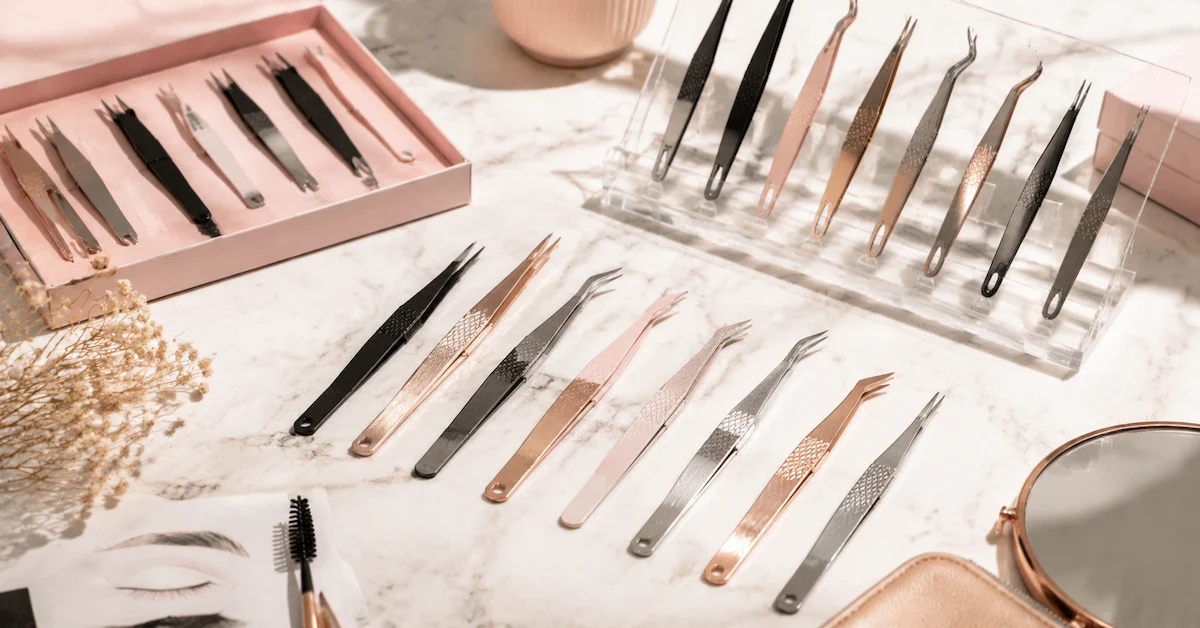
Finish selection should be based on the customer and sales channel. A simple polished or brushed finish may suit professional salons and practical grooming kits. A colored or coated finish may be more appealing for retail beauty sets, gift packaging or brand-led collections. The key is to balance visual appeal with long-term usability. Decorative finishes should not create slippery handling, uneven texture or coating buildup near the tip that affects precision.
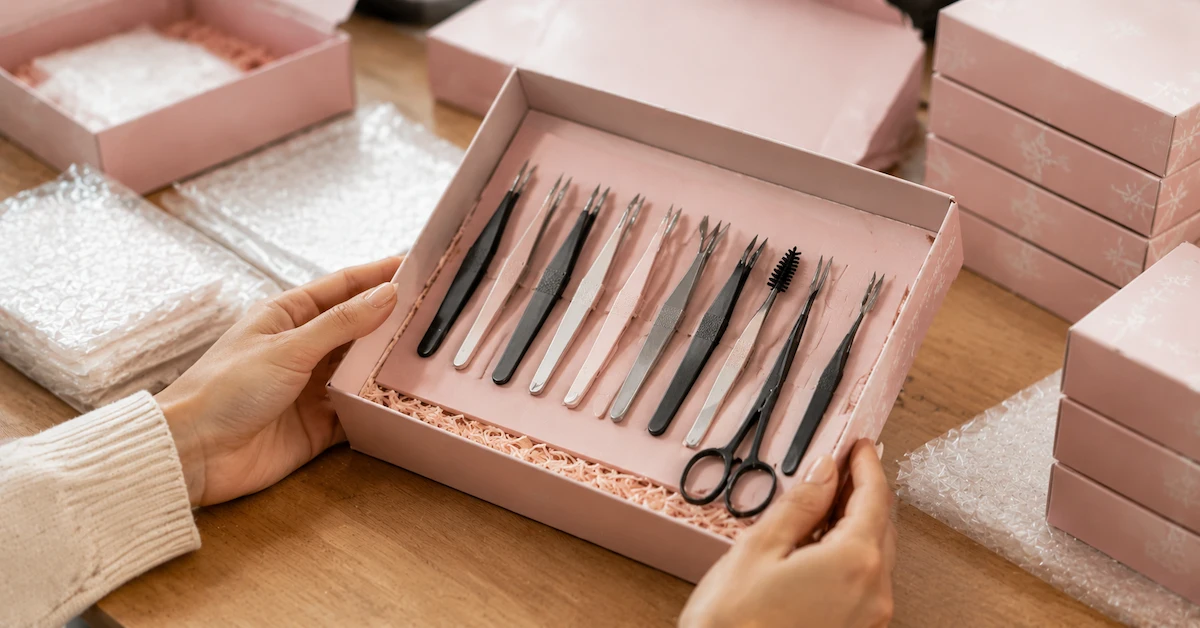
Packaging also matters. A sharp or precision tip should be protected during shipping and display. If tweezers are sold in a retail pack, the packaging should communicate the tool type clearly and prevent tip damage before purchase. For salon or distributor channels, practical protective sleeves or controlled bulk packing may be more important than decorative presentation.
Wholesale Tweezers: How to Evaluate Consistency Before Scaling
Wholesale buyers often focus on price, but consistency is the factor that protects margins over time. If a shipment contains tools with different tension, uneven tips or variable finish quality, the cost of returns, complaints and re-sorting can outweigh a low purchase price. The right tweezers wholesaler should support repeatable quality across batches.
Before increasing order volume, use a structured review process:
- Request representative samples. Samples should reflect the intended production style, not a specially prepared item that cannot be repeated.
- Test multiple units. Check several pieces, not just one, to understand consistency in alignment and finish.
- Define acceptable criteria. Set expectations for tip contact, tension, surface quality, packaging and labeling before production.
- Review packing method. Confirm how the tips are protected and how the tools are separated to avoid scratches or deformation.
- Plan incoming inspection. Decide what your team will check when goods arrive, especially for first orders or new designs.
This process helps buyers move from visual selection to measurable quality control. It also gives both buyer and supplier a common language for discussing improvements. When expectations are specific, it is easier to prevent misunderstandings and maintain stable product quality.
OEM Tweezers: Questions to Resolve Before Customization
For brands building a private label line, tweezers OEM services can help create tools that match a specific identity. Customization may involve finish, shape, packaging, logo placement or a coordinated look with other beauty tools. The best OEM projects start with function first, then design. A distinctive appearance is valuable only if the tool performs reliably.
Before starting an OEM tweezer project, prepare answers to these questions:
- Who is the main user: professional estheticians, brow specialists, general retail customers or travel kit buyers?
- What type of tweezer is needed: slant, pointed, flat, angled or another working style?
- Will the tool be sold individually, inside a set or as part of a larger beauty kit?
- What finish is appropriate for the market: professional, minimal, colorful, premium or gift-oriented?
- Where can branding be placed without affecting grip, cleaning or comfort?
- How should the tips be protected during transport and retail display?
- What inspection standard will be used to approve production?
These decisions help a tweezers factory understand the commercial goal behind the product. They also reduce the risk of developing a tool that looks attractive but does not fit the user’s actual grooming routine. If your team is considering a custom beauty tool project, you can send an inquiry to discuss sourcing requirements and project direction.
Quality Control Points That Protect Your Brand
Quality control for tweezers should cover raw material review, manufacturing control, tip finishing, assembly consistency, cleaning, packaging and final inspection. While every supplier has its own process, buyers should know which checkpoints matter most for the end user. The tweezer must close accurately, feel comfortable and arrive in sellable condition.
A practical inspection checklist can include:
| Inspection Area | What to Check | Why It Matters |
|---|---|---|
| Tip alignment | Even closure and clean contact at the gripping edge | Determines whether fine hairs can be removed effectively |
| Tension | Smooth spring action and comfortable pressure | Affects control and hand comfort during repeated use |
| Surface finish | No burrs, rough edges, stains or obvious defects | Supports safe handling and professional appearance |
| Shape consistency | Uniform arm shape and symmetry across units | Helps maintain brand reliability in wholesale orders |
| Packaging | Tip protection, clean presentation and correct labeling | Prevents transit damage and improves customer experience |
For buyers selling under their own brand, it is useful to keep approved samples and packaging references. These become benchmarks for future orders and make it easier to identify changes. Consistency over time is one of the strongest signs of a dependable supplier relationship.
Choosing Between Ready-Made, Wholesale and OEM Supply
Not every business needs the same sourcing route. Ready-made tweezers can be suitable for distributors or retailers who need a faster product selection process. Wholesale tweezers are useful when the buyer wants volume access to established tools. OEM tweezers are better for brands that need a customized look, packaging concept or coordinated product family.
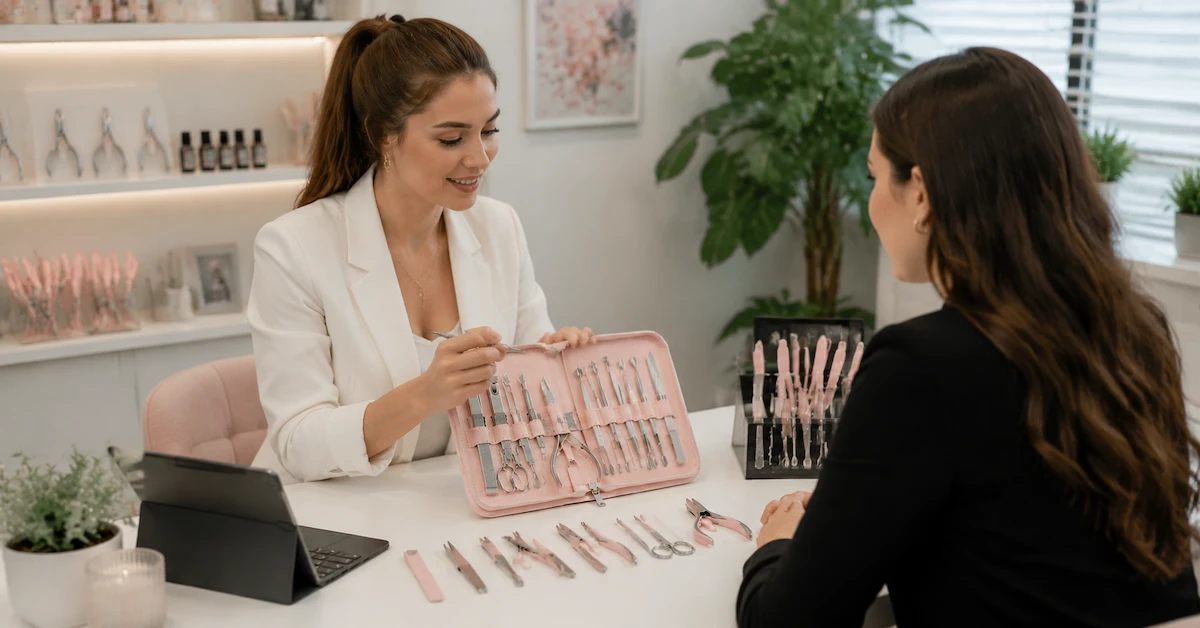
The best choice depends on timeline, brand goals and control requirements. A new retailer may begin with existing products to test customer response. A growing beauty brand may move toward OEM development once it understands its audience and preferred price positioning. A salon distributor may prioritize dependable professional function and reorder stability over elaborate customization.
Olimor Beauty supports buyers looking for practical sourcing paths across beauty tools. If you need help comparing product options or planning a tweezers program, you can contact Olimor with your intended market, usage scenario and packaging needs.
Final Thoughts for Beauty Tool Buyers
A good tweezer is judged in the moment of use. It either grips cleanly or it does not. That is why supplier selection should focus on precision, hand feel, finish quality and repeatable production rather than generic claims. Whether you are sourcing from a tweezers China manufacturer, reviewing wholesale tweezers or planning a tweezers OEM project, the strongest buying decisions come from clear performance criteria and careful sample evaluation.
For beauty businesses, the right supplier can help turn a small grooming tool into a dependable part of a product line. By prioritizing alignment, tension, material suitability, packaging protection and inspection standards, buyers can reduce quality risk and offer tweezers that customers are more likely to trust and reorder.