










Beauty tools wholesale is no longer just about finding the lowest unit cost. Retailers, salon suppliers, distributors, and private-label buyers now need tools that feel reliable in the hand, perform consistently, photograph well for ecommerce, and meet the expectations of increasingly informed customers. Nail clippers, cuticle tools, pedicure supplies, trimmers, tweezers, and other personal care tools may look simple, but small differences in material choice, edge finishing, spring tension, grip design, packaging, and inspection standards can affect repeat purchases and brand reputation.
The strongest wholesale trend is a move toward practical quality: tools that are durable enough for frequent use, comfortable enough for home grooming, and presented clearly enough for modern retail channels. This guide explains what buyers should watch in the current market and how to evaluate beauty tools before adding them to a wholesale program.
Why Beauty Tools Wholesale Is Changing
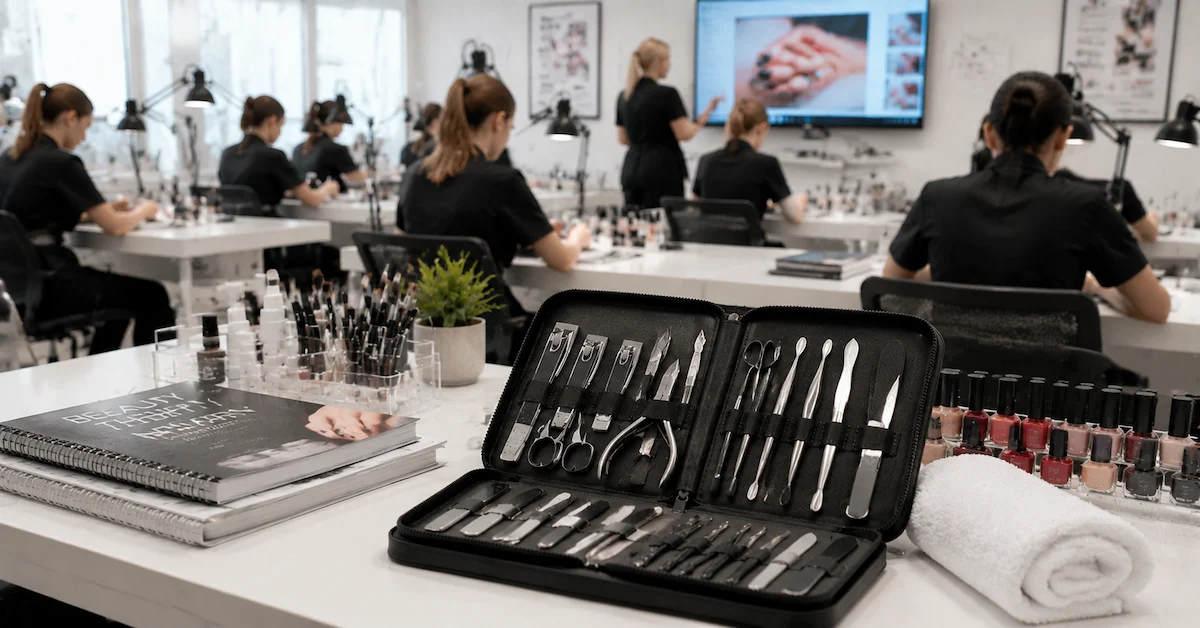
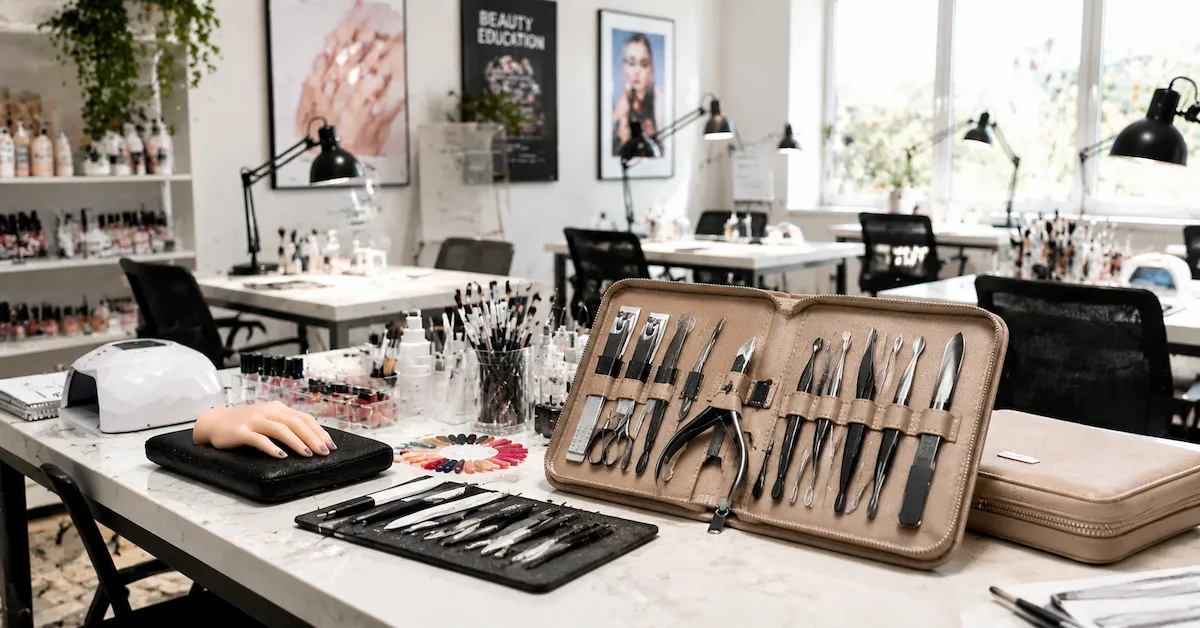
Demand for grooming tools has expanded across both professional and home-use markets. Many customers now maintain nails, brows, skin care accessories, and hair grooming routines between salon visits. At the same time, professionals continue to need dependable tools that reduce hand fatigue and help them work with precision.
This creates a broader buyer profile. A wholesale beauty tool may be purchased by a salon professional, a beauty retailer, a gift-set brand, a travel accessories seller, or an ecommerce store building a personal care category. Because the same product can serve different channels, buyers must think beyond basic appearance and consider how the tool will be used, stored, cleaned, and replaced.
Current wholesale demand is also influenced by sustainability and product longevity. Buyers increasingly prefer tools that do not feel disposable, especially in categories such as nail clippers, manicure scissors, tweezers, and foot care tools. Even when a product is positioned for everyday home use, customers expect clean finishing, stable alignment, and packaging that communicates function without exaggeration.
Core Categories Driving Wholesale Demand
Beauty tools wholesale includes a wide range of grooming products, but several categories continue to attract consistent buyer interest. Each category has different selection criteria, so it is useful to evaluate them separately rather than treating all tools as generic accessories.
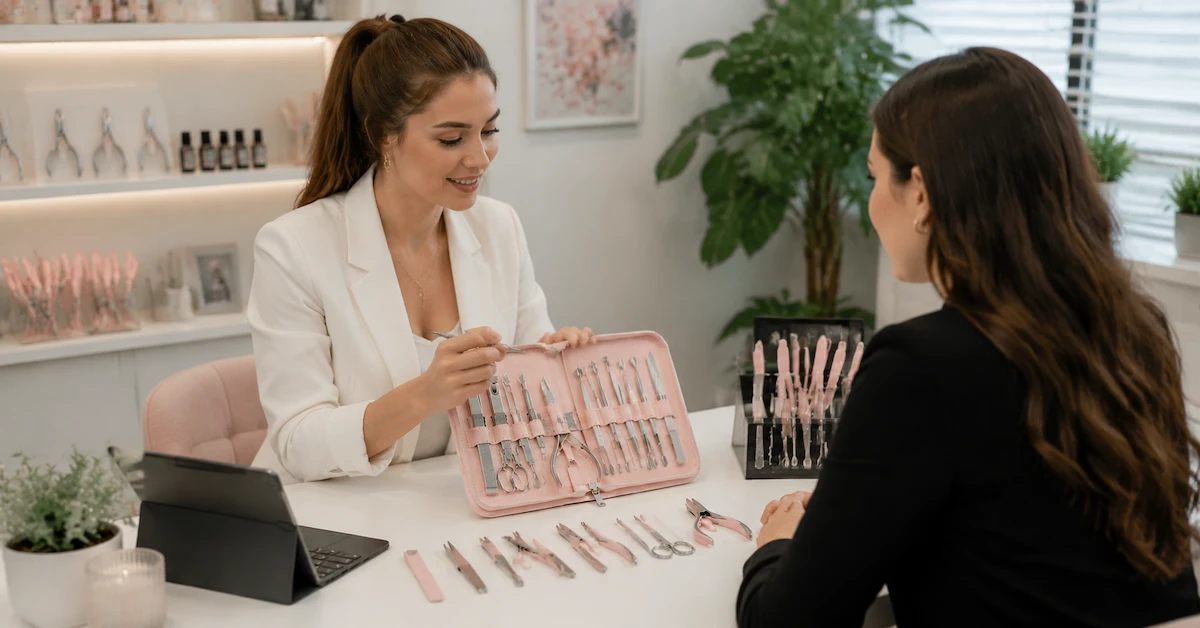
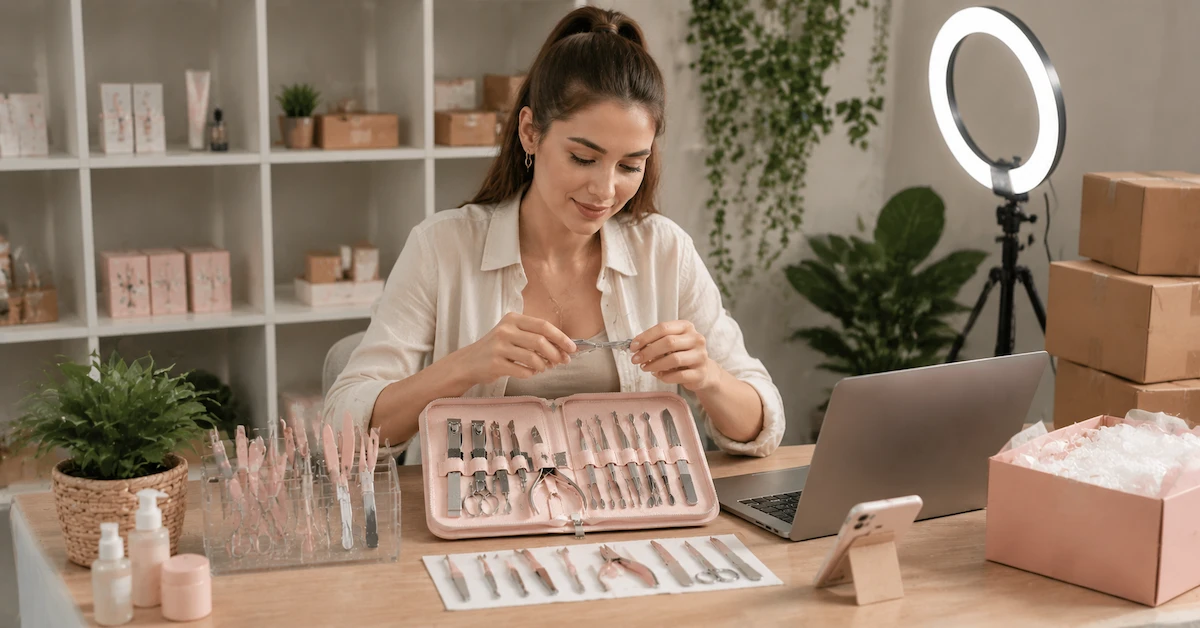
- Manicure tools wholesale: Nail clippers, cuticle pushers, cuticle nippers, nail files, manicure scissors, and complete kits. Buyers should check sharpness, edge consistency, handle comfort, and whether tools are suitable for individual retail sale or bundled sets.
- Pedicure supplies wholesale: Toenail clippers, foot files, callus tools, toe separators, and pedicure kits. Strength, grip, and hygiene-friendly construction are especially important because foot care tools may need more leverage and easier cleaning.
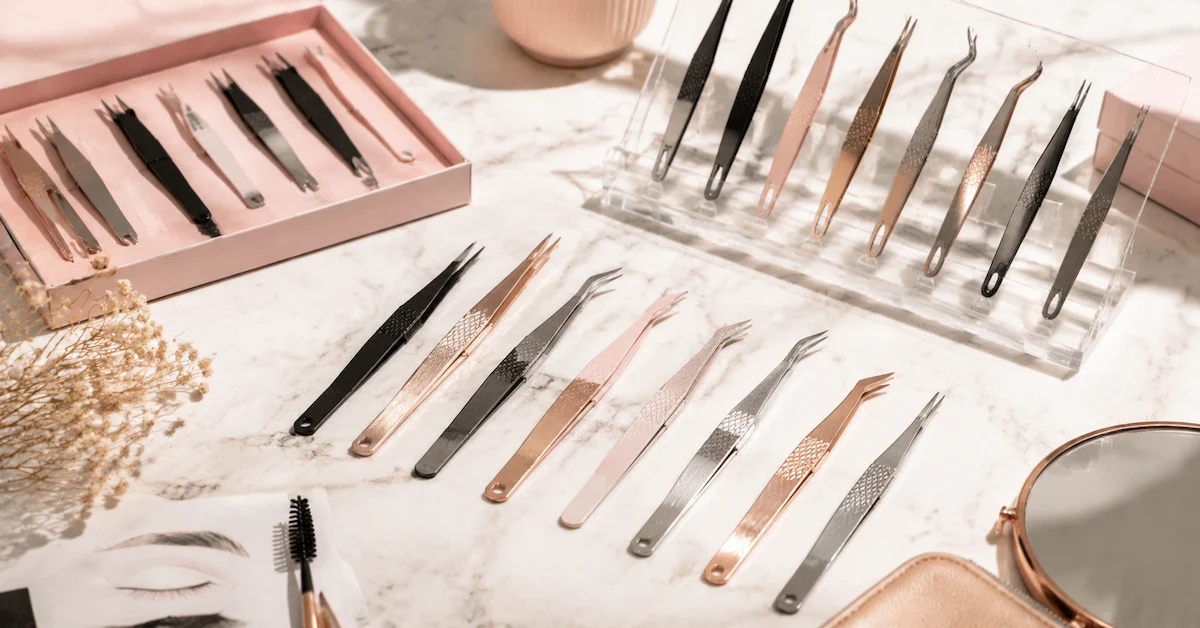
- Personal care tools wholesale: Tweezers, brow scissors, facial razors, grooming sets, and trimming accessories. Precision alignment and smooth surface finishing matter because these tools are often used close to the skin.
- Professional grooming tools: Trimmers and barber-focused tools have gained attention as cordless technology and portable use become more common. The original market discussion highlights Andis professional cordless trimmers with carbon-steel blades and lithium-ion batteries as an example of how buyers are paying attention to efficiency, portability, and blade performance.
- Gift and travel sets: Compact grooming kits, manicure cases, and multi-tool sets are popular for retail promotions, travel channels, and seasonal programs. Packaging durability and tool security inside the case should be checked carefully.
For a broader view of available categories, buyers can review Olimor Beauty’s beauty tool products or compare related product collections when planning a wholesale assortment.
Selection Criteria That Matter More Than Trend Labels
Trends can help identify demand, but the best wholesale decisions come from physical product evaluation. A beauty tool is often judged the moment a customer opens the package and uses it for the first time. The following criteria are more useful than broad claims such as premium, professional, or salon quality.
| Buying factor | What to evaluate | Why it matters |
|---|---|---|
| Ergonomics | Grip shape, handle length, leverage, weight balance, and ease of control | Comfort influences satisfaction, especially for repeated salon or home use |
| Cutting or gripping precision | Blade alignment, tweezer tip contact, clipper closure, and edge smoothness | Poor alignment can pull, slip, or create uneven grooming results |
| Surface finishing | Burrs, rough edges, polish consistency, plating or coating appearance | Clean finishing improves perceived value and reduces discomfort during use |
| Durability | Spring response, hinge tightness, screw stability, and resistance to deformation | Tools should maintain function through normal handling and repeated use |
| Cleanability | Open construction, nonporous surfaces, and easy removal of residue | Hygiene is important for manicure, pedicure, and facial grooming tools |
| Packaging fit | Tool protection, clear labeling, barcode space, and retail display suitability | Packaging affects shipping damage rates, shelf appeal, and ecommerce presentation |
When reviewing samples, buyers should use the tool as the end customer would. A nail clipper should be tested on both thin and thicker nails. Tweezers should pick up fine hair without forcing excessive pressure. A foot file should feel stable in the hand and not flex in a way that suggests weak construction. Small usage tests reveal more than catalog photos.
Manicure and Pedicure Tools: Where Details Decide Value
Manicure tools wholesale continues to benefit from the popularity of at-home nail care. Customers want tools that help maintain clean nails between appointments, while salons need reliable backup supplies and retail-friendly options. For nail clippers and manicure scissors, the most important checks are alignment, edge feel, and control. A clipper that looks polished but leaves rough edges will quickly disappoint users.
Cuticle tools require particular caution. A cuticle pusher should have smooth, rounded contact areas to reduce the risk of scratching. Cuticle nippers need even jaw closure and a stable spring action. Buyers should also consider whether tools are intended for professional users, experienced home users, or simple grooming kits, because this affects how sharp or specialized the tool should be.
Pedicure supplies wholesale has its own requirements. Toenail clippers often need stronger leverage than fingernail clippers, and foot files should be comfortable to hold even when used at different angles. Pedicure tools also face stronger hygiene expectations. Simple shapes that are easy to wipe clean can be preferable to overly decorative designs with crevices that trap residue.
Packaging, Retail Presentation, and Channel Fit
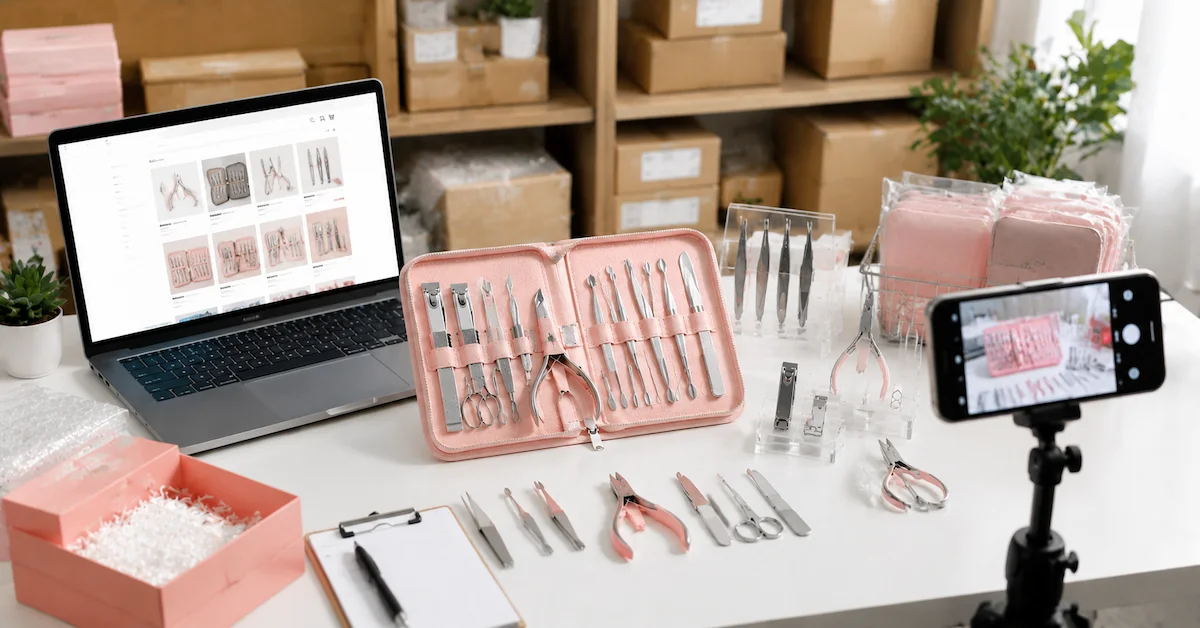
Wholesale buyers should match packaging to the sales channel. A salon supply distributor may prioritize bulk efficiency and clear product identification. A retail chain may require peg holes, barcodes, warning labels, and consistent shelf dimensions. Ecommerce sellers need packaging that protects the product in shipping and presents well in photos.
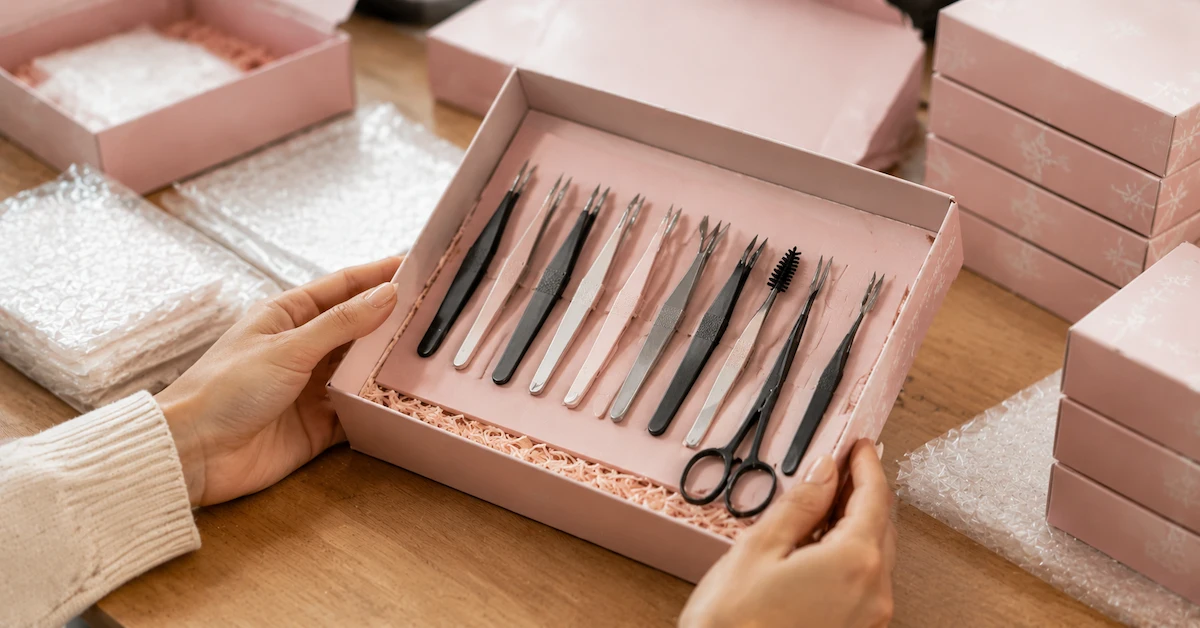
For manicure and pedicure kits, internal organization is especially important. Tools should not rattle excessively or scratch one another during transit. If a case is included, the hinge, zipper, snap, or magnetic closure should be checked as carefully as the tools themselves. A weak case can reduce customer confidence even if the tools inside are acceptable.
Packaging copy should also be realistic. Claims should describe function, care instructions, and intended use without overpromising medical, professional, or performance outcomes. Clear usage guidance can reduce returns and improve customer satisfaction, particularly for sharp tools such as cuticle nippers, brow scissors, and razors.
How to Evaluate a Beauty Tools Supplier
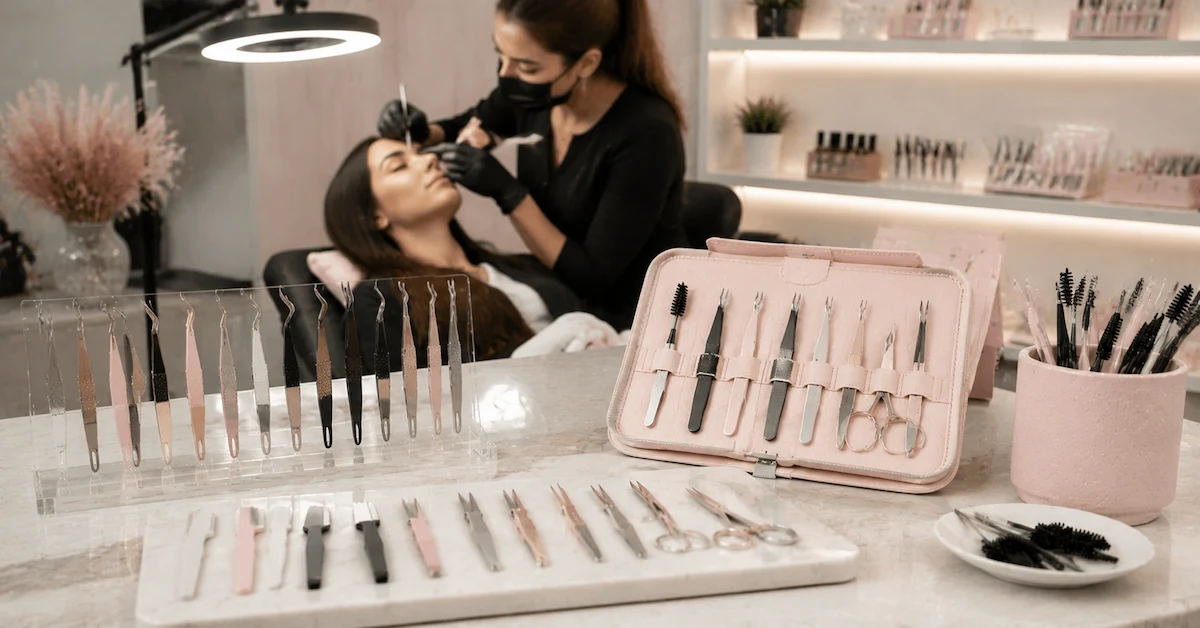
Professional beauty tools suppliers play an important role because consistent manufacturing and inspection are difficult to judge from a single sample. Buyers should look for organized communication, stable product presentation, and willingness to clarify materials, finishing options, packaging methods, and inspection expectations.
A useful supplier evaluation process includes the following steps:
- Define the channel first. Decide whether the tool is for salon supply, mass retail, ecommerce, travel kits, promotional sets, or private label.
- Request representative samples. Samples should reflect the intended finish, packaging, and functional construction as closely as possible.
- Create a simple inspection checklist. Include alignment, sharpness, surface finish, hinge movement, grip comfort, packaging condition, and labeling accuracy.
- Test normal use cases. Use clippers, tweezers, files, and nippers in realistic conditions rather than only inspecting them visually.
- Review packaging and shipping needs. Consider carton protection, retail display format, inner packaging, and whether tools remain secure during transport.
- Confirm customization boundaries. If logo, color, case design, or packaging changes are needed, clarify what can be adjusted without compromising function.
Businesses comparing product options or preparing a new wholesale program can send an inquiry with their target category, use case, and packaging needs. For more specific sourcing questions, they can also contact Olimor to discuss suitable beauty tool directions.
Practical Sourcing Decisions for Long-Term Wholesale Success
The best wholesale assortment usually balances dependable core tools with selected trend-responsive items. Core products include nail clippers, tweezers, manicure sets, foot care tools, and grooming accessories that customers reorder consistently. Trend-responsive products may include travel-friendly kits, updated finishes, cordless grooming tools, or tools designed around improved grip and portability.
Buyers should avoid overloading a catalog with too many similar low-difference items. Instead, define the role of each product: entry-level retail tool, professional-use item, travel kit, gift set, or premium-feel accessory. This reduces internal competition and helps sales teams explain the assortment clearly.
It is also wise to plan care instructions and after-sale content before launch. Simple guidance such as keeping tools dry, wiping after use, storing sharp edges safely, and replacing worn tools can improve the customer experience. For professional environments, buyers should make sure end users follow applicable hygiene practices for their market and setting.
What Buyers Should Prioritize Now
Beauty tools wholesale is moving toward better usability, cleaner finishing, practical packaging, and more thoughtful category planning. Manicure tools, pedicure supplies, personal care tools, and professional grooming accessories all have room for growth, but buyers should focus on products that can prove their value through comfort, precision, durability, and presentation.
Instead of chasing every new trend, build a wholesale range around tools that solve everyday grooming needs well. Check how each item feels in the hand, how cleanly it performs, how safely it can be stored, and how clearly it can be sold. With careful selection and supplier communication, beauty tools can become a dependable category for retailers, distributors, salons, and personal care brands.