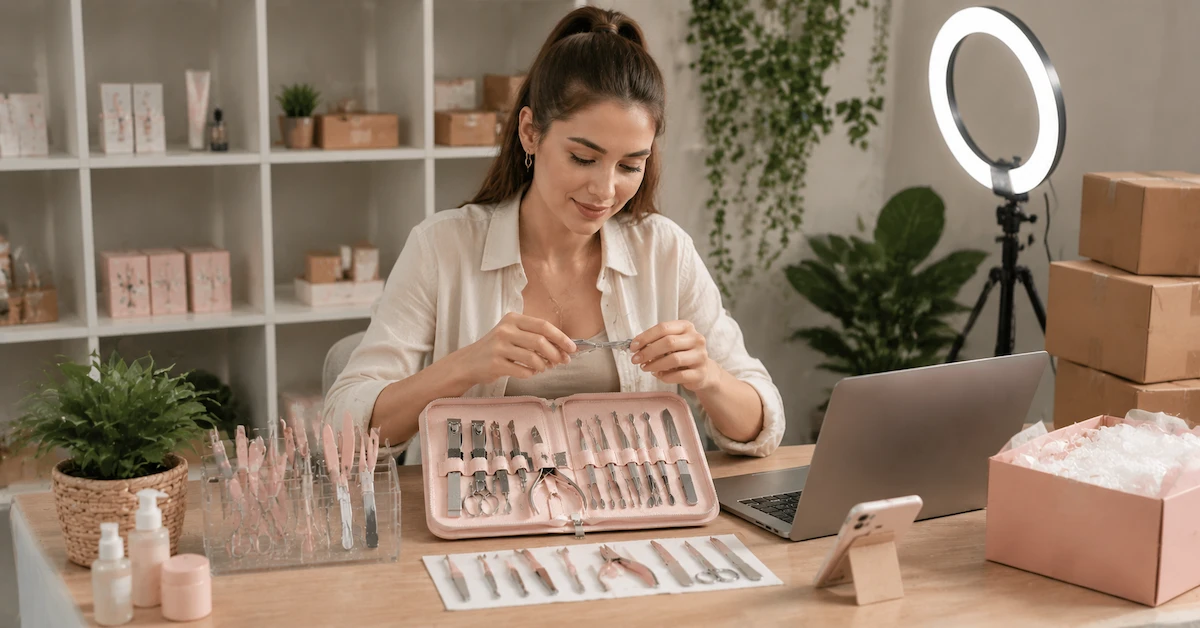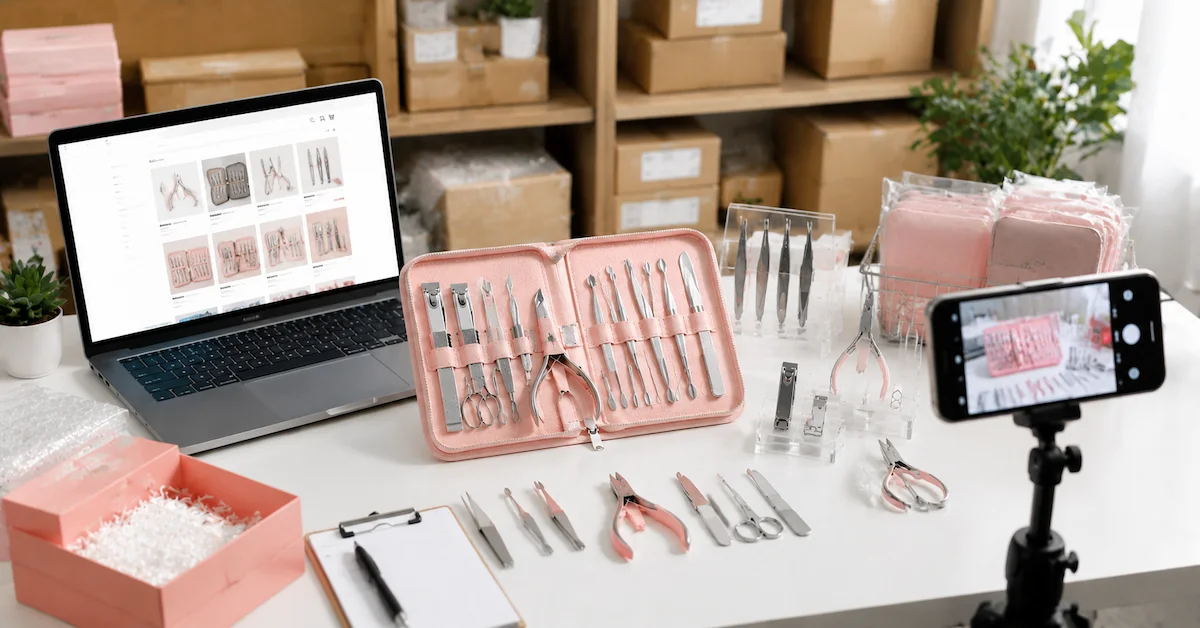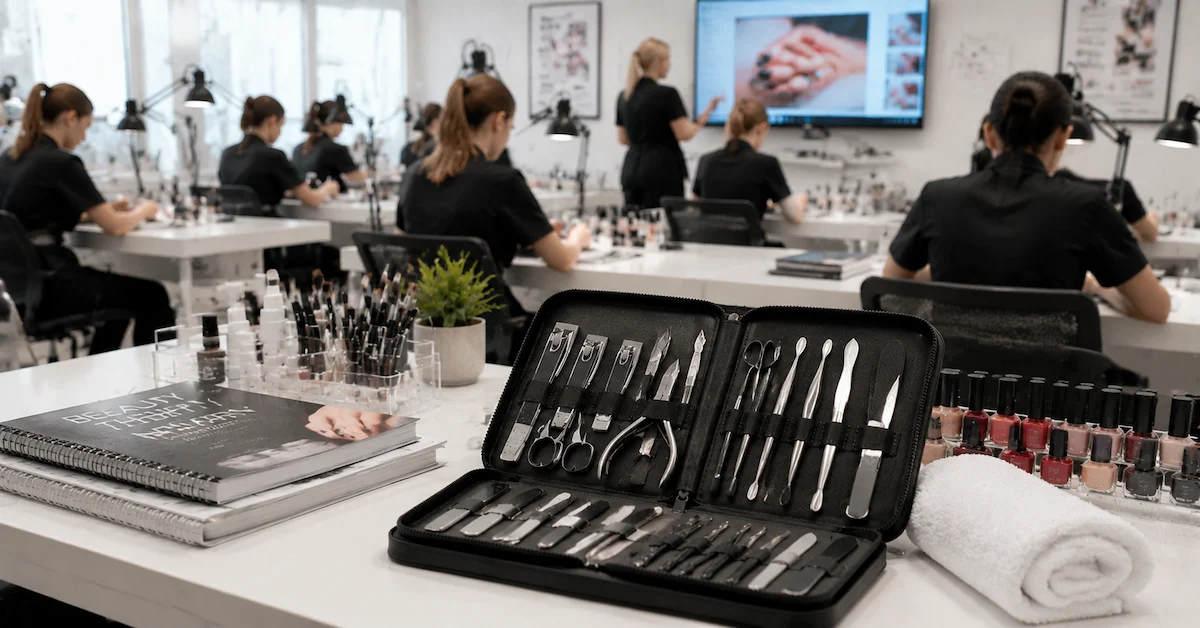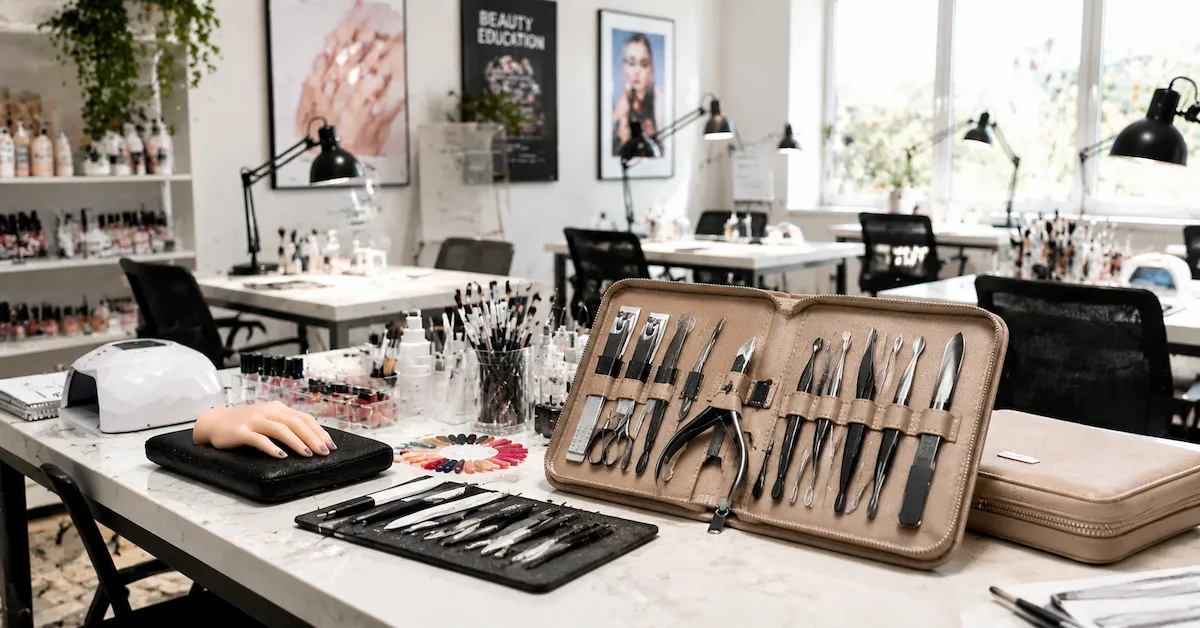











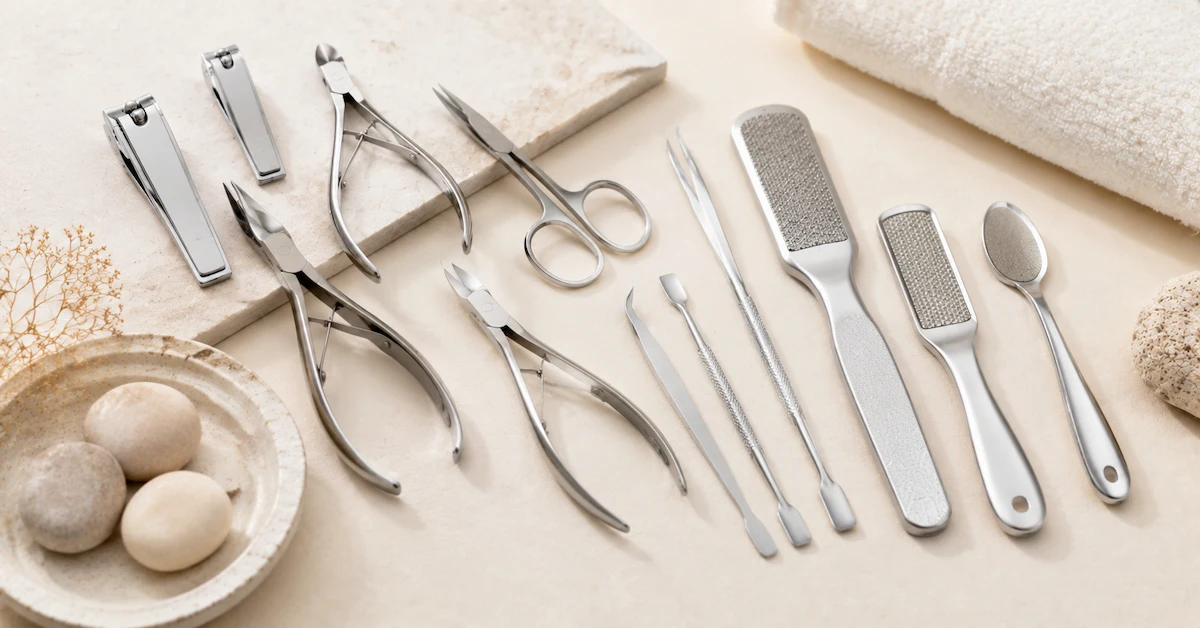
Buying pedicure tools wholesale is not simply a question of how many pieces are included in a kit. For salons, foot spas, retailers, distributors and private-label buyers, the better question is whether the set supports a real foot care routine: trimming toenails, refining cuticles, smoothing rough skin, removing hardened areas carefully and finishing detail work with control.
A large assortment can still disappoint if the clipper feels loose, the nipper jaws do not meet evenly, the handle edges feel rough or the file surface wears down quickly. A compact but well-balanced set can be easier to present, easier to store and more useful in daily service or resale. This guide explains how to evaluate wholesale pedicure and foot care tools by function, material, finish, packaging, inspection and supplier readiness.
What Buyers Should Expect From a Practical Foot Care Set
A useful pedicure set should follow the natural order of foot care. The strongest assortments are not random collections of metal pieces; they are coordinated tools that help the user trim, refine, clean, smooth and finish. This matters for professional service, retail conversion and repeat purchase satisfaction.
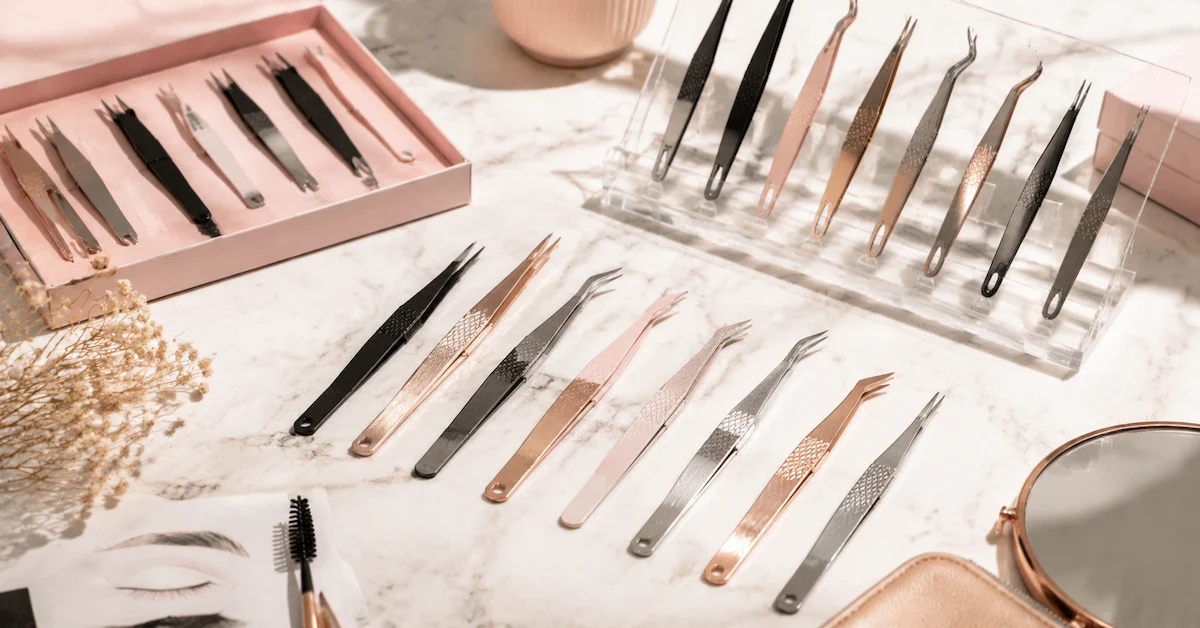
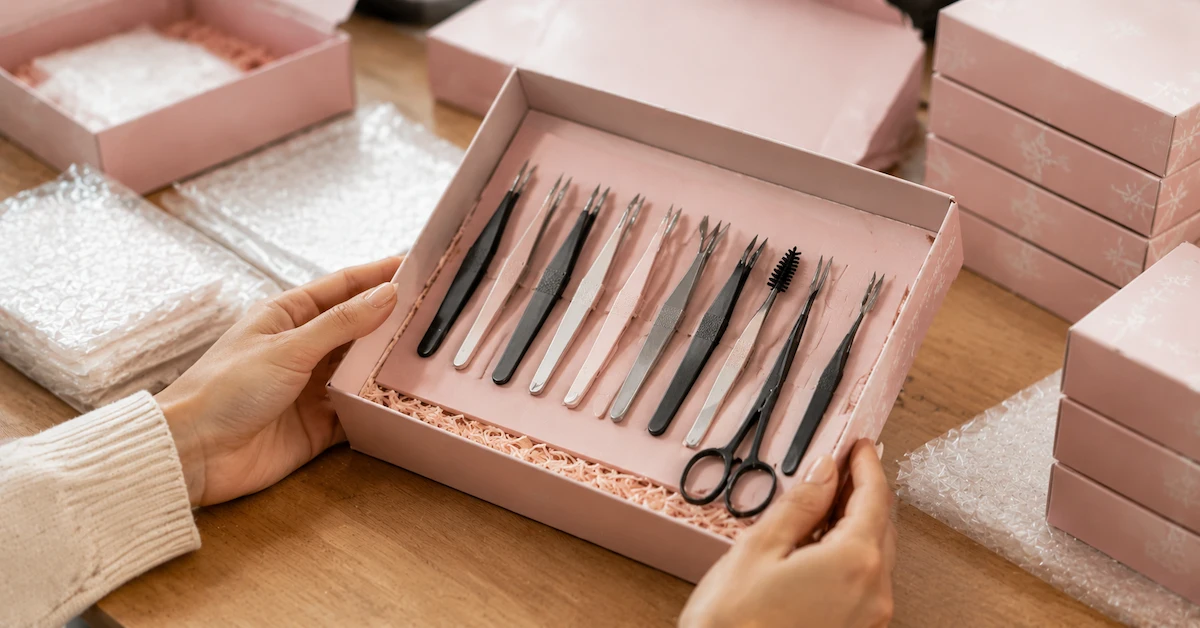
Common wholesale foot care sets may include toenail clippers, cuticle or nail nippers, small scissors, tweezers, double-ended metal tools, foot files, rasps, scrapers, pumice-style stones, callus removers, brush pieces and spare blades for replaceable-blade tools. Not every set needs every item. The right mix depends on the sales channel and user expectation.
- Toenail clippers: Used for basic nail length control, especially where toenails are thicker than fingernails.
- Cuticle or nail nippers: Used for precise edge work around the nail area, where alignment and smooth movement are important.
- Small scissors: Helpful for light grooming tasks and small adjustments.
- Tweezers: Useful for detail handling when fingertips are not precise enough.
- Double-ended metal tools: Often used for pushing, cleaning, scraping or refining around the nail.
- Foot files and rasps: Used to smooth rough skin and reduce hardened areas in a controlled way.
- Pumice-style stones and brushes: Support scrubbing, finishing or cleaning steps in a home or spa routine.
- Callus removers with spare blades: Can add value when the blade system is easy to inspect, secure and replace safely.
For B2B sourcing, the set should be judged by function first and piece count second. If the core cutting and smoothing tools are weak, extra accessories will not make the assortment more valuable.
Match the Set to the Sales Channel
Wholesale foot care tools are sold into different channels, and each channel values a different balance of durability, presentation, simplicity and price structure. Before comparing suppliers, define where the tools will be used and who will judge the product after purchase.
Professional salons and foot spas
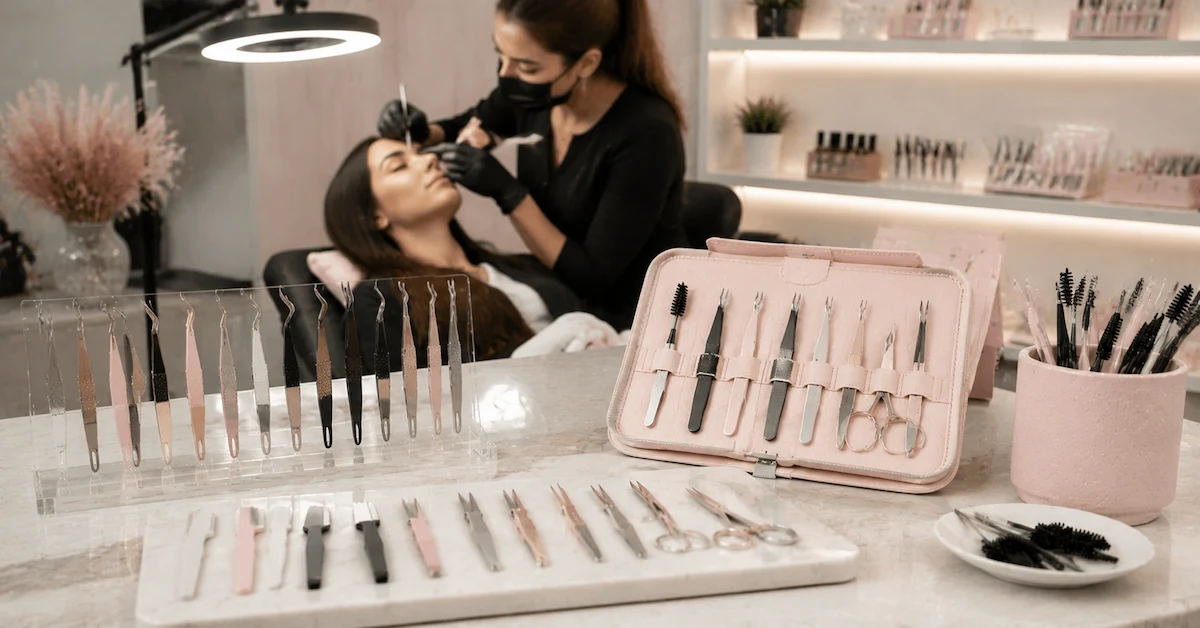
Salon and spa buyers usually care most about hand feel, cutting control, nipper alignment and the consistency of tools across repeat orders. Tools are handled often, sometimes in damp or lotion-based environments, so grip texture, handle comfort and smooth movement matter. Foot files, rasps and callus tools also need special attention because these pieces are used repeatedly during smoothing work.
Retail personal grooming kits
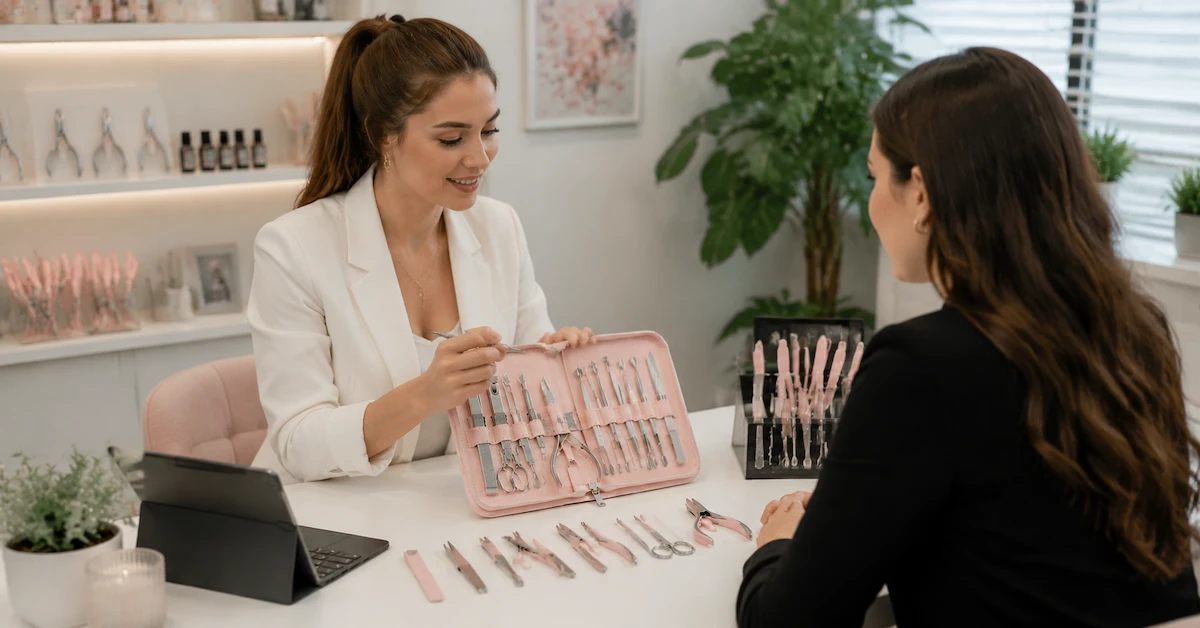
Retail buyers need sets that are understandable at a glance. Consumers often evaluate the kit before touching it, so the visual assortment and packaging presentation are important. However, appearance cannot replace function. A product that looks complete but feels flimsy after opening can lead to complaints, weak reviews and lower repeat sales.
Distributors and mixed beauty channels
Distributors often need a balanced assortment that can serve salons, retail shops, wellness kits or promotional programs. In this case, avoid over-specialized sets unless the buyer segment is clear. A coordinated mixed set often has broader appeal than a single-purpose item, while professional channels may prefer sturdier tools separated from lighter home-use pieces.
Hospitality, amenity and bundled wellness programs
For hospitality and amenity kits, compact size, clean presentation and safe packaging may matter more than aggressive performance. The tool mix should feel practical without being confusing. Small loose parts, especially spare blades, must be secured so they do not rattle, scratch surfaces or weaken the product presentation.
Olimor buyers can review broader beauty tool options through the Olimor product range and compare suitable set formats based on the intended channel.
Material, Finish and Construction Checks
Many pedicure and foot care tools use stainless-steel or silver-toned metal working parts, plastic or coated handles, abrasive pads, textured file surfaces and porous scrub stones. These materials are common in personal care hardware because buyers want a balance of hygiene, durability, comfort and cost control. Still, the words metal or stainless are not enough. The way the tool is formed, sharpened, polished, joined and packed can matter as much as the visible material.
Buyers should request samples and handle the tools before committing to a bulk order. A catalog photo may show the assortment, but it cannot show clipper leverage, nipper tension, file consistency, handle flex or edge comfort.
| Quality point | What to inspect | Why it matters |
|---|---|---|
| Clipper alignment | Check whether the cutting edges meet evenly without obvious gaps. | Poor alignment can crush or split the nail instead of trimming cleanly. |
| Nipper movement | Open and close the tool several times to feel hinge tension and control. | Smooth action helps technicians or consumers work around the nail area with precision. |
| Handle finish | Run fingers along contact points and edges where the tool is held. | Rough edges become uncomfortable during repeated use and can signal weak finishing control. |
| Grip texture | Confirm that textured areas sit where the hand naturally holds the tool. | Grip is important when hands are gloved, damp or exposed to product residue. |
| File or rasp surface | Look for even abrasive coverage and consistent texture across the working face. | Uneven surfaces may feel scratchy, weak or inconsistent on rough skin. |
| Scraper or callus remover | Check that the working head is secure and the blade or abrasive component is easy to identify. | Users need control and clarity, especially with more intensive callus tools. |
| Spare parts | Inspect how spare blades or small accessories are fixed inside the package. | Loose parts can damage presentation, create confusion or become separated from the set. |
| Set coherence | Confirm that each tool has a clear role in the routine. | A coherent kit sells better than an overpacked bundle with duplicate or unclear tools. |
How to Evaluate Samples Before a Bulk Order
A sample inspection should imitate the way the final customer will use the set. Do not stop at opening the package and checking that every piece is present. Handle each tool, test the movement, inspect the working surfaces and compare multiple samples if available. The goal is to identify whether the supplier can deliver consistent workmanship, not only an attractive first sample.
- Confirm the actual packed set: Ask whether the displayed group is sold as one set or only shown as a styled product arrangement.
- Check the highest-use tools first: Clippers, nippers, files and callus tools usually carry the product experience. Inspect them before smaller accessories.
- Test tool movement: Open, close and grip the pieces repeatedly to detect loose joints, stiff hinges or uncomfortable edges.
- Review abrasive performance cautiously: The surface should feel controlled and even, not overly harsh, patchy or weak.
- Assess packaging logic: Each tool should be held securely, especially sharp pieces, spare blades and small accessories.
- Document acceptance points: Define what your team considers acceptable for alignment, finish, surface quality and packaging condition.
For formal receiving inspection, some buyers use sampling approaches based on standards such as ISO 2859-1. If a standard or regulation is relevant to your market, verify the applicable version and ask the supplier for the documentation that supports their process. For consumer product safety obligations, also check the guidance of the public authority in your sales market, such as requirements under the EU General Product Safety Regulation where applicable. These references should guide verification; they should not be treated as proof of supplier certification unless the supplier provides valid documents.
Common Sourcing Mistakes That Reduce Value
One common mistake is assuming that all stainless-looking or silver-toned tools perform the same way. Two clippers may look nearly identical in a photograph but differ noticeably in leverage, jaw contact and cutting smoothness. The same applies to nippers, tweezers, scissors and scrapers.
Another mistake is buying the largest set because it appears to offer better value. More pieces are not automatically better. If several tools duplicate the same function while the core tools are weak, the set may look generous but offer limited practical value. A clear six-piece or eight-piece set can be more sellable than a larger assortment if each item has an obvious role.
Buyers also sometimes underweight packaging. A good foot care set should arrive looking organized and should remain understandable after the user opens it. If spare blades are not secured, if sharp tools rub against softer components, or if the layout hides the most useful pieces, the retail or gift presentation suffers.
Finally, do not make a bulk decision from a clean product photo alone. Photos help compare assortment, color and broad styling, but they cannot prove hinge smoothness, handle comfort, abrasive durability or packed-carton consistency. Samples and clear inspection criteria are the safer basis for purchase decisions.
Selection Criteria for Wholesale Pedicure Tool Suppliers
A reliable supplier should help the buyer make practical decisions, not only quote a set from a picture. For wholesale foot care tools, useful supplier conversations usually cover assortment, material description, finish expectations, packaging, customization and inspection procedures.
- Assortment guidance: Can the supplier explain which set is better for salons, retail grooming kits, spa use or promotional bundles?
- Material and finish clarity: Can they describe visible materials and finishing options without vague claims?
- Sample support: Can they provide samples for handling, packaging review and internal approval?
- Customization discussion: Can they discuss color, packaging or set configuration options where available without forcing unnecessary complexity?
- Quality checks: Can they support inspection points such as alignment, movement, handle finish, abrasive surface and packaging condition?
- Order communication: Can they confirm what is included in the packed set and how small parts are secured?
If you are comparing foot care tools for different channels, browse the Olimor collection to shortlist set styles, then use your sample review to decide which assortment fits your buying purpose.
Cost Factors Without Reducing Quality to Price Alone
Wholesale pedicure tool cost is influenced by more than piece count. Buyers should consider the working material, forming process, surface finish, handle construction, abrasive components, spare parts, packaging complexity, customization and inspection expectations. A set with fewer pieces may cost more if the tools require better finishing, more secure assembly or more refined packaging.
At the same time, premium-looking features should be evaluated practically. A polished surface may improve appearance, but the tool still needs comfortable edges and steady action. A replaceable-blade callus remover may add perceived value, but only if spare blades are packaged safely and the replacement system is understandable. A heavier tool may feel sturdy to one buyer and inconvenient to another, depending on the channel.
The best cost comparison is therefore functional: compare the tools that matter most to your customer, then compare the packaging and supplier support needed to sell them successfully. This approach prevents the common error of choosing the cheapest high-piece-count set and later paying for returns, complaints or slow-moving inventory.
Packaging and Customization Considerations
Packaging should make the set easy to understand and safe to handle. For retail, a clean layout helps the shopper see the main tools quickly. For salon or spa purchasing, packaging should protect the working edges and keep the set organized during transport and storage. For private-label or promotional programs, the package also needs to communicate the intended use clearly.
Customization may involve tool color, handle finish, set configuration, packaging layout or branding elements, depending on available supplier options. Buyers should confirm what can be customized before finalizing the assortment. They should also request pre-production confirmation samples when the appearance, tool mix or packaging changes are important to the order.
For project-specific sourcing questions, buyers can contact Olimor through the contact page or send details through an inquiry request. Share the target channel, preferred tool mix, packaging needs and any inspection concerns so the discussion stays practical.
A Practical Pre-Order Checklist
- Define the main channel: salon, spa, retail, distributor, hospitality or private label.
- List the required routine steps: trim, refine, clean, smooth and finish.
- Check whether the set has useful variety rather than duplicated tools.
- Inspect clippers and nippers for alignment, tension and edge contact.
- Check files, rasps and stones for even surfaces and controlled abrasion.
- Handle every tool to assess grip, balance, flex and rough edges.
- Confirm whether spare blades or small parts are secured in the package.
- Ask what materials, finishes and packaging options are actually available.
- Request samples before bulk approval and document your acceptance criteria.
- Verify applicable safety, labeling, inspection or import documentation for your sales market.
FAQ
Can I request samples before ordering wholesale pedicure tools?
Yes. Samples are strongly recommended because photos cannot show nipper movement, clipper alignment, handle comfort, file texture or packaging security. Use samples to build your internal approval checklist before a bulk order.
Does Olimor offer customization for foot care tool sets?
Customization may be available depending on the product, packaging and order requirements. Buyers should confirm the preferred tool mix, color direction, package format and branding needs during inquiry rather than assuming every component can be changed.
What should I ask about MOQ and lead time?
Ask for the applicable MOQ, production arrangement and estimated lead time for your specific set and packaging plan. These details can vary by product configuration, customization level and order status, so they should be confirmed directly with current supplier information.
How should quality be checked before shipment?
Useful checks include tool count, packed-set accuracy, clipper and nipper alignment, handle finish, abrasive surface consistency, blade security, package condition and carton labeling. Buyers should also verify any applicable market documentation before shipment.
Are wholesale foot care tools better as sets or single items?
Sets usually work well for retail, gifting, amenity programs and general grooming because they cover a complete routine. Single items can be better when a professional buyer wants to replenish a high-use tool such as files, clippers or nippers separately.