










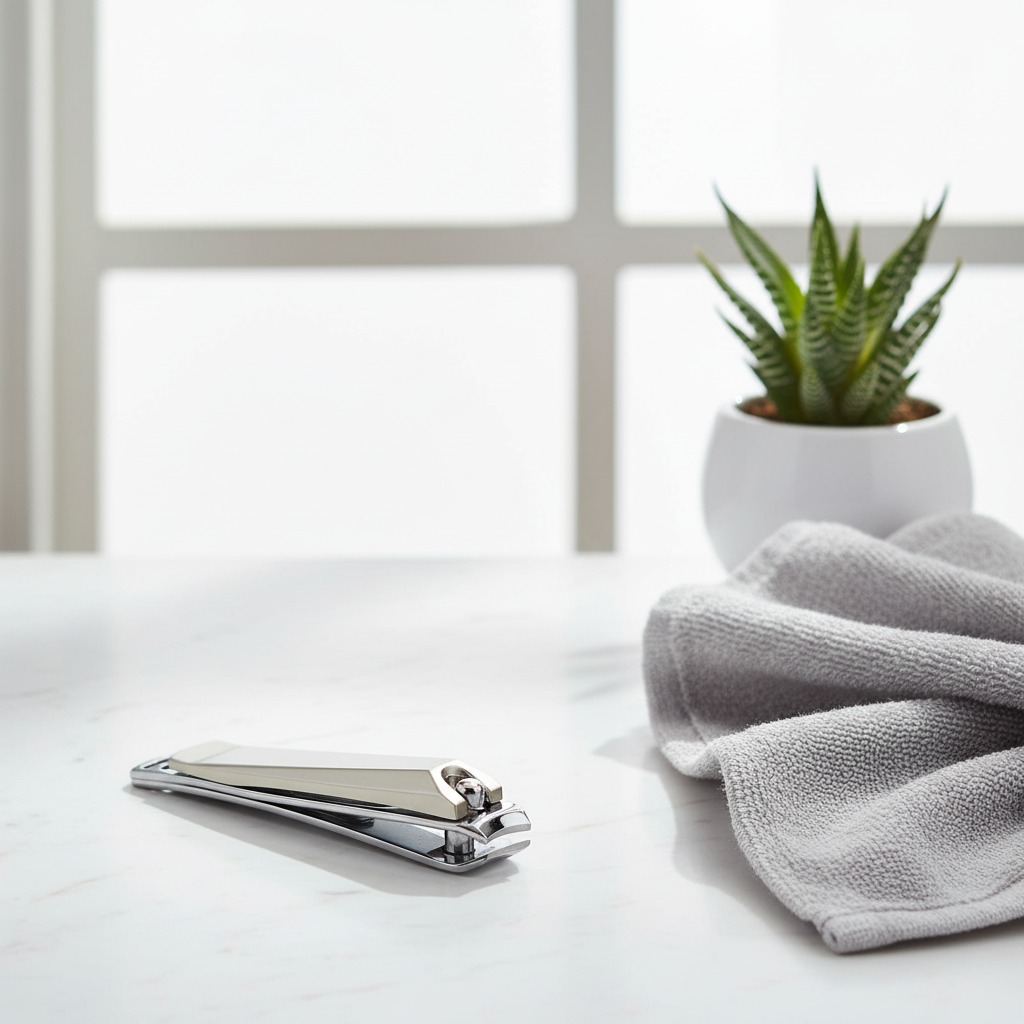
Nail clippers are small tools, but buyers know they carry a large share of customer judgment. A clipper that feels weak, leaves a rough edge, pinches the skin or rusts too early can damage trust in an entire grooming range. For beauty brands, wholesalers, distributors and retailers, choosing a nail clipper manufacturer is therefore not only a price decision. It is a decision about consistency, user comfort, packaging readiness, reorder stability and how well the tool fits the intended market.
Demand for practical grooming tools continues to grow across e-commerce, travel retail, drugstore beauty, salon supply and private label personal care. Within that demand, buyers are looking more closely at precision blades, ergonomic levers, compact formats and finishes that match their brand positioning. Olimor Beauty serves this market as a beauty tool partner for businesses comparing product options, OEM possibilities and wholesale sourcing routes. This guide explains the trends shaping nail clipper manufacturing and the checks buyers can use before committing to a supplier.
Why Nail Clippers Still Matter in Beauty Tool Sourcing
Nail clippers are often treated as basic accessories, but their role in a beauty assortment is strategic. They are affordable enough for impulse purchase, practical enough for repeat household use, and compact enough for travel kits, gift sets and subscription boxes. A well-made clipper can support a brand promise of reliable grooming without requiring complicated user education.
For retailers, nail clippers also work well as add-on products near manicure tools, tweezers, scissors and travel grooming sets. For private label brands, they can provide an entry point into the beauty tools category before expanding into more complex items. Buyers reviewing beauty tool products should consider whether nail clippers will be sold as a single everyday item, paired with files and cuticle tools, or included in a wider personal care collection.
The opportunity is strongest when the product specification matches the end user. A compact clipper may suit travel and convenience retail, while a heavier lever and wider jaw may be preferred for home grooming. A curved blade supports the familiar nail shape many users expect, while the finish, grip and packaging influence shelf appeal.
Manufacturing Trends Shaping Nail Clipper Demand
Several practical trends are influencing how buyers compare nail clipper suppliers and factories. The first is precision. Consumers may not know the exact manufacturing process behind a clipper, but they immediately notice whether the blades meet cleanly and cut without tearing. This makes blade alignment, edge finishing and lever tension central to product quality.
The second trend is ergonomic design. Nail clipping requires control, particularly for older users, travel users and anyone maintaining short nails regularly. Minimal-pressure levers, comfortable grip areas and balanced handling are valued because they reduce effort and improve confidence during use.
The third trend is visual simplicity. Matte finishes, clean metal surfaces and compact shapes are popular because they work across many brand styles, from minimalist beauty to men’s grooming and family care. Stainless steel construction is also commonly associated with durability and easier cleaning, making it a frequent buyer preference when evaluating nail care tools.
The fourth trend is channel flexibility. E-commerce sellers need protective packaging and consistent product photography appearance. Wholesalers need carton stability and repeatable supply. Retail brands may need barcode placement, hang holes, cartons or set packaging. A capable nail clipper manufacturer should be able to discuss these commercial needs early, not only after a sample is approved.
How to Compare a Nail Clipper Manufacturer
A useful supplier comparison goes beyond a single sample on a desk. Buyers should examine how the manufacturer controls repeat production, communicates customization limits and handles inspection before shipment. The table below outlines practical evaluation points for sourcing teams.
| Evaluation area | What to check | Why it matters |
|---|---|---|
| Cutting performance | Blade alignment, sharpness, edge smoothness and cutting pressure | Directly affects user satisfaction and return rates |
| Material and finish | Metal type, surface treatment, matte or polished appearance, resistance to visible defects | Influences durability, cleaning and perceived value |
| Ergonomics | Lever shape, grip comfort, size, weight and control during use | Helps match the product to travel, retail, salon or household users |
| OEM readiness | Logo placement, packaging options, color or finish choices and artwork handling | Supports private label differentiation without unnecessary complexity |
| Quality process | Incoming material checks, in-process inspection and final packaging review | Reduces variation between approved sample and bulk order |
This structure helps buyers avoid focusing only on unit cost. A very low price can become expensive if the lever bends, the blades misalign, or the packaging does not protect the surface finish. The best sourcing decision balances cost, expected retail positioning and risk control.
OEM and Wholesale Opportunities for Brands
Nail clipper OEM services can be valuable when a buyer wants the product to fit a specific market position. Customization may involve logo application, packaging design, surface finish, handle detail or assortment planning. For example, a wholesaler may prioritize durable bulk-ready packaging, while a beauty brand may need a clipper that matches an existing manicure tool set.
OEM development should start with the intended selling channel. A product for online marketplaces may need clear feature communication and packaging that photographs well. A product for salon supply may need straightforward labeling and practical multi-unit options. A product for travel retail may need compact packaging and a design that communicates portability at a glance.
Before requesting customization, buyers should prepare a concise brief. Useful information includes target customer, price position, expected order format, packaging style, logo requirements and any market restrictions that affect labeling. If the goal is to expand a broader grooming line, buyers can review Olimor product collections to think through how the nail clipper will sit beside related tools.
Quality Assurance Questions That Prevent Common Problems
Quality assurance for nail clippers should focus on both function and presentation. A clipper can look acceptable in packaging but fail during use if the blades do not meet evenly. It can also cut well but disappoint buyers if scratches, stains or inconsistent finishing appear across a shipment. A strong inspection plan addresses both concerns.
Key quality checkpoints include:
- Blade meeting point: The cutting edges should align consistently across the full usable width.
- Lever pressure: The lever should operate smoothly without feeling loose, stiff or unstable.
- Surface appearance: Matte or polished areas should be checked for scratches, marks and uneven finishing.
- Rivet or joint stability: Moving parts should feel secure after repeated opening and closing.
- Packaging fit: The clipper should not shift excessively, rub against exposed surfaces or arrive misaligned in retail packaging.
- Carton protection: Bulk cartons should protect against movement, moisture exposure and compression during transport.
Buyers can also request pre-shipment photos, sample retention and clear approval standards. The goal is to define what acceptable production looks like before the order leaves the factory. This is especially important for private label items, where packaging and product appearance represent the buyer’s brand directly.
Sourcing Decisions: China Factory, Supplier or Wholesaler?
Different sourcing routes suit different business models. A direct factory relationship may be useful for buyers with recurring orders, specific customization needs and internal resources to manage specifications. A supplier partner can help coordinate product options, packaging communication and inspection expectations. A wholesaler may be suitable for faster purchasing when customization is limited and the buyer needs existing product formats.
For many growing beauty businesses, the practical question is not simply whether to buy from a nail clipper China manufacturer or from a local distributor. The better question is which route provides the right balance of product control, lead-time expectations, communication clarity and after-order support. Buyers should also consider whether the same partner can support future additions, such as tweezers, manicure tools or grooming kits.
When comparing options, avoid vague requests such as asking for the best nail clipper. A stronger inquiry states the product purpose: travel-size clipper for retail checkout, stainless steel nail clipper for a grooming set, matte finish private label clipper, or wholesale clipper for beauty supply distribution. Clear positioning helps the supplier recommend realistic options and prevents unnecessary sampling rounds.
Building a Better Nail Clipper Brief
A clear sourcing brief saves time and reduces misunderstandings. It does not need to be complicated, but it should include the information that affects manufacturing and packaging decisions. Buyers preparing to send an inquiry can use the following checklist:
- Define the target user: household, travel, salon, men’s grooming, gift set or general retail.
- Choose the preferred size and blade shape, such as compact or standard with curved cutting edges.
- State finish expectations, including matte, polished or other visual direction if available.
- Explain branding needs, including logo position and packaging artwork status.
- Share sales channel requirements, such as e-commerce, retail shelf, wholesale carton or kit assembly.
- List inspection priorities, including cutting performance, surface appearance and packaging protection.
- Clarify whether the order is for an initial launch, replenishment program or product line expansion.
This type of brief helps align expectations before sampling. It also encourages more accurate recommendations because the supplier can see the commercial purpose behind the product request.
Where Olimor Beauty Fits for Nail Clipper Buyers
Olimor Beauty works with beauty tool buyers who need practical product discussions rather than generic catalog claims. For nail clippers, the important topics are performance, finish, comfort, packaging and consistency. Whether the buyer is exploring wholesale options or developing a private label grooming item, the sourcing process should connect product design with real selling conditions.
As nail clipper manufacturing continues to evolve, the opportunity is not limited to making a sharper or shinier tool. The opportunity is to create a product that fits the channel, protects the buyer’s brand and performs reliably in everyday grooming. Brands and distributors that define their requirements clearly are better positioned to select the right manufacturer, reduce sampling delays and build a dependable beauty tool range.
To discuss nail clippers or related grooming tools for your market, contact Olimor with your product goals, packaging needs and preferred sourcing direction.