










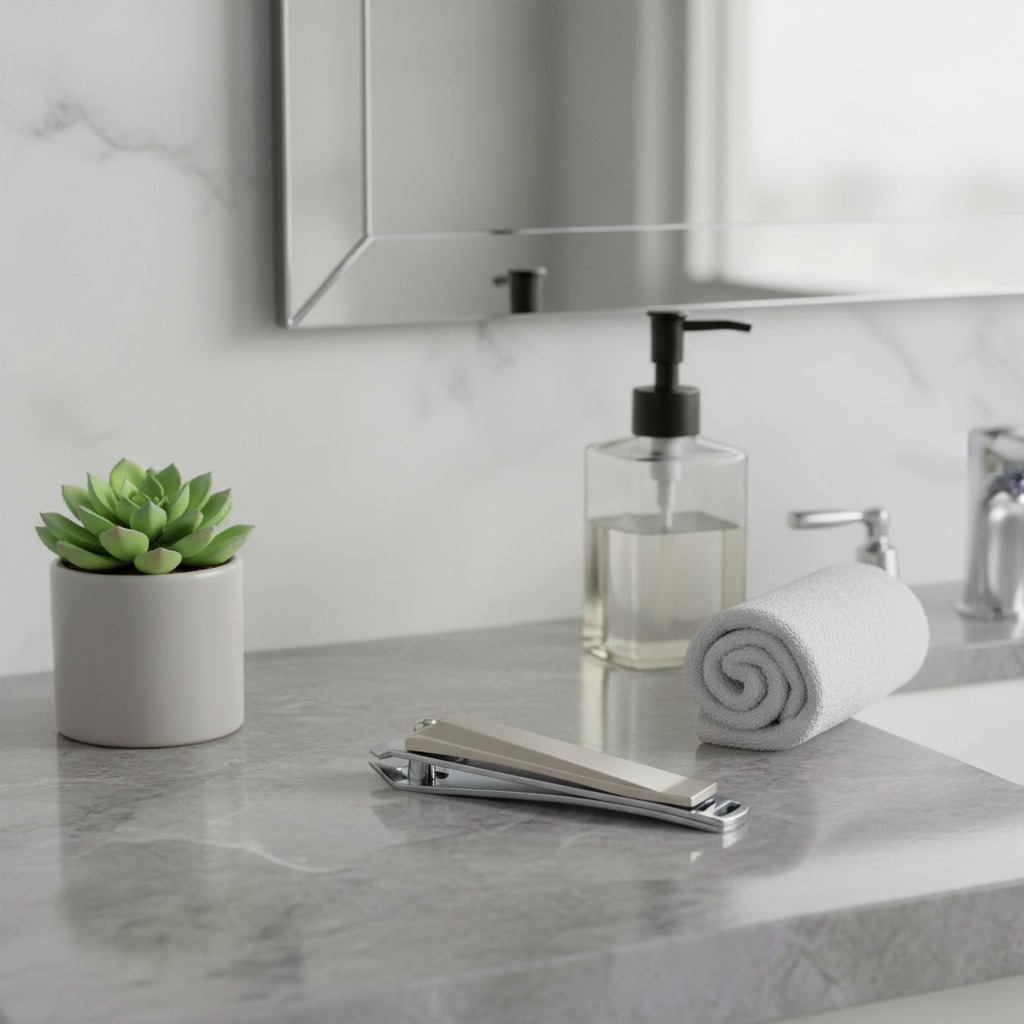
Nail clippers are simple products only at first glance. For a beauty brand, distributor, hotel amenity buyer or grooming-tool retailer, the difference between a dependable nail clipper and a disappointing one is found in small manufacturing decisions: blade alignment, cutting curve, spring tension, handle feel, surface finishing and final inspection. These details affect how cleanly the clipper cuts, how long it resists wear and how confidently it can be sold in a competitive personal-care market.
The current nail clipper manufacturing landscape is shaped by three buyer priorities: reliable cutting performance, modern appearance and flexible sourcing. Consumers increasingly expect everyday grooming tools to look refined as well as function consistently. That is why minimalist silhouettes, matte and polished metallic finishes, ergonomic grips and sharp curved stainless steel blades have become important considerations when comparing suppliers. For buyers reviewing Olimor Beauty or other sourcing partners, the goal should be to connect product style with practical quality control rather than choosing on appearance alone.
What Today’s Nail Clipper Buyers Expect
A nail clipper may be used at home, in a salon kit, in a travel set or as part of a branded gift package. Each use case has a different standard for packaging, finish and price positioning, but the core performance expectations are similar. The clipper should cut cleanly without crushing the nail, feel stable in the hand and maintain a presentable surface after repeated use.
Demand has also changed because more grooming tools are purchased online. When shoppers cannot test the tool before purchase, product photography, finish consistency and buyer reviews carry more weight. A clipper with rough edges, weak leverage or inconsistent color can quickly generate returns or negative feedback. For wholesale buyers, this means the manufacturer’s process must be stable enough to support repeat orders with the same appearance and function.
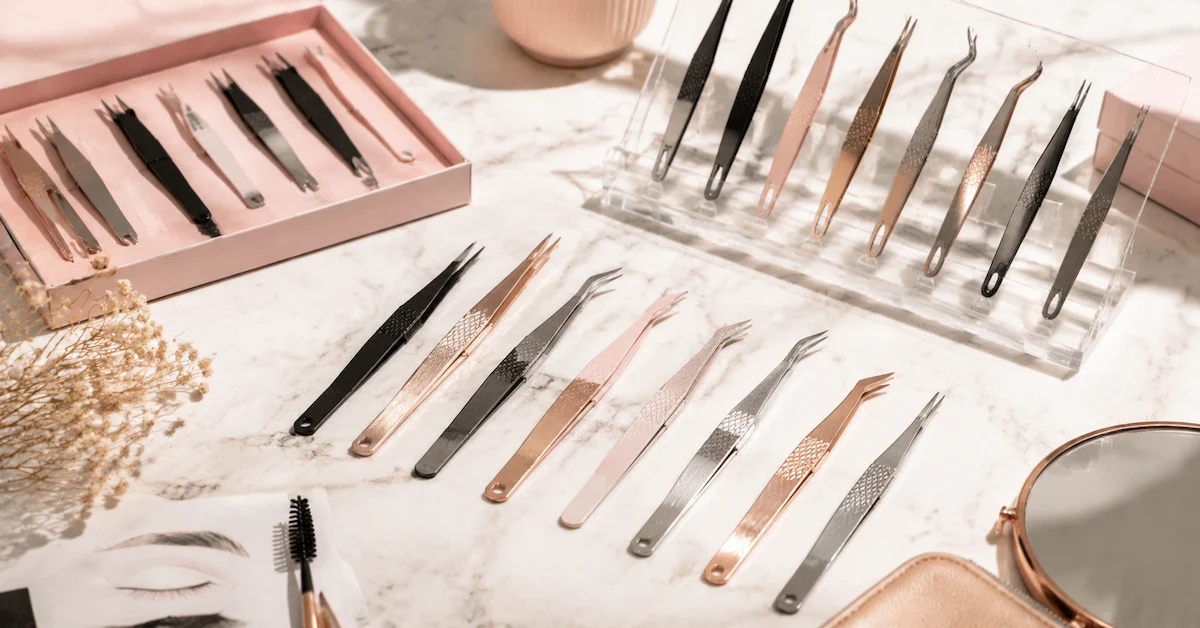
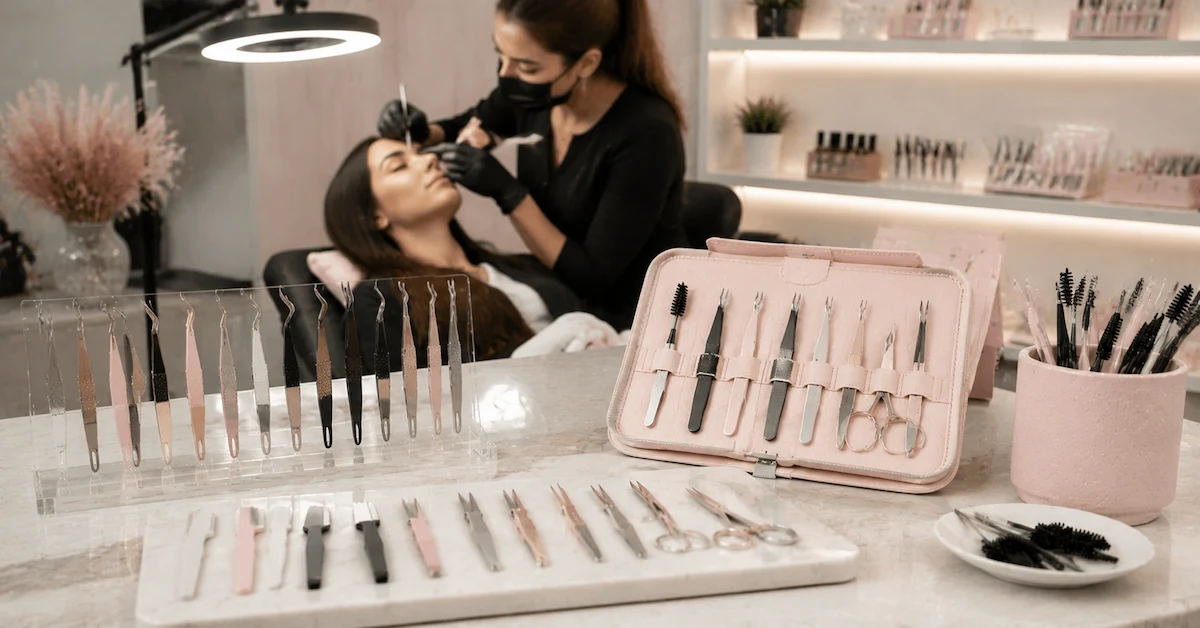
Brands exploring broader beauty tool assortments can compare related categories through Olimor Beauty’s beauty tool products and review how nail clippers may fit alongside other grooming accessories. A well-planned range usually balances daily-use tools, travel-friendly options and giftable designs.
Precision Starts With Blade Geometry and Alignment
The blade is the most important part of a nail clipper. Curved stainless steel blades are common because they follow the natural contour of fingernails and help create a smooth cut. However, blade material alone does not guarantee performance. The upper and lower cutting edges must meet evenly, and the cutting curve must be consistent from one unit to the next.
When evaluating a nail clipper manufacturer, buyers should look beyond broad claims such as “sharp” or “durable.” Practical review criteria include how the blade edges close, whether there is visible misalignment, whether the cutting action feels controlled, and whether the lever provides enough pressure without feeling loose. A clipper that cuts well only in the center of the blade but not near the corners can frustrate users, especially when trimming thicker nails.
For factory discussions, it is useful to request a clear explanation of the inspection process for blade closure and cutting feel. The original product positioning for Olimor Beauty emphasizes precise manufacturing steps, internal quality checks, stainless steel construction and final assembly inspection. Those are the right areas for buyers to explore because they directly affect product reliability.
Finish, Grip and Ergonomics Are More Than Decoration
Modern nail clippers are often selected as much for their visual appeal as for their function. Matte metallic finishes can create a soft, contemporary appearance, while polished metallic finishes communicate a cleaner, classic grooming-tool look. Minimalist designs are popular because they suit many retail environments, from men’s grooming kits to unisex beauty accessories.
Still, finish should not be treated as decoration only. A coating or polish must be even, pleasant to hold and appropriate for the product’s expected use. The handle should not feel slippery during trimming, and any edge that contacts the hand should be smooth. Ergonomic grips are valuable because they improve control, especially for users who trim nails carefully or frequently.
Useful selection points include:
- Hand feel: The lever should be comfortable to press without sharp corners or uncomfortable pressure points.
- Surface consistency: Matte or polished finishes should look uniform across units in the same order.
- Cutting control: The clipper should feel stable when pressure is applied, not flexible or misaligned.
- Cleaning practicality: A smooth surface and well-finished edges make the tool easier to wipe after use.
- Retail presentation: The finish should match the intended channel, whether value retail, salon supply, gift set or e-commerce.
Wholesale and OEM Nail Clipper Sourcing Considerations
Wholesale and OEM production continue to be important in the nail clipper category because many brands want a tool that fits their own packaging, market position or gift concept. OEM options can include customized presentation, adjusted finishes or personalized engravings when available for the specific project. The original product description highlights personalized engravings as a possible direction for sophisticated clippers, which can be relevant for gifting, corporate sets or professional grooming assortments.
Before moving into OEM customization, buyers should define the commercial purpose of the nail clipper. A low-cost promotional item, a salon-quality grooming essential and a premium gift tool may all require different decisions. Customization should support the product’s role rather than add complexity without improving buyer appeal.
| Buying Question | Why It Matters | What to Review |
|---|---|---|
| Who will use the clipper? | Home users, salons and gift buyers value different features. | Size, grip comfort, packaging and finish. |
| What finish fits the market? | Appearance influences online conversion and shelf appeal. | Matte metal, polished metal and consistency across samples. |
| Is branding required? | Engraving or private-label packaging can support recognition. | Logo placement, legibility and durability of the branded area. |
| How will quality be checked? | Cutting performance depends on precise assembly. | Blade alignment, lever action, edge smoothness and final inspection. |
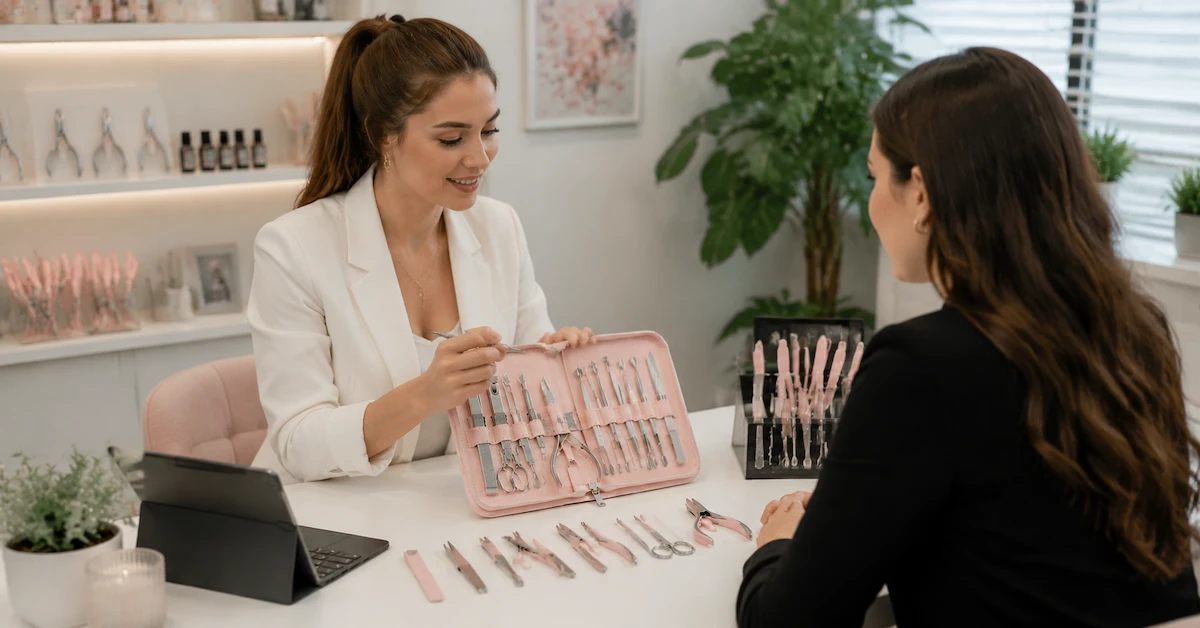
Buyers planning a coordinated line can also browse Olimor Beauty’s product collections to think about how nail clippers may be combined with other personal-care tools in a consistent assortment.
Quality Control Questions for a Nail Clipper Factory
Factory quality control should be specific enough to reduce order risk. For nail clippers, the most important checks are not complicated, but they must be performed consistently. A reliable nail clipper factory should be able to discuss raw material selection, forming, sharpening, surface treatment, assembly and final inspection in practical terms.
For buyers, a useful review process can include the following steps:
- Evaluate samples from multiple angles. Check the cutting edge, hinge area, lever, underside and any exposed corners.
- Test the cutting action repeatedly. A clipper should not feel loose after several uses, and the cutting edges should continue to meet evenly.
- Compare samples within the same batch. Consistency is more important than a single perfect sample.
- Inspect the finish under normal light. Look for scratches, uneven polishing, color variation or rough edges.
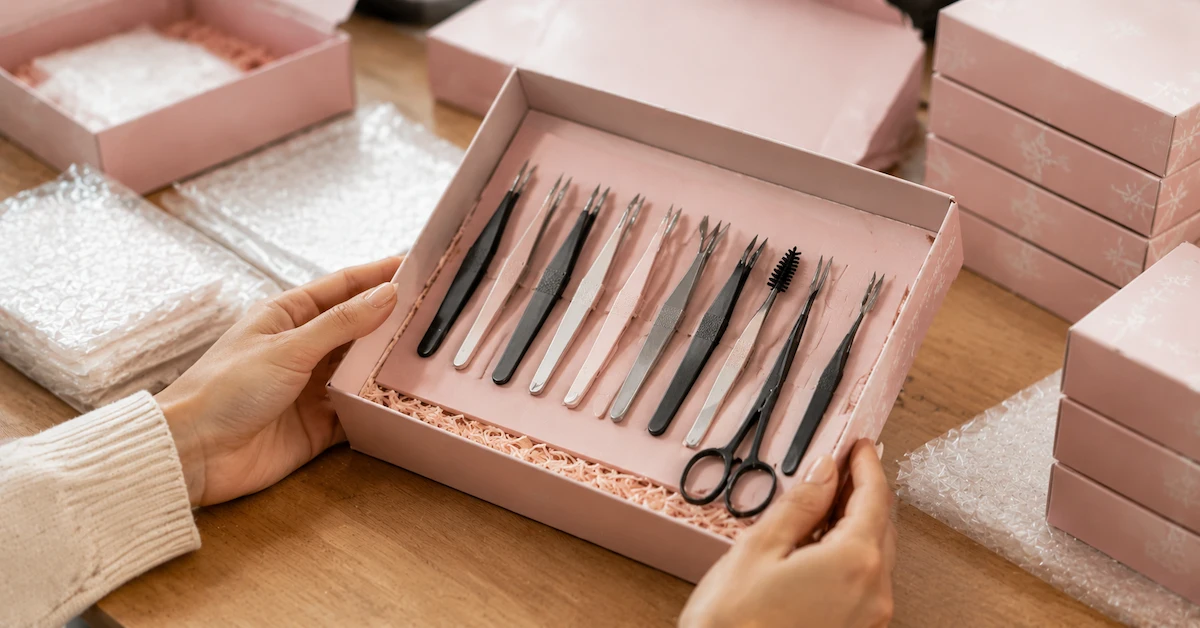
- Review packaging compatibility. A good tool can still arrive damaged if the packaging does not protect the finish.
These checks are especially important for e-commerce sellers because customers will notice functional and visual flaws immediately. For distributors, they also reduce the chance of mixed product feedback across different retail accounts.
Material and Sustainability Considerations
Stainless steel construction is a key feature in the nail clipper category because buyers associate it with durability, corrosion resistance and clean appearance. The original product information for this page identifies stainless steel construction and corrosion-resistant expectations as part of the industry trend. That said, buyers should avoid assuming all stainless steel tools perform the same. Manufacturing precision, surface treatment and maintenance guidance remain important.
Sustainability is also becoming part of sourcing conversations. In nail clippers, this may involve choosing long-lasting construction, avoiding unnecessary packaging, and selecting finishes that support extended product use. A durable clipper that remains functional and presentable for a long time can be a more responsible choice than a tool that is quickly replaced. Buyers do not need to rely on vague environmental claims; they can focus on concrete decisions such as product longevity, repair-free reliability, reduced packaging waste and clear care instructions.
Care Guidance That Improves Customer Satisfaction
A nail clipper’s performance is affected by how it is used and stored. Including simple care guidance in product listings, packaging inserts or customer service materials can reduce complaints and help users get better results. The guidance does not need to be lengthy, but it should be practical.
- Wipe the cutting edges after use to remove nail residue.
- Keep the clipper dry before storage, especially in humid bathrooms or travel bags.
- Avoid using fingernail clippers on materials they were not designed to cut.
- Store the tool so the cutting edge is protected from impact or abrasion.
- Replace the clipper if the blades become misaligned, chipped or noticeably dull.
For brands, these instructions help position the clipper as a durable grooming tool rather than a disposable accessory. They also support better reviews because customers understand how to maintain the product.
How to Move From Product Idea to Sourcing Decision
The best sourcing decisions begin with a clear product brief. Define the target user, preferred finish, branding needs, packaging style and quality expectations before comparing suppliers. Then use samples to verify whether the manufacturer can deliver the required blade precision, ergonomic feel and finish consistency.
Olimor Beauty’s role as a nail clipper manufacturer, wholesaler and OEM provider is most relevant to buyers who want a balance of practical cutting performance and modern grooming-tool presentation. If you are comparing stainless steel nail clippers for wholesale, OEM branding or a wider personal-care range, organize your questions around performance, inspection and repeat-order consistency.
To discuss a project, buyers can contact Olimor or send an inquiry with details such as intended market, quantity planning, preferred finish, branding requirements and packaging direction. A precise brief makes it easier to evaluate whether the nail clipper design, manufacturing process and quality controls are aligned with your customers’ expectations.