










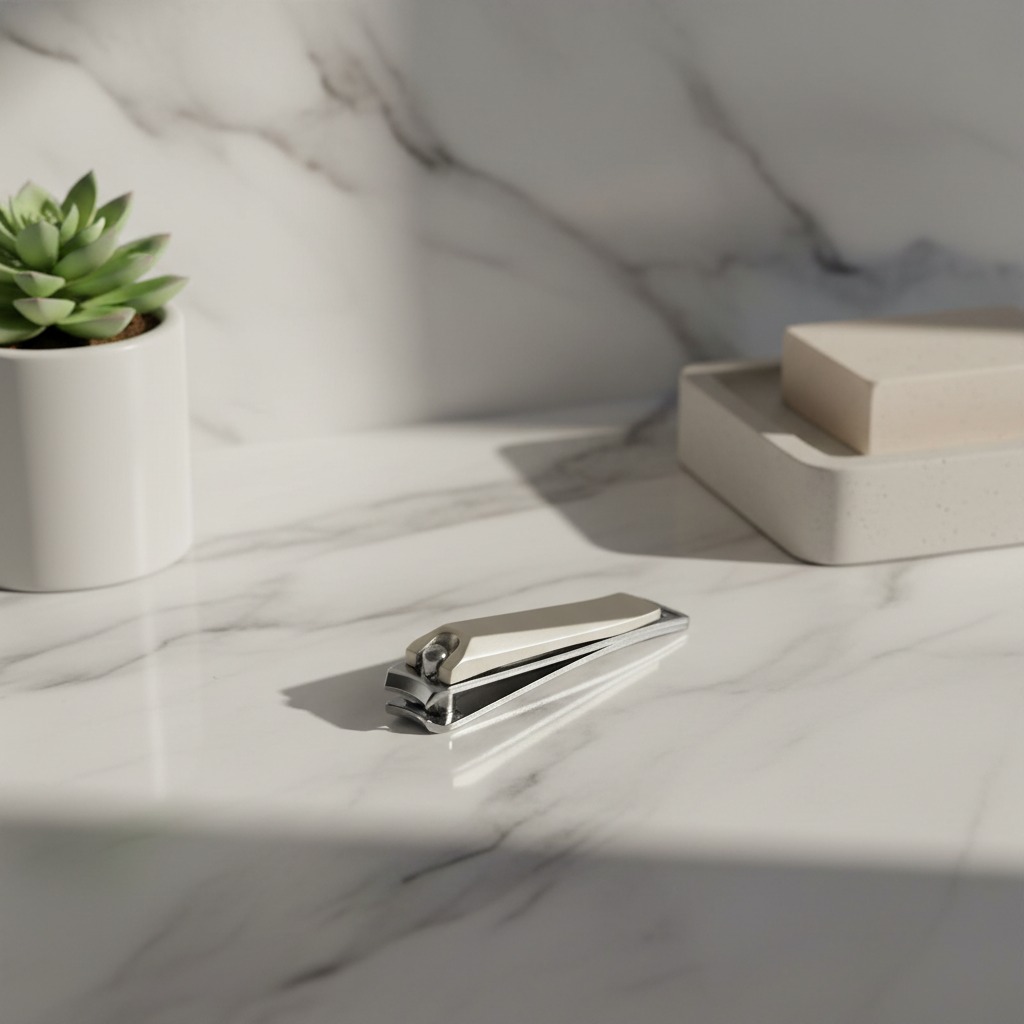
The nail clipper market may look simple from the outside, but sourcing a dependable product requires more than choosing a low-cost grooming tool. For retailers, importers, beauty brands, salon suppliers, and e-commerce sellers, the right nail clipper manufacturer can influence product reviews, repeat purchases, return rates, and brand reputation. A clipper must feel comfortable in the hand, cut cleanly, resist corrosion in normal use, and arrive with consistent finishing from batch to batch.
Modern buyers are paying closer attention to precision engineering, ergonomic details, stainless steel construction, packaging quality, and OEM flexibility. At the same time, consumer demand for personal hygiene products continues to grow, encouraging brands to expand nail care assortments for home grooming, salon retail, travel kits, and private-label beauty programs. This guide explains the main trends and buyer checkpoints shaping the nail clipper manufacturing landscape, with a practical focus on sourcing decisions rather than broad market claims.
Why Nail Clipper Manufacturing Is Becoming More Demanding
Nail clippers are small tools, but they rely on careful manufacturing decisions. The cutting edges must meet evenly, the lever must provide enough pressure without feeling harsh, and the body must maintain stability through repeated use. A poor clipper bends, tears the nail, leaves rough edges, or develops rust too quickly. These failures are easy for customers to notice, especially in online reviews.
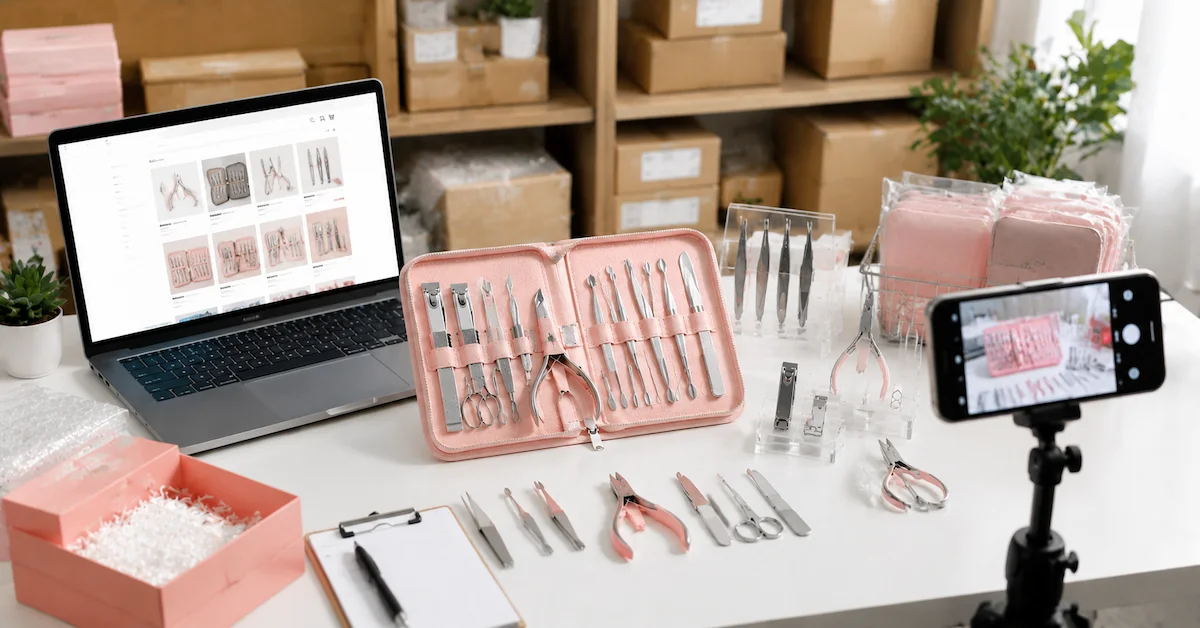
Several forces are raising expectations for nail clipper suppliers. Home grooming has become a regular part of personal care routines, and buyers expect tools that feel similar to salon-quality accessories. E-commerce has also made product quality more visible: a few close-up images or customer comments can reveal uneven plating, loose rivets, weak packaging, or dull blades. For wholesale buyers, this means the manufacturer’s process control matters as much as the catalog image.
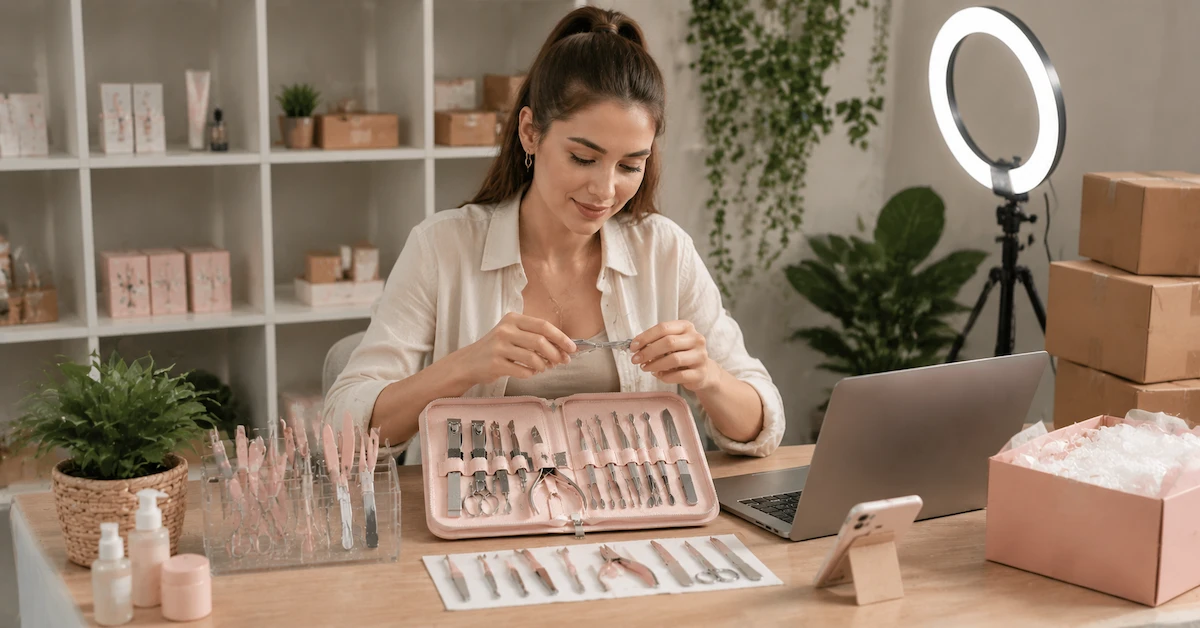
Olimor Beauty works within this beauty-tool category, where the focus is on practical grooming accessories that combine modern appearance with usable design. Buyers comparing beauty tool products should look beyond the surface finish and evaluate how a supplier controls cutting performance, handling comfort, and shipment consistency.
Key Product Trends: Precision, Comfort, and Compact Use
Current nail clipper demand is shaped by a mix of performance and convenience. Buyers are looking for designs that meet everyday grooming needs while fitting into different retail formats, from single-item blister cards to grooming kits and travel sets. The most relevant trends include:
- Stainless steel bodies: Stainless steel remains a popular choice because buyers associate it with durability, hygiene, and resistance to normal moisture exposure. The specific grade and finish should be verified during sourcing.
- Sharper, cleaner cutting edges: Consumers expect a clipper to cut without crushing or splitting the nail. Edge alignment and consistent grinding are key manufacturing concerns.
- Ergonomic levers: A comfortable lever improves control, especially for thicker nails. Buyers should evaluate pressure, grip, and whether the lever is easy to operate for different users.
- Compact and travel-friendly formats: Smaller clippers remain useful for bags, kits, hotels, promotional sets, and personal travel. Compact size should not compromise cutting stability.
- Anti-rust surface treatments: Anti-rust coatings and corrosion-resistant finishing are gaining attention, particularly for humid bathroom storage and long supply chains.
- Clean aesthetics: Minimal, polished, matte, or color-finished designs can help a basic grooming tool fit a brand’s visual identity.
These trends do not mean every buyer needs the most complex design. A discount retailer, salon supplier, and premium private-label brand may require different balances of cost, finish, packaging, and customization. The best manufacturing partner helps match the design to the channel instead of treating all nail clippers as the same product.
How Wholesale Buyers Should Evaluate a Nail Clipper Supplier
For wholesalers and distributors, consistency is often more important than novelty. A product line must be repeatable, easy to reorder, and suitable for the buyer’s target market. When comparing a nail clipper factory or supplier, use a structured review that covers both the product and the production process.
| Evaluation Area | What to Check | Why It Matters |
|---|---|---|
| Cutting performance | Blade alignment, edge sharpness, lever pressure, clean cut on sample nails | Directly affects user satisfaction and return risk |
| Material and finish | Stainless steel type, plating or coating, surface smoothness, rust resistance approach | Influences durability, appearance, and perceived value |
| Ergonomics | Lever shape, grip feel, size options, handling comfort | Improves usability for different customers |
| Batch consistency | Samples compared with production units, tolerances, inspection steps | Prevents quality gaps between approval and delivery |
| Packaging | Retail card, pouch, box, barcode placement, shipping protection | Supports shelf presentation and reduces transit damage |
| OEM support | Logo placement, color, finish, packaging artwork, documentation process | Helps brands create a differentiated product |
A useful sample review should include more than a visual inspection. Open and close the lever repeatedly, test the clipper on nails or appropriate sample material, check for burrs on the edges, and examine whether the rivet or pivot feels secure. Also inspect packaging after transit simulation or normal courier handling if the item will be sold online.
OEM and Private-Label Demand in the Nail Clipper Category
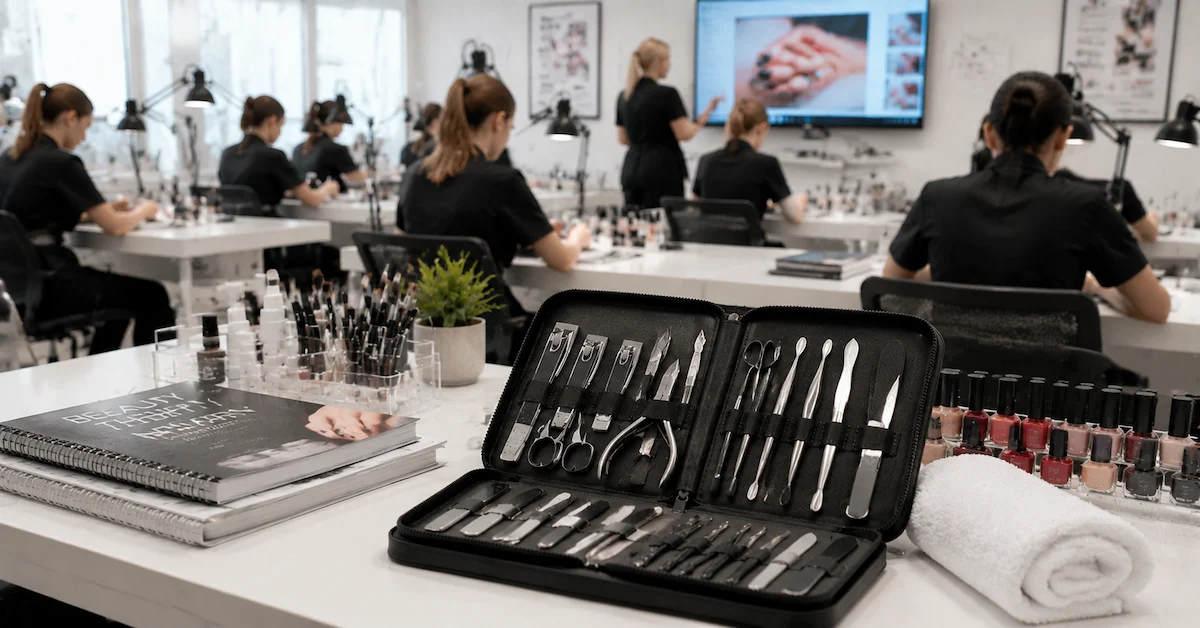
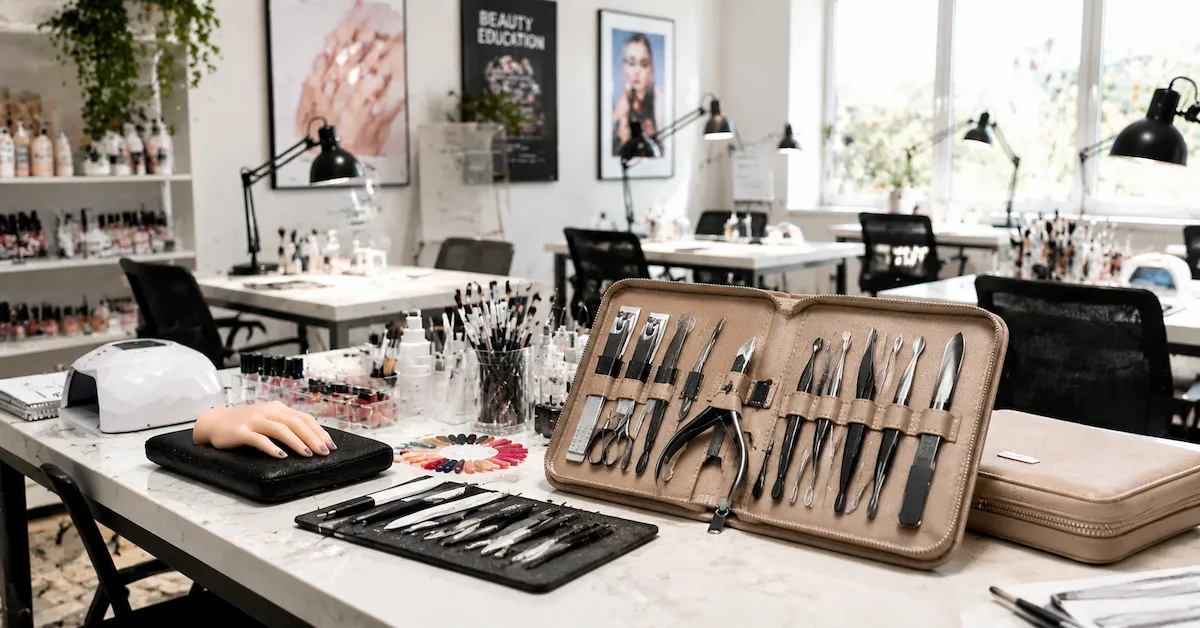
OEM nail clipper programs are expanding because brands want grooming tools that match their own audience and packaging style. A private-label clipper can be sold as a standalone item, included in a manicure set, paired with nail files and cuticle tools, or offered as part of a men’s grooming, family care, travel, or salon retail collection. This flexibility makes nail clippers attractive for both established beauty companies and new e-commerce sellers.
Customization does not always require a completely new structure. Many OEM projects focus on realistic adjustments such as logo application, surface finish, color accents, packaging format, or set composition. More complex tooling or structural changes may require additional development review, so buyers should define the commercial purpose before requesting modifications. For example, a travel kit may prioritize compact size and protective packaging, while a premium retail item may prioritize heavier feel, polished finishing, and a clean display box.
Before starting an OEM project, prepare clear requirements: target retail channel, expected customer group, preferred size, desired finish, packaging language, barcode needs, and compliance requirements for the destination market. Buyers can explore broader product collections to see how nail clippers may fit with other grooming tools in a coordinated assortment.
Quality Control Points That Matter Most
Quality control for nail clippers should focus on the areas customers experience directly. A clipper may look acceptable in a product photo but fail when the blades do not meet properly or the lever slips during use. Useful inspection points include cutting-edge alignment, jaw opening, lever movement, pivot stability, surface finish, absence of sharp unwanted burrs, and packaging accuracy.
Buyers should also consider how quality will be confirmed at different stages. Pre-production samples help verify design and finish. Production checks help confirm that the approved sample is being followed. Final inspection before shipment can identify packaging errors, mixed items, visible defects, or performance issues. The goal is not to add unnecessary complexity; it is to prevent problems that are expensive to fix after goods reach the market.
Documentation is also important. Keep approved samples, packaging files, color references, and written specifications organized. If a repeat order is placed months later, these references reduce the chance of misunderstanding. For nail clippers, small differences in lever thickness, blade grinding, or surface finish can change the user experience, so written confirmation helps both buyer and manufacturer.
Sustainability and Practical Material Choices
Sustainability is increasingly discussed in the nail clipper manufacturing sector, but buyers should approach it with practical questions. A durable clipper that stays sharp and resists corrosion can reduce premature replacement. Efficient packaging that protects the product without excessive material may also support a cleaner retail presentation. Stainless steel is widely used in grooming tools, but buyers should still verify material claims and finishing processes for their own market needs.
Eco-conscious sourcing should be specific. Instead of relying on broad phrases, define what matters for the program: recyclable packaging components, reduced plastic in retail packs, long product life, replaceable or reusable storage cases, or supplier documentation for materials. These choices may affect cost, appearance, and logistics, so they should be addressed early in product development.
Choosing the Right Manufacturing Partner for Long-Term Supply
A dependable nail clipper manufacturer should be able to discuss both product design and production control in practical terms. Buyers should expect clear communication about available sizes, finishes, packaging options, inspection steps, and customization limits. Responsiveness is important, but so is accuracy. A supplier that confirms details carefully can be more valuable than one that agrees quickly without clarifying the requirement.
For China nail clipper sourcing, many buyers compare factories and trading partners based on price, but the final decision should include sample quality, repeatability, packaging support, export experience, and the ability to handle OEM instructions. The lowest unit price may not be the best value if it creates higher returns, weak reviews, or inconsistent shipments.
If your business is building a wholesale nail care range or planning a private-label grooming accessory, define the product’s role first: budget everyday clipper, salon retail accessory, travel tool, gift set component, or coordinated beauty kit. Then evaluate suppliers against that role. To discuss available options or a sourcing plan, you can contact Olimor or send an inquiry with your project details.
Final Buyer Takeaways
The nail clipper industry is moving toward better precision, cleaner ergonomics, more thoughtful packaging, and greater OEM flexibility. For wholesale and private-label buyers, the most successful sourcing decisions come from checking the details that affect real use: sharpness, alignment, comfort, finish, corrosion resistance, and packaging reliability. A nail clipper is a small item, but when manufactured well, it becomes a dependable grooming tool that supports customer trust and repeat sales.
By using clear specifications, testing samples carefully, and choosing a supplier that understands both beauty-tool presentation and functional performance, buyers can build a stronger nail care assortment for today’s personal grooming market.