










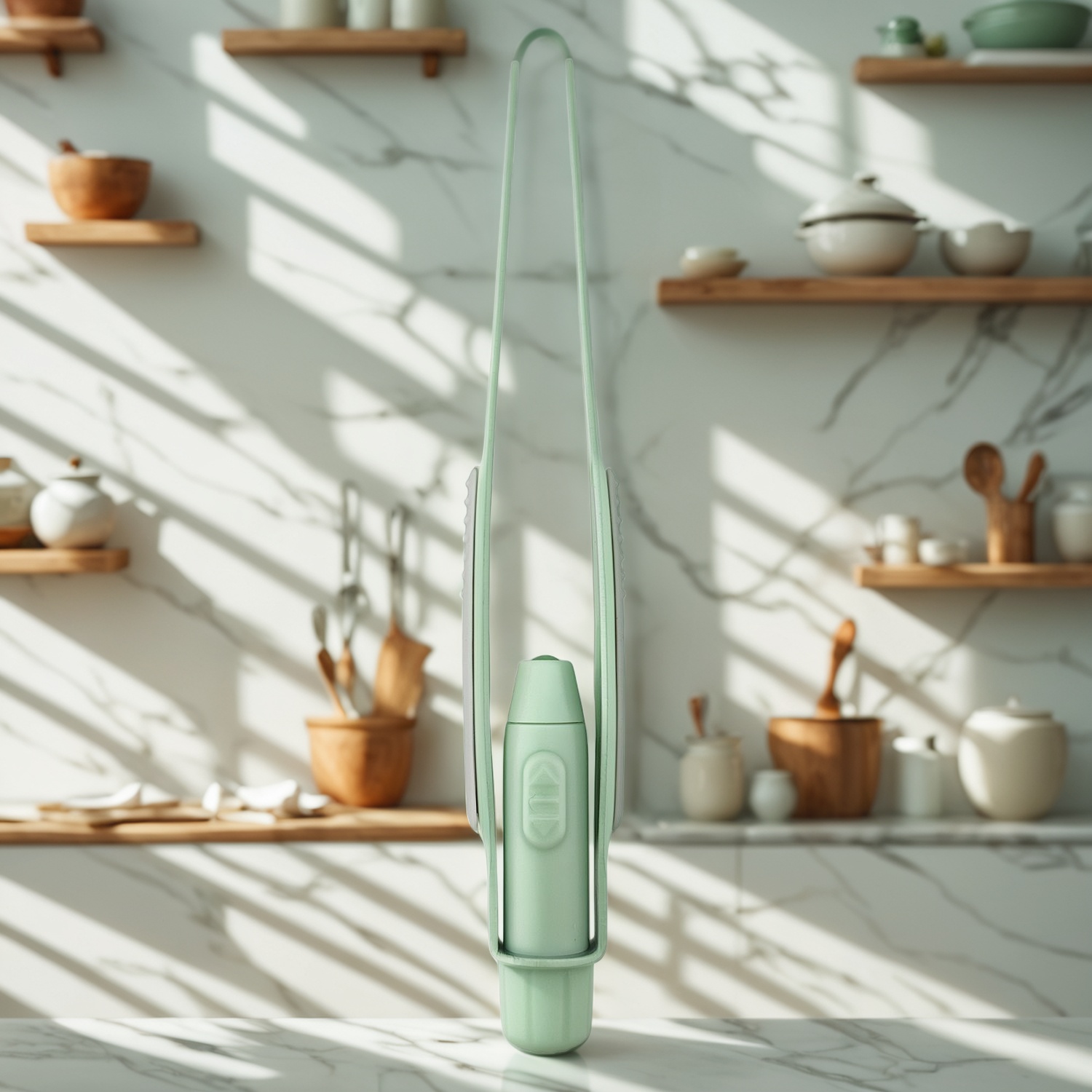
Tweezers may look like a simple beauty tool, but wholesale buyers know that small differences in design can decide whether a product earns repeat orders or creates customer complaints. Tip alignment, grip comfort, finish quality, packaging, and even lighting features all influence the user experience. For beauty brands, retailers, salon suppliers, and e-commerce sellers, the opportunity is not only to buy tweezers in bulk, but to choose a product that fits a clear market position.
Consumer expectations have changed. Many shoppers now want tools that help them achieve cleaner, more controlled grooming at home. They are comparing personal care accessories with the same attention they give to cosmetics, nail tools, and skincare devices. This is why tweezers wholesale sourcing should be approached as a product development decision, not just a price comparison.
This guide explains the trends shaping the tweezers category, including precision performance, LED-assisted grooming, ergonomic design, durable materials, and private label planning. It also gives buyers practical checkpoints to use before adding tweezers to a product line or promotional assortment.
Why Tweezers Still Matter in a Changing Beauty Market
Tweezers remain a high-demand beauty accessory because they solve everyday grooming needs: shaping brows, removing stray facial hair, handling small nail art items, and supporting detailed personal care tasks. Their size also makes them attractive for retail displays, travel kits, beauty subscription boxes, and bundled grooming sets.
However, the category is more competitive than it appears. Basic tweezers are widely available, so buyers need a reason for customers to choose their version. That reason can be precision, comfort, a modern appearance, value-added packaging, or an innovative feature such as built-in illumination. The best wholesale selection depends on the audience. A professional brow studio may prioritize tip accuracy and long-term durability, while a lifestyle retailer may focus on attractive packaging and easy at-home use.
For buyers comparing beauty tool products, tweezers can also work well as an entry-level item. They are practical, familiar, and easy to explain. When sourced carefully, they can support both single-product sales and larger grooming collections.
Precision Is the First Wholesale Buying Standard
The most important quality signal in any tweezer is how the tips meet. If the tips do not align evenly, the tool may slide off fine hairs, pinch the skin, or require repeated attempts. This creates frustration for users and increases the chance of returns or poor reviews.
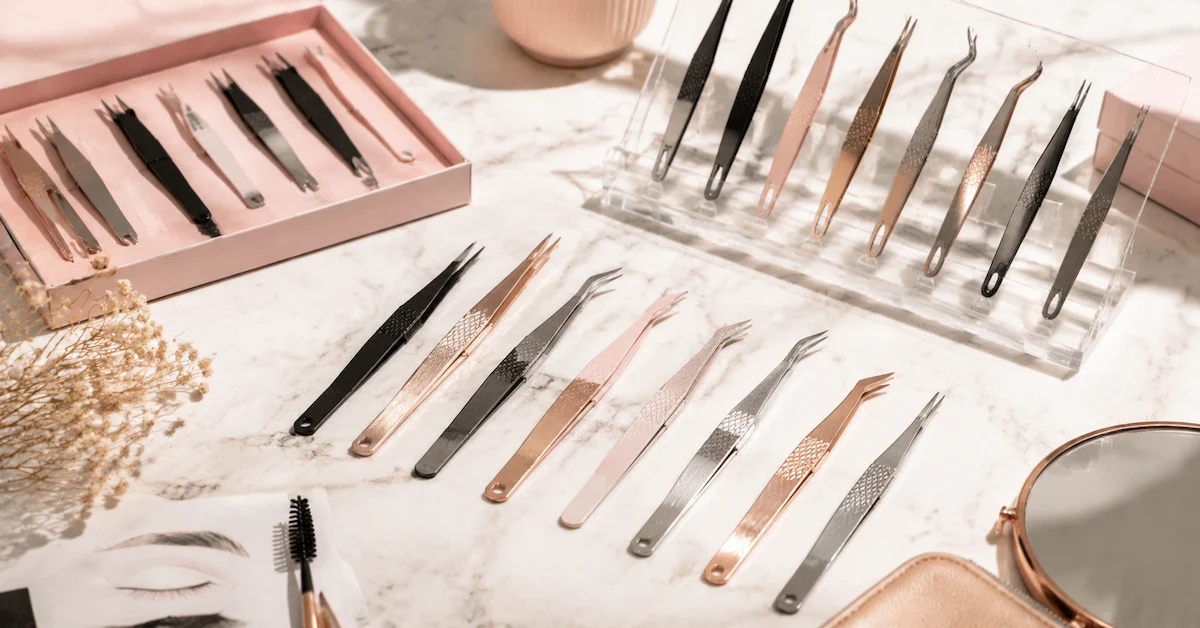
Wholesale buyers should evaluate precision with real-use scenarios rather than only visual inspection. A product may look polished in photos but perform poorly when picking up a fine hair or small object. The angle and shape of the tip should match the intended use. Slanted tips are common for brow grooming because they provide control and visibility. Pointed tips are often used for more detailed tasks, but they require careful handling. Flat tips can be useful for grasping wider items, though they may be less effective for very fine hairs.
A practical buying checklist should include:
- Tip alignment: tips should meet evenly without visible gaps.
- Grip strength: the tweezer should hold fine hair or small items without excessive squeezing.
- Spring tension: resistance should feel controlled, not too stiff or too loose.
- Edge smoothness: tips should grip without sharp burrs that could scratch skin.
- Finish consistency: coating, polishing, and color should be uniform across the batch.
- Protective packaging: tip covers or secure inserts help prevent damage during transport.
These checks are especially important for buyers planning private label tweezers, because the brand name on the packaging will be associated with the tool’s performance.
LED Tweezers and the Shift Toward Assisted Grooming
One of the clearest trends in personal care tools is the move from basic manual accessories to assisted grooming devices. The original category example is the IllumiEar-Tweezers, which reflects growing interest in tweezers with built-in LED illumination. The purpose of this feature is straightforward: better visibility during detailed grooming.
Lighting can be useful when users are working with fine hair, low bathroom lighting, travel mirrors, or close-up tasks. Instead of relying only on room light, an LED beam can help the user see the target area more clearly. For retailers, this type of feature also makes the product easier to demonstrate in online listings, short videos, and point-of-sale displays.
That said, buyers should evaluate LED tweezers carefully. Added features introduce additional sourcing questions, including battery placement, switch durability, safe assembly, weight balance, and packaging instructions. A tweezer with a light should still work well as a tweezer. The illumination is a benefit, not a replacement for accurate tip alignment and comfortable hand control.
When comparing LED-assisted designs, consider whether the light position supports the actual gripping angle. If the beam points away from the tips or creates glare, the feature may not improve use. Buyers should also consider whether the product is intended for eyebrow grooming, ear-area visibility, general personal care, or multipurpose use, because each use case may require different packaging language and customer guidance.
Ergonomic Design: Comfort Affects Repeat Use
Comfort is a serious buying factor, especially for customers who use tweezers frequently. A tool that is too narrow, slippery, or stiff can cause hand fatigue and reduce control. Ergonomic improvements do not need to be complicated. They may include a wider grip area, textured sides, balanced weight, or a shape that allows the user to apply pressure smoothly.
For wholesale buyers, ergonomics should be judged across different hand sizes and use cases. A design that feels fine for a quick inspection may feel uncomfortable during a longer grooming session. If the tweezer is part of a professional beauty kit, control and comfort become even more important.
Grip finish also matters. Highly polished surfaces can look attractive, but they may be slippery when used after skincare products or hand cream. Textured or matte surfaces can provide better control, although the final choice depends on the brand’s visual direction. The goal is to balance appearance with usability.
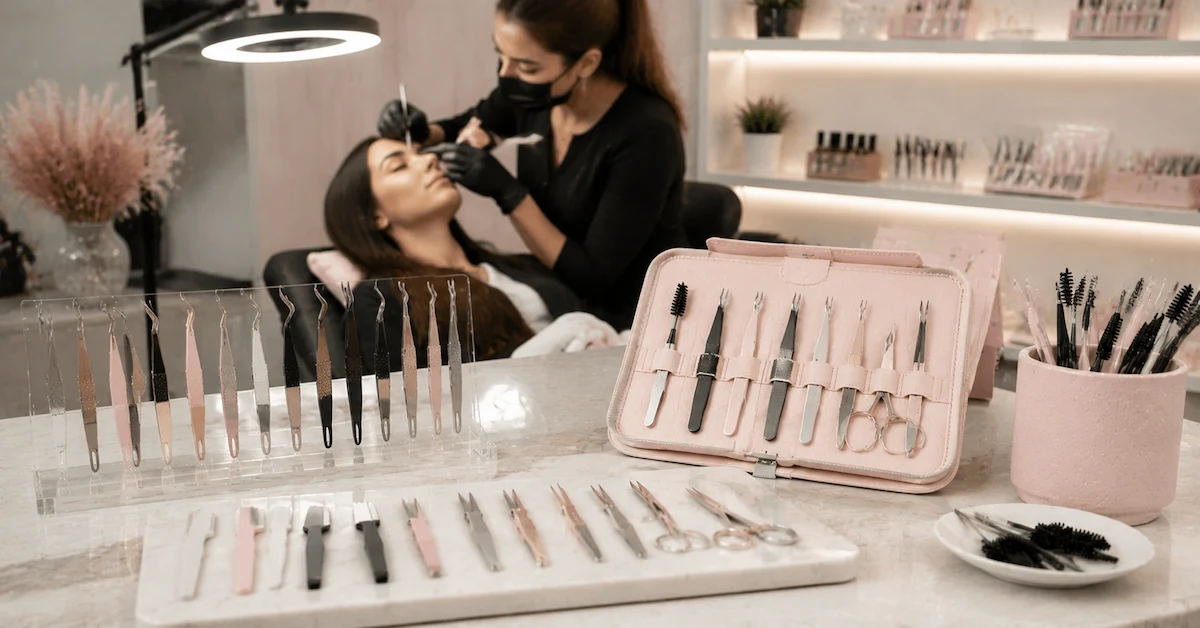
Buyers building broader product collections should also think about consistency. If tweezers are sold alongside nail clippers, cuticle tools, or grooming scissors, a coordinated finish and similar grip design can make the collection feel more intentional.
Materials, Durability and Responsible Product Choices
The supplied category trend highlights consumer interest in durable, long-lasting materials such as stainless steel. For tweezers, material selection affects strength, corrosion resistance, surface finish, and overall perception of quality. Buyers should confirm the material description used on packaging and product pages is accurate and supported by supplier documentation.
Durability is also linked to responsible consumption. A tweezer that keeps its alignment, resists everyday wear, and arrives in protective packaging is more likely to stay in use. This is a practical sustainability angle: long service life can reduce unnecessary replacement. Buyers should avoid making broad environmental claims unless they have the documentation to support them, but they can still prioritize products built for repeated use.
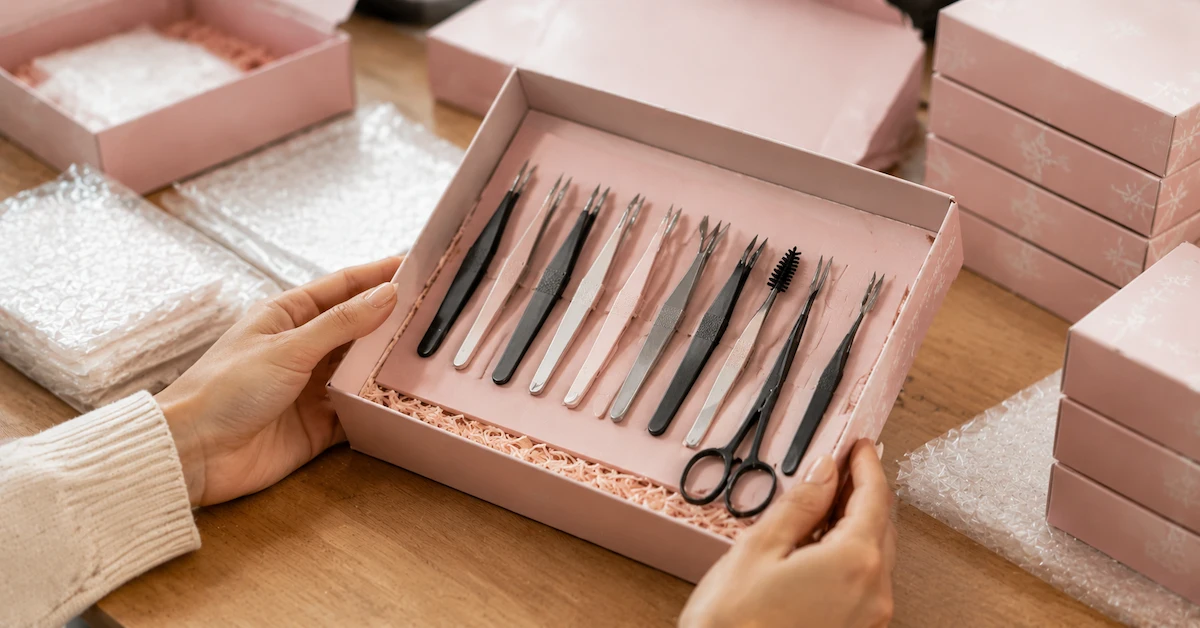
Packaging choices are another part of the sourcing decision. Minimal packaging can reduce waste, while premium boxes or cards may improve retail presentation. The right answer depends on the sales channel. E-commerce sellers may need packaging that protects the tip during shipping. Retail stores may need hang holes, clear windows, or printed instructions. Gift sets may require a more finished presentation.
Private Label Tweezers: What to Plan Before Production
Private label demand is rising because beauty businesses want tools that support their own brand identity. Tweezers are suitable for private label programs because they offer several customization points without requiring a large product footprint. Buyers may consider logo placement, surface color, packaging artwork, instruction inserts, and set configuration.
Before moving forward, define the product role. Is it a low-cost checkout item, a professional grooming accessory, a travel tool, or part of a higher-value beauty kit? The answer affects every sourcing decision, from finish quality to packaging strength.
| Buying decision | Why it matters | What to review |
|---|---|---|
| Tip style | Determines the main grooming use | Slanted, pointed, flat, or multipurpose design |
| Grip and tension | Affects comfort and control | Hand feel, squeeze resistance, surface texture |
| LED feature | Adds visibility and marketing value | Light direction, switch function, battery housing |
| Finish | Shapes perceived quality | Polish, coating consistency, color matching |
| Packaging | Protects the product and communicates use | Tip protection, labeling, instructions, retail format |
For buyers who need help narrowing options, it can be useful to contact Olimor with the intended market, sales channel, and preferred product positioning. Clear requirements make sampling and comparison more efficient.
Global Sourcing Questions for Wholesale Buyers
When sourcing tweezers wholesale, buyers should look beyond the unit price. A lower price may not be a good value if the tip consistency is weak, packaging is fragile, or communication is unclear. Reliable sourcing requires a complete view of product performance, presentation, and repeat order stability.
Useful sourcing questions include: What inspection steps are used for tip alignment? How is surface finish consistency checked? Can the packaging protect the tips during international transport? Are product descriptions, care instructions, and any feature claims accurate? If the tool includes LED illumination, how is the light function checked before shipment?
Buyers should also prepare realistic artwork and labeling requirements early. Private label delays often happen when logo files, packaging text, barcode needs, or market-specific labeling details are not ready. For importers and distributors, confirming these details before final approval helps reduce avoidable revisions.
If you are comparing options for a new launch or assortment update, you can send an inquiry with the desired tweezer type, packaging direction, and target customer. A concise brief helps align product recommendations with the actual sales plan.
How to Choose Tweezers That Fit Your Market
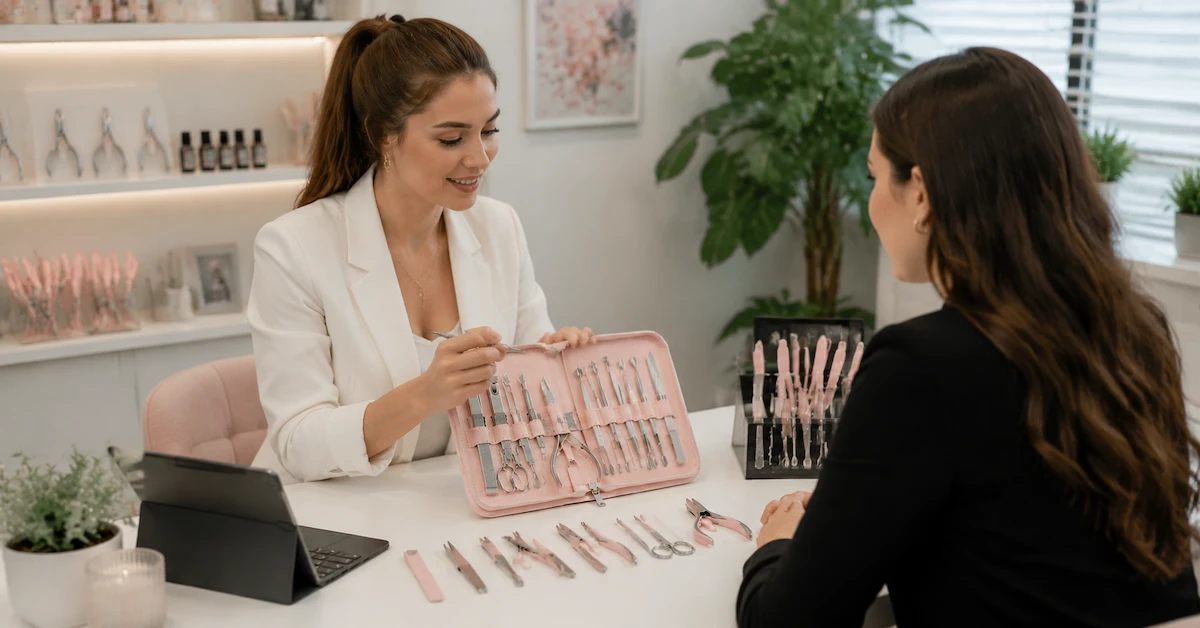
The best wholesale tweezer is not the same for every buyer. A beauty retailer may want a stylish, easy-to-merchandise option with clear consumer benefits. A salon supplier may need a more professional-feeling tool with reliable tip precision. An online brand may prioritize strong photography, compact packaging, and a feature that explains well in product listings. A promotional buyer may need a practical design that balances cost and acceptable quality.
Start by defining the customer problem. If the target user struggles with visibility, LED tweezers may be relevant. If the audience values professional brow shaping, tip precision and grip control should lead the selection. If the product will be included in a grooming set, finish consistency and packaging coordination become more important.
Successful tweezers wholesale sourcing comes down to disciplined choices: verify precision, test comfort, review materials, confirm packaging, and match the product story to the customer. With thoughtful selection, tweezers can be more than a basic accessory. They can become a dependable part of a beauty tool line that earns trust through everyday performance.