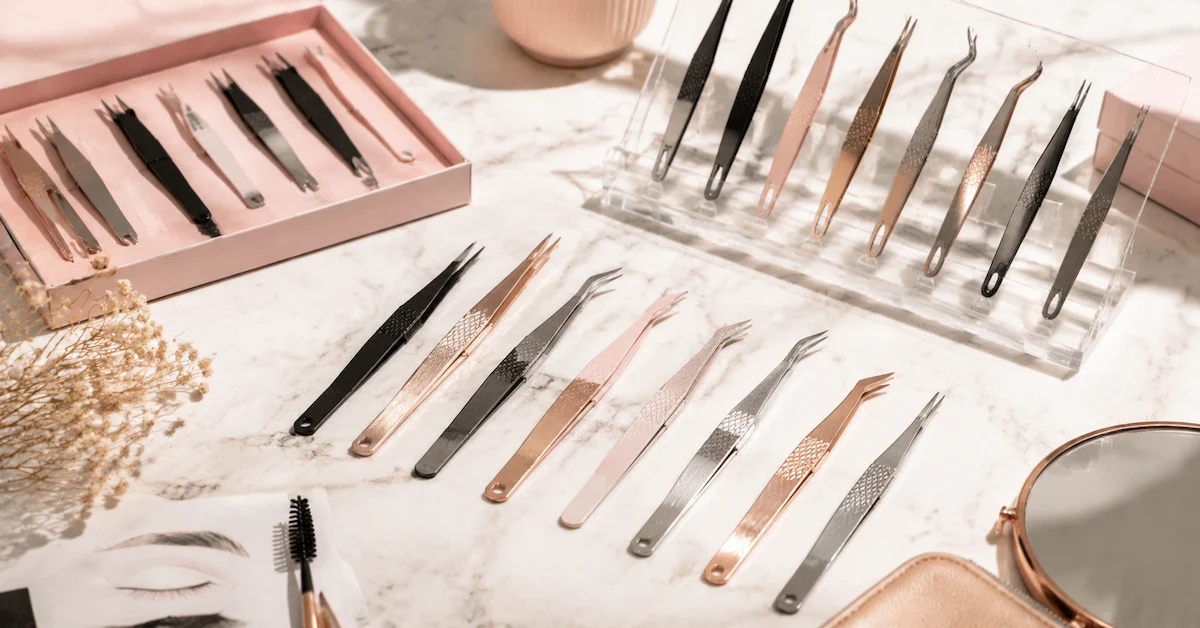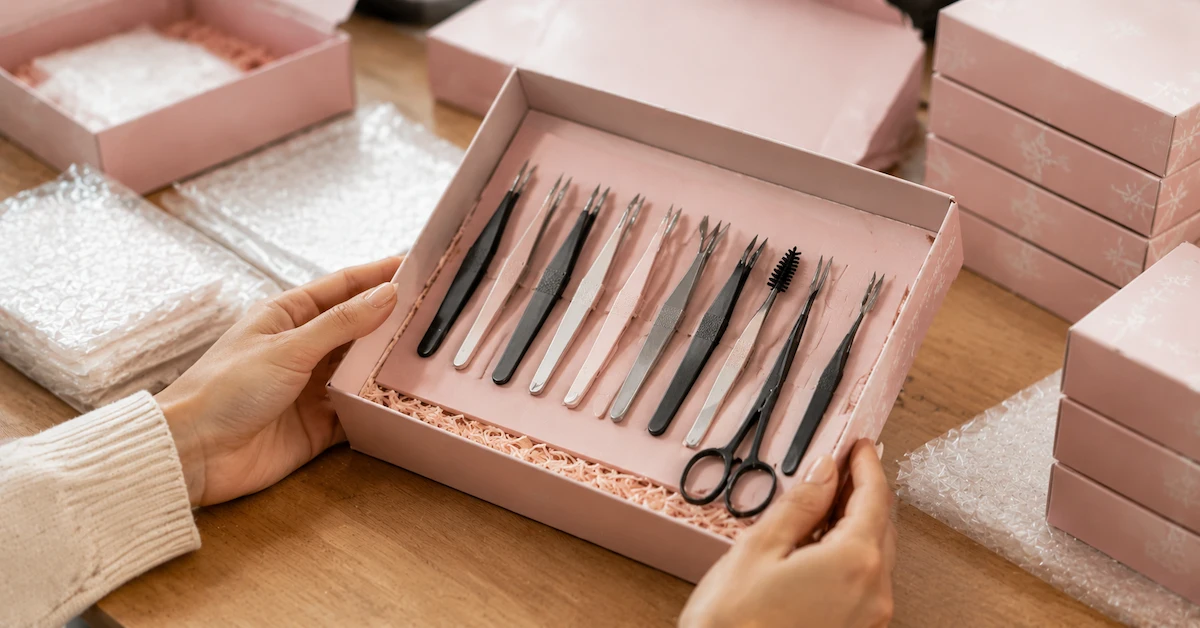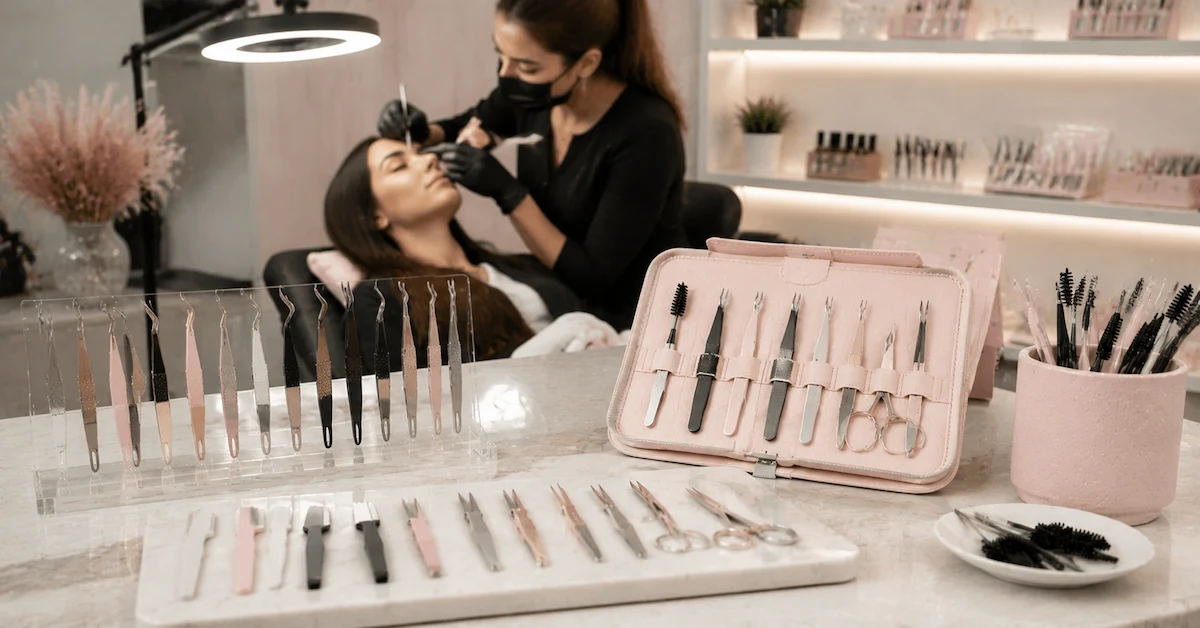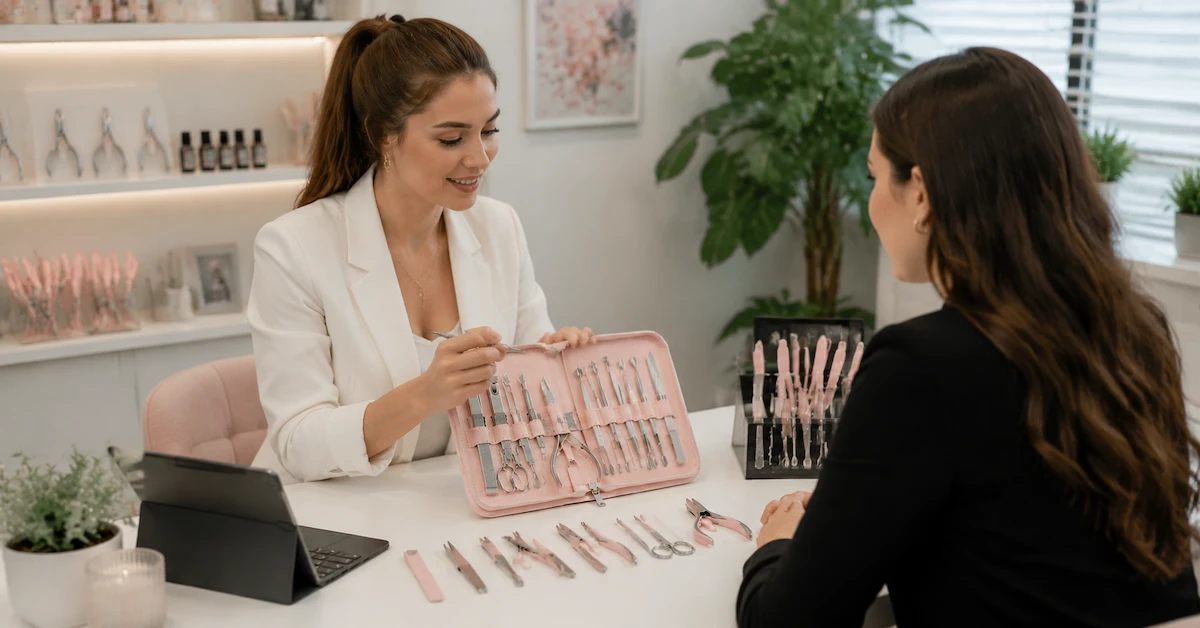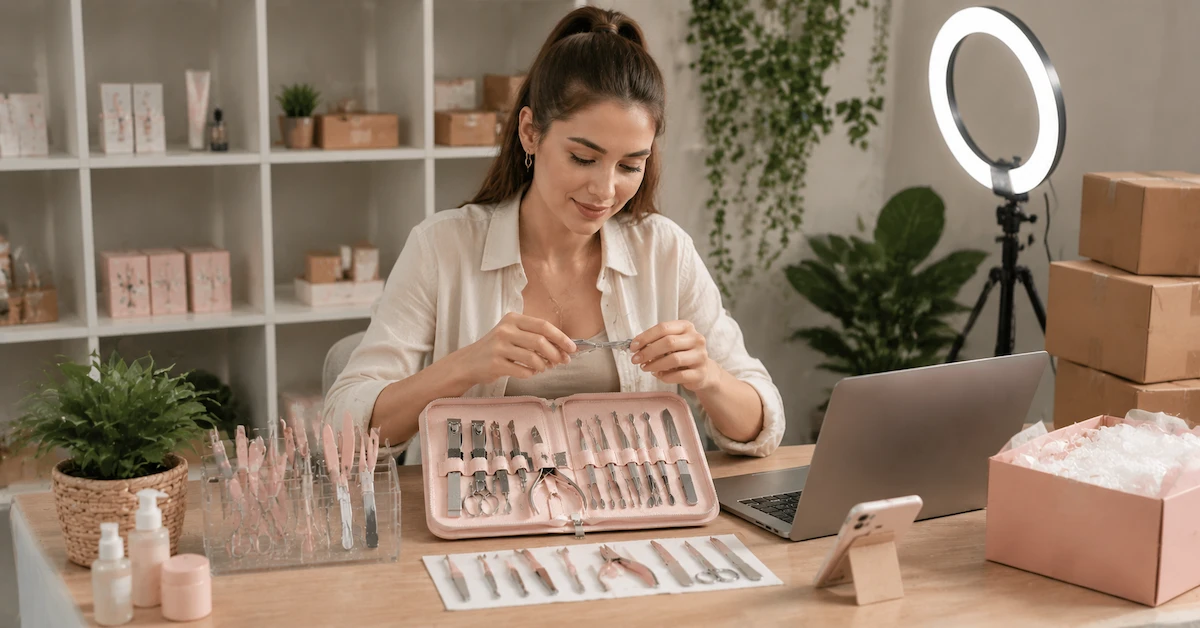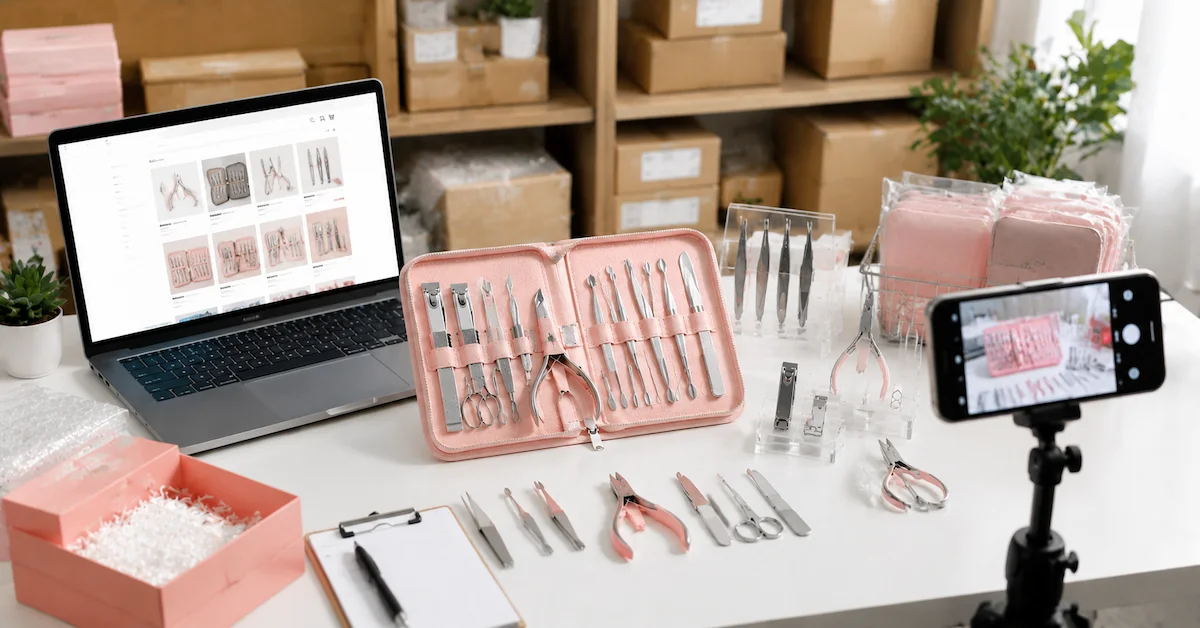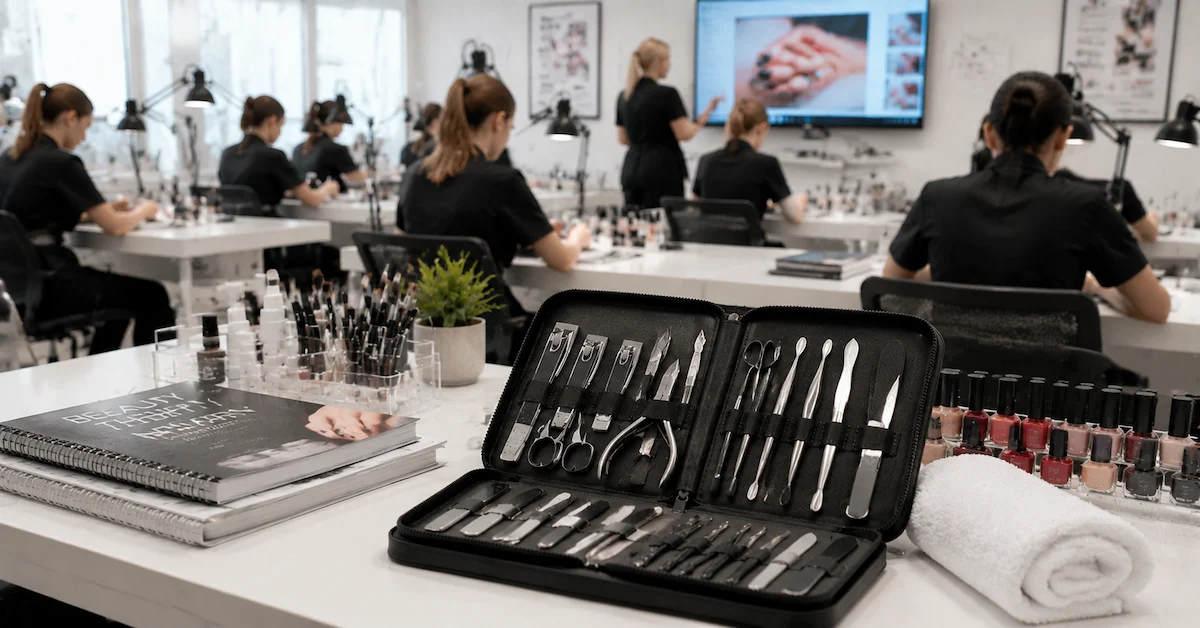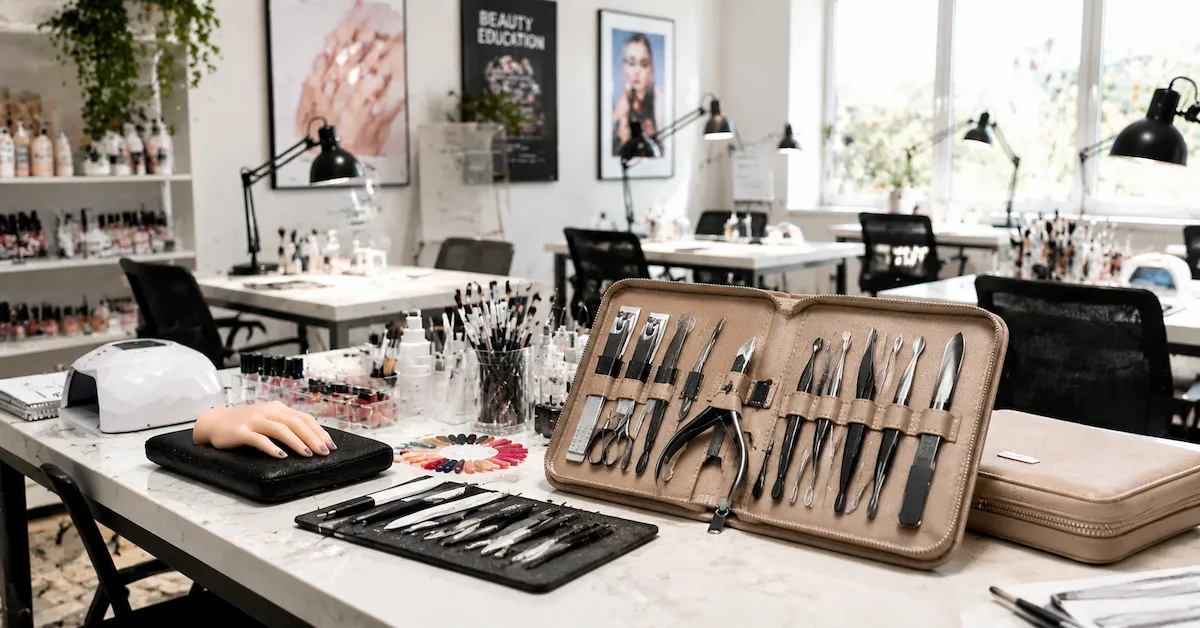











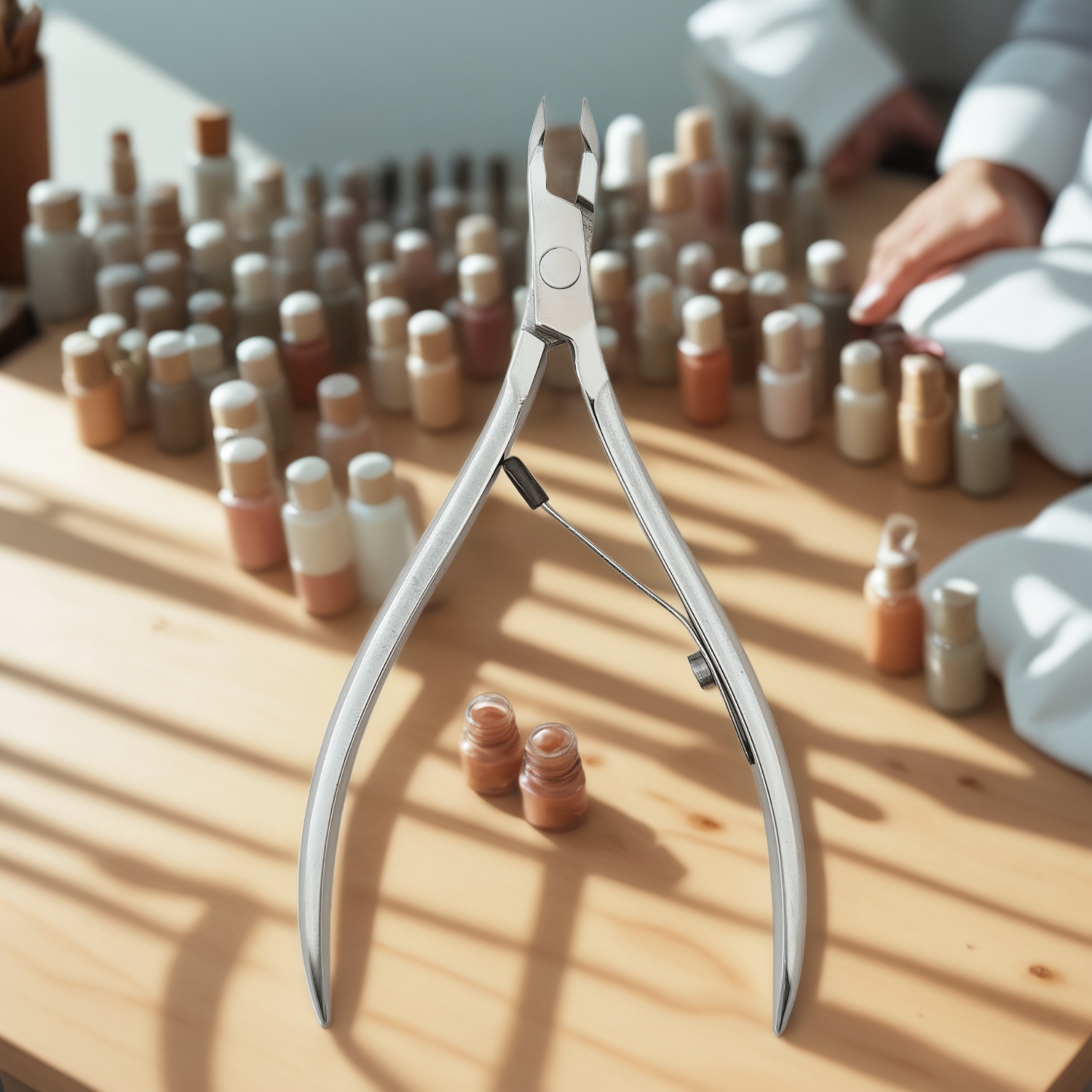
Professional manicure and pedicure services depend on skill, hygiene and consistency, but the tool set on the technician’s table plays a larger role than many buyers realize. A cuticle nipper that does not close cleanly, a file that wears too quickly or a poorly balanced implement can slow service, increase technician fatigue and affect the finished result. For salons, spas, nail studios and distributors, premium tools are not simply a visual upgrade. They are part of service quality control.
Client expectations have also changed. Many customers notice whether tools look clean, feel precise and are handled with care. They may not know the technical difference between two nail implements, but they can feel rough edges, discomfort during cuticle work or inconsistent shaping. This is why more professional buyers are moving away from generic low-cost implements and toward carefully selected manicure and pedicure tools designed for repeated salon use.
This guide explains what to evaluate when selecting tools for manicure and pedicure services, how to compare wholesale suppliers and how to maintain tools so they remain reliable for longer. Buyers can also explore Olimor’s broader beauty tool products when planning a complete professional tool range.
Why Tool Quality Matters in Manicure and Pedicure Services
In a salon environment, a tool may be used repeatedly throughout the day by different technicians. That makes consistency more important than a single first impression. A premium manicure or pedicure tool should support accurate work without requiring excessive hand pressure. It should also stand up to regular cleaning, storage and handling.
For manicure services, precision is especially important around the cuticle area and free edge of the nail. Clean cutting and controlled shaping help technicians work efficiently while reducing avoidable discomfort. For pedicure services, tools often need to handle thicker nails, harder skin around the nail area and longer service times. A weak implement can bend, dull quickly or feel unsafe in the hand.
Better tools also support a more predictable client experience. When every nipper, pusher, clipper and file in a workstation performs consistently, technicians can focus on technique instead of adjusting to poor tools. This helps standardize services across multiple staff members or salon branches.
Key Selection Criteria for Professional Nail Tools
When comparing manicure and pedicure tools, buyers should look beyond appearance and unit price. The most useful selection criteria relate to function, hand feel, durability and suitability for repeated professional use.
- Cutting alignment: Nippers and clippers should meet evenly at the cutting edge. Misalignment can crush instead of cut, causing rough results and more technician effort.
- Edge finish: Implements that contact the skin or nail should be smooth where appropriate, without burrs or harsh corners that could scratch the client.
- Grip control: Handles should allow stable control during detailed work. Very slippery, overly thin or unbalanced tools can increase hand strain.
- Spring or hinge action: Moving parts should open and close smoothly. Stiff or loose action makes precision work more difficult.
- Weight balance: A tool does not need to be heavy to feel professional. The important point is whether the weight helps the technician control the movement.
- Cleaning compatibility: Salon tools should be selected with cleaning routines in mind. Crevices, coatings and handle details should not make hygiene difficult.
- Replacement planning: Even high-quality tools wear over time. Choose items that can be reordered consistently so a salon’s tool standard remains stable.
For wholesale buyers, these criteria can be used as an internal evaluation checklist before placing larger orders. They help separate useful professional features from surface-level decoration.
Manicure Tools and Pedicure Tools: Different Service Demands
Manicure and pedicure tools are often grouped together, but the service demands are not identical. A buying plan should reflect how each tool will actually be used.
Manicure tools usually need finer control. Cuticle care, nail shaping and finishing work are performed at close range, often with small movements. A technician may prefer tools that are compact, responsive and easy to reposition in the hand. In this setting, small details such as tip shape and handle comfort can make a noticeable difference during a full day of appointments.
Pedicure tools may need more strength and stability. Toenails can be thicker, and technicians often work from different angles compared with a manicure table. Pedicure implements should feel secure in the hand and should not flex under normal professional use. For spas offering both beauty and wellness-focused foot care, reliable pedicure tools help maintain a calm, controlled service experience.
Buying the same quality level for both categories is important, but it does not mean buying identical tools. A well-planned tool assortment may include finer implements for manicure detail work and sturdier options for pedicure services.
What Salons Should Check Before Buying Wholesale
Wholesale purchasing can reduce cost and simplify restocking, but it also increases the importance of evaluation before committing to volume. A low unit price is not helpful if tools require frequent replacement, feel inconsistent between batches or create extra work for technicians.
Before making a larger purchasing decision, salon owners and distributors can review the following comparison points:
| Buying factor | Why it matters | What to evaluate |
|---|---|---|
| Tool consistency | Supports the same service standard across workstations | Check whether samples match in alignment, finish and hand feel |
| Professional usability | Reduces technician fatigue and service delays | Let experienced technicians test grip, balance and movement |
| Assortment fit | Prevents overbuying tools that do not match the service menu | Map each tool to manicure, pedicure or shared-use services |
| Packaging needs | Important for retail, distribution and organized storage | Consider labeling, protection during shipping and presentation |
| Reorder reliability | Keeps tool standards stable over time | Confirm whether the same item type can be sourced again when needed |
For businesses comparing product lines, Olimor’s product collections can help organize purchasing by tool type and intended use. Buyers with specific service requirements can also send an inquiry to discuss suitable beauty-tool options.
Technician Comfort Is a Business Consideration
Ergonomics is sometimes treated as a luxury feature, but in a professional salon it directly affects productivity. Technicians repeat the same fine movements many times each day. If a tool requires extra pressure, slips easily or forces an awkward wrist angle, fatigue builds quickly.
Comfortable tools support better control. A stable grip can help a technician make smaller, more accurate movements during cuticle work or nail trimming. Smooth hinge action can reduce the effort needed to open and close nippers. Balanced weight can make a tool feel steady without feeling tiring.
When testing tools, buyers should involve the people who will use them every day. A tool that looks impressive in a catalog may not be the best choice after twenty minutes of real service use. Practical feedback from technicians is one of the most reliable ways to select tools that will remain in use instead of being left in a drawer.
Maintenance Practices That Protect Tool Performance
Premium tools still need proper maintenance. Poor cleaning, wet storage or careless handling can shorten the life of even well-made implements. Each salon should follow hygiene requirements relevant to its location and service type, while also training staff to protect tool edges and moving parts.
- Clean promptly after use: Remove visible residue before it dries around joints, tips or textured grip areas.
- Dry thoroughly: Moisture left on tools or inside hinges can contribute to staining, stiffness or corrosion depending on the material and finish.
- Store safely: Cutting edges should not knock against other metal tools in a loose drawer. Use trays, pouches or protected compartments where practical.
- Inspect regularly: Look for dull edges, loosened hinges, bent tips or rough spots that could affect service quality.
- Remove damaged tools from service: A tool that no longer cuts cleanly or feels unstable should not remain in daily salon use.
Maintenance is also a purchasing issue. Tools that are difficult to clean, awkward to dry or fragile in storage may not suit a busy salon, even if they look appealing at first. The best professional tools fit naturally into the salon’s hygiene and workflow systems.
Building a Smarter Manicure and Pedicure Tool Assortment
A strong salon tool assortment is built around the service menu. A quick manicure station, a full-service spa pedicure area and a retail beauty-tool display may all require different buying decisions. Instead of ordering a broad mix of items without a plan, buyers can start by listing the core services offered and identifying the tools required for each step.
For example, a basic professional manicure setup may focus on nail shaping, cuticle preparation and finishing. A pedicure setup may require tools that support more robust trimming and controlled foot-care work. If the business sells tools to consumers, packaging and ease of explanation may matter more than they do for back-bar professional use.
Distributors and multi-location salons should also consider standardization. When each location uses the same approved tool types, training becomes easier and quality control improves. Staff can share service techniques more consistently because they are not adjusting to different tool performance at every station.
Choosing a Supplier for Long-Term Salon Standards
The right wholesale partner should help buyers source tools that match real service needs, not just fill a price list. For manicure and pedicure products, useful supplier conversations often include tool function, assortment planning, packaging requirements and reorder expectations. The goal is to create a stable purchasing system that supports salon quality over time.
When comparing suppliers, look for clear product communication and a willingness to discuss intended use. Buyers do not need exaggerated claims; they need practical information that helps them choose the right implements for professional work. If a tool is intended for delicate manicure detailing, it should not be evaluated the same way as a sturdier pedicure implement. If packaging is important for retail or distribution, that should be considered early rather than after the order is prepared.
Olimor Beauty focuses on beauty tools for professional and wholesale buyers. Salons, spas and distributors reviewing manicure and pedicure assortments can contact Olimor for product selection discussions aligned with their business needs.
Final Thoughts for Professional Buyers
Premium manicure and pedicure tools help salons deliver cleaner, more consistent services when they are selected with care. The best buying decisions consider precision, technician comfort, hygiene workflow, durability and reorder planning together. Price still matters, but it should be measured against tool lifespan, service quality and staff usability.
For professional beauty businesses, tools are part of the client experience and part of the technician’s daily working environment. A well-chosen tool set supports confident service, protects the salon’s reputation and makes future purchasing easier. By applying clear selection criteria and working with a beauty-tool supplier that understands professional use, salons can build manicure and pedicure services on a stronger foundation.