










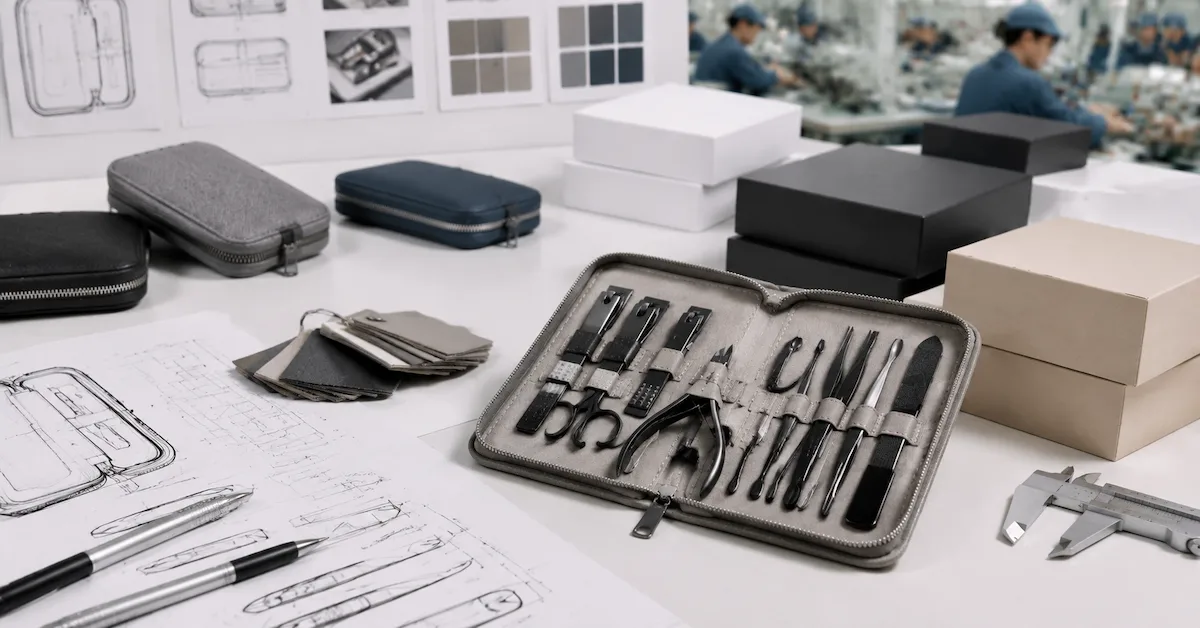
Choosing a custom grooming kit manufacturer is not only about finding a factory that can place nail tools into a pouch. For most sourcing teams, the real task is to create a compact product that protects sharp implements, looks organized when opened, supports branding, and fits the intended sales channel. A good grooming kit must work as a tool set, a storage case, a giftable item, and a branded retail product at the same time.
This guide explains how to evaluate a private label grooming kit project before committing to samples or production. It focuses on practical details buyers can verify: tool assortment, case structure, insert retention, packaging, customization scope, quality checks, and supplier communication. It does not assume a specific material, certification, price, MOQ, or delivery time unless the supplier confirms it in writing.
What Buyers Usually Mean by a Custom Grooming Kit
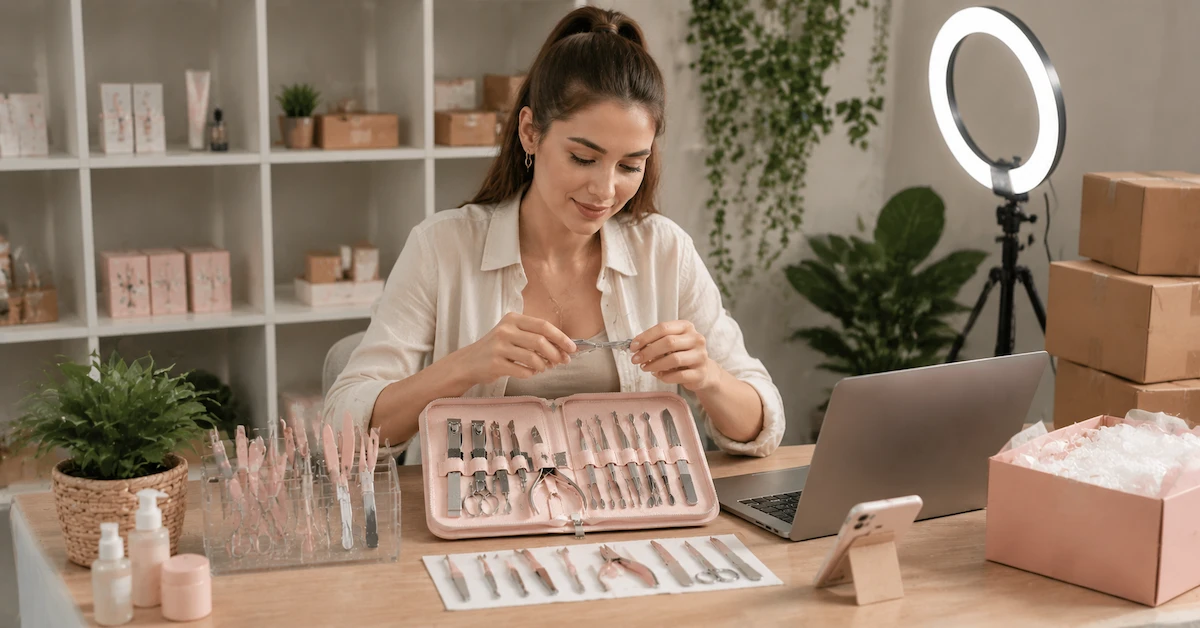
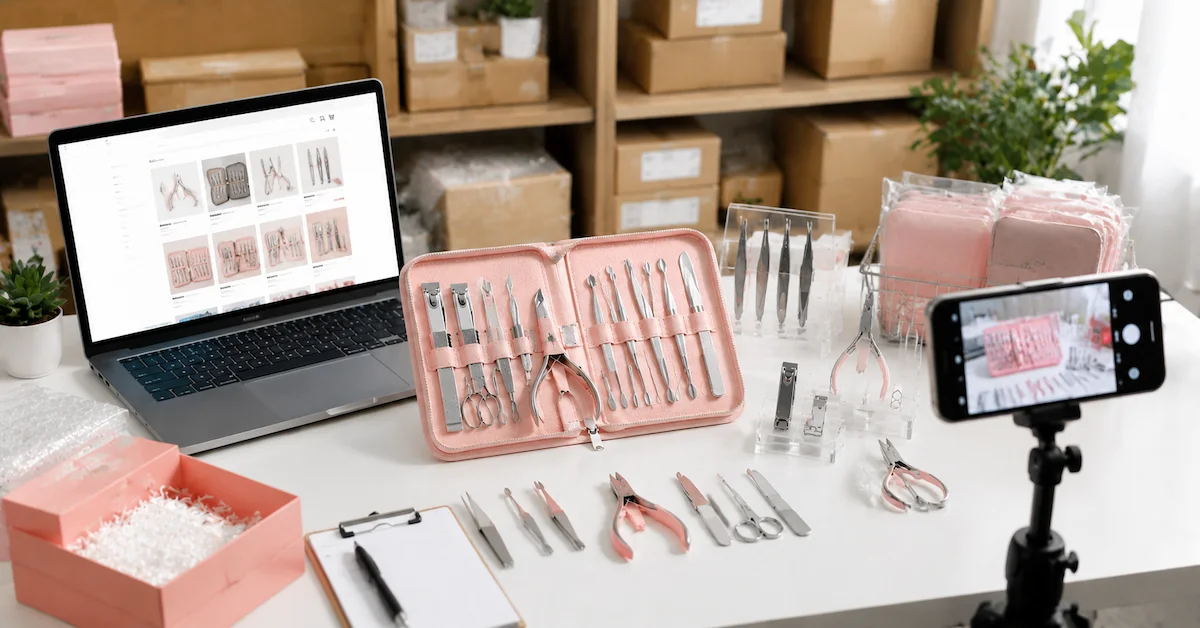
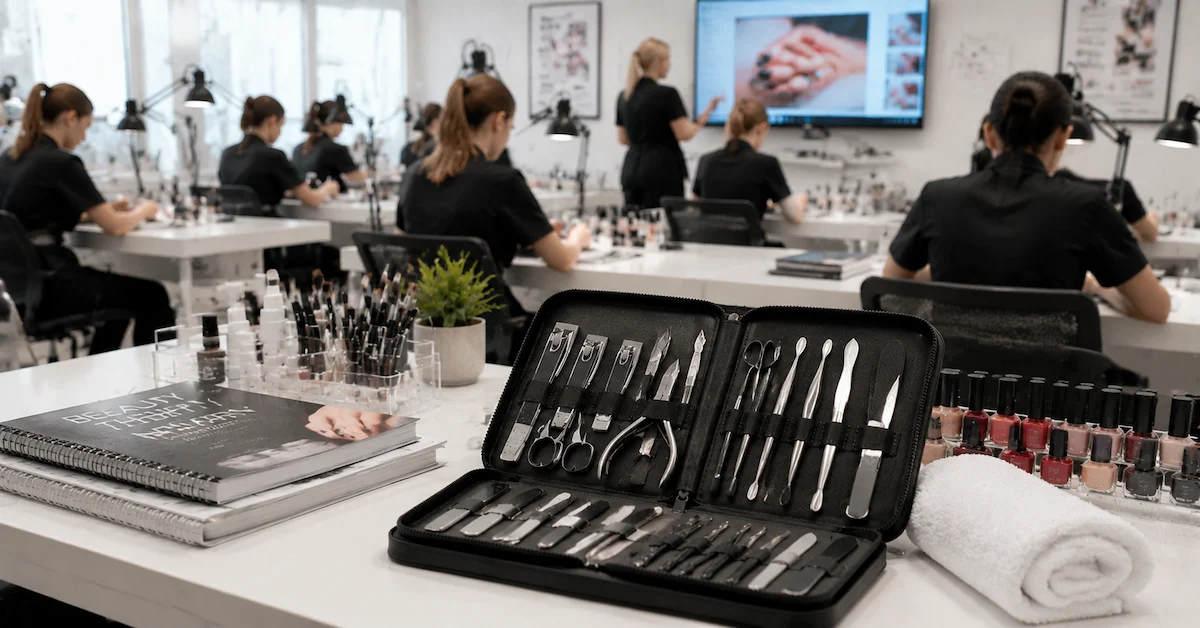
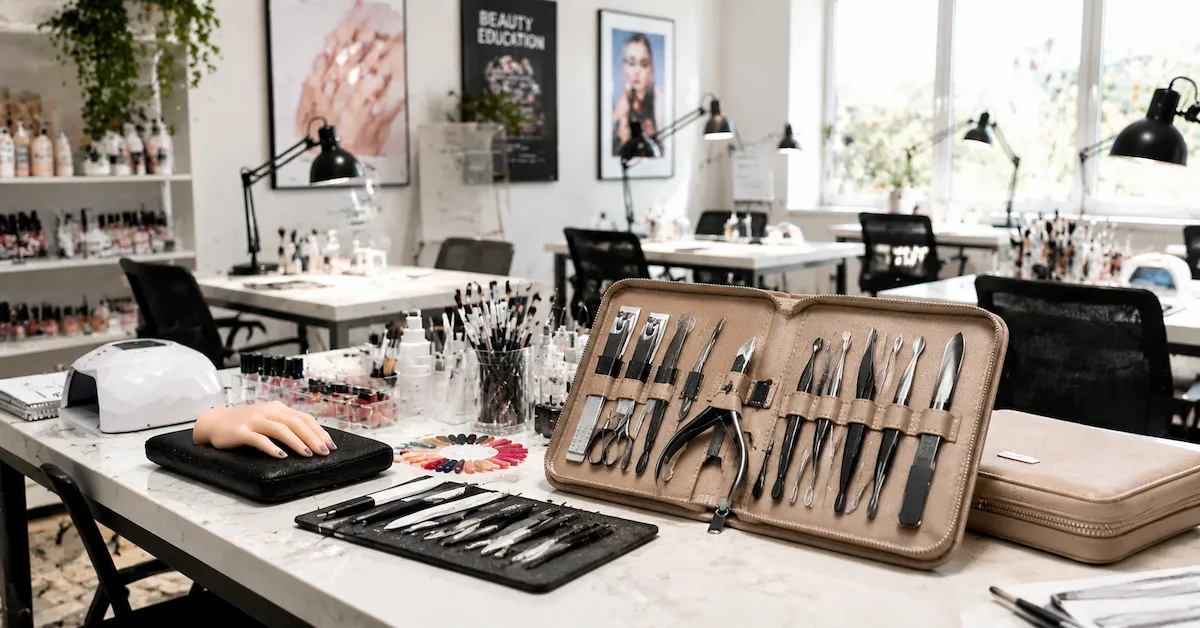
A custom grooming kit is usually a manicure, pedicure, or general personal-care set arranged inside a zippered case. Common tool categories may include nail clippers, scissors, cuticle nippers, tweezers, pushers, nail files, and small pedicure implements. The exact mix should be decided by the target user and sales channel, not by tool count alone.
The product format often appears simple: a semi-rigid or molded case, a zipper closure, a fabric or synthetic interior lining, and a fitted insert or elastic straps that hold slim metal tools in place. In practice, each of those elements affects perceived value. If the zipper catches, the insert lets tools shift, or the case looks distorted when filled, the whole kit feels lower quality even when the individual tools are usable.
For buyers comparing suppliers, the key question is: will this set feel coherent as a finished product? A grooming kit for travel, retail gifting, salon resale, hospitality, or promotional use can share the same basic concept, but each channel requires different priorities.
Match the Kit to the Sales Channel First
The best custom grooming kit specification starts with the end market. Selecting a case or tool list before defining the channel often creates avoidable cost and design problems. A compact travel set should not be built like a broad salon resale kit, and a corporate gift set may need stronger branding surfaces than a hospitality amenity kit.
Retail Gift Sets
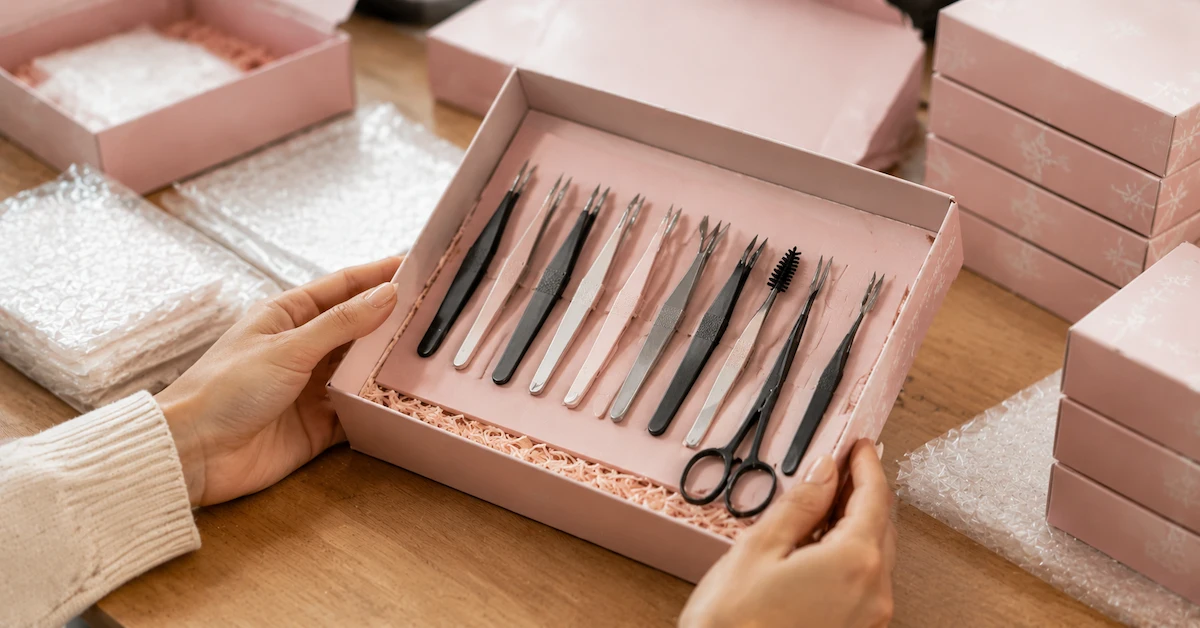
Retail buyers usually need strong shelf appeal and a neat unboxing experience. The outer carton, case color, interior contrast, and tool arrangement all influence how quickly a shopper understands the product. A rigid paperboard carton in a simple color direction can support a private label presentation, but it should not be used to hide a weak internal layout. The kit must look orderly the moment it is opened.
Travel and Everyday Carry Kits
Travel grooming kits need compactness, reliable closure, and tool retention. A zippered hard or semi-rigid case can help protect pointed or sharp items from rubbing against one another inside a bag. Buyers should check whether the case closes easily when fully loaded and whether tools remain in position after normal handling.
Promotional and Corporate Gift Programs
Promotional buyers often focus on branding space, coordinated colorways, and a finish that looks presentable without adding unnecessary complexity. The case surface, insert card, sleeve, or outer carton may be more practical for logo application than decorating each tool. Discuss branding placement early so the supplier can advise what is realistic for the selected material.
Hospitality, Salon, and Spa Use
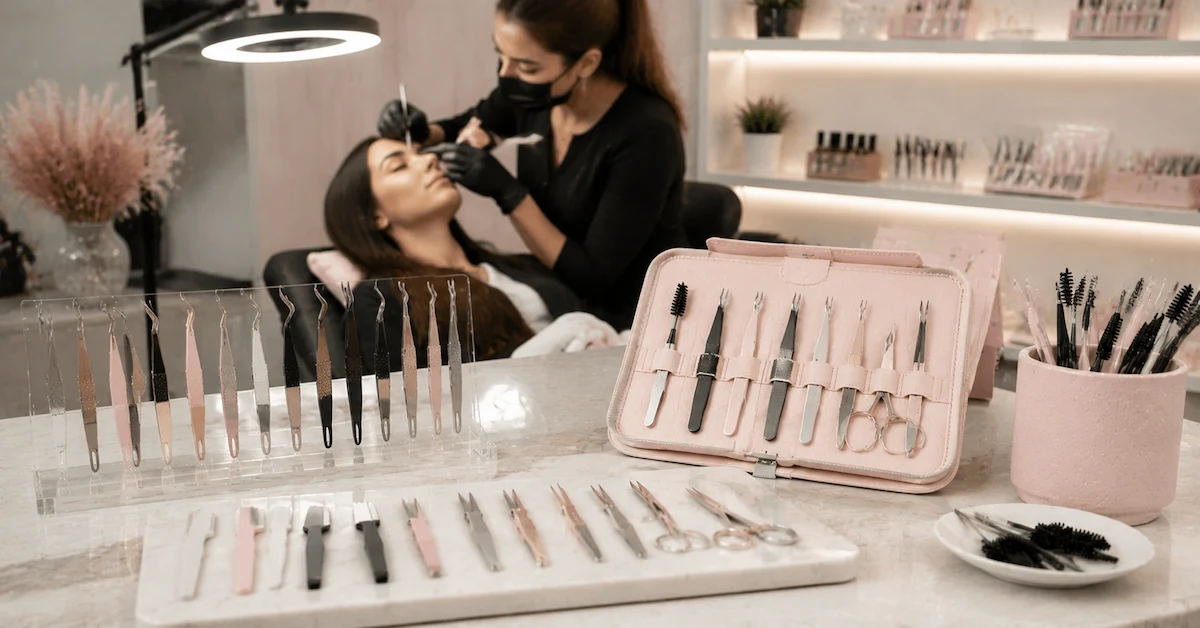
Hospitality buyers may value consistent assembly, clean presentation, and easy replenishment more than ornate packaging. Salon and spa resale programs usually need a useful assortment and a professional-looking case, but buyers should avoid unsupported professional-grade claims unless supplier documentation and product evidence justify them.
Core Components to Evaluate
A grooming kit is a system. The tools, case, insert, zipper, lining, and carton must be developed together. When comparing a custom grooming kit supplier, inspect each component separately and then assess the finished set as a whole.
Tool Assortment
The tool list should match the use case. A manicure-pedicure set may include clippers, scissors, tweezers, cuticle tools, files, and pedicure accessories. More pieces do not automatically mean higher value. Too many niche implements can make the kit look busy, increase assembly complexity, and confuse the end user. A lean, useful assortment often feels more premium than an overloaded case.
Buyers should request confirmation on which tools can be changed, removed, or substituted for different market positions. For example, a travel kit may emphasize essential grooming tools, while a retail gift set may include a broader selection for visual fullness. The supplier should be able to discuss the relationship between tool size, insert layout, and case dimensions before production decisions are locked.
Tool Finish and Consistency
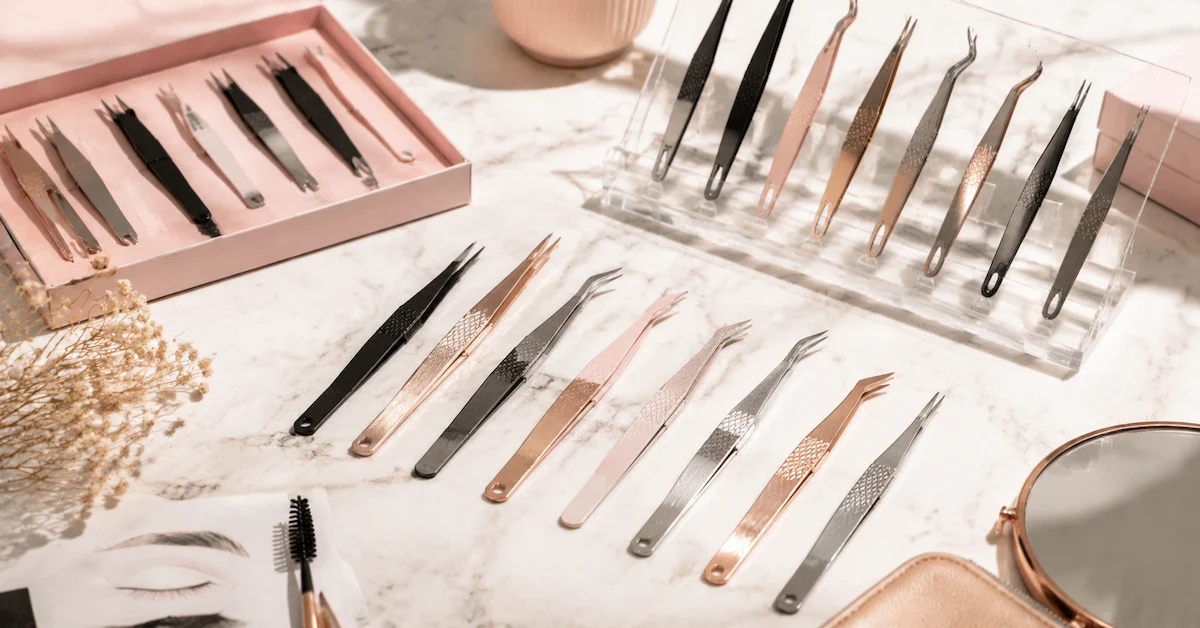
Metal grooming tools may have polished, matte, coated, black, silver, or mixed finishes depending on the design. A dark or matte finish can give strong contrast inside a light lining and create a refined appearance, but appearance alone is not enough. Buyers should inspect whether the finish is even across the set, whether edges feel appropriate for the tool function, and whether moving parts operate smoothly on samples.
Do not rely only on catalogue photos. Small tools reveal defects quickly because users handle them closely. Request physical samples and check finish consistency under normal lighting, not only studio lighting.
Case Construction
The case may be described as hard, semi-rigid, molded, textured, fabric-covered, PU, EVA, synthetic leather, or another construction. Because external photos can look similar, buyers should verify the actual material and internal structure. Material choice affects cost, feel, durability, decoration method, and how the case behaves when zipped shut.
During sample review, check whether the case holds its shape, whether the corners look clean, whether the zipper runs smoothly, and whether the case closes without strain when all tools are in place. A compact case with a neat profile is often better for travel and gifting than an unstructured pouch because it gives the set a clear protective function.
Insert, Elastic, and Tool Retention
Tool retention is one of the most important quality points in a custom grooming kit. Elastic straps, fitted slots, molded inserts, or padded layouts should keep tools secure without making them difficult to remove. If the retention is too loose, tools can rattle, rub, or arrive misaligned. If it is too tight, users may struggle to return tools after use.
The insert should be designed after the tool assortment is confirmed. Choosing the case first and forcing tools into the available space often leads to wasted areas, crowded slots, or awkward placement. A good supplier will discuss how each tool sits in the case and how the arrangement will look when opened.
Packaging and Shelf Presentation
Outer packaging is part of the product, especially for retail and gifting. Rigid paperboard cartons, sleeves, labels, or printed boxes can support different brand styles, from minimal to gift-oriented. However, packaging should be specified as a system with the case and tools. A premium-looking box cannot compensate for a poorly arranged interior.
Buyers should clarify which elements are customized: case color, case surface decoration, zipper pull, interior lining, tool finish, insert layout, instruction card, outer carton, barcode label, or shipping carton marks. The more elements included in the private label program, the more important supplier coordination becomes.
Comparison Table: How to Choose the Right Grooming Kit Format
| Buying scenario | Main priority | Key specification questions | Common risk to avoid |
|---|---|---|---|
| Retail gift set | Shelf appeal, organized opening, brand presentation | Can the case, insert and carton work as one visual package? | Using attractive packaging while ignoring tool retention and interior layout |
| Travel grooming kit | Compact size, secure closure, tool protection | Does the zippered case close cleanly when fully loaded? | Selecting too many tools for a small case, causing crowding or zipper strain |
| Corporate gift or promotion | Branding surface, perceived value, cost control | Where can the logo or label be applied most reliably? | Planning decoration after the case material is already fixed |
| Salon or spa resale | Useful assortment, clean finish, repeatable quality | Does the tool mix match customer needs without unnecessary pieces? | Assuming a higher tool count equals better value |
| Hospitality program | Consistency, easy handling, practical presentation | Can the supplier maintain the same layout and packaging across batches? | Choosing an ornate design that complicates replenishment or assembly |
OEM and Private Label Coordination
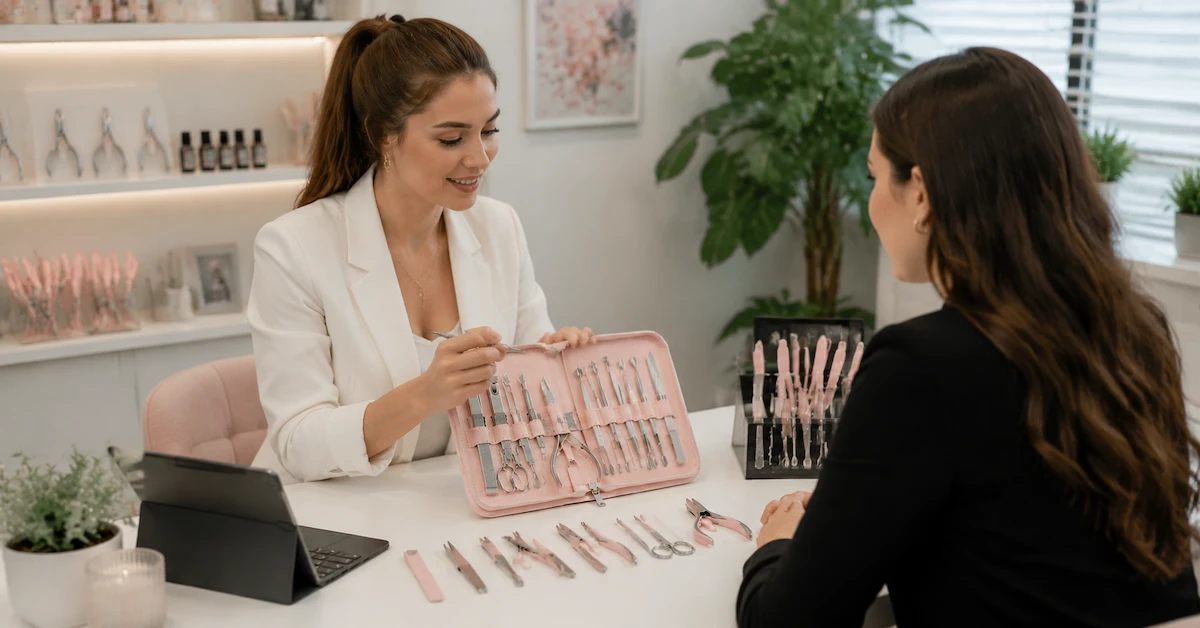
Many grooming kit projects are OEM or ODM programs in practice, even when they look simple on a specification sheet. Tools, cases, inserts, decoration, cartons, and final packing involve different production steps. A sourcing team may provide a target cost range, a basic tool list, and branding direction; the manufacturer then needs to translate that into a feasible product.
For private label grooming kit development, early coordination prevents costly rework. The supplier should help determine whether the desired case size fits the tool assortment, whether the insert can retain each implement, and whether the packaging can be assembled efficiently. If the product is intended for retail, the carton design and product layout should be reviewed together rather than separately.
Olimor supports grooming tool buyers who need practical product discussion before confirming a build. You can review available personal-care categories through the Olimor product range or use the custom inquiry form to share a target assortment, packaging direction, and branding requirements.
Quality Checks Before Approving Samples
Sample approval should be hands-on. A grooming kit is judged through touch, opening, closing, and tool removal, not only through images. Ask for representative samples and inspect them in the same way an end customer would use the product.
- Case shape: Check whether the case remains neat when filled and whether the corners, seams, or edges look consistent.
- Zipper function: Open and close the case several times. The zipper should run without catching or pulling the case out of shape.
- Tool retention: Turn the open case gently and observe whether tools stay in their slots or straps.
- Interior layout: Confirm that each tool is easy to see, remove, and replace.
- Finish consistency: Compare all metal tools for color, surface appearance, and obvious blemishes.
- Assembly neatness: Look for misaligned straps, loose threads, excess adhesive, or uneven insert placement.
- Packaging fit: Place the kit into its carton and check whether the carton protects the case without excessive looseness.
For regulated markets or specific retailer requirements, buyers should also verify applicable documentation. Public frameworks such as ISO 9001 for quality management systems or REACH requirements for chemical substances in the European market may be relevant depending on the product, materials, and destination. Buyers should confirm the applicable version, scope, and supplier documents. Do not assume a supplier holds a certification or compliance status unless it provides valid evidence.
Cost Factors Without Guesswork
Custom grooming kit cost depends on choices across the whole system. Buyers should avoid asking for a final quote before clarifying the main cost drivers. The most important factors usually include tool count, tool finish, case material, case structure, insert design, decoration method, outer packaging, inspection requirements, and order complexity.
A semi-rigid case with a fitted interior may cost more than a simple pouch, but it can create a stronger travel or gift product. A special tool finish may improve presentation, but only if it remains consistent across the set. Custom packaging may help retail conversion, but it also adds artwork approval and production coordination. The practical approach is to define must-have features first, then identify which design elements can be simplified if cost needs adjustment.
How to Evaluate a Custom Grooming Kit Supplier
A capable supplier should do more than quote a generic kit. It should ask about the sales channel, branding method, tool list, case preference, packaging style, and inspection expectations. If a supplier cannot discuss insert design, case material options, tool retention, and packaging workflow, the project may become difficult once customization begins.
Use this checklist before committing:
- Can the supplier explain the difference between available case constructions rather than using vague material descriptions?
- Can it adjust the tool assortment for travel, retail, hospitality, salon resale, or promotional use?
- Can it provide samples for checking case closure, tool retention, finish, and packaging fit?
- Can it support private label elements such as case decoration, insert cards, labels, or cartons?
- Can it describe how finished kits are checked before shipment?
- Can it confirm MOQ, lead time, artwork requirements, and packing details in writing instead of relying on assumptions?
Buyers who are still defining a product can browse Olimor options in the beauty tool collection and then contact the team through Olimor contact support for project-specific discussion. Share the intended market, desired tool list, reference packaging, and any retailer or import documentation requirements so the response can be more accurate.
Common Mistakes to Avoid
The first mistake is treating all grooming kits as interchangeable. A pharmacy shelf product, travel accessory, corporate gift, and hospitality amenity may use similar tools, but they require different presentation and cost priorities.
The second mistake is judging value by tool count alone. A multi-piece set can feel poor if the tools are crowded, hard to remove, or placed in an unstable insert. A smaller kit with a logical assortment can be more useful and easier to sell.
The third mistake is confirming the case before confirming the tools. Tool length, thickness, and shape determine the insert layout and case size. If the case is selected too early, the final product may have awkward spacing or zipper strain.
The fourth mistake is assuming material, compliance, or performance based on photos. Two cases can look similar but use different internal construction. Always verify the material description, sample quality, decoration method, and documents needed for the destination market.
FAQ
Can I request samples before placing a custom grooming kit order?
Yes. Buyers should request samples to evaluate tool finish, case structure, zipper function, insert retention, packaging fit, and branding appearance. Sample terms should be confirmed directly with the supplier because they depend on the level of customization.
What MOQ should I expect for a private label grooming kit?
MOQ depends on the selected tools, case material, decoration method, packaging, and whether existing components can be used. Ask the supplier to quote MOQ by option rather than relying on a general number.
What parts of the grooming kit can be customized?
Common customization areas may include tool assortment, case color or surface decoration, interior layout, insert card, label, outer carton, and packaging style. The exact options depend on material, order requirements, and production feasibility.
How should buyers check quality before shipment?
Define inspection points in advance, including case appearance, zipper operation, tool retention, finish consistency, tool placement, carton condition, labeling, and packing accuracy. If a retailer or market requires specific documentation, verify it before production.
How is lead time determined?
Lead time is influenced by sample approval, component availability, customization complexity, packaging artwork, order quantity, and inspection requirements. Buyers should request a written schedule after the final specification is confirmed.
Final Takeaway
A custom grooming kit succeeds when tools, case, insert, and packaging feel like one planned product. The best manufacturer for a B2B buyer is not simply the one with the lowest quote or the longest tool list. It is the supplier that can help match the kit to the sales channel, verify materials and construction, support private label presentation, and provide samples that prove the set works in real use.
For sourcing teams, the safest path is to define the customer, confirm the tool assortment, review case and insert samples, then finalize packaging and branding. That sequence reduces rework and helps the finished grooming kit look credible, organized, and commercially ready.