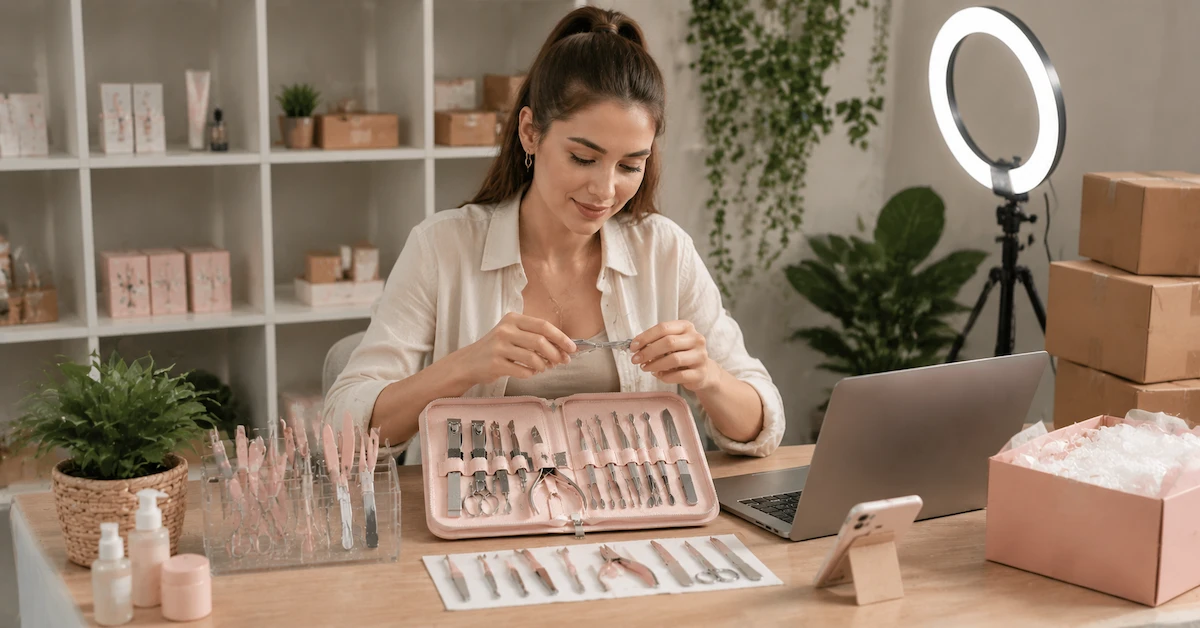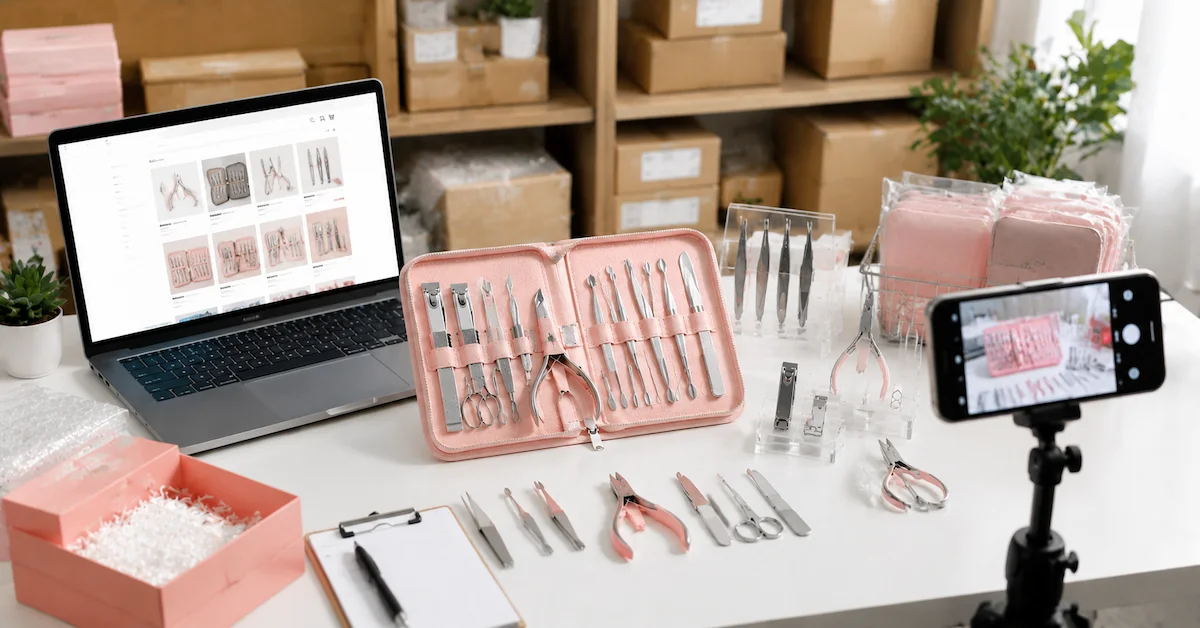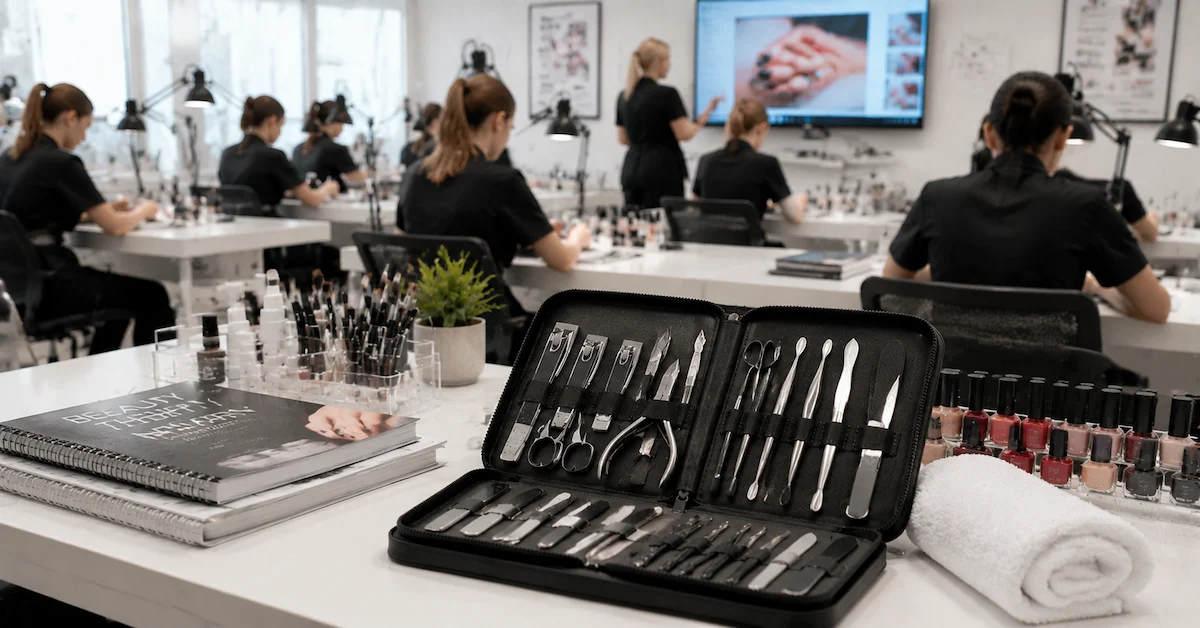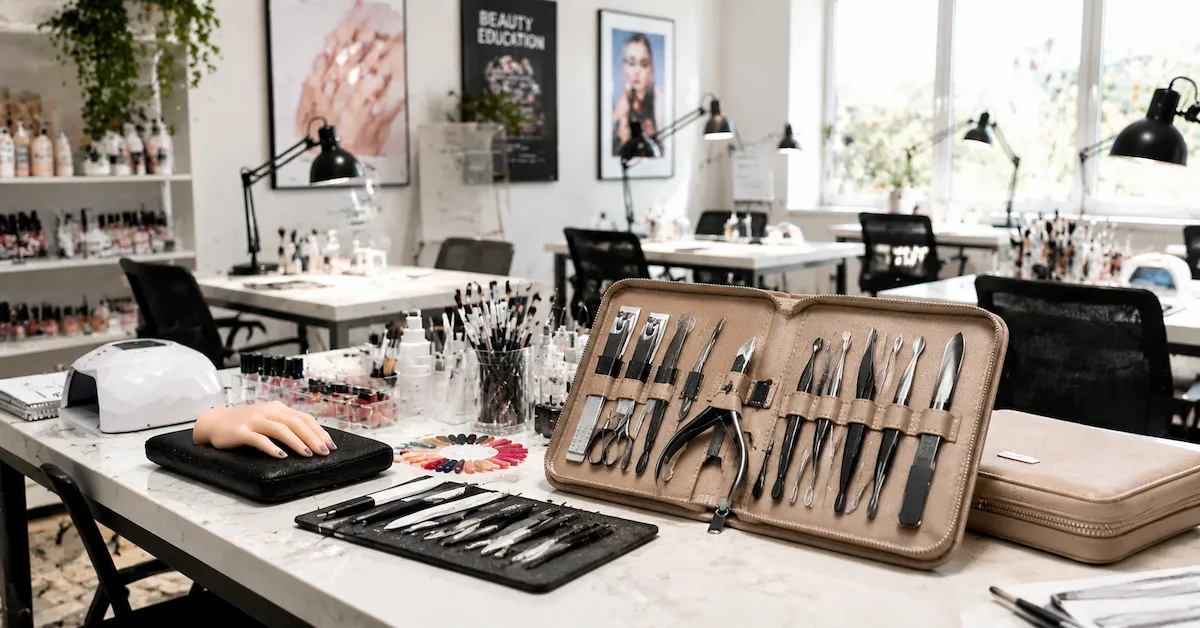











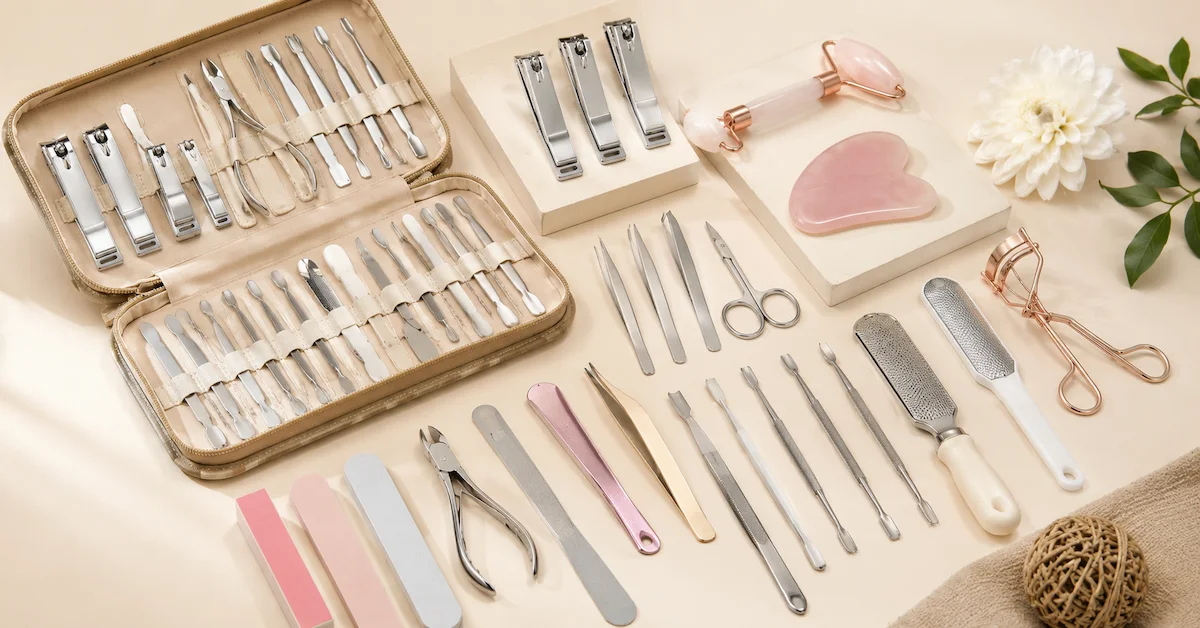
Bulk grooming tools are usually bought to solve a commercial problem: keeping retail shelves stocked, building salon or spa kits, creating e-commerce bundles, or sourcing a mixed personal-care assortment that can be divided into several sales channels. The tools may look simple in a product photo, but a good purchasing decision depends on more than a low unit price.
Nail clippers, cuticle scissors, tweezers, nail files, foot rasps, callus removers and facial rollers all have different quality points. Cutting edges, tip alignment, grip comfort, surface finish, packaging and material descriptions can affect customer satisfaction and complaint risk. For B2B buyers, the goal is not just to buy grooming tools in bulk. The goal is to choose an assortment that matches the way the business will sell, store, repack and support the products.
This guide explains what to check before ordering a wholesale grooming tool assortment, how to compare suppliers, and which details should be confirmed before committing to a commercial program.
1. Start With the Commercial Use Case
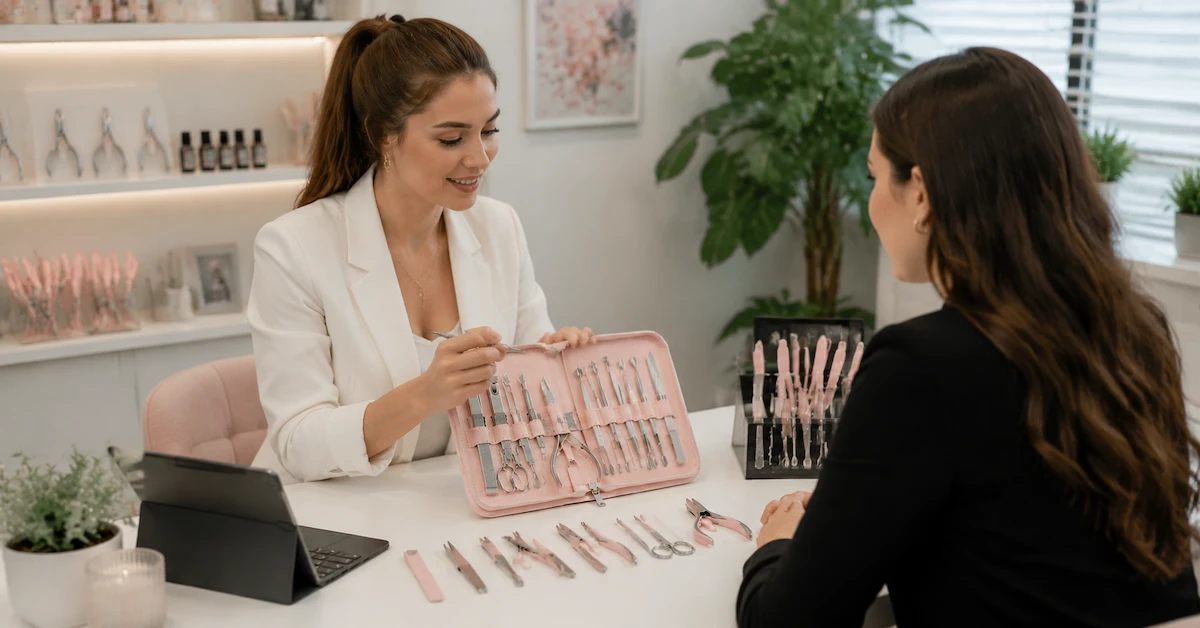
The best bulk grooming tool order begins with a clear sales plan. A salon distributor, retail buyer, online seller and private-label team may all purchase similar tools, but they do not evaluate them in the same way.
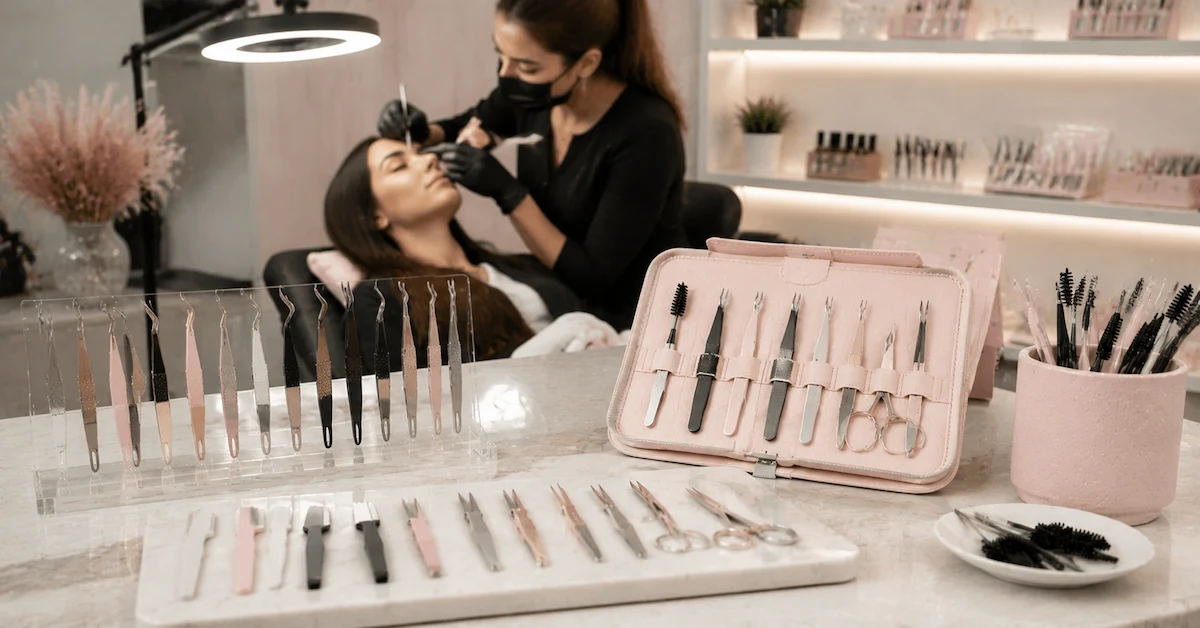
Salon and spa buyers usually care most about practical handling, hygiene routines, comfortable grip and reliable daily use. Retail and e-commerce buyers may place more weight on visual coordination, packaging condition, bundle flexibility and consumer presentation. Wholesale distributors often need the assortment to be easy to count, split and replenish. Private-label teams may care about repeatability, packaging consistency and whether the final set feels coherent to the end customer.
Before comparing offers, define whether the order will be sold as one mixed assortment, divided into manicure and pedicure products, packed into gift sets, or used as a base for a private-label personal-care range. This positioning decision helps prevent overbuying items that look attractive in a tray but do not match the sales channel.
Buyers reviewing broader beauty-tool options can start by comparing categories through Olimor’s beauty tool product range and then narrow the inquiry to the exact tool families needed.
2. What Is Commonly Included in a Bulk Grooming Tool Assortment?
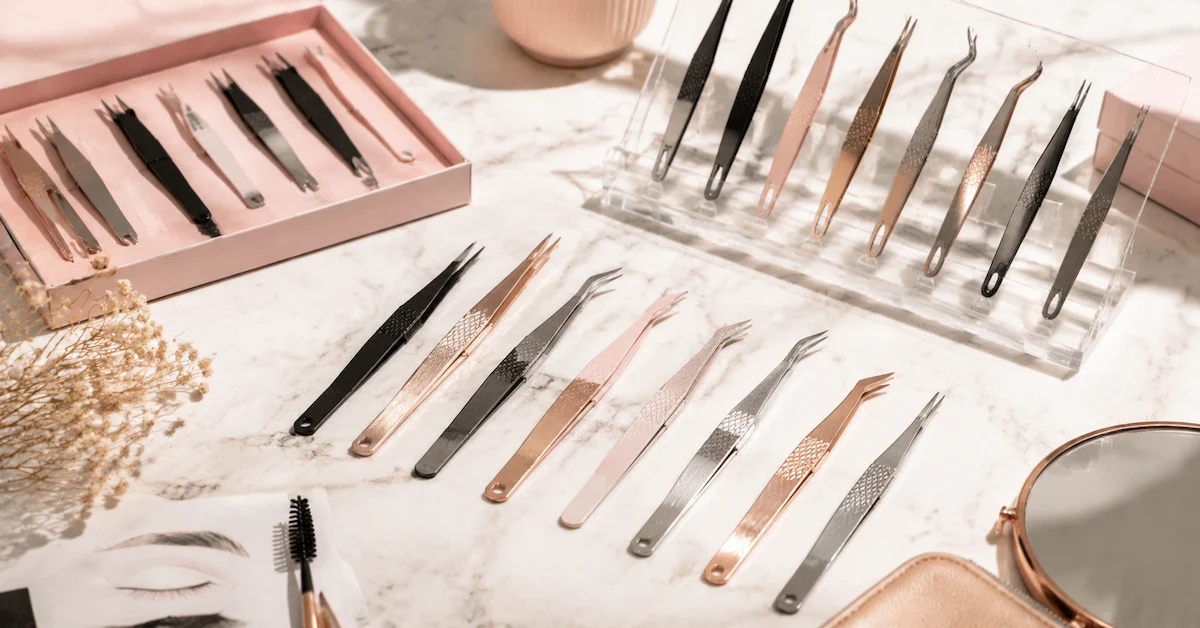
A bulk grooming assortment may include several personal-care tools rather than a single product type. Typical visible items include nail clippers, nail and cuticle scissors, tweezers, nail files, foot rasps or callus removers, and facial or skin massage rollers. This variety is useful because it can support manicure, pedicure, eyebrow grooming, basic foot care and facial-care add-ons.
The commercial benefit of a mixed assortment is flexibility. A beauty retailer may create multiple display sections from one purchase. A salon supplier may separate the manicure and pedicure tools from decorative roller items. An online seller may build smaller kits for different audiences. A general merchandise distributor may split the lot across store programs, seasonal promotions or value bundles.
The risk is assuming that every item in the box follows the same material, finish or performance expectation. Many grooming tools are metal, with polished, chromed, brushed silver or colored handle accents such as black, white, cream or rose-gold tones. Some rollers may appear jade-like, rose-quartz-like, green, pink or translucent. Appearance alone should not be used as a material claim. If the exact material matters for labeling, marketing or customer expectations, buyers should confirm it in writing with the supplier.
3. Why Bulk Packaging Changes the Buying Decision
Bulk packaging affects more than freight efficiency. It influences receiving, inspection, counting, repacking, warehouse storage and retail readiness. A carton that looks efficient at purchase may create extra labor if the contents are not clearly separated or if small tools become mixed during transit.
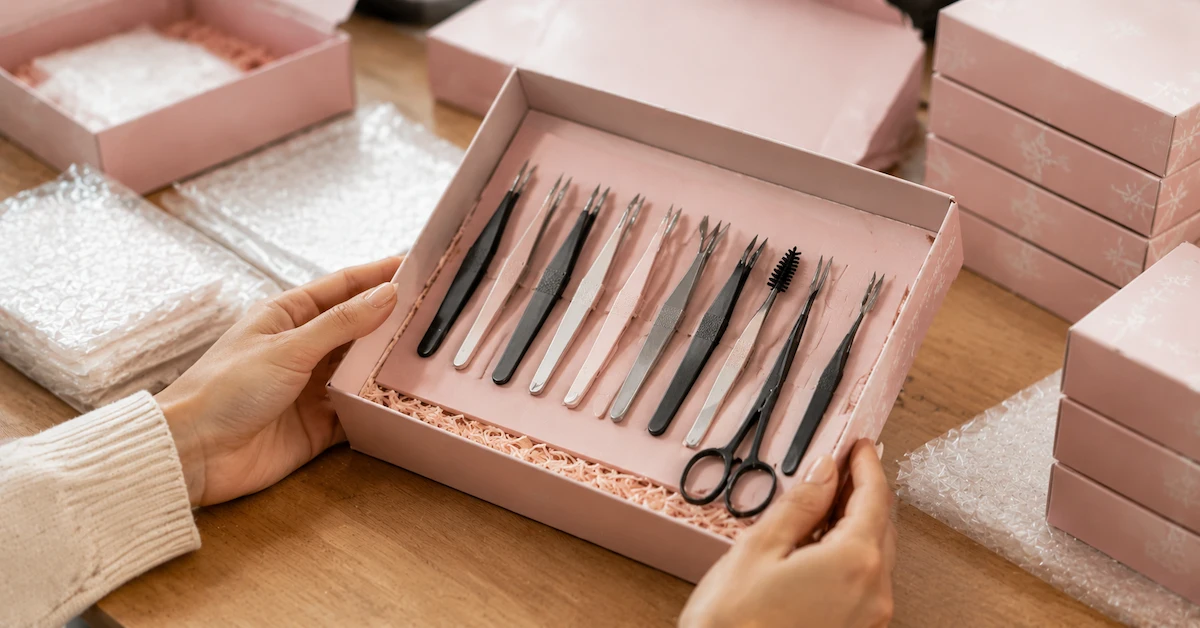
For mixed grooming tools, buyers should request a clear pack-out description. A useful supplier response should identify the tool families included, visible style differences, packaging format and whether the assortment is intended for direct resale, repacking or further bundling. If the order will be converted into gift sets, hotel amenity packs, salon starter kits or online bundles, packaging compatibility becomes part of the cost calculation.
Good bulk packaging should make it easier to inspect the products, not harder. Trays, baskets and organized boxes can help receiving teams count items quickly, but only if the layout remains stable and the tools are accessible. If tools are nested too tightly, mixed loosely or packed without content identification, the buyer may save on the unit price but lose time during sorting and quality checks.
4. How Grooming Tools Are Usually Made and Checked
Most metal grooming tools use familiar production steps such as stamping, forming, grinding, sharpening, polishing and assembly. Nail clippers need clean jaw alignment, consistent closing action and comfortable lever movement. Scissors need balanced finger loops, smooth opening and closing, and edges that feel even. Tweezers depend heavily on tip alignment and finishing because a small mismatch can affect their usefulness. Nail files and foot rasps rely on surface texture, backing stability and clean edges.
Facial rollers are different from cutting tools. They may include stone-like, resin-like or other decorative components mounted on metal hardware. Because visual appearance can be misleading, buyers should avoid claiming a roller is made from a specific stone unless the supplier confirms the material and provides documents suitable for the intended market.
Inspection should include both appearance and use feel. A tool can look polished in a catalog image but feel slippery, rough, loose or awkward in hand. Buyers should check the edges, hinge movement, tip alignment, grip profile, surface finish and packaging condition. For tools with colored accents or decorative coatings, ask how the finish should be handled during storage and use, and confirm whether there are any care instructions that should be passed to retailers or consumers.
5. Buyer Priorities by Channel
Different buyers should not evaluate the same bulk grooming assortment with the same checklist. The table below summarizes the most common commercial priorities.
| Buyer type | Main priority | What to check before ordering | Common risk |
|---|---|---|---|
| Salon and spa supplier | Practical use and durability perception | Grip comfort, edge quality, hygiene handling, tool variety | Decorative tools may not suit frequent professional handling |
| Retail buyer | Visual presentation and category coverage | Finish consistency, coordinated styles, packaging condition, shelf-readiness | Assortment may look random if styles are not planned |
| E-commerce seller | Bundle flexibility and photography | SKU separation, product descriptions, clear material wording, repack options | Inaccurate material claims or inconsistent contents can increase returns |
| Wholesale distributor | Inventory control and easy splitting | Pack-out list, carton organization, counting method, reorder repeatability | Mixed lots can become difficult to manage in the warehouse |
| Private-label team | Consistent customer experience | Packaging options, tool selection, finish coordination, sample approval process | One weak tool can reduce perceived value of the full set |
6. Selection Criteria That Matter More Than the Catalog Photo
Catalog photos are useful for screening style, but they do not answer the most important B2B sourcing questions. Buyers should evaluate the product as a working tool and as a sellable commercial item.
Cutting and gripping performance
For clippers and scissors, check whether the edges meet cleanly and whether the movement feels controlled. For tweezers, inspect the tips from the front and side to see if they align. For files and rasps, feel the abrasive or textured surface carefully and check whether the backing appears stable.
Finish and surface condition
Polished or chromed surfaces can look clean and attractive, while brushed or textured areas may improve grip. However, buyers should examine whether surfaces show scratches, rough edges, uneven coating, discoloration or residue. For tools used in wet or humid environments, ask for recommended care and storage guidance rather than assuming all finishes behave the same way.
Material descriptions and marketing claims
Do not rely on visual terms such as jade-like, rose-quartz-like or stone-style as final product descriptions. If the product will be labeled or advertised with a material claim, request supplier confirmation and supporting documents suitable for your target market. This is especially important for online listings, retail packaging and private-label programs.
Packaging and repacking effort
Bulk packaging can reduce cost, but it can also add labor if the buyer needs to split products into smaller kits. Ask whether tools are individually protected, grouped by type, or supplied in trays or mixed cartons. If repacking is required, include that labor in the real landed cost comparison.
7. Cost Factors Buyers Should Compare
The cheapest quoted unit price is not always the lowest commercial cost. A sourcing team should consider the full cost of making the product ready for sale.
- Assortment composition: A broader mix may be useful, but only if each tool has a planned sales route.
- Inspection time: Mixed tools require item-by-item checks, especially when clippers, scissors, tweezers and rollers are combined.
- Packaging format: Bulk trays, loose packing or retail-ready packaging all create different labor and storage requirements.
- Customization needs: Logo, color, insert card, case or package changes may affect sampling, artwork approval and order planning.
- Compliance review: Requirements differ by market. Buyers should verify current rules, supplier documents and labeling obligations.
- Complaint handling: Poor tip alignment, weak cutting action or confusing material claims can create avoidable return costs.
If selling into regulated consumer markets, buyers should review applicable requirements with their own compliance team. For example, products placed in the European market may require attention to chemical restrictions under REACH, administered through the European Chemicals Agency, and U.S. consumer products may involve safety expectations overseen by the U.S. Consumer Product Safety Commission. Requirements change, and buyers should verify current versions and supplier documents for the exact product and market. Olimor certification should not be assumed unless it is specifically documented for the order.
8. Common Problems and How to Prevent Them
The most common sourcing mistake is treating all grooming tools as interchangeable. Two nail clippers can look similar but feel different in the hand. Two tweezers can share the same shape but perform differently if their tips do not meet cleanly. A foot rasp can look substantial but feel unfinished if the surface or edge treatment is poor.
Another mistake is buying a large mixed assortment without a channel plan. If the manicure tools sell quickly but the facial rollers do not match the retailer’s audience, inventory becomes unbalanced. If decorative items appeal online but professional buyers want plainer practical tools, the sales team may struggle to position the assortment.
Buyers should also avoid approving only the most attractive pieces in the sample. In mixed lots, every tool family should be checked. A polished roller or rose-gold accent may draw attention, but a weak clipper or misaligned tweezer can damage the perception of the entire set.
9. Supplier Evaluation Checklist
A good supplier makes the buying decision clearer. Before placing a bulk order, sourcing teams can use this checklist to compare offers.
- Request a contents list by tool family, not only a group photo.
- Ask for clear images of clippers, scissors, tweezers, files, rasps and rollers separately.
- Confirm whether materials and decorative components are described accurately for your market.
- Review packaging format and whether it supports inspection, storage and repacking.
- Check sample feel: cutting action, tip alignment, grip comfort, surface finish and packaging condition.
- Ask what customization options are available and what documents are required for artwork approval.
- Confirm how quality expectations will be recorded before production or shipment.
- Verify applicable compliance documents for the destination market rather than relying on assumptions.
Buyers who need a narrower range can review Olimor’s beauty tool collections to compare related product groups before building a bulk program. For a project-specific discussion, use the wholesale inquiry form with the intended channel, tool mix and packaging needs.
10. FAQ: Wholesale Grooming Tools
Can buyers request samples before a bulk grooming tool order?
Sample requests are commonly used to check tool feel, finish, alignment, packaging and assortment suitability. Buyers should confirm sample availability, sample contents and any related terms directly with the supplier.
Is there a fixed MOQ for mixed grooming assortments?
MOQ can depend on the tool types, packaging format, customization requirements and current production plan. Buyers should request the applicable MOQ for the exact assortment rather than assuming one quantity applies to every item.
Can grooming tools be customized for private-label programs?
Customization may involve packaging, color coordination, insert cards, logo placement or set configuration. The available options should be confirmed during inquiry, and buyers should approve samples and artwork before production.
How should buyers discuss quality expectations?
Quality expectations should be practical and item-specific. For example, confirm clipper closing action, tweezer tip alignment, scissor movement, file or rasp surface condition, roller material description and packaging requirements.
What affects lead time for wholesale grooming tools?
Lead time can be influenced by assortment complexity, customization, packaging, sample approval, production scheduling and inspection needs. Buyers should confirm timing for the specific order and avoid planning around unverified assumptions.
Next Step for Bulk Buyers
Bulk grooming tools can be a strong category when the assortment is planned around real sales channels, not just a low price or an attractive tray photo. Start with the intended use, confirm the tool mix, inspect samples by item family and evaluate packaging as part of the product.
If you are sourcing for a salon chain, beauty retailer, distributor, e-commerce bundle or private-label personal-care line, share your target assortment, packaging needs and destination market with the supplier early. Olimor buyers can begin with the contact page for general sourcing questions or submit a detailed inquiry when the product mix is ready to review.