











Wholesale salon supplies are no longer a simple back-room purchasing decision. For salons, beauty distributors, online retailers, training schools, and private-label buyers, the quality and consistency of everyday tools directly affect service speed, customer confidence, staff comfort, and repeat sales. The current market is shaped by a practical question: how can buyers secure reliable beauty tools at scale without overstocking, compromising hygiene expectations, or choosing products that feel outdated within one season?
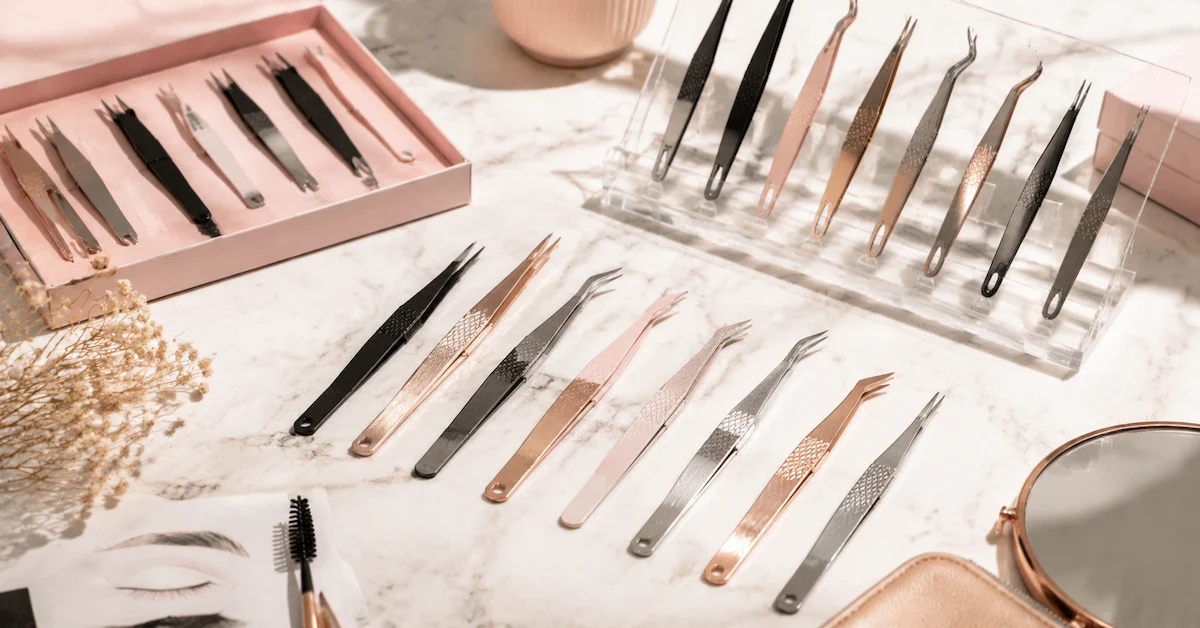
For Olimor Beauty customers, the most relevant wholesale categories often include precision beauty tools, tweezers, manicure tools, pedicure accessories, grooming implements, and sets designed for professional or retail use. The strongest purchasing decisions are not based only on unit price. They also consider tool function, finish quality, grip comfort, packaging suitability, cleaning requirements, and whether the supplier can support repeat orders with stable product presentation. This guide looks at the trends behind wholesale salon supplies and turns them into a practical buying framework for beauty businesses.
Bulk Buying Is Becoming More Strategic
Bulk purchasing remains one of the core advantages of wholesale salon supplies, but buyers are becoming more selective about what they buy in volume. In the past, many businesses focused on filling inventory quickly with broad assortments. Today, a better approach is to separate essential repeat-use tools from seasonal or experimental items.
For salons, essentials may include manicure tools, eyebrow tweezers, nail grooming accessories, and items used across multiple treatments. For retailers, essentials are the products customers understand immediately and purchase without long explanation. For distributors, essentials are the lines that can be reordered with minimal education and fewer after-sales issues. Buying these core items in larger quantities can support cost control, but only when the product quality is consistent and the specification matches the actual market need.
A common mistake is buying too many visual variations without confirming demand. A more reliable strategy is to build a wholesale range around a few strong tool functions, then add limited design variations such as handle shape, surface finish, set composition, or packaging style. Buyers can review Olimor’s broader beauty tool products to compare categories before narrowing a purchasing plan.
Beauty Tools Wholesale Demand Is Driven by Practical Performance
The growth of beauty tools wholesale is strongly connected to performance expectations. Professional users want tools that feel controlled in the hand, align correctly, and withstand frequent cleaning and handling. Retail customers want products that look dependable, feel comfortable, and are easy to understand at first glance. Both groups may respond to attractive packaging, but the repeat purchase depends on whether the tool works well.
For items such as tweezers and manicure tools, buyers should pay close attention to details that influence daily use. These details may include tip alignment, edge feel, grip texture, hinge movement, surface smoothness, and whether the tool can be cleaned without trapping residue. The original product information notes durable stainless steel tools, ergonomic designs, etched grips for better control, and quality assurance processes including checks from raw material inspection through final packaging. Those are useful evaluation themes for any wholesale buyer: the best-looking product is not enough if it does not perform consistently across a shipment.
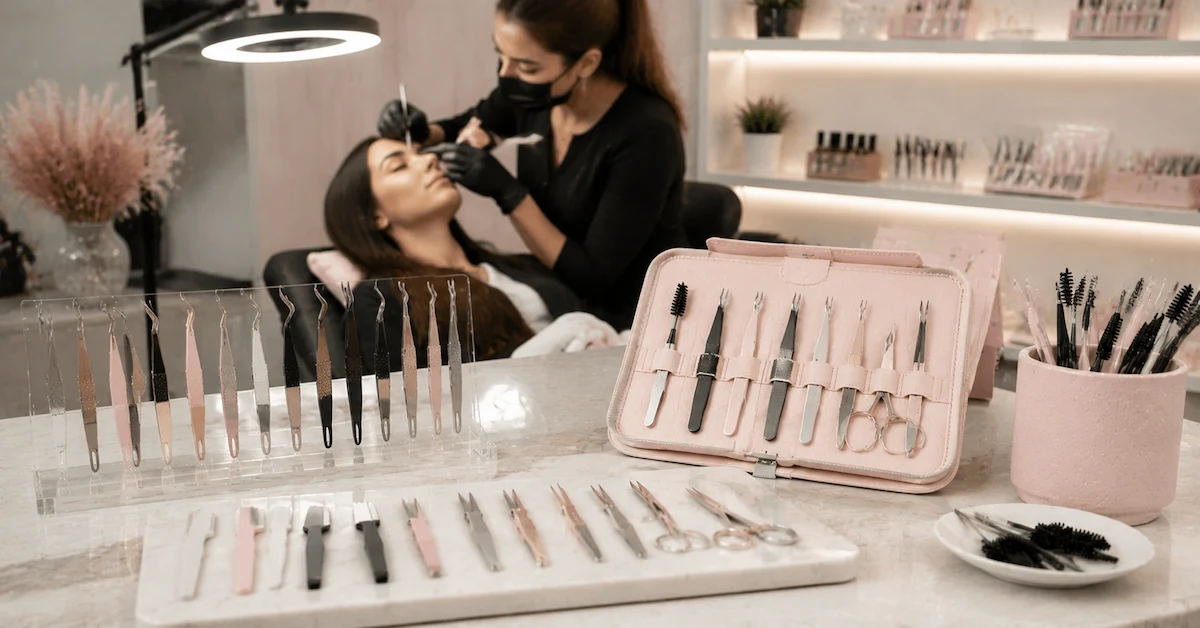
Beauty tool wholesalers, salons, and retailers should also consider the skill level of the end user. A professional nail technician may prefer a precise tool that rewards careful handling, while an at-home grooming customer may need a design that is forgiving, comfortable, and easy to store safely. Matching the product to the user prevents returns and improves customer satisfaction.
Manicure Tools Wholesale: Selection Criteria That Matter
Manicure tools wholesale continues to expand because nail care is relevant in salons, retail beauty aisles, travel kits, and home grooming routines. However, manicure tools are also judged closely because they come into direct contact with nails and surrounding skin. Buyers should avoid choosing only by appearance and should instead create a consistent product evaluation process.
The following checklist can help when comparing manicure tools, grooming tools, or mixed beauty tool sets:
- Function first: Confirm what task each tool is intended to perform and whether the shape supports that task clearly.
- Hand comfort: Look for a grip, handle length, and overall weight that suit repeated use without unnecessary strain.
- Edge and tip consistency: For cutting, trimming, or precision tools, inspect whether working ends meet evenly and feel controlled.
- Surface finish: Smooth finishing helps tools feel more professional and can reduce snagging during handling or cleaning.
- Cleaning practicality: Choose designs that are not overly complicated, especially for salon environments where tools are handled frequently.
- Set logic: A set should include tools that naturally belong together, not random items added only to increase piece count.
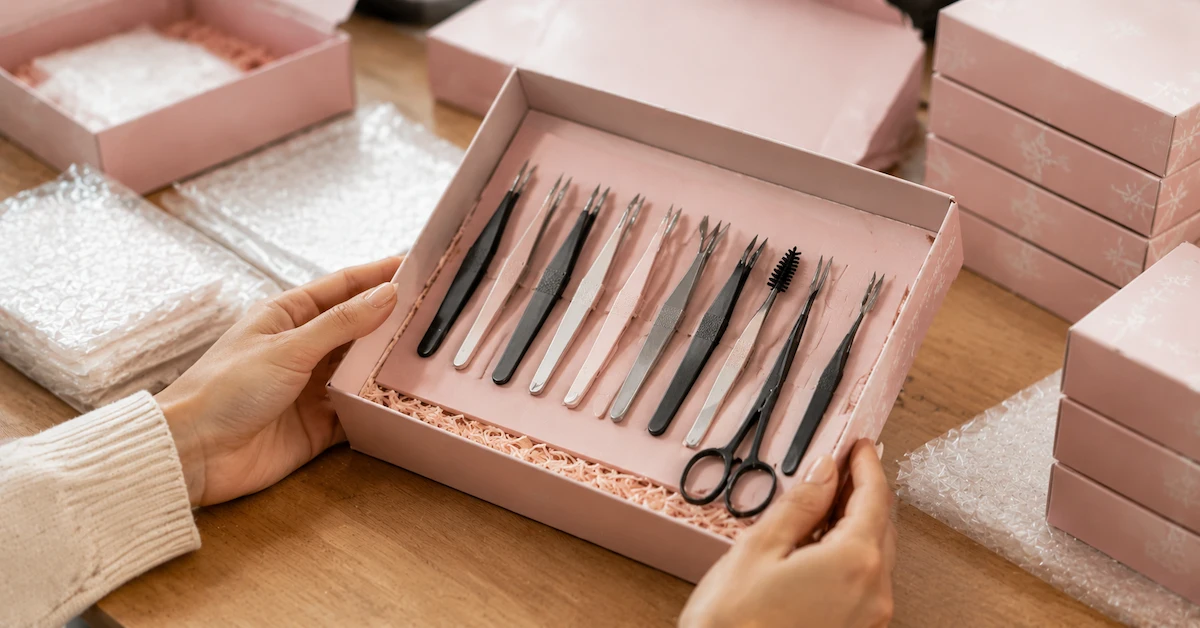
- Packaging role: Retail packaging should explain the product quickly, while salon bulk packaging should protect tools during storage and transport.
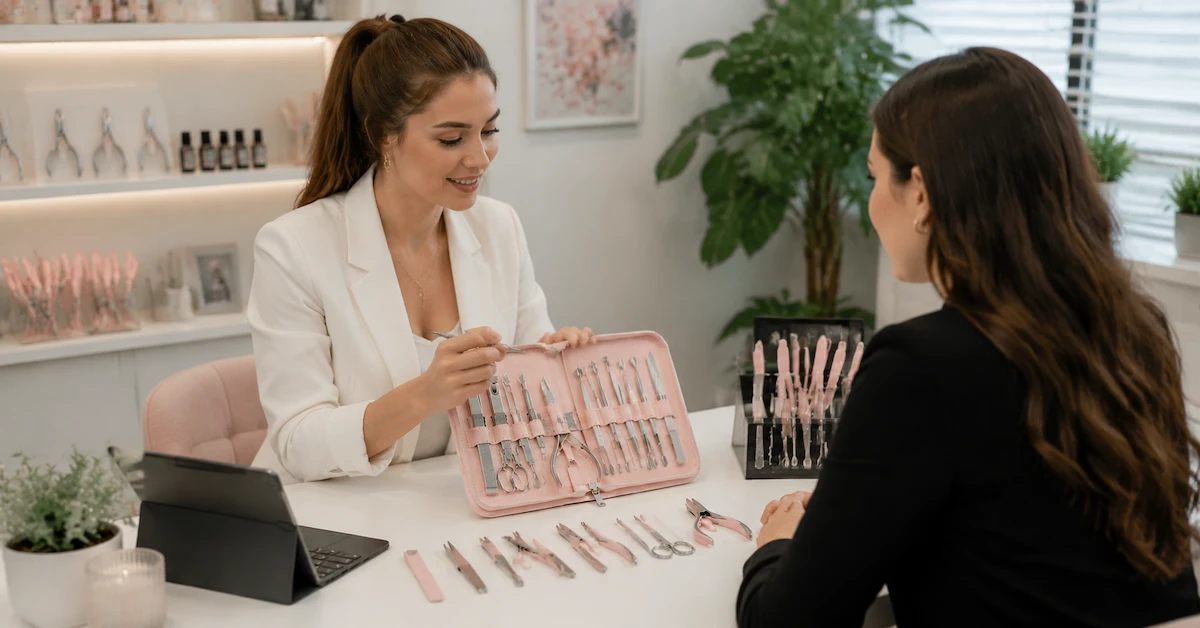
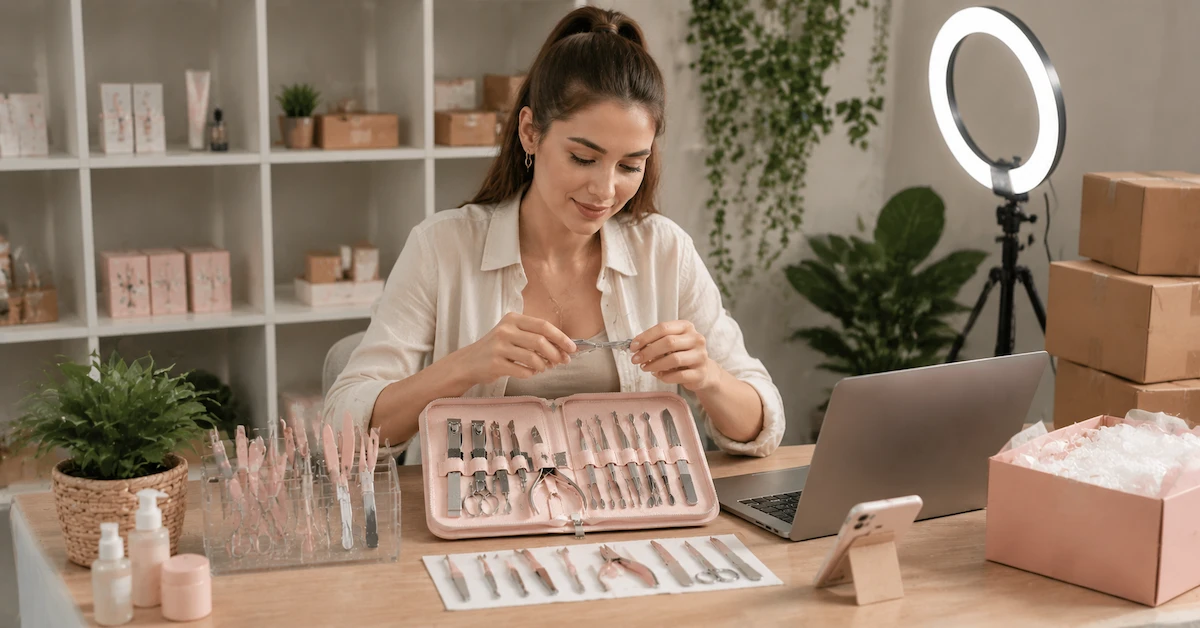
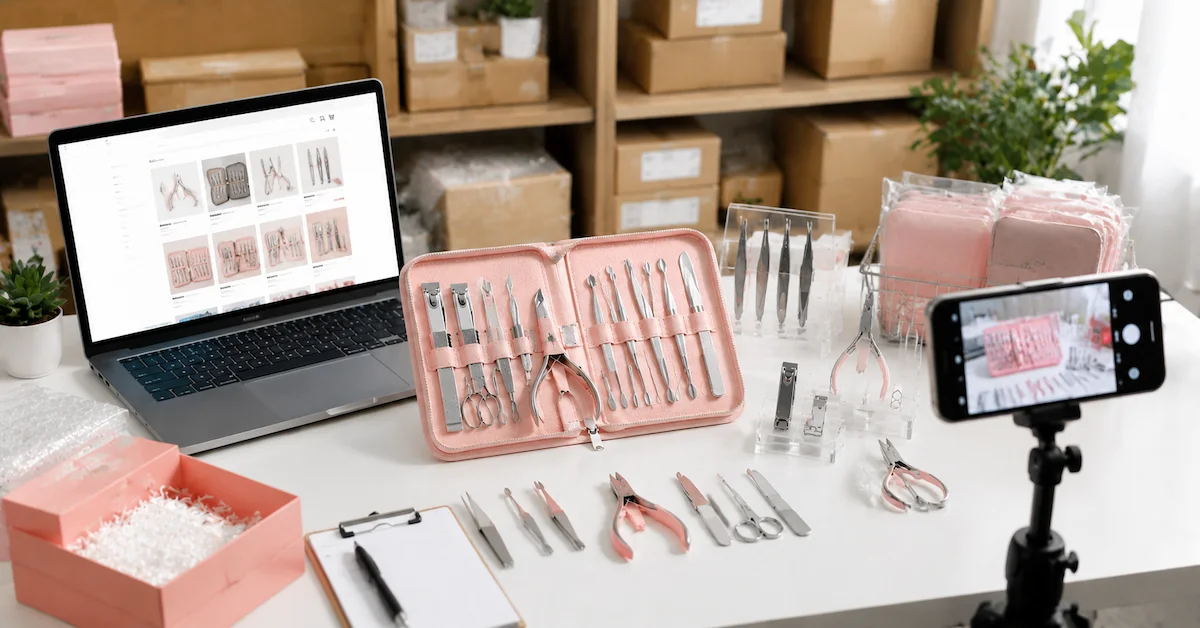
For distributors and retailers, set composition is especially important. A compact manicure set may sell well as a gift or travel product, while individual tools may be better for salons that replace or restock items by function. Buyers reviewing product collections can use category grouping to decide whether a single-tool program or a set-based program is better for their customers.
Sourcing Decisions Are Moving Beyond Lowest Price
Price will always matter in B2B beauty supplies, but experienced buyers know that the lowest quoted price can become expensive if it leads to inconsistent finishing, unsuitable packaging, difficult reorder management, or products that do not match the target market. A more useful way to compare suppliers is to evaluate total purchasing risk.
Before placing a larger wholesale order, buyers can organize their decision around a simple comparison table:
| Buying factor | Why it matters | What to review |
|---|---|---|
| Tool function | Determines whether the product satisfies professional or retail users | Tip alignment, grip, cutting or grooming action, ease of use |
| Material and finish | Affects durability, appearance, and cleaning practicality | Surface smoothness, visible defects, resistance to rough handling |
| Packaging | Protects products and supports retail presentation | Label clarity, set layout, protection during shipping |
| Consistency | Reduces returns and keeps brand presentation stable | Samples from different batches when available, inspection process |
| Assortment fit | Prevents slow-moving inventory | Match products to salon, retail, online, or distributor channels |
This kind of review is especially valuable for buyers developing private-label or retailer-specific programs. Even when a product appears simple, small differences in grip, finish, and packaging can influence whether the item feels professional or disposable. Olimor Beauty’s emphasis on technical excellence, ergonomic design, and quality assurance fits the direction many buyers now expect from professional beauty tools suppliers.
At-Home Grooming Is Influencing Professional Supply Choices
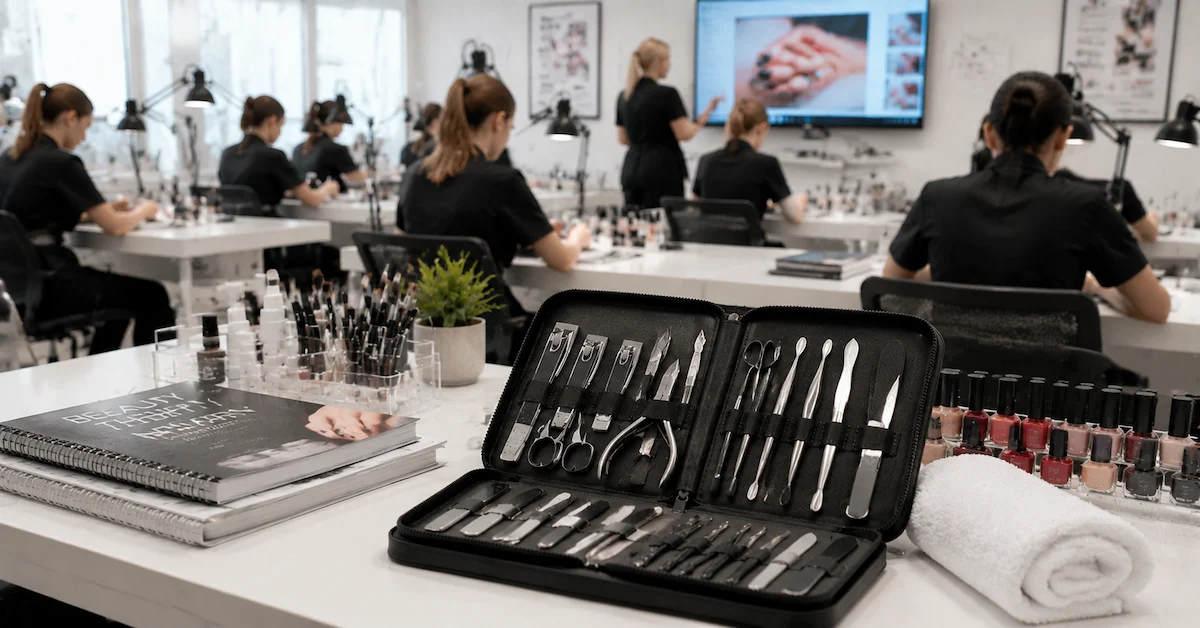
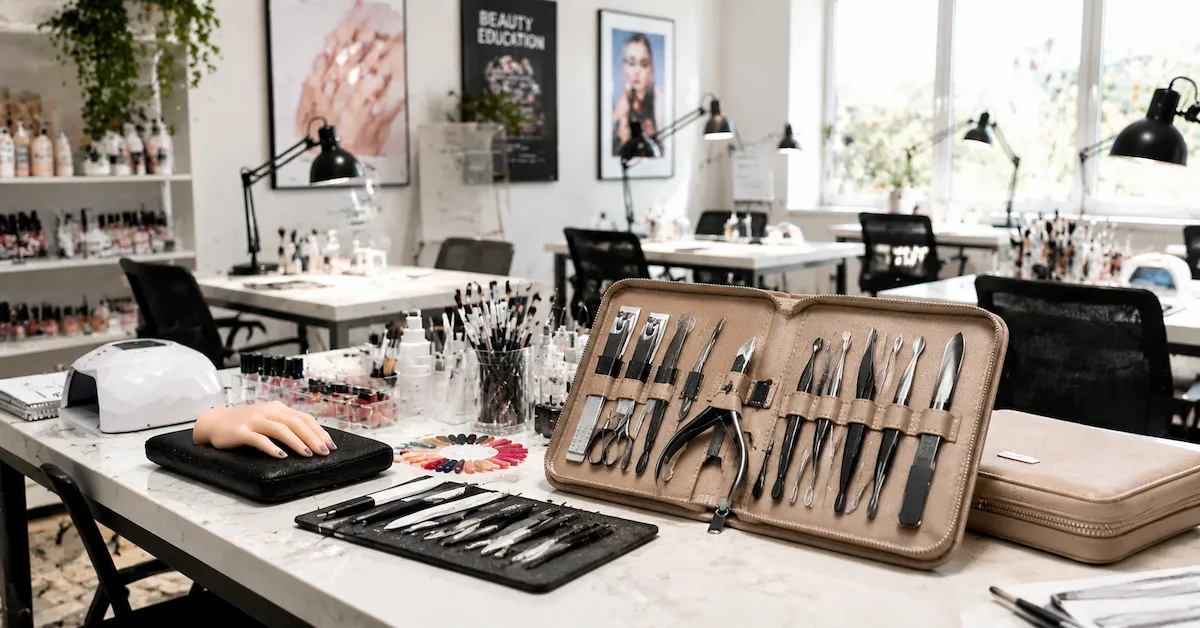
Personal care tools wholesale has grown as consumers become more comfortable maintaining parts of their beauty routine at home. This does not reduce the importance of salons; instead, it changes how salons and retailers think about tools. Customers may visit a salon for skilled services, then buy supporting tools for maintenance between appointments. Retailers may offer grooming tools for brows, nails, cuticles, and travel use. Training schools may need tools that help students practice fundamental techniques.
Because of this trend, wholesale buyers should think about product communication. A professional may understand a tool immediately, but a retail customer needs clearer visual cues. Packaging or product descriptions should make the use case obvious without exaggerated promises. A tweezer should communicate precision and control. A manicure set should make each included item understandable. A grooming tool should feel safe, manageable, and easy to store.
For online sellers, clear product photography, plain-language descriptions, and accurate tool naming are critical. Avoid overloading listings with vague claims. Instead, explain the tool’s intended use, who it is suitable for, how it should be cared for, and what is included. This improves organic search quality and reduces mismatched expectations.
Maintenance and Hygiene Expectations Shape Product Choice
Salon supply buyers increasingly evaluate tools through the lens of maintenance. A product that is difficult to clean, easy to damage in storage, or unclear in its care instructions can create problems even if it looks attractive in a catalog. Professional environments need tools that support routine cleaning practices, organized storage, and quick identification. Retail buyers need products that customers can care for without confusion.
Useful care guidance may include drying tools after cleaning, storing sharp or precision tips with protection, keeping items separated to prevent scratching, and replacing tools when edges, tips, or joints no longer perform properly. Buyers should also consider whether packaging supports safe storage after purchase. A simple pouch, tray, cap, or case can make a meaningful difference for certain tools, depending on the category.
Maintenance also affects sourcing decisions. Tools with unnecessary grooves, decorative gaps, or poorly finished contact points may be harder to keep clean. Buyers should inspect product samples not only when they are new, but after repeated handling. A tool should still feel dependable after being opened, closed, gripped, cleaned, and stored multiple times.
How to Build a Smarter Wholesale Salon Supplies Program
A strong wholesale program begins with the end customer. Salons need replenishable tools that support service efficiency. Retailers need products that are easy to display, explain, and reorder. Distributors need dependable categories that serve multiple buyer types. Online brands need items that photograph clearly and can be described accurately for search and conversion.
One practical planning method is to divide the assortment into three groups:
- Core repeat items: High-utility tools such as tweezers, manicure tools, and grooming accessories that customers need regularly.
- Value-building sets: Curated kits that solve a complete need, such as nail care, brow grooming, or travel grooming.
- Test items: New designs, finishes, or packaging formats introduced in smaller quantities before larger commitments.
This structure helps buyers avoid overextending inventory while still responding to market trends. It also makes it easier to measure which tools deserve deeper investment. If a test item performs well, it can move into the core range. If a set sells slowly, the buyer can revise the composition instead of abandoning the category entirely.
What Buyers Should Prepare Before Contacting a Supplier
To make wholesale discussions more productive, buyers should prepare a clear outline of their channel, target user, preferred categories, packaging needs, and quality expectations. This does not require technical drawings for every item, but it should include enough detail to avoid mismatched recommendations. For example, a salon chain, a boutique retailer, and an e-commerce private-label brand may all buy manicure tools, but each may need a different packaging format and assortment depth.
Helpful preparation includes defining the intended sales channel, selecting priority categories, listing any packaging requirements, identifying whether products are for professional or personal use, and deciding how samples will be evaluated internally. Buyers who need support comparing options can contact Olimor or send an inquiry with their target product category and intended market.
The wholesale salon supplies market will continue to grow, but the best opportunities belong to buyers who combine trend awareness with disciplined product selection. Focus on tools that perform well, feel comfortable, support practical maintenance, and fit the sales channel. With the right sourcing process, beauty tools wholesale can support not only lower purchasing costs, but also better customer experience and stronger long-term inventory planning.