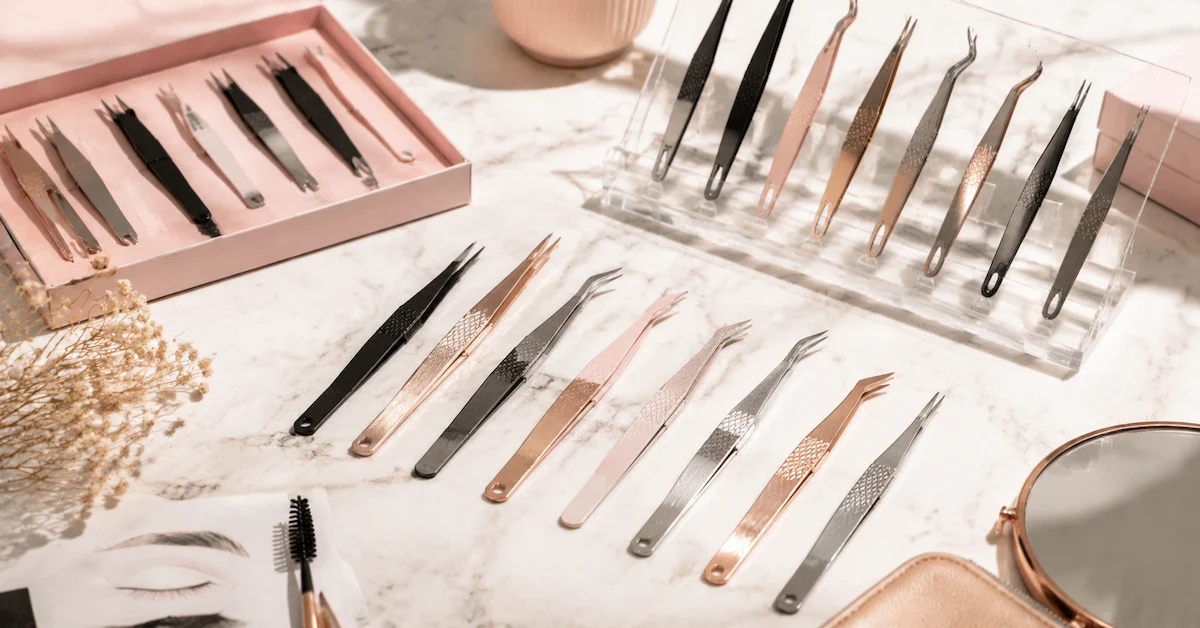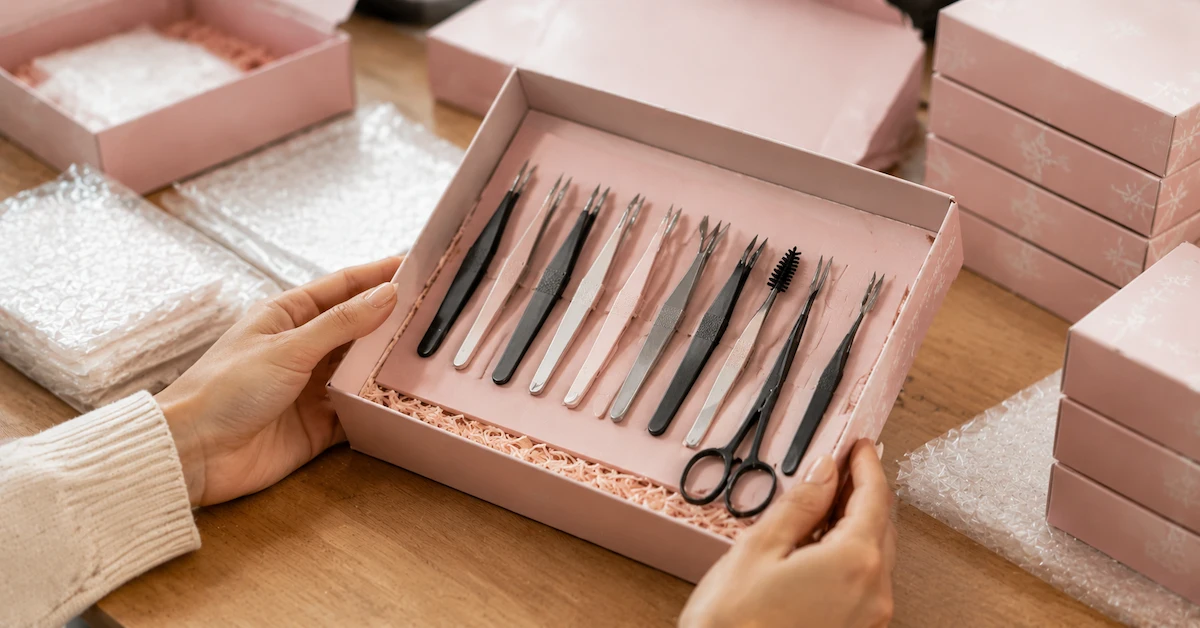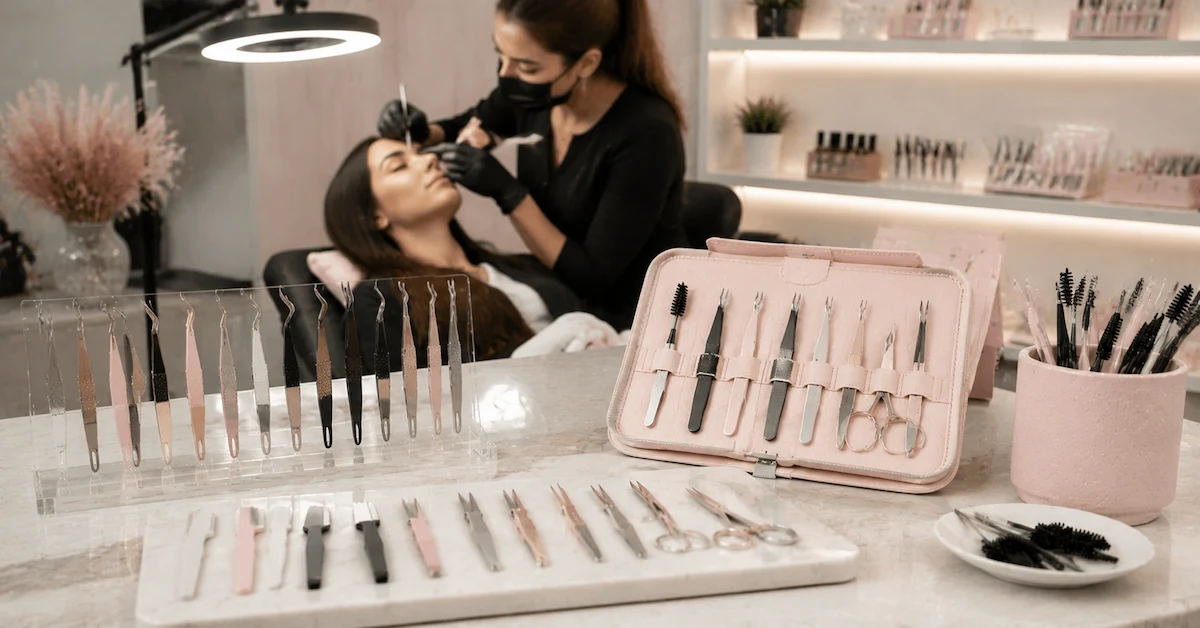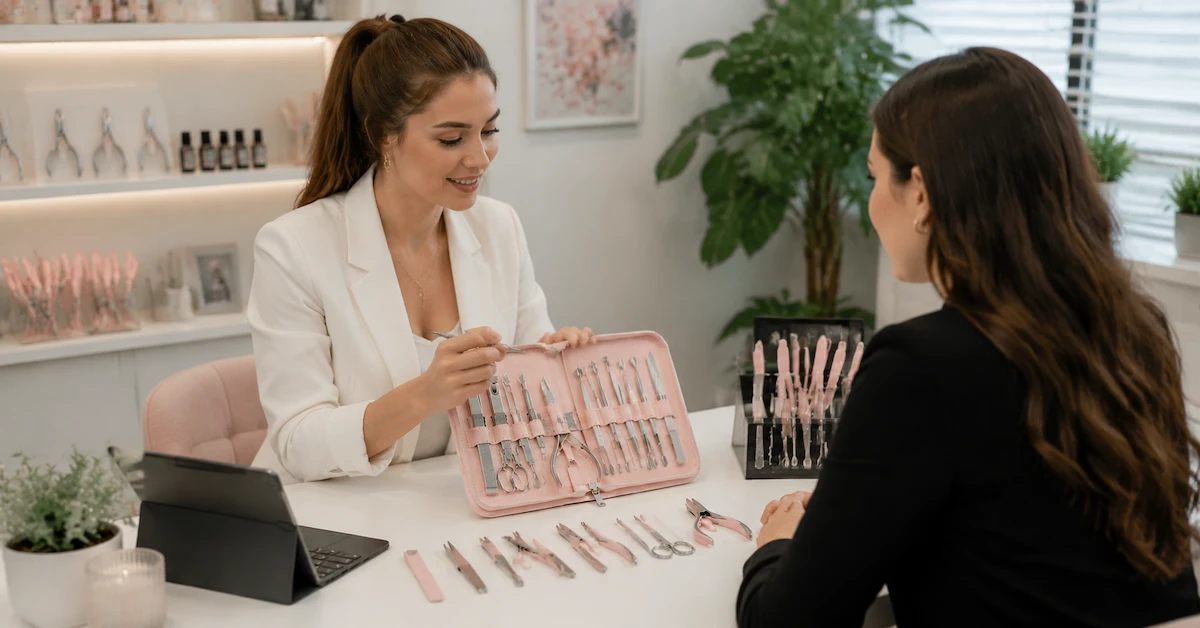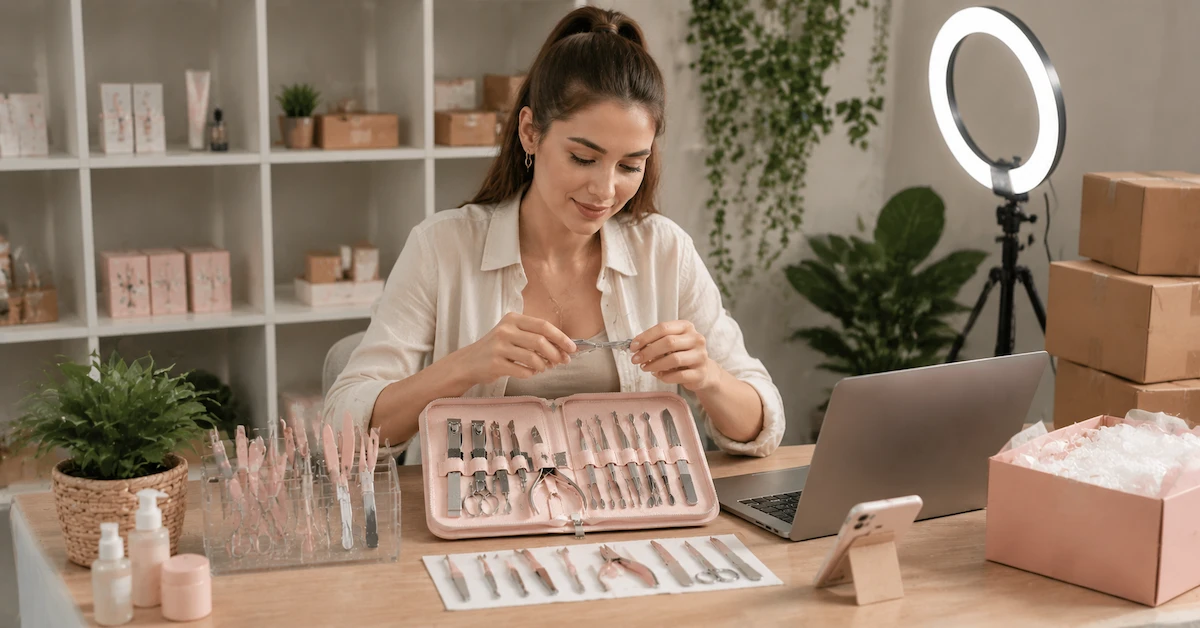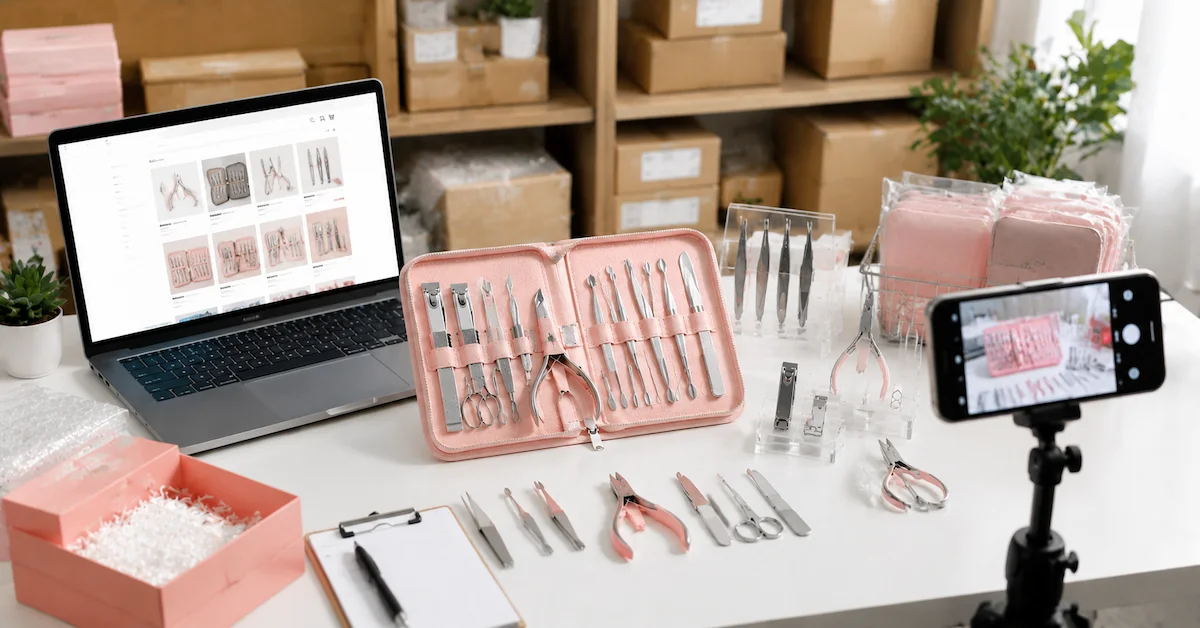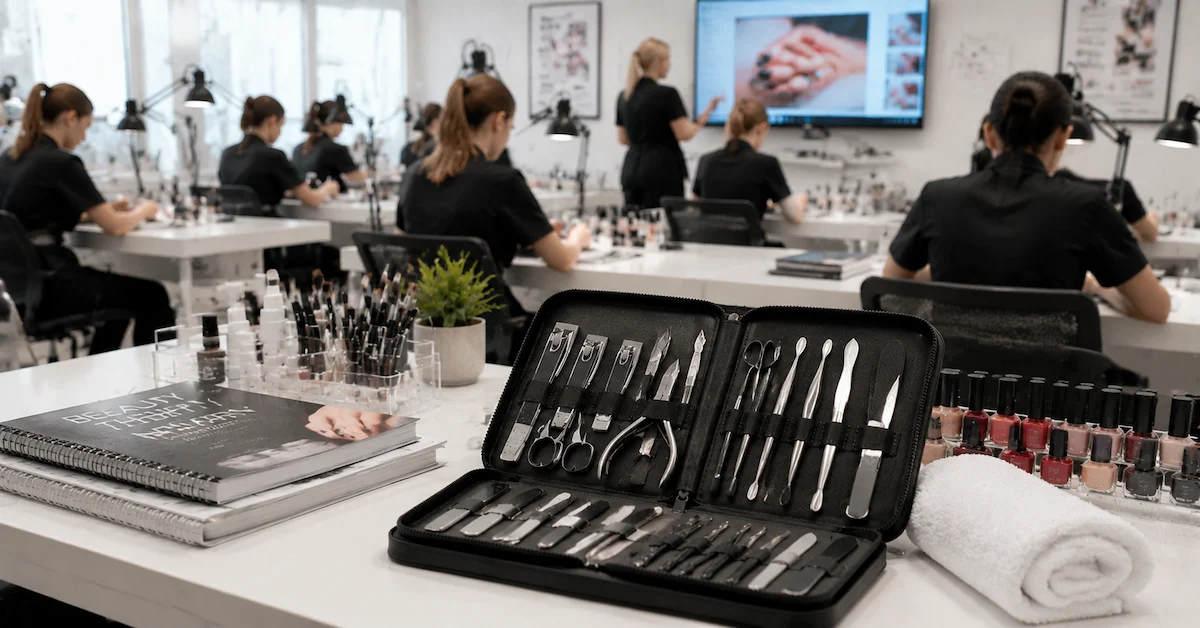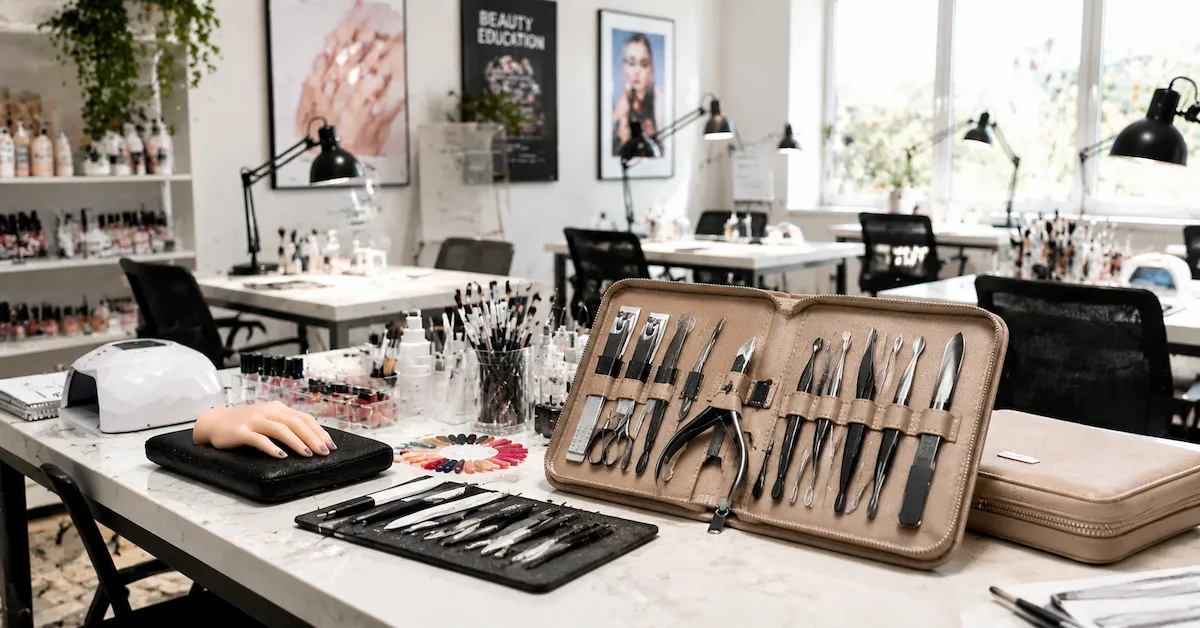











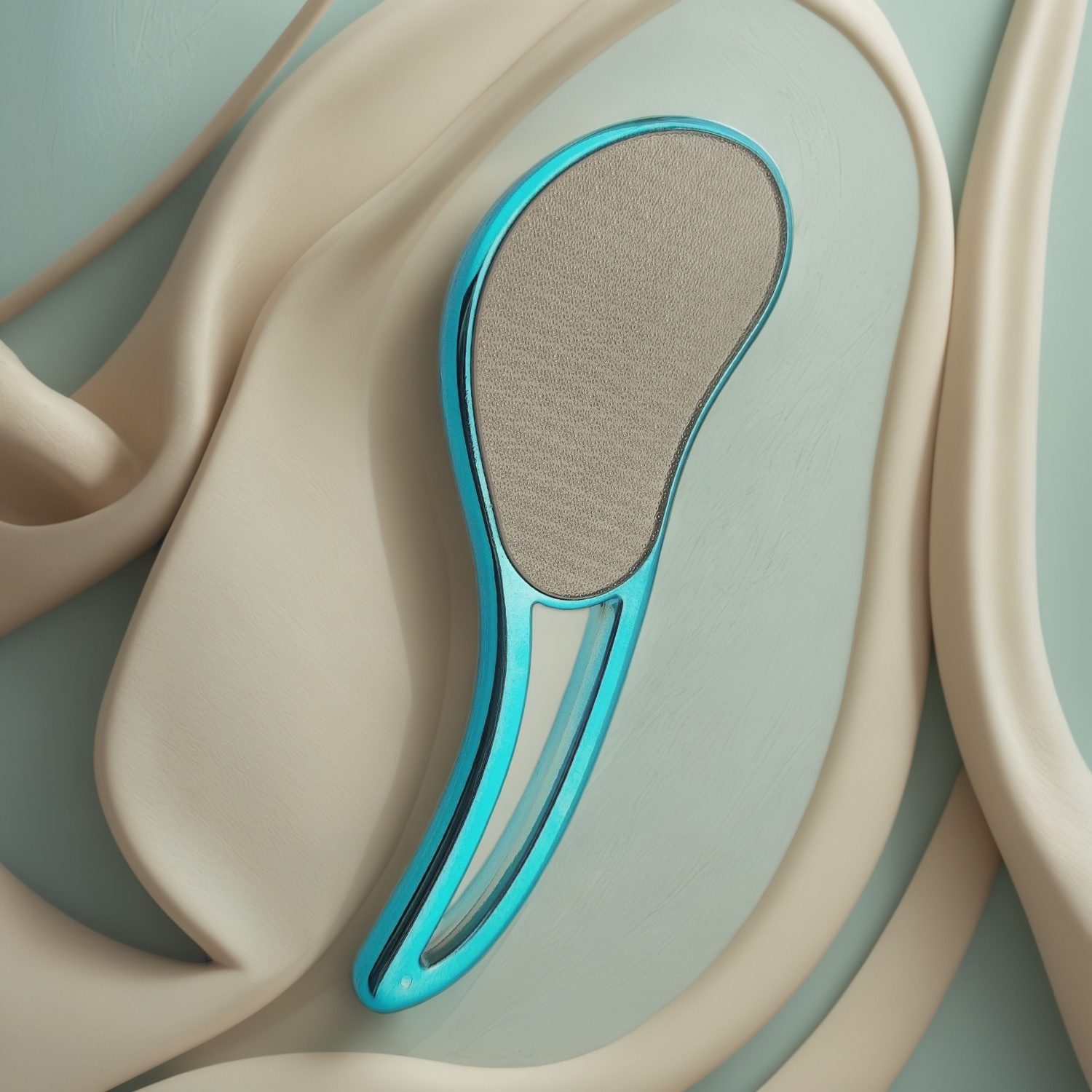
Wholesale salon supplies are not only a purchasing category; they directly affect service consistency, hygiene standards, staff comfort and the way clients perceive a salon or spa. For salon owners, spa operators, beauty distributors and private label buyers, the goal is usually simple: source tools that are practical, durable, easy to clean and suitable for repeat professional use.
Olimor Beauty supplies professional beauty tools for buyers who need dependable manicure, pedicure and spa tool options. When choosing products for a service menu or resale catalog, it is worth looking beyond basic appearance. A tool may look attractive in a product photo, but the real test is how it performs in the hand, how it stands up to cleaning, whether it fits the intended treatment and whether packaging and supply decisions match your sales channel.
This guide explains how to evaluate wholesale salon supplies with a buyer-focused approach, including manicure tools wholesale, spa tools wholesale, pedicure files and supplier selection questions that help reduce sourcing risk.
What Counts as Wholesale Salon Supplies?
In the beauty tools category, wholesale salon supplies can include hand tools, foot care tools, grooming accessories, spa implements and related products used by professionals or sold through distributors. Unlike one-off retail purchases, wholesale buying requires repeatability. The product should be consistent from batch to batch, suitable for the target customer and practical to store, display and ship.
For a nail salon, this may mean manicure tools that help technicians work cleanly and efficiently. For a spa, it may include pedicure files or foot care tools used during treatment protocols. For a distributor, it may mean selecting items that appeal to several business types, such as nail bars, beauty retailers, spa chains or independent professionals.
Before comparing suppliers, define the exact purpose of the item. A tool for professional backbar use may need different packaging from a product intended for retail display. A pedicure item used by trained staff may be evaluated differently from a consumer-facing beauty tool. Clear use cases make sourcing decisions more accurate.
How to Evaluate Manicure Tools Wholesale
Manicure tools wholesale buyers should focus on function, finish and handling. A manicure service often involves close, detailed work, so small differences in tool design can affect comfort and control. Whether you are building a salon kit or selecting items for resale, do not rely only on low unit cost. A cheaper tool that is uncomfortable, inconsistent or hard to clean can create higher long-term costs.
Useful evaluation points include:
- Hand feel: Check whether the tool is comfortable for repeated use and easy to grip with dry or slightly damp hands.
- Surface finish: Look for smooth edges, clean finishing and no obvious rough spots that could affect handling or client comfort.
- Consistency: When reviewing samples, compare several units rather than only one. Consistency matters in wholesale purchasing.
- Cleaning practicality: Consider whether the shape has unnecessary grooves or gaps that make cleaning more difficult.
- Packaging suitability: Decide whether the product needs individual retail packaging, simple professional packaging or custom presentation for a sales channel.
If you are comparing multiple manicure tool options, organize feedback from technicians or sample users. Their comments can reveal practical issues that are not obvious from a catalog page. For example, a tool that looks polished may still be too heavy, too slippery or awkward during a full day of service work.
Choosing Spa Tools Wholesale for Treatment Use
Spa tools wholesale sourcing should be matched to the treatment environment. Spa services often emphasize comfort, cleanliness and a calm client experience, but the tools still need to perform reliably. Pedicure and foot care products are especially important because they come into close contact with skin and must be chosen with hygiene and usability in mind.
The original Olimor Beauty range referenced the Velvet Sole Touch Pedicure File, a spa tool described with micro-abrasion technology for helping achieve smoother skin. When evaluating a pedicure file or similar foot care tool, buyers should look at more than the product name. Consider the abrasive surface, handle comfort, cleaning method, packaging and whether the product fits professional use, retail sale or both.
For spas, the buying decision is often connected to treatment flow. A tool should be easy for staff to reach, hold, use and clean without disrupting the service. For distributors, the question is slightly different: does the item have broad appeal, clear usage, simple presentation and a sensible place within a larger assortment of beauty tool products?
Buyer Checklist for Professional Beauty Tools
A structured checklist helps buyers compare suppliers and product samples fairly. This is especially useful when several tools appear similar at first glance. The table below outlines practical review areas for salon wholesale distributors, spa buyers and salon owners.
| Review Area | What to Check | Why It Matters |
|---|---|---|
| Product purpose | Confirm whether the tool is for manicure, pedicure, spa treatment, retail sale or distributor assortment. | Prevents buying a product that does not match the intended service or customer. |
| Handling | Evaluate grip, weight, balance and comfort during repeated use. | Supports technician comfort and more consistent service delivery. |
| Finish | Inspect edges, surfaces, joints and visible workmanship. | Helps reduce customer complaints and improves perceived quality. |
| Cleaning | Review how easily the tool can be cleaned according to your operating procedures. | Supports hygiene practices in professional environments. |
| Packaging | Check whether packaging suits storage, retail display, shipment or salon use. | Affects logistics, presentation and resale readiness. |
| Supply fit | Compare lead time expectations, assortment needs and communication clarity. | Reduces sourcing friction as orders repeat or expand. |
This checklist is not a replacement for sample review. It gives your team a shared standard, so decisions are based on specific criteria rather than personal preference alone.
Working with Salon Wholesale Distributors and Suppliers
Choosing professional beauty tools suppliers is partly about product quality and partly about communication. A reliable supplier should make it easier to understand the product range, compare options and identify suitable tools for your market. For buyers, the best conversations are specific: what type of business will use the tool, how it will be packaged, whether it is for professional service or resale, and what level of assortment is needed.
Salon wholesale distributors may need products that are easy to explain to downstream customers. Clear item names, practical packaging and consistent product presentation can be as important as the tool itself. A distributor selling to nail salons, for example, may prioritize core manicure and pedicure tools with broad demand. A spa-focused buyer may look more closely at foot care tools, treatment accessories and items that fit a calmer service environment.
Olimor Beauty provides beauty tool sourcing options for buyers who want to compare categories and build a practical assortment. You can browse product collections to understand available directions, or contact Olimor when you need to discuss product use cases and sourcing requirements.
Quality Control Questions That Help Reduce Risk
Because detailed specifications vary by product, buyers should prepare questions before finalizing a wholesale salon supplies order. The goal is not to collect vague assurances; it is to understand whether the product is suitable for your service environment, resale channel and customer expectations.
- What is the intended use of the tool? Confirm whether it is designed for manicure, pedicure, spa treatment or general beauty care.
- How should samples be evaluated? Review handling, surface finish, packaging condition and consistency across multiple units.
- What packaging options fit the sales channel? A salon backbar product may not need the same presentation as a retail item.
- How is consistency checked before shipment? Understand the inspection approach without assuming certifications or test results that have not been provided.
- What information will your team need for resale? Distributors may require clear product descriptions, usage positioning and category organization.
These questions are especially useful when building a long-term purchasing plan. Wholesale sourcing is rarely about one single order. It is about finding products that can be reordered, integrated into operations and presented confidently to clients or trade customers.
Building a Practical Wholesale Salon Supply Assortment
A balanced assortment should cover essential services first. For many buyers, that means core manicure tools, pedicure files, foot care items and spa accessories that support common treatments. After the foundation is set, you can expand into more specialized products based on demand, seasonal purchasing or distributor feedback.
Avoid filling a catalog with too many similar items before you know what customers actually buy. Instead, compare a focused group of products, test samples and collect feedback from staff or sales partners. If a tool is easy to explain, comfortable to use and simple to position within your offering, it is more likely to become a repeat purchase.
For buyers developing a new salon, spa or distribution range, Olimor Beauty can help you review product categories and identify beauty tools that match your business direction. To start a sourcing conversation, you can send an inquiry with details about your target market, preferred product categories and intended use.
Final Thoughts for Wholesale Buyers
Wholesale salon supplies should be selected with the same care that professionals bring to client services. Manicure tools, spa tools and pedicure files all influence the quality of the working experience, the client impression and the reliability of your product offering. A strong sourcing decision considers function, finish, handling, cleaning practicality, packaging and supplier communication.
By taking a structured approach, salon owners, spa operators and distributors can avoid generic buying decisions and build a more dependable beauty tool assortment. Start with the service or sales channel, evaluate samples carefully and choose products that support consistent professional use.