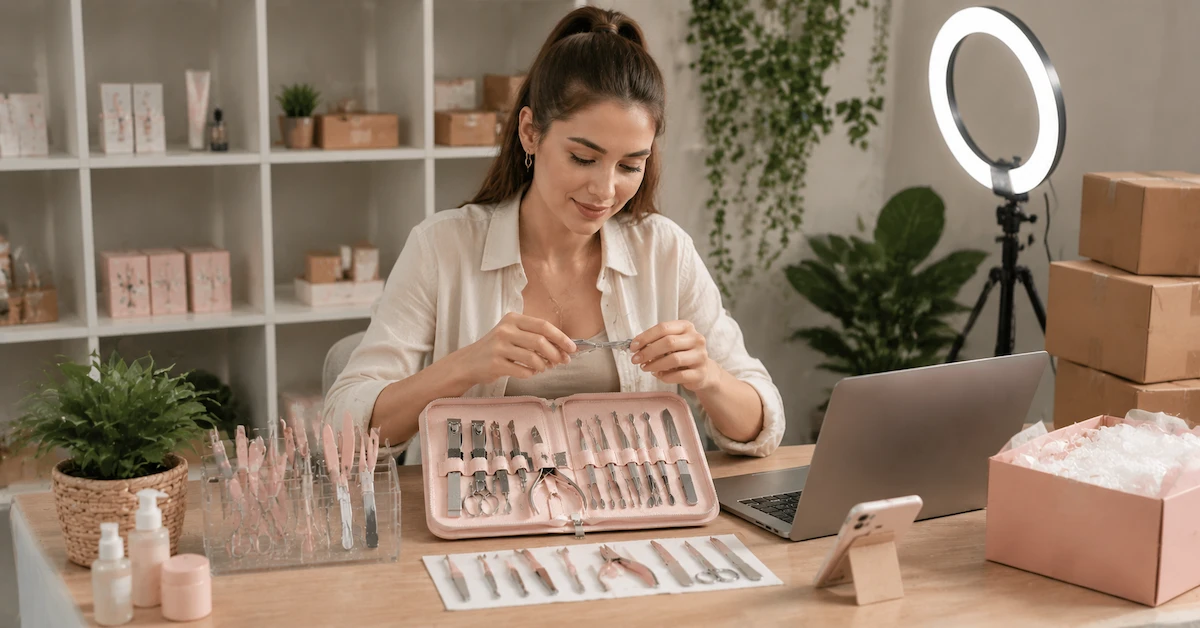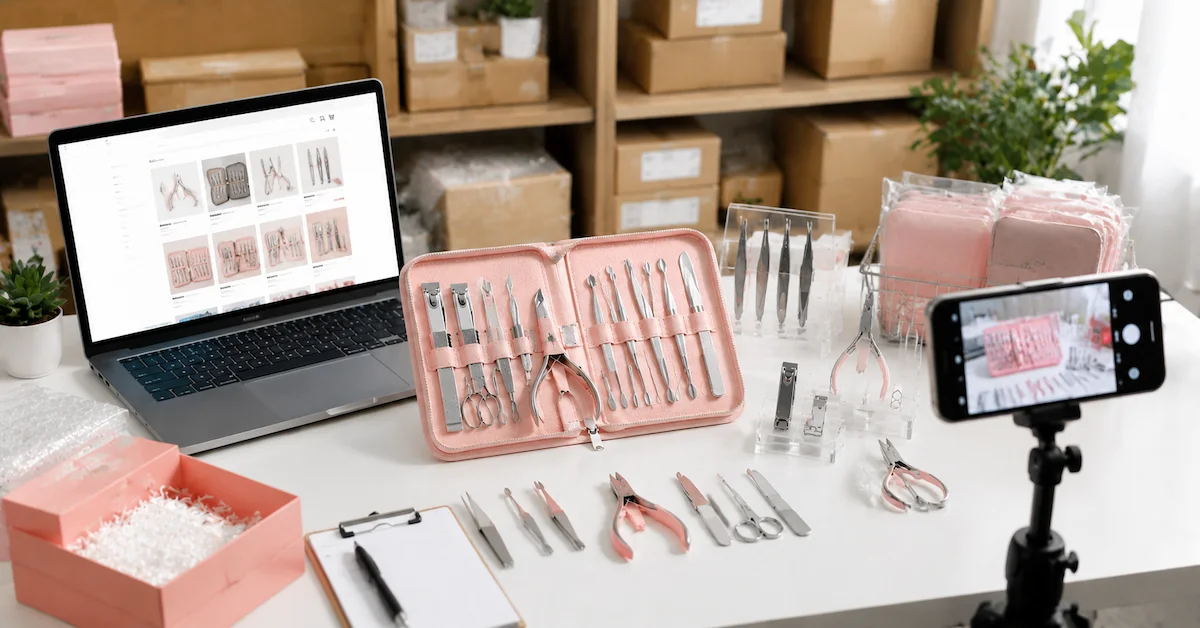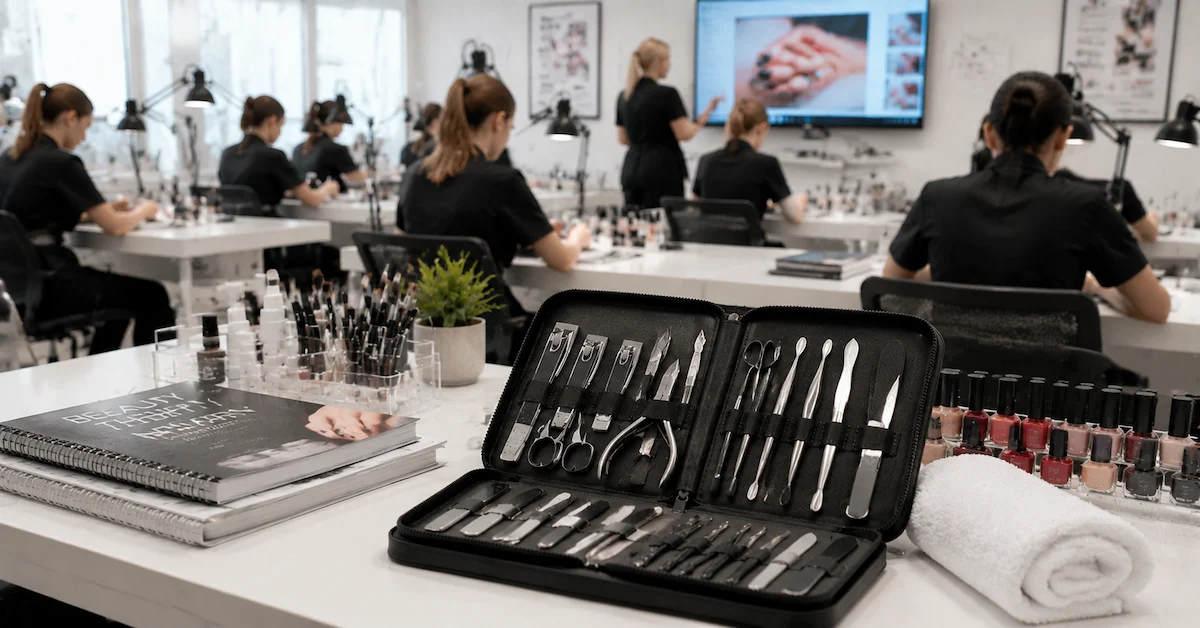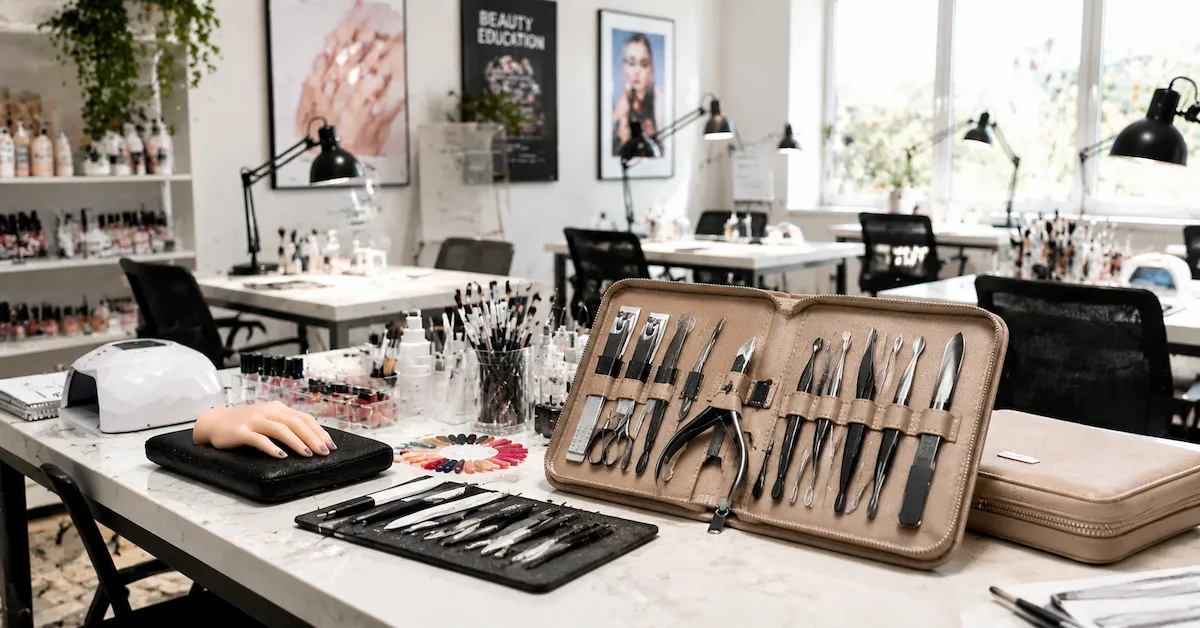











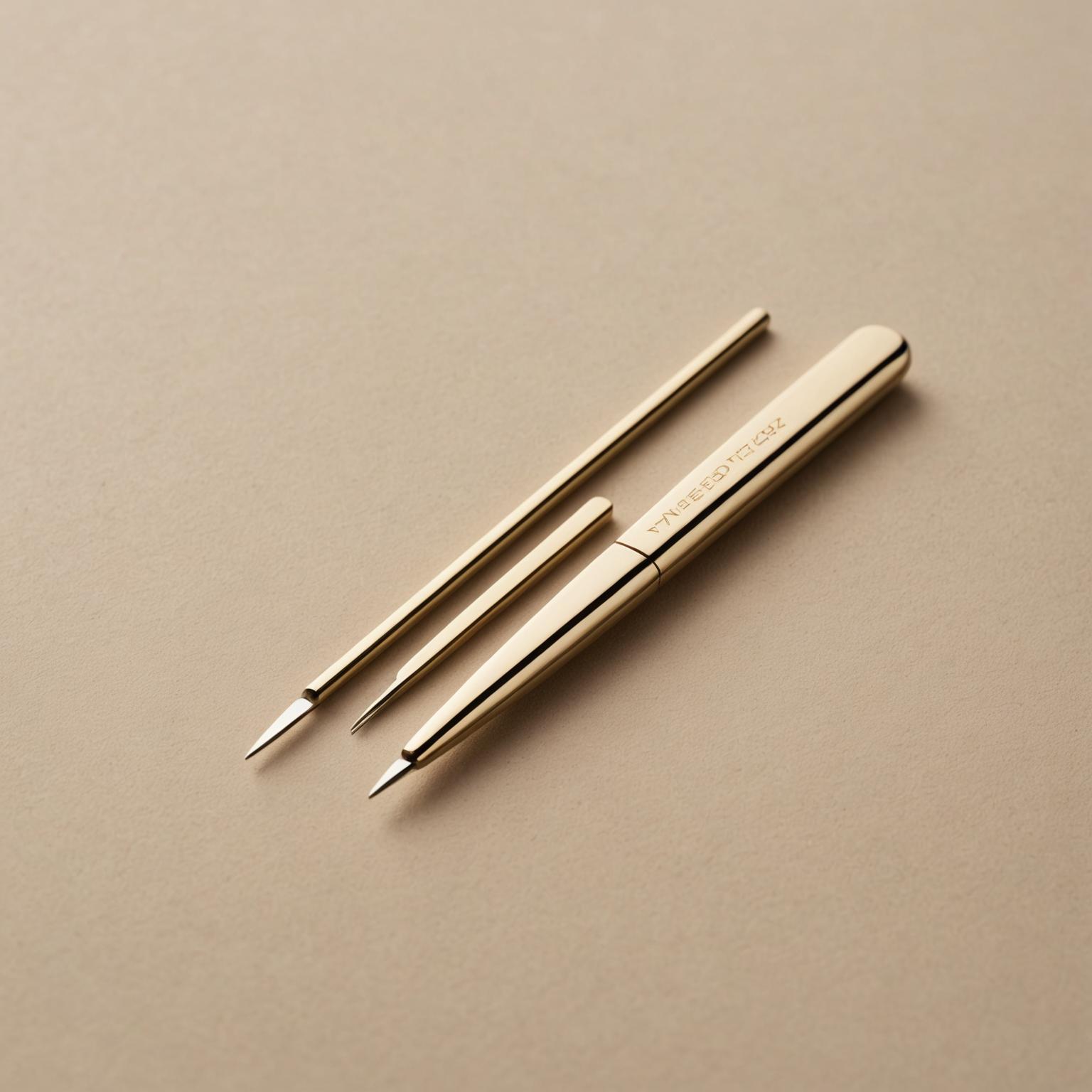
Wholesale salon supplies are no longer only a purchasing convenience for salons that need to restock quickly. For beauty professionals, retailers and distributors, the way tools are sourced now affects service consistency, hygiene practices, customer trust and long-term operating costs. A nail technician, brow artist or personal care retailer may use dozens of small tools every day, and even slight differences in grip, finish, edge alignment or packaging can influence the final result.
The current shift in beauty tools wholesale is driven by practical needs: reliable bulk availability, professional-grade durability, ergonomic handling and better control over waste. Salons want tools that can withstand repeated use and cleaning. Retail buyers want products that look credible on the shelf and perform well after purchase. Distributors need suppliers who can keep quality consistent across orders. Olimor Beauty serves this market with beauty tools designed for professional and personal care use, making selection standards especially important for buyers comparing wholesale options.
Why Wholesale Beauty Tool Buying Has Become More Strategic
In the past, many salons treated small tools as simple consumables. Today, beauty tools are part of the service experience. A tweezer that grips hair cleanly, a manicure tool that feels balanced in the hand or a personal care implement with a smooth finish can reduce friction during service and help professionals work with more control.
Bulk purchasing also gives businesses a chance to standardize their tool kits. When every workstation uses similar tools, staff training becomes easier and service outcomes are more predictable. For multi-location salons, beauty schools, online sellers and distributors, wholesale purchasing can also simplify inventory planning. Instead of buying mixed products from many sources, buyers can build a more coherent selection based on function, quality level and target customer.
However, buying in bulk increases the cost of a poor decision. A tool that looks acceptable in a product photo may not perform well in daily salon conditions. That is why wholesale salon supplies should be evaluated through use-case criteria rather than price alone.
Key Categories in Wholesale Salon Supplies
Beauty tools wholesale covers a wide range of products, but most professional buyers focus on a few high-turnover categories. Understanding the role of each category helps determine what to prioritize during sourcing.
- Manicure tools: These may include grooming and nail care implements used by nail salons, beauty retailers and personal care brands. Buyers often assess edge consistency, comfort, cleaning compatibility and packaging.
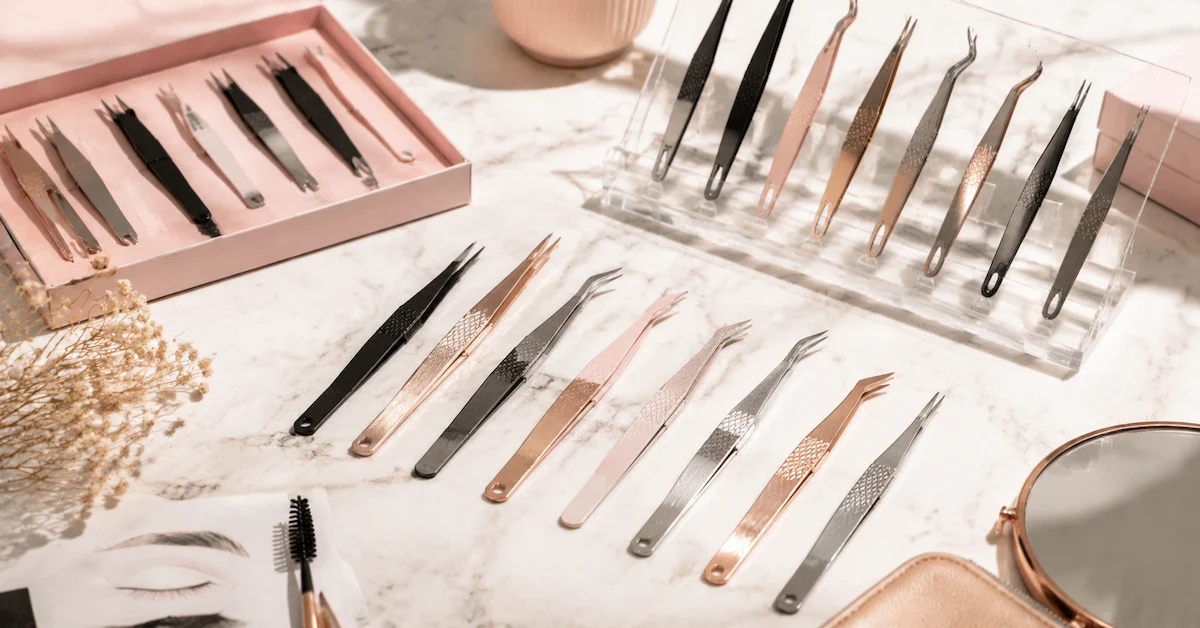
- Tweezers and brow tools: Precision matters in this category. Alignment, tip shape, grip tension and surface finish can affect whether the tool removes hair cleanly or slips during use.
- Personal care tools: These products serve both professional and at-home grooming needs. Retail presentation, safe handling, material feel and clear usage instructions are important.
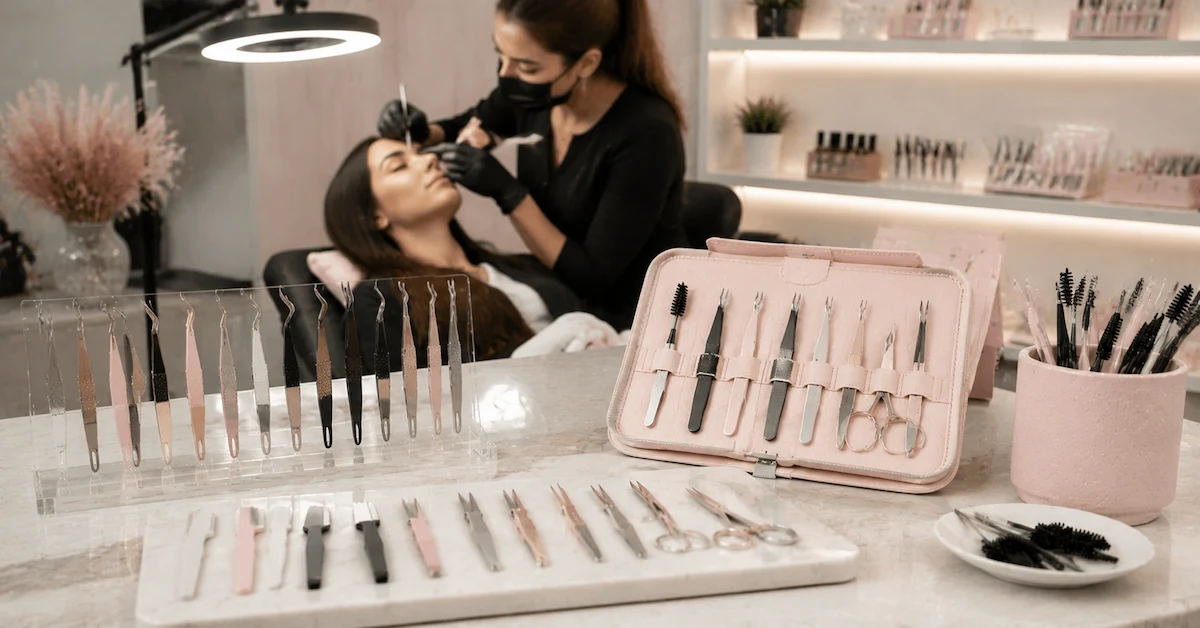
- Salon support tools: Small accessories can influence workflow, sanitation routines and station organization, especially when teams use them repeatedly throughout the day.
For buyers building a broader assortment, Olimor’s beauty tool products page is a useful place to review available product directions before narrowing a wholesale inquiry.
Quality Criteria That Matter More Than Generic Claims
Terms such as “professional quality” or “salon grade” are common in the beauty industry, but buyers need more concrete ways to compare suppliers. The most useful evaluation starts with how the tool will be used, cleaned, stored and presented to the end customer.
| Selection factor | What to check | Why it matters |
|---|---|---|
| Function | Tip alignment, cutting or gripping performance, hand control | Determines whether the tool performs consistently during service |
| Ergonomics | Grip shape, weight, tension and balance | Reduces hand fatigue for professionals using tools repeatedly |
| Surface finish | Smooth edges, clean polish, no rough contact points | Improves comfort and supports a more professional presentation |
| Durability | Resistance to bending, loosening or performance decline | Protects value in bulk purchasing and repeat use |
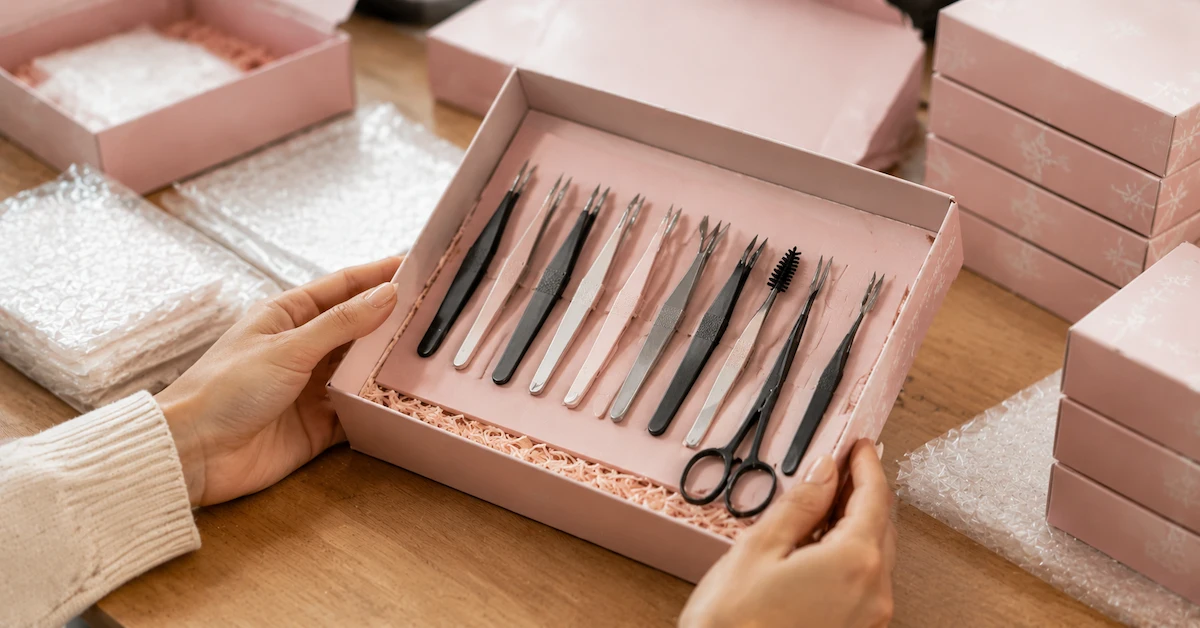
| Packaging | Protection during shipping and suitability for retail display | Helps reduce damage and supports brand presentation |
When comparing samples, it helps to test tools in realistic conditions. A tweezer should be checked not only by appearance but by how the tips meet. A manicure tool should be handled for comfort, not just inspected under light. If the product is intended for retail, packaging should be judged for clarity, protection and shelf appeal.
Ergonomics and Daily Workflow in Professional Settings
Beauty professionals often repeat the same movements for hours, so ergonomics is not a minor detail. A tool that is too stiff, too slippery or poorly balanced can slow work and make detailed services harder to control. For salons buying wholesale, this can become a staff-wide issue if the same uncomfortable tool is distributed across multiple stations.
Good ergonomic selection begins with the service type. Brow tools often require precise hand control and moderate grip tension. Manicure tools may need a stable hold and smooth handling during close work. Personal care tools designed for home users should feel intuitive, with surfaces that are comfortable and easy to hold.
Wholesale buyers can create a simple internal test before committing to a larger order. Have more than one user handle the tool, perform typical movements and comment on grip, pressure and control. This avoids relying on a single opinion and gives a clearer picture of how the product will perform for different hand sizes and working styles.
Sustainability, Waste Reduction and Responsible Assortment Planning
Sustainability in salon supplies is often discussed in broad terms, but buyers can make practical decisions without relying on vague claims. Durable tools that remain functional longer may reduce replacement frequency. Packaging that protects products properly can help prevent damage in transit. A focused assortment can also reduce unsold inventory, especially for retailers and distributors.
Instead of adding too many similar items, consider building a balanced selection around core use cases. For example, a buyer may choose a small range of precision tools, manicure essentials and personal care items rather than many overlapping versions. This makes inventory easier to manage and helps customers understand the purpose of each item.
For companies planning a broader assortment, reviewing Olimor product collections can help organize purchasing by category and customer need instead of treating each tool as an isolated item.
How Salons, Retailers and Distributors Should Compare Suppliers
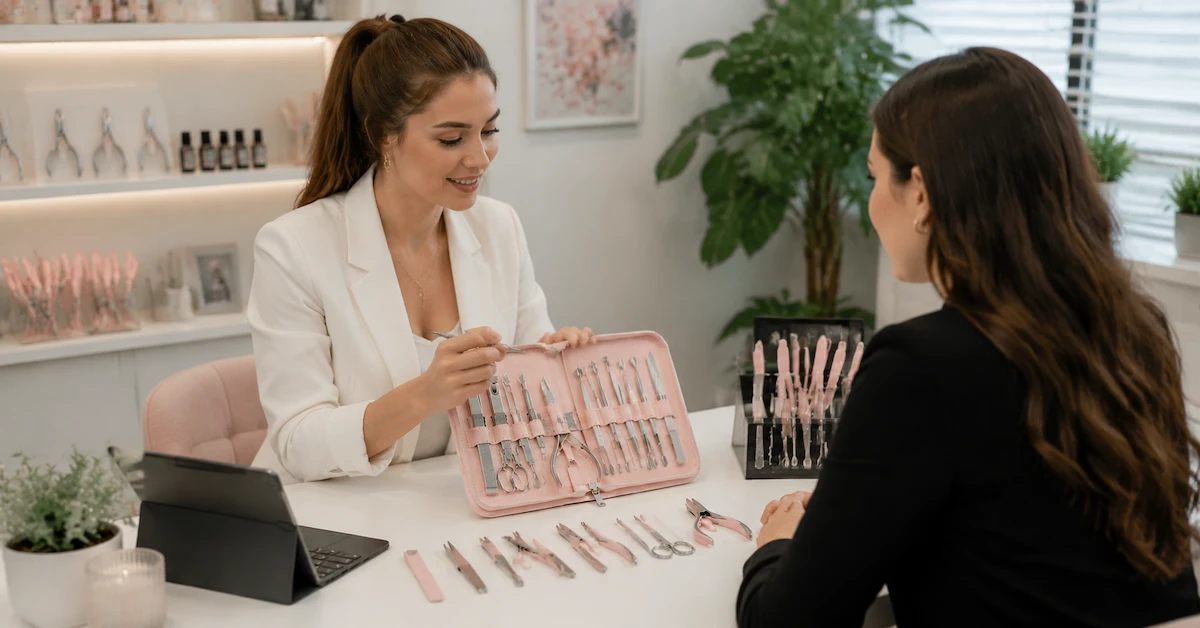
A wholesale supplier should be evaluated on more than product appearance. Consistency across batches, responsiveness, packaging options and practical product knowledge all influence the buying experience. Professional beauty tools suppliers should make it easier for buyers to understand what they are purchasing and how the tools fit their market.
- Define the user: Decide whether the product is mainly for salon technicians, beauty schools, retail consumers or distributor resale.
- List the core functions: Identify the exact services or grooming tasks each tool must support.
- Review samples carefully: Check performance, finish, comfort, packaging protection and visual consistency.
- Consider storage and cleaning routines: Select tools that fit the hygiene and workflow standards of the business.
- Plan the assortment: Avoid unnecessary duplication and choose products that serve clear roles in the range.
- Prepare inquiry details: Include target category, quantity expectations, packaging needs and intended market when contacting a supplier.
Buyers who already know their preferred category or application can send an inquiry with the relevant details. Clear information helps both sides discuss the right wholesale salon supplies more efficiently.
Maintenance and Handling Considerations for Longer Tool Life
Even well-made beauty tools need proper handling. Salons and retailers should think about maintenance before placing a wholesale order because the cleaning and storage routine can affect how long tools remain pleasant and effective to use. Professional environments typically require tools to be cleaned according to local hygiene practices and internal service protocols. The product choice should support those routines.
Basic handling habits can make a noticeable difference. Tools should be stored so tips and edges are protected from impact. They should be dried as needed after cleaning steps to help preserve finish quality. Staff should avoid using precision tools for tasks they were not designed for, such as prying, scraping hard surfaces or cutting unsuitable materials. Retailers can also reduce returns and customer confusion by choosing packaging or instructions that make the intended use clear.
For wholesale buyers, maintenance expectations should be part of product evaluation. A tool that performs well only when treated delicately may not be suitable for high-volume salon use. Conversely, a retail personal care tool should be easy for consumers to understand and store safely at home.
Building a Wholesale Beauty Tool Range That Fits Real Demand
The strongest wholesale salon supplies strategy starts with real demand rather than trend chasing. Ergonomic design, sustainable thinking and personal care growth are important, but each business needs to translate those trends into a practical assortment. A nail salon may prioritize manicure tools that support efficient station turnover. A brow studio may focus on precision tweezers with dependable alignment. A retailer may need personal care tools with approachable packaging and clear use cases.
Olimor Beauty works within the beauty tools wholesale market where durability, usability and presentation all matter. Buyers can use the same practical checklist whether they are purchasing for one salon, multiple stores or distribution: confirm the function, test the handling, review finish quality, consider packaging and think through maintenance. These steps help turn wholesale buying from a cost exercise into a product quality decision.
For buyers comparing categories or preparing a custom sourcing discussion, contact Olimor with details about the intended market and product type. A focused conversation can help identify which professional beauty tools are most relevant for your salon, retail or wholesale plan.