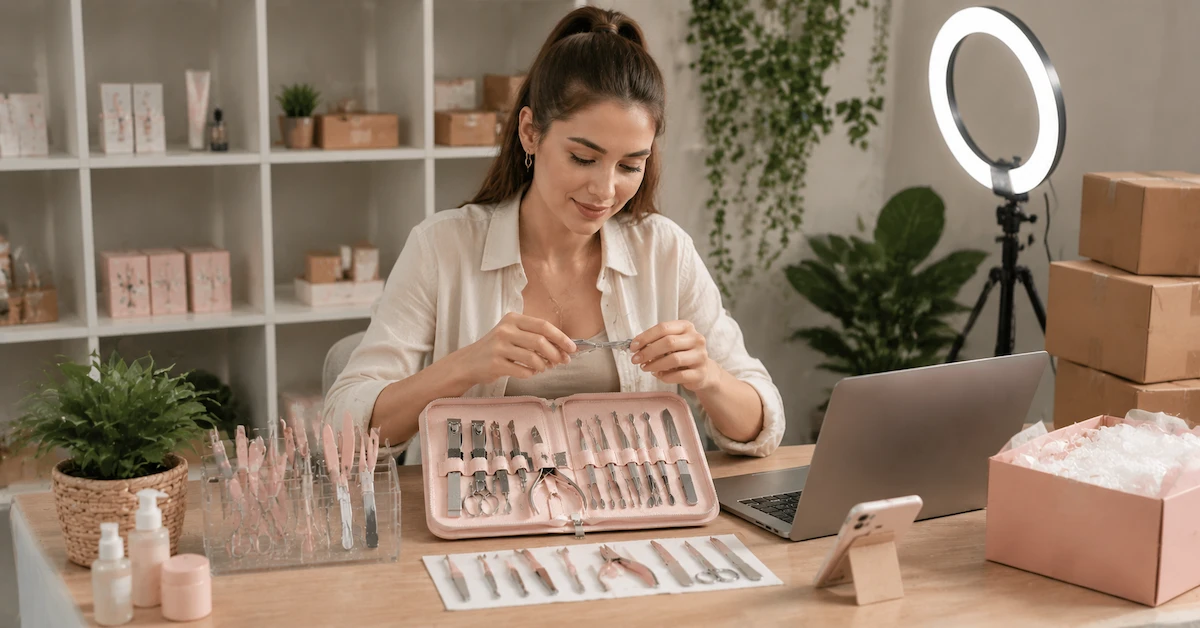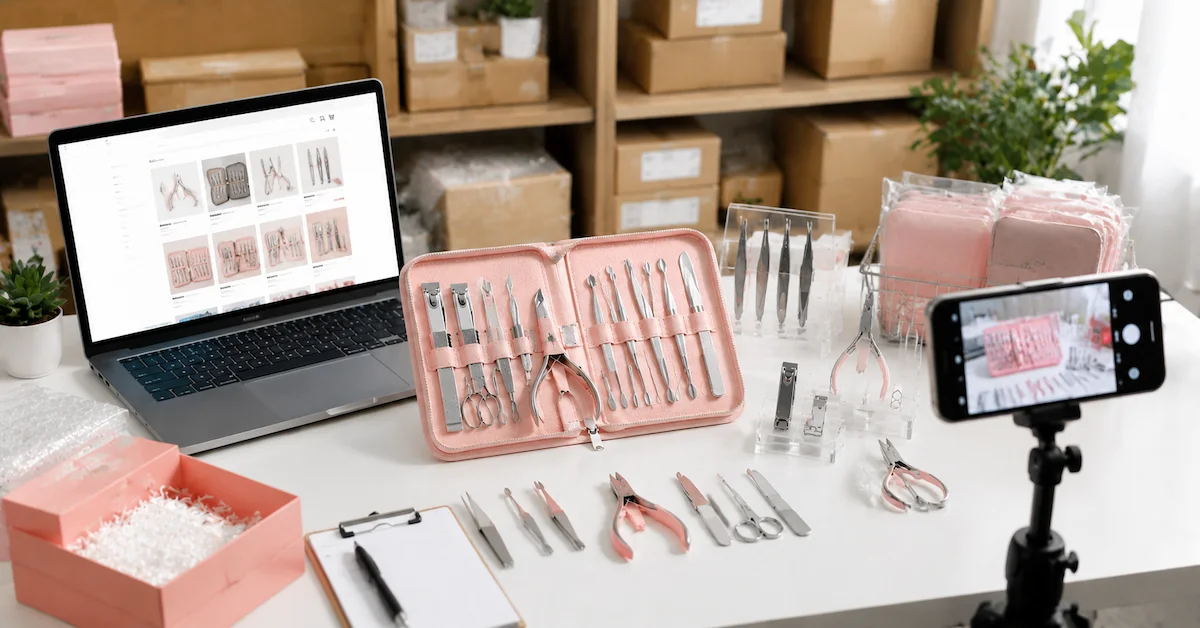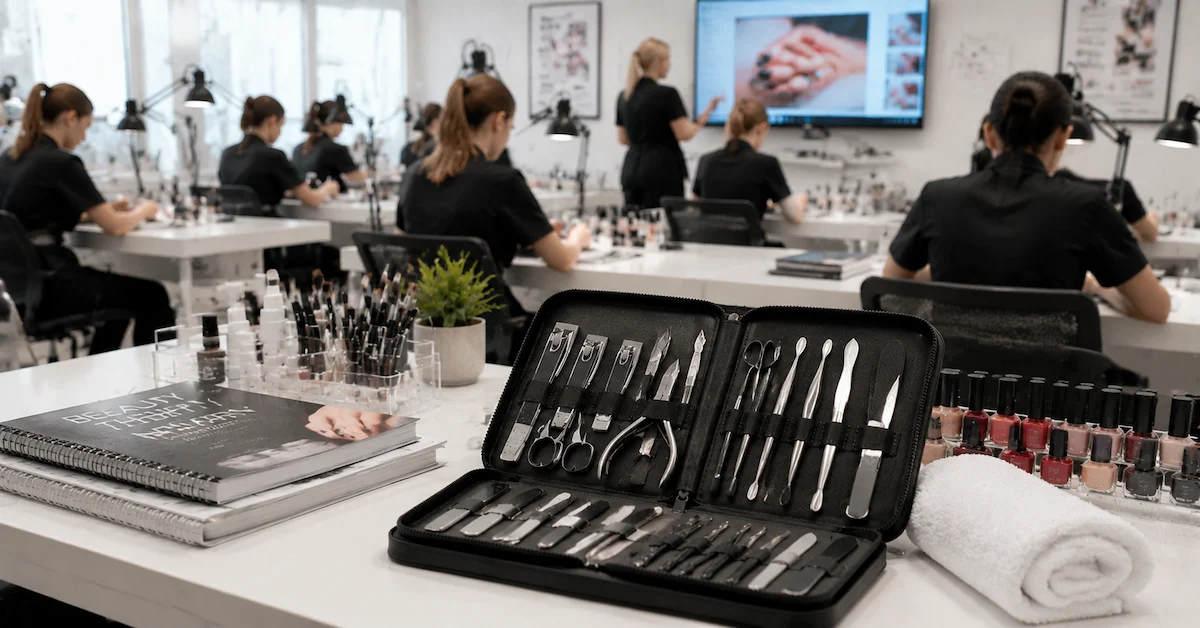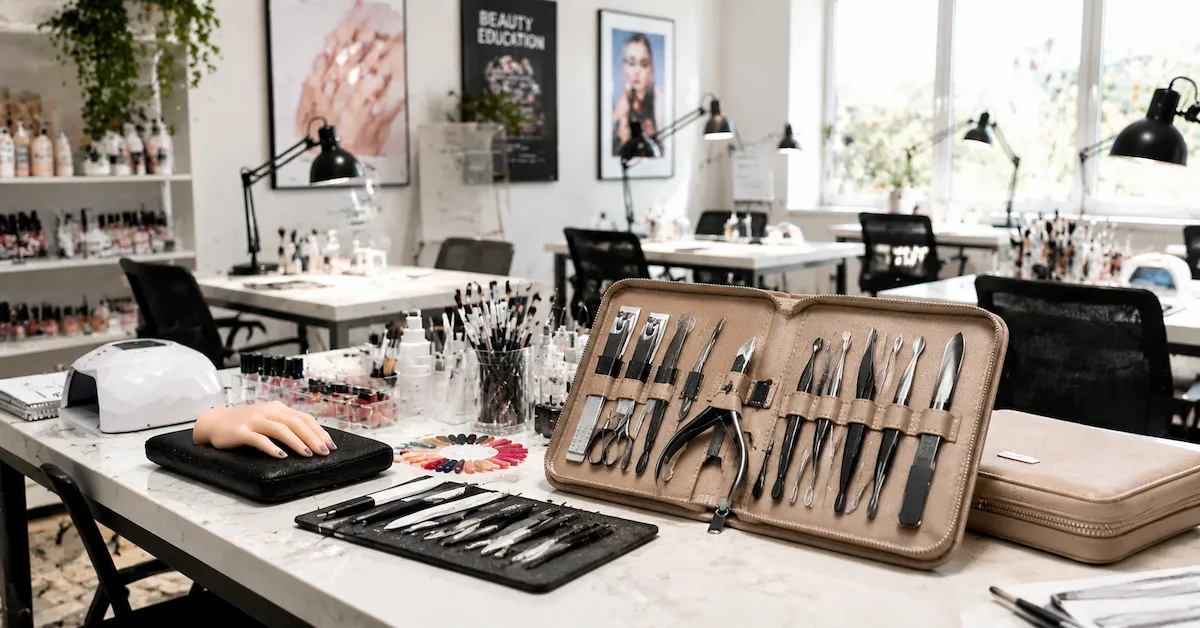











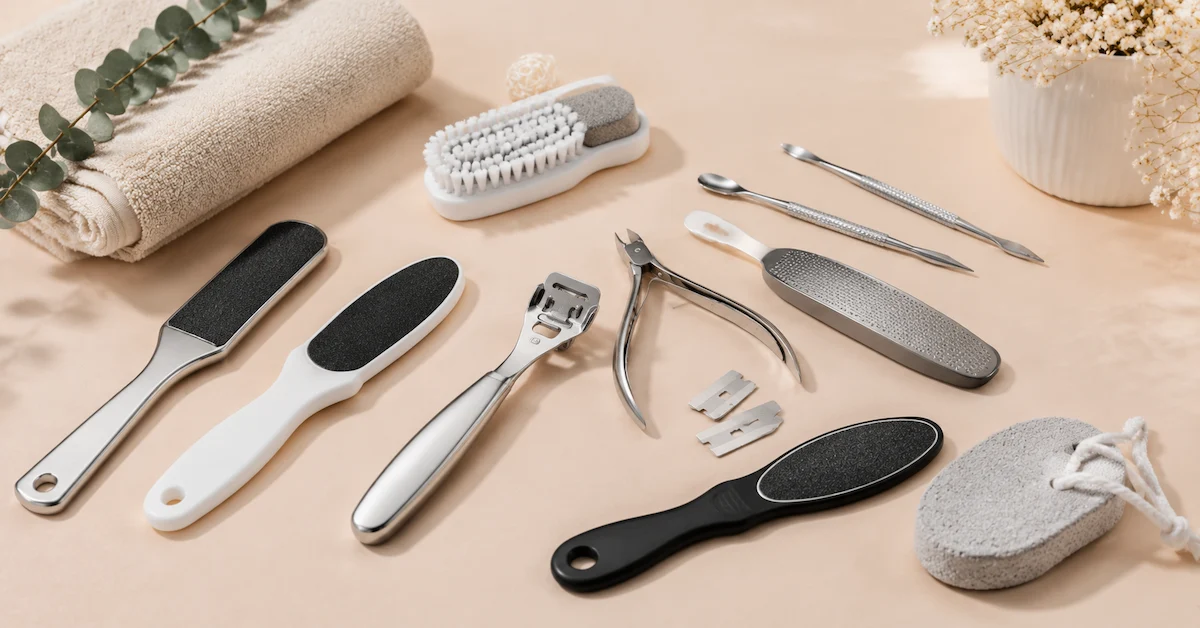
Wholesale foot care tools are simple only if you look at them one item at a time. For buyers, the real job is to build an assortment that works in the hand, fits the sales channel, and supports repeat ordering without unnecessary returns or complaints. A kit that includes the right mix of files, clippers, tweezers, brushes, blades, or pumice stones can serve salons, retail shelves, and online bundles well. A kit that looks complete but is poorly matched to the customer usually fails after the first use.
This guide focuses on what buyers should evaluate before ordering. It covers assortment planning, material selection, how these tools are usually made, what to check in samples, and how to compare suppliers without relying on packaging language alone. If you are building or reviewing a range, you can also browse our foot care tools and broader mixed grooming collections for reference while you compare options.
What buyers should really look for in wholesale foot care tools
The first decision is not the finish or the photo. It is whether the assortment solves the right foot-care tasks for the intended customer. A strong wholesale set should cover exfoliating rough skin, trimming nails, cleaning details, and finishing grooming work in a way that feels useful rather than crowded.
That is why foot care tools deserve to be treated as a system. A customer may need one tool for thickened skin, another for nail trimming, and a different piece for brushing or cleaning. If the assortment is balanced, the set feels complete. If one function is missing, the customer often supplements it with a competing product.
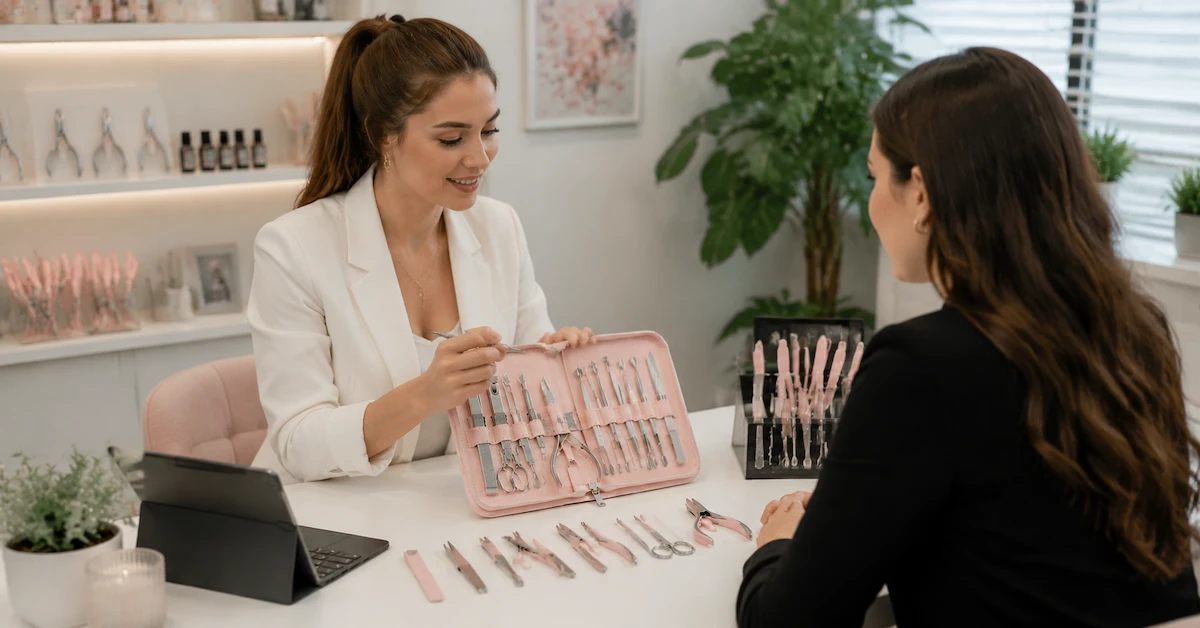
For sourcing teams, the practical question is simple: does the set support the use case, price tier, and channel you are selling into? A salon buyer, a supermarket private-label buyer, and an e-commerce seller all need different levels of clarity, presentation, and durability.
What is typically included in a mixed foot-care assortment
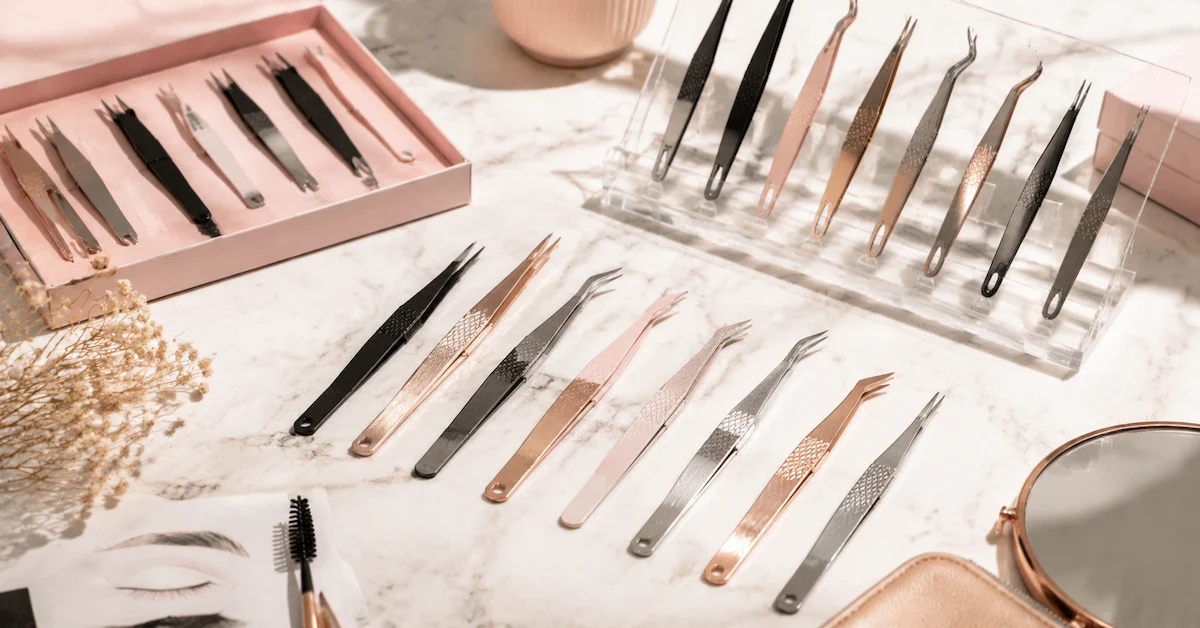
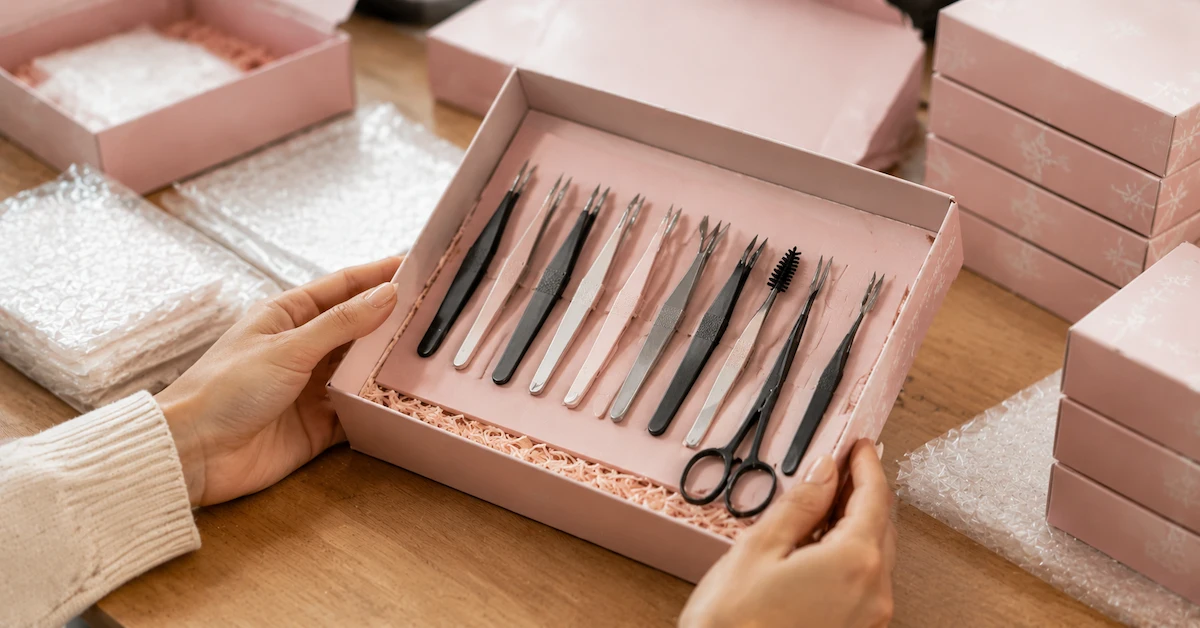
A mixed foot-care assortment usually combines abrasive, cutting, grooming, and cleaning functions. The product group in this category commonly includes:
- Foot files or rasps for smoothing rough skin and heels
- Metal rasp or pumice-style tools for more aggressive exfoliation
- Nail clippers or cuticle nippers for trimming and shaping
- Tweezer-like precision tools for detail grooming
- Replacement blade inserts for callus-removal systems
- Nail brushes with bristles and abrasive pads
- Natural pumice stones, often with a rope loop for handling and storage
Not every buyer needs every item, but the mix matters because it creates task coverage. A smaller set may be enough for a narrow retail position, while a broader assortment can support gift sets, private-label bundles, or salon station kits. The most common mistake is building a bundle that contains several near-duplicates but misses a function customers expect.
Why the material mix matters more than the surface appearance
Foot care tools in wholesale supply are usually made from stainless steel, plastic, abrasive surfaces, and porous stone. The way those materials work together tells you far more than a polished finish or a strong product photo.
Stainless steel is typically used for the parts that need rigidity, cleaner edges, or better control, such as clippers, nippers, tweezers, and some callus-removal components. Plastic handles and brush bases help reduce cost and weight while allowing shapes that are easier to hold in wet conditions. Abrasive pads and textured faces do the actual smoothing work. Pumice stone offers a more traditional exfoliating option and gives the assortment a softer, consumer-friendly feel.
What buyers should watch for is the difference between appearance and construction. A shiny tool can still feel flimsy if the hinge is weak or the edges are poorly aligned. A rough-looking file can still be inconsistent if the abrasive surface is uneven. In wholesale sourcing, it is better to inspect the full build than to judge by finish alone.
How these tools are usually made
The manufacturing route is straightforward, but consistency matters. Metal parts are typically formed through stamping, grinding, polishing, and assembly. That process applies to common steel components such as clipping jaws, nipper bodies, tweezer profiles, and grater-style faces.
Plastic parts are usually produced by injection molding, which is how many handles and brush bases are shaped. Abrasive surfaces are then bonded or mechanically attached to the file head. For natural pumice stones, the process is different: the stone is prepared into a usable shape and often finished with a rope loop or similar hanging feature.
For buyers, the main manufacturing question is repeatability. Low-complexity products still need consistent shape, secure attachments, and even finishing. If one item in a ten-piece kit is rough, loose, or uncomfortable, the whole set can feel lower grade than the catalog suggests.
Compare the right assortment by sales channel
The same foot care tool set can perform very differently depending on where it is sold. A useful assortment for a salon may not be the best choice for retail shelves or an online bundle. Use the channel to define the product, not the other way around.
| Sales channel | What to prioritize | What to verify before ordering |
|---|---|---|
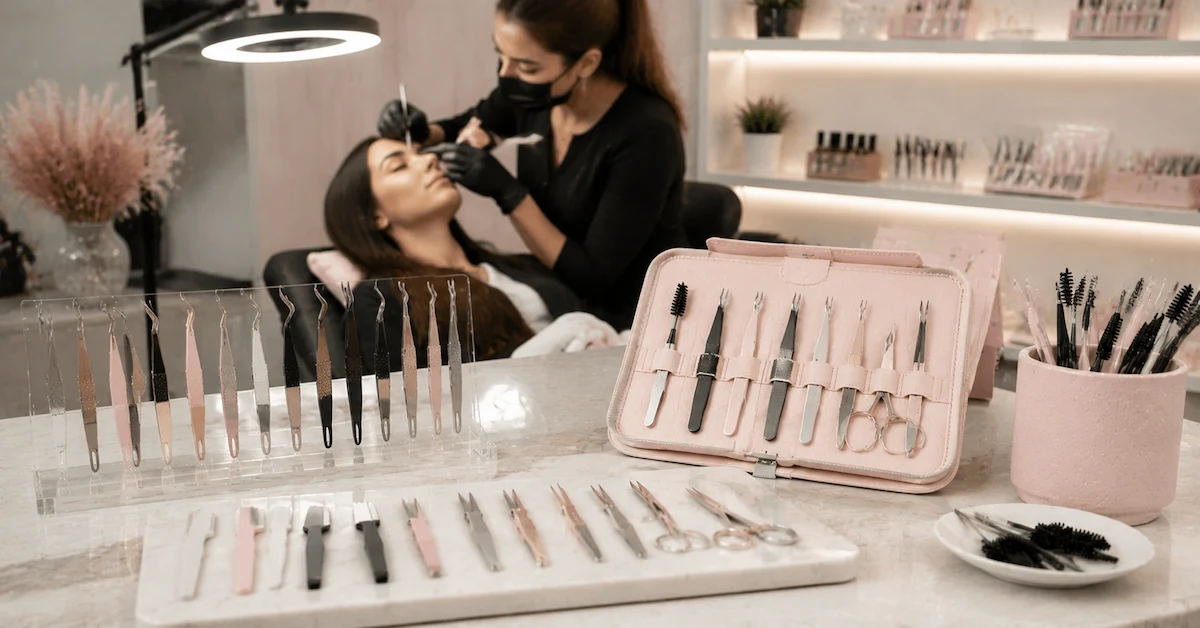
| Salons and spas | Comfort, grip, easy organization, practical task coverage | Tool balance, edge finishing, cleaning instructions, station suitability |
| Retail shelves | Immediate clarity, simple product purpose, visually complete kit | Packaging readability, assortment logic, shelf appeal, item count accuracy |
| E-commerce and private label | Clear listing language, unboxing confidence, low confusion | Image accuracy, set contents, component naming, return-risk reduction |
If you are building a channel-specific line, a focused contact with the sourcing team can help you narrow the assortment before you request samples. That is usually more efficient than comparing broad bundles that do not fit the same use case.
What sourcing managers should inspect in a sample
Samples are not just for confirming the item count. They are the best way to test whether the set feels trustworthy in use. A buyer should inspect the sample with the same questions a customer would ask in the first five seconds of handling it.
- Does the file or rasp feel effective without being overly harsh?
- Do clippers, nippers, and tweezers open and close smoothly?
- Are handles and grips comfortable in wet or dry use?
- Are abrasive surfaces secure and evenly attached?
- Are edges, joints, and seams finished cleanly?
- Does the assortment include redundant items or genuine task coverage?
- Is the packaging clear enough to match the contents?
These checks are especially important if the set includes replacement blades or callus-removal components. Buyers need to know which items are reusable, which are consumable, and how they should be presented to the end user.
Common mistakes buyers make when sourcing foot care tools
The most common mistake is assuming that all foot files perform the same way. They do not. A fine-grit file and a grater-style rasp can both be called heel tools, but they serve different routines. If the tool is too aggressive for the customer, it can feel unsafe or uncomfortable. If it is too mild, the customer may think it does not work.
Another frequent mistake is overpacking a kit with similar tools. A large assortment can look impressive, but redundancy often weakens perceived value. Buyers usually do better with a set that clearly separates exfoliation, trimming, cleaning, and finishing.
Ergonomics is another area that gets overlooked. Foot care tools are often used with wet hands or in bathroom settings, so grip shape, handle balance, and tool control matter. A visually attractive product that slips in the hand is still a poor product.
Finally, some buyers focus too heavily on visible metal finish. Brushed, matte, and polished surfaces all have their place, but finish alone does not prove durability or good assembly. It is smarter to ask how the parts are joined and whether the working surfaces are secure.
How to evaluate suppliers before placing an order
When comparing foot care tool suppliers, the useful questions are often simple. They are also the questions that reveal whether the supplier understands wholesale buying or just product listing.
- What exactly is included in the mixed set, and is it always sold as one package?
- Which components are stainless steel, plastic, abrasive, or natural stone?
- How are the abrasive parts attached to the tool head?
- Is the assortment aimed at home use, salon use, or retail resale?
- Can the supplier keep the same configuration for repeat orders?
- What cleaning, storage, and care guidance is available for the end user?
- Are any compliance documents or product declarations available for the target market?
If you sell into regulated markets, verify current requirements directly with the applicable public bodies and supplier documents. For example, EU distributors may need to check current REACH restrictions and packaging or labeling rules, while U.S. sellers may need to confirm applicable CPSC expectations and any state-level requirements. Always confirm the current version and the documents provided by the supplier.
When you are ready to move from review to quotation, an inquiry request with the intended channel, target assortment, and packaging needs usually produces a more useful response than a general question.
Care, cleaning, and storage guidance for end users
Even a well-made set can disappoint if the end user does not know how to care for it. Foot care tools should be presented with clear instructions on cleaning, drying, and storage. That matters for both hygiene expectations and product life.
Metal tools should be cleaned and dried after use. Abrasive files should be kept free of buildup so they continue to work evenly. Pumice stones are usually better stored where they can dry properly, which is one reason the rope loop is useful. If a kit includes a brush, the bristles and abrasive pad should also be easy to rinse or wipe clean depending on the material.
Buyers who sell through retail or online channels often reduce complaints by including simple care notes. Those notes do not need to be elaborate. They just need to explain that the tool set is meant for routine grooming, not rough handling or shared use without proper cleaning.
Practical buyer checklist before you place a wholesale order
Use this checklist to compare offers side by side:
- Match the assortment to the channel: salon, retail, or e-commerce
- Confirm every included item and its function
- Check how metal, plastic, abrasive, and stone parts are combined
- Inspect sample comfort, edge finishing, and attachment strength
- Verify which pieces are reusable and which are consumable
- Ask for cleaning and care guidance for the end user
- Review compliance documents for the target market
- Compare supplier consistency for repeat orders
Used this way, wholesale foot care tools become easier to source because you are comparing practical performance rather than catalog language. The same logic applies whether you are building a compact grooming kit or a broader private-label range.
FAQ: questions buyers often ask before ordering
Can I request samples before placing a bulk order?
Yes, that is usually the best way to evaluate a foot care assortment. A sample lets you inspect the feel, assembly, item mix, and packaging accuracy before you commit to a larger order.
Is customization possible for wholesale foot care tools?
Customization is often discussed in terms of assortment, packaging, labeling, and presentation. The best approach is to share your target channel and ask what can be adjusted without changing the product’s practical function.
What should I confirm about minimum order quantities?
Ask the supplier how the order is structured for the specific set you want. MOQ often depends on the configuration, packaging, and any customization request, so it is better to confirm those details early.
How do I judge quality without technical lab data?
Look at the sample in hand. Check alignment, hinge action, grip comfort, abrasive security, edge finishing, and whether the set feels complete for its intended use. Also ask for product documents that match the market you sell into.
What should I ask about lead time?
Ask the supplier how lead time changes with sample approval, packaging changes, or custom requests. For wholesale buying, the most important point is not a quoted number in isolation, but whether the supplier can support your launch or replenishment schedule reliably.
A practical next step for buyers
The best way to source wholesale foot care tools is to start with the channel, then test the assortment, and only then compare pricing. That order matters because a low-cost bundle that misses the customer’s routine is not actually good value.
If you are building a retail range, a salon kit, or a private-label bundle, focus on three things: task coverage, construction quality, and clarity of presentation. If those are strong, the assortment has a much better chance of selling without heavy explanation. If they are weak, even a complete-looking kit can behave like an incomplete one.
For a closer look at available options, review the current product range or send your sourcing brief through the inquiry form. A well-matched foot care assortment is usually easier to sell, easier to stock, and easier for customers to understand.