











Wholesale tweezers look simple on a product list, but they can become one of the most reputation-sensitive items in a beauty tool range. A tweezer either grips cleanly or it does not. It either feels controlled in the hand or it slips. For retailers, salon suppliers, e-commerce brands and private label buyers, that means sourcing decisions should go beyond unit cost and appearance. The right supplier choice affects customer reviews, repeat purchases, returns and the credibility of the broader grooming collection.
Olimor Beauty works in the beauty tool category where consistency, finish and usability matter. For buyers evaluating tweezers wholesale options, the goal is not only to find a product that looks attractive in packaging. It is to build a dependable line that can serve daily brow grooming, salon use, travel kits, manicure sets and giftable personal care assortments. This guide explains the practical questions to consider before adding wholesale tweezers to your product range.
Why Tweezers Remain a Core Beauty Tool Category
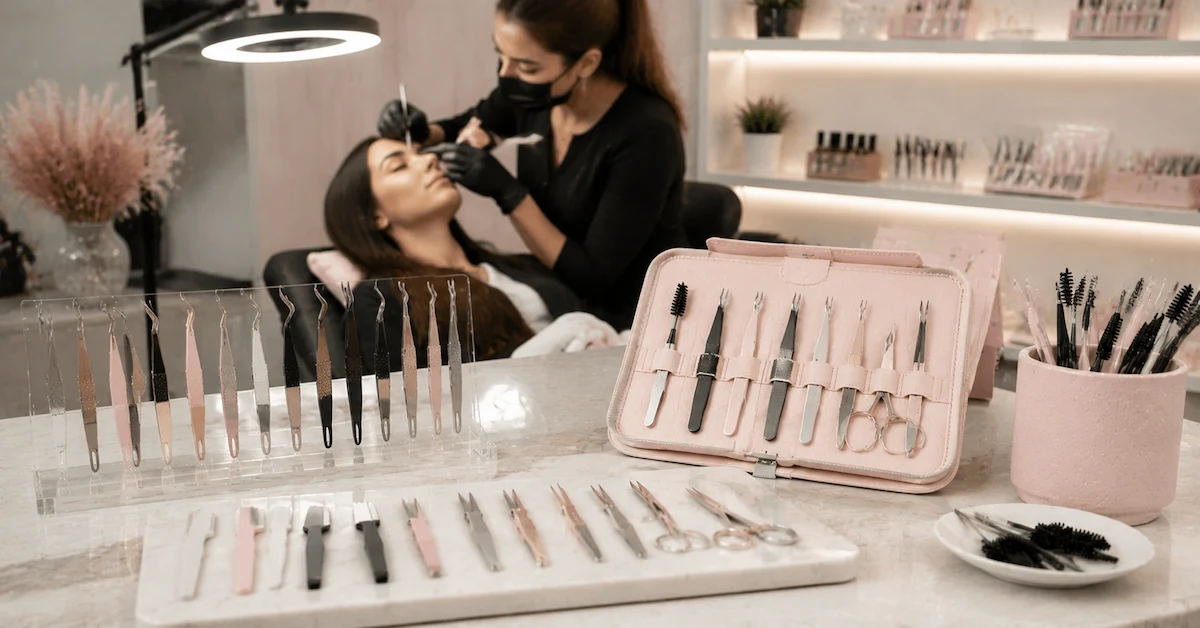
Tweezers continue to sell because they solve a precise, recurring grooming need. Consumers use them for eyebrow shaping, removing small hairs, applying false lashes, handling nail art pieces and managing minor personal care tasks. Professionals need them for accuracy, speed and hygiene. Unlike trend-led beauty accessories, a good pair of tweezers has long-term utility, making it a reliable item for beauty retailers and distributors.
The rise of salon-quality care at home has also changed buyer expectations. Customers who once accepted disposable or poorly aligned tools now compare products by grip, tip shape, surface finish and durability. This is especially important for brands that sell online, where product reviews often focus on performance details such as whether the tips meet evenly or whether the tool can capture fine hair without cutting it.
For wholesale buyers, tweezers can work as a stand-alone SKU, part of a brow grooming set, a travel beauty kit, a manicure and pedicure assortment, or a complementary product within larger product collections. Their small size makes them convenient for retail display, bundled promotions and private label packaging programs.
Choosing the Right Tweezer Type for Your Customer
Before comparing suppliers, define the user and use case. A salon-focused buyer may prioritize precision and long working comfort, while a value retail range may need a balanced design that handles common grooming tasks well. Different tip styles support different applications, and choosing the wrong type can lead to dissatisfied users even if the general manufacturing quality is acceptable.
| Tweezer type | Common use | Buyer consideration |
|---|---|---|
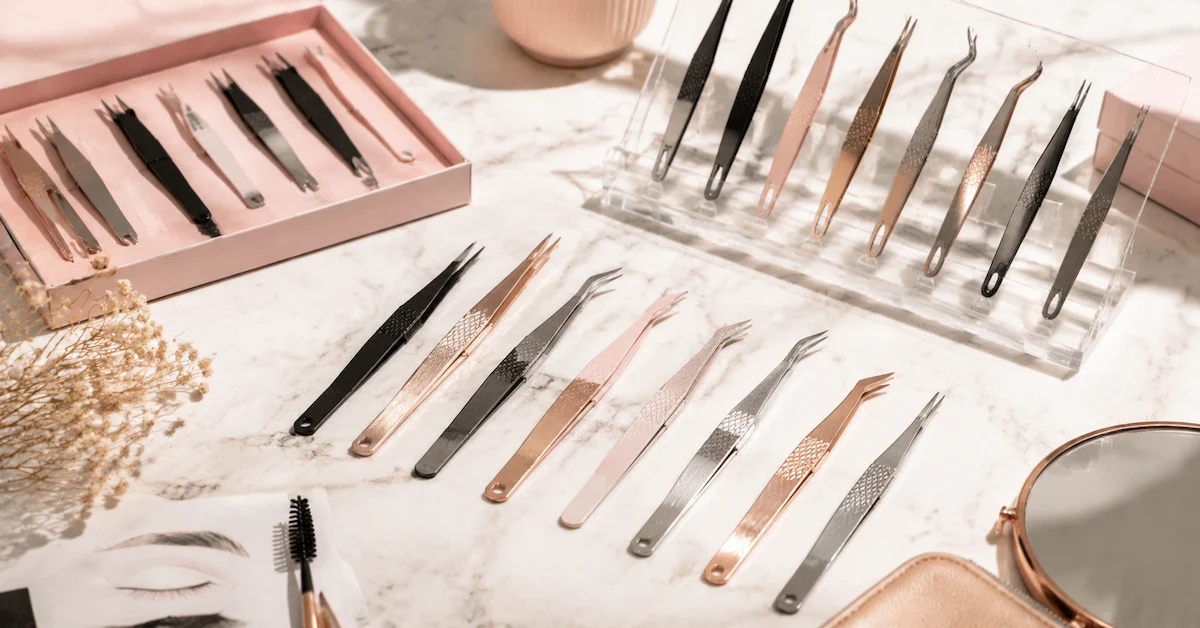
| Slant tip | Eyebrow shaping and everyday grooming | A versatile choice for retail and salon assortments because the angled edge gives visibility and control. |
| Point tip | Very fine hair, precision tasks, nail art handling | Requires careful finishing and protective packaging because the tips are more delicate. |
| Flat tip | Gripping larger hairs or small cosmetic items | Useful for general grooming kits, but less ideal for very fine brow detail. |
| Curved or specialty tip | False lash application and detailed cosmetic placement | Best when positioned for a specific beauty task rather than as a general-purpose tweezer. |
If you are building a new range, a slant-tip tweezer is often the safest starting point because it serves the widest audience. Specialty tips can then be added to create a more complete brow, lash or nail art program. Browse broader beauty tool products to consider how tweezers might fit with nail tools, grooming tools or cosmetic accessories.
Quality Criteria That Matter in Wholesale Tweezers
Good tweezers are defined by alignment, tension, finish and material performance. A product may look polished in a catalog photo, but the real test is how consistently it grips hair across a production batch. Wholesale buyers should evaluate samples with practical handling tests rather than relying only on visual inspection.
Key selection criteria include:
- Tip alignment: The two sides should meet evenly without visible gaps. Misalignment reduces grip and creates user frustration.
- Edge finishing: Tips should be precise without feeling rough, overly sharp or inconsistent. Poor finishing can scratch skin or cut hair instead of removing it.
- Spring tension: The tweezer should open and close smoothly. Excessive stiffness causes hand fatigue, while weak tension reduces control.
- Surface treatment: Polished, matte or coated finishes should be even, clean and suitable for the intended retail positioning.
- Comfort in hand: Shape, width and pressure point affect daily use, especially for professionals and frequent users.
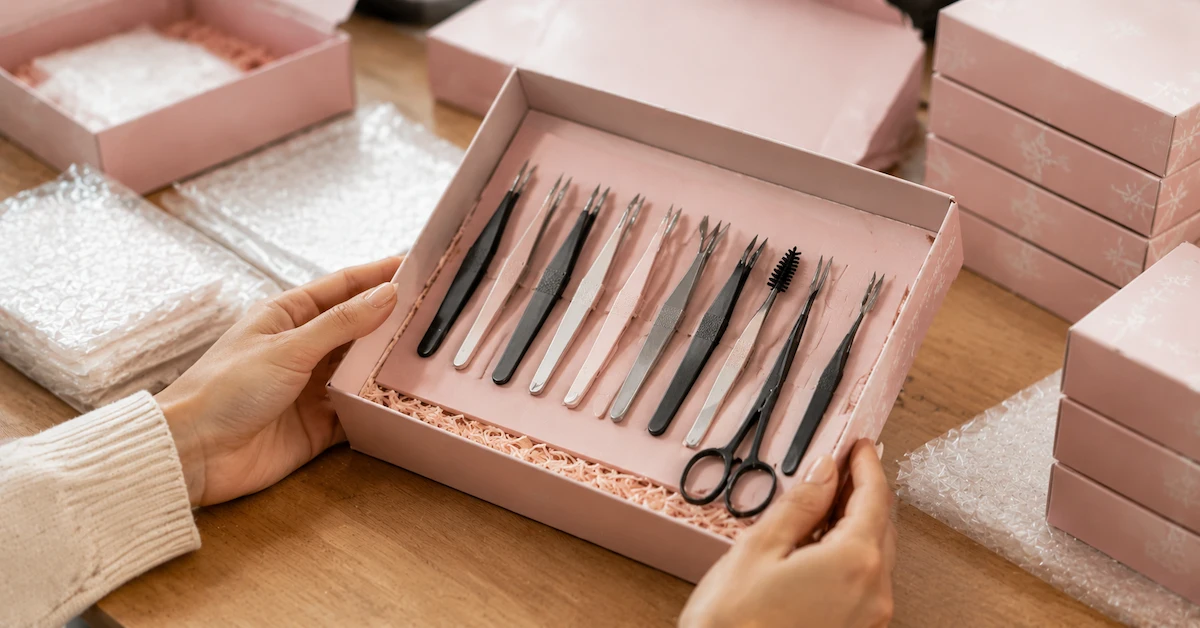
- Packaging protection: Tips should be protected during shipping and retail handling to avoid damage before the customer opens the product.
Stainless steel is commonly valued in beauty tools because it supports durability, cleanability and long product life when manufactured and maintained properly. The original sourcing question, however, should be broader than material alone. Buyers should look at how the tool is formed, finished, checked, packed and protected throughout the supply chain.
Private Label and Brand Presentation Considerations
Tweezers are compact, but they carry a surprising amount of brand influence. When a customer uses a tweezer every week, the feel of the tool and the durability of the finish reinforce their opinion of the brand. For private label manicure tools and grooming accessories, branding decisions should support both function and shelf appeal.
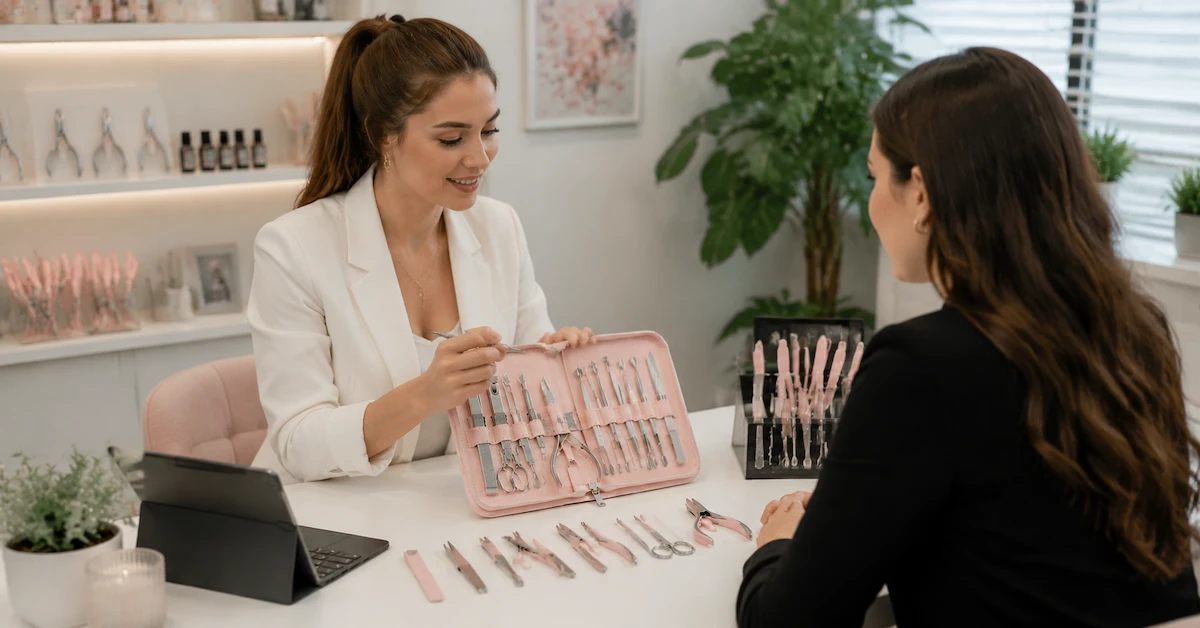
Consider how the product will be sold. A professional salon supplier may prefer a clean, minimal presentation that emphasizes precision and hygiene. A beauty retailer may need stronger visual packaging, clear usage claims and giftable design. An e-commerce brand may need packaging that photographs well, protects the tips during fulfillment and communicates the tweezer type immediately.
Useful packaging and branding questions include:
- Will the tweezer be sold individually or as part of a grooming set?
- Does the packaging clearly show the tip shape and intended use?
- Is tip protection included to prevent damage in transit?
- Can the finish, color or logo placement remain consistent across repeat orders?
- Will the product information help reduce misuse and customer complaints?
A successful private label program depends on repeatability. A beautiful first batch is not enough if later shipments vary in tension, alignment or surface finish. This is why supplier process control and practical sampling matter as much as creative packaging.
Supplier Evaluation for Global Wholesale Programs
When sourcing from a professional beauty tools supplier, buyers should assess communication, production understanding and quality control discipline. The supplier should be able to discuss tool function in practical terms, not only color, finish and packaging. For tweezers, small production differences can strongly affect performance, so the supplier’s inspection approach is important.
A useful supplier review should cover the following areas:
- Sample review process: Confirm that samples are tested for grip, alignment, finish and packaging before bulk decisions are made.
- Production consistency: Discuss how the supplier manages consistency from raw material handling through forming, finishing and final packing.
- Defect definitions: Agree on what counts as unacceptable, such as bent tips, uneven closing, visible surface flaws or packaging damage.
- Export readiness: For international buyers, packaging strength, labeling requirements and carton protection should be reviewed early.
- Brand confidentiality: Private label buyers should ensure that design, logo and packaging details are handled professionally.
Olimor Beauty is based in a manufacturing region known for beauty tool production, and buyers often look to Guangdong suppliers for scalable sourcing options. Still, the strongest sourcing decision comes from matching the supplier’s capabilities to the product’s intended market. A salon-grade item, a mass retail item and a promotional kit item may all require different specifications and inspection priorities.
Maintenance Guidance That Improves Customer Satisfaction
Wholesale buyers should also think about end-user instructions. A quality tweezer can perform poorly if it is stored loose in a makeup bag, dropped on the tip or used for unsuitable tasks. Clear care guidance helps customers get better results and can reduce avoidable returns.
Recommended care messages for retail packaging or product pages may include:
- Clean tips after use and dry the tool before storage.
- Store with a protective cap or in a pouch to prevent tip damage.
- Avoid dropping the tweezer, as impact can affect alignment.
- Use the correct tip style for the task; fine point tweezers need more careful handling.
- Keep personal grooming tools separate when hygiene is important.
These instructions do not need to be long. A concise care card or a short product page section can help customers understand that precision tools require proper handling. This is especially useful for point-tip tweezers and premium finishes.
Building a Better Wholesale Tweezer Line
A strong tweezer range begins with a clear product strategy. Decide whether your audience needs an everyday brow tool, a professional salon option, a travel grooming accessory or a specialized lash and nail art tool. Then evaluate suppliers based on practical performance: alignment, grip, comfort, finish consistency and packaging protection.
For brands expanding into tweezers wholesale, the best results come from combining precise product requirements with realistic quality checks. Do not treat tweezers as a low-detail accessory. A customer may judge your entire beauty tool range by how well this small instrument performs.
If you are planning a wholesale grooming tool range, private label program or mixed beauty accessory assortment, you can send an inquiry with your target market, preferred tool type and packaging needs. For broader sourcing questions or supplier discussions, contact Olimor to explore practical options for professional beauty tools.