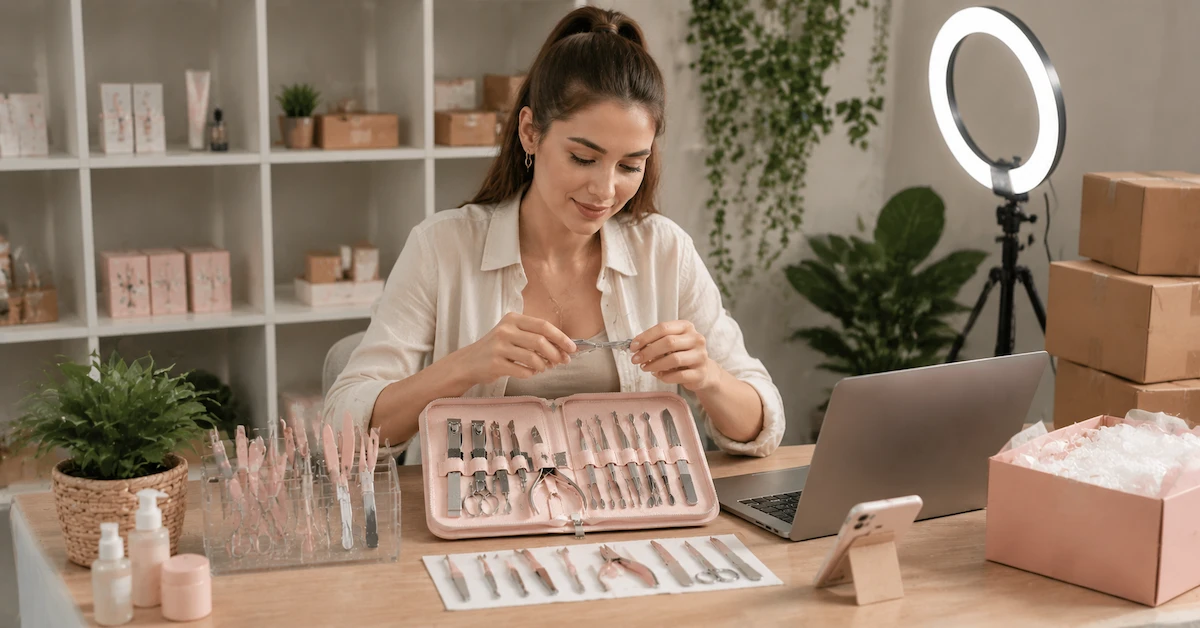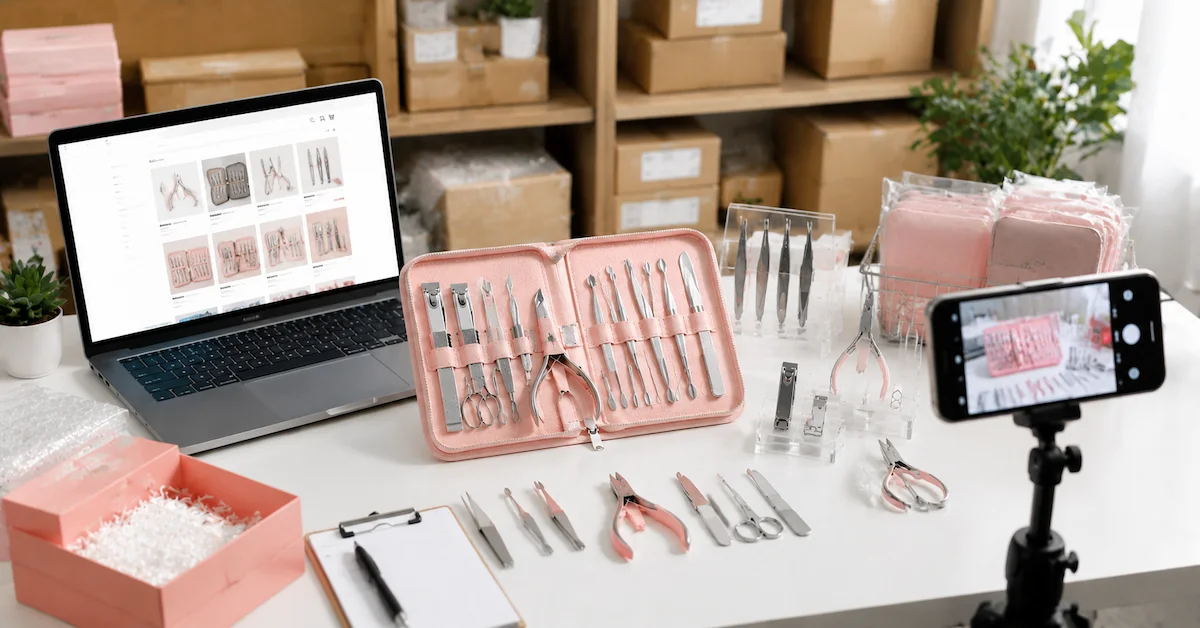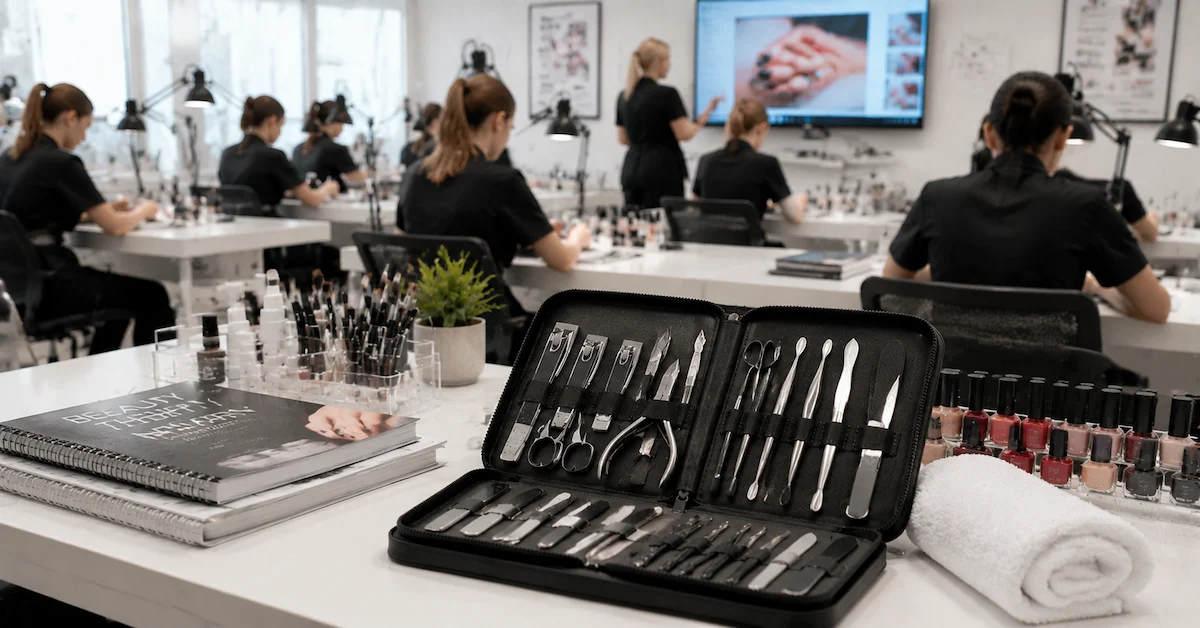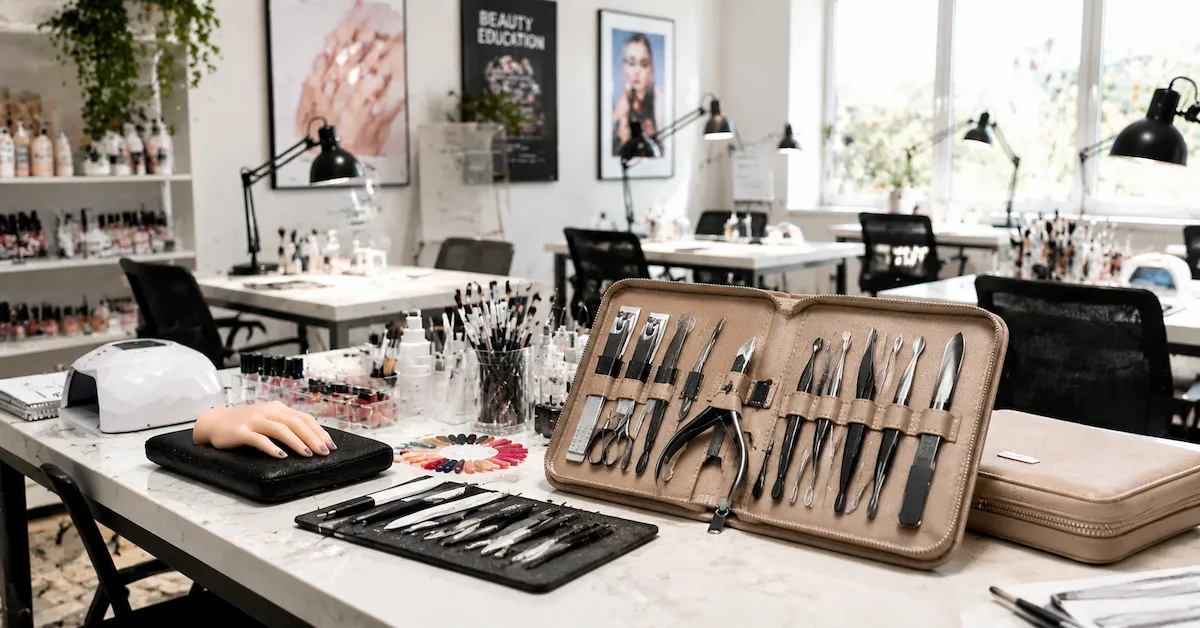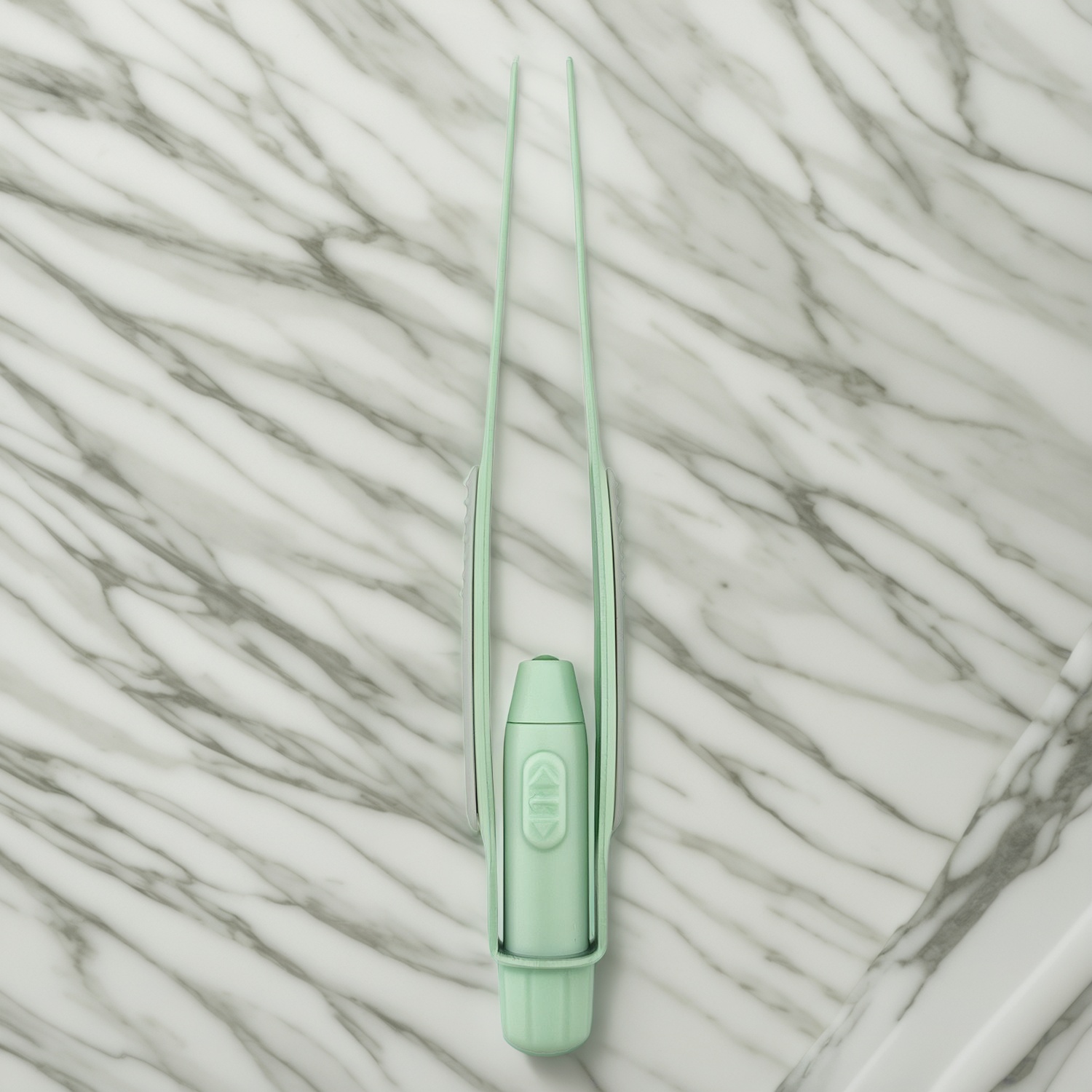
Wholesale tweezers may look simple at first glance, but buyers know they can be one of the most demanding beauty tools to source well. A tweezer must close evenly, grip fine hair without cutting it, feel comfortable in the hand, resist corrosion, and arrive in packaging that matches the sales channel. For beauty retailers, salons, brow studios, distributors, and private label brands, the right tweezer assortment can support repeat sales because customers quickly notice the difference between a tool that works cleanly and one that slips.
The market has also become more specialized. Consumers no longer expect one generic tweezer to cover every task. They compare slant tips for eyebrow shaping, pointed tips for detailed work, flat tips for broader gripping, and specialty designs that may include added functions such as integrated LED lighting for more controlled visibility in delicate care routines. When sourcing tweezers wholesale, the goal is not simply to buy at volume. It is to define the exact use cases your customers care about, then match those needs with consistent manufacturing, practical packaging, and reliable quality control.
Why Specialized Tweezers Matter in Wholesale Buying
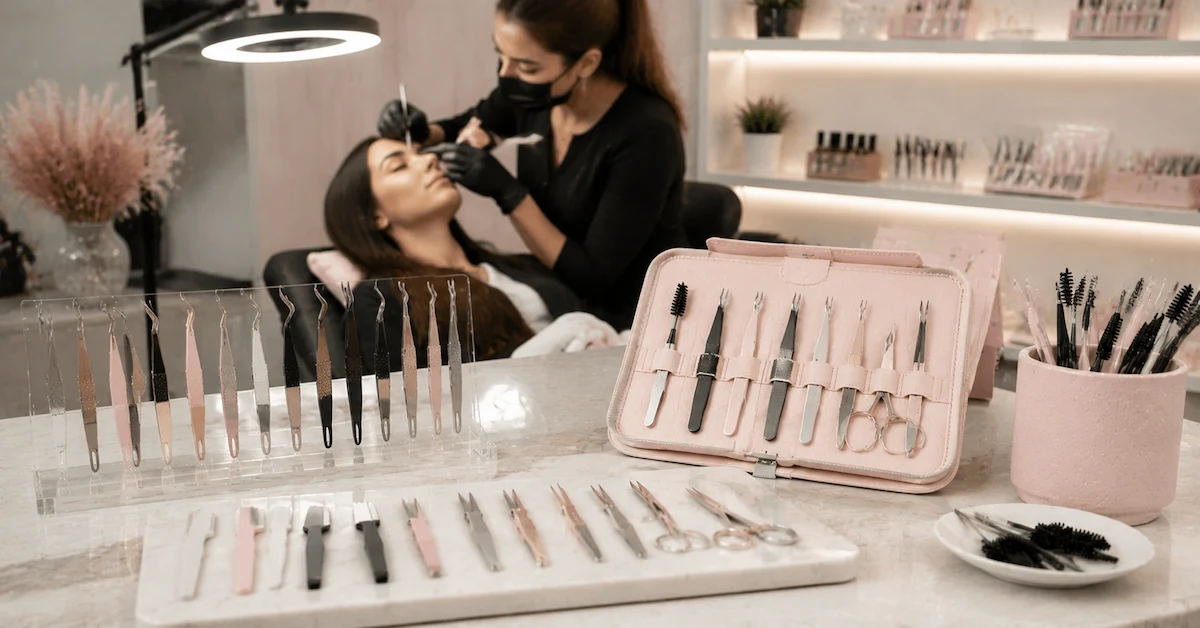
A broad beauty tools category can hide many different user expectations. A salon professional may want a stainless steel slant tweezer that aligns perfectly and can withstand frequent use. A retail customer buying for home grooming may focus on comfort, safe storage, and a clean finish. A travel set buyer may prefer a compact size and protective case. A brand building an eyebrow kit may need a tweezer that pairs well with scissors, brow razors, or other beauty tool products.
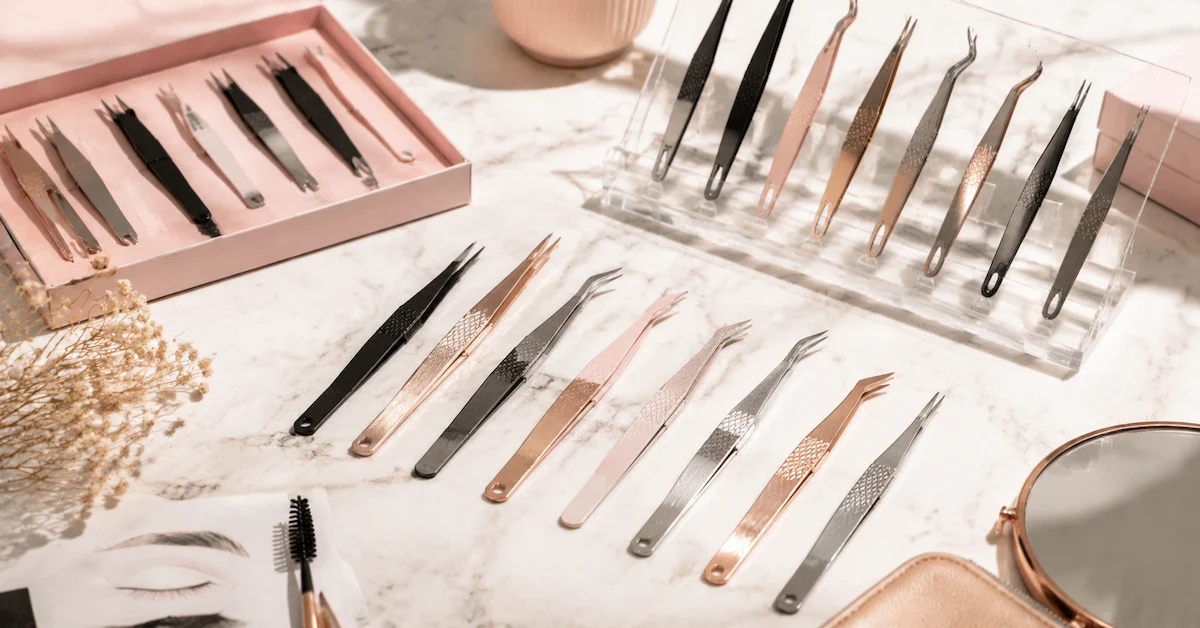
Specialization matters because the tip shape changes the user experience. A slant tip is often preferred for eyebrow shaping because it gives a balance of visibility and surface contact. A pointed tip can be useful for precision tasks, but it requires careful finishing because any roughness or asymmetry is immediately noticeable. A flat or square tip may suit broader gripping or general grooming. Specialty tweezers with added features, such as a light, can serve customers who value visibility, but those products also require more attention to assembly, battery access, and user instructions.
For wholesale buyers, this means the product brief should describe the customer scenario before discussing price. A low-cost tweezer that does not grip consistently can create returns, poor reviews, and weaker sell-through. A better assortment begins with the use case: brow shaping, fine hair removal, travel grooming, professional service, gift set, or private label retail.
Core Selection Criteria for Wholesale Tweezers
Before placing a repeat order or building a private label program, buyers should evaluate tweezers through practical, measurable criteria. The following checklist helps compare options without relying only on appearance.
- Tip alignment: The two arms should meet evenly at the intended contact point. Misalignment is one of the most common reasons tweezers fail to grip fine hair.
- Grip performance: A good tweezer should hold hair securely without requiring excessive hand pressure. Test on different hair thicknesses when possible.
- Edge finishing: Tips should be smooth enough for skin contact, with no burrs or sharp irregularities beyond the intended precision edge.
- Spring tension: The arms should open and close comfortably. Too much tension causes fatigue; too little can feel unstable.
- Surface finish: Polished, matte, coated, or colored finishes should be even and resistant to visible defects from normal handling.
- Body shape: Wider grip areas, textured zones, or ergonomic contours can improve control, especially for professional or frequent users.
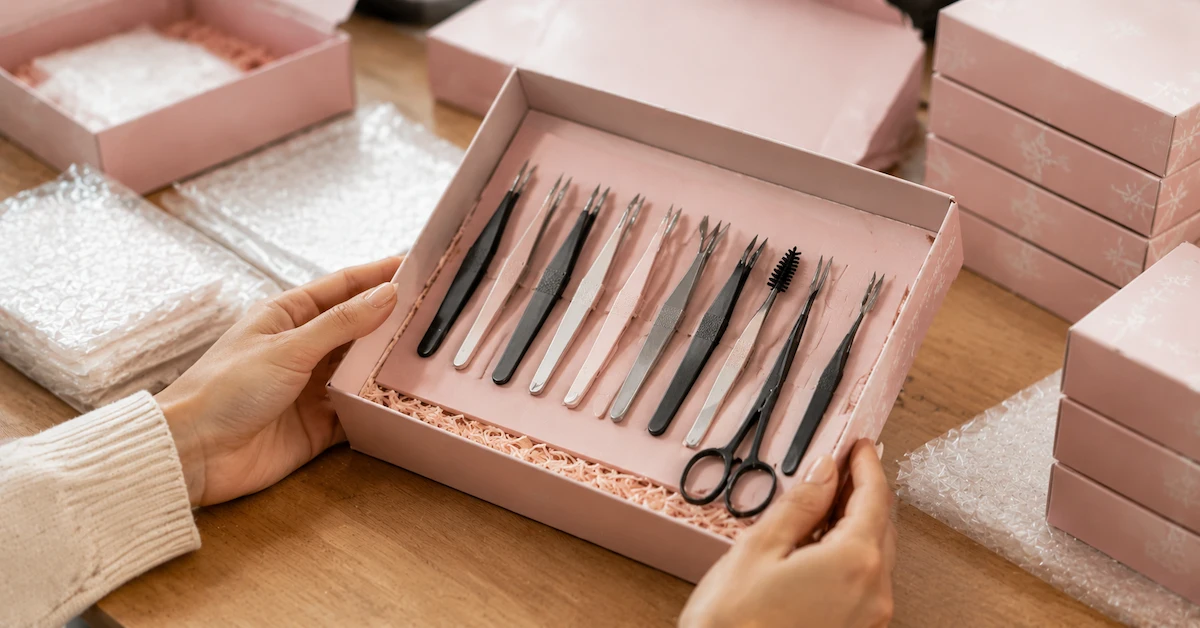
- Protective packaging: Tip guards, sleeves, tubes, or cartons help prevent damage during shipping and retail display.
- Cleaning compatibility: The tool should be easy to wipe, dry, and store hygienically according to its intended use.
These criteria are useful for comparing both standard and specialized tweezers. If you are sourcing illuminated tweezers, add checks for light placement, switch function, battery compartment security, and packaging instructions. If you are sourcing for a premium brow line, focus more heavily on alignment, finish consistency, and presentation.
Choosing the Right Tip Style for Your Customer Base
A profitable wholesale tweezer range often includes more than one shape. The best mix depends on the customer segment and where the product will be sold. Online shoppers may respond to clear product descriptions and close-up images of the tips, while salon buyers may care more about hand feel and long-term consistency.
| Tip style | Best suited for | Wholesale buying notes |
|---|---|---|
| Slant tip | Eyebrow shaping and general grooming | A strong core item for many retail assortments; inspect angle consistency and closing line. |
| Point tip | Detailed precision work | Requires careful finishing and protective packaging to prevent bent or damaged tips. |
| Flat tip | Broader gripping tasks | Useful as a general tool, but the gripping surface must meet cleanly across its width. |
| Specialty lighted design | Tasks where visibility is important | Evaluate assembly, light direction, switch reliability, and user safety information. |
It is usually better to launch a focused set of well-chosen styles than to carry too many similar options. For example, a brow-focused assortment may include one slant tweezer for everyday shaping, one pointed tweezer for detail work, and one set format for gifting or salon resale. A distributor serving varied retailers may need a wider selection across finishes and packaging formats.
Quality, Materials, and Finishing Questions
Material choice affects durability, cleaning, appearance, and perceived value. Many buyers look for metal tweezers because they feel precise and long lasting, but the exact material specification should be confirmed for each product rather than assumed. Coatings and colored finishes can create strong shelf appeal, yet they should be evaluated for uniformity, scratch resistance during normal handling, and compatibility with packaging.
Quality control should cover more than a quick visual check. For wholesale tweezers, alignment and grip are the product’s performance core. A buyer can set up a simple incoming inspection process by selecting random samples from cartons and checking closure, finish, tip protection, and packaging condition. If the tweezers are part of a kit, check that each component remains secure and that the tweezer tips do not rub against harder items during transport.
For private label or custom packaging projects, request clear pre-production samples and approved artwork proofs before scaling up. The packaging should protect the tool as well as communicate the intended use. A beautiful carton is not helpful if the precision tip arrives bent. Consider whether the tool needs a reusable sleeve, a plastic tip guard, a blister card, a paper box, or a pouch based on the sales channel and sustainability expectations of your customers.
Packaging and Private Label Decisions
Packaging can turn a basic tool into a more organized retail product, but it also affects cost, storage, shipping weight, and damage risk. For e-commerce, compact packaging that protects the tip and photographs clearly may be more important than large retail cards. For brick-and-mortar retail, hang holes, barcode placement, product visibility, and clear claims may matter more. For salons, minimal packaging with hygienic protection can be suitable if the product is sold or used professionally.
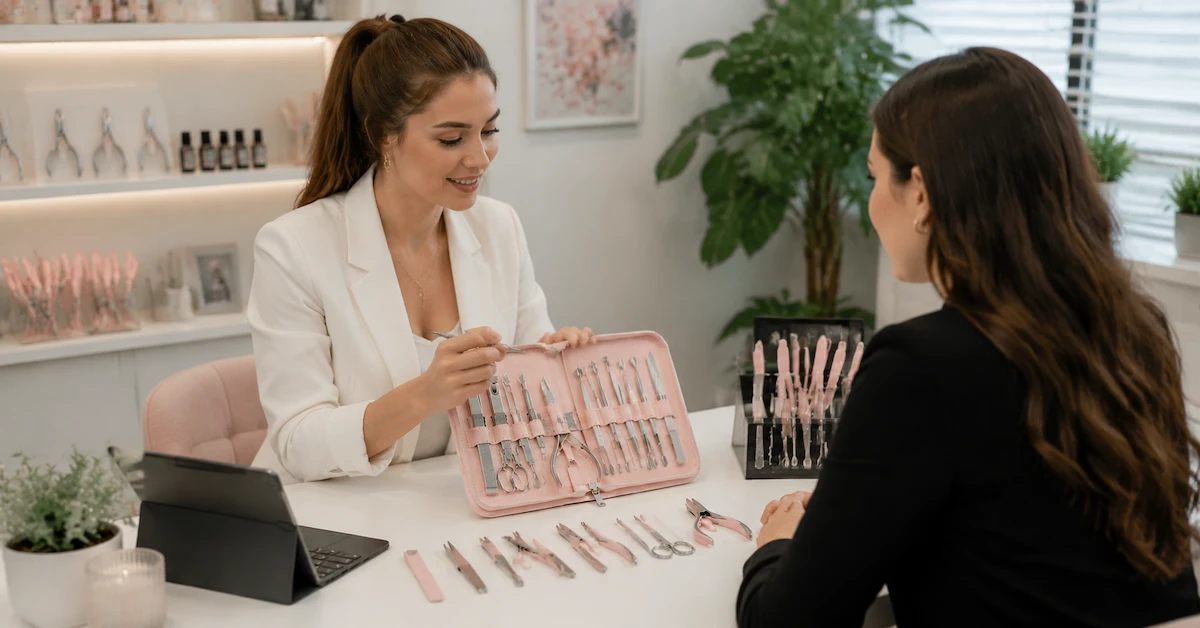
Private label programs should be planned around the customer promise, not just a logo. Decide whether the tweezer is positioned for professional brow shaping, everyday home grooming, travel, or gift sets. Then align finish, grip design, packaging, and instructions around that use case. If you are reviewing broader product collections, consider whether the tweezer should match other manicure, pedicure, or facial grooming tools in color, finish, and packaging style.
Useful private label planning points include brand color tolerance, logo placement, package copy, barcode requirements, warning text, country-specific labeling needs, and carton marking. These details are easier to solve early than after production artwork has been approved.
How to Evaluate a Wholesale Tweezer Supplier
A good supplier relationship helps buyers move from one-time purchasing to a stable product program. The ideal partner understands beauty tool performance, provides consistent samples, communicates clearly about customization options, and supports quality review before shipment. Manufacturing regions known for beauty tool production, including Guangdong, can offer access to established supply chains and a wide range of tooling and finishing options, but buyers should still evaluate each supplier on process and product evidence.
- Define the assortment: List the tip styles, finishes, packaging types, and target retail channels.
- Request representative samples: Test alignment, grip, comfort, finish, and packaging protection.
- Confirm customization scope: Clarify available logo methods, packaging formats, color options, and artwork requirements.
- Review quality expectations: Agree on appearance standards, functional checks, and how defects will be handled.
- Plan replenishment: Consider lead times, carton dimensions, storage, and how often the product will be reordered.
When your buying team is comparing options, keep a written scorecard. This helps separate subjective preferences from actual performance. A tweezer that looks attractive in a catalog should still pass grip tests, tip inspections, and packaging checks before becoming part of your core range.
Building a More Competitive Tweezer Inventory
The strongest wholesale tweezer programs are specific. They are built around clear customer needs, practical tip styles, durable finishing, and packaging that protects the product until it reaches the end user. Retailers and beauty brands can compete more effectively by choosing tools that feel precise, look consistent, and match the way customers actually shop and use personal care products.
If you are planning a new tweezer assortment, updating a private label beauty tool line, or comparing specialty options such as lighted tweezers, Olimor Beauty can help you organize the sourcing conversation around performance, packaging, and customization priorities. Explore related beauty tool products or contact Olimor to discuss the type of wholesale tweezer program that fits your sales channel. For a specific project brief, you can also send an inquiry with your target use case, preferred styles, and packaging requirements.