Tweezers are small tools, but they can have an outsized effect on how customers judge a beauty range. A pair that grips cleanly, aligns well and feels stable in the hand can encourage repeat purchases. A pair that slips, pinches skin or loses tension quickly can create returns, complaints and weak reviews. For beauty brands, salon suppliers, distributors and private-label buyers, sourcing tweezers wholesale is therefore less about filling a catalog gap and more about protecting product credibility.
The wholesale market has also changed. Consumers who once treated tweezers as basic disposable accessories now compare tip shapes, finish, grip, alignment and long-term durability. Many expect tools that feel close to professional salon equipment while still being suitable for home grooming. This creates an opportunity for brands that select carefully and build a clear quality standard before placing bulk orders.
Olimor Beauty works in the beauty tools category, where precision, ergonomics and consistent finishing matter across grooming and manicure instruments. Buyers reviewing beauty tool products should evaluate tweezers not only by appearance, but by how well each design fits the target user, retail position and quality promise of the brand.
Why Wholesale Tweezers Need More Than a Low Unit Cost
In wholesale sourcing, price is always part of the discussion, but tweezers are a tool category where small manufacturing differences are easy for users to feel. Tip contact, tension and edge finish determine whether the tool can grip a fine hair, remove a splinter-like strand, or shape brows without repeated pulling. If a tweezer misses fine hairs, the user immediately notices.
Low-cost tools may appear acceptable in photos, but poor alignment or weak tension can reduce real usability. The result is a product that looks sellable but performs inconsistently after it reaches shelves, salons or online customers. For buyers, this makes hands-on sampling and structured evaluation essential.
Durability is another important consideration. A tweezer that performs well at first but bends, dulls or loses closing accuracy after normal use can damage customer trust. Stainless steel is commonly valued in beauty tools because it supports durability, cleanability and a more substantial feel. However, the buyer should still evaluate workmanship, finish and tip precision rather than relying on material claims alone.
Match Tweezer Type to the Customer’s Use Case
Wholesale buyers should begin with the end user. A brow studio, a beauty retailer, a travel accessories brand and a manicure kit supplier may all need tweezers, but not necessarily the same shape or finish. The right assortment often includes more than one tip style so customers can choose the tool that fits their grooming habit.
| Tweezer feature | Best suited for | Buyer evaluation point |
|---|---|---|
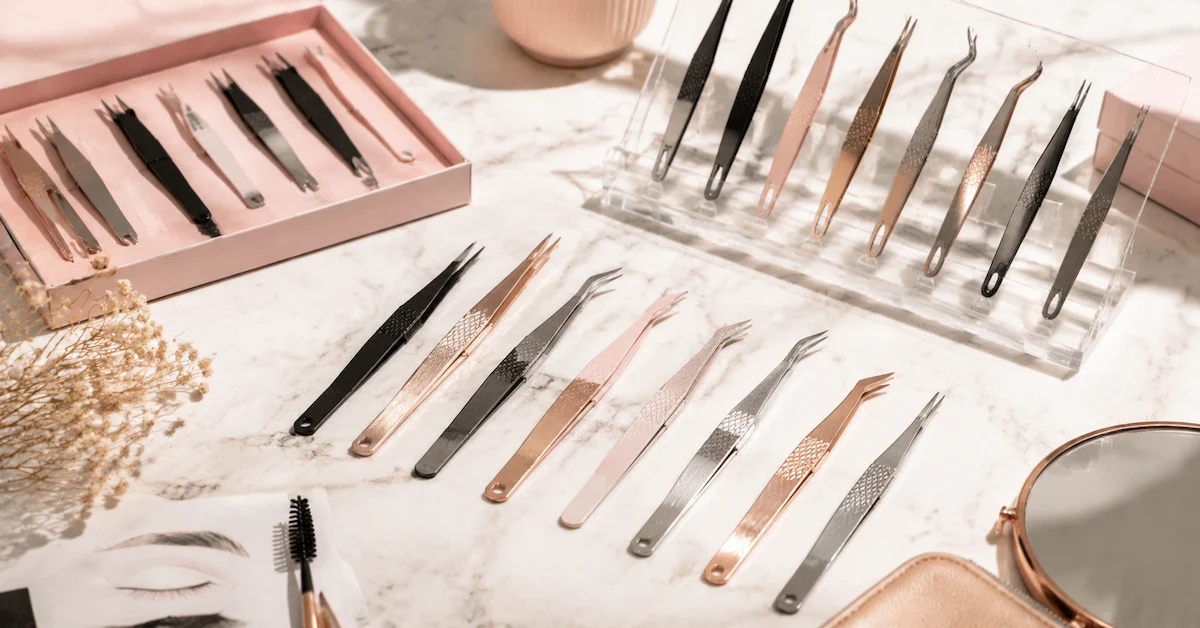
| Slanted tip | General brow shaping and everyday grooming | Check whether the angled edges meet evenly from base to tip. |
| Pointed tip | Precision work and very fine hairs | Confirm the points are sharp enough for control but finished safely. |
| Flat tip | Gripping wider or thicker hairs | Test contact across the full flat surface. |
| Textured grip area | Salon use or users who prefer extra control | Assess comfort and whether texture feels secure without being rough. |
| Protective cap or sleeve | Travel kits and retail packaging | Ensure the cap fits reliably and does not damage the tip. |
For a retail brand, a slanted tweezer may be the core product because it serves the widest range of brow grooming needs. For a professional or specialist line, a more precise tip style may be appropriate. For gift sets and grooming kits, buyers may prioritize balance: a tool that is easy for most people to handle and safe to store.
Quality Checks Before Placing a Bulk Order
A strong wholesale purchasing process should include clear inspection criteria. These checks do not need to be complicated, but they should be consistent across samples and production lots. A tweezer may look simple, yet the details that affect performance are very specific.
- Tip alignment: Close the tweezer slowly and confirm both sides meet evenly. Misalignment causes slipping and uneven grip.
- Grip test: Try lifting fine hair-like fibers or a thin paper edge. The tool should hold without excessive hand pressure.
- Tension: The arms should spring back naturally. Too stiff can tire the hand; too loose can reduce control.
- Edge and surface finish: Check for burrs, sharp unintended edges, scratches or rough areas that could affect comfort.
- Symmetry: Look at the tweezer from the front and side. Uneven shaping can signal inconsistent production control.
- Cleanability: Smooth surfaces and good finishing help users keep the tool clean between uses.
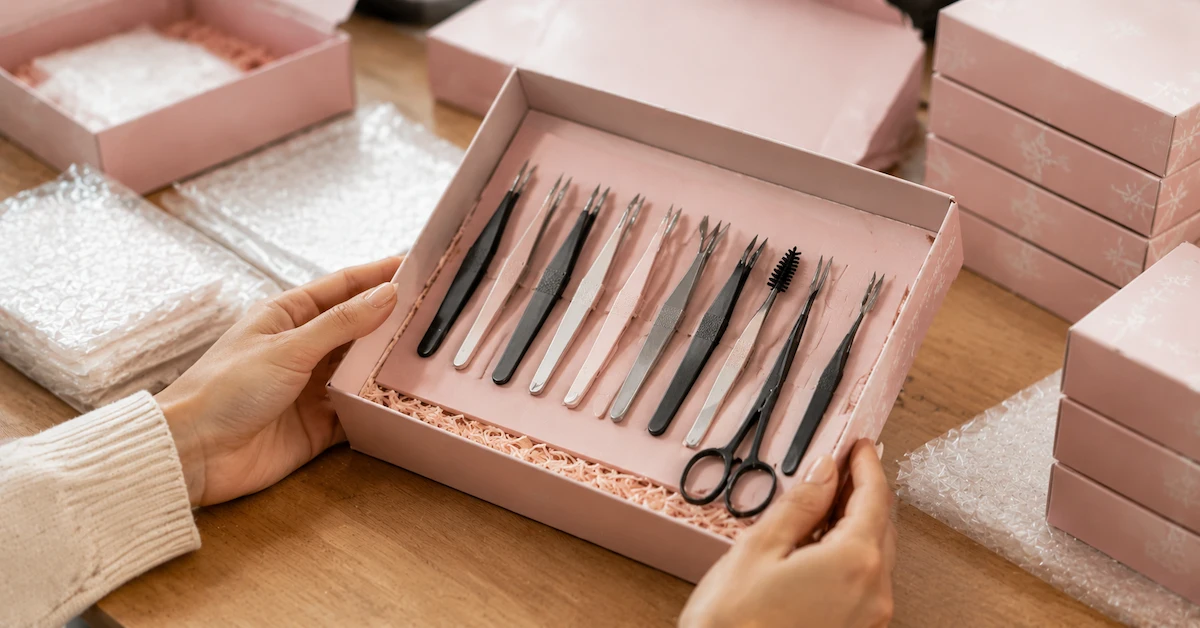
- Packaging fit: If the tweezer is sold with a sleeve, card, box or kit insert, test whether it stays protected during handling.
For buyers comparing multiple suppliers, it helps to score samples instead of relying on first impressions. Create a simple evaluation sheet with categories such as alignment, tension, finish, comfort, packaging compatibility and overall perceived value. This makes decision-making more objective, especially when several internal stakeholders are involved.
Ergonomics Matter for Both Home and Professional Users
Ergonomics are often associated with larger tools, but they are just as relevant for tweezers. The tool must be held at a small angle, controlled with finger pressure and used close to the skin. If the body is too slippery, too narrow or too stiff, users may over-squeeze or lose control.
A comfortable tweezer should support accuracy without forcing the user to work hard. Buyers should consider the width of the arms, surface texture, weight, length and spring response. A slightly wider body can feel more stable for some users, while a slimmer profile may suit travel kits or compact packaging. There is no single best design for every customer; the best choice depends on product positioning.
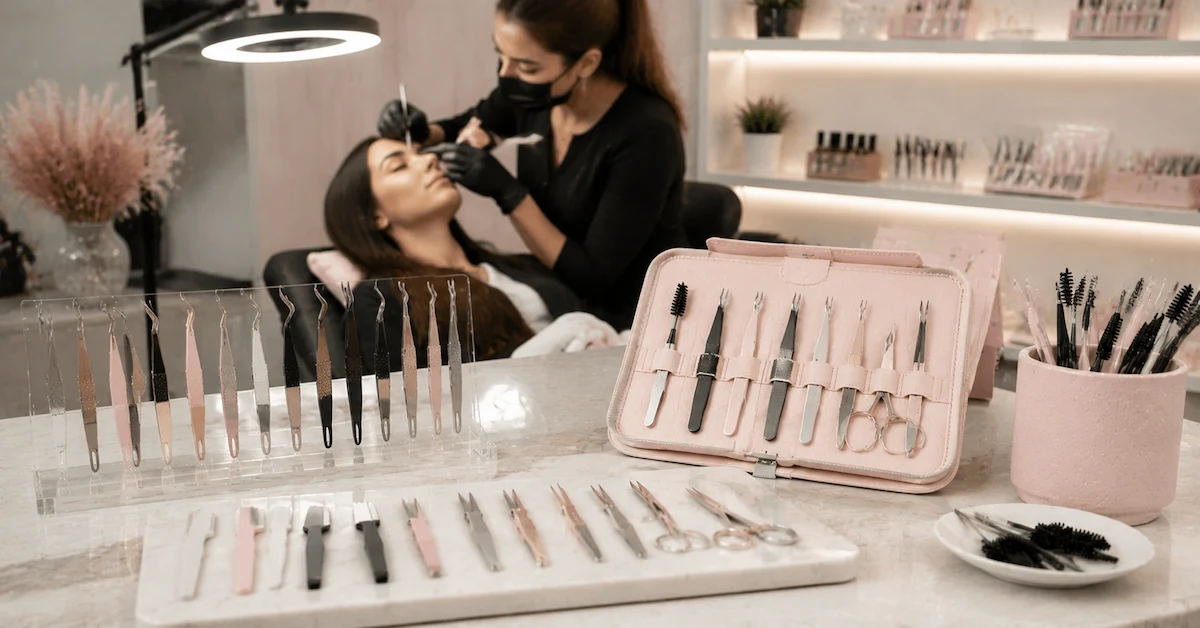
Professional users may prefer tools that can withstand repeated handling and cleaning. Home users may focus more on ease of grip, attractive finish and storage convenience. For private-label programs, these differences can guide assortment planning. A brand may offer a simple everyday tweezer in an entry range and a more refined precision option in a higher-value set.
Sustainability and Durability in Beauty Tool Sourcing
Sustainability in grooming tools is not only about material choice. It is also about useful life. A durable tweezer that maintains grip and alignment can reduce the need for frequent replacement, which supports a more responsible approach to product design. Stainless steel beauty tools are often preferred because they are durable and suitable for long-term use when properly made and cared for.
Wholesale buyers should avoid treating sustainability language as a substitute for product quality. A tool that is recyclable in theory but quickly discarded due to poor performance does not support a strong environmental message. Instead, focus on practical durability: solid construction, corrosion-resistant finishing appropriate for the intended use, protective packaging and clear care guidance for the end customer.
Care instructions can also reduce complaints. Simple guidance such as wiping the tweezer after use, keeping tips protected, avoiding drops and storing the tool dry can extend service life. For brands selling through retail or e-commerce, adding concise care information to packaging or product pages helps customers understand how to maintain performance.
Private Label and Brand Differentiation Without Overcomplication
Private-label tweezers can help beauty brands create a cohesive grooming range, but differentiation should be practical. A unique finish, refined packaging or consistent design language may be more valuable than unnecessary features that do not improve use. Buyers should focus on what the customer will notice: clean tip contact, comfortable handling, a finish that matches the brand, and packaging that explains the tool clearly.
Branding decisions may include logo placement, surface finish, packaging format and how the tweezer fits within a broader tool set. Before adding customization, confirm the base tool performs well. Decoration cannot compensate for poor alignment or weak grip. It is better to start with a reliable product structure and then develop branding around it.
Buyers exploring wider assortments can review Olimor product collections to think about how tweezers may sit alongside manicure tools, grooming accessories or beauty kits. A coordinated range can improve shelf presence and simplify purchasing for retailers, but consistency in quality should remain the priority.
Supplier Questions That Help Reduce Sourcing Risk
A good wholesale discussion should move beyond catalog photos. Buyers should gather enough information to understand whether the supplier can support consistent quality, appropriate packaging and repeat orders. The goal is not to demand every technical detail at the first contact, but to create a clear purchasing brief.
- Define the target market: retail, salon supply, e-commerce, travel kit, gift set or private label.
- Choose the preferred tweezer style and finish based on the use case.
- Request samples and evaluate alignment, grip, tension, finishing and packaging fit.
- Clarify branding and packaging needs before production planning.
- Confirm inspection expectations so performance requirements are understood.
- Review shipping, labeling and documentation needs for your sales channel.
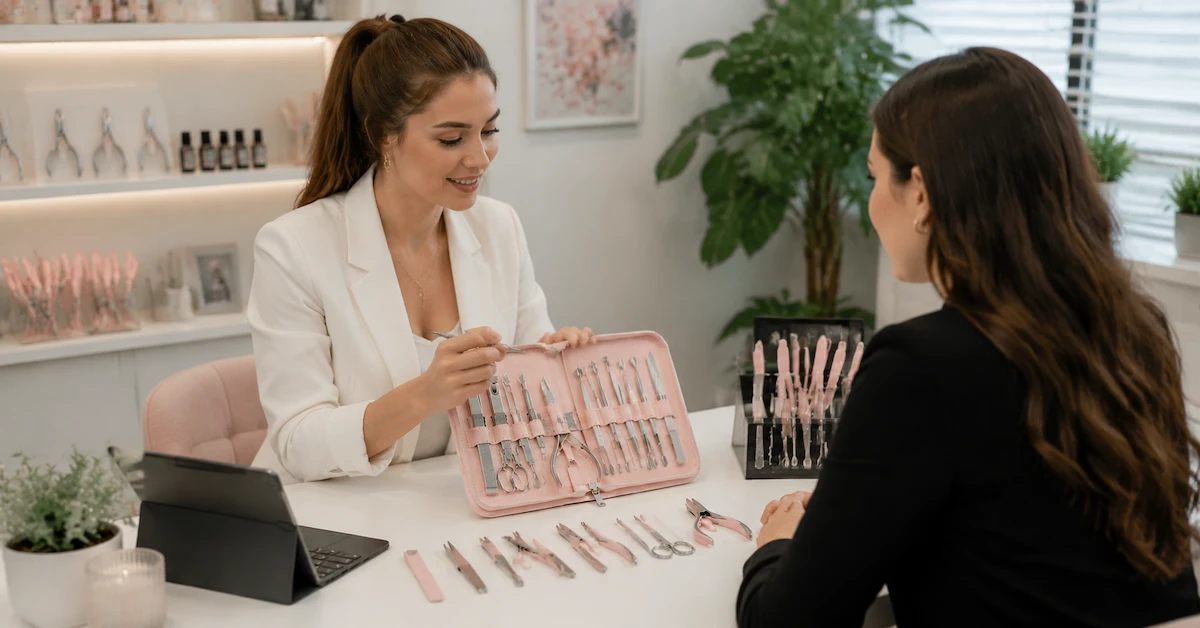
This process is especially useful for distributors and brands buying across multiple tool categories. A structured brief reduces misunderstandings and makes it easier to compare options. If you need to discuss a wholesale tweezer program or a broader beauty tool sourcing project, you can contact Olimor or send an inquiry with your intended market, product type and packaging requirements.
Building a Better Wholesale Tweezer Program
Successful tweezers wholesale sourcing depends on matching tool performance with customer expectations. The best buying decisions consider precision, durability, ergonomics, packaging and brand fit together. For a mass retail item, consistency and approachable use may be most important. For a salon-oriented range, tip accuracy and hand comfort may carry more weight. For private label, reliable base quality should come before decorative customization.
When buyers treat tweezers as precision grooming tools rather than simple accessories, they are more likely to build a range that earns customer trust. A well-selected tweezer can support daily brow shaping, professional grooming services, compact kits and branded beauty collections. By setting clear selection criteria and evaluating samples carefully, beauty businesses can source wholesale tweezers that look credible, perform reliably and fit the long-term direction of their brand.