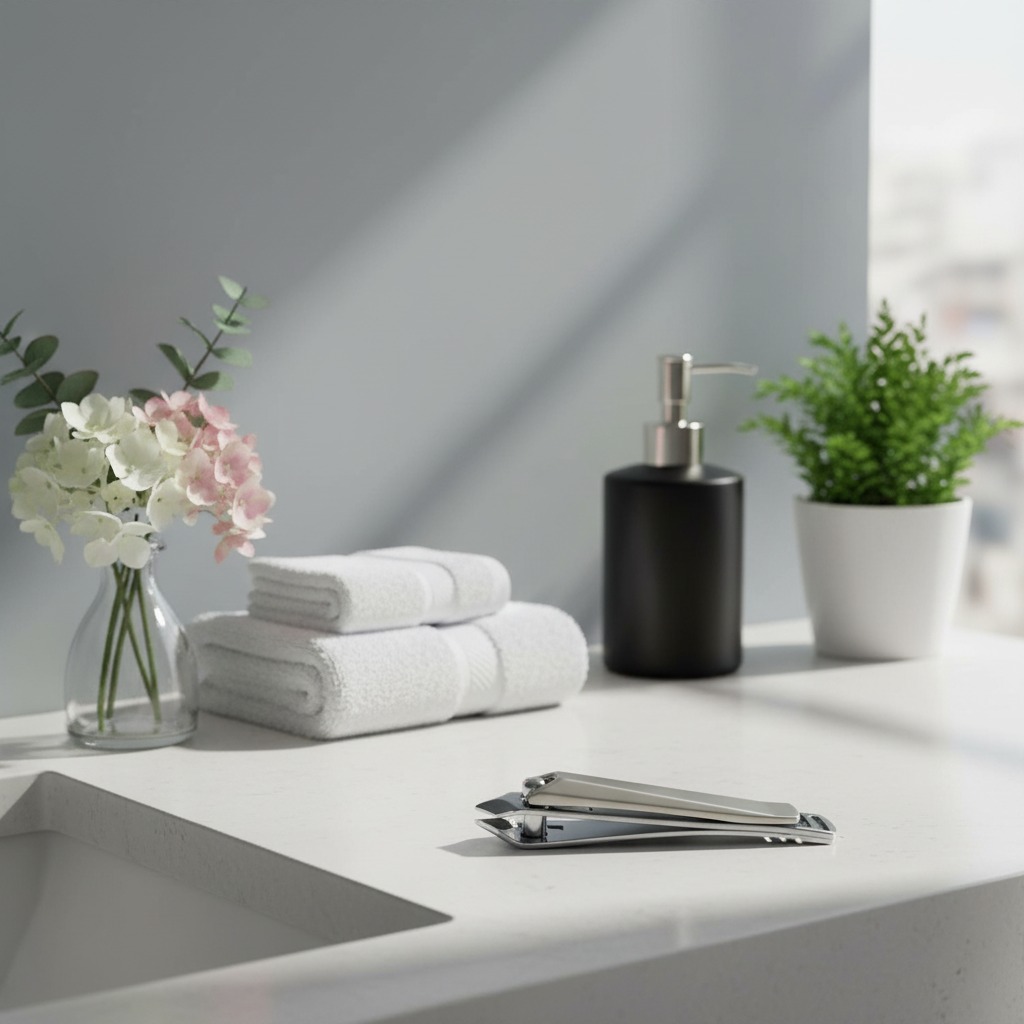
Nail clippers look simple, but buyers know they are not simple products to source well. A clipper that feels smooth in the hand, cuts cleanly, resists corrosion and arrives in consistent retail packaging depends on many small manufacturing decisions. For distributors, private label brands, salon suppliers and personal care retailers, the current nail clipper manufacturer landscape is shaped by precision engineering, ergonomic design, OEM customization, quality control and more careful sourcing expectations.
The demand is not only for low-cost grooming tools. Buyers are looking for reliable everyday products that can support brand reputation, repeat sales and fewer after-sales complaints. Olimor Beauty focuses on beauty tools and personal care accessories, and nail clippers fit directly into that category because they require both functional performance and retail-ready presentation. This guide explains the trends that matter when evaluating a nail clipper supplier, factory or OEM partner.
Why Nail Clipper Manufacturing Is Becoming More Technical
The most important shift in the nail clipper sector is the move from basic commodity production toward more controlled manufacturing. Consumers now compare grooming tools by cutting feel, edge sharpness, hand comfort, surface finish and packaging. Online reviews can quickly reveal problems such as dull blades, misaligned jaws, weak levers, rough edges or inconsistent plating. For that reason, manufacturers increasingly focus on repeatable processes rather than only high-volume output.
Stainless steel construction is a common focus because buyers want grooming tools that can withstand moisture-prone bathroom storage and repeated use. However, the word “stainless” alone is not enough for a purchasing decision. A better sourcing conversation looks at edge finishing, hardness control, surface polishing, jaw alignment and corrosion resistance expectations. Even when exact specifications vary by order, buyers should define the performance standard they need before approving production.
Ergonomic design is another key trend. Nail clippers are used by people with different hand sizes, grip strength and grooming habits. The lever shape, pressure needed to cut, body curve and anti-slip features all influence usability. For wholesale and retail buyers, a comfortable clipper can reduce complaints and help differentiate a private label product without relying on exaggerated claims.
Specialized Suppliers Are Replacing One-Size-Fits-All Sourcing
A growing number of nail clipper buyers no longer want a generic factory catalog with minimal flexibility. They want suppliers who understand grooming categories, packaging formats, inspection standards and retail channel requirements. This is why specialized nail clipper suppliers and beauty-tool factories are becoming more relevant than broad general merchandise sources.
Specialized sourcing can help buyers answer practical questions before a purchase order is placed: Is the clipper intended for fingernails, toenails or travel kits? Will it be sold individually, in a manicure set or as part of a promotional program? Does the market prefer a compact clipper, a wider jaw, a curved body or a simple classic shape? Will the packaging hang on a retail peg, ship in e-commerce cartons or fit into a gift set?
Buyers comparing beauty tool products should consider whether a supplier can support consistent presentation across related grooming items. Nail clippers are often purchased alongside tweezers, scissors, nail files and manicure accessories. When the surface finish, packaging language and product dimensions are planned together, the final line feels more coherent for retailers and end users.
OEM Customization Is Moving Beyond Logo Placement
Nail clipper OEM services are increasingly important for brands that want control over product identity. In the past, customization often meant adding a logo to a standard clipper or changing the package color. Today, OEM decisions can involve the clipper shape, surface treatment, grip texture, lever design, package structure, barcode placement, instruction language and set configuration.
Good OEM development begins with the target user and sales channel. A travel retailer may prioritize compact size and protective packaging. A salon supplier may care more about repeated use, stable grip and a professional finish. A supermarket buyer may need strong shelf visibility and clear consumer information. An e-commerce brand may focus on protective shipping, clean photography and easy-to-understand product variations.
For buyers planning OEM projects, the following checklist can reduce avoidable revisions:
- Define the end user: Adults, families, travel users, salon users and gift buyers may prefer different sizes and packaging styles.
- Confirm the product role: Decide whether the clipper is a standalone retail item, part of a grooming set or a promotional accessory.
- Set functional expectations: Clarify cutting smoothness, jaw alignment, lever comfort, edge finish and surface appearance.
- Prepare artwork early: Logo files, package text, barcode requirements and warning language should be ready before sampling.
- Review packaging practicality: A package should protect the clipper, display it clearly and fit the intended sales channel.
- Plan inspection points: Include checks for sharp edges where they should be sharp, smooth edges where they should be safe, alignment, finish and packaging accuracy.
Olimor Beauty supports OEM-oriented beauty tool sourcing, and buyers can send an inquiry when they are ready to discuss a nail clipper project, packaging direction or product selection plan.
Quality Checks From Raw Materials to Packaging
Quality control is one of the strongest differentiators between a low-risk nail clipper manufacturer and a supplier that only competes on price. Nail clippers can fail in several ways: the cutting edge may be dull, the jaws may not meet evenly, the lever may feel loose, the surface may scratch too easily or the package may not match the approved artwork. These are not minor issues when a product is sold under a retailer’s or private label brand’s name.
A practical inspection approach should cover the full route from raw material review to finished packaging. Material condition affects durability and surface finish. Stamping, grinding, polishing and assembly affect cutting performance. Final packaging affects retail presentation and customer confidence. Even a well-made clipper can create problems if the barcode is wrong, the carton is weak or the package scuffs during transport.
For wholesale buyers, it is useful to separate quality into three categories:
| Quality area | What to evaluate | Why it matters |
|---|---|---|
| Cutting performance | Jaw alignment, blade sharpness, lever pressure and clean nail trimming | Directly affects customer satisfaction and repeat purchase |
| Build and finish | Surface polishing, edges, rivet stability, corrosion expectations and hand feel | Shapes product durability and perceived value |
| Packaging accuracy | Logo placement, artwork, barcode, labeling, inner packing and carton condition | Prevents retail delays and brand presentation problems |
This type of structure helps buyers compare suppliers more objectively. Instead of relying on broad claims such as “good quality,” the buyer can review the exact parts of the product that influence sales and returns.
Automation and Consistency in Nail Clipper Factories
Factories in established manufacturing regions, including China, continue to adopt automation and process control to improve efficiency and consistency. Automation can support repeatable cutting, forming, polishing or assembly steps, but it does not replace the need for careful sampling and inspection. The buyer’s goal should be to understand how consistency is maintained across a full production run, not only how a single sample looks.
For a nail clipper wholesaler, consistency may be more important than novelty. Retailers want a carton of products to match the approved sample, and e-commerce sellers want customers to receive the same product shown in photos. Consistent jaw alignment, finish, logo placement and packaging reduce the chance of mixed reviews. When evaluating a nail clipper factory, buyers should review pre-production samples, packing methods and final inspection procedures before approving shipment.
Sustainability Pressure and Practical Material Decisions
Sustainability is now part of many personal care sourcing conversations, but it should be handled with accuracy. For nail clippers, buyers can make practical decisions without making unsupported environmental claims. Reducing excessive packaging, choosing recyclable paper-based packaging where suitable, avoiding unnecessary plastic inserts and improving product durability are realistic starting points.
A longer-lasting nail clipper can be a more responsible product than a cheaply made tool that is quickly discarded. This is why durability, corrosion resistance, clean cutting and comfortable design matter from both a commercial and product-use perspective. If a buyer needs specific environmental documentation or material declarations for a market, those requirements should be defined at the start of the sourcing process so they can be considered during quotation and sampling.
How Wholesalers Can Choose a Nail Clipper Manufacturer
The best nail clipper supplier for one business may not be the best for another. A distributor buying broad beauty assortments may value range and packaging flexibility. A private label brand may prioritize OEM support and consistent finish. A retailer may focus on shelf-ready packaging, reorder stability and predictable quality. Before comparing quotes, buyers should define their commercial goal.
Use these criteria when narrowing your shortlist:
- Product fit: Check whether the supplier’s nail clipper designs match your customer segment and sales channel.
- OEM readiness: Review customization options for logos, packaging, surface appearance and product sets.
- Sample quality: Test cutting performance, comfort, alignment and finish before discussing bulk order details.
- Inspection process: Confirm how quality is checked during production and before packing.
- Packaging support: Make sure the supplier can follow your retail, wholesale or e-commerce packing requirements.
- Category compatibility: Consider whether the supplier can support related grooming tools for a more complete range.
Buyers exploring broader grooming assortments can review Olimor Beauty product collections to plan how nail clippers may fit with other beauty tools. For project-specific questions, packaging discussion or supplier evaluation, you can also contact Olimor.
The Direction of Nail Clipper Manufacturing
The nail clipper market is becoming more demanding because small details now carry commercial weight. Buyers want products that cut cleanly, feel comfortable, look consistent and arrive in packaging suitable for the intended channel. Manufacturers and suppliers that can combine stainless steel construction, ergonomic thinking, OEM flexibility and structured quality checks are better positioned to serve wholesalers and private label brands.
For sourcing teams, the most effective approach is to treat nail clippers as engineered grooming tools rather than simple accessories. Define the user, confirm the product function, test samples carefully and align packaging before production. With that process, a nail clipper can become a dependable part of a beauty tool range and a product that supports long-term customer trust.