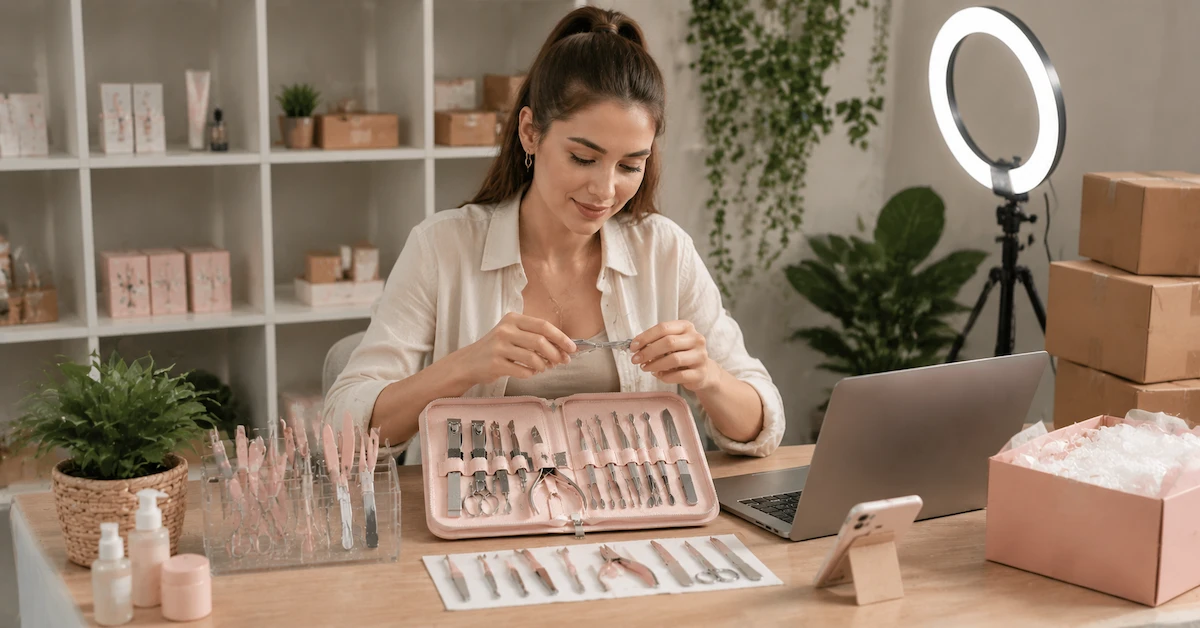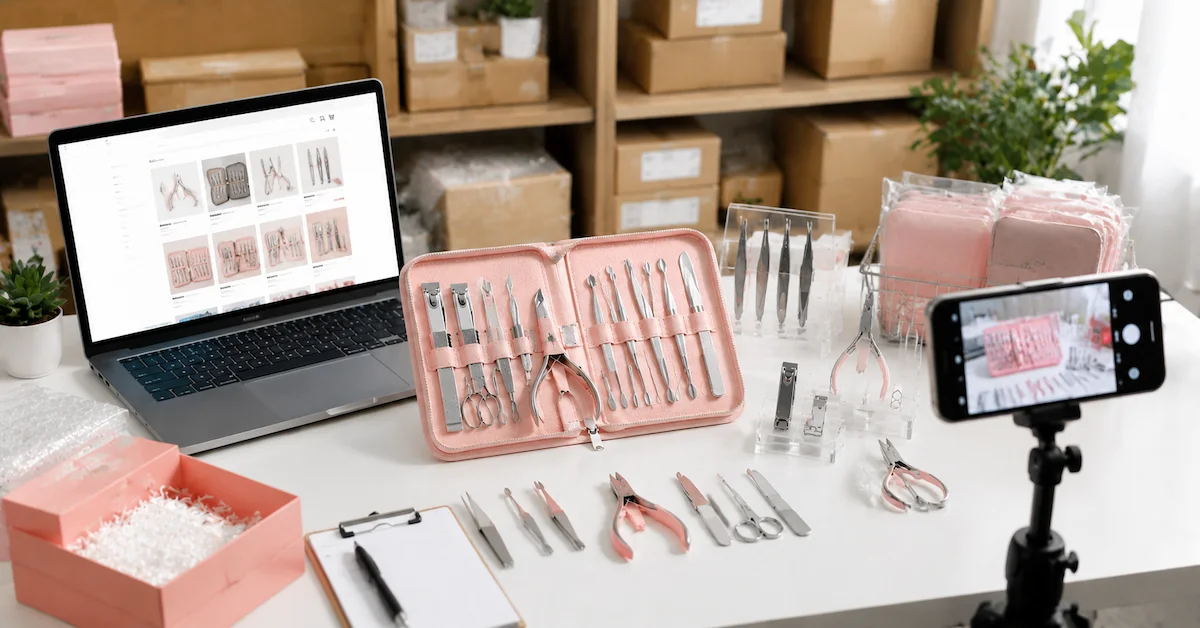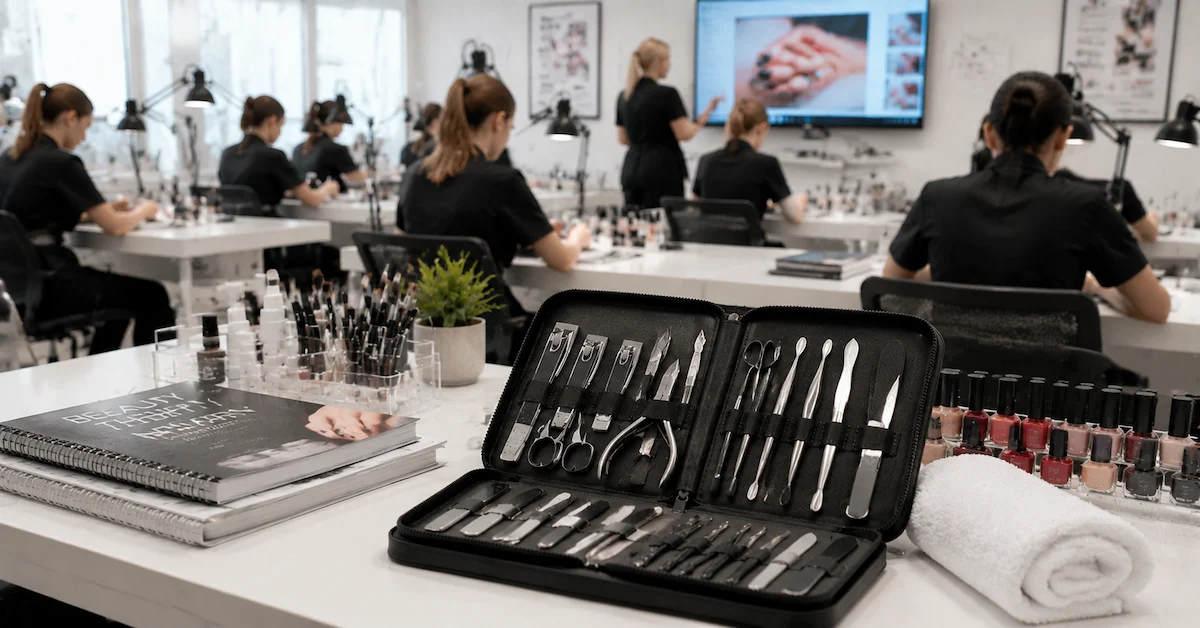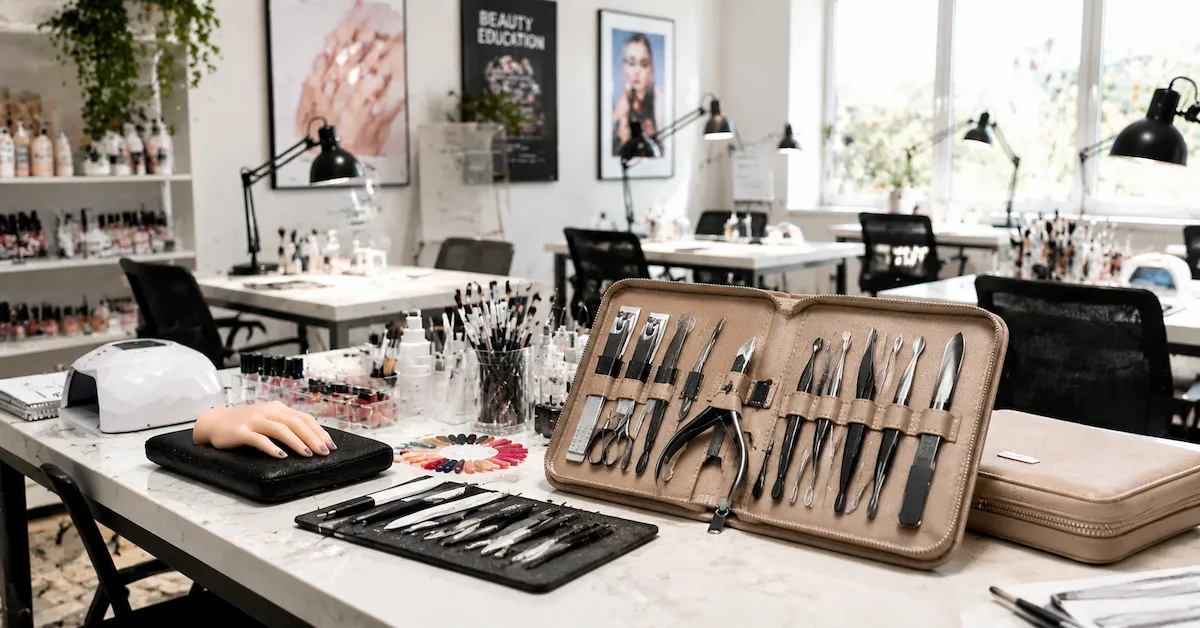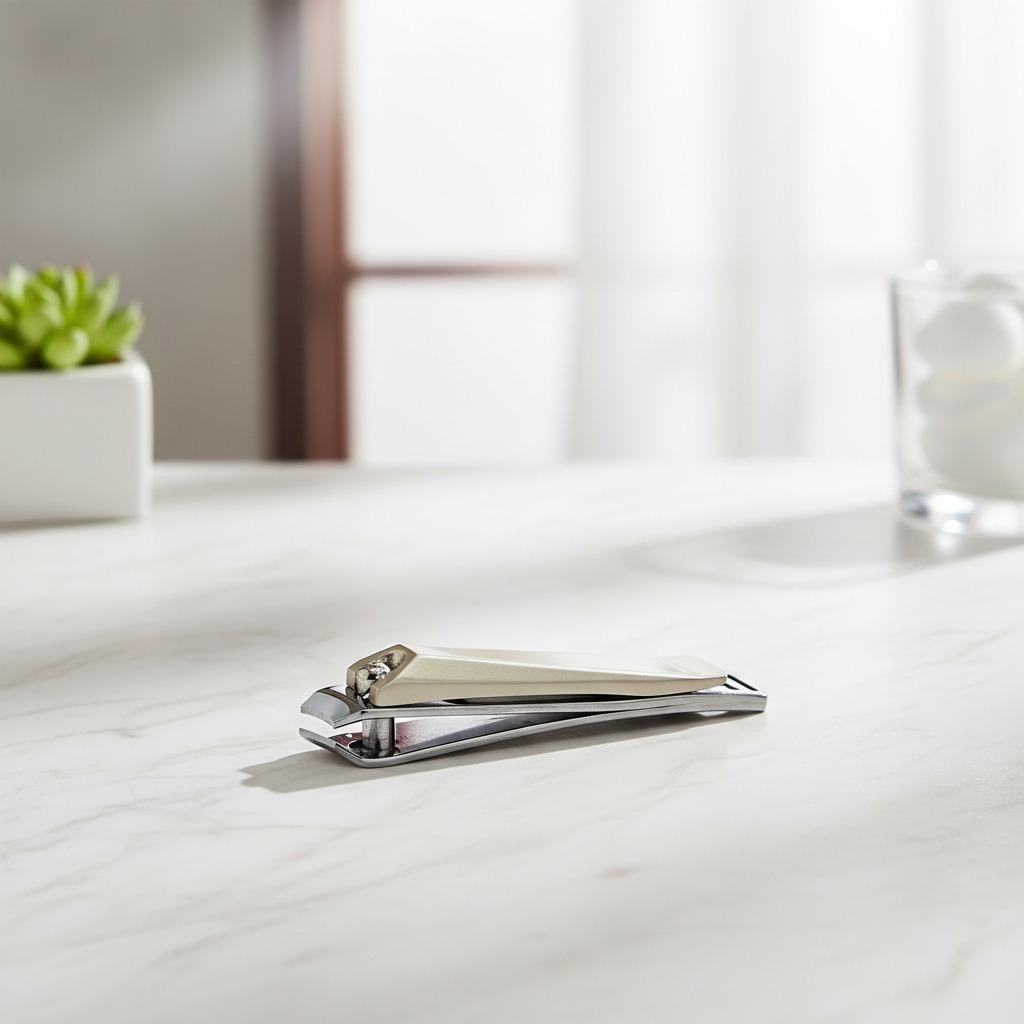
The nail clipper category may look simple from the outside, but buyers know that small differences in blade geometry, steel finish, spring tension, packaging and quality control can affect customer satisfaction. As personal grooming becomes more routine across retail, e-commerce, travel and professional beauty channels, the role of a nail clipper manufacturer is shifting from basic production to more considered product development.
For brands, distributors and wholesalers, the opportunity is not only to source a lower-cost grooming tool. It is to select a nail clipper supplier that can support reliable cutting performance, consistent appearance, comfortable handling and customization needs. Olimor Beauty focuses on beauty tools for modern grooming markets, including nail clippers designed around function, durability and everyday usability. Buyers comparing beauty tool products should look beyond the surface and evaluate how a clipper is engineered, finished, inspected and packaged before it reaches the end user.
Why Nail Clippers Remain a High-Volume Grooming Essential
Nail clippers have a broad customer base because they are used across age groups, price points and sales channels. They fit into personal care kits, travel sets, retail peg displays, subscription boxes, salon supply ranges and private-label grooming lines. This versatility makes the category attractive for wholesalers and OEM buyers, but it also increases competition.
As more consumers purchase grooming tools online, reviews and repeat purchases have become important indicators of product quality. A clipper that looks attractive but pulls, bends, slips or leaves a rough nail edge can quickly damage a brand's reputation. For this reason, the strongest nail clipper manufacturing trends are centered on practical improvements: sharper cutting edges, stable leverage, corrosion-resistant materials, more comfortable shapes and packaging that communicates value clearly.
Buyers should also consider how the product will be used. A compact, travel-friendly clipper may be ideal for convenience kits or impulse retail. A larger ergonomic clipper may suit home grooming or professional resale. Curved blades are commonly favored for fingernail trimming because they follow the natural nail line, while size and tension influence how easy the tool feels in the hand.
Design Trends: Ergonomics, Precision and Modern Finishes
One of the clearest changes in the nail clipper market is the move away from purely utilitarian shapes. Consumers still expect a clean cut first, but they are increasingly drawn to grooming tools that feel considered. Manufacturers are responding with ergonomic handles, smoother lever profiles, compact silhouettes and finishes that align with broader beauty tool ranges.
For a nail clipper manufacturer, good design is not only about appearance. A well-designed clipper should place the user's thumb naturally on the lever, give enough pressure for an even cut, and maintain alignment between the upper and lower blades. If the jaws do not meet cleanly, the clipper may crush rather than cut. If the lever is too thin or awkward, the user may need extra force, which can reduce control.
Useful design evaluation points include:
- Blade alignment: The cutting edges should meet evenly across the trimming surface.
- Blade shape: Sharp, curved blades can support controlled fingernail trimming when manufactured consistently.
- Lever comfort: The pressing surface should be stable and not feel harsh during repeated use.
- Grip and handling: Edges should feel smooth enough for everyday use without slipping excessively.
- Portability: Compact formats are useful for travel, promotional kits and personal care sets.
- Visual finish: Surface consistency matters for retail presentation and private-label positioning.
Olimor Beauty's nail clipper direction reflects these practical market demands: stainless steel construction, ergonomic styling, sharp curved blades and compact usability. For buyers, these are not isolated selling points; they should work together to create a tool that feels dependable from first use.
Material and Manufacturing Considerations for Stainless Steel Nail Clippers
Stainless steel remains a common choice for nail clippers because the category requires hardness, edge retention and resistance to moisture exposure. However, buyers should avoid treating all stainless steel nail clippers as identical. Manufacturing consistency, blade forming, polishing, assembly and inspection can be just as important as the material category itself.
A well-produced clipper depends on several process decisions. The metal component must be formed accurately so the jaw shape is stable. The cutting edges must be sharpened to produce a clean trim. The lever and pin assembly must hold the right amount of tension. The final surface should be finished to remove roughness and present well in packaging. Even small variations can be noticed by customers because the tool is used close to the body.
When comparing potential suppliers, buyers can use a practical checklist rather than focusing only on a sample's appearance:
- Check whether multiple samples cut consistently, not just one selected piece.
- Test the clipper on different nail thicknesses to judge control and edge quality.
- Inspect the jaw alignment from the front and side.
- Open and close the lever repeatedly to feel for stiffness, looseness or uneven movement.
- Look for burrs, rough corners, staining, uneven polishing or visible assembly defects.
- Review packaging fit so the clipper is protected during shipping and retail handling.
- Confirm which customization options are available without changing the core function.
This kind of evaluation helps brands avoid sourcing tools that look acceptable in photos but disappoint in daily use.
OEM and Wholesale Trends in the Nail Clipper Market
The growth of e-commerce and private-label beauty has increased demand for nail clipper OEM services. Many buyers now want more than an off-the-shelf tool. They may need brand-specific packaging, a selected finish, set combinations, display-ready presentation or a clipper that fits into a broader grooming collection. OEM work can support these goals, provided the buyer and manufacturer define the product clearly.
For wholesalers, the priority is often dependable repeat supply and a product range that can serve different channels. A nail clipper wholesaler may need compact options for travel retail, classic clippers for mass personal care, or coordinated tools that sit alongside tweezers, scissors and other grooming items. Buyers can browse related product collections to consider how nail clippers may fit into a wider beauty tool assortment.
OEM development should balance customization with manufacturing practicality. Excessive cosmetic changes can increase complexity without improving the user experience. The best decisions usually support brand identity while preserving reliable cutting performance. For example, packaging artwork, logo placement and set configuration may be suitable customization areas, while blade alignment, lever function and finishing standards should remain tightly controlled.
How Buyers Can Evaluate a Nail Clipper Supplier
A reliable nail clipper supplier should be assessed through product quality, communication clarity and process control. The original market trend toward suppliers and factories in China is driven by manufacturing experience, established supply chains and the ability to support bulk orders. However, country of origin alone is not enough to determine whether a supplier is the right fit. Buyers should review the specific product, sample consistency and the supplier's ability to support the intended sales channel.
The following table can help organize sourcing discussions:
| Buyer Concern | What to Review | Why It Matters |
|---|---|---|
| Cutting performance | Blade sharpness, jaw alignment, lever pressure | Determines whether users get a clean, controlled trim |
| Appearance | Polishing, surface finish, edge smoothness | Affects retail value and customer perception |
| Durability | Material choice, assembly stability, repeated-use testing | Reduces complaints related to bending, loosening or dullness |
| Customization | Packaging, logo options, finish choices, set formats | Supports private-label and channel-specific branding |
| Quality checks | Raw material inspection, in-process checks, final packaging review | Helps maintain consistency across production batches |
Olimor Beauty describes quality assurance as part of the process from raw material inspections to final packaging. For buyers, this is a useful framework: quality should not be treated as a final visual check only. It should be built into each stage so problems are detected before goods are packed.
Packaging, Retail Presentation and End-User Convenience
Nail clipper packaging has become more important as products are sold across online marketplaces and physical retail. Packaging must protect the item, display it clearly and communicate the value proposition quickly. For OEM buyers, packaging is also one of the most practical ways to create differentiation without altering the core tool structure.
Retail buyers may prefer compact cards, hangable packaging or small boxed sets depending on the channel. E-commerce sellers may place more emphasis on protective packaging and clear product photography. Travel and gift sets may require a clipper that fits neatly with other tools. In each case, the packaging decision should support the way the customer buys and uses the product.
For brands building a grooming range, consistency matters. A stainless steel nail clipper with a clean finish may pair well with other metal beauty tools. Coordinated packaging can make a simple tool feel more intentional, especially when presented as part of a personal care kit.
Building a Smarter Nail Clipper Sourcing Strategy
The strongest nail clipper manufacturers are responding to market demand with practical innovation: better ergonomics, sharper curved blades, stainless steel construction, compact formats, OEM flexibility and more structured quality checks. These trends matter because the product is small but highly experience-driven. Customers immediately notice whether a clipper cuts smoothly, feels stable and looks well made.
For wholesalers, private-label brands and beauty tool buyers, the right sourcing strategy begins with use case definition. Decide whether the clipper is intended for travel, home grooming, professional resale, a kit, or a value-focused retail line. Then evaluate samples against the specific user expectation instead of relying on appearance alone. This approach helps turn a common grooming tool into a dependable product in the range.
To discuss nail clipper sourcing, OEM possibilities or broader grooming tool planning, buyers can contact Olimor or send an inquiry with their intended channel, packaging direction and product requirements.