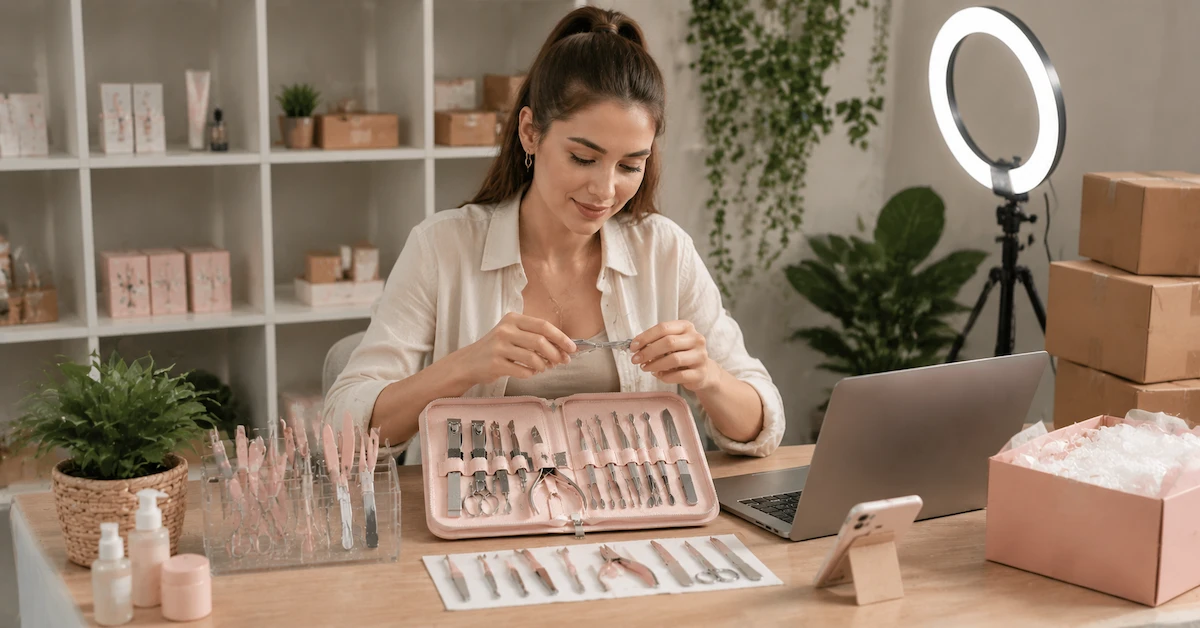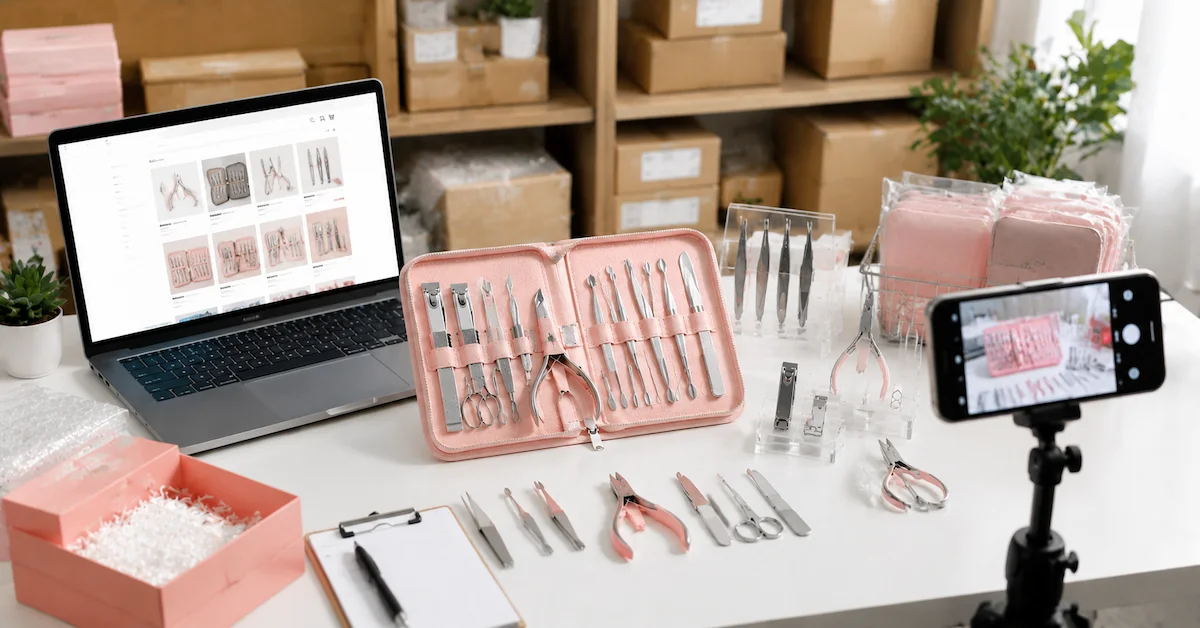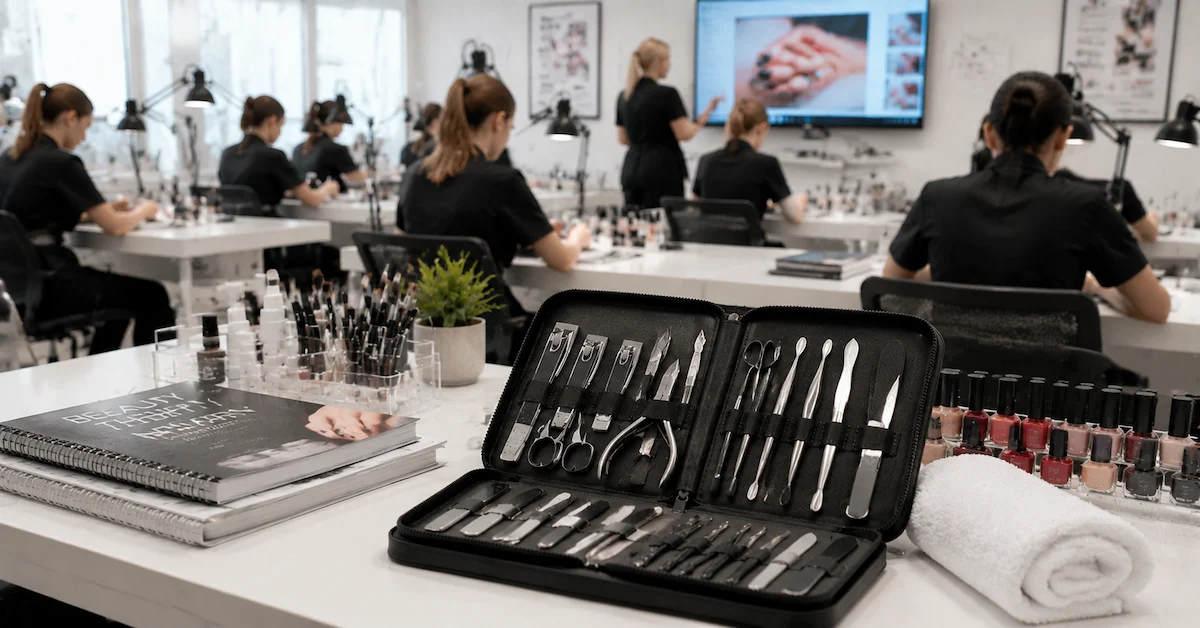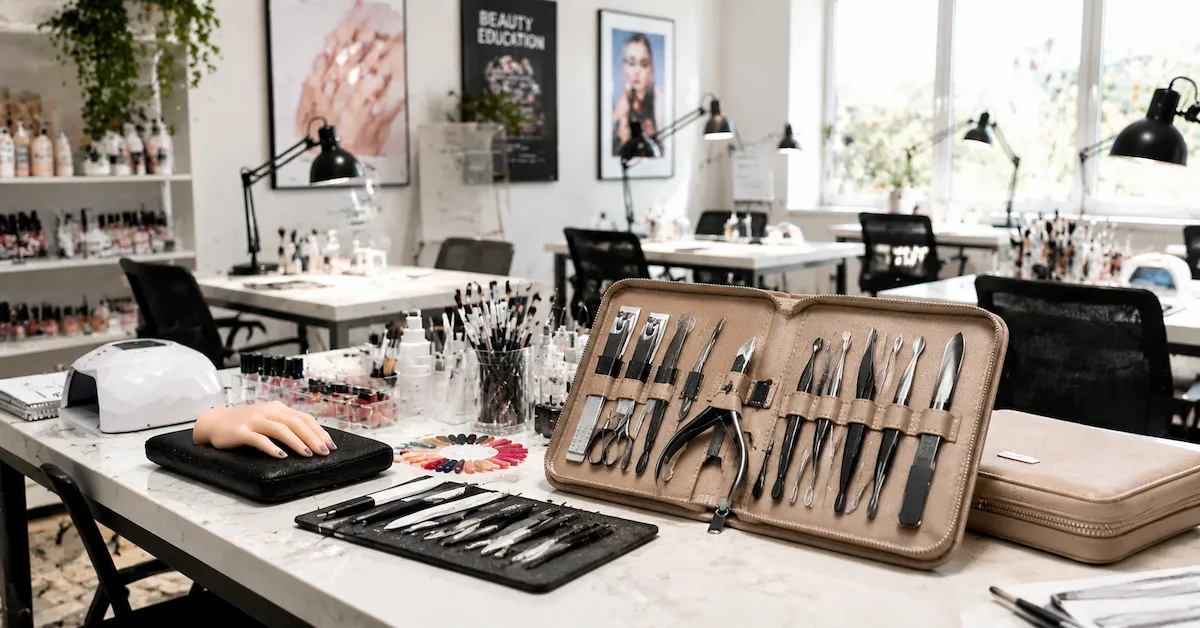











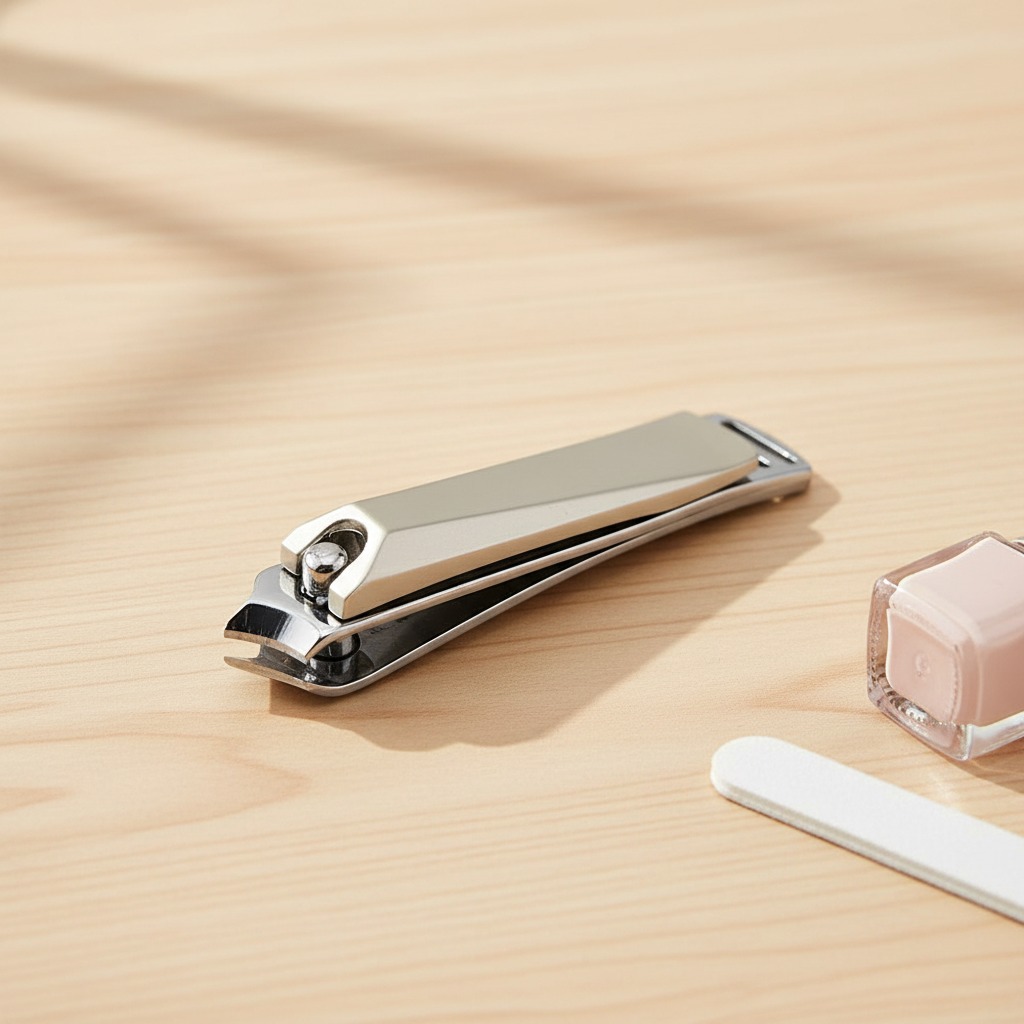
The nail clipper remains one of the most frequently used personal care tools, yet buyers often underestimate how much manufacturing quality affects the user experience. A clipper that feels smooth, cuts cleanly and keeps its alignment after repeated use depends on small engineering decisions: blade geometry, lever tension, rivet fit, surface finishing, inspection standards and packaging protection. For beauty brands, wholesalers, salon distributors and private label teams, choosing a nail clipper manufacturer is not only a price decision. It is a sourcing decision that influences customer complaints, repeat orders and brand trust.
Demand for reliable grooming tools has grown as consumers pay closer attention to hygiene, home care and travel-friendly personal accessories. At the same time, retailers and importers want products that are practical, visually consistent and easy to position within wider beauty tool ranges. Olimor Beauty serves buyers looking for dependable beauty tools, and this guide explains how to evaluate nail clipper manufacturing trends without relying on vague claims or decorative marketing language.
Why Nail Clipper Manufacturing Quality Matters More Than It Looks
A nail clipper appears simple, but its performance depends on how well the upper and lower cutting edges meet. If the jaws are misaligned, the tool may bend the nail rather than cut it. If the lever is too loose, the clipper feels weak; if it is too stiff, it becomes uncomfortable for everyday use. If the surface finish is inconsistent, the product can look low-grade even before it is used.
For sourcing teams, these details affect more than customer satisfaction. They influence inspection workload, return rates, packaging damage, online reviews and the perceived value of the entire grooming set. A manufacturer that understands these details should be able to discuss production control in practical terms, including material handling, forming, sharpening, assembly, polishing and final inspection. The goal is not to chase unnecessary complexity, but to ensure the clipper performs consistently across bulk production.
Current Trends in Nail Clipper Design and Supply
The market is moving toward nail clippers that combine clean appearance with practical function. Metallic finishes remain common because they are familiar, easy to merchandise and suitable for both personal and professional grooming assortments. Ergonomic grip areas, curved blade profiles and compact travel formats are also popular because they address real user needs: control, comfort and clean cutting.
For wholesalers and brand owners, the most useful trends are the ones that improve performance or simplify selling. Decorative finishes can help with shelf appeal, but they should not hide weak cutting performance. Likewise, an unusual shape may look distinctive, but it must still sit comfortably in the hand and fit common packaging formats. When reviewing beauty tool products, buyers should compare design trends against the intended sales channel, target user and price segment.
- Home grooming: prioritize smooth cutting, easy handling and safe storage.
- Salon or professional resale: focus on durability, easy cleaning and consistent edge performance.
- Travel and gift sets: consider compact size, protective packaging and visual coordination with other tools.
- Private label programs: evaluate customization options together with quality control and repeat-order consistency.
OEM and Private Label Considerations for Nail Clippers
The OEM model is attractive because it allows brands to customize a product while relying on an established factory’s manufacturing experience. However, OEM success depends on clear decisions before sampling begins. A buyer should define the product’s purpose, target price range, finish preference, packaging direction and inspection expectations. Without these details, samples may look acceptable but fail to match the final market requirement.
Useful OEM discussions usually cover the clipper type, blade shape, handle feel, surface finish, logo placement, packaging format and carton requirements. Buyers should also think about how the nail clipper will be sold. A single hanging card for retail, a pouch for travel sets and an inner box for wholesale distribution all create different manufacturing and packing considerations. If the clipper will be paired with other tools, such as tweezers, scissors or files, visual consistency across the set becomes important.
Olimor Beauty supports beauty tool buyers who are comparing sourcing routes, product combinations and customization direction. To explore suitable options, buyers can review product collections or send an inquiry with target market details, desired packaging style and order planning information.
Quality Checks Buyers Should Build Into the Sourcing Process
Reliable nail clipper sourcing requires more than approving one attractive sample. A sample shows what is possible; inspection confirms whether production can repeat it. The most useful inspection points are practical and visible. They focus on how the tool cuts, how it feels and how it appears after finishing and packaging.
| Inspection area | What to check | Why it matters |
|---|---|---|
| Blade alignment | Upper and lower edges meet evenly without gaps | Supports clean cutting instead of tearing or bending nails |
| Lever action | Opening, closing and pressing feel smooth and controlled | Improves comfort and reduces the impression of weak assembly |
| Surface finish | Look for scratches, burrs, stains or inconsistent polishing | Affects hygiene perception and retail presentation |
| Assembly stability | Check rivet area, hinge movement and jaw return | Helps ensure the tool remains usable after repeated operation |
| Packaging protection | Confirm clippers do not rub, shift or puncture packaging | Reduces damage during transport and handling |
When stainless steel components are used, buyers should still evaluate finish, edge performance and corrosion-related handling requirements rather than assuming the material alone guarantees quality. Material selection matters, but forming, heat treatment where applicable, sharpening, polishing and storage conditions also influence the finished product. A well-structured quality checklist helps buyers compare suppliers in a consistent way.
China-Based Nail Clipper Manufacturing and Supply Chain Expectations
China remains an important manufacturing base for beauty tools, including nail clippers, because of its established supplier networks, component processing experience and export-oriented production systems. For overseas buyers, the advantage is not simply access to factories; it is access to a complete supply chain that can often coordinate tooling, finishing, packaging and shipping preparation within one sourcing program.
That said, buyers should avoid treating all factories as interchangeable. Two suppliers may quote similar products, yet differ greatly in inspection discipline, communication speed, packaging reliability and willingness to control small details. A strong manufacturing partner should help identify risks early, such as a finish that is attractive but vulnerable to visible scratches, a package that looks good but does not protect the lever, or a custom logo position that may not remain clear after polishing.
Clear documentation is especially important for OEM and wholesale orders. Drawings, approved samples, packaging artwork, color references and inspection criteria should be recorded before mass production. This reduces misunderstandings and makes repeat orders easier to manage. Buyers planning seasonal launches or retailer programs should also consider lead-time buffers for sampling, artwork confirmation, production inspection and logistics.
How to Compare Nail Clipper Suppliers Without Relying Only on Price
Unit price is important, but it should be evaluated alongside performance and total order risk. A low-cost clipper that causes high defect rates, poor reviews or repacking work can become expensive. A more suitable supplier is one that can match the product to the market segment and maintain that standard across production.
- Define the user: home consumer, salon customer, travel buyer, gift set purchaser or value retail shopper.
- Set performance expectations: cutting smoothness, grip comfort, blade shape and acceptable lever force.
- Confirm visible quality standards: surface finish, logo clarity, packaging cleanliness and carton condition.
- Review customization realistically: choose logo, finish and packaging options that suit the budget and timeline.
- Plan inspection points: approve pre-production samples and define checks for bulk goods before shipment.
This approach helps sourcing teams move beyond generic claims such as “high quality” and focus on measurable details. It also makes communication easier between purchasing, product development, design and quality teams.
Building a Better Nail Clipper Program with Olimor Beauty
A successful nail clipper program starts with a practical product brief. The brief does not need to be complicated, but it should include the intended sales channel, preferred size or format, finish direction, packaging type, branding needs and any inspection priorities. If the clipper is part of a broader grooming assortment, include the related items so the appearance and packaging can be considered together.
Olimor Beauty works with buyers evaluating beauty tool sourcing, product selection and OEM direction. Whether you are building a wholesale nail care range, preparing a private label grooming item or comparing supplier options for a retail program, the best results come from aligning design, quality and packaging from the beginning. For tailored discussion, contact Olimor with your sourcing requirements, target market and product positioning.
Nail clipper manufacturing continues to evolve through better ergonomics, cleaner finishes, more flexible OEM programs and stronger attention to quality control. For buyers, the key is to select a manufacturer that treats the clipper as a precision grooming tool rather than a simple commodity. With a clear checklist and a dependable sourcing conversation, brands and wholesalers can offer nail clippers that feel reliable in the hand and perform consistently in daily use.