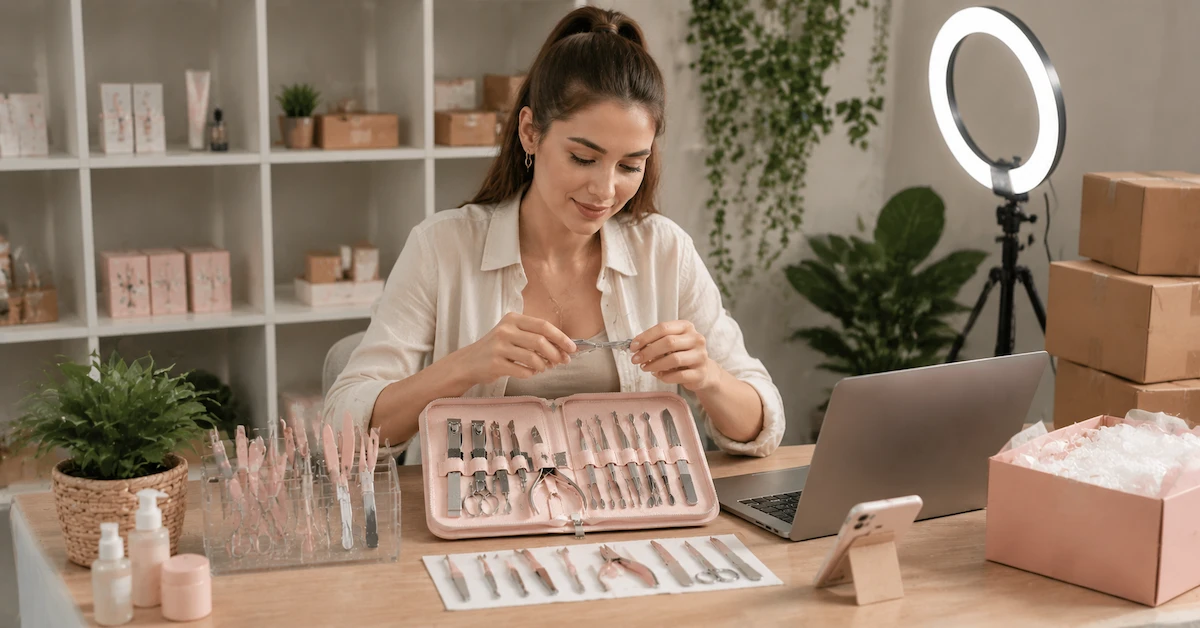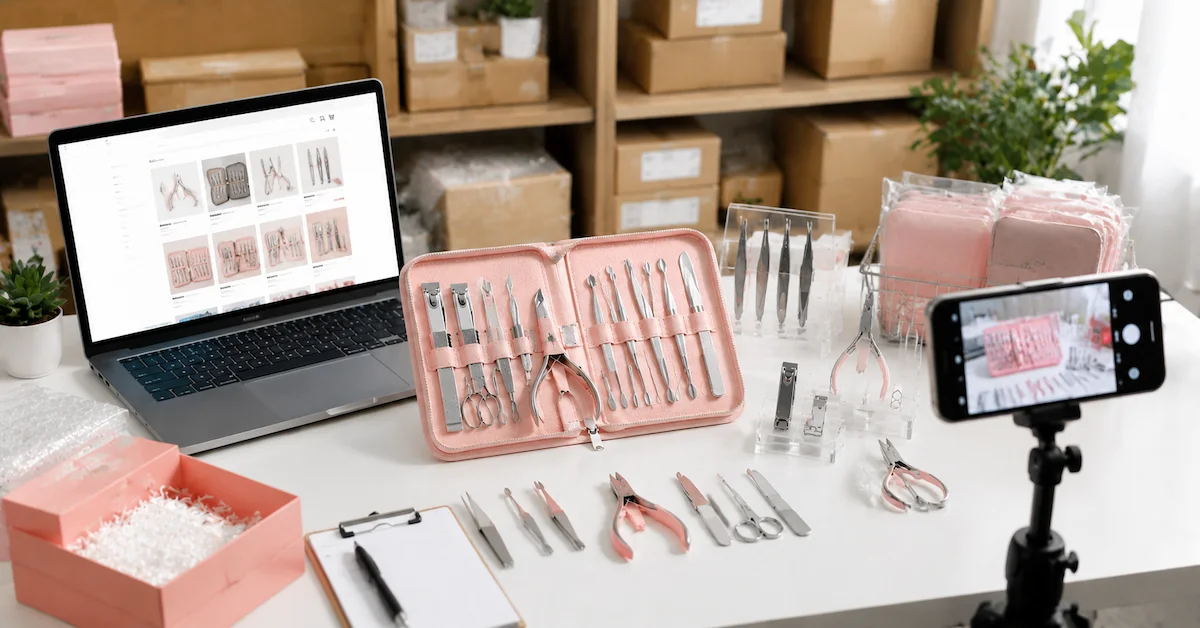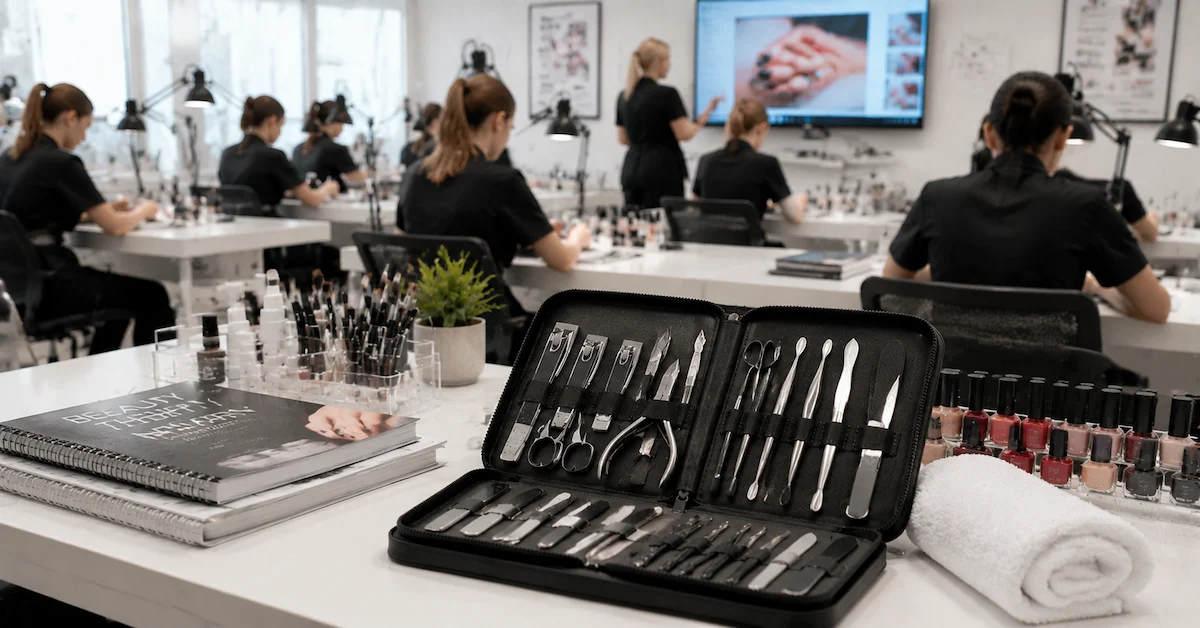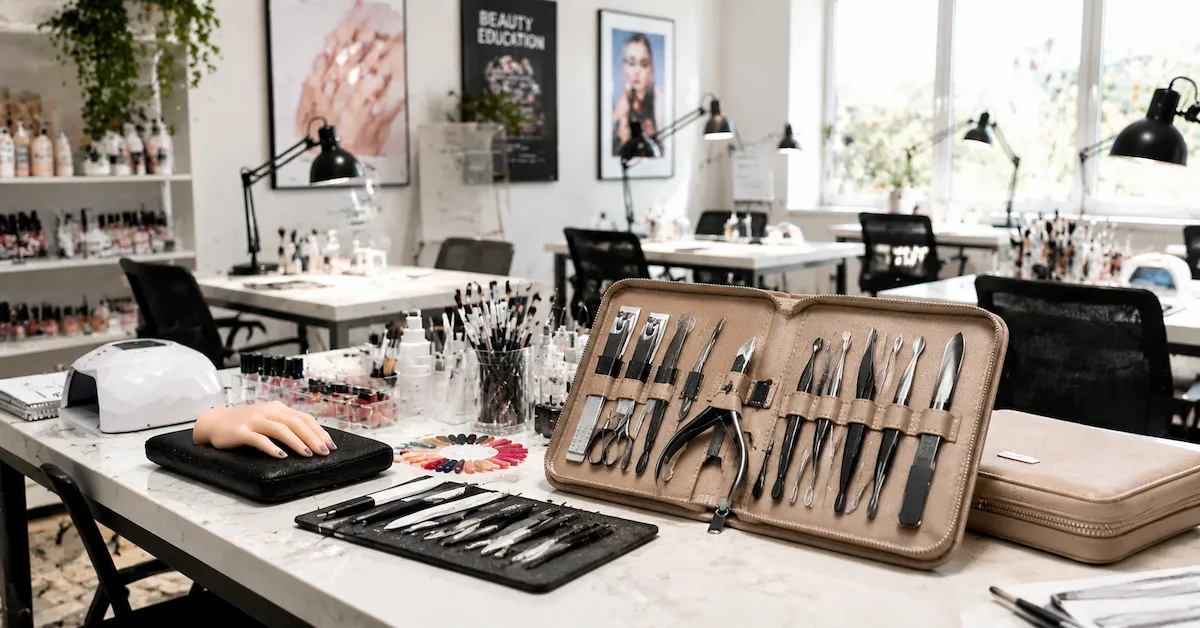











Choosing a facial tools supplier is not only a price decision. For salons, esthetics schools, distributors, private-label beauty brands and retail buyers, the supplier affects how each tool feels in the hand, how cleanly it is finished, and whether the set can survive customer inspection before and after sale.
Metal facial extraction tools often look simple in a catalog: loops, pointed tips, spoon-like ends and slim handles. In use, small differences matter. A rough edge, off-center loop, shallow grip texture or cloudy polish can make an otherwise attractive set feel low quality. This guide explains how B2B buyers can evaluate facial extraction tools, compare suppliers and avoid common sourcing problems without overcomplicating the process.
To review related beauty-tool categories, start with Olimor's product range or browse the facial tools collection when building a sourcing shortlist.
What Facial Extraction Tools Are Used For
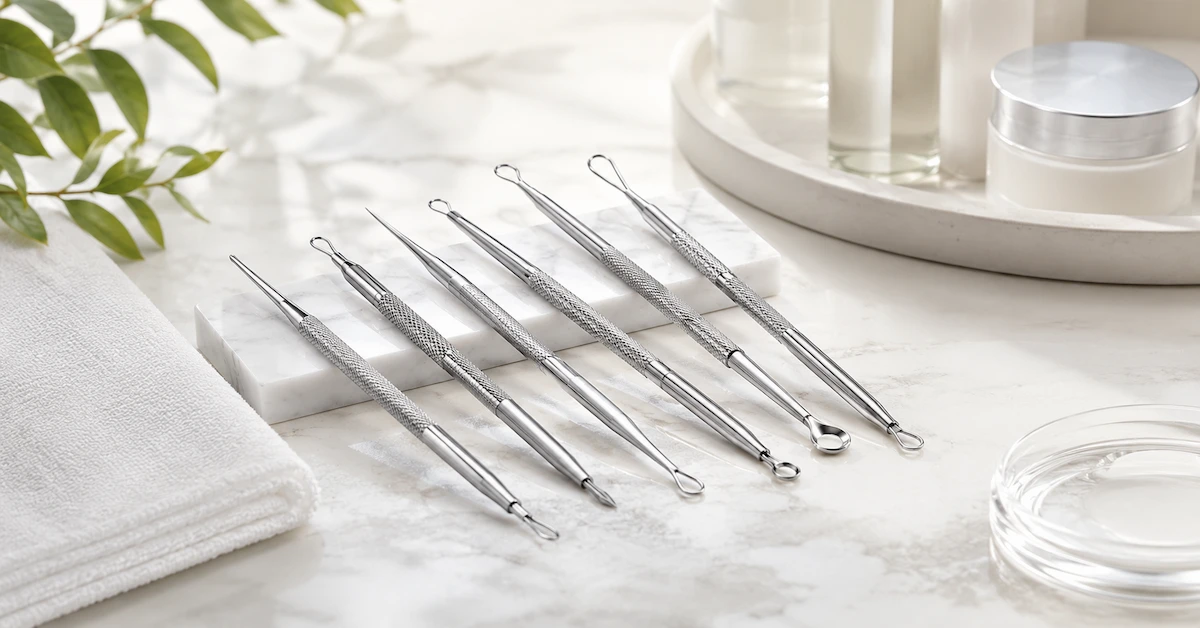
Facial extraction tools are handheld metal instruments used in skin-care routines, professional facial treatments, training kits and personal grooming sets. Typical sets include looped ends, pointed or lancet-style tips, and spoon- or ring-shaped ends. Each geometry supports a different handling preference, so assortment planning is important for both professional and retail channels.
These products are often sold alongside broader beauty instruments and grooming accessories. For B2B buyers, the key question is not simply whether the tool looks professional. The better question is whether the tool's material, finish, grip and packaging match the expectations of the channel where it will be sold.
Professional users tend to focus on control, balance and repeatable tool shape. Retail customers usually notice presentation, shine, set completeness and basic handling comfort first. A good supplier should understand both use cases and help you select a set configuration that fits the customer rather than pushing every buyer toward the same assortment.
What Buyers Should Compare First
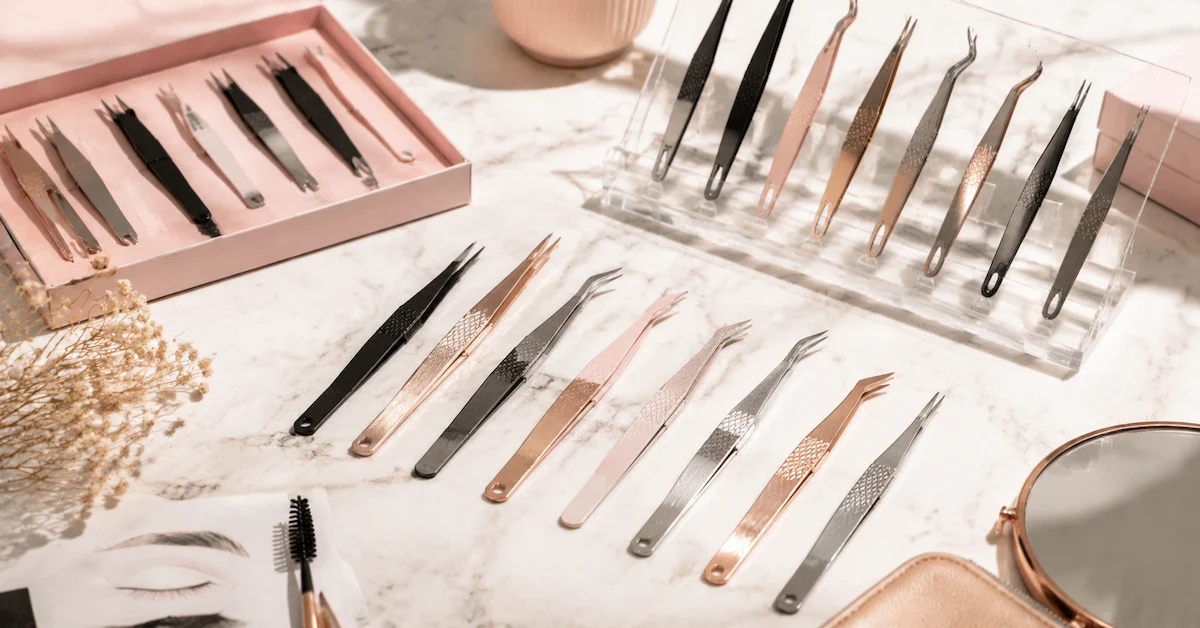
When comparing facial tools wholesale options, start with four visible and testable details: tip geometry, surface finish, grip texture and packaging readiness. These are practical indicators of whether the product has been made and prepared with care.
Tip geometry
Looped ends, pointed tips and spoon-like forms must be consistent from tool to tool. Small variations can affect handling, appearance and customer confidence. During sample review, compare several pieces side by side rather than inspecting only one perfect-looking sample.
Surface finish
The tools shown in this category appear to use polished silver-colored metal, commonly expected to be stainless steel or another corrosion-resistant alloy. Buyers should confirm the exact material directly with the supplier. A bright finish can make the set look professional, but it also reveals scratches, burrs and polishing marks quickly.
Grip texture
Knurled grip sections help the user hold the tool with control. The texture should be even and comfortable. If the knurling is too shallow, the handle may feel slippery. If it is too sharp, the tool may feel harsh during repeated handling.
Packaging readiness
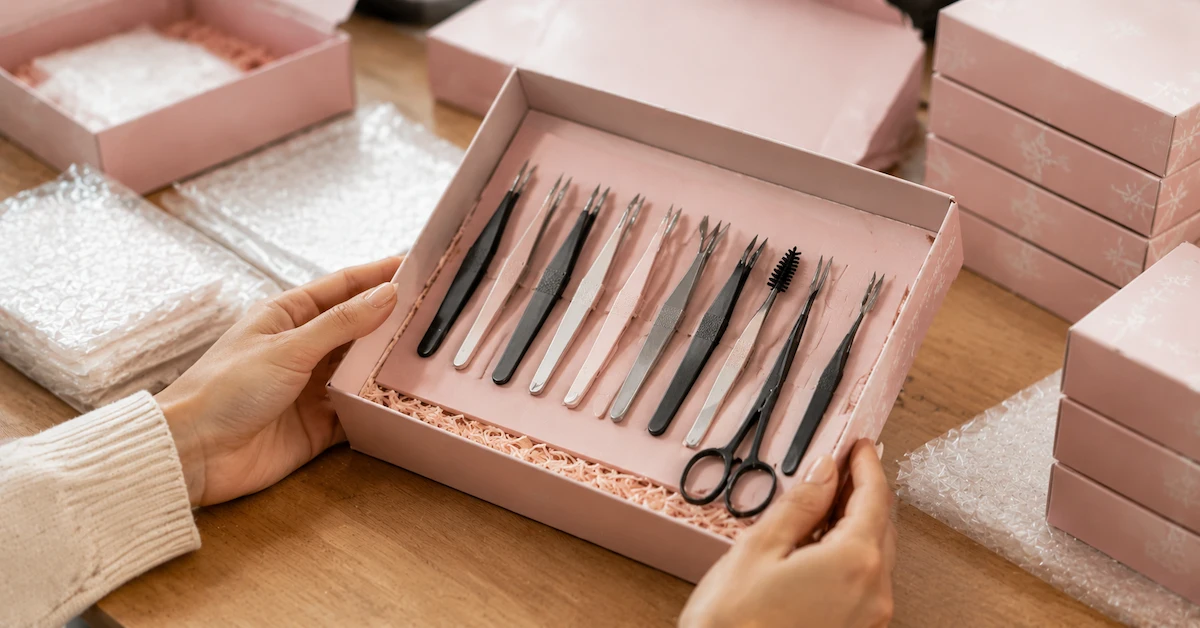
Packaging should protect polished surfaces, organize different tip styles and support the sales channel. Bulk packs, training sets, retail cartons and branded kits each require different preparation. Confirm packaging early, not after production details are already fixed.
Facial Tool Supplier Evaluation Checklist
A supplier does not need to make exaggerated claims to be credible. Buyers should look for clear answers, consistent samples and an understanding of how these small metal tools are formed, finished and packed.
| Evaluation area | What to check | Why it matters |
|---|---|---|
| Material confirmation | Ask whether the tools are stainless steel or another corrosion-resistant metal and request available specifications. | Visual appearance alone does not confirm material grade, cleaning suitability or compliance fit. |
| Tip consistency | Compare loops, pointed ends and spoon-like tips across multiple samples. | Uneven geometry affects use, presentation and customer trust. |
| Finish quality | Inspect for burrs, scratches, cloudy polish, discoloration and rough transitions. | Polished tools are judged quickly by appearance and touch. |
| Grip quality | Check whether the knurled area is even, secure and comfortable. | Grip affects control, especially in professional or training environments. |
| Packaging plan | Confirm bulk, set, retail or custom packaging options. | Packaging influences shelf appeal, protection and repacking cost. |
| Communication | Ask process and inspection questions before ordering. | Clear answers reduce misunderstandings during production and delivery. |
Material, Finish and Manufacturing Details That Matter
Facial extraction tools in this category appear to rely on metal forming, machining, polishing and knurling. Those process steps are more important than many buyers expect because the product is small and handled closely. Any defect is easy to see or feel.
Material should be confirmed in writing. Do not accept vague wording such as metal if your market, distributor or retailer requires a defined specification. Stainless steel is common in beauty tools because it can offer a clean appearance and useful rigidity, but exact grade and suitability must come from supplier documentation.
Finish should be assessed both visually and by touch. Look along the shaft under good light. Check the tip transitions, edges and grip area. A tool may look acceptable in a distant product photo but reveal scratches or uneven polishing in hand. For retail programs, also test how the finish looks after packing, unpacking and normal handling because polished surfaces can show fingerprints or scuffs.
Grip design deserves close attention. A slim tool without reliable grip texture can be difficult to control. Knurling should feel purposeful, not decorative. The pattern should be uniform, with no sharp burrs around the textured area. If your buyers include estheticians, trainers or spa operators, grip comfort should be part of your sample approval checklist.
How to Match Tool Sets to Sales Channels
Different channels value different things. A set that works well in a training kit may not be the best presentation for e-commerce retail, and a retail-focused set may not satisfy a professional buyer who cares more about balance and tip consistency.
Professional treatment rooms
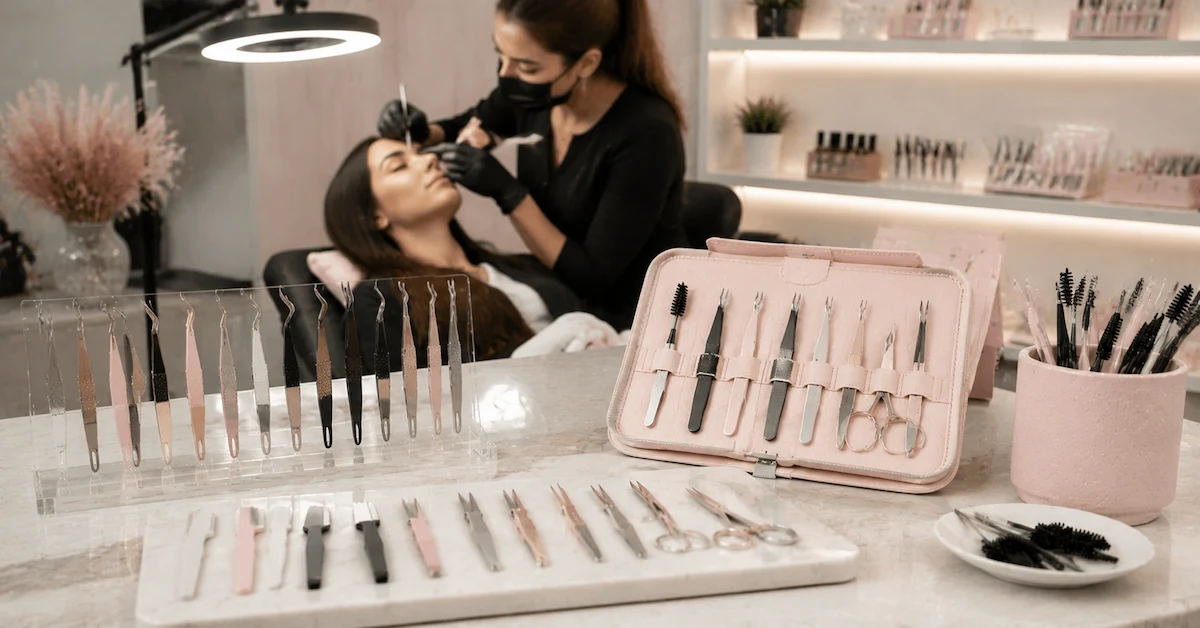
For salons, spas and esthetics programs, prioritize consistency, control and clean finishing. Users in these settings are more likely to compare one tool against another and notice differences in loop shape, grip texture and balance. Avoid selecting a set only because it has more pieces if the core tools are not consistent.
Retail and e-commerce
For retail, the product must be easy to understand. Clear set organization, clean packaging and a professional-looking finish matter. However, avoid unsupported claims about results, hygiene or medical performance. The packaging should explain what the tools are without promising outcomes that have not been substantiated.
Distributors and private-label buyers
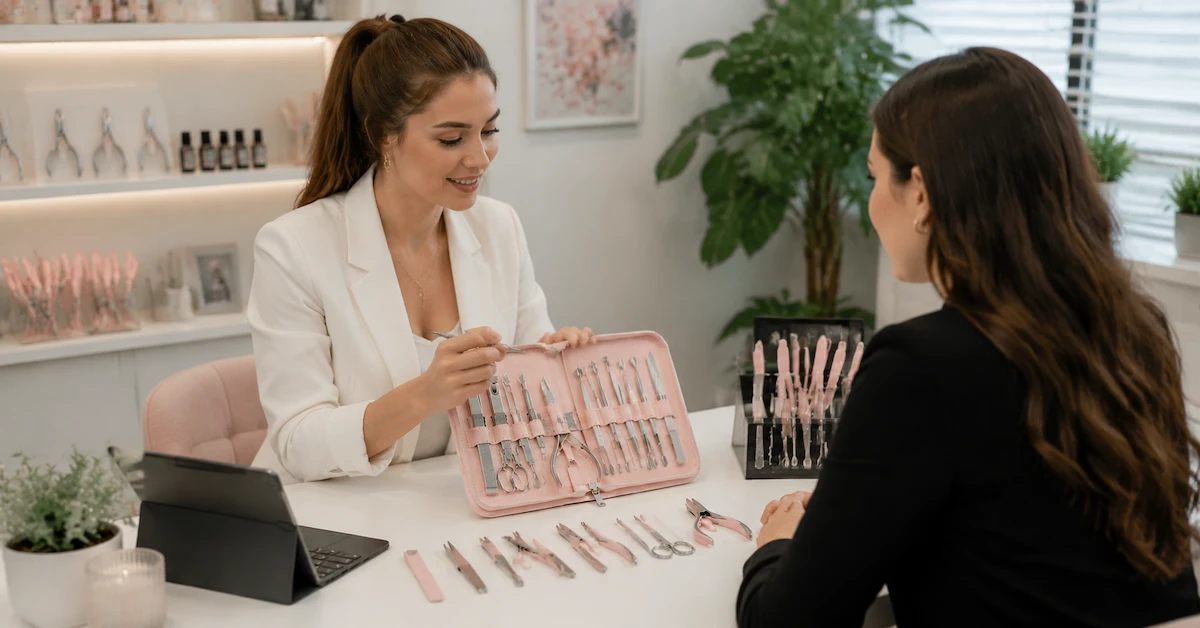
Distributors and private-label brands should focus on repeatability. Ask how the supplier controls the appearance of future batches, how packaging artwork is approved and how nonconforming goods are handled. If customization is needed, discuss logo placement, set composition and packaging structure before requesting a final quotation.
If you need supplier support for branding or assortment planning, Olimor's contact team can help clarify available options before you submit a formal request.
Cost Factors Beyond Unit Price
Unit price is important, but it is rarely the full sourcing cost. Facial extraction tools are small, but quality differences can create hidden expenses through returns, repacking, inspection labor or slow sell-through.
- Material and finishing: Better surface preparation, polishing and edge refinement can affect cost, but they also affect customer perception.
- Set composition: More pieces, more tip styles and more complex assortments can increase packing and inspection requirements.
- Packaging type: Bulk supply, pouch packaging, retail boxes and branded kits have different cost structures.
- Customization: Logo work, artwork changes and special assortments may require additional coordination and approval.
- Inspection level: Tighter visual and functional checks may increase preparation time but reduce downstream complaints.
- Documentation needs: Material records, packing details and compliance support can affect supplier selection even when the tool itself looks similar.
A low quotation may be suitable for some channels, but it should be compared against sample quality and the supplier's ability to maintain the agreed finish and packaging. The cheapest tool is not always the lowest-cost program if it creates avoidable complaints.
Quality, Compliance and Documentation Questions
Facial tools sit between beauty, grooming and sometimes professional-use categories. The regulatory position depends on how the product is described, marketed and sold in your target market. Buyers should verify current requirements with their compliance team and request current supplier documents before purchase.
When relevant, ISO 9001 can be used as a recognized quality-management reference, but do not assume a supplier is certified unless they provide valid documentation. If a product is marketed with medical or clinical claims in the United States, buyers should also review applicable U.S. FDA requirements and current guidance. Similar caution applies in other markets. Product wording matters.
For most commercial sourcing discussions, useful supplier documents may include material information, product photos, packaging specifications, inspection criteria and artwork approvals. Do not rely only on catalog images for internal review. Written confirmation helps prevent disagreement later.
Common Sourcing Problems and How to Prevent Them
The most common mistake is treating all extraction tools as the same product. They are not. Tools with similar silhouettes can differ in rigidity, finish, edge smoothness and grip feel. These differences are easy to miss on a screen but obvious in hand.
Another mistake is approving a single sample without checking consistency. Ask for multiple pieces or a sample set when possible. Inspect the tools as your customer would: open the packaging, look at the finish, feel the grip, compare the tips and check whether the set looks organized.
Buyers also sometimes delay packaging discussion until late in the order. That can create problems if the product needs to fit a retail display, private-label carton or educational kit. Packaging can affect perceived quality as much as the tool itself, especially with polished metal products.
Finally, avoid unsupported product claims. Facial tools should be described clearly and responsibly. If your packaging, listing or distributor materials mention professional use, cleaning, sterilization or performance, confirm the basis for those statements and check local rules.
Questions to Ask Before Placing an Order
Before moving from samples to purchase, ask direct questions that reveal how well the supplier understands the product:
- What material is used, and what specification can be provided?
- How are the tips formed and checked for consistency?
- How are polishing, edge refinement and knurling controlled?
- What packaging formats are available for bulk, retail or private-label supply?
- Can the supplier provide pre-production samples or approval photos?
- How are defects, scratches, burrs or mixed assortments handled?
- What customization options are available, and what order conditions apply?
- What lead time should be confirmed for the selected product and packaging?
These questions are simple, but the quality of the answers tells you a lot. A capable supplier should respond clearly and avoid guessing when documentation is required.
When to Request Samples or Send an Inquiry
Request samples when the product will be sold under your brand, used in a professional environment, added to a training kit or packed for retail. Samples help you evaluate touch, balance, finish and packaging in a way photos cannot.
When preparing an inquiry, include the intended channel, preferred set composition, packaging expectations, customization needs and any documentation your market requires. A focused inquiry saves time and helps the supplier recommend a realistic option.
For project review or quotation support, you can send details through the inquiry form. Include sample expectations and packaging notes so the discussion starts with the right assumptions.
FAQ
Can I request samples before placing a bulk order?
Sample availability should be confirmed with the supplier. For facial extraction tools, samples are strongly recommended because finish, grip and tip consistency are best judged in hand.
Is there a fixed MOQ for facial tools?
MOQ depends on the selected tool set, packaging format and customization requirements. Ask for the MOQ that applies to your exact assortment instead of assuming one rule covers every option.
Can the tool set or packaging be customized?
Customization may include assortment changes, packaging updates or branding support, depending on the project. Confirm artwork requirements, approval steps and order conditions before final quotation.
How should buyers check quality before approval?
Inspect tip geometry, surface polish, burrs, grip texture, balance and packaging cleanliness. Compare multiple pieces if possible, and keep an approved sample or reference record for future orders.
How is lead time determined?
Lead time depends on product availability, order size, customization, packaging and approval speed. Confirm the schedule with supplier documents before committing to a launch date.
Choosing a Supplier That Understands the Product
The best facial tools supplier is not simply the one with the longest catalog. It is the supplier that understands why buyers care about tip shape, grip control, polished finish, packaging and repeatable quality. For facial tools wholesale programs, these details often matter more than dramatic product descriptions.
Build your shortlist around sample quality, clear communication, realistic customization support and the supplier's ability to explain material and finishing details. A careful review at the sourcing stage can prevent avoidable problems after the goods reach your customer.
Next step: compare samples, document your quality expectations and ask focused questions before confirming the order. That process will tell you more about a supplier than a product photo ever can.