Choosing a cuticle nipper manufacturer is not only a catalog decision. For B2B buyers, the real question is whether a supplier can make a small, sharp hand tool that closes cleanly, feels controlled in the hand, and stays consistent across samples and repeat orders.
Cuticle nippers look simple, but they are unforgiving products. A polished metal surface may attract attention in a product photo, yet users quickly notice poor jaw alignment, rough edges, weak spring action, or an uncomfortable handle. For salons, beauty retailers, grooming-kit brands, distributors, and private-label programs, those details affect both customer satisfaction and reorder confidence.
This guide explains what to inspect, what to ask, and how to compare suppliers without relying on appearance alone. It is written for sourcing teams, product managers, retail buyers, and brand owners evaluating professional cuticle nipper factory options for commercial supply.
What a Cuticle Nipper Manufacturer Actually Controls
A cuticle nipper is a compact plier-style beauty tool with angled cutting jaws, a pivot joint, shaped handles, and a spring-assisted return mechanism. The manufacturer may control some or all of the metal forming, grinding, polishing, assembly, inspection, and packaging work. That level of control matters because the tool depends on several small parts working together.
The most important areas are the cutting head, the pivot, the spring, the handle shape, and the finish. If one area is weak, the full tool can feel unreliable. For example, a sharp-looking jaw can still perform poorly if the two sides do not meet evenly. A bright finish can still disappoint if the handle has rough edges. A good spring can still feel awkward if the pivot has excess resistance.
When speaking with a supplier, ask which steps are handled in-house and which are sourced or subcontracted. This does not mean every capable supplier must perform every process internally. However, a serious manufacturer should be able to explain how jaw geometry, pivot assembly, polishing quality, and spring behavior are controlled before shipment.
Buyers reviewing broader beauty-tool categories can compare related product options through Olimor’s nail care tools range and then narrow the brief based on the target channel, packaging format, and expected user.
Why Cuticle Nippers Are Harder to Source Than They Look
Cuticle nippers sit in a difficult category. They are small enough to look like commodity metal tools, but precise enough that minor defects are noticed immediately. The user works close to the nail edge and surrounding skin, so control and predictability are essential.
Several issues make this product category more sensitive than many general grooming tools:
- Jaw alignment is visible in use. If the jaws meet unevenly, the user may feel pulling, tearing, or incomplete trimming.
- Pivot smoothness affects control. A loose pivot can feel unstable, while an overly tight pivot can make the tool tiring.
- Spring response affects repeated work. Nail technicians may use the tool many times during a service, so inconsistent return action becomes frustrating.
- Handle comfort matters more than size suggests. A small ergonomic difference can affect grip stability and hand fatigue.
- Finish quality influences retail value. Visible scratches, burrs, or uneven polishing can reduce perceived quality even before the tool is used.
This is why sample evaluation is important. A photo may show a clean silver finish and a refined shape, but it cannot prove cutting feel, spring consistency, or pivot stability.
Visible Product Features Buyers Should Inspect First
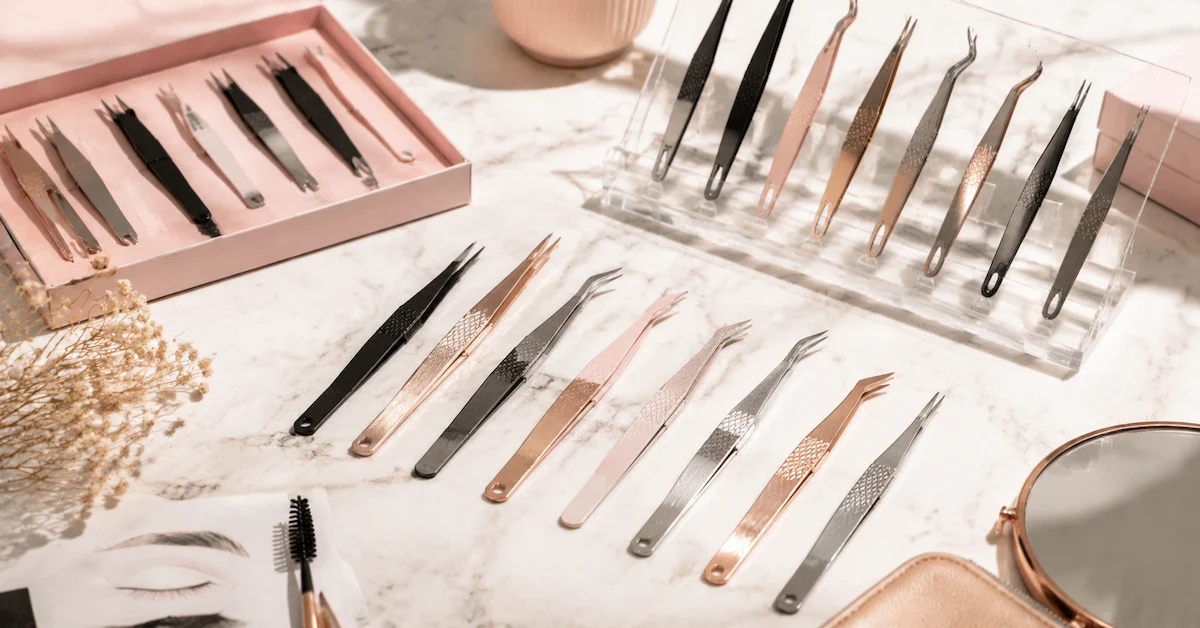
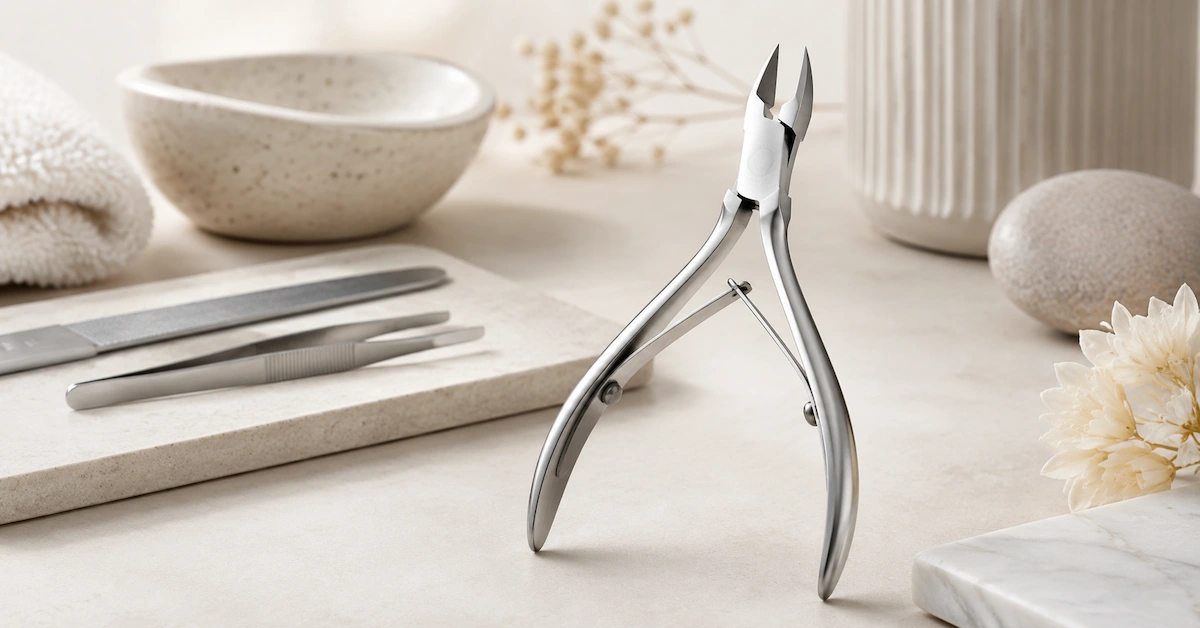
A practical first inspection should focus on what the buyer can see and feel before deeper technical review. The cuticle nipper style described here includes narrow angled cutting jaws, a spring-loaded return mechanism, a smooth metallic finish, and contoured handles. Each feature has a commercial purpose.
Angled Cutting Head
The narrow angled head is designed for fine trimming near the nail edge. This shape gives better access than a broad straight jaw when precision matters. Buyers should check whether the points are symmetrical, whether the jaw tips meet cleanly, and whether the cutting edges appear even along the contact area.
Spring-Loaded Return Mechanism
The spring helps open the handles after each cut. In professional use, this supports faster repeated motions and can reduce hand strain. The spring should open smoothly and predictably. It should not feel loose, harsh, sticky, or different from one sample to another.
Contoured Handle Shape
A bent or ergonomic handle can make the tool easier to hold at a stable angle. Buyers should test the handle with dry hands and under realistic working posture, not only by holding it briefly at a desk. The tool should feel secure without requiring excessive squeezing force.
Polished Metallic Finish
A smooth metallic finish can support a premium retail appearance and may indicate a corrosion-resistant metal, such as stainless steel or a similar alloy. However, the exact material grade should never be assumed from appearance. Ask the supplier to state the material and finish process clearly in writing.
How Cuticle Nippers Are Typically Made
Cuticle nippers usually require a combination of metal forming, shaping, grinding, polishing, assembly, and inspection. Depending on the supplier and product level, the process may include stamping, forging, machining, manual or automated grinding, surface finishing, pivot assembly, spring fitting, and final visual checks.
The jaw area is the most sensitive part of the process. It must be shaped and finished so the edges meet properly. Grinding that is too uneven can affect cutting performance. Finishing that is too rough can leave burrs or a poor tactile feel. A pivot that is not assembled consistently can change how the jaws close.
Polishing is also more than decoration. In beauty retail and salon supply, a clean surface communicates hygiene, care, and professional presentation. But polishing cannot compensate for poor geometry. A visually attractive tool still needs real functional testing before approval.
For quality discussions, buyers may refer to recognized frameworks such as ISO 9001 for quality management systems or ISO 2859-1 for sampling inspection concepts. These references can help structure supplier conversations, but buyers should verify current versions, applicability, and the supplier’s own documents. Do not assume certification or compliance unless the supplier provides valid evidence.
Use Cases: Salon, Retail, Kit and Distributor Requirements
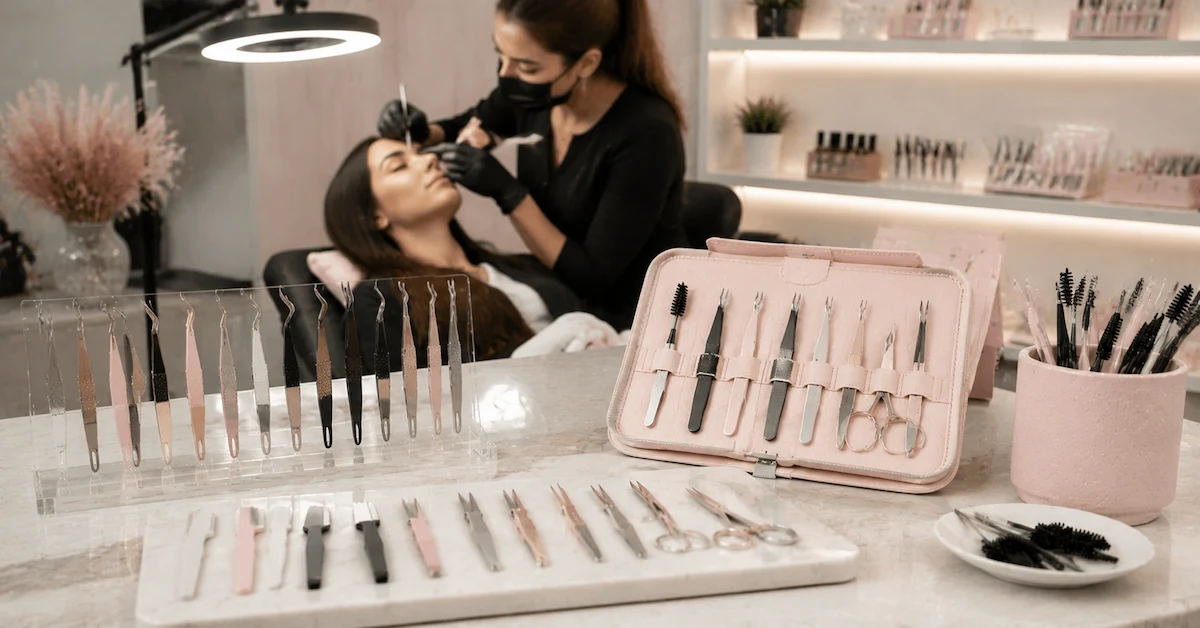
The right cuticle nipper specification depends on where the product will be sold and how it will be used. A professional salon buyer may prioritize cutting control and fatigue reduction. A beauty retailer may prioritize appearance, packaging, and broad consumer appeal. A grooming-kit supplier may need a tool that fits a complete set with consistent visual styling. A distributor may need a balanced specification that can serve multiple customer types.
| Buying scenario | Main buyer priority | What to check | Supplier question to ask |
|---|---|---|---|
| Professional salon supply | Control, comfort, repeat use | Jaw alignment, pivot smoothness, spring response, grip stability | How do you inspect cutting action and sample consistency? |
| Beauty retail | Shelf appeal and user confidence | Polishing, surface marks, packaging fit, instructions, visual consistency | What packaging and finish options can be supported? |
| Personal grooming kits | Set compatibility and compact presentation | Tool size, finish match, protective packaging, kit layout | Can the nipper be supplied as part of a coordinated tool set? |
| Private-label program | Brand consistency and repeat orders | Logo options, color or finish expectations, inspection method, sample approval process | What customization details must be confirmed before production? |
| Distributor assortment | Stable supply and broad usability | Functional reliability, packaging durability, clear product descriptions | How do you manage repeat-order consistency? |
This comparison prevents a common sourcing mistake: approving one generic tool for every channel. Different sales channels create different expectations, so the product brief should define the intended user before the supplier quotes or prepares samples.
Material, Finish and Compliance Questions to Ask
Many cuticle nippers have a stainless-looking silver finish, but buyers should not treat all shiny metal tools as equivalent. The visible finish does not confirm the exact material, corrosion behavior, or long-term edge quality. A responsible specification should ask the supplier to identify the metal used, the surface finish, and any coating or plating process if applicable.
For commercial buyers, material and compliance questions should include:
- What material is used for the main body and cutting jaws?
- Is the finish polished metal, coated, plated, or treated in another way?
- How are rough edges, burrs, and visible tooling marks controlled?
- Are any packaging materials, coatings, or substances subject to market-specific restrictions?
- Can the supplier provide relevant material declarations or test documents when required by the buyer’s market?
For products sold into regulated consumer markets, buyers may need to consider rules such as EU REACH restrictions for substances in articles, where applicable. Requirements vary by market and product configuration, so buyers should verify current regulatory obligations with qualified compliance support and request supplier documents rather than relying on assumptions.
Sample Review Checklist for Cuticle Nippers
Sample review should be structured. One attractive sample is not enough to confirm production consistency. When possible, review multiple samples from the same proposed specification and compare them side by side.
Functional Checks
- Open and close the tool several times to feel pivot smoothness.
- Check whether the jaws meet evenly from tip to base.
- Look for wobble or sideways movement at the pivot.
- Compare spring strength across multiple samples.
- Test grip comfort in a realistic hand position.
Visual and Finish Checks
- Inspect the cutting head under bright light for uneven grinding.
- Check handle edges for roughness or burrs.
- Look for scratches, discoloration, pits, or uneven polishing.
- Confirm the tool matches the intended retail or professional positioning.
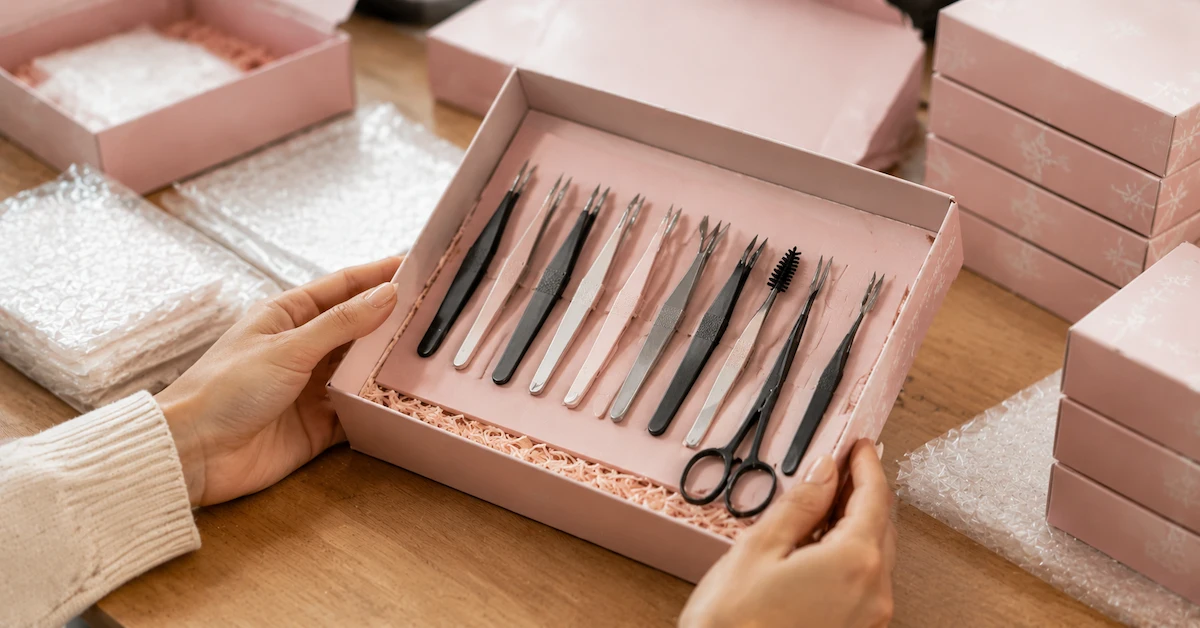
- Review packaging fit so the jaws and finish are protected during handling.
Documentation Checks
- Request written confirmation of material and finish.
- Confirm customization details such as logo placement, packaging artwork, and labeling needs.
- Ask how inspection is performed before shipment.
- Clarify how sample approval will be linked to bulk production expectations.
If the tool will be part of a wider manicure assortment, buyers can review product-family planning through the beauty tool collection and align finishes, packaging style, and positioning before finalizing the nipper specification.
Cost Factors Without Reducing the Product to Price
Price matters, but cuticle nippers should not be sourced by unit cost alone. A low quote may reflect simpler finishing, less consistent grinding, lower packaging support, fewer inspection steps, or a more generic design. Those trade-offs may be acceptable for some channels and risky for others.
Common cost factors include the chosen material, cutting-head complexity, amount of grinding and polishing, handle design, spring and pivot assembly quality, inspection requirements, packaging format, logo or private-label work, order complexity, and shipment preparation. Buyers should ask suppliers to explain what is included in the quote rather than comparing numbers without context.
A practical approach is to define the target channel first, then decide which features are essential and which are optional. For example, a professional salon program may prioritize cutting feel and repeat-use comfort. A retail display item may require stronger packaging and surface presentation. A kit component may need consistent size and finish more than premium individual packaging.
How to Evaluate a Professional Cuticle Nipper Factory
A capable supplier should be able to discuss both product appearance and manufacturing control. Buyers do not need to demand unnecessary technical complexity, but they should expect clear answers to practical questions.
Use these questions when comparing suppliers:
- How are the angled jaws formed, ground, and finished?
- How do you check that the jaws meet correctly?
- How is pivot smoothness controlled during assembly?
- What spring style is used, and how is spring response checked?
- What finish options are available, and what material information can be provided?
- Can you support private-label packaging or logo requirements?
- How do you handle sample approval before bulk production?
- What inspection steps are performed before shipment?
The quality of the answers matters. A supplier that only says “good quality” without explaining inspection or process control may not be ready for a serious B2B program. A stronger supplier will discuss jaw alignment, polish level, pivot feel, spring action, and packaging protection in practical terms.
Common Sourcing Mistakes to Avoid
The most common mistake is judging the tool only by its surface finish. A reflective metal tool may look premium, but cutting performance depends on jaw geometry, edge finishing, and assembly consistency.
Another mistake is testing only one sample. A single good piece can hide variation. Reviewing several samples helps reveal differences in spring strength, pivot feel, cutting closure, and finish quality.
A third mistake is giving the supplier an incomplete brief. If the buyer only asks for a “metal cuticle nipper,” the supplier may choose a generic specification that does not match the intended market. The brief should include target channel, finish expectations, packaging needs, customization requirements, and inspection priorities.
Finally, some buyers forget after-sales realities. Beauty tools are handled closely by end users, so small discomforts can become complaints. A careful approval process reduces avoidable problems before the product reaches salons or retail shelves.
When to Contact Olimor About Cuticle Nippers
Olimor works with buyers evaluating beauty tools for salon, retail, grooming-kit, and supply-chain programs. If you are comparing cuticle nipper options, prepare your target channel, preferred finish, packaging expectations, customization requirements, and sample review criteria before starting the conversation.
For a focused discussion, send your project details through the product inquiry form or contact the team through Olimor contact support. A clear brief helps the supplier respond with relevant options instead of generic product suggestions.
FAQ for B2B Buyers
Can I request samples before placing an order?
Yes, sample review is a practical step for cuticle nippers because appearance alone cannot confirm jaw alignment, spring feel, pivot smoothness, or handle comfort. Ask how samples relate to the final production specification.
Is there an MOQ for cuticle nipper orders?
MOQ depends on the product configuration, packaging, customization, and supplier arrangement. Buyers should confirm MOQ directly with the supplier before finalizing artwork, samples, or purchasing plans.
Can cuticle nippers be customized for private label?
Customization may include packaging, labeling, logo placement, finish preferences, or set configuration, depending on the supplier’s capabilities. Confirm feasible options, approval steps, and any documentation needed before production.
How should quality be checked before shipment?
Quality checks should cover jaw alignment, cutting closure, pivot movement, spring response, surface finish, visible defects, packaging fit, and consistency against approved samples. Buyers can also request the supplier’s inspection process for review.
What affects lead time?
Lead time can be influenced by sample approval, customization, packaging preparation, order quantity, production scheduling, inspection, and shipping arrangements. Confirm timing with the supplier for the specific project rather than relying on general estimates.