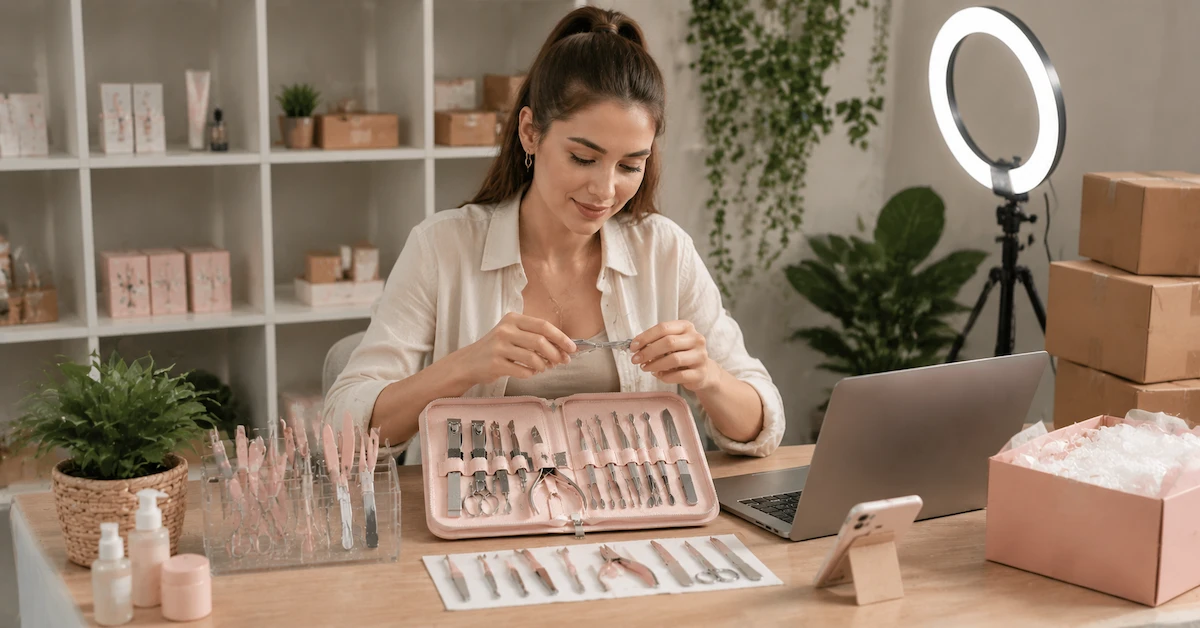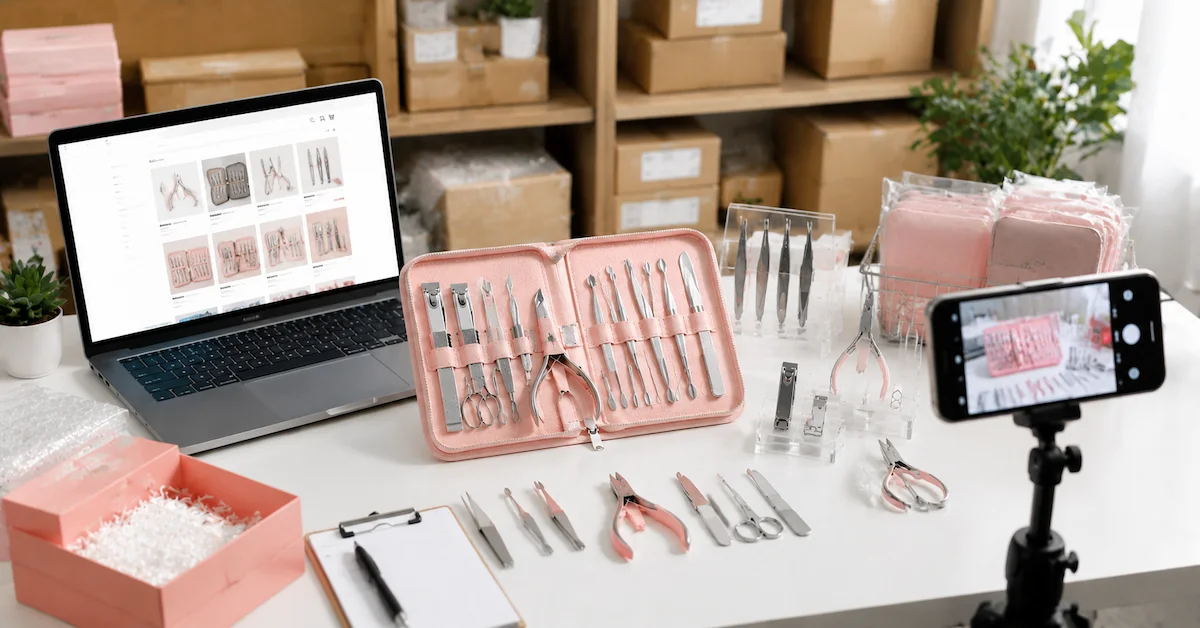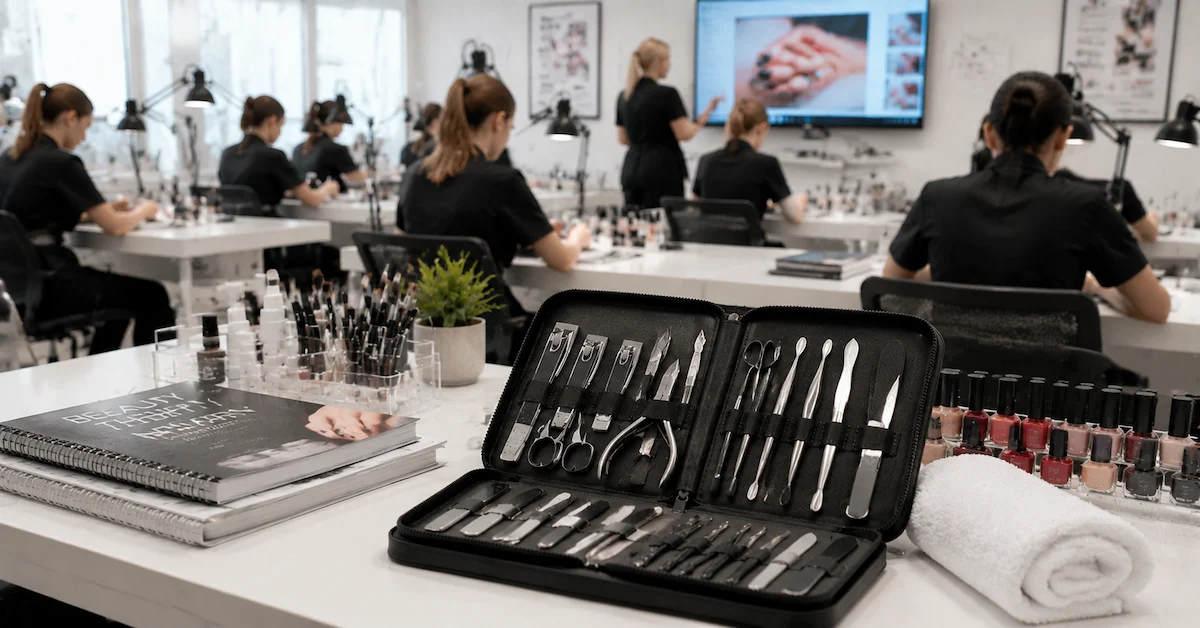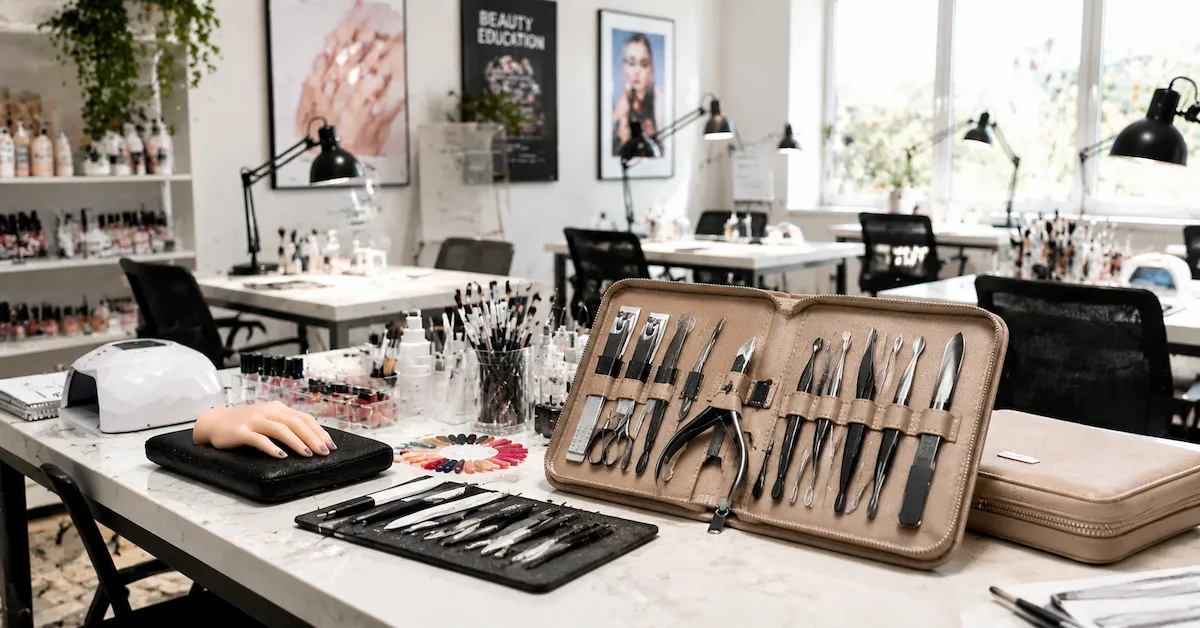











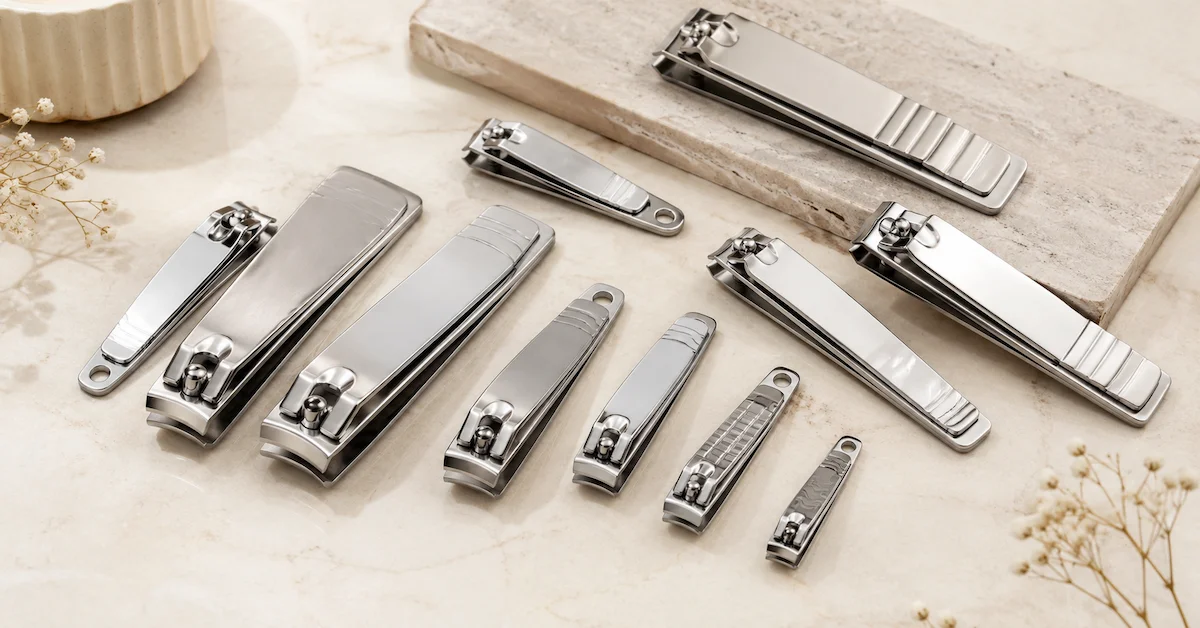
Bulk nail clippers are simple products, but they are not simple purchasing decisions. For retailers, wholesalers, hotel amenity buyers and private-label grooming brands, the right assortment affects customer satisfaction, packaging efficiency, shelf presentation and repeat orders. The practical goal is not to find one universal clipper. It is to match clipper size, shape, finish, portability and packing method to the channel where the product will be sold or used.
A well-planned assortment usually includes more than one format. Smaller clippers are better suited to fingernails, travel kits and compact pouches. Larger clippers are more suitable for toenails or adult grooming sets. Some styles include a keyring hole or lanyard opening, which can be useful for portable kits, hanging displays, giveaway programs and travel-oriented packaging. These small details can influence whether a low-cost grooming item feels useful or disposable.
This guide explains how to evaluate bulk nail clippers from a B2B sourcing perspective: what to compare, how the products are typically made, which applications need which clipper types, what quality points to inspect, and what questions to ask before placing a volume order.
What Buyers Need Bulk Nail Clippers to Solve
Most commercial buyers are trying to solve one of four needs. First, they need a dependable everyday grooming tool that can be sold alone or added to a larger manicure, pedicure or travel set. Second, they need an assortment that reflects real user behavior: fingernail and toenail trimming are different tasks, so one size rarely satisfies every customer. Third, they need consistent visual quality, because grooming tools are judged quickly by finish, alignment and feel. Fourth, they need a product that fits existing packaging without creating extra shipping volume or display problems.
Bulk nail clippers remain relevant because they are compact, familiar and easy to bundle. They fit retail grooming packs, hotel toiletry kits, promotional gift sets, travel pouches and private-label personal-care assortments. When selected carefully, they can add practical value without making a kit bulky. When selected carelessly, they can create complaints about weak lever action, uncomfortable grip, poor finish or mismatched sizing.
For buyers comparing options, start with the intended use rather than a product photo. A polished silver-colored clipper may look clean and familiar, but appearance alone does not confirm material grade, hardness, plating method or long-term durability. Those details should be confirmed with the supplier through samples, specifications and inspection records where available.
Bulk Nail Clipper Assortment Comparison
The most useful assortment is usually the one that makes the end use obvious. A mixed set should help customers understand which clipper is for fingers, which is for toes, and which is intended for travel or compact storage. The table below summarizes common buying considerations.
| Comparison Point | What to Look For | Why It Matters |
|---|---|---|
| Size range | Small, medium and larger clipper formats where appropriate | Supports fingernail, toenail, travel and kit-building applications |
| Body shape | Slim profiles for compact kits; wider or more substantial profiles for toenail use | Affects comfort, perceived strength and packaging fit |
| Finish | Even polished silver-colored metal surface with no obvious rough areas | Improves shelf appeal and gives a clean grooming-tool appearance |
| Grip detail | Textured ridges or shaped lever surfaces on suitable models | Helps users maintain control, especially in compact formats |
| Portability | Keyring hole, lanyard opening or compact body where needed | Useful for travel kits, hotel kits, giveaways and hanging storage |
| Assembly feel | Lever sits properly, hinge moves smoothly, jaws align consistently | Reduces complaints and improves perceived quality |
| Packaging compatibility | Dimensions and thickness fit the pouch, blister, box or carton plan | Prevents redesign costs and packing inefficiency |
For broader grooming programs, review available product families through the Olimor product range and compare nail clippers with related personal-care tools before finalizing a kit structure.
How Bulk Nail Clippers Are Typically Made
Most metal nail clippers are straightforward consumer hardware items. They commonly use a stamped or formed metal body, a hinged lever, a pin or pivot structure, and cutting jaws at one end. The visible products in this category often have a polished silver-colored finish and an elongated shape. Some versions include textured ridges for grip, while others prioritize a smooth, compact profile.
From a sourcing perspective, the important point is to separate what can be seen from what must be verified. A polished surface may suggest a clean, corrosion-resistant-looking appearance, but it does not prove the exact steel type, coating, plating, hardness or heat treatment. Buyers should ask for material and finish information from the supplier and avoid assuming technical properties from catalog photos.
Typical production and finishing steps may include metal forming, cutting-edge preparation, polishing, assembly and final packing. Inspection should focus on both appearance and function. A clipper can look acceptable in a photo but still have poor jaw alignment, rough edges, loose lever movement or inconsistent finish across a lot. Because these products are often bought in bulk, small variations become visible when hundreds or thousands of units are packed together.
Good supplier communication should include actual product photos, sample confirmation and packing details. If the clippers will be part of a private-label set, request samples in the intended packaging format, not only loose pieces. This helps confirm whether the lever height, body length and shape work with your tray, pouch, blister card or carton.
Choosing the Right Clipper Type by Application
Retail Grooming Packs
Retail assortments benefit from clear function separation. A practical set may include a smaller clipper for fingernails and a larger clipper for toenails, with consistent finish and styling across the pieces. Customers notice when one tool in a set feels thinner, looser or visually different from the rest. For retail, the clipper must also photograph well and look trustworthy under store lighting or on an e-commerce page.
Hotel and Amenity Kits
Hospitality buyers usually prioritize compact size, clean appearance and easy packing. A nail clipper for a hotel kit should fit neatly into a toiletry pouch or amenity box without making the kit feel crowded. A keyring hole or compact storage profile can be useful, but the design should still feel familiar to guests. Avoid oversized formats unless the kit is positioned as a more complete grooming set.
Travel and Promotional Programs
Travel and promotional buyers often need products that are small, recognizable and easy to distribute. Portability features such as a keyring hole can add value because users can attach the item to a travel bag, toiletry pouch or small accessory ring. For promotional use, perceived quality matters. A clean polished finish and smooth lever action can make a simple item feel more useful.
Private-Label Grooming Sets
Private-label programs require consistency. The clipper should match the look and feel of the rest of the grooming tools in the set. Before approving an assortment, check whether the size mix supports your brand position. A minimalist travel set may need only one compact clipper. A fuller grooming kit may benefit from separate fingernail and toenail clippers. For custom kit planning, buyers can review broader category options through the beauty tool collection.
Quality Checks Before Buying in Volume
Inspection does not need to be complicated, but it should be systematic. Because nail clippers are handled directly by consumers, poor assembly or rough finishing can quickly affect user trust. The following checklist is useful when reviewing samples or pre-shipment samples.
- Jaw alignment: Check whether the cutting edges meet evenly without visible offset.
- Lever movement: Open and close the lever several times to confirm it moves smoothly and does not feel loose or unstable.
- Cutting feel: Test representative samples for clean operation without excessive force. Do not rely on one sample only.
- Edge safety: Look for sharp burrs or rough unfinished areas on the body, lever and keyring hole if present.
- Finish consistency: Compare several pieces side by side for uneven polishing, discoloration or visible marks.
- Grip comfort: Confirm that textured ridges or shaped surfaces help handling rather than creating discomfort.
- Size accuracy for packaging: Place samples in the intended pouch, blister, tray or box before order approval.
- Assortment consistency: Make sure the supplier understands the exact mix of small, larger and portable styles required.
- Carton and inner packing: Ask how products are separated, bundled or protected to reduce cosmetic damage in transit.
If selling into regulated consumer markets, also consider the destination market’s product safety expectations. For example, the U.S. Consumer Product Safety Commission and the European Commission’s General Product Safety Regulation framework may be relevant depending on product positioning, packaging, age grading and sales territory. Buyers should verify current requirements, product documents and supplier declarations for their market. Do not assume a supplier has a certification or compliance status unless it is documented for the exact product and order.
Cost Factors That Affect Bulk Nail Clipper Sourcing
Unit price matters, but it is only one part of the cost. The lowest quoted clipper may become expensive if it causes repacking work, carton damage, returns or customer complaints. A more useful cost review looks at the whole purchasing path.
Assortment complexity: A single-size order is simpler to manage than a mixed assortment. Mixed sets can improve commercial value, but they require clearer packing instructions and more careful inspection.
Finish expectations: A consistent polished appearance is important for grooming tools. If your program requires a very uniform look, discuss acceptable appearance standards with the supplier before production.
Packaging method: Loose bulk packing, individual poly packing, kit insertion, retail carding and carton marking can all affect handling and cost. Confirm the format early, especially if the product is part of a larger grooming set.
Customization: Private-label packaging, inserts, assortment changes or special carton labels may affect quotation and scheduling. Avoid requesting customization after sample approval unless you are prepared to recheck fit and presentation.
Inspection needs: If your downstream customer has strict appearance or functional expectations, plan inspection time into the sourcing process. Checking a simple product late can still delay delivery if the assortment or packing is wrong.
Common Buying Mistakes to Avoid
The first mistake is choosing only from photos. Product images help with shape and finish comparison, but they do not show hinge feel, cutting consistency, edge comfort or lot variation. Always evaluate physical samples before committing to volume.
The second mistake is treating fingernail and toenail clippers as interchangeable. Smaller units are typically better for fingernails and travel use, while larger clippers are more appropriate for toenails. If the assortment does not match the end user’s need, the product may be technically functional but commercially weak.
The third mistake is ignoring packaging fit. A clipper that seems compact may still be too thick for a slim travel pouch or too long for a blister card. Ask for dimensions and test samples in the actual packaging layout.
The fourth mistake is assuming a polished finish proves durability. Finish is important for appearance, but it does not confirm material grade, coating specification or long-term performance. Ask for the supplier’s available product specifications and order documentation.
The fifth mistake is failing to define the assortment. If you need a particular mix of small, larger and keyring-hole styles, document it clearly in the purchase order and sample approval records.
Questions to Ask a Bulk Nail Clippers Supplier
A productive supplier conversation should be specific. Before placing a bulk order, ask questions that connect the product to your sales channel, packaging and quality expectations.
- Which clipper sizes and shapes are available for the assortment?
- Can the assortment be adjusted for retail packs, hotel kits, travel sets or promotional programs?
- What material and finish information is available for the exact item being quoted?
- Can samples be provided from the styles intended for the order?
- How are the clippers packed for bulk shipping or kit assembly?
- Can the supplier provide actual product photos, not only catalog images?
- What quality checks are performed for jaw alignment, finish and assembly consistency?
- What customization options are available for packaging, carton marking or kit configuration?
For order-specific questions or sample discussion, contact the team through the sourcing inquiry form or use contact Olimor for project details.
FAQ: Bulk Nail Clippers
Can I request samples before placing a bulk nail clipper order?
Yes. Samples are the most practical way to check size, lever feel, jaw alignment, finish and packaging fit before moving to a larger order. Ask whether the samples match the exact assortment under quotation.
Is there a fixed MOQ for bulk nail clippers?
MOQ can depend on the item, assortment, packing method and customization requirements. Confirm the current requirement with the supplier for the specific style and order plan.
Can nail clippers be customized for private-label kits?
They can often be used in private-label grooming sets, especially because they are compact and broadly useful. Customization may involve assortment selection, packaging format, inserts or carton marking. Confirm available options before approving samples.
What quality points should be checked before shipment?
Focus on jaw alignment, lever movement, finish consistency, rough edges, grip comfort, assortment accuracy and packaging condition. Inspection criteria should be agreed with the supplier before production or packing.
How should lead time be confirmed?
Lead time should be confirmed for the exact order, including sample approval, production, packing and any customization. Avoid relying on general estimates if the product is part of a larger kit or timed retail launch.
A Practical Next Step
The best bulk nail clipper assortment is not necessarily the most complex or the cheapest. It is the one that fits the buyer’s use case, packaging plan and customer expectation. Start by defining whether the program is for retail, hotel amenities, travel, promotion or private label. Then select the clipper sizes and features that support that purpose.
Request samples, check them in hand, test them in the intended package and confirm the assortment in writing. For a small grooming tool, these steps prevent many common sourcing problems. In bulk buying, details such as size separation, polished finish consistency, grip texture, keyring-hole usability and carton packing can make the difference between an ordinary commodity purchase and a reliable repeat item.