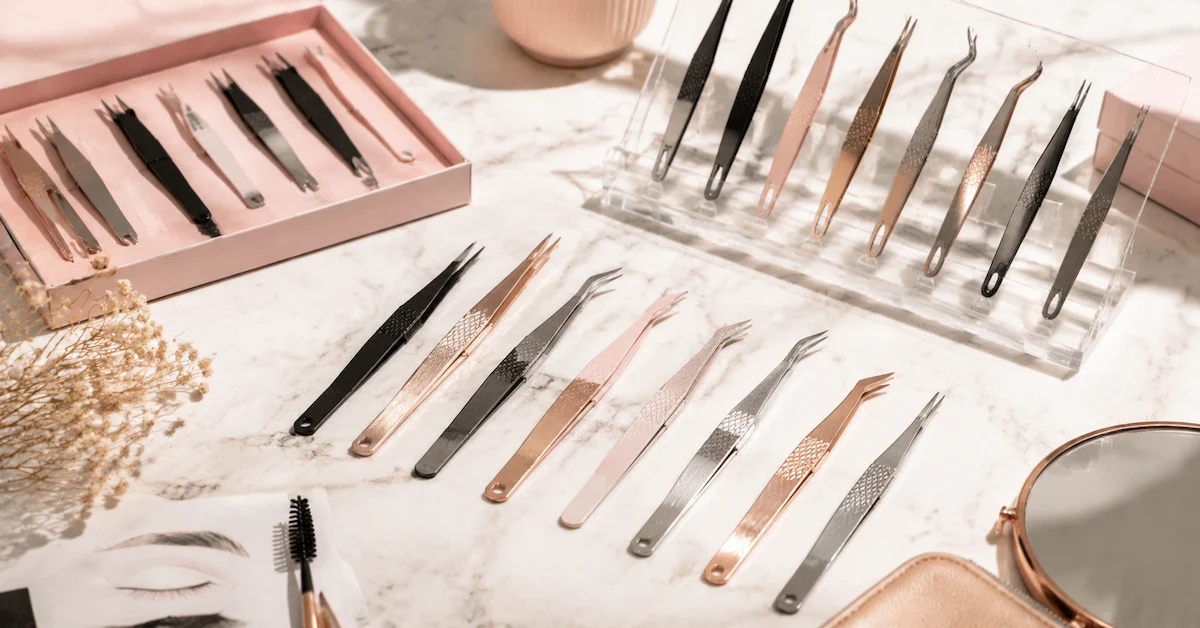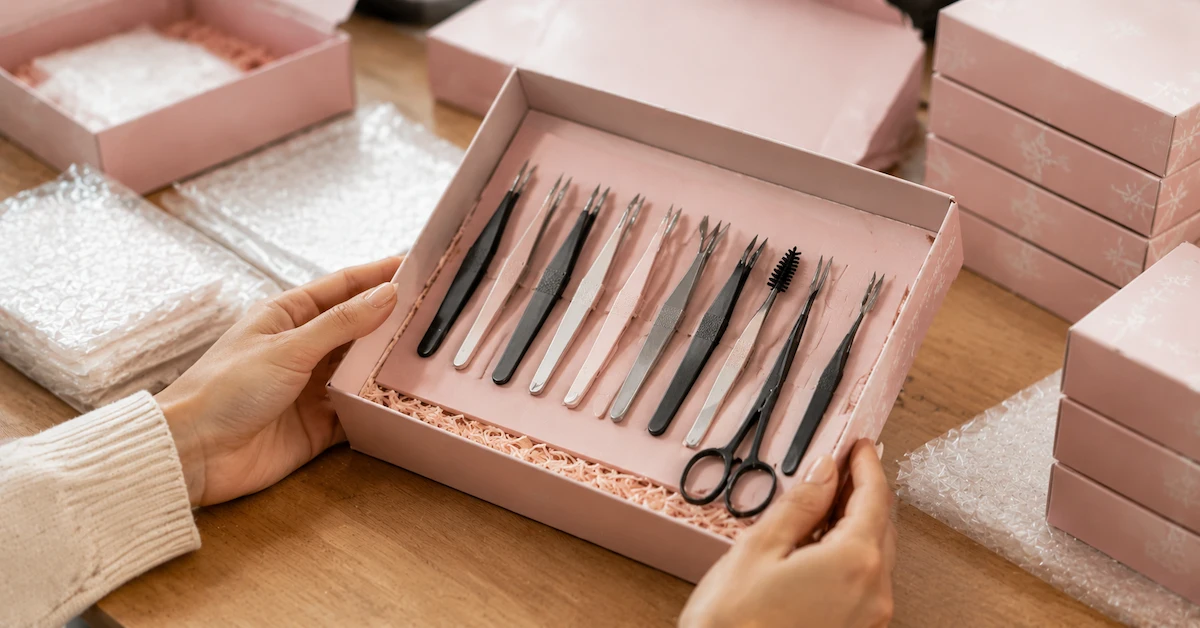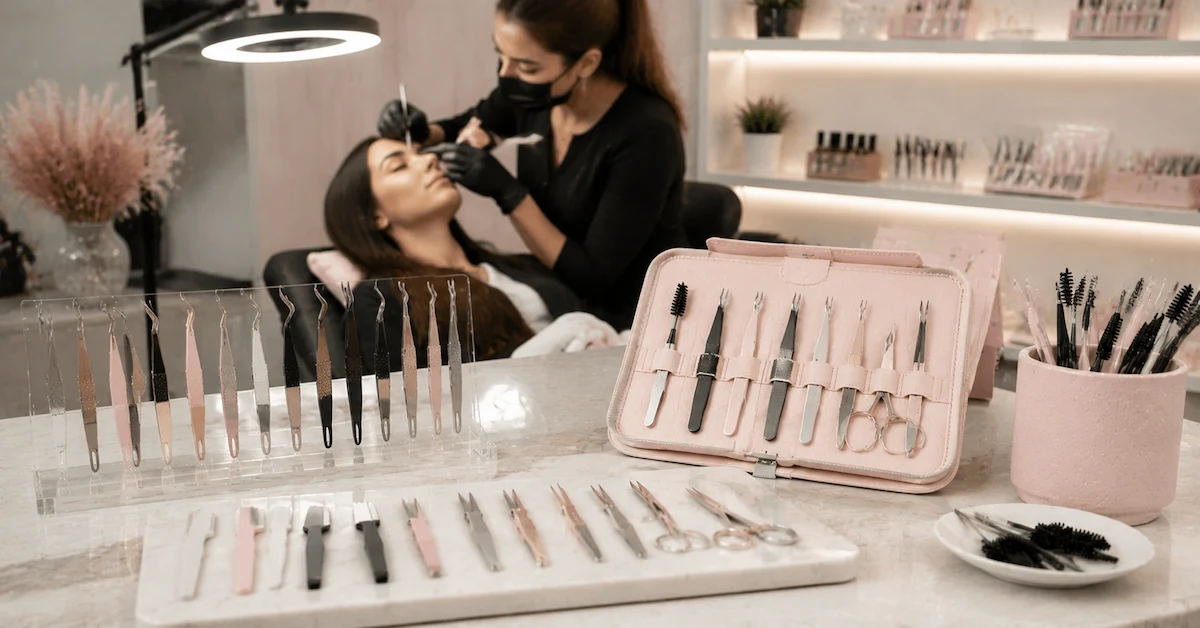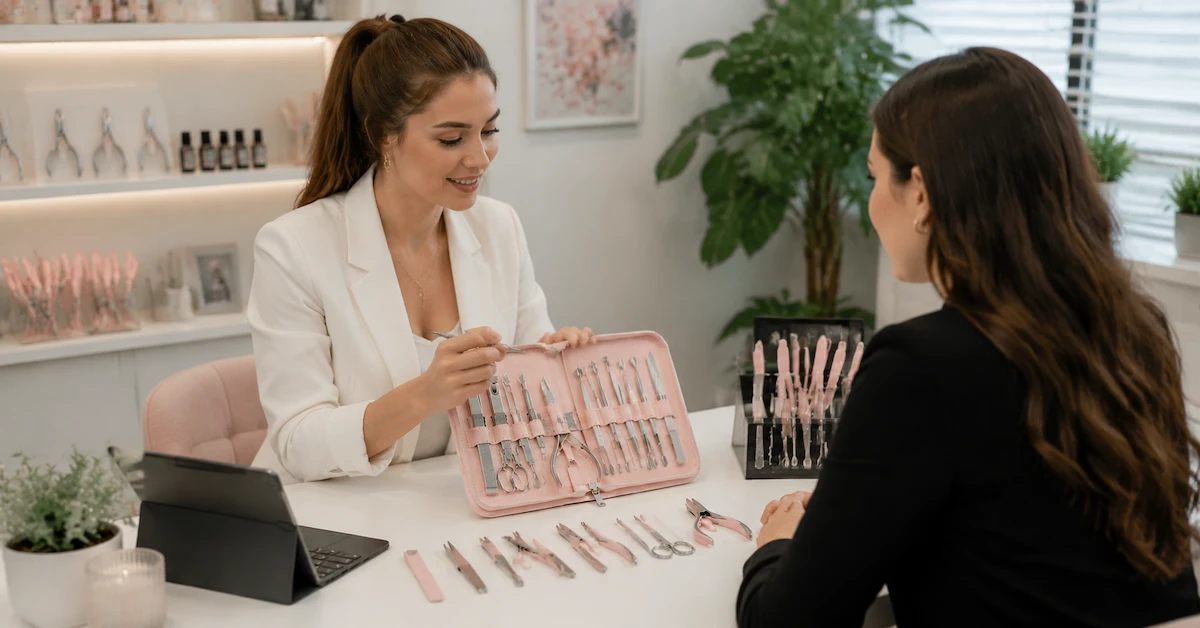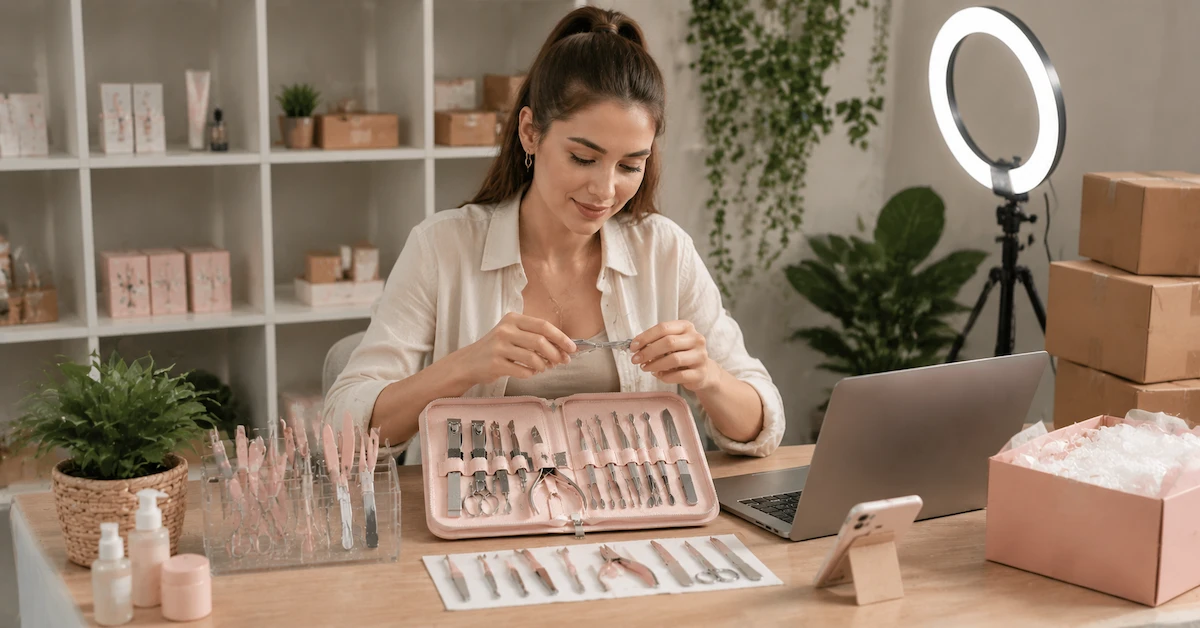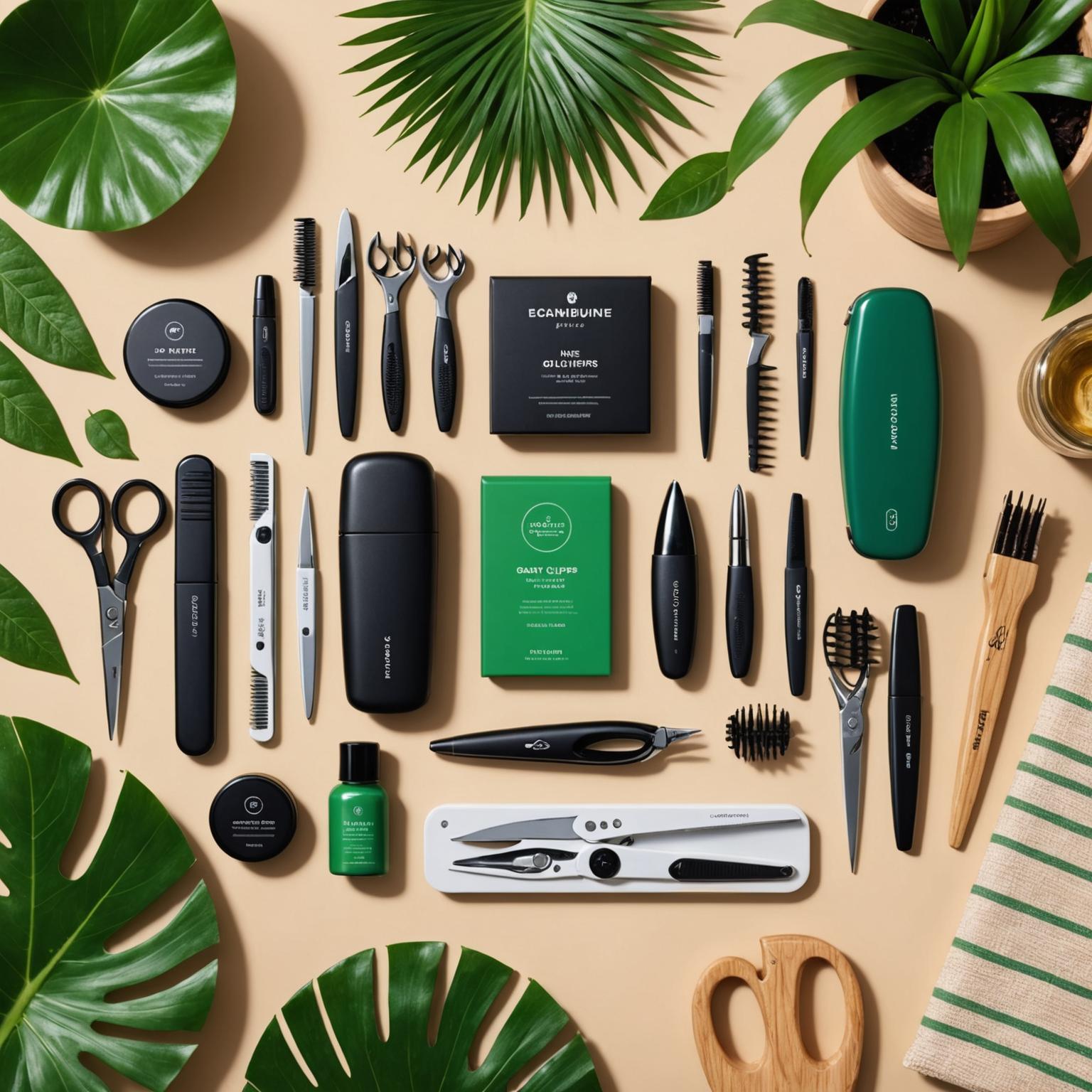
Beauty tools wholesale is a practical category, but it should not be treated as a simple low-cost accessory purchase. Nail clippers, manicure implements and pedicure supplies are small products that customers judge quickly through feel, cutting performance, finish, hygiene and packaging. A tool that looks acceptable in a catalog can still create complaints if it tears nails, feels unstable, traps debris or arrives with scratches.
For wholesalers, salon suppliers, e-commerce sellers and private-label buyers, the main search intent is clear: how do you choose beauty tools that are commercially viable, consistent and suitable for your sales channel? The answer is to evaluate the product as both a grooming instrument and a retail item. Function, materials, inspection, packaging, customization and supplier communication all matter before a purchase order is placed.
Olimor Beauty supplies personal care and grooming items for buyers comparing product types, packaging formats and sourcing options. Buyers can review current beauty tool products or browse wider grooming and beauty collections when planning an assortment.
Why Beauty Tools Remain a Strong Wholesale Category
Beauty tools have steady demand because they serve everyday grooming needs across age groups, genders and retail channels. A nail clipper, file, tweezer or cuticle tool is not usually a short-lived novelty. Customers replace worn tools, buy separate kits for home and travel, and purchase sets as practical gifts or salon supplies.
The category is also supported by the growth of at-home grooming. Many consumers now expect cleaner, more reliable tools for routine manicures and pedicures between salon visits. At the same time, professional users need tools that are easy to handle, repeatable in quality and suitable for frequent cleaning practices.
For B2B buyers, the opportunity is not only to add more SKUs. It is to select products that match the target channel. A mass-market retail clipper, a compact online kit and a professional salon supply item may look similar, but each has different expectations for packaging, durability, presentation and reorder planning.
Nail Clippers Wholesale: What Buyers Should Evaluate First
Nail clippers are one of the core items in beauty tools wholesale because they are compact, easy to bundle and relevant to many sales formats. They can be sold as single retail packs, included in manicure kits, added to travel grooming sets or used in promotional personal care assortments.
When evaluating nail clippers wholesale, function should come before decoration. A bright finish or attractive color may improve shelf appeal, but the cutting edge, jaw alignment and lever action determine customer satisfaction. Stainless steel options are often preferred by buyers because the category is associated with durability, easier cleaning and a professional feel. However, the exact material, construction and finish should always be verified with the supplier for the intended market and price level.
Key inspection points for nail clippers
- Blade meeting: The cutting edges should meet evenly without obvious gaps or misalignment.
- Cutting action: The clipper should trim cleanly under normal use rather than crushing or tearing the nail.
- Lever comfort: The handle should provide stable pressure without sharp contact points against the fingers.
- Surface finish: Non-cutting edges should be free from noticeable burrs, rough polishing marks and sharp corners.
- Debris control: The structure should be easy to wipe and should not trap visible nail residue in inaccessible areas.
- Packaging protection: The clipper should sit securely in the pack to reduce rubbing, scratching or movement during transit.
Sampling should include hands-on trimming tests and multi-sample comparison. A single polished sample is not enough to judge a wholesale program. Buyers should check whether several pieces from the same item feel and perform consistently.
Manicure Tools and Pedicure Supplies: Matching Product to Use Case
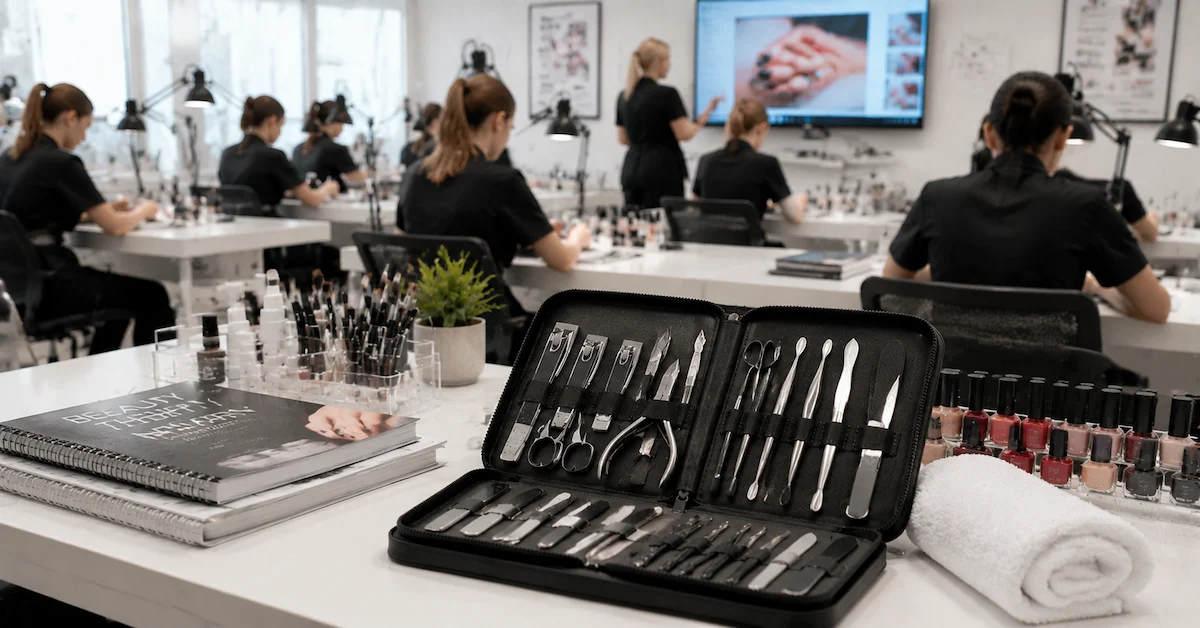
Manicure tools wholesale and pedicure supplies wholesale cover more than one customer type. Home users may prefer convenient kits, clear presentation and compact storage. Salons and mobile beauty professionals may prioritize grip, balance, repeatable performance and cleaning between uses. Retail buyers may focus on barcode space, display impact and carton protection.
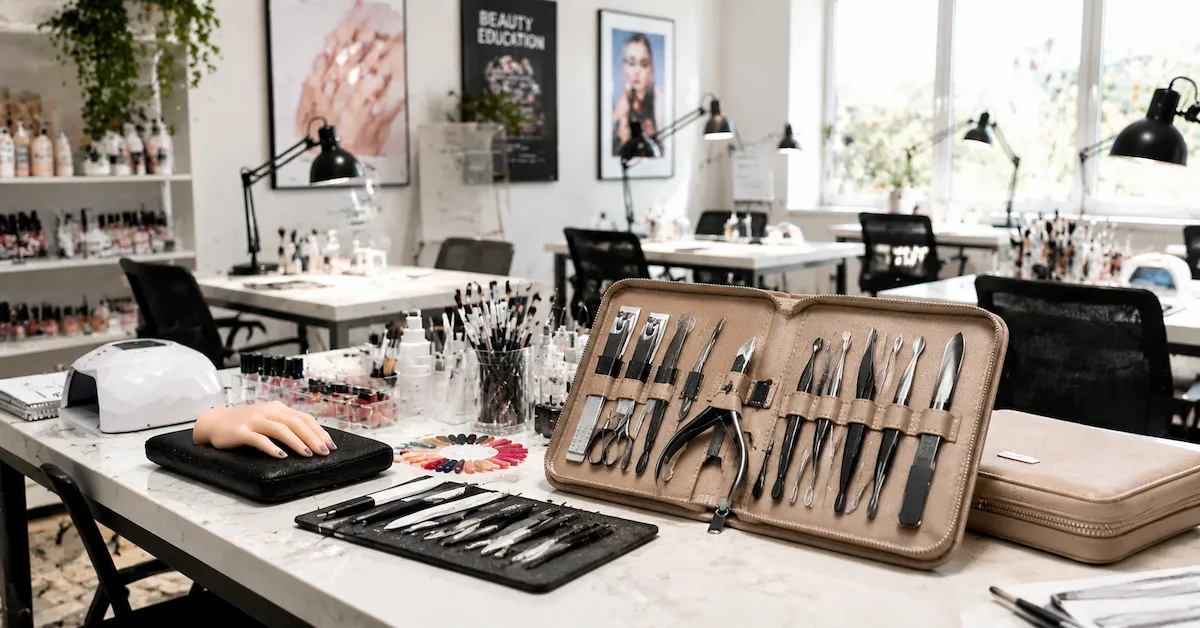
Manicure items often include clippers, nail files, cuticle pushers, tweezers, scissors and grooming accessories. Pedicure tools may need stronger construction because toenails are often thicker and require more controlled trimming or filing. A pedicure product that feels too light, slippery or poorly aligned can quickly disappoint users.
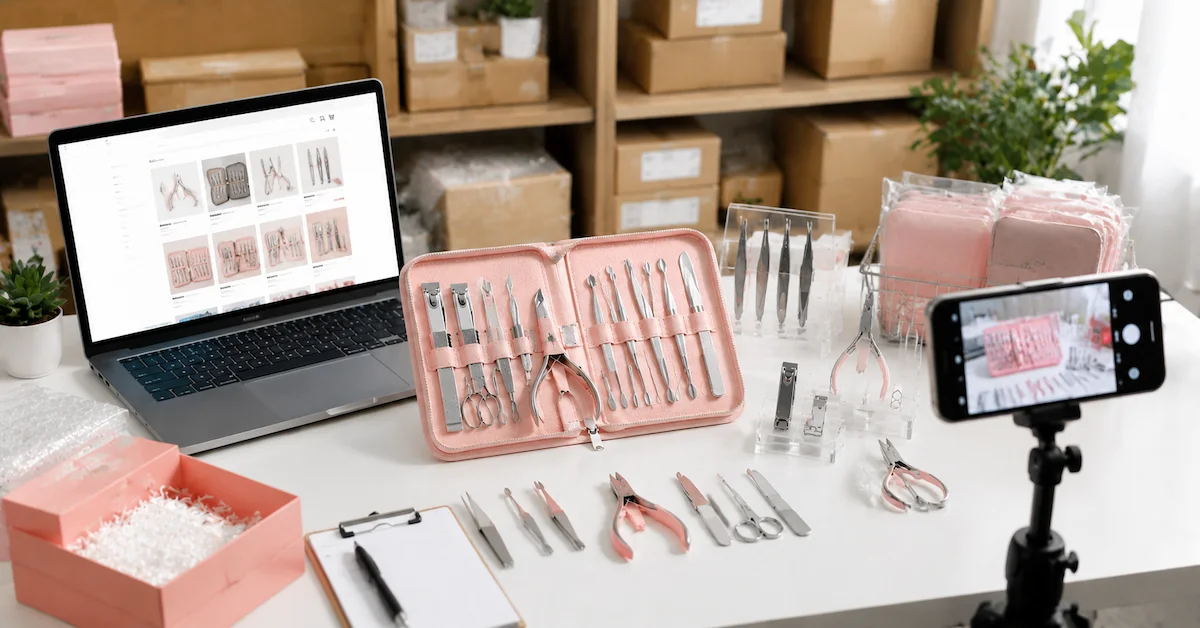
The main sourcing mistake is assuming one set can serve every channel. A giftable retail kit may need a case, coordinated colors and strong shelf presentation. A salon replenishment order may need simpler packaging and consistent tool performance. An online seller may need compact dimensions, clean product photography and packaging that can survive parcel shipping.
Common wholesale formats
- Single tools: Useful for replenishment, entry-level retail and clear price comparison.
- Manicure sets: Suitable for home grooming, gifting and private-label presentation.
- Pedicure kits: Better when selected around strength, grip and hygiene rather than appearance alone.
- Travel grooming sets: Compact formats for pharmacies, lifestyle retailers and e-commerce bundles.
- Salon supply assortments: Practical combinations designed for repeat ordering and professional use.
Comparison Table: How to Choose the Right Beauty Tool Program
A structured comparison helps buyers move beyond price sheets. The table below can be used when reviewing samples, factory communication or supplier proposals.
| Decision Area | What to Check | Commercial Impact |
|---|---|---|
| Primary use | Home grooming, salon use, travel, gifting or promotional distribution | Prevents mismatched packaging, tool strength or retail positioning |
| Tool performance | Cutting, filing, gripping and trimming under normal use conditions | Directly affects reviews, returns and repeat orders |
| Material and finish | Supplier-stated material, surface consistency, polishing and visible defects | Influences perceived value, handling comfort and cleaning expectations |
| Sample consistency | Several samples from the same item, not only one presentation piece | Helps identify variation before bulk ordering |
| Packaging | Retail display, barcode space, labeling area, protection and shipping fit | Reduces damage and supports the intended sales channel |
| Customization scope | Logo, color, case, kit combination, insert card or retail carton options | Supports private-label differentiation without compromising function |
| Supplier documents | Product specifications, artwork confirmation, inspection criteria and applicable compliance documents | Reduces misunderstandings and supports internal approval |
This approach is especially useful when similar-looking tools are offered at different prices. A lower unit cost may not be the better option if it adds inspection burden, creates packaging damage or increases customer complaints.
Cost Factors in Wholesale Beauty Tools
Beauty tool pricing is influenced by more than the tool itself. Buyers comparing quotes should look at the full program cost, including material choice, construction complexity, finish, packaging, customization, inspection needs and shipping format. A simple single clipper in basic packaging is not comparable to a multi-piece manicure set with a custom case and retail-ready presentation.
Material and finish can affect cost because polishing, coating, color treatment and surface consistency require different production steps. Tool design also matters. A clipper with smoother edges, stronger leverage and more careful alignment may require more attention during manufacturing and inspection than a very basic item.
Packaging can be a major cost factor in retail and private-label programs. Blister packs, folding cartons, pouches, cases and gift sets each create different requirements for artwork, assembly, protection and carton packing. Buyers should define the sales channel first, then choose packaging that supports that channel rather than adding unnecessary cost.
Customization may also affect pricing and order planning. Logo placement, color coordination, tool combinations and insert cards should be confirmed early. Because order quantities, lead time and artwork requirements vary by project, buyers should request current details before confirming a program rather than assuming standard terms.
Quality Control and Inspection Before Bulk Orders
A dependable wholesale program needs a clear inspection plan. Beauty tools are tactile products, so visual approval alone is not enough. Buyers should define what will be checked, how defects will be classified and what samples or pre-production confirmations are required.
For nail clippers and trimming tools, inspection should include jaw alignment, cutting action, lever stability, visible burrs, surface scratches and packaging fit. For manicure and pedicure sets, buyers should also verify that all tools listed in the specification are included, correctly positioned and protected from rubbing inside the case or carton.
Quality expectations should be written in practical language. Instead of only saying “good quality,” specify the visible and functional issues that are unacceptable for your channel. Examples include rough handling edges, uneven closing, missing tools, damaged cases, incorrect logo placement, wrong color, unreadable labels or packaging that opens during handling.
Recognized public bodies and regulations may be relevant depending on where the products are sold. For example, buyers selling consumer products in the United States may need to consider applicable U.S. Consumer Product Safety Commission requirements, while sellers in the European market should review the EU General Product Safety Regulation and any related importer obligations. Requirements change, so buyers should verify current versions and request supplier documents appropriate to the target market. Do not place compliance or environmental claims on packaging unless they are supported by current documentation.
Packaging, Labeling and Retail Presentation
Packaging is part of product performance in wholesale beauty tools. It protects the tool, communicates value and helps retailers or online sellers manage inventory. A well-made tool can still underperform commercially if the packaging scratches easily, hides important details or does not fit the channel.
For physical retail, buyers should think about hanging holes, shelf display, barcode placement, product visibility and language requirements. For e-commerce, packaging should photograph clearly and protect the product during parcel handling. For salon supply, simple and efficient packaging may be more useful than decorative retail packs.
Labeling should be reviewed carefully before production. Product names, material descriptions, country-of-sale requirements, warning statements and recycling or environmental claims should be checked against current market rules. If a buyer wants to make sustainability claims, those claims should be specific and verifiable. Broad phrases without documentation can create compliance risk and reduce customer trust.
Customization and Private-Label Planning
Customization is valuable when it supports a clear market position. Buyers may request branded packaging, color coordination, different tool combinations, private-label cases, insert cards or retail cartons. The most successful programs begin with the end customer and sales channel, not with decoration alone.
A pharmacy program may need simple packaging with clear grooming benefits and easy barcode scanning. An online beauty brand may need compact kit design, strong product images and protective shipping format. A salon distributor may want professional-looking tools that are easy to reorder without excessive decorative packaging.
Before approving customization, buyers should confirm the product specification, artwork file requirements, sample approval process and packaging structure. If a customized kit includes several tools, each component should be checked individually as well as in the final set. Tool movement inside a case can cause scratches, noise or poor presentation, so internal fit is as important as exterior design.
Buyers with a defined product brief can submit a beauty tools inquiry with target market, tool type, expected packaging and customization needs. For broader sourcing discussions, contact the team through Olimor Beauty sourcing support.
How to Evaluate a Beauty Tools Supplier
Supplier evaluation should combine product checks with communication checks. A good supplier should be able to discuss tool function, packaging options, sample steps and documentation clearly. Slow or vague answers during sampling can become larger problems during production.
Useful supplier evaluation questions include:
- Can the supplier provide clear product specifications for the quoted item?
- Are samples available for functional review before bulk commitment?
- Can packaging options be matched to retail, salon or e-commerce channels?
- How are logo, color and kit combination details confirmed before production?
- What inspection points are used for cutting tools, surface finish and packaging?
- Which documents can be provided for the target market and product type?
Buyers should also compare how suppliers handle changes. If a color, case, label or tool combination changes after sampling, it should be documented clearly. Written confirmation helps prevent misunderstandings between purchasing, design, production and quality teams.
Maintenance and End-User Guidance Buyers Can Include
Simple care instructions can reduce complaints and improve the user experience. Beauty tools should be kept clean and dry after use, stored away from unnecessary moisture and handled according to their intended purpose. Cutting tools should not be used on materials other than nails, and professional users should follow the sanitation practices required for their service environment.
For retail packaging or insert cards, instructions should be concise and accurate. Avoid exaggerated claims about performance or hygiene. Instead, provide practical guidance such as wiping tools after use, storing them safely, keeping sharp edges away from children and replacing tools that become damaged or misaligned.
FAQ for Wholesale Beauty Tool Buyers
Can I request samples before placing a wholesale order?
Sample availability depends on the product and project stage. Buyers should request samples for functional testing, packaging review and internal approval before confirming a larger program.
Is there a minimum order quantity for customized beauty tools?
Minimum order quantities vary by item, packaging type and customization requirement. Buyers should confirm current MOQ details with the supplier based on the exact tool, logo, color and packaging plan.
What customization options are usually discussed?
Common options include branded packaging, logo placement, color coordination, kit combinations, cases, insert cards and retail cartons. Availability should be confirmed for the selected item before artwork is finalized.
How should I judge quality before bulk production?
Review multiple samples, test tool function, inspect finish and edges, confirm packaging fit and agree on written inspection criteria. For regulated markets, verify current requirements and request relevant supplier documents.
Building a Reliable Wholesale Beauty Tools Program
Wholesale beauty tools can be a dependable category when buyers focus on function, consistency and channel fit. Nail clippers, manicure tools and pedicure supplies support everyday grooming, at-home care, salon use and practical retail assortments. The strongest programs are built through structured sampling, clear specifications, appropriate packaging and realistic customization planning.
Rather than chasing every trend, buyers should ask whether each item cuts, grips, files or trims well; whether it can be cleaned and stored easily; whether the packaging protects the product; and whether the supplier can support consistent repeat orders. With disciplined selection and clear communication, beauty tools can become a stable part of a wholesale, salon supply or private-label product line.