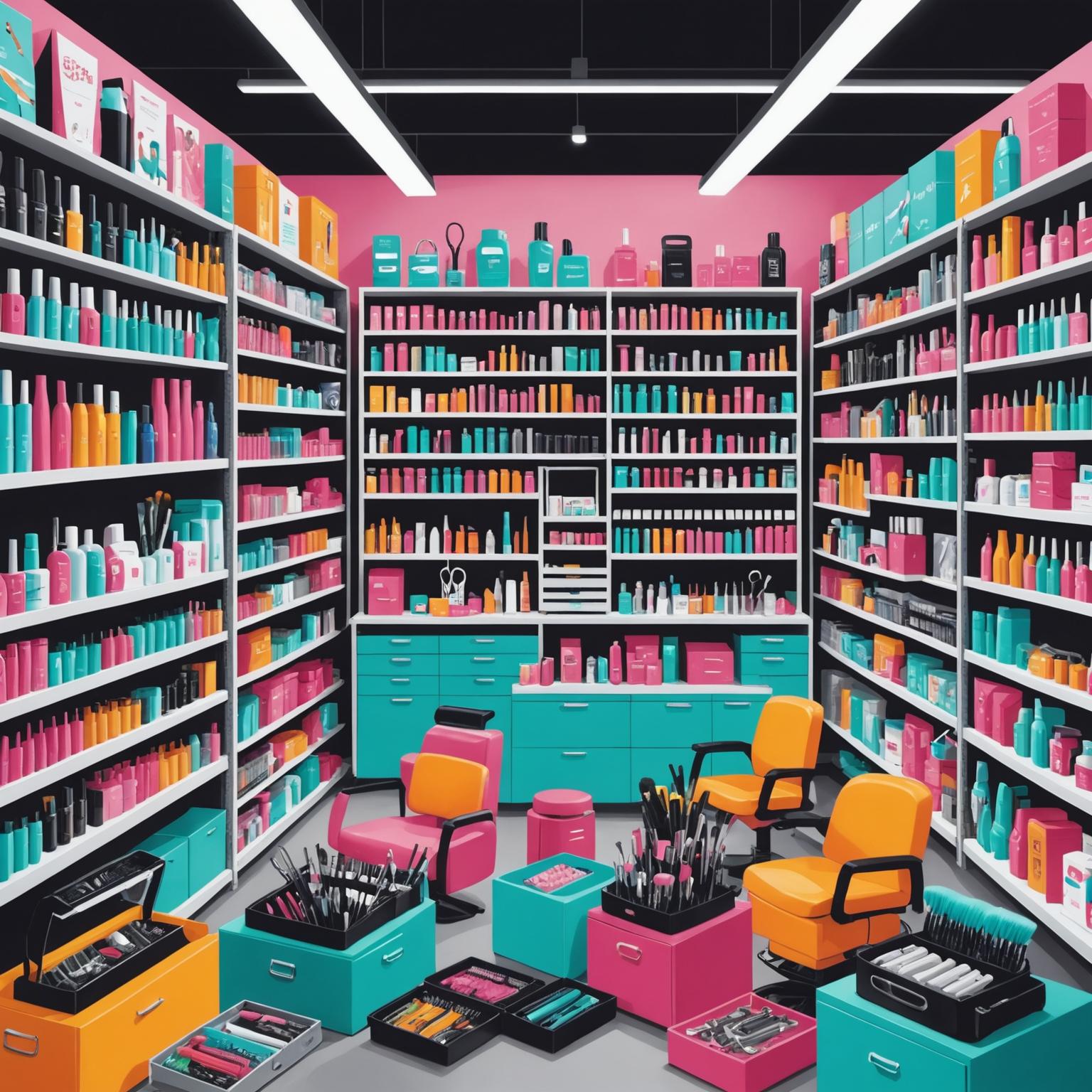
Beauty tools wholesale is no longer limited to basic salon replenishment. Demand now comes from professional salons, online retailers, beauty supply stores, nail studios, spa operators, and consumers building practical at-home grooming kits. Social media has also changed how quickly trends move: a nail care technique, pedicure routine, or grooming tip can create sudden interest in a tool category that previously sold at a steady pace.
For wholesale buyers, the opportunity is real, but growth depends on more than ordering larger quantities. The best purchasing decisions consider category demand, tool durability, user comfort, packaging suitability, and supplier consistency. A low unit cost can become expensive if tools feel uncomfortable, arrive with inconsistent finishing, or do not match the expectations of professional users. This guide explains the main beauty tools wholesale trends and the practical sourcing checks that help buyers build a more reliable product range.
Why Beauty Tools Wholesale Is Growing Across Retail and Professional Channels
The growth of beauty tools wholesale is closely connected to the rise of routine-based personal care. Consumers are paying more attention to hands, feet, brows, and everyday grooming, while professionals need dependable tools that can support repeated use. At-home beauty care has also become more structured. Instead of buying one item at a time, many consumers look for complete manicure, pedicure, or grooming solutions.
This shift benefits wholesalers because it creates demand for both individual tools and coordinated product assortments. Nail clippers, cuticle tools, files, tweezers, trimmers, brushes, and pedicure implements can be sold to different customer groups without changing the core sourcing logic: buyers need tools that are comfortable, consistent, practical to package, and suited to the way the end user will work.
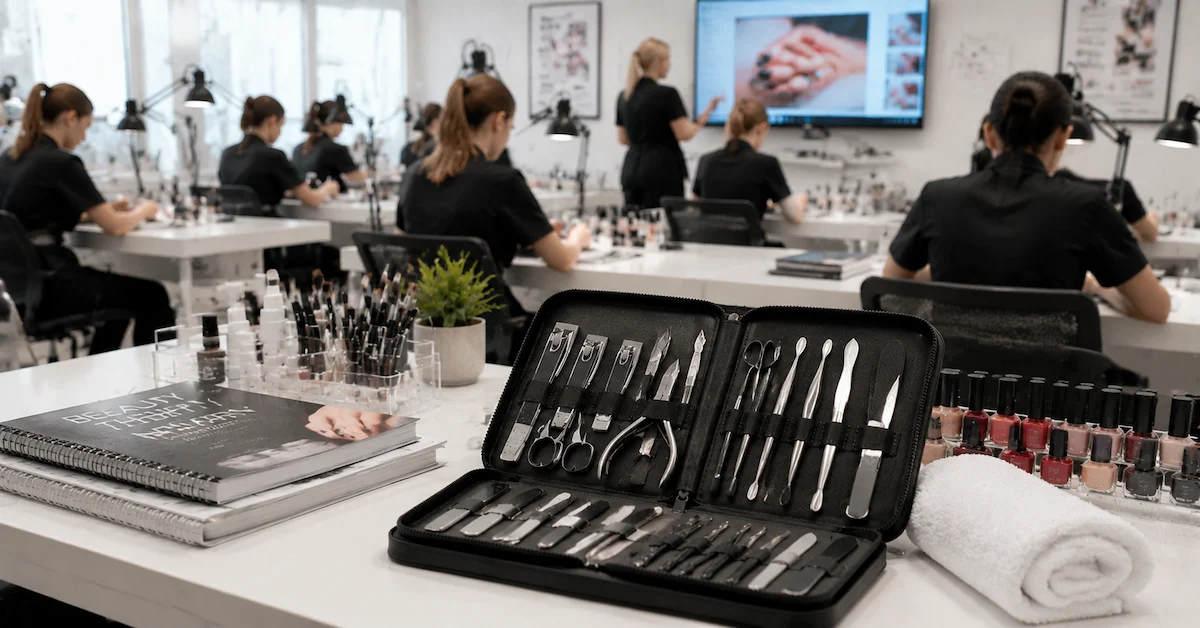
Retailers often prioritize attractive merchandising and easy-to-understand product functions. Salons and professional buyers usually focus more on handling, edge quality, durability, and repeatable supply. Distributors need a balance: products that look clear on a shelf or online listing, while still meeting the expectations of trained users. Browsing broader beauty tool products can help buyers compare product families and decide which categories support their current sales channels.
Key Wholesale Categories Gaining Buyer Attention
Several related categories are driving current interest in beauty tools wholesale. Nail clippers wholesale remains important because nail care is both a personal routine and a professional service. Buyers should compare clipper size, blade alignment, grip feel, spring or lever action where applicable, and the way the product is protected during transit. A clipper may look simple, but small differences in finish and handling can strongly affect user satisfaction.
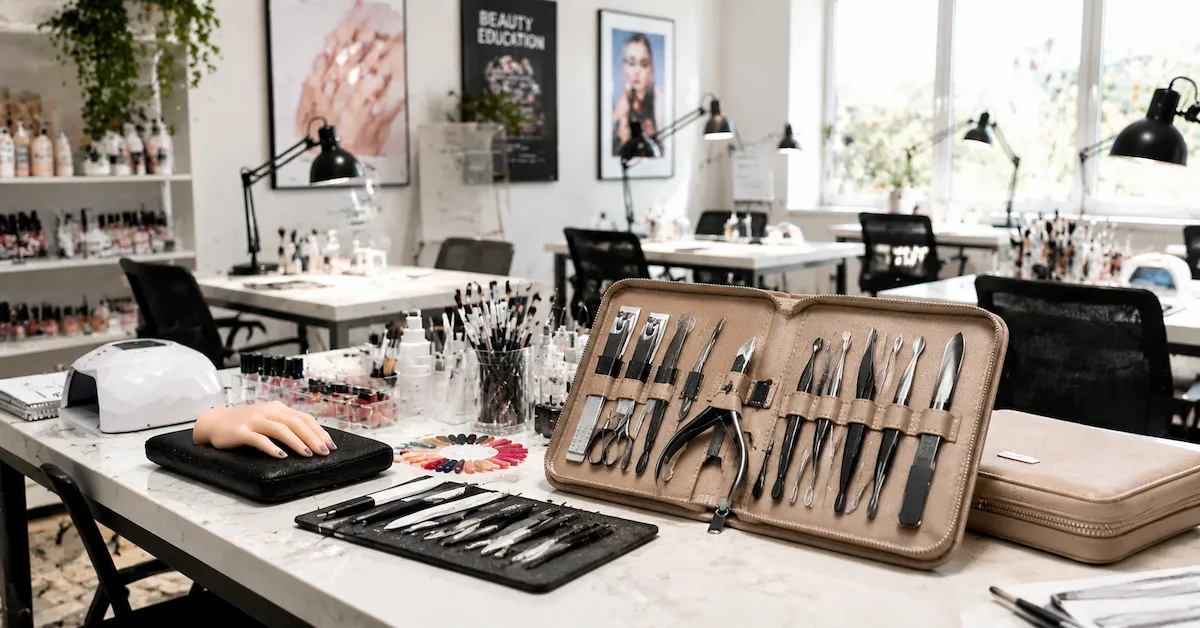
Manicure tools wholesale is also expanding as consumers seek more complete hand-care routines. This can include cuticle pushers, nail files, nippers, scissors, and supporting implements. The category works well for salons, gift sets, online stores, and beauty supply shelves, but buyers should avoid building a set only around item count. A smaller, well-chosen set is often more useful than a large assortment containing tools the customer will not understand or use.
Pedicure supplies wholesale has its own selection criteria. Tools used for foot care may need larger handles, firmer grip areas, or shapes that help with control. For retail buyers, clear usage descriptions are important because pedicure tools can be misunderstood when they are displayed without guidance. For professional buyers, consistency and easy handling are usually more important than decorative features.
Personal care tools wholesale is broader and may include grooming tools such as trimmers, brushes, or related accessories. This category allows buyers to serve a wider audience, but it also requires tighter assortment planning. If every item solves a different problem, packaging, listing text, and product education become more important. Buyers should define whether the range is intended for daily grooming, travel, salon resale, or professional service use before placing a bulk order.
How to Evaluate Quality Before Scaling an Order
Quality assurance is one of the most important factors in beauty tools wholesale because small defects can be highly visible to end users. A rough edge, uneven closing action, loose joint, or inconsistent surface finish can quickly reduce confidence in a product line. Olimor Beauty emphasizes ergonomic designs in stainless steel tools and uses internal quality control processes from raw materials to final packaging. For buyers, this type of approach matters because wholesale success depends on consistent repeat orders, not only the first shipment.
When comparing suppliers or preparing a purchase specification, buyers should create a simple inspection framework. The following checklist can help keep discussions focused and reduce the chance of overlooking practical details:
- Material and finish: Confirm the stated material, surface appearance, corrosion-resistance expectations, and whether the finish is consistent across the order.
- Function: Test opening, closing, grip, alignment, cutting or holding performance, and whether the tool performs its intended task without excessive force.
- Ergonomics: Check whether the handle shape, tool length, weight, and contact points are comfortable for the expected user group.
- Edge and safety details: Review tips, blades, corners, and moving parts for roughness, burrs, or shapes that may cause poor user experience.
- Packaging: Make sure the packaging protects the tool, communicates its purpose, and suits retail, salon, or e-commerce handling.
- Batch consistency: Compare samples across multiple units rather than judging only one perfect sample.
For high-volume buyers, it is useful to separate “appearance defects” from “functional defects.” A small cosmetic mark may affect retail presentation, while poor blade alignment affects product performance. Both matter, but they may require different acceptance standards. Having these definitions in place before production helps prevent confusion later.
Assortment Planning: Build a Range Around Use Cases, Not Just Trends
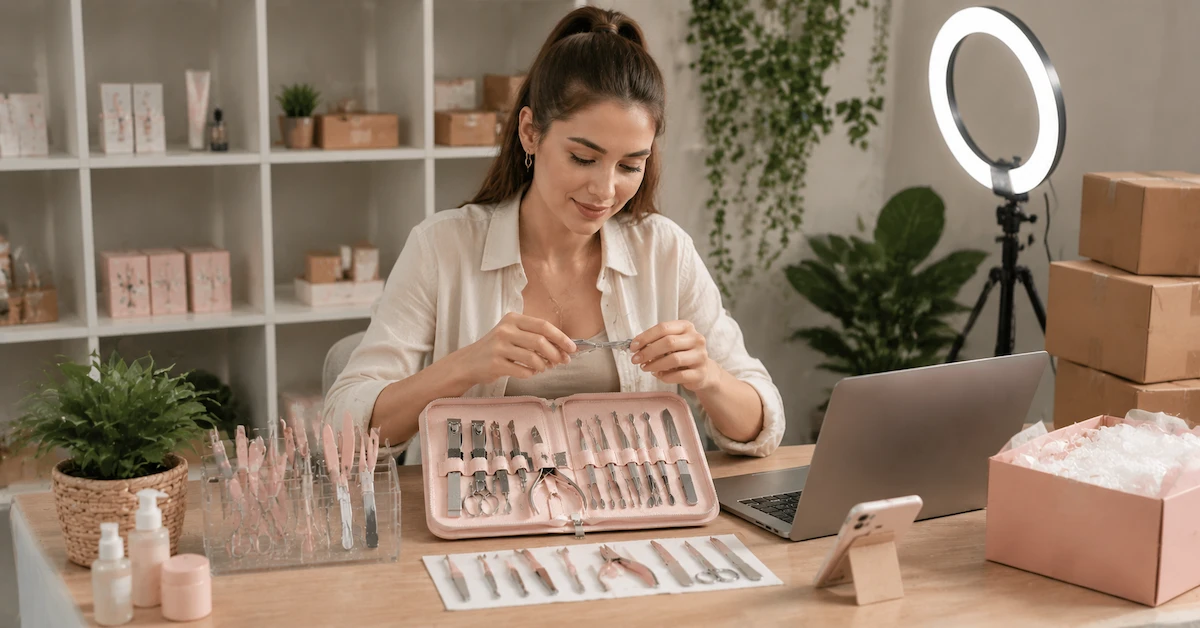
Following trends can help buyers identify demand, but an assortment should be built around real use cases. A salon-focused range may need professional manicure and pedicure tools that can be replenished regularly. A retail range may need entry-level tools with clear packaging and easy product names. An online store may need visually clear product images, compact packaging, and items that are easy to describe in search-friendly listings.
A practical way to plan is to map each tool to the customer problem it solves. For example, nail clippers solve basic trimming needs, while cuticle tools support manicure preparation. Pedicure implements may solve comfort and grooming concerns, while brushes or grooming accessories support daily personal care. If two items solve the same problem for the same customer, the buyer should decide whether both are needed or whether the range is becoming repetitive.
Buyers can also use collections to simplify decision-making. Grouping by manicure, pedicure, personal grooming, or professional use makes the assortment easier for customers to understand. Reviewing product collections can support this type of category planning and help identify where a range has gaps or unnecessary overlap.
Wholesale Sourcing Questions That Reduce Risk
Before committing to a larger order, buyers should gather enough information to understand how a supplier manages consistency. This does not require complicated language; it requires practical questions that connect directly to the product’s end use.
- What is the intended user? Define whether the tool is for professional salon use, retail resale, travel kits, personal grooming, or promotional bundles.
- What samples should be reviewed? Request samples that represent normal production expectations, then test multiple units for consistency.
- Which details are critical? Identify key inspection points such as alignment, sharpness, finish, grip feel, joint movement, and packaging condition.
- How will the product be sold? Confirm whether the packaging and product presentation fit shelves, e-commerce shipping, salon resale, or distributor cartons.
- What documentation is needed? Prepare internal requirements for labeling, product descriptions, barcode use, or market-specific compliance review where applicable.
These questions help buyers compare offers beyond price. They also make it easier to communicate internally with merchandising, quality, logistics, and sales teams. If a buyer needs product clarification, custom discussion, or sourcing support, it is practical to send an inquiry with the target category, expected use case, and key quality concerns.
Packaging, Merchandising, and Online Sales Considerations
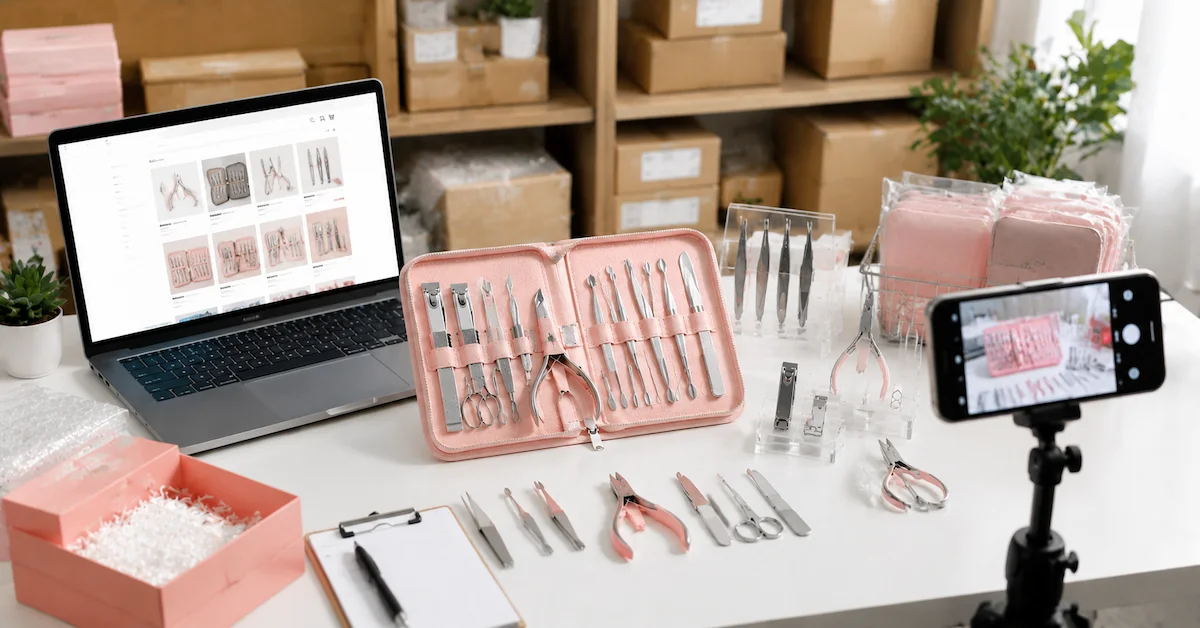
Packaging is often treated as a final detail, but it can influence both damage rates and conversion. For retail stores, the buyer should consider whether the shopper can quickly understand what the tool is for. For online sales, packaging must protect the product during shipping while keeping the listing clear and accurate. For salons, excessive packaging may be less important than easy storage and fast identification.
Product names and descriptions should be specific without overpromising. A listing such as “stainless steel nail clipper for routine trimming” is clearer than vague promotional wording. If the tool has an ergonomic design, explain what that means in practical terms, such as improved handling or a shape intended for comfortable control, without making unsupported claims. Good merchandising reduces returns because customers have a more accurate expectation before purchase.
Wholesale buyers should also consider bundle logic. A manicure set should contain tools that naturally work together. A pedicure assortment should avoid mixing unrelated items only to increase perceived quantity. Professional buyers can usually recognize when a kit has been assembled for appearance rather than function.
Preparing for Future Beauty Tool Demand
The future of beauty tools wholesale will likely reward suppliers and buyers who combine trend awareness with dependable product fundamentals. Sustainability, multifunctional tools, and convenient at-home grooming may continue to influence product development, but basic quality will remain central. A tool that feels uncomfortable or performs inconsistently will not succeed simply because the category is popular.
For wholesalers, the strongest strategy is to build a flexible core range: reliable nail care tools, practical manicure tools, suitable pedicure supplies, and selected personal care tools that match the needs of the customer base. Trend-led items can then be tested in smaller, controlled assortments before being expanded.
Olimor Beauty’s focus on ergonomic stainless steel tools and internal quality control aligns with what many buyers now prioritize: products that are practical, consistent, and suitable for professional or everyday grooming contexts. Businesses planning a new wholesale range or reviewing an existing one can contact Olimor to discuss product direction and sourcing needs.
Beauty tools wholesale growth is not only about buying more products. It is about selecting the right tools, defining the right quality expectations, and presenting each item clearly to the end user. Buyers who approach the category with this discipline are better positioned to turn market interest into repeatable, long-term sales.