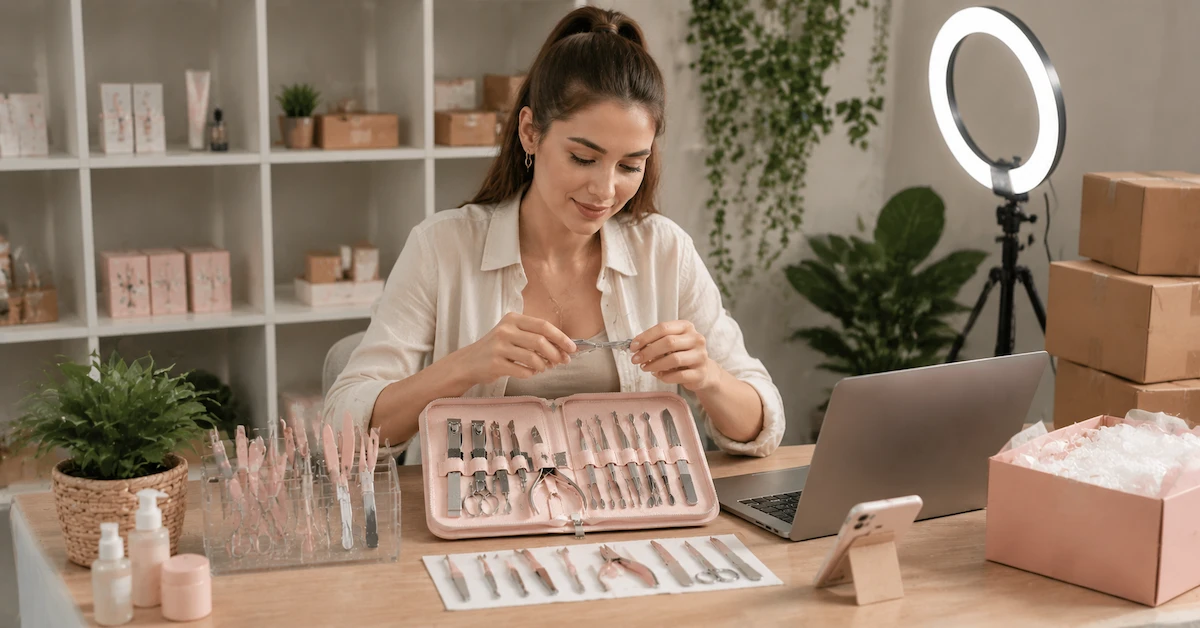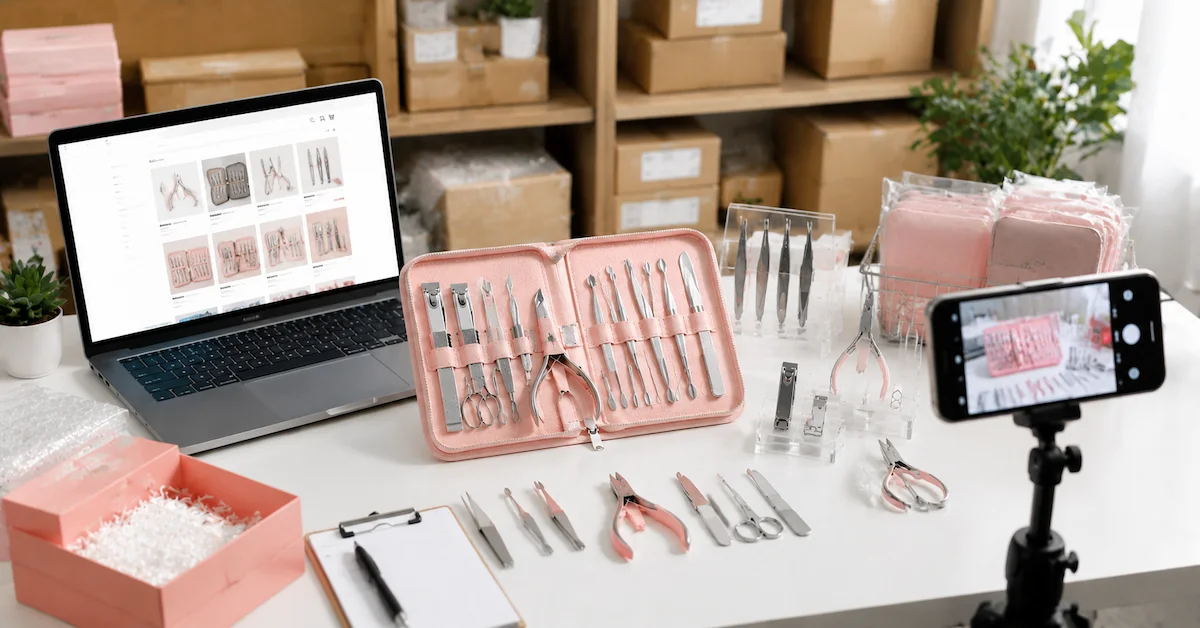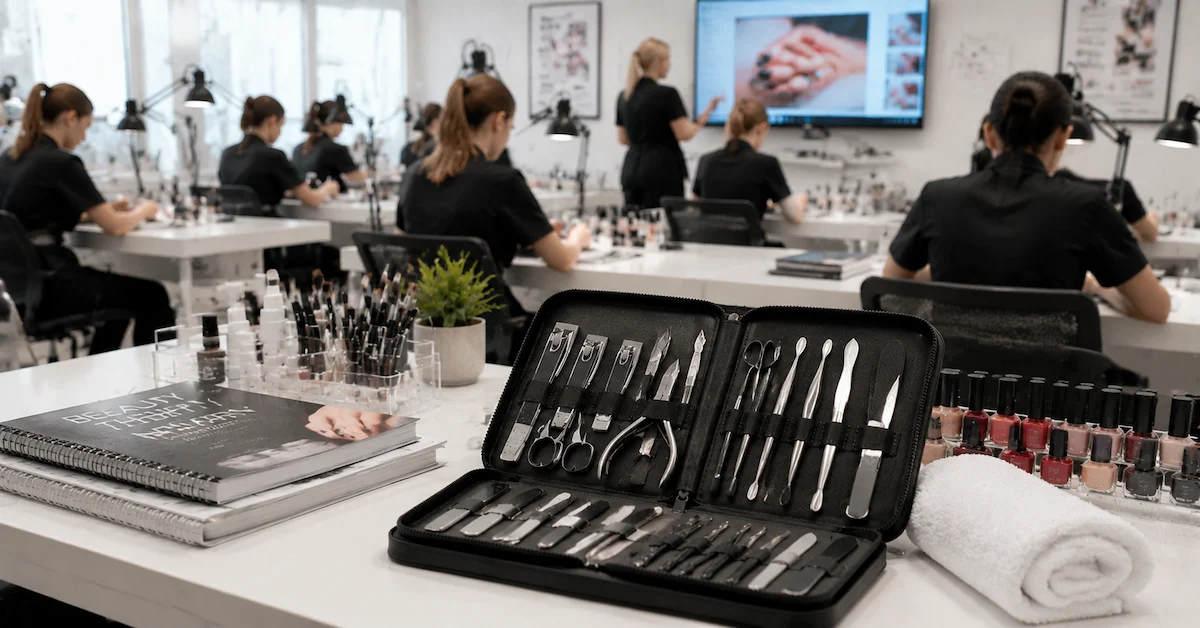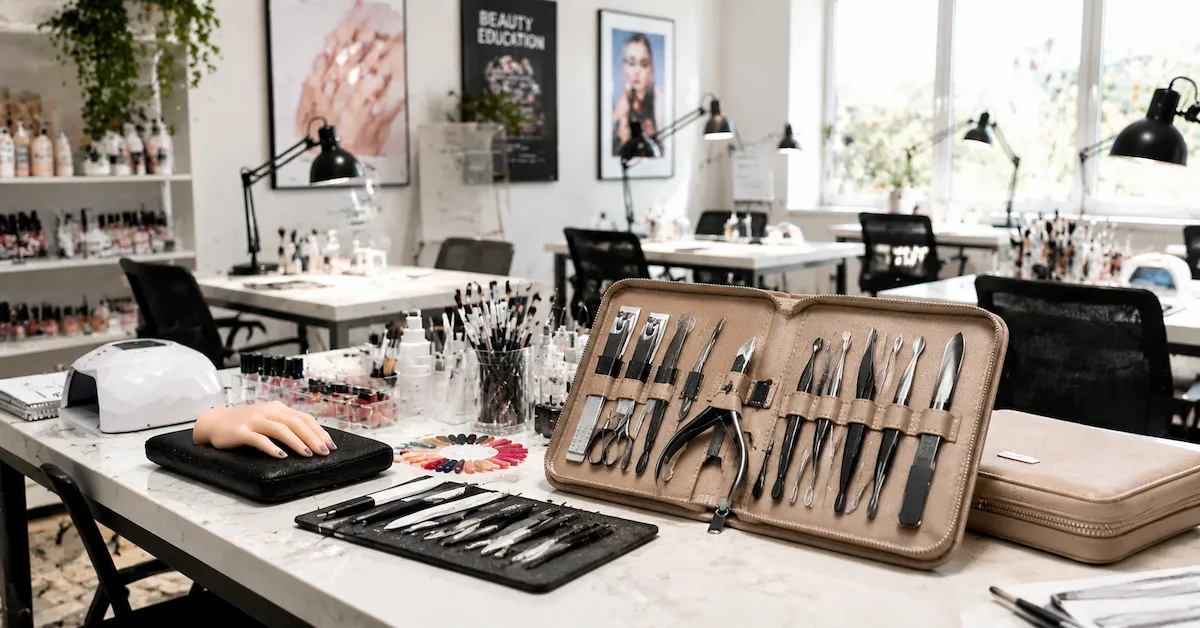











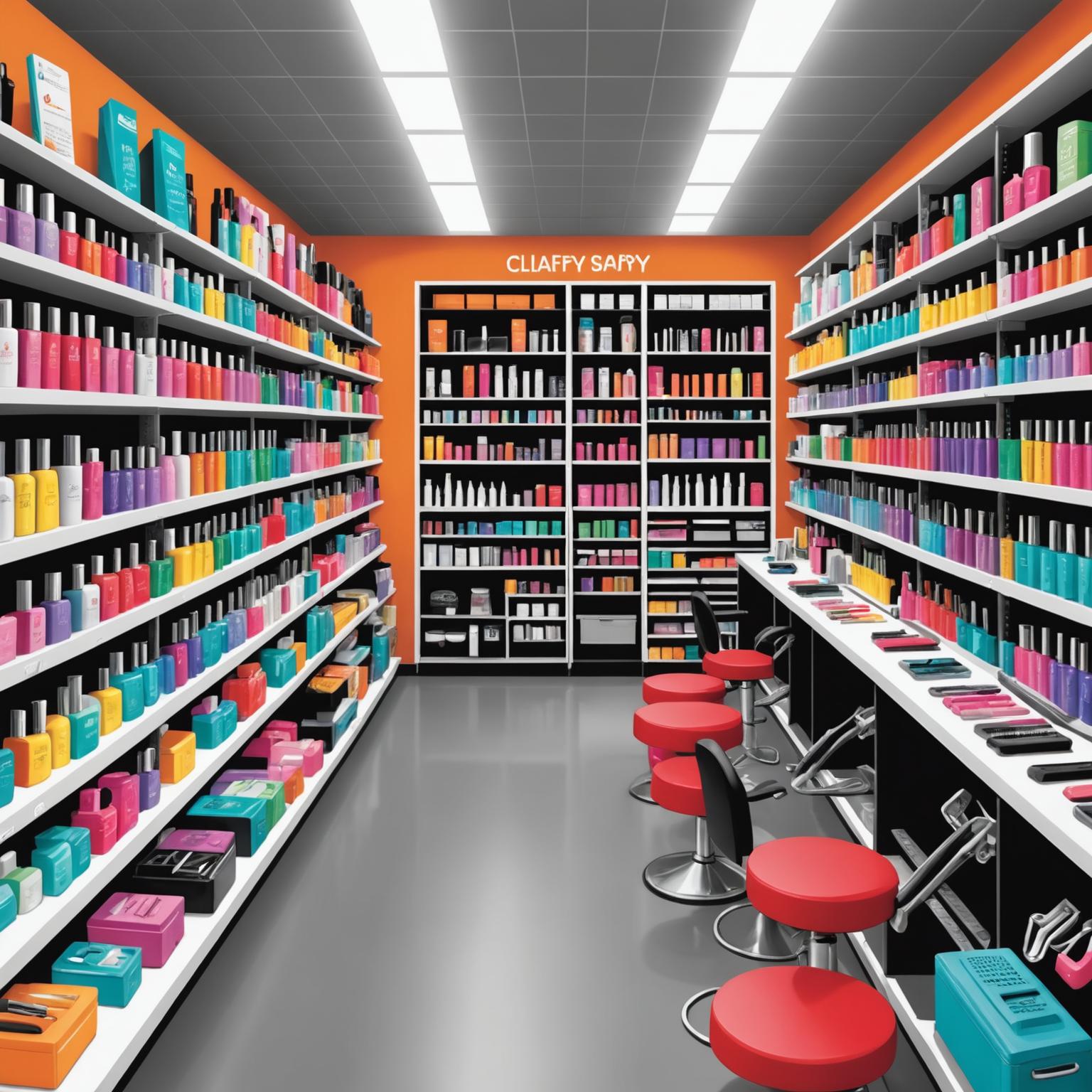
Beauty tools wholesale has become a more strategic category for salons, retailers, distributors, and personal care brands. The market is no longer limited to basic nail clippers or single-use accessories. Buyers are now comparing durability, ergonomics, packaging suitability, finish quality, and how well a tool fits at-home grooming as well as professional service environments.
This shift is driven by two parallel expectations. Consumers want tools that feel closer to salon quality, while business buyers need dependable products that can be sourced consistently and presented clearly across online and offline sales channels. As e-commerce expands access to manicure tools wholesale, pedicure supplies wholesale, and personal care tools wholesale, the difference between a generic assortment and a well-selected tool range has become much more visible.
For companies building a grooming category, the goal is not simply to buy the lowest-cost item. It is to select tools that are comfortable, useful, easy to maintain, and appropriate for the customer segment. Olimor Beauty focuses on beauty tool products for buyers who need practical sourcing options across personal care and grooming applications. You can explore related beauty tool products or review broader product collections when planning an assortment.
Why Wholesale Beauty Tools Are Reshaping Grooming Routines
Grooming has moved beyond occasional salon visits. Many consumers now maintain nails, brows, facial hair, feet, and small grooming details at home between professional appointments. This creates steady demand for tools that are compact, affordable, and reliable enough for repeated use.
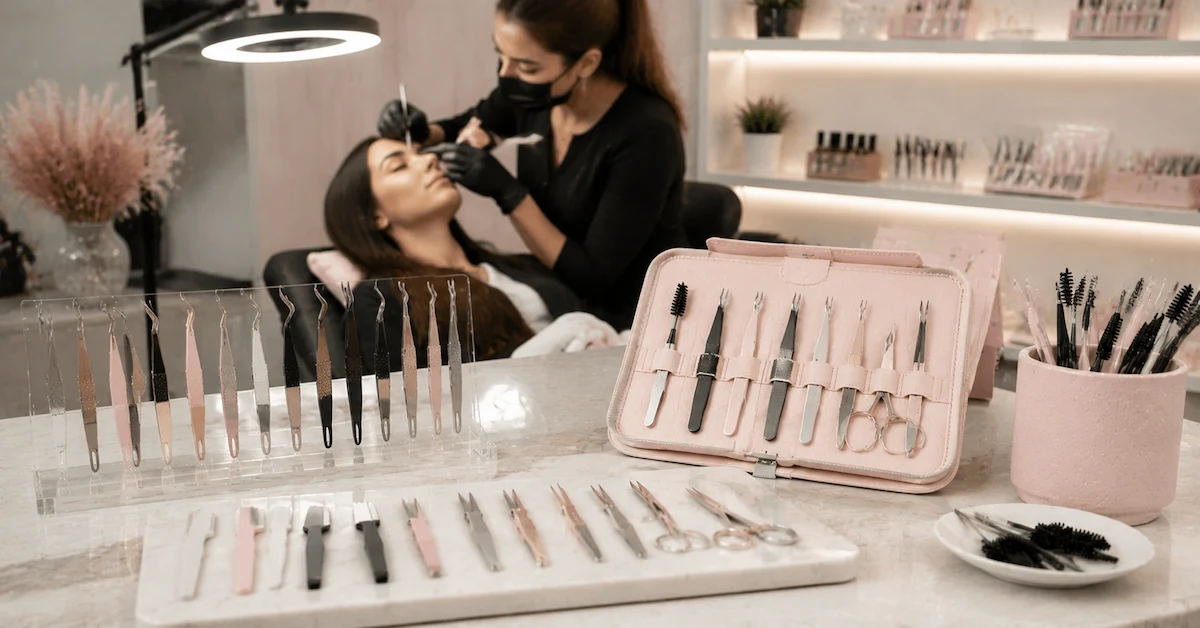
For salons, the trend is different but equally important. Professionals need tools that can support daily service work and can be replaced or replenished without disrupting operations. Retailers need products that are easy for shoppers to understand at a glance. Distributors need ranges that can suit multiple customer groups without excessive complexity.
Wholesale beauty tools sit at the center of these needs because they allow buyers to build assortments around function: cutting, trimming, shaping, smoothing, cleaning, and finishing. A strong wholesale range may include nail clippers wholesale, manicure tools wholesale, pedicure supplies wholesale, and small grooming tools designed for precise personal care tasks.
The most competitive assortments tend to share three qualities. First, the tools solve common grooming problems clearly. Second, they feel comfortable and controlled in the hand. Third, they have a finish and structure that supports repeated use. These practical details matter more than vague claims, especially when customers can compare options quickly online.
Key Trends in Beauty Tools Wholesale
Several trends are influencing how buyers evaluate wholesale grooming tools. Not every trend applies to every business model, but each one affects customer expectations and purchasing decisions.
- Professional-inspired home grooming: Consumers are looking for tools that help them maintain a clean appearance between appointments, especially for nails, feet, brows, and facial hair.
- Ergonomic handling: Tools that are easier to grip, align, and control are more attractive to both salon users and home users. Ergonomics can reduce awkward handling and improve confidence during use.
- Durable materials: Stainless steel options are often emphasized in wholesale beauty tools because buyers associate them with strength, clean appearance, and long-term usability.
- Compact, organized assortments: Retailers and e-commerce sellers often prefer tools that can be presented as clear categories or simple sets rather than confusing mixed items.
- Sustainability awareness: Eco-friendly materials and reduced-waste thinking are gaining attention. Buyers increasingly consider whether a durable tool can replace short-lived alternatives.
- Multi-channel presentation: Products must work for physical shelves, online listings, salon retail displays, and distributor catalogs. Clean design and clear function help across all channels.
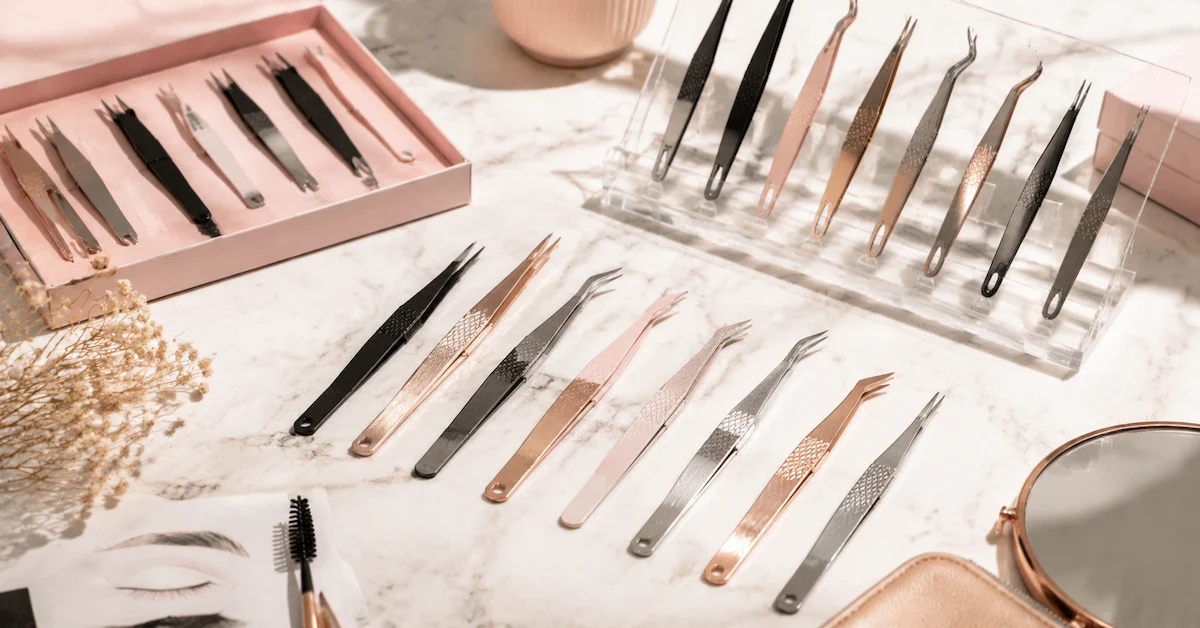
These trends do not mean every tool needs to be complex. In fact, simple tools often perform best when they are well made and easy to explain. A nail clipper, cuticle tool, tweezer, or trimmer can stand out when the cutting edge, grip, finish, and packaging all support the intended use.
Selection Criteria for Nail Clippers, Manicure Tools, and Pedicure Supplies
When sourcing beauty tools wholesale, the best starting point is the end user. A salon technician, a retail consumer, and a distributor serving multiple accounts may value different details. However, the following criteria help buyers compare options more carefully.
| Category | What to evaluate | Why it matters |
|---|---|---|
| Nail clippers wholesale | Edge alignment, lever comfort, clip control, size options | A clean clip reduces frustration and improves the user experience. |
| Manicure tools wholesale | Tip precision, grip texture, finish smoothness, storage format | Small details affect control when shaping, trimming, or cleaning nails. |
| Pedicure supplies wholesale | Strength, handle shape, safe contact surfaces, easy cleaning | Foot care tools need dependable handling and practical maintenance. |
| Personal care tools wholesale | Use case clarity, portability, corrosion resistance, packaging | General grooming tools sell better when the purpose is obvious. |
| Trimmers | Cutting precision, handling, accessory needs, maintenance steps | Modern grooming routines often require controlled trimming for neat results. |
Buyers should also consider how products will be displayed and described. A tool may be technically useful, but if the product page or shelf presentation does not explain its purpose, conversion can suffer. Clear naming, accurate imagery, and honest use instructions help reduce returns and customer confusion.
For B2B sourcing, it is useful to separate “appearance requirements” from “performance requirements.” Appearance includes finish, color, packaging format, and visual consistency. Performance includes cutting action, hinge movement, grip comfort, and resistance to normal handling. Both matter, but performance should come first for tools that touch nails, skin, or hair.
Quality Assurance and Buyer Risk Reduction
Quality assurance is one of the main reasons wholesale beauty tools can support long-term business growth. A buyer may place one test order based on price, but repeat purchasing depends on consistency. If a nail clipper feels sharp in one batch and misaligned in another, customer trust is damaged. If a manicure tool has rough edges or inconsistent finishing, it can create complaints even if the design looks appealing.
Olimor Beauty emphasizes technical excellence, ergonomic design, and internal quality checks. For buyers, the practical value of quality control is risk reduction. It helps protect retail reputation, salon workflow, and distributor relationships. It also supports more stable product listings because the buyer does not need to constantly replace items that fail to meet expectations.
A useful quality review should include more than a quick visual inspection. Buyers can create a checklist that covers:
- Function: Does the tool perform its core task smoothly and consistently?
- Finish: Are edges, corners, surfaces, and joints clean and appropriate for use?
- Comfort: Can the user hold and control the tool without awkward pressure?
- Consistency: Do samples from the same item look and function alike?
- Cleaning and care: Can the tool be wiped, stored, and maintained without difficulty?
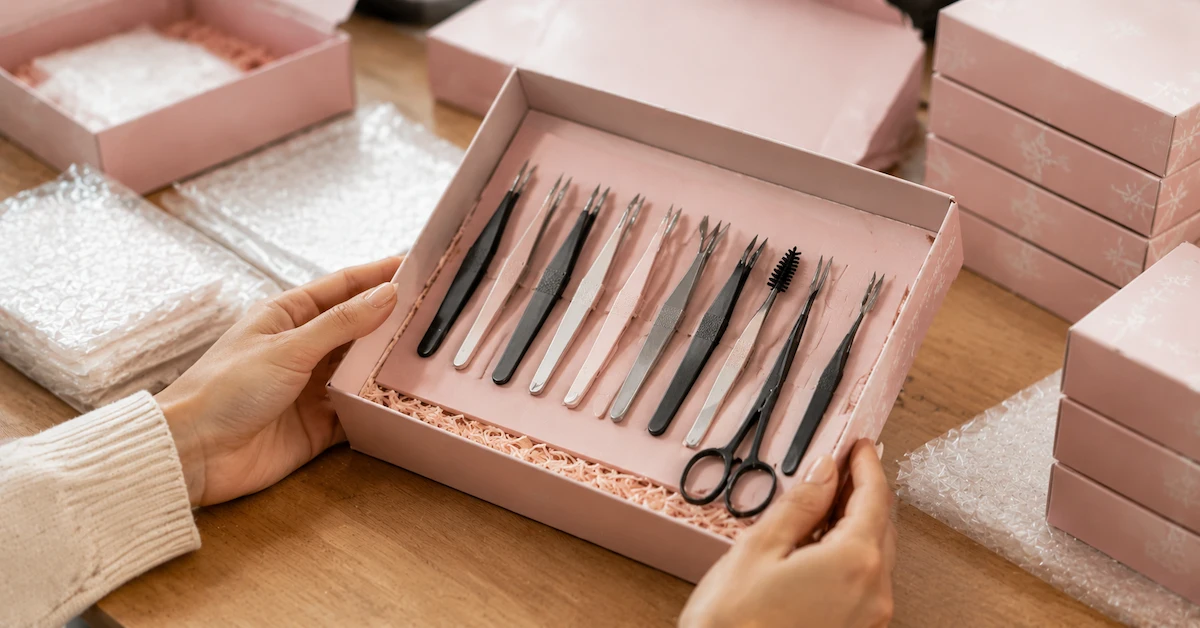
- Packaging suitability: Does the packaging protect the tool and explain the product clearly?
This type of checklist is especially helpful when comparing professional beauty tools suppliers. It keeps the conversation focused on measurable product qualities rather than only on catalog images or broad claims.
How E-Commerce Changes Wholesale Beauty Tool Decisions
The growth of e-commerce has made beauty tools wholesale more accessible, but it has also raised the standard for product clarity. Online customers cannot feel the weight of a clipper or test the grip of a tweezer before buying. They rely on images, descriptions, dimensions, use cases, and reviews. That means wholesale buyers must think beyond the product itself and consider how easily it can be sold online.
A strong online-ready beauty tool should have a clear function, a recognizable shape, and packaging that photographs well. Descriptions should explain who the tool is for and how it is used. For example, a pedicure tool should not be described only as “high quality.” It should indicate the grooming task it supports and the handling benefit it offers, without making unsupported claims.
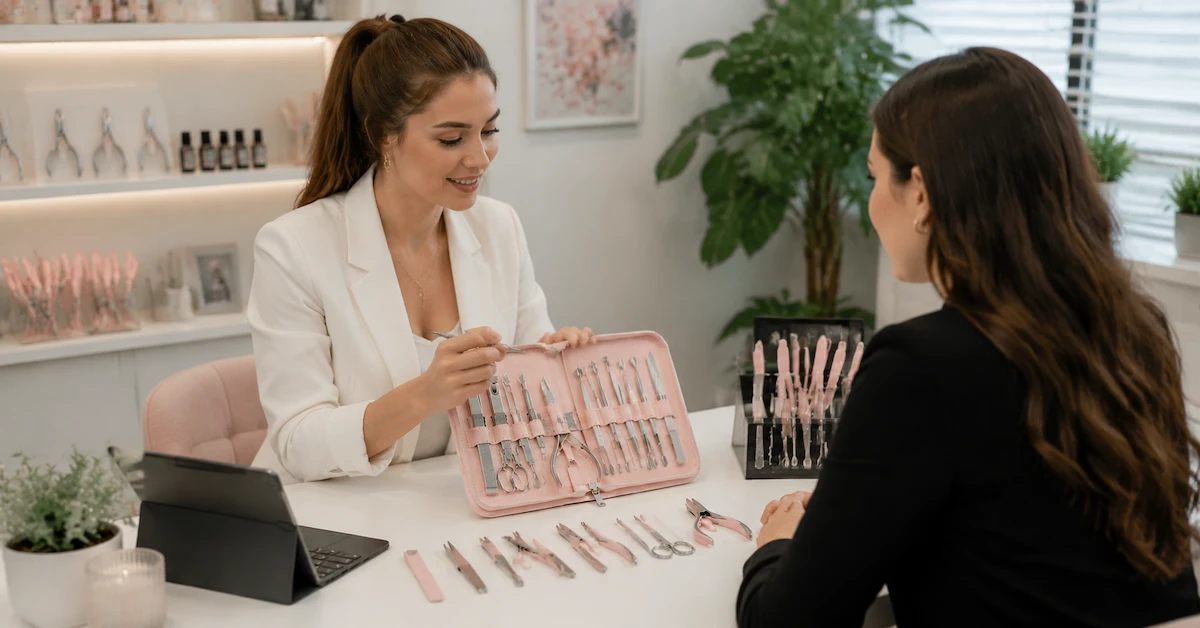
Retailers should also consider assortment architecture. A scattered mix of unrelated tools can be difficult to market. A more effective structure may group products by routine: nail grooming, foot care, brow care, trimming, travel grooming, or salon refill items. This helps customers shop by need and helps businesses create bundles without inventing confusing product names.
Balancing Innovation, Sustainability, and Practical Cost
Innovation in beauty tools does not always mean adding complicated features. Often, the most valuable improvements are small and practical: a better grip, a more stable hinge, a cleaner cutting edge, or a compact storage solution. Ergonomic designs are gaining attention because they improve usability for both professional and home grooming.
Sustainability is also part of the conversation, especially where durable tools can reduce frequent replacement. Buyers should be careful, however, to evaluate sustainability claims responsibly. Instead of relying on vague wording, consider concrete factors such as product lifespan, material efficiency, packaging choices, and whether the tool can remain useful through repeated grooming routines.
Cost still matters in wholesale sourcing, but the cheapest option is not always the most profitable. A low-cost tool that creates complaints, returns, or weak reviews can damage margins. A slightly better tool that performs consistently may support stronger repeat sales and fewer service issues. The right balance depends on the channel: salon supply, retail shelf, e-commerce, promotional kit, or private-label grooming range.
Planning Your Next Beauty Tools Wholesale Assortment
A practical wholesale assortment should be built around real grooming needs. Start with essential categories such as nail clippers, manicure tools, pedicure supplies, and compact personal care tools. Then evaluate whether specialized items, including trimmers such as Andis trimmers where relevant to the assortment, fit the audience and sales channel.
Before finalizing a beauty tools wholesale plan, define the buyer profile, intended price position, packaging expectations, and maintenance instructions. Check whether each item has a clear reason to exist in the range. If two tools appear similar, decide whether they serve different users or whether the assortment can be simplified.
For sourcing discussions, prepare questions around material choice, ergonomic handling, inspection approach, packaging options, and product care guidance. When the details are not yet defined, a neutral checklist helps both sides align expectations before production or purchasing decisions move forward.
Olimor Beauty supports buyers looking for dependable grooming and personal care tool options across wholesale beauty categories. To discuss a sourcing need, contact Olimor or send an inquiry with the product category, intended channel, and any packaging or assortment requirements. A clear brief makes it easier to identify tools that fit the market rather than simply filling a catalog.