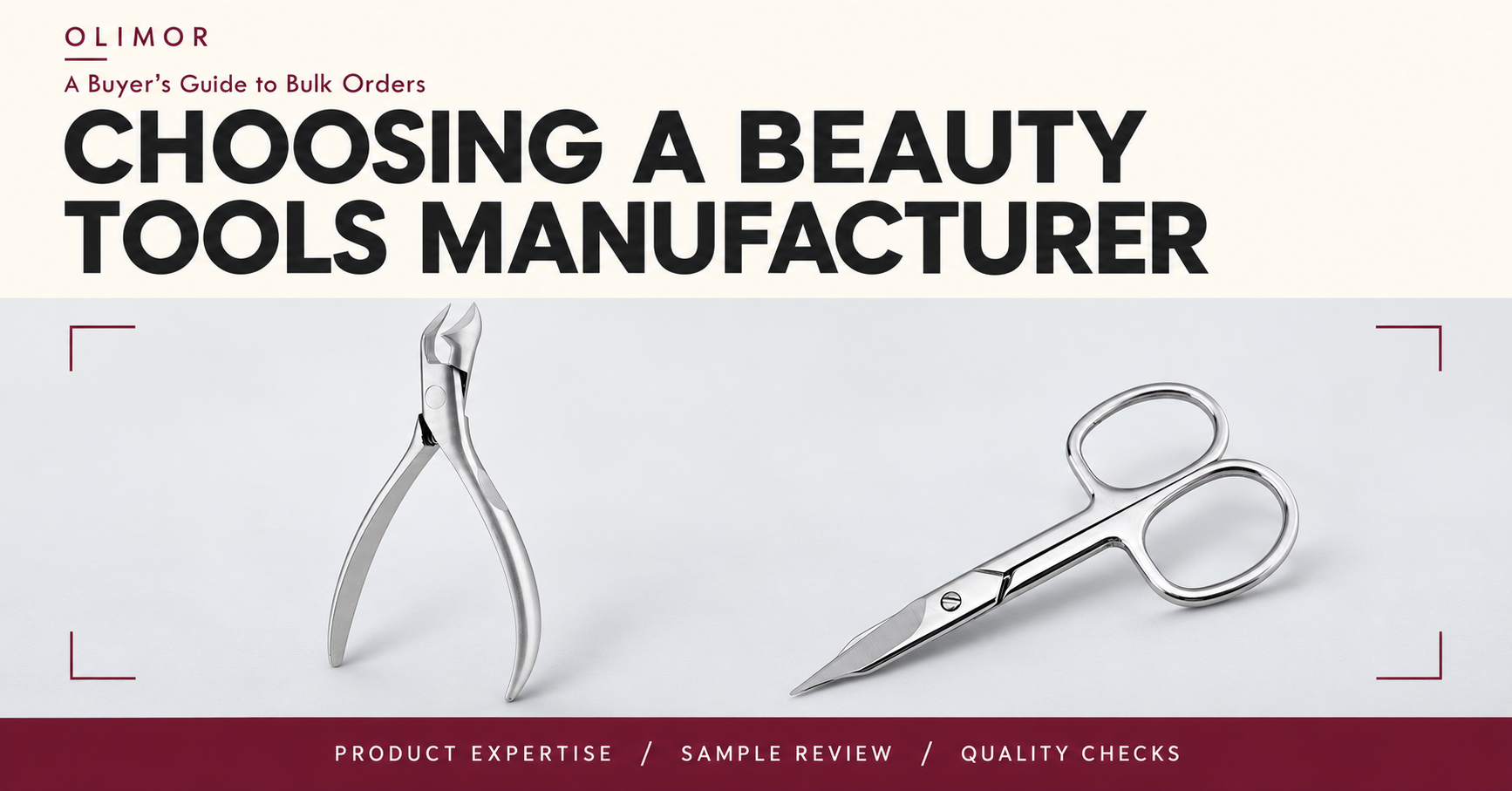
What Buyers Should Know Before Sourcing Beauty Tools in Bulk
Successful beauty tool sourcing begins with understanding the details that influence product quality, usability, and delivery. A polished surface can create a strong first impression, but buyers also need to examine working parts, confirm materials, and review packaging before approving an order.
For retailers, distributors, importers, and beauty businesses, purchasing beauty tools wholesale requires a clear connection between customer needs and product specifications. The right assortment should fit your sales channel, while the selected supplier should be able to discuss the requirements of each tool in practical terms.
This guide explains how to organize a sourcing project, compare wholesale beauty supplies, and prepare a bulk order with fewer unanswered questions.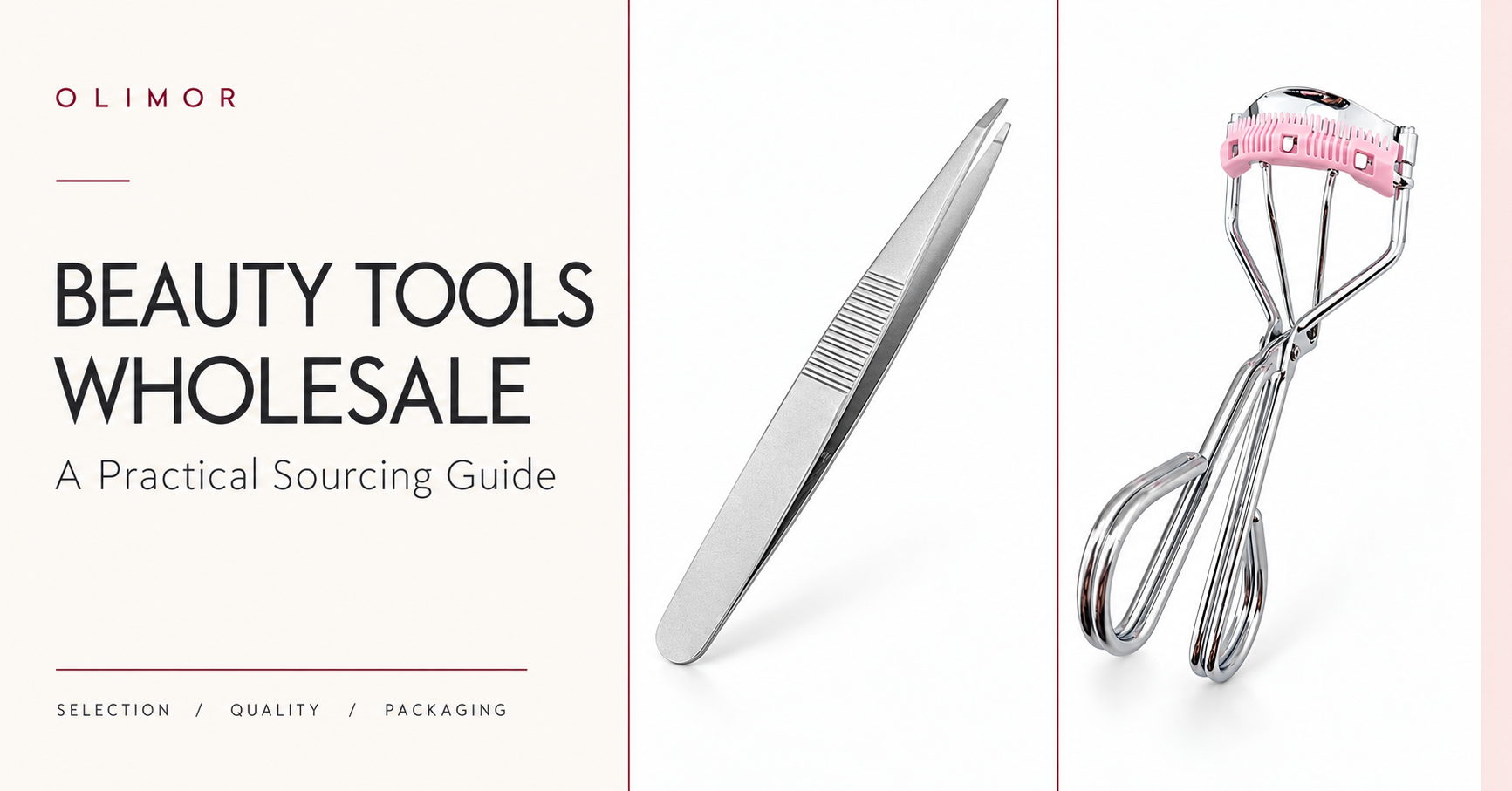
Define Your Sales Channel Before Selecting Products
Different sales channels place different demands on the same product. Establishing how and where the tools will be sold helps narrow your selection and makes supplier discussions more productive.
Retail Stores and Beauty Chains
Retail buyers should review how products will look and function on the shelf. Consider packaging dimensions, display format, product visibility, and the space available for product information.
A coordinated assortment can make the range easier to browse. However, each item should have a clear purpose. Offering several similar tools without explaining their differences can make selection harder for customers.
Online Stores and E-commerce Businesses
Online sales require accurate specifications and clear presentation. Buyers should confirm product dimensions, included components, and packaging details before preparing listings.
Review whether the packaging holds the tool securely and fits your fulfillment process. Product photographs should also match the approved version, including its finish, accessories, and packaging.
Importers and Distributors
Importers and distributors need product information that supports repeat ordering and stock management. Item codes, packing quantities, carton details, and written specifications help keep purchasing records consistent.
When sourcing a mixed range, confirm quantities and requirements for each item instead of relying only on a total order value.
Professional Beauty Suppliers
For customers purchasing tools for professional settings, sample evaluation should pay particular attention to handling and working parts.
Ask for care instructions appropriate to the selected materials and construction. Any claims about suitability for particular cleaning or treatment methods should be supported by product-specific information.
Build a Beauty Tool Assortment Around Clear Customer Needs
A focused product range is easier to evaluate and manage than a large collection of overlapping items. Start with the tasks your customers need to perform, then select tools with meaningful differences in size, shape, or function.
The following categories provide a useful structure for comparing products.
| Product Category | Main Selection Points | What to Review in a Sample |
|---|---|---|
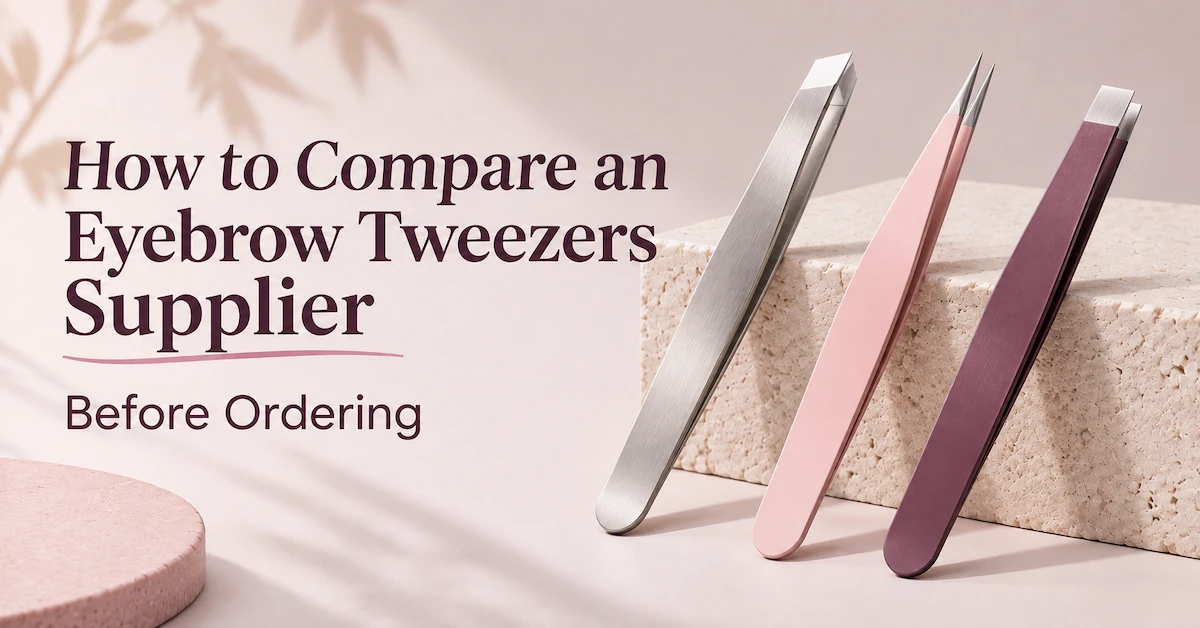
| Eyebrow tweezers | Tip shape, body dimensions, grip design | Tip alignment, closing contact, tension |
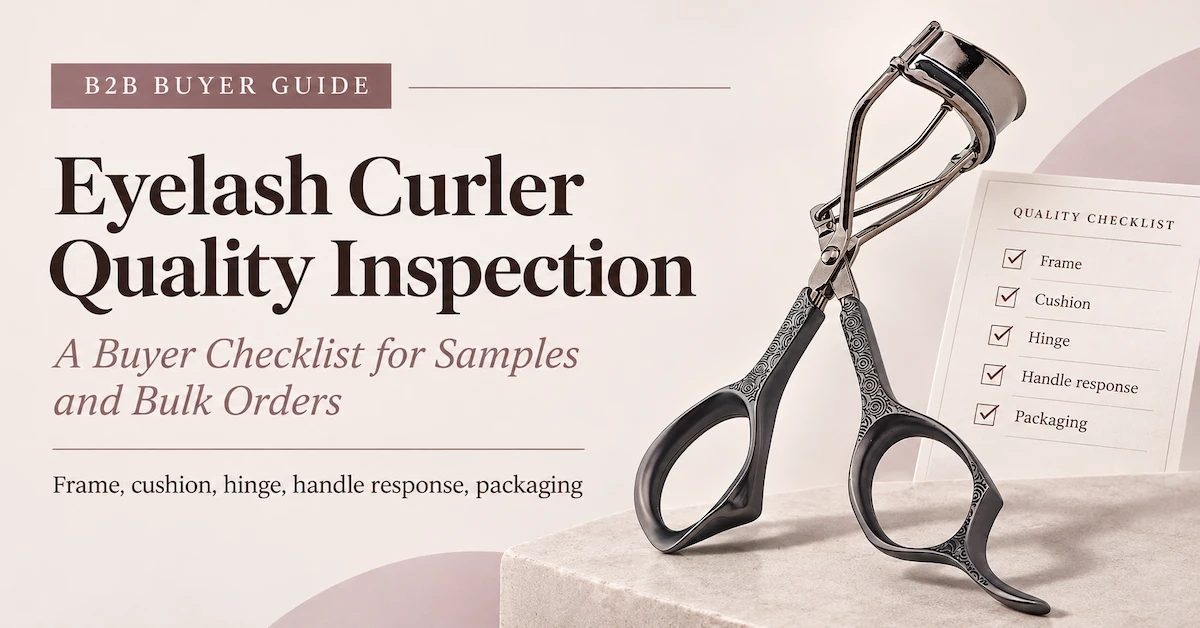
| Eyelash curlers | Frame shape, cushion design, handle style | Movement, cushion fit, frame alignment |
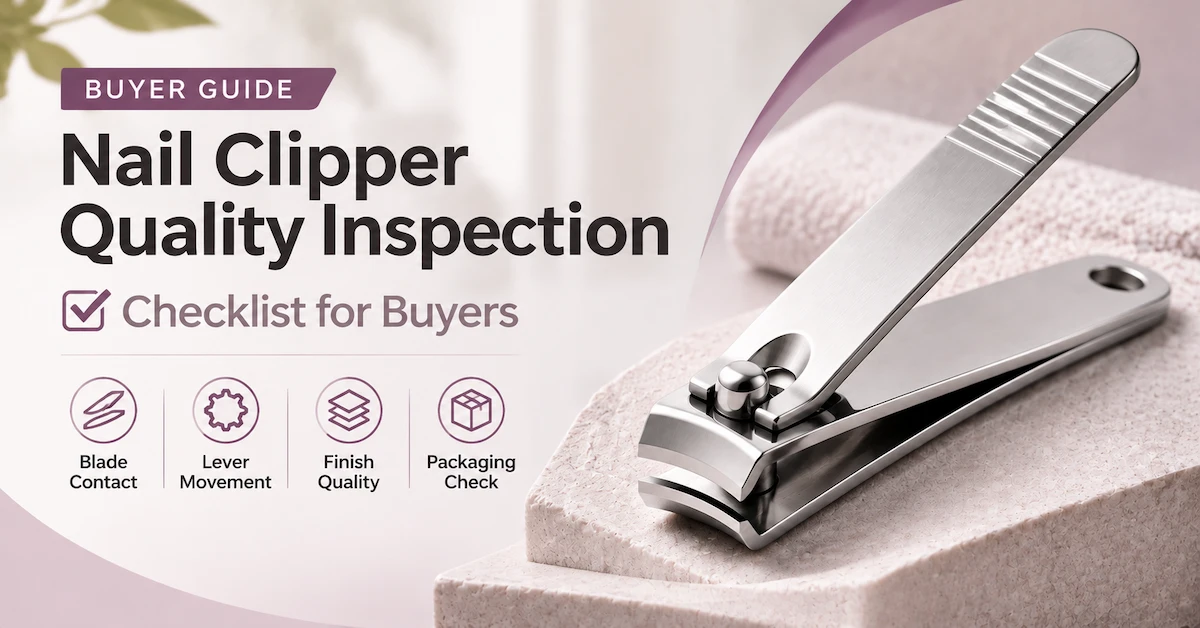
| Nail clippers | Size, blade shape, lever structure | Blade alignment, lever action, edge finish |
| Cuticle nippers | Jaw length, handle shape, spring design | Jaw closure, joint movement, spring action |
| Beauty scissors | Blade shape, intended use, finger openings | Blade alignment, pivot movement, tip finish |
| Eyebrow razors | Head design, guard structure, handle shape | Head attachment, grip, cover fit |
| Nail files | Shape, abrasive specification, backing | Surface consistency, edge finish, backing condition |
| Nail care tools | Function, working-end shape, set contents | Surface finish, handling, packaging fit |
Use these checks as a starting point for discussion. The final acceptance requirements should reflect the specific product and intended use.
Give Each Product a Clear Role
Decide whether an item serves as an everyday essential, a specialized tool, or part of a coordinated set. This helps explain why it belongs in the assortment and what distinguishes it from other products.
For example, different tweezer tip shapes should be presented with clear descriptions rather than treated as interchangeable items.
Keep the First Order Manageable
If you are introducing a new category, consider starting with a focused selection that your team can evaluate thoroughly.
A smaller number of clearly specified items can simplify sample review, packaging approval, and purchasing records. Confirm the supplier’s quantity requirements before deciding on the final mix.
Evaluate Product Samples with a Written Checklist
Samples allow buyers to examine details that catalogue photographs may not reveal. A written checklist makes the review more consistent and turns feedback into specific requests.
Inspect Alignment and Movement
For tweezers, check whether the tips meet evenly and whether the closing action feels consistent. For clippers, nippers, and scissors, inspect the working parts, joints, and movement.
For eyelash curlers, review how the frame and cushion work together. Confirm that the cushion sits securely and that the moving parts operate without obvious obstruction.
These observations help identify questions for the supplier. They should be used alongside any agreed performance tests.
Confirm Materials and Finishes
Appearance alone does not establish material composition. A shiny surface does not identify a metal grade, and a copper-colored finish does not prove that a product is made from copper.
Ask your beauty tool supplier to confirm:
-
The material specified for the main body and relevant components.
-
Any coating or surface treatment.
-
The agreed color and finish.
-
Suitable care and storage instructions.
-
Supporting information required for your order.
Keep these details consistent across the quotation, purchase specification, packaging, and product listing.
Review Grip and Handling
Examine handle edges, grip surfaces, resistance, and spacing. Record any rough areas or movement that feels inconsistent.
Where multiple people review samples, use the same evaluation form. Comments such as “tips do not meet evenly” or “protective cover fits loosely” give the supplier a clearer basis for action than a general request to improve quality.
Record the Approved Sample
Keep photographs, item references, measurements, finish details, and packaging information for the approved version.
If changes are requested, document them and confirm whether a revised sample is needed. Make sure both parties understand which version will serve as the reference for production.
Choose a Beauty Tool Supplier Through Specific Questions
A supplier’s suitability depends on how well it can support your actual requirements. Clear communication, complete specifications, and a defined approval process are valuable indicators during the sourcing stage.
Ask How the Selected Product Will Be Checked
Quality discussions should focus on the tool you plan to order.
Ask which appearance, dimensional, and functional checks are proposed. For a tweezer, tip alignment may be a key concern. For a packaged tool set, component completeness and product fit also need attention.
Agree on the inspection scope and acceptance criteria before production.
Check the Scope of Supporting Documents
If you require testing reports or other documentation, describe those requirements early.
Confirm that any document provided relates to the relevant product, material, or process. General company information should not be treated as evidence for a claim about a specific item.
Review How Changes Are Managed
During sample development or quotation review, quantities, finishes, and packaging may change. Ask the supplier to reflect agreed changes in updated documents.
This creates a clearer purchasing record and helps prevent earlier specifications from being used by mistake.
Compare Wholesale Quotations on Equivalent Specifications
The lowest quoted unit price is not necessarily the lowest cost for meeting your requirements.
Two offers may differ in materials, dimensions, packaging, or included services. Before comparing prices, identify those differences and request clarification where necessary.
| Quotation Detail | Questions to Confirm |
|---|---|
| Product reference | Does the quote identify the exact item and version? |
| Materials | Are the relevant material specifications stated? |
| Dimensions | Are the required sizes and any agreed tolerances included? |
| Finish | Is the surface treatment or color clearly defined? |
| Order quantity | Does the quantity apply to each item or variant? |
| Packaging | Is the quote for bulk packing or individual packaging? |
| Sampling | What sample costs and shipping charges apply? |
| Additional charges | Are any setup, tooling, or packaging charges separate? |
| Quality checks | Which inspections are included? |
| Delivery terms | What does the quoted price include or exclude? |
| Schedule | What approvals are required before production starts? |
When comparing wholesale beauty supplies, use a shared specification sheet for all suppliers. This makes differences easier to identify and reduces the chance of selecting an offer based on incomplete information.
Confirm Minimum Quantities and Delivery Milestones
Minimum order quantities and lead times should be confirmed for the actual order configuration.
Clarify What the Minimum Quantity Applies To
Ask whether the minimum applies to a product model, finish, color, packaging version, or total order.
If you plan to combine several tools, confirm the required quantity for every item. A mixed order does not automatically mean that individual product minimums no longer apply.
Separate Production Time from the Full Delivery Schedule
A production estimate may not include sample review, packaging revisions, inspection arrangements, or shipping.
Build your schedule around defined stages:
-
Product selection and specification confirmation.
-
Sample preparation and evaluation.
-
Packaging and artwork approval.
-
Production.
-
Final checks and packing.
-
Shipment and delivery.
Confirm what starts the production timeline and what happens if an approval is delayed.
Review Packaging with the Actual Tool Inside
Packaging should be evaluated as part of the finished product. Reviewing an empty box or a digital layout alone may miss issues with fit, protection, and presentation.
Product Fit and Protection
Check whether the tool stays in place and whether exposed working ends receive appropriate protection.
For sets, inspect every component. Confirm that items do not move into each other or rub against surfaces in a way that could affect their appearance.
Retail Information and Display
Review product names, included quantities, dimensions, and care information where applicable. Make sure the packaging describes the approved product accurately.
Confirm barcode placement and display requirements before approving the artwork.
Cartons and Warehouse Handling
Request the proposed number of units per inner pack and carton. Obtain carton dimensions and weights when available.
These details support freight planning, storage, and order fulfillment. They can also reveal meaningful differences between packaging options that appear similar at the unit level.
Avoid Common Bulk Purchasing Mistakes
A few practical habits can make the approval process more reliable.
Selecting Products from Photographs Alone
Images help narrow a shortlist but cannot fully show tension, movement, fit, or handling. Use samples to review the details that matter for your selected tools.
Comparing Prices Before Comparing Specifications
A lower price may reflect a different material, smaller product, simpler pack, or reduced scope. Establish comparable requirements first.
Approving the Tool and Packaging Separately
A tool may pass an initial review but fit poorly in the proposed packaging. Assess the complete packed unit before final approval.
Leaving Changes in Informal Messages
Record agreed changes in the final specification or order documents. This gives both parties a clear reference.
Frequently Asked Questions About Wholesale Beauty Tools
What should I check before buying beauty tools wholesale?
Confirm the product specification, materials, sample quality, packaging, quantities, quotation scope, and delivery arrangements. Review working parts and handling against criteria agreed for the selected tool.
Can different beauty tools be included in one order?
Ask the supplier whether mixed-product orders are supported. Confirm the minimum quantity for each item and whether the combination affects packaging or delivery timing.
How do I compare products from different suppliers?
Provide the same requirements to each supplier and compare their responses side by side. Check materials, dimensions, finishes, packaging, inspections, and delivery terms before comparing prices.
Should I approve a sample before placing a bulk order?
Sample approval helps establish the intended product and packaging details. Keep a record of the approved version and agree how production will be checked against the specification. A sample does not, by itself, confirm the consistency of an entire order.
What information should I send to a beauty tool supplier?
Include product references, estimated quantities, target market, specifications, packaging requirements, and your delivery window. State any required inspections or documents at the inquiry stage.
How are MOQ and lead time determined?
They depend on the selected product, quantity, finish, packaging, and production requirements. Request confirmation for your specific order rather than relying on a general estimate.
Plan Your Next Beauty Tool Order with OLIMOR
A clear sourcing brief helps turn an initial inquiry into a useful product discussion. Define the tools you need, review samples carefully, and confirm packaging and quality requirements before approving the order.
OLIMOR’s product range includes tweezers, eyelash curlers, nail clippers, cuticle nippers, beauty scissors, eyebrow razors, nail files, and nail care tools.
Explore OLIMOR’s beauty tool range to identify products for your assortment. To discuss your requirements, contact the OLIMOR team with your selected categories, estimated quantities, target market, and packaging needs.