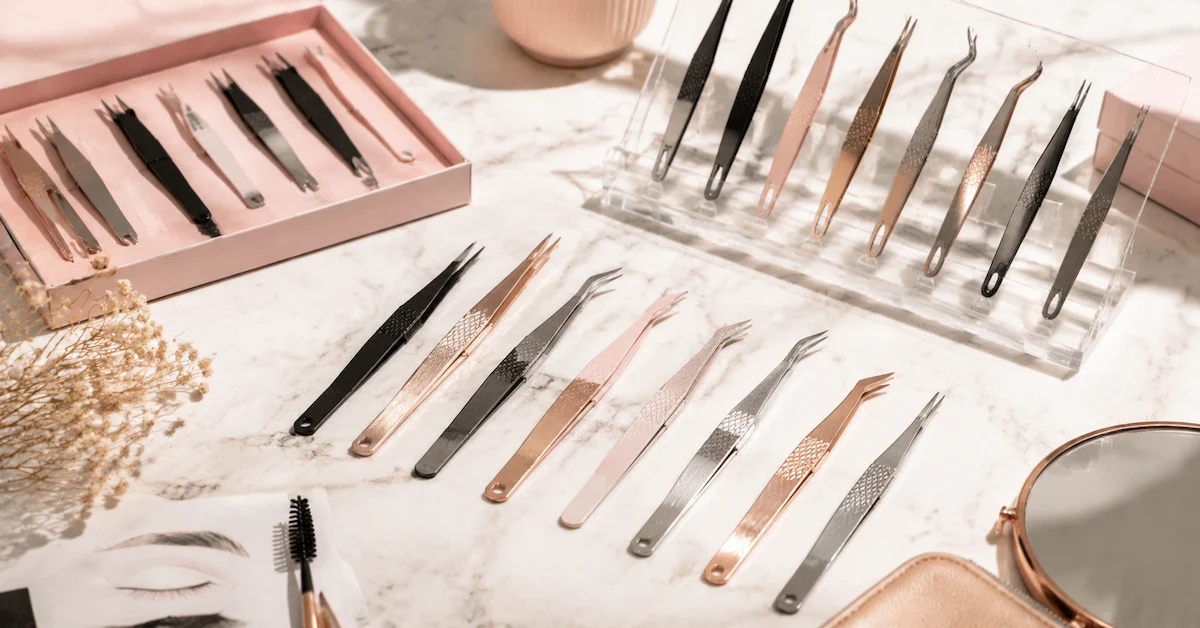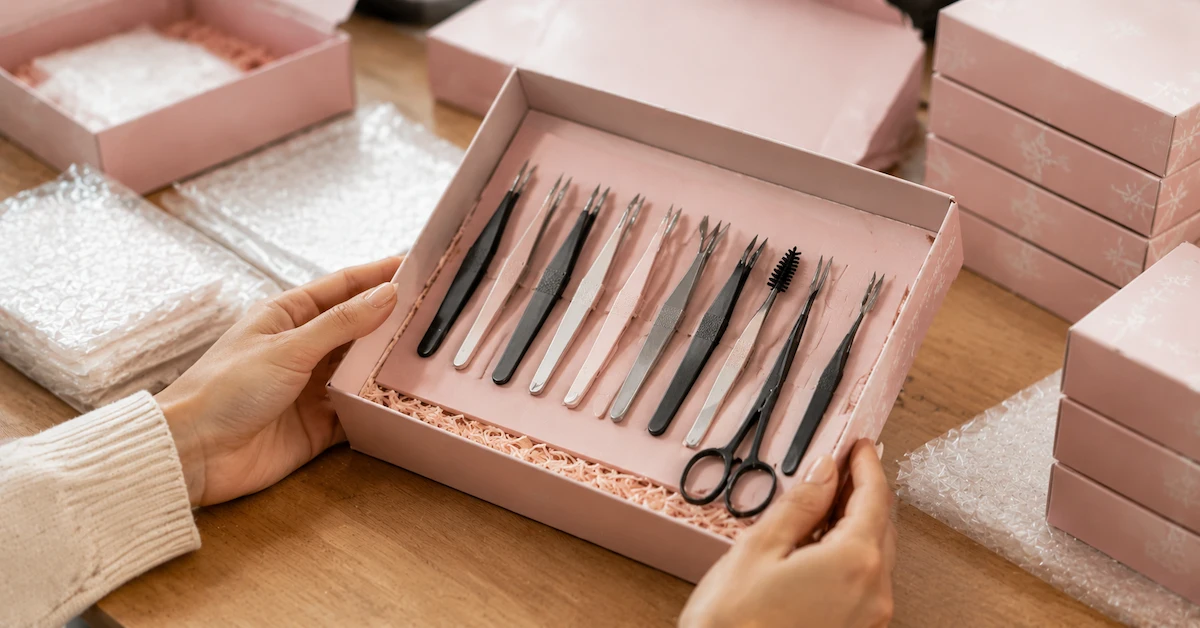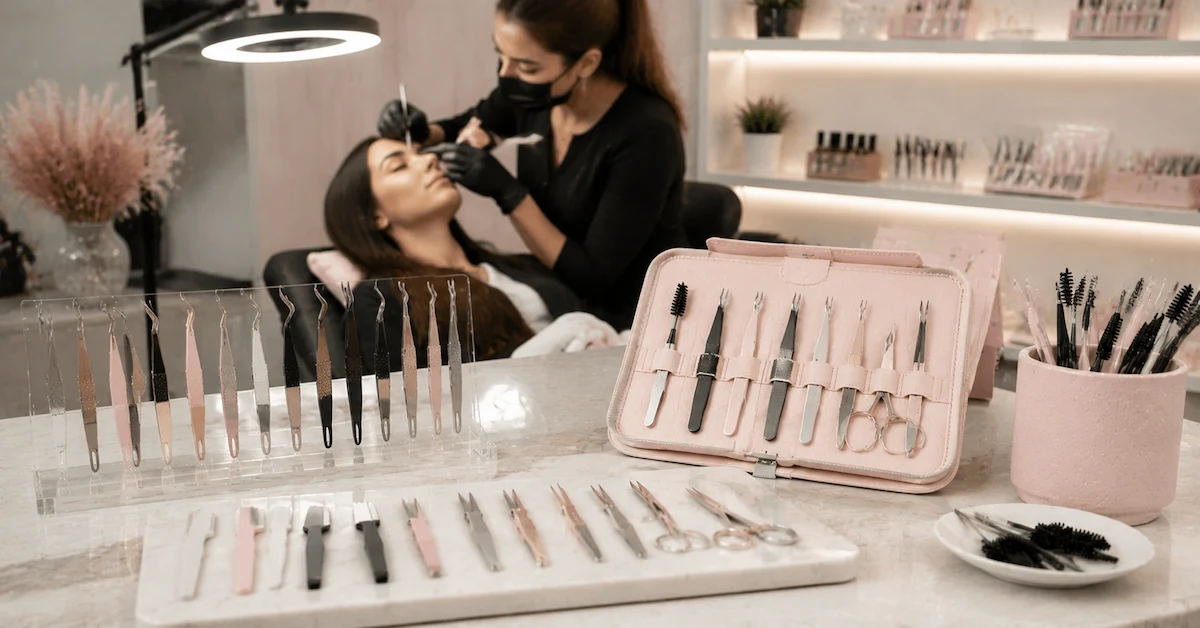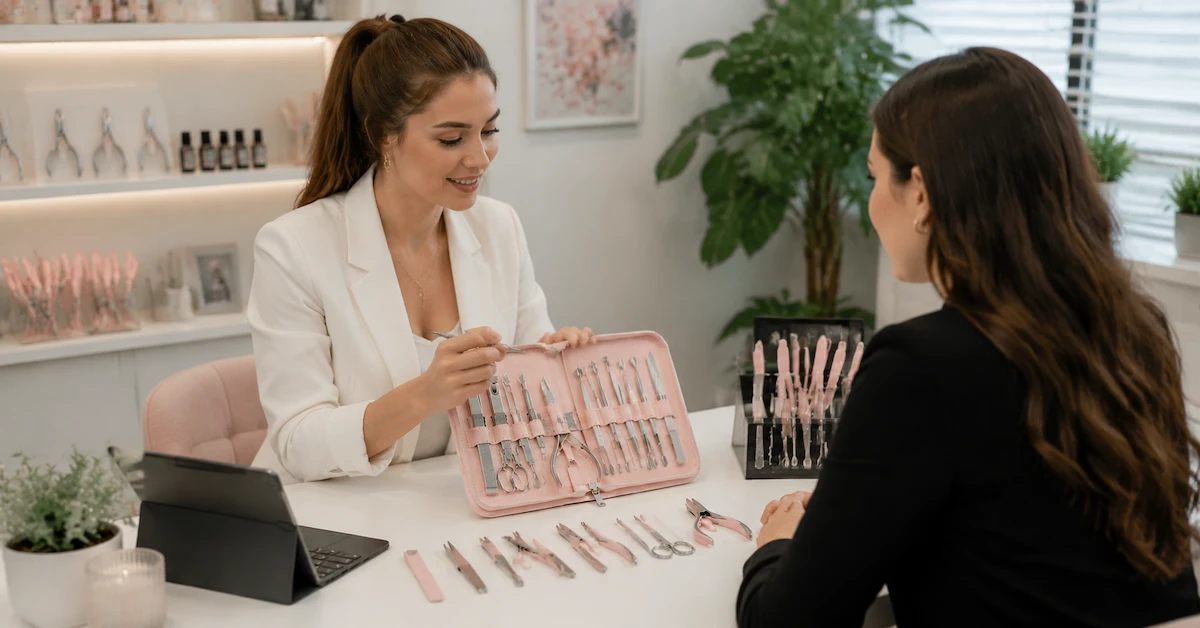











A manicure and pedicure kit can sell for several reasons at once: it is practical, portable, giftable, and easy to understand at a glance. For online stores, that versatility is useful only if the product page tells shoppers what the kit is for, who it suits, and what makes one listing different from the next.
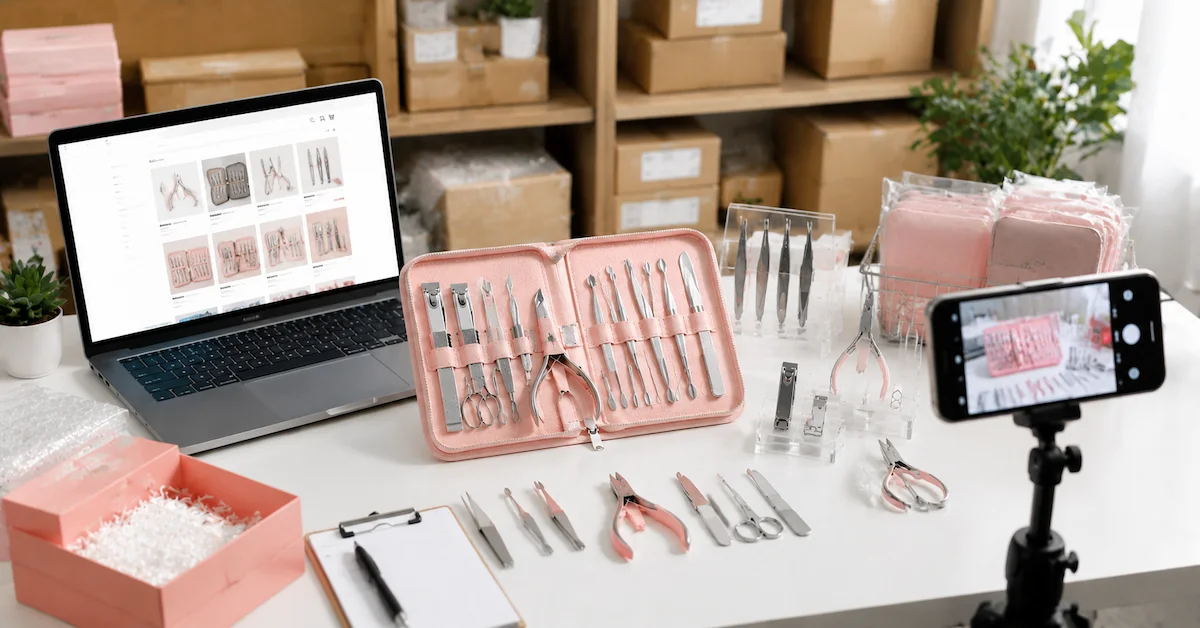
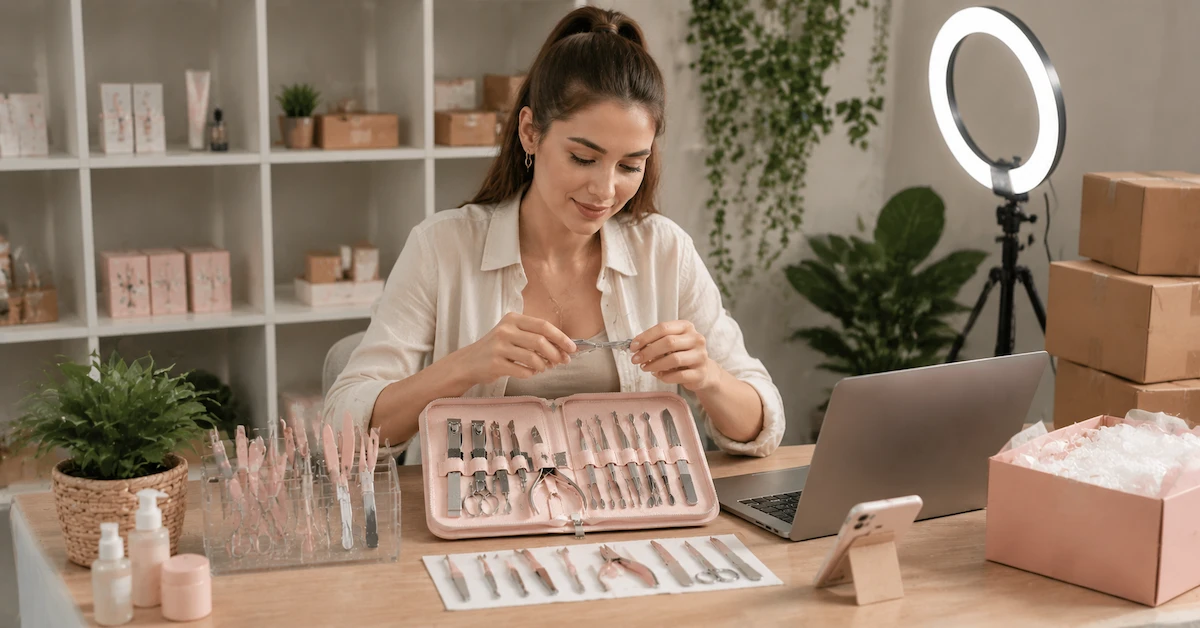
This matters because buyers do not usually compare grooming kits only by appearance. They look for a clean case, a sensible tool mix, and a layout that suggests order rather than clutter. In this category, the presentation is part of the product value. A zippered pink carrying case, for example, signals portability and a more consumer-friendly look, while the visible assortment of nail clippers, cuticle nippers, tweezers, scissors, and smaller detail tools suggests everyday personal care use.
If you are building a catalog or reviewing a supplier sample, the main question is not whether the kit looks attractive. It is whether the set can be positioned clearly in your store as a home grooming item, a travel companion, a salon accessory, or a giftable beauty tool. That positioning determines the copy, photography, bundling, and even the questions you should ask before listing the item. For a broader assortment, compare it with related items in our beauty tools range or browse the wider collection.
What this kind of grooming kit is best for
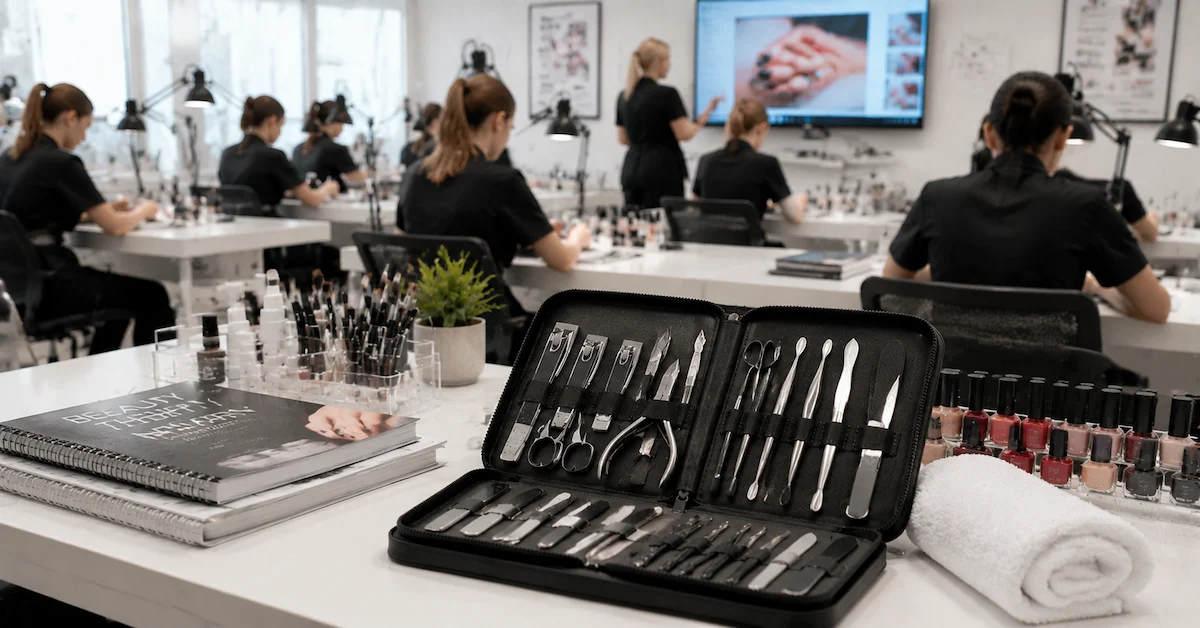
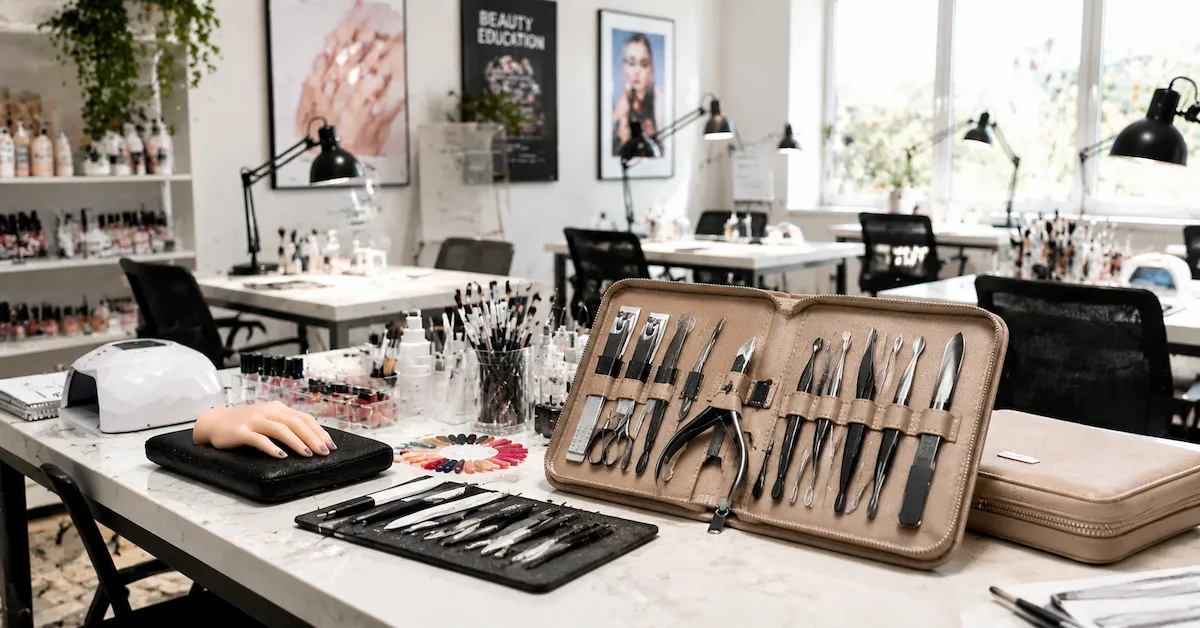
A compact manicure and pedicure set is usually bought for convenience. The buyer wants several common grooming tools in one organized case instead of purchasing each item separately. The visible tool mix in this type of kit usually supports nail trimming, cuticle care, eyebrow grooming, and general detail work. That makes it relevant to home users, retailers, and salon teams that need a neat backup set or an easy-to-store kit.
Because the kit comes in a fitted case, it also fits situations where portability matters. People shopping online often want something they can keep in a drawer, pack for a trip, or store in a bathroom cabinet without tools scattering everywhere. In a retail context, that same structure helps the product feel complete, which is especially useful for gift-oriented sales.
For this reason, the strongest search intent around grooming kits is usually practical rather than aspirational. Buyers are asking: what is included, how is it organized, how should I position it in my store, and what should I confirm before I buy in volume?
How online buyers evaluate grooming kits
Shoppers may not say it this way, but they are usually checking a short list of signals before they commit to a grooming kit. These signals are especially important in a beauty tools online store, where many products can look similar in photos.
- Assortment: Does the kit include enough tools to feel useful, or does it look too limited for everyday grooming?
- Organization: Do the tools stay in place inside the case, or do they appear loose and likely to shift in transit?
- Use case: Is the product clearly framed for home grooming, travel, salon support, or gifting?
- Visual clarity: Can the shopper see the open layout, not just the closed case?
- Trust: Does the description stay accurate about materials, use, and intended purpose?
These points are important because buyers often judge grooming kits quickly. A tidy case with a logical tool layout can create confidence before the shopper even studies the full description. A bundle of shiny tools without context usually does the opposite.
Product presentation: what to highlight and what not to overstate
The visible appeal of this type of product comes from contrast. The metal tools suggest precision and function, while the pink zippered case softens the look and makes the set feel more approachable. That combination can work well in beauty retail, but the listing should stay grounded in what the product visibly offers.
It is reasonable to describe the set as compact, organized, and multi-purpose. It is not reasonable to guess the exact metal grade, specific surface treatment, or sterilization compatibility unless supplier documents confirm it. In this category, accuracy matters more than dramatic language. A small overclaim can create returns or customer-service issues later.
Good product pages also show the kit open, not only closed. Buyers need to understand the storage layout and how the tools fit back into the organizer. If possible, show the carrying case, the interior insert, and one or two close views of the included pieces. That helps the shopper understand both the product and the everyday experience of using it.
Comparison table: how to position the same kit for different channels
| Sales channel | Buyer priority | Best angle in the listing | Common mistake to avoid |
|---|---|---|---|
| Salon or professional channel | Quick access and tidy storage | Emphasize organization and compact station use | Calling it professional-grade without support |
| Beauty retailer | Fast visual appeal and impulse value | Highlight the neat case and clear tool mix | Using vague beauty language without listing functions |
| Gift or seasonal merchandising | Complete, presentable appearance | Focus on the zippered case and tidy presentation | Showing only the closed case with no interior view |
| Home grooming buyer | Practical everyday use | Describe the kit as a convenient at-home care set | Overcomplicating the copy with too many categories |
What to inspect in a sample or supplier photo set
If you are sourcing this type of product, a sample review should go beyond the obvious photo appeal. The most useful checks are practical ones that affect customer satisfaction and retail performance.
- Case fit: Confirm whether the tools sit securely in the organizer insert.
- Closure quality: Check that the zippered case opens and closes smoothly.
- Tool layout: Look at whether the assortment feels balanced and easy to understand.
- Handling comfort: Evaluate whether the tools feel usable in hand, not just attractive in photos.
- Finish consistency: Inspect for rough edges, uneven polish, or visible defects.
- Transit behavior: See whether tools stay aligned when the case is moved or shaken.
These checks are practical even when the product is intended primarily for retail display. The kit should look good in a listing, but it should also hold together through packing, shipping, shelf handling, and repeated opening by the end user.
If you need help evaluating a sample set for your store, you can send a request through our inquiry form or use the contact page to discuss product fit for your channel.
Common sourcing mistakes in this category
One common mistake is treating all grooming kits as interchangeable. They are not. Two sets may look similar in a thumbnail, but differ in tool selection, case quality, or how securely the tools are held in place. That difference matters to buyers who want a tidy, dependable set.
Another mistake is overfocusing on packaging while ignoring use. A decorative outer box may help shelf appeal, but the customer lives with the case and tools inside it. If the organizer is awkward or the layout is confusing, the product may disappoint even if the outer presentation is attractive.
A third mistake is assuming the product should be described the same way for every audience. A salon buyer may care about station organization, while a home buyer wants a simple, easy-to-store grooming set. A retailer may care most about gift appeal and visual clarity. The same product can serve all three channels, but the angle should change.
Questions to ask before you list the kit
Before you place a grooming kit into your catalog, make sure the supplier can answer the basics clearly. These questions help prevent avoidable returns and listing errors.
- What tools are included in the kit, and which pieces are visibly confirmed?
- How are the tools held in the case?
- Is the product better suited to home use, travel use, retail gifting, or salon support?
- What materials are verified by the supplier documents?
- Can the product be customized for bulk programs or private-label merchandising?
- What packaging format is used for shipping and shelf presentation?
Do not guess at technical details if you do not have them. If the supplier has not confirmed a material or functional claim, leave it out of the listing. That is especially important in markets where documentation matters. For example, if you sell into the EU, verify current REACH-related requirements and other applicable consumer product rules; if you sell in the U.S., check the latest expectations from the Consumer Product Safety Commission where relevant. Always confirm current versions and ask for supplier documents that support the claims you publish.
How this category fits with broader beauty tools merchandising
Grooming kits often sit near skincare tools, cosmetic accessories, and travel beauty items in a store architecture. That makes sense because many shoppers browse those categories together. A customer looking for tweezers, nail tools, or compact personal-care items may respond well to a product page that sits alongside related beauty accessories.
Still, the product description should stay specific. A manicure and pedicure kit is not the same as a facial tool, even if both belong under a larger beauty-tools umbrella. Clear category language helps with search, filtering, and buyer confidence. It also reduces the chance that a shopper clicks in expecting a skincare tool and receives a grooming set instead.
For stores that want to build a coherent assortment, the most useful approach is to group these items by use case: nail care, facial grooming, travel care, and giftable beauty tools. That structure makes merchandising easier and gives the customer a cleaner path through the catalog.
How to write a stronger product page
A strong listing should answer four questions quickly: what is in the kit, what can it be used for, how is it stored, and who is it for. You do not need long promotional language to do that. In fact, shorter and clearer copy often performs better in this category.
Helpful wording usually includes the case style, the compact format, and the range of grooming tasks supported by the tools. If the set is shown in a pink zippered case, say so. If the tools appear suited to nail trimming, cuticle care, tweezing, and detail work, say that plainly. The shopper should understand the main benefit within a few seconds.
Avoid turning the page into a long list of beauty buzzwords. Instead, build trust through clarity. If you can describe the tool assortment accurately and show the organizer layout well, the product often sells itself more effectively.
Maintenance and end-user care guidance
Even a simple grooming kit benefits from basic care guidance. Buyers appreciate brief instructions on cleaning, drying, and storing tools after use. This is especially helpful for compact sets, where a wet or damaged tool can affect the rest of the kit.
For the end user, the key message is straightforward: keep the tools dry, return them to the case after use, and store the kit in a clean place. That advice is practical, evergreen, and easy to include in a product insert or FAQ section. It also reinforces the value of the organizer case, which is part of the product experience rather than just a box.
Checklist for merchandisers and sourcing teams
Use this quick checklist when reviewing a sample or planning a listing:
- Confirm the visible tool mix matches the product description.
- Check whether the case holds each tool securely.
- Show the open organizer in photos, not only the closed case.
- Decide whether the main angle is home use, salon support, travel, or gifting.
- Keep all material and performance claims limited to verified supplier information.
- Match the listing language to the buyer’s use case, not just the product’s appearance.
- Prepare a short care note for end users about cleaning and storage.
FAQ
Can I ask for samples before placing a larger order?
Yes. Sample review is the best way to check tool fit, case closure, finish quality, and overall presentation before committing to a larger listing or buying program.
Is customization possible for this kind of grooming kit?
It may be, depending on the supplier’s capabilities and the program you want to build. Ask about case color, packaging, labeling, and any private-label options before you list the product.
What should I confirm about quality?
Focus on the practical points: tool finish, case durability, organizer fit, and whether the set stays neat during handling and transport. Ask for supplier documents where claims need support.
How should I choose between a grooming kit and single tools?
Choose a kit if your customer values convenience, giftability, and compact storage. Choose single tools if your store serves buyers who want to replace one item or build their own set.
What is the most useful lead-time question to ask a supplier?
Ask how production, packaging, and shipping are handled for the specific version you plan to sell. Do not assume the timeline is the same for samples, stock items, and customized orders.
For a product line that needs simple, practical beauty tools, a well-presented grooming kit can be an easy category to merchandise. The key is to position it clearly, inspect it carefully, and keep the listing honest. If you want to discuss a potential assortment, reach out through our team page and request the product details you need before you publish.