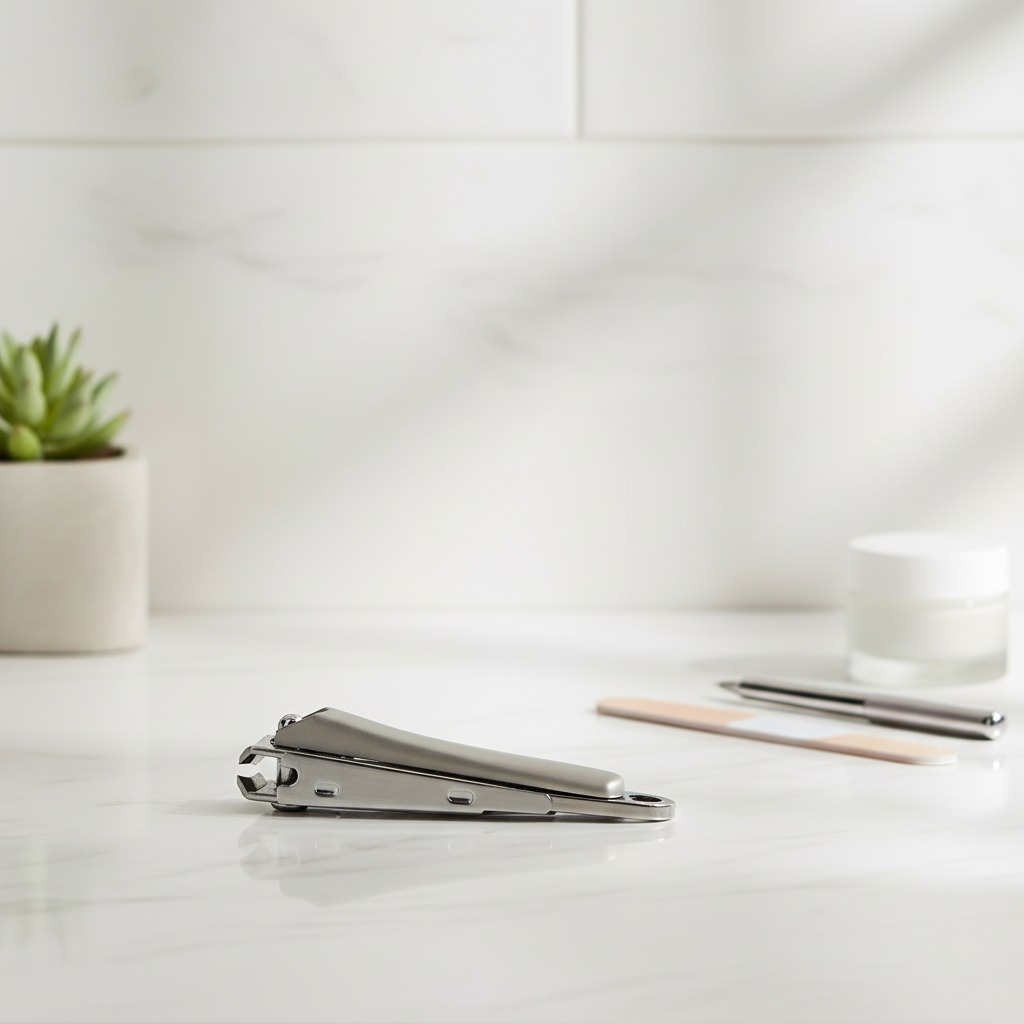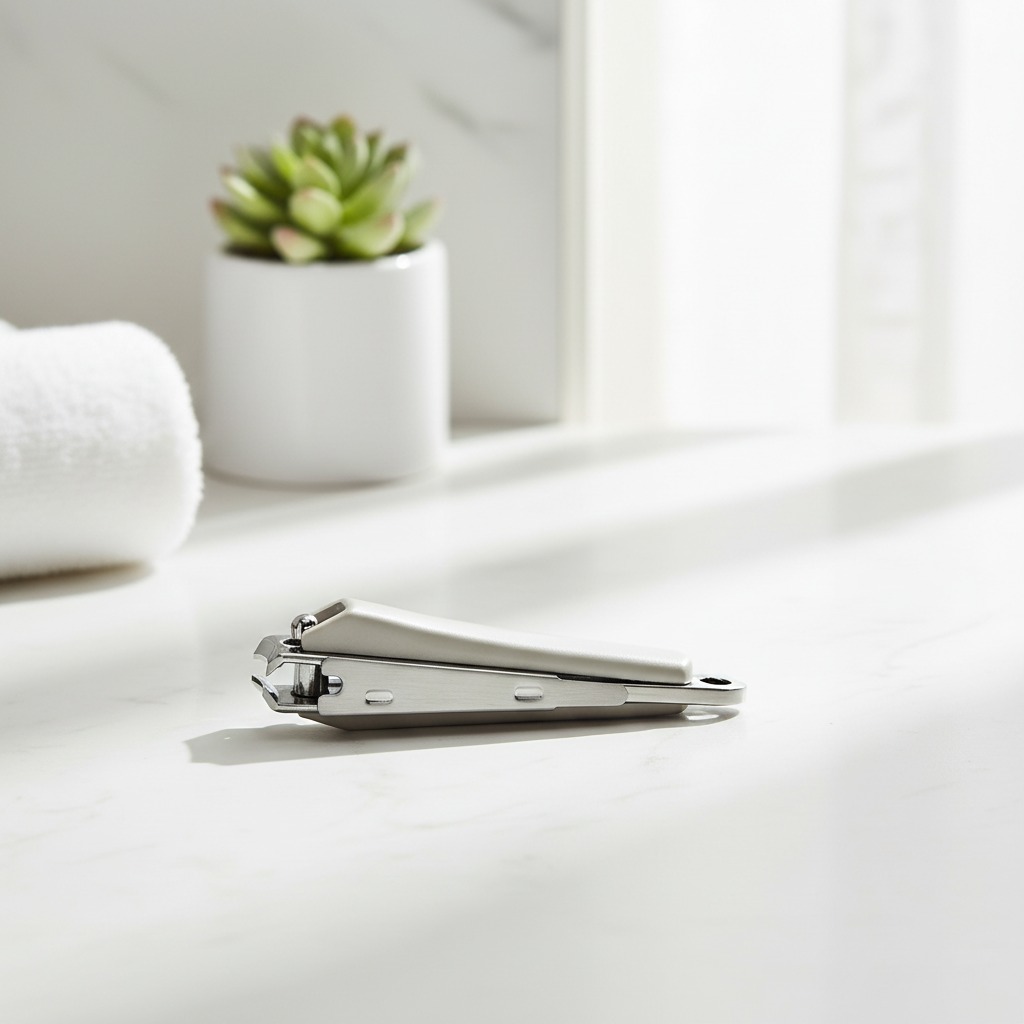











A nail clipper looks simple, but buyers know it can quickly become a test of product quality. If the cutting edge feels dull, the grip slips, or the spring action feels uneven, customers notice immediately. For personal care brands, retailers, travel kit suppliers and promotional product buyers, a nail clipper OEM project should be planned with the same care as any visible beauty tool launch.
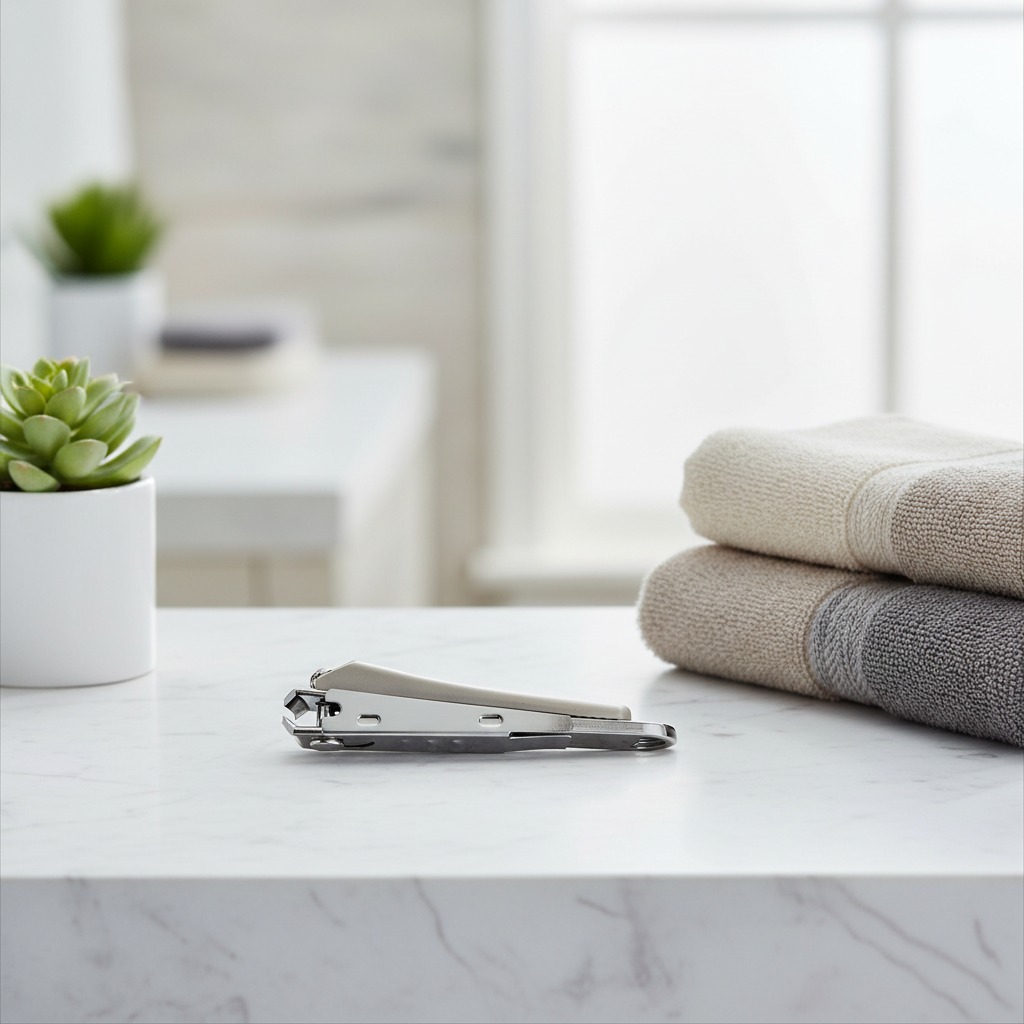
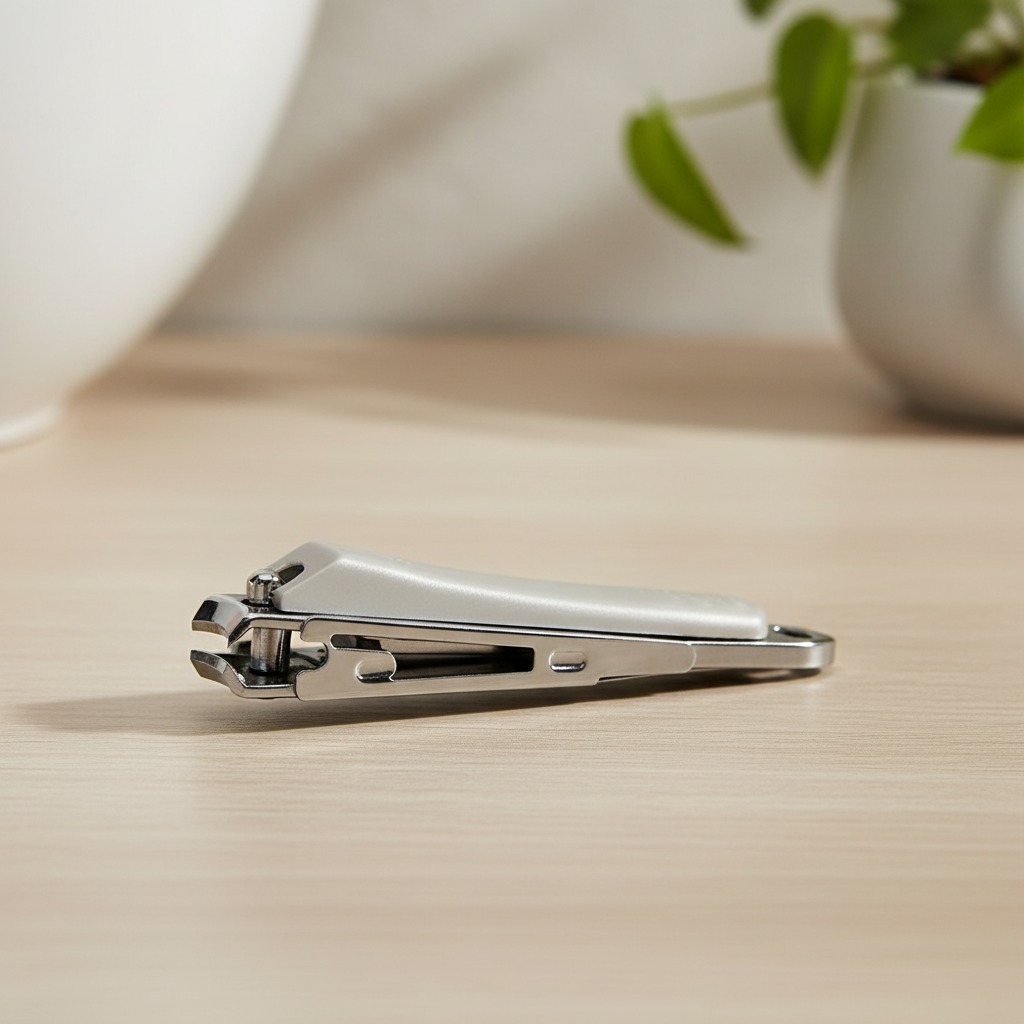
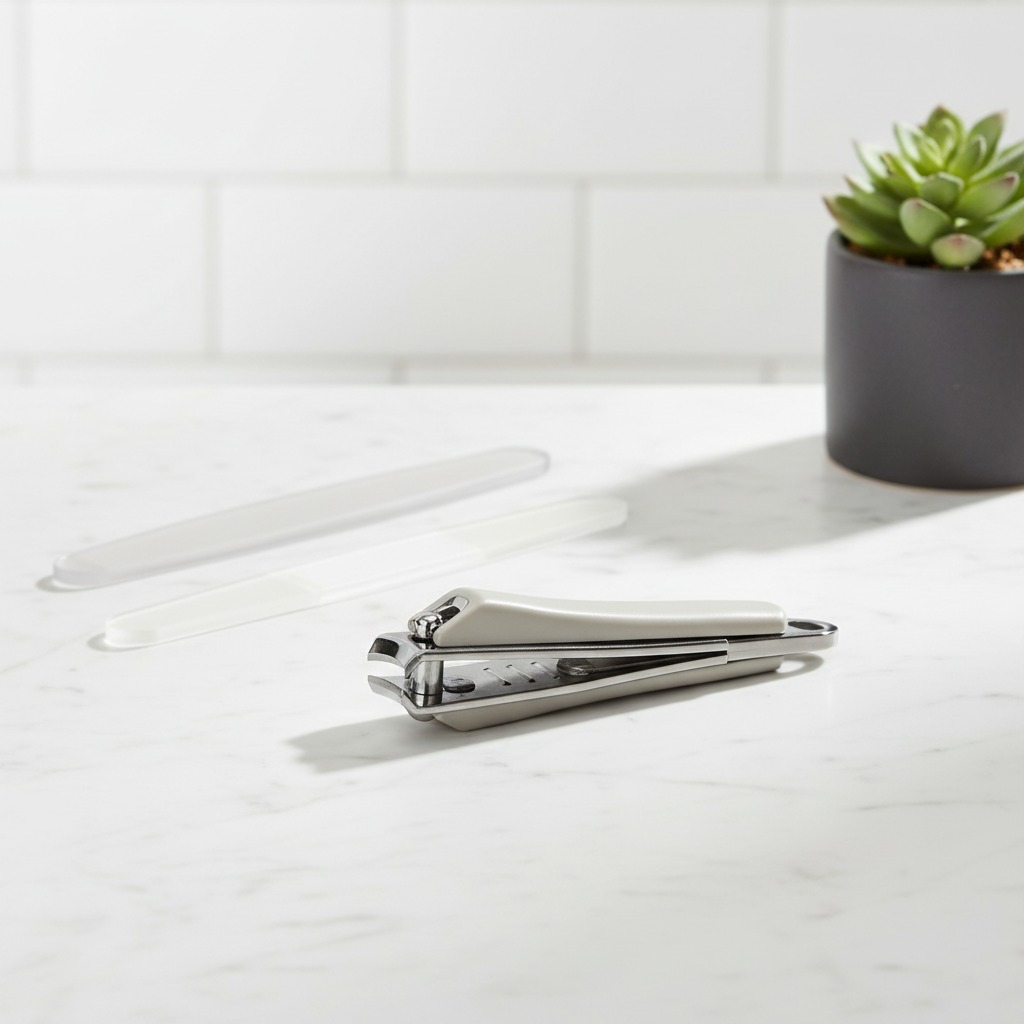
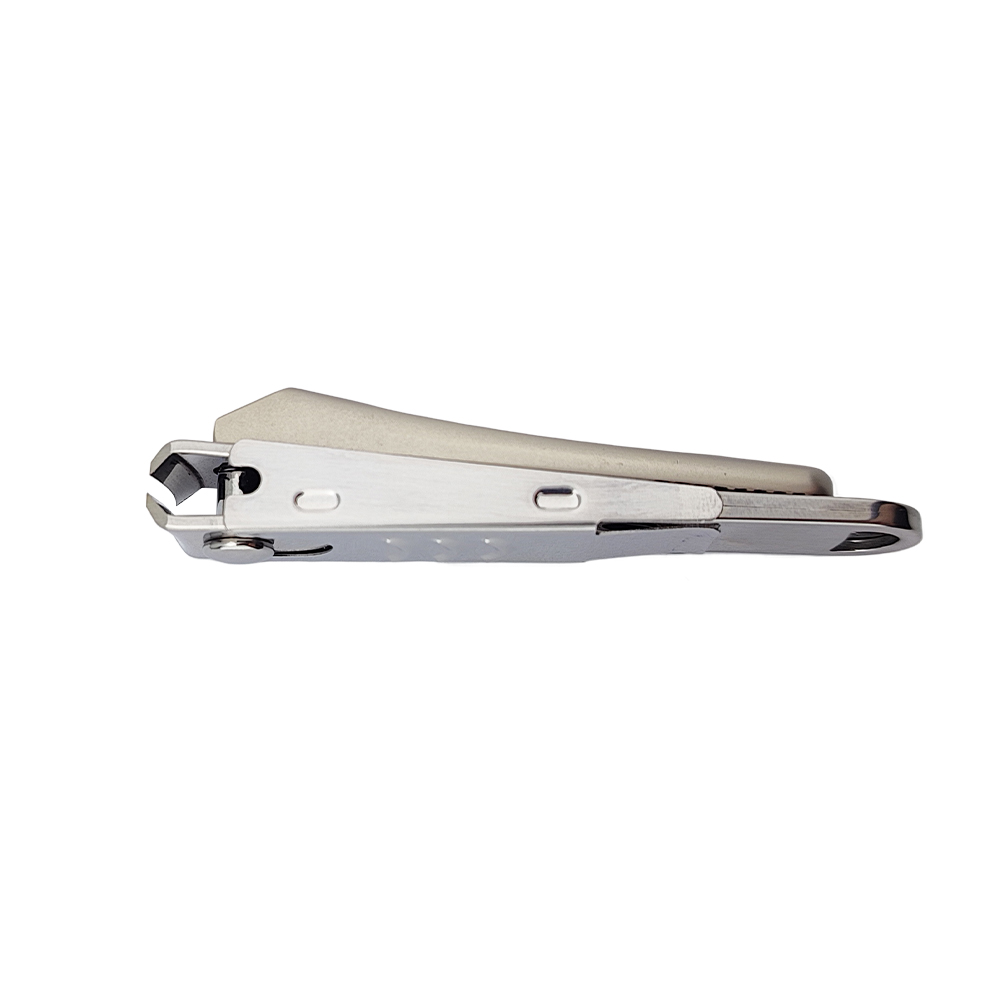
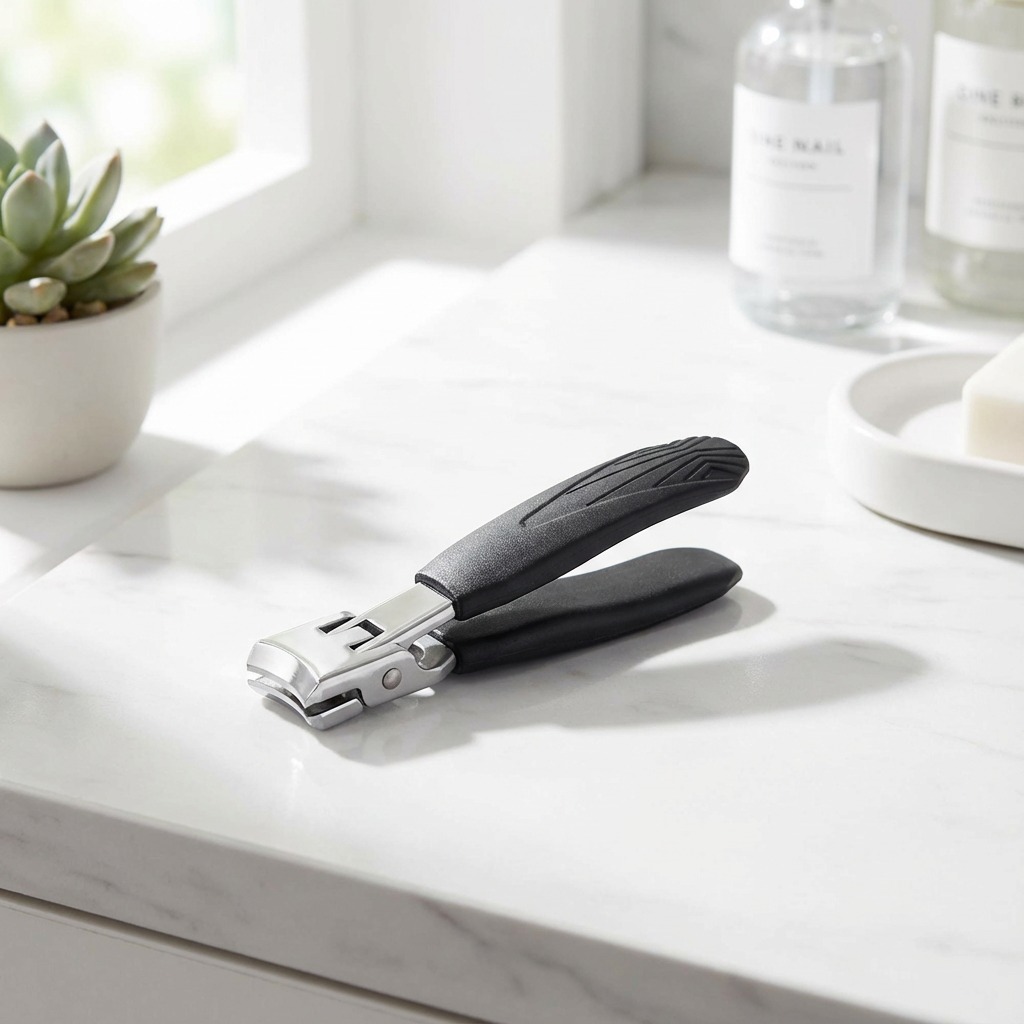
Olimor Beauty supports nail clipper OEM and wholesale nail clipper sourcing for brands that need a practical grooming tool with reliable everyday performance. The product concept described here focuses on a compact nail clipper with a stainless steel cutting edge, a modern appearance and an ergonomic non-slip rubberized grip. Those details matter because the buyer is not only purchasing a metal tool; the buyer is building a product experience that must feel clean, controlled and dependable in the hand.
Why Nail Clipper OEM Projects Need Clear Product Priorities
Many bulk buyers start with price, but price alone does not define a successful nail clipper. The best starting point is to decide where the product will be used and how customers will judge it. A nail clipper for a travel toiletry kit may need to be compact and easy to pack. A retail beauty line may need a more polished appearance and consistent packaging. A salon or personal care set may need a grip that feels secure even during repeated use.
For this type of OEM product, the core priorities are straightforward: clean trimming, hand comfort, stable control and consistent appearance. The original product direction includes a robust stainless steel cutting edge for precise trims and a non-slip rubberized grip for easier handling. These features are useful because they address two common complaints: clippers that crush rather than cut, and clippers that are hard to control when fingers are wet or when the tool is used quickly.
Before confirming an OEM order, buyers should create a short product brief. The brief does not need to be complicated, but it should state the market channel, target user, desired finish, packaging direction and quality expectations. This helps the manufacturer evaluate whether the product should be positioned for daily home use, travel use, gift sets, personal care retail or bulk distribution.
Cutting Edge, Grip and Size: What to Evaluate First
The cutting edge is the functional heart of a nail clipper. Stainless steel is valued in grooming tools because it can provide a clean, durable cutting surface when properly manufactured and finished. However, buyers should not rely on material wording alone. The real question is whether the blade alignment, edge finish and lever action work together to deliver an easy trim.
The grip is just as important for customer satisfaction. A wide or rubberized non-slip grip can make the clipper easier to control, especially for users who prefer a steadier hold than a plain metal lever provides. This design choice is also useful for travel and home use because the tool is often handled in bathrooms, toiletry bags or compact spaces where secure control matters.
- Cutting feel: The clipper should trim without excessive force, snagging or bending the nail.
- Blade alignment: The upper and lower cutting edges should meet evenly across the curve.
- Grip control: The rubberized surface should improve hold without feeling bulky or unstable.
- Lever movement: Opening and closing should feel smooth, with no sharp side edges where fingers rest.
- Portability: A compact profile should fit comfortably in retail displays, travel kits and toiletry bags.
- Finish consistency: Visible parts should look uniform from piece to piece, especially for retail packaging.
These checks are practical because they reflect how customers actually use the product. A clipper may look attractive in a product photo, but repeat purchases come from the moment of use: the grip, the cut and the feeling of control.
Wholesale Nail Clipper Planning for Bulk Buyers
When buyers move from a sample to wholesale nail clipper supply, the sourcing conversation changes. At sample stage, the focus is design and feel. At bulk stage, the focus expands to consistency, packaging, inspection points and shipment readiness. A nail clipper bulk supplier should be able to support clear communication around these stages so the buyer understands what will be checked and when decisions need to be made.
Bulk purchasing can serve several types of businesses. Retail brands may need branded packaging and shelf-ready presentation. Personal care subscription boxes may need compact tools that pack efficiently. Hotels, travel accessory distributors and gift set suppliers may need a functional clipper that fits into a larger kit. Each channel creates different requirements for labeling, packaging strength, visual finish and inspection sampling.
For buyers comparing beauty tool products, it is helpful to keep nail clippers in context with other grooming accessories. A nail clipper may be sold as a single item, but it is often bundled with tweezers, scissors, files or other personal care tools. If the clipper is part of a set, the appearance and handling should match the rest of the collection so the final pack feels coordinated.
OEM Customization Decisions That Affect the Final Product
Customization should improve usability or market fit, not add complexity without purpose. For a nail clipper OEM project, the main decisions usually involve grip design, surface appearance, packaging and brand presentation. Buyers should separate essential requirements from optional preferences. This keeps the project easier to evaluate and reduces the risk of delays caused by changing details late in the process.
Useful OEM decisions include whether the grip should prioritize a soft-touch feel, a textured surface or a wider contact area. Packaging decisions should consider whether the clipper will hang on a retail peg, sit in a carton, slide into a kit or ship as an online order. A compact design can be helpful across these formats because it uses less space and fits into everyday toiletry storage.
- Define the sales channel: Retail shelf, e-commerce, travel kit, salon supply or promotional bundle.
- Confirm the product feel: Cutting action, grip comfort, lever movement and overall size.
- Choose packaging direction: Simple bulk pack, retail card, box or kit-ready format.
- Review branding needs: Decide where brand marks, instructions or barcode information may be required.
- Set inspection priorities: Identify the visible and functional defects that would affect customer acceptance.
These steps help buyers create a cleaner development path. Instead of discussing customization in abstract terms, the project becomes a series of practical decisions tied to end-user needs.
Quality Checks That Matter Before Shipment
Quality assurance for nail clippers should combine functional testing and visual inspection. The supplied product direction highlights thorough inspections from raw material selection to final packaging. For buyers, this means the inspection plan should not be limited to a final carton count. It should include the points where defects are most likely to affect customer satisfaction.
Functional checks should look at cutting performance, edge alignment, lever stability and grip attachment. Visual checks should review surface finish, cleanliness, packaging placement and any printed or branded elements. Handling checks are also useful because a nail clipper is a hand tool; if an edge feels rough or the lever feels unstable, the issue will be noticed immediately by the user.
Buyers do not need to create an overly technical inspection document, but they should be specific. Instead of writing only “good quality,” define what good quality means for this product: no obvious deformation, clean opening and closing movement, aligned cutting edges, secure non-slip grip, acceptable packaging appearance and cartons prepared for the intended distribution channel.
Questions to Resolve With a Nail Clipper China Manufacturer
Working with a nail clipper China manufacturer such as Olimor Beauty is most productive when the buyer prepares questions early. The goal is not to overcomplicate the project, but to make sure expectations are clear before bulk production. A strong sourcing conversation should cover product use, design preferences, inspection approach and packaging needs.
Relevant questions include: What sample options are available for evaluating cutting feel? Which grip styles or surface treatments fit the desired market position? How will functional consistency be checked during production? What packaging formats are realistic for the channel? How should the buyer supply artwork or labeling information? These questions help both sides identify possible constraints before timelines are affected.
If the product is part of a broader grooming range, buyers can also review product collections to consider whether the nail clipper should coordinate with other beauty tools. For a custom project, buyers can send an inquiry with target market, estimated order needs, packaging idea and any reference requirements. If the project needs more discussion, it is also practical to contact Olimor before finalizing a sourcing plan.
Building a Nail Clipper Product Customers Will Reorder
A successful nail clipper OEM project is not defined by decoration alone. It is defined by whether the tool trims cleanly, feels secure and arrives consistently packaged for the intended sales channel. The stainless steel cutting edge, ergonomic non-slip rubberized grip and compact format described in this product direction are valuable because they support real customer use: accurate trimming at home, convenient packing for travel and simple storage in daily grooming kits.
For brands and bulk buyers, the best approach is to treat the nail clipper as a small but important trust product. Customers may not analyze every manufacturing detail, but they will remember whether the clipper worked well. By clarifying product priorities, testing handling carefully and planning inspections before bulk supply, buyers can develop a practical grooming tool that fits their market and supports repeat confidence in the brand.