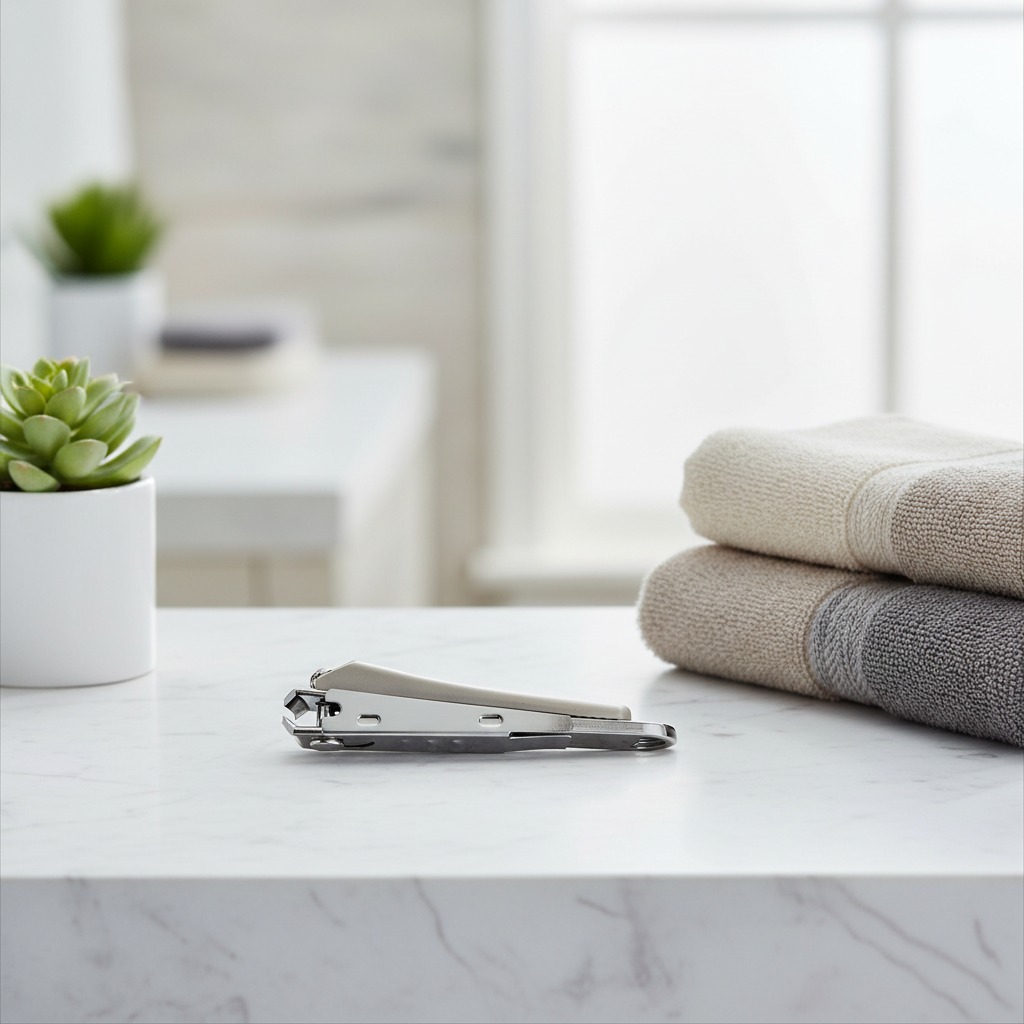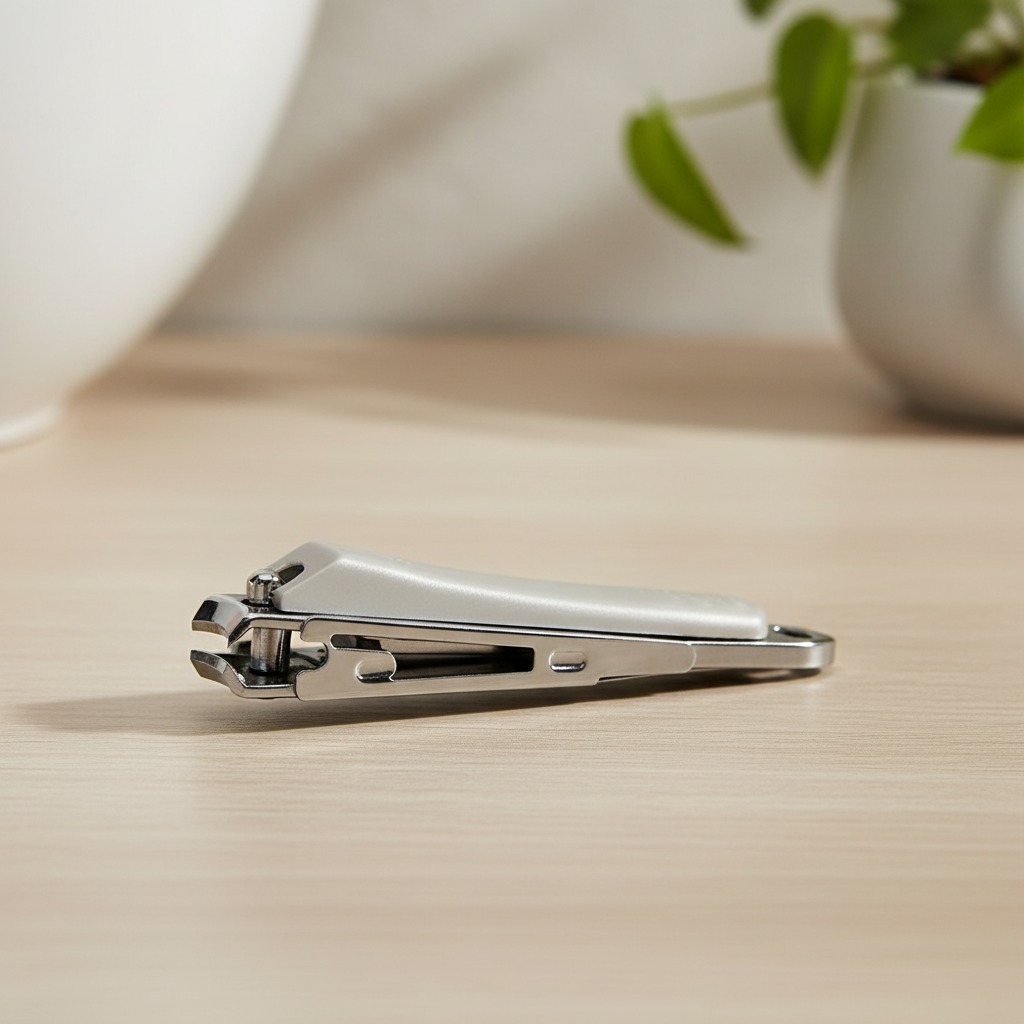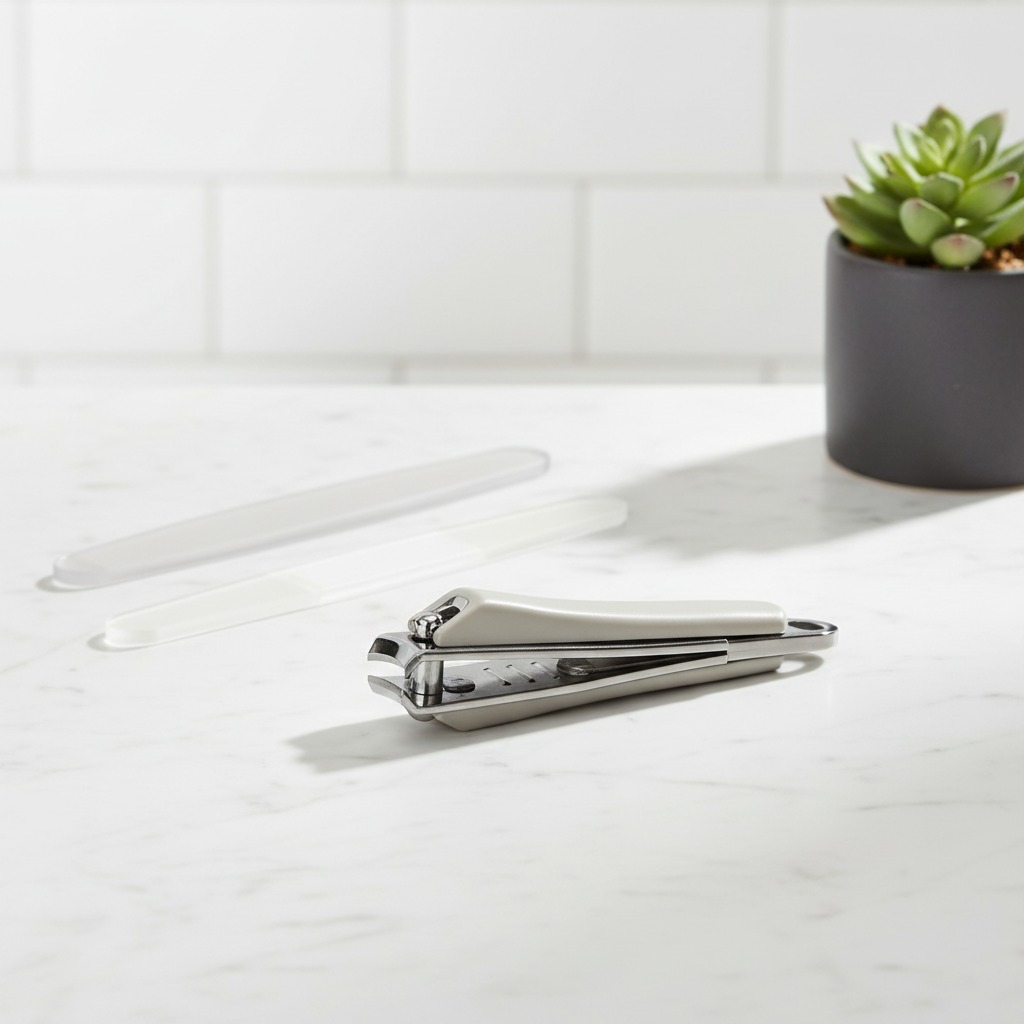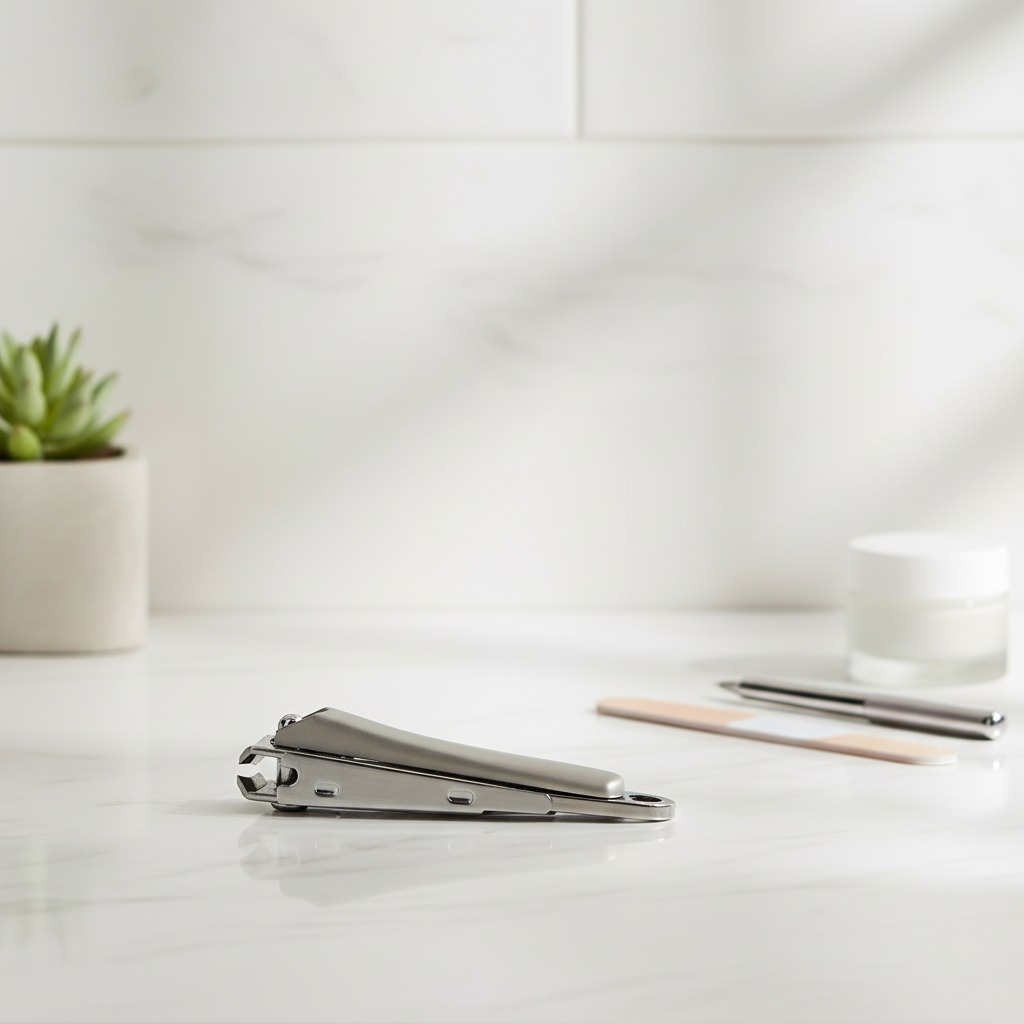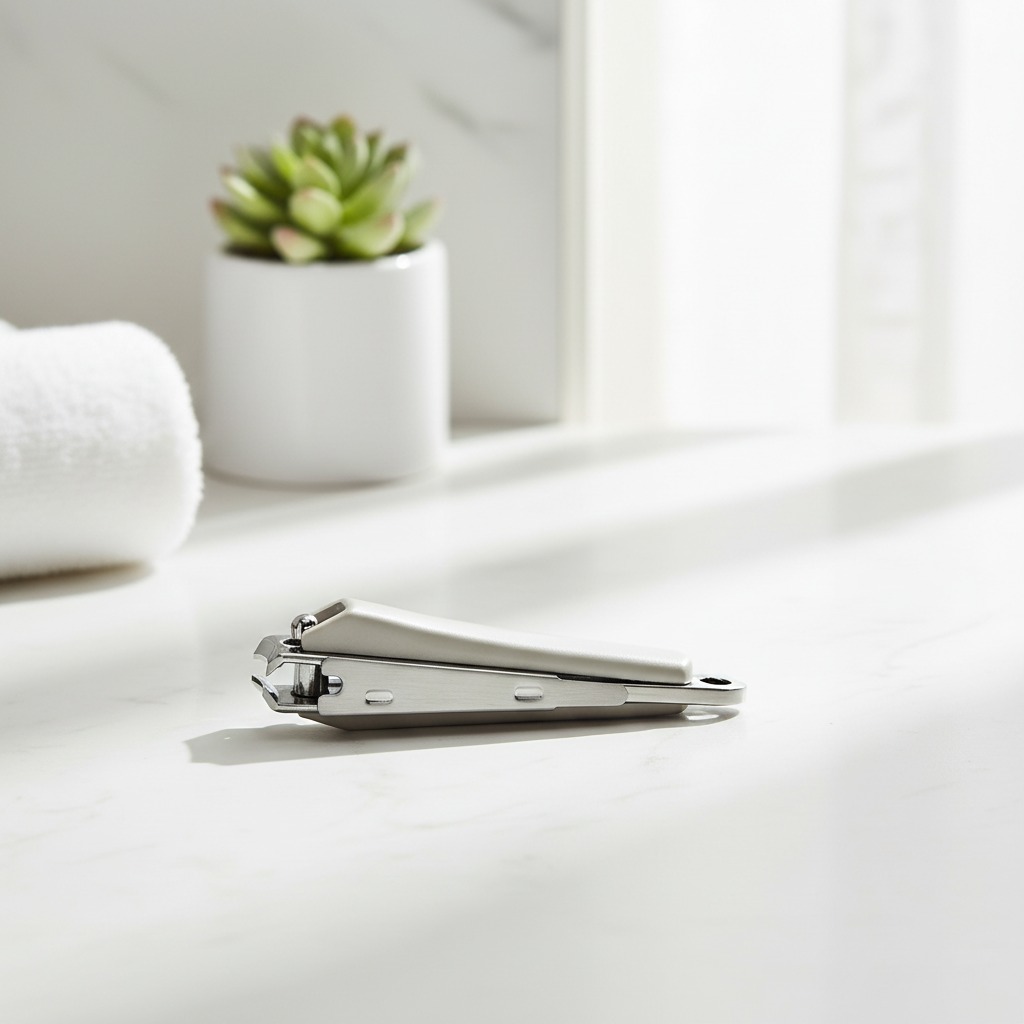
A nail clipper looks simple, but buyers know that small grooming tools can create large quality issues when the details are not controlled. A clipper that pulls instead of cuts, a lever that feels loose, a dull edge after limited use, or inconsistent finishing across a batch can quickly affect customer reviews and repeat orders. For brands, distributors, salons, travel-kit suppliers and retailers, choosing the right nail clipper factory is therefore a sourcing decision that deserves careful review.
Olimor Beauty works in the beauty-tools field with a focus on practical grooming products, including stainless steel nail clippers designed for clean cutting, compact handling and durable use. This guide explains what to look for when evaluating a nail clipper OEM or wholesale partner, especially if you need consistent production, customization options and dependable inspection standards. It is written for buyers comparing factories, preparing a first order, or improving an existing nail-care product line.
Why Nail Clipper Manufacturing Requires Precision
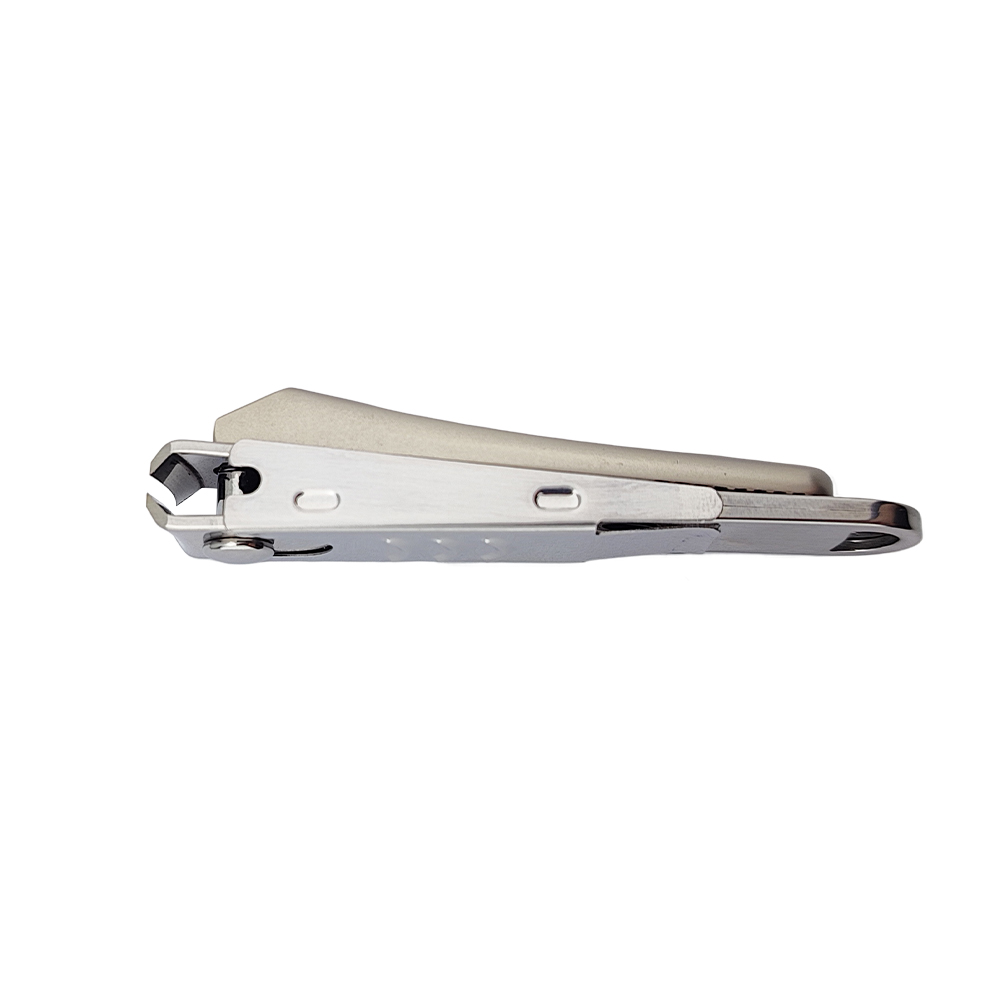
The most important job of a nail clipper is to cut cleanly with controlled pressure. That depends on the relationship between several parts: the upper and lower cutting jaws, the rivet or pin, the lever, the springing action of the body and the finishing of the cutting edge. If one of these elements is poorly aligned, the clipper may require too much force, leave jagged edges or feel unstable in the hand.
Stainless steel is commonly preferred for nail clippers because it supports strength, hygiene and corrosion resistance when properly processed and finished. However, material choice alone does not guarantee performance. The factory must also control forming, sharpening, polishing, assembly and final inspection. A matte finish, for example, can give the tool a modern appearance, but it still needs smooth edges and a comfortable surface. A compact travel size can be useful, but the lever must still provide enough control for safe trimming.
For OEM buyers, these details affect more than the individual tool. They influence packaging claims, price positioning, customer satisfaction and the ability to reorder the same product without unexpected changes. Before committing to a nail clipper factory, it is worth examining both the product sample and the production process behind it.
Key Product Features to Evaluate Before Ordering
When comparing stainless steel nail clippers, do not judge only by appearance. A polished or matte surface can make a strong first impression, but cutting feel and consistency are what customers notice after purchase. A reliable factory should be able to discuss practical design decisions and provide samples that can be tested under real use conditions.
- Cutting alignment: The upper and lower blades should meet evenly across the cutting edge without visible gaps or twisting.
- Sharpness and edge finish: The clipper should cut fingernails cleanly rather than crush or tear them. The edge should not have burrs that can scratch skin.
- Lever control: A lever-enhanced design should provide enough mechanical advantage while feeling stable during pressure.
- Body strength: The frame should resist bending during normal trimming. Thin or poorly formed bodies can feel weak and may lose alignment.
- Ergonomic handling: The user should be able to grip the tool securely, especially when trimming with one hand.
- Travel suitability: Compact nail clippers are convenient for kits and retail sets, but they still need a comfortable lever and safe edges.
- Finish consistency: Matte or polished finishes should look uniform across the batch, with no sharp corners, stains or uneven marks.
These checks are useful whether you are developing a private-label item, adding a grooming accessory to a broader beauty range, or sourcing wholesale nail clippers for distributors. You can also compare related beauty tool products to decide whether the clipper should be sold individually, as part of a manicure set, or in a travel grooming collection.
How OEM Customization Should Be Planned
OEM nail clipper projects often involve more than adding a logo. The buyer may need a specific size, finish, packaging style, color accent, retail card, pouch or assortment plan. The earlier these decisions are organized, the easier it is for the factory to estimate feasibility and prepare samples that match the intended market.
Start with the end user. A salon-oriented clipper may need a more professional appearance and strong repeated-use performance. A retail travel clipper may need compact dimensions, lightweight packaging and clear display appeal. A gift set may require consistent finishing across multiple tools. A basic wholesale clipper may focus on dependable cutting and cost control without unnecessary decoration.
For practical OEM planning, prepare a short brief before contacting a factory:
- Define the target buyer: retail customer, salon, distributor, hotel amenity, travel kit or promotional program.
- Choose the main product format: single nail clipper, set component, blister card, box, pouch or bulk pack.
- Confirm appearance preferences: matte finish, polished finish, logo placement or neutral unbranded design.
- List performance expectations: clean cutting, durable construction, comfortable lever and consistent alignment.
- Identify packaging needs: barcode area, instruction text, language requirements, hanging hole or shelf-ready format.
- Plan the order schedule: sample review, approval, production timing and reorder expectations.
A clear brief reduces misunderstandings and helps the factory focus on the correct product level. It also allows buyers to compare quotations fairly, because each supplier is responding to the same requirements rather than making assumptions.
Factory Quality Control From Material to Assembly
Quality assurance is central to nail clipper manufacturing because many defects are small but highly visible to users. A clipper may appear acceptable in a photo yet fail in hand testing. Effective inspection should begin with incoming materials and continue through forming, finishing, sharpening, assembly and final packing.
Important factory checkpoints include material appearance, body shape, blade alignment, lever movement, edge finish, surface finish and packaging condition. For wholesale buyers, batch consistency matters as much as the first approved sample. If the approved sample has a smooth matte finish and firm lever action, later production should match that standard closely.
| Inspection Point | What Buyers Should Look For | Why It Matters |
|---|---|---|
| Material and surface | Clean stainless steel appearance, no stains, cracks or rough areas | Supports durability and product presentation |
| Blade alignment | Even contact along the cutting edge | Helps produce a clean cut with less force |
| Lever action | Stable movement without looseness or scraping | Improves control and user confidence |
| Edge finishing | No burrs, sharp corners or rough contact points | Reduces discomfort during use |
| Packaging | Correct labeling, clean sealing and consistent presentation | Protects the tool and supports retail display |
For buyers managing a private-label range, it is also sensible to keep approved reference samples. These samples help both sides compare future production runs and maintain continuity. When reviewing suppliers, look for a factory that treats inspection as a routine manufacturing step, not a final attempt to catch problems after the order is complete.
Wholesale Sourcing Considerations for Distributors
Wholesale nail clipper sourcing has different pressures from one-time product development. Distributors need reliable supply, stable quality, clear packaging options and products that can serve different sales channels. A compact stainless steel nail clipper with a clean finish may work for travel kits, personal grooming displays, small retail counters or add-on sales in beauty channels.
Before placing a larger order, wholesale buyers should evaluate how the clipper fits the sales environment. Does the packaging communicate the product clearly? Is the tool easy to inspect without opening the package? Will the finish remain attractive during storage and shipping? Is the product suitable for display with other grooming items? These questions help prevent slow-moving inventory caused by packaging or positioning issues rather than product function.
It is also useful to compare the nail clipper with complementary product collections. A clipper may perform better commercially when paired with files, tweezers, manicure scissors or grooming sets, provided each item meets the same quality expectations. For buyers planning a new program, Olimor can be reached through contact Olimor or by choosing to send an inquiry with product requirements, packaging preferences and target market details.
Questions to Settle Before Confirming a Nail Clipper Factory
A strong sourcing decision combines sample testing, production understanding and commercial planning. Instead of focusing only on the lowest unit price, buyers should confirm how the product will perform, how it will be packed and how consistency will be maintained for future orders. Low-cost clippers that create returns, complaints or uneven retail presentation can be more expensive in the long term.
Use the following checklist when comparing a nail clipper factory:
- Does the sample cut cleanly across different nail thicknesses without excessive pressure?
- Is the stainless steel body formed evenly, with no weak or distorted areas?
- Does the lever provide comfortable control and return smoothly after pressing?
- Are the edges and corners finished safely for normal handling?
- Is the matte or polished surface consistent across multiple samples?
- Can the factory support the packaging style required for your sales channel?
- Are inspection standards clearly understood before production begins?
- Can reorder expectations be documented so future batches match the approved sample?
These questions keep the discussion practical. They also help buyers avoid vague claims and focus on measurable product characteristics. For nail clippers, precision is not an abstract idea; it is visible in alignment, felt in the lever and confirmed by the quality of the cut.
Building a Better Nail Care Product Line
A well-made nail clipper can be a dependable item in a beauty or grooming range because it serves a frequent, practical need. For OEM and wholesale buyers, the goal is to source a tool that feels reliable from the first use and remains consistent across repeat orders. That requires attention to stainless steel construction, ergonomic handling, lever control, cutting sharpness, surface finishing and packaging execution.
Olimor Beauty’s role as a nail clipper factory and beauty-tools supplier is most valuable when buyers bring clear requirements and evaluate products with real performance criteria. Whether the project is a compact travel clipper, a salon-oriented grooming accessory, or a wholesale item for broader distribution, the right process starts with precise samples and continues through disciplined production checks. With that approach, a nail clipper becomes more than a small accessory; it becomes a reliable part of a professional grooming product line.