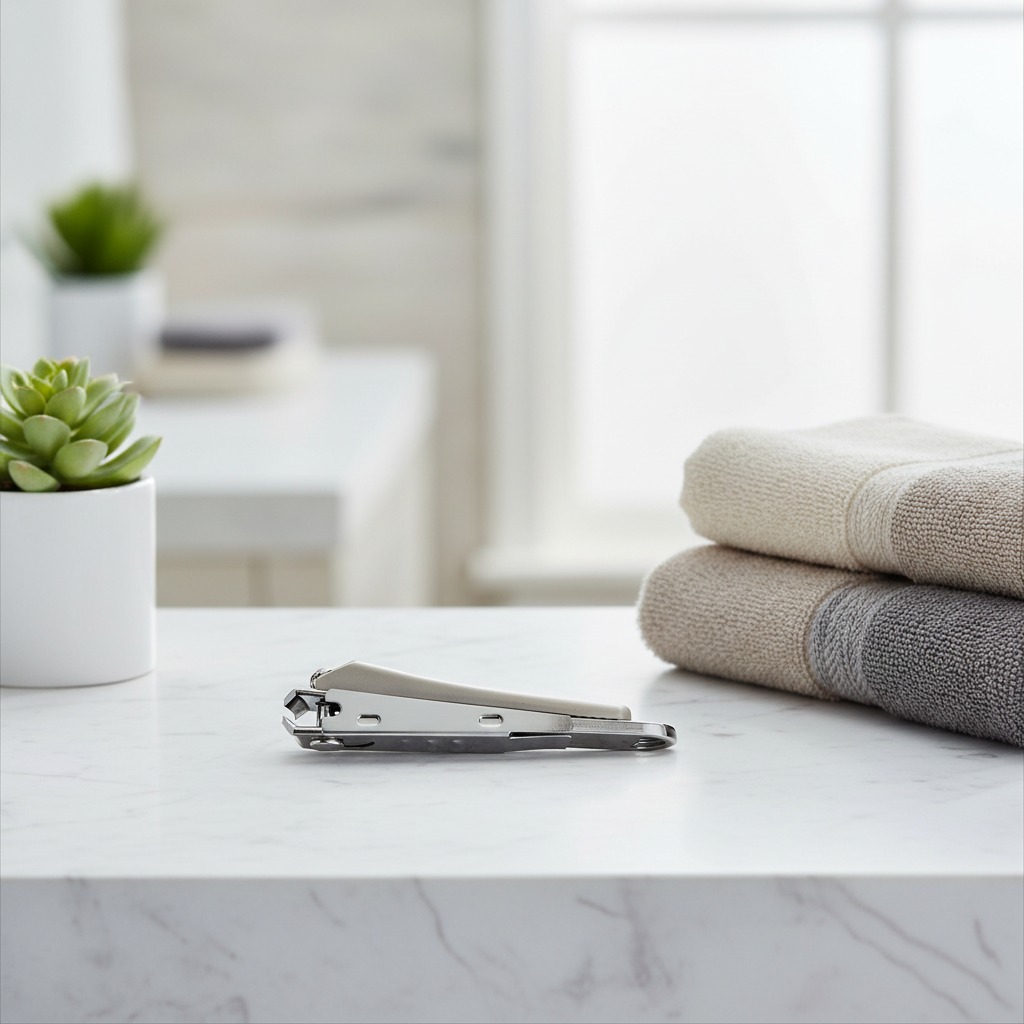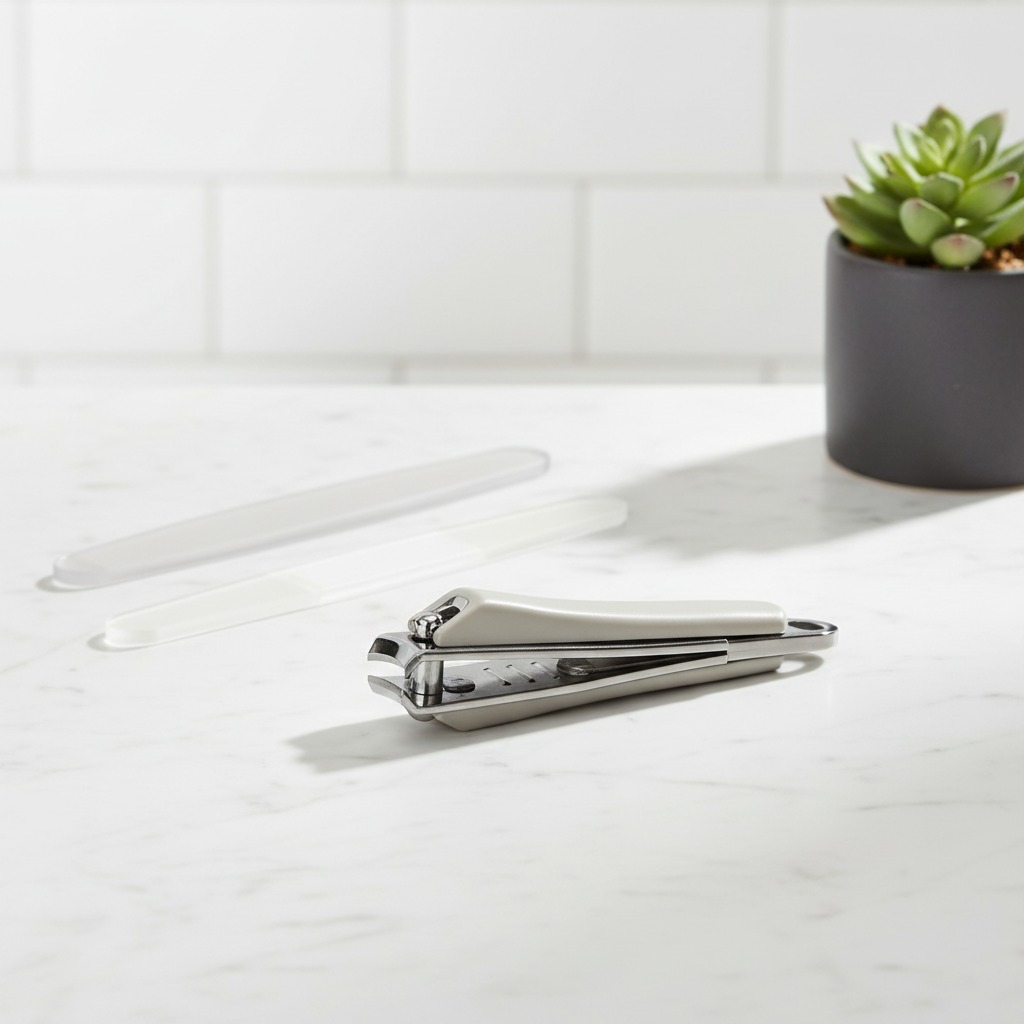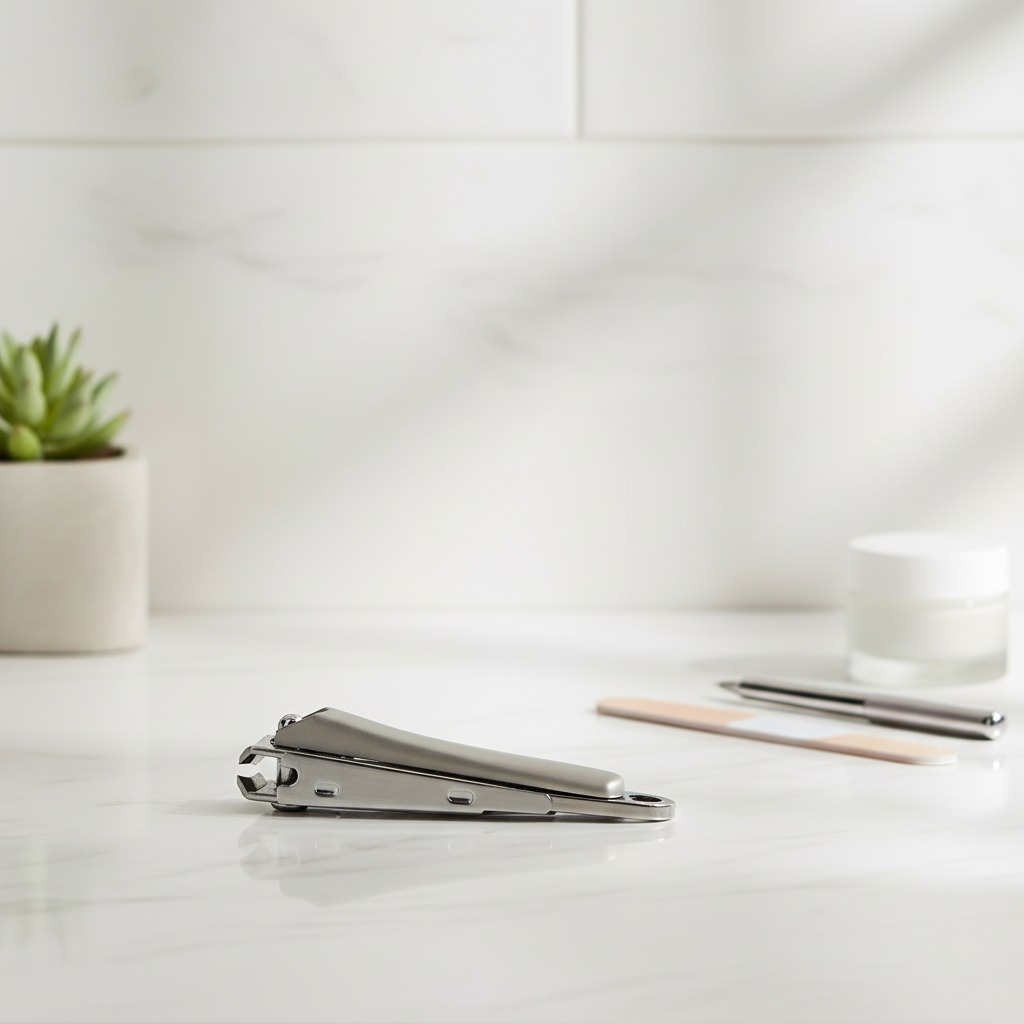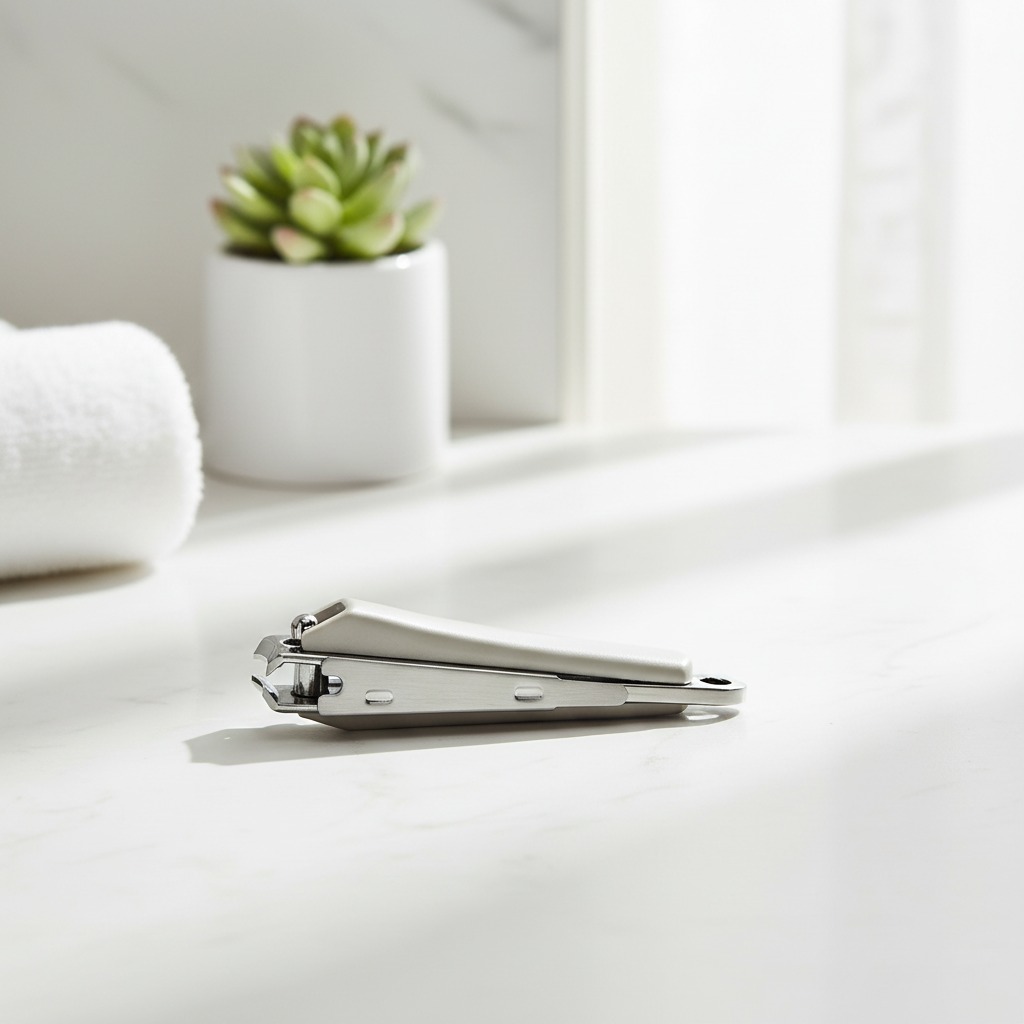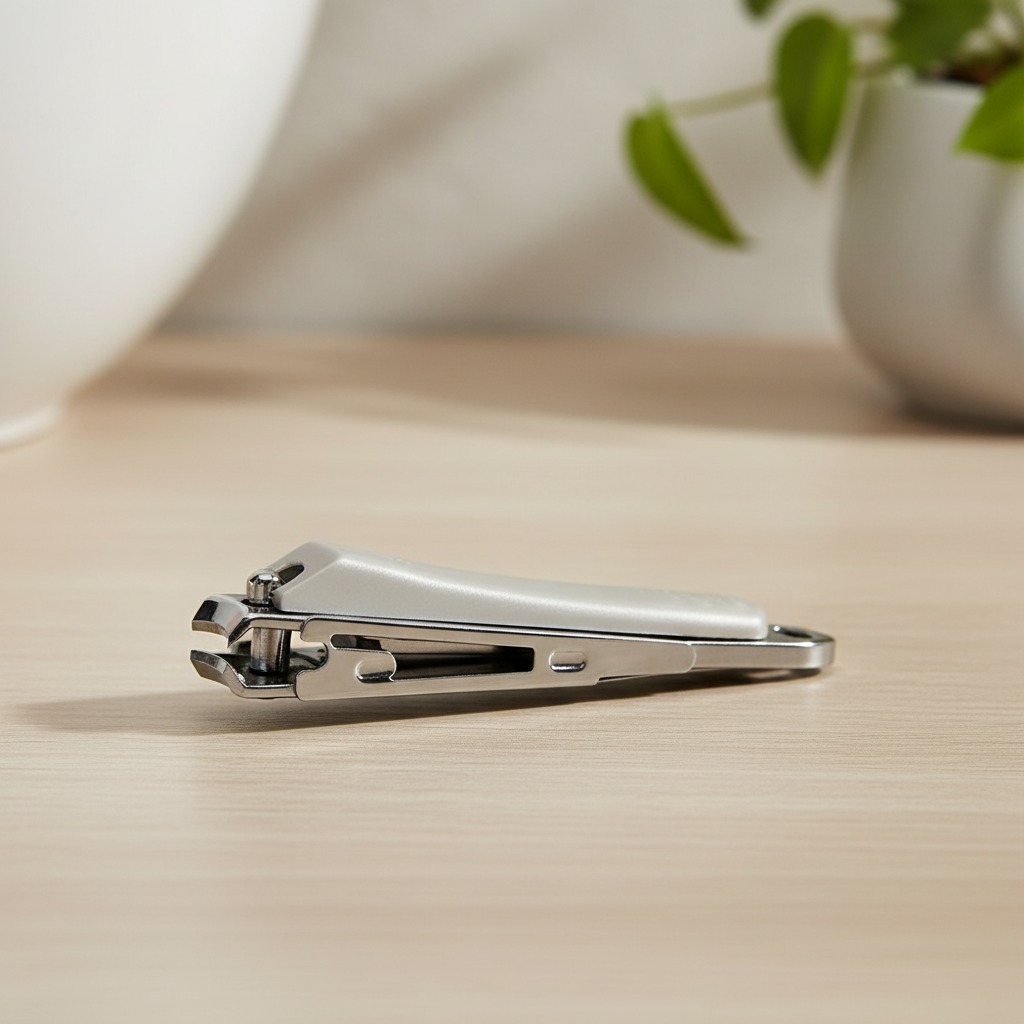
For beauty brands, grooming distributors, supermarket buyers and salon supply companies, a nail clipper is a small product with a surprisingly large impact on customer satisfaction. If the jaws do not align, the cutting edge dulls quickly or the grip feels awkward, buyers notice immediately. That is why choosing a nail clipper factory is not only a price decision. It is a sourcing decision that affects product reviews, repeat orders, packaging consistency and long-term brand trust.
Olimor Beauty works with buyers who need practical, repeatable nail clipper supply for wholesale and OEM programs. The goal is straightforward: help purchasers understand what to check before placing a bulk order, how to define an OEM nail clipper clearly, and how to reduce avoidable quality issues during production and packaging. Whether you are building a private-label grooming line or adding a compact travel clipper to an existing assortment, the right purchasing brief will make the project easier to quote, sample and deliver.
You can browse broader beauty tool products to compare related grooming categories, or review product collections when planning a coordinated retail range.
What a Nail Clipper Factory Should Control Before Production
A dependable nail clipper starts with controlled manufacturing steps, not only with the final inspection. The most important areas for a factory to manage are material selection, forming, cutting-edge preparation, surface finishing, assembly and packaging. Each step affects how the clipper feels in the hand and how cleanly it cuts.
Stainless steel construction is commonly preferred for nail clippers because buyers expect durability, corrosion resistance and a sharp cutting edge. However, the word “stainless steel” alone is not enough for a purchasing decision. Wholesale buyers should define the intended user, retail position and packaging environment. A clipper for a value multipack may have different requirements from a single premium tool sold in a gift set or travel kit.
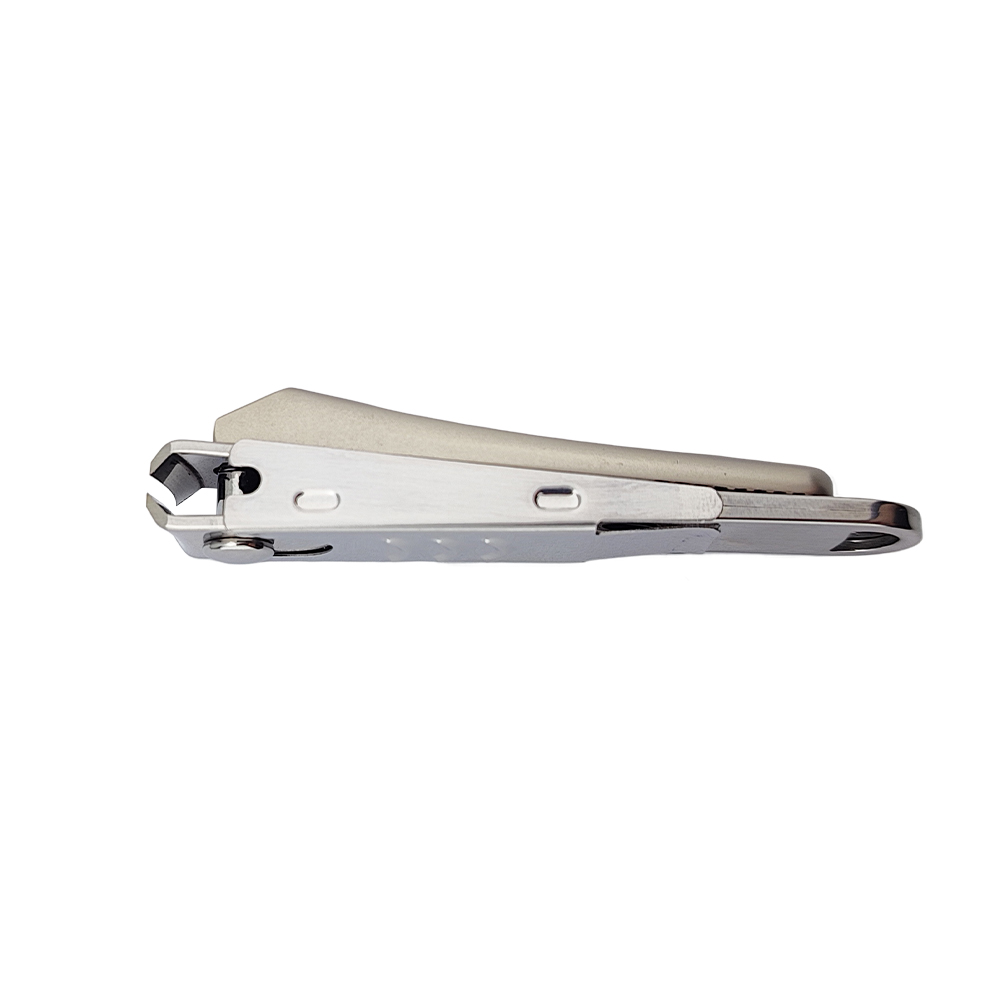
Before confirming a production order, a buyer should review samples for jaw alignment, spring-back feel, lever resistance, edge finish and comfort during repeated use. A nail clipper that looks acceptable in a product photo may still fail if the lever feels loose or if the cutting edge crushes the nail instead of trimming cleanly. Because the product is simple, defects are easy for consumers to identify.
OEM Nail Clipper Decisions That Affect the Final Product
OEM nail clipper projects usually involve more than adding a logo. The buyer may need to select size, profile, handle shape, finish, packaging format and whether a built-in file is required. The original Olimor Beauty case materials refer to custom designs with built-in files and compact profiles for travel-friendly use. Those features are useful when the sales channel focuses on convenience, handbags, toiletry kits or airline-compliant grooming accessories.
When preparing an OEM brief, define the product in commercial terms first. Is it a retail impulse item, a salon resale product, a promotional grooming tool or part of a complete manicure kit? The answer influences every sourcing decision, from packaging strength to logo placement. For example, a clipper sold online may need packaging that protects the cutting edge during parcel handling, while a clipper sold on a retail peg may need clear visual access and a compact card footprint.
- Size and use case: Decide whether the clipper is for fingernails, toenails, travel kits or mixed household use.
- Grip and lever comfort: Check whether the lever is easy to control without slipping during trimming.
- Cutting performance: Review sample cuts on different nail thicknesses and look for clean trimming rather than tearing.
- Surface finish: Confirm the finish supports the desired retail position and does not show obvious marks or rough edges.
- Branding method: Consider where the logo will sit and whether it remains visible after handling and packaging.
- Packaging format: Match the pack to the sales channel, display method and shipping conditions.
Quality Checks for Wholesale Nail Clipper Orders
Bulk procurement requires consistent inspection standards. A buyer should not rely only on a good pre-production sample. The sample sets the reference, but mass production needs checks at multiple points so that alignment, sharpness and appearance remain consistent across cartons.
Olimor Beauty’s original case information describes quality checks from raw material selection to final packaging and notes a reported 40% defect reduction after improving manufacturing controls. For buyers, the practical lesson is that quality is easier to protect when requirements are documented before production begins. If the acceptable level of cosmetic marks, jaw alignment and package sealing is not clear, disputes become more likely later.
A useful wholesale inspection plan should include incoming material review, in-process checks, assembled product testing and final packed-goods inspection. For nail clippers, the most important inspection points are not complicated, but they must be repeated consistently. Look for clean edge contact, centered jaws, smooth lever motion, secure rivet or pivot function, safe finishing without burrs and packaging that keeps the product stable.
- Approve a reference sample: Keep one approved sample with the buyer and one with the factory for comparison.
- Confirm critical defects: Define unacceptable issues such as misaligned jaws, loose assembly, visible rust, sharp burrs or incorrect branding.
- Check packed presentation: Inspect not only the clipper but also card printing, barcode placement, insert direction and carton labeling.
- Review shipment readiness: Make sure cartons, inner packs and product counts match the purchase order before release.
Bulk Procurement: How to Compare Price, Value and Risk
When buyers search for a nail clipper wholesaler or nail clipper China manufacturer, unit price is usually one of the first comparison points. It matters, but it should be weighed together with consistency, packaging accuracy and after-order communication. A lower price can become expensive if the product generates returns, poor reviews or repacking work after arrival.
The original Olimor Beauty case mentions a major European distributor project involving more than 50,000 units with customized branding and a reported 25% cost reduction through efficient production lines. That type of result depends on planning: stable specifications, clear artwork, confirmed packaging details and production organization. For most buyers, the key takeaway is to reduce uncertainty before the order starts, not after the goods are finished.
A practical way to compare suppliers is to use a weighted checklist instead of choosing by quotation alone. Give more weight to the issues that affect your sales channel. For example, an ecommerce seller may care most about cutting performance and packaging protection, while a retail chain may prioritize carton labeling, display compliance and repeat-order consistency.
Packaging and Branding Choices for Private-Label Nail Clippers
Packaging is often where a simple grooming tool becomes a marketable product. A nail clipper can be packed for retail display, travel kits, professional salon resale or multi-piece grooming sets. The packaging should protect the cutting edge, communicate the product clearly and support fast receiving at the buyer’s warehouse.
For private-label programs, branding should be planned early. Logo size, placement and artwork files need to be compatible with the product surface and packaging style. Buyers should also review whether regulatory copy, country-of-origin statements, barcodes, warning text or multilingual labels are required for their market. These requirements vary by destination and sales channel, so they should be built into the packaging brief before sampling.
If you are unsure which packaging direction best suits your distribution channel, you can contact Olimor with your target market, sales format and expected retail environment. For order planning, artwork review or sample discussion, you can also send an inquiry with your current specifications.
Questions Buyers Should Resolve Before Requesting a Quote
A clear request helps a factory return a more useful quotation and reduces back-and-forth communication. Instead of asking only for the cheapest nail clipper, provide the intended size, quantity range, packaging concept, branding needs and destination market. If you already have a benchmark sample, describe what you like and what should be improved. This allows the factory to understand whether your focus is price, retail appearance, cutting comfort or product durability.
Before placing a bulk order, resolve these points internally: target customer, sales channel, expected retail price range, packaging type, branding requirements, acceptable sample standard and inspection priorities. These details make it easier to compare quotations fairly. Two nail clippers that look similar in a small image may differ in finish, cutting feel, packaging and assembly quality.
For long-term wholesale programs, consider repeatability as well. If you plan to reorder the same SKU, keep artwork files, approved samples and written specifications organized. This supports consistent future production and helps prevent unwanted changes between batches.
Choosing Olimor Beauty for Nail Clipper OEM and Wholesale Supply
Olimor Beauty’s role as a nail clipper factory, wholesaler and OEM partner is focused on helping buyers turn a small grooming item into a reliable product line. The most successful projects are built on clear specifications, practical sampling, documented quality expectations and packaging that fits the sales channel.
For buyers who want to buy nail clippers in bulk, the best starting point is not simply asking for a price list. Start with the product purpose: travel, salon resale, retail display, promotional use or private-label grooming range. From there, define the clipper size, cutting expectations, finish, packaging and branding. This approach gives the factory the information needed to support a practical quotation and gives the buyer a stronger basis for quality control.
A nail clipper may be compact, but the sourcing process deserves careful attention. With the right manufacturing controls and a well-prepared OEM brief, buyers can reduce defects, protect brand presentation and build a more dependable wholesale grooming category.