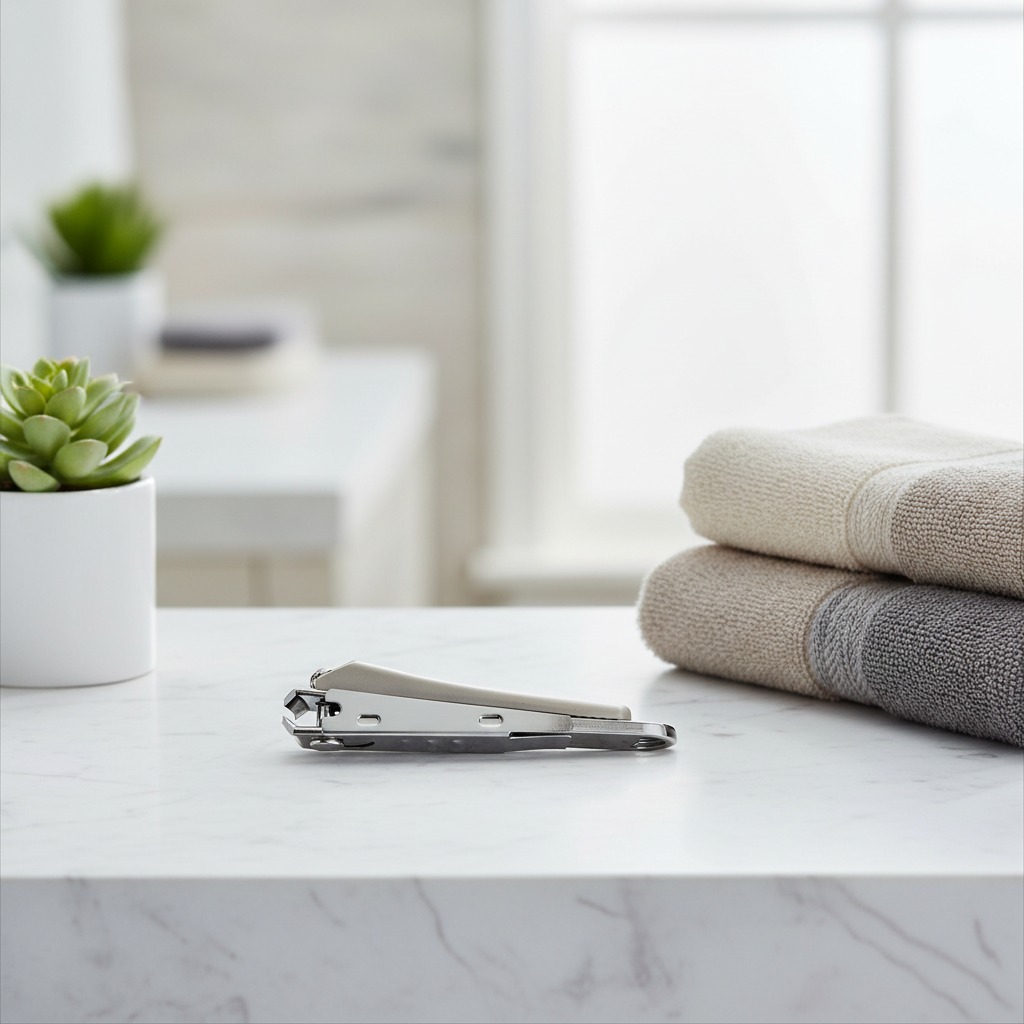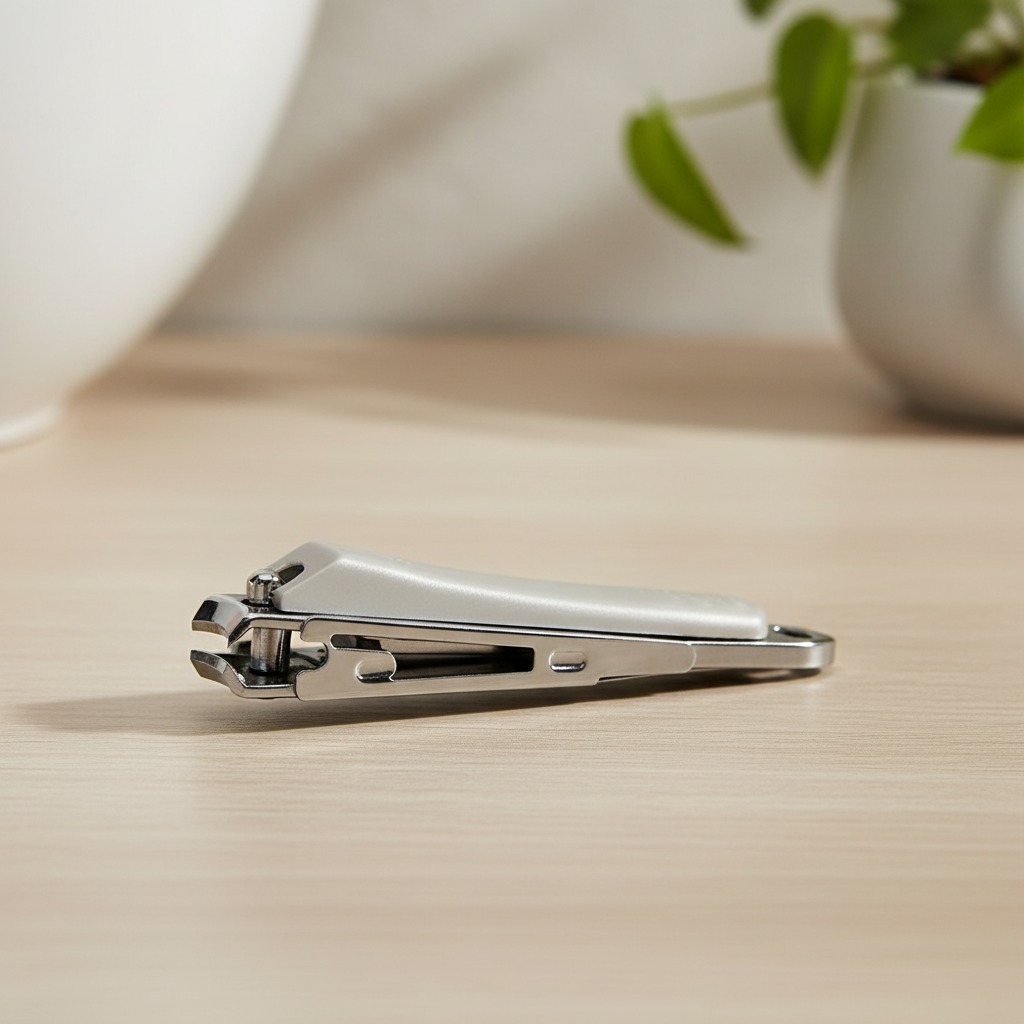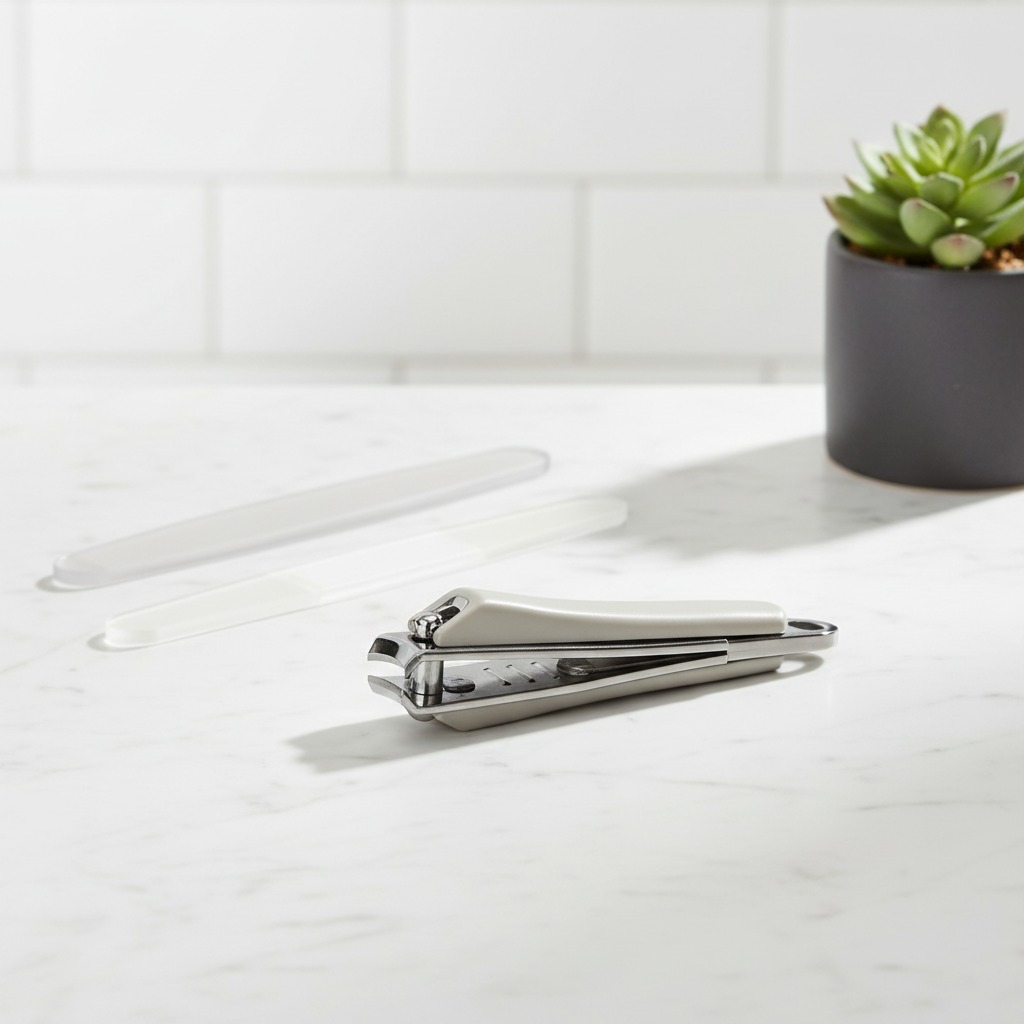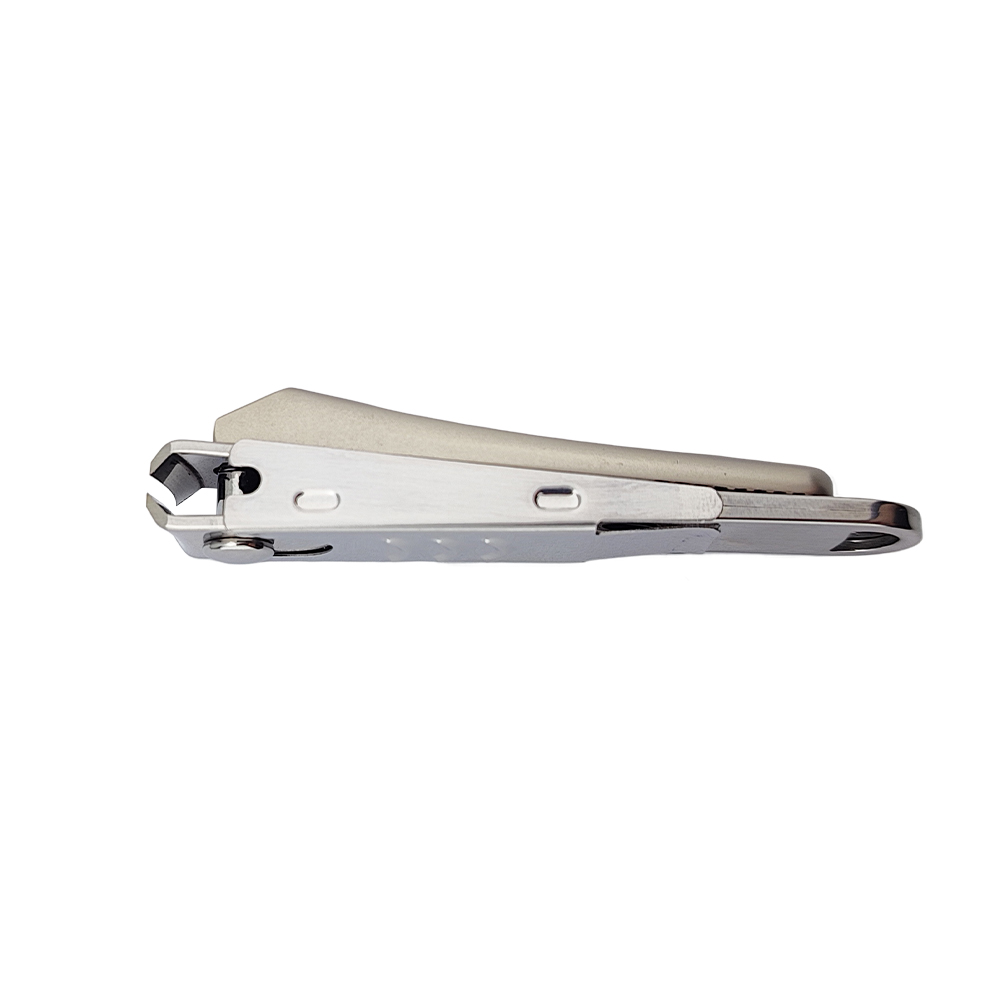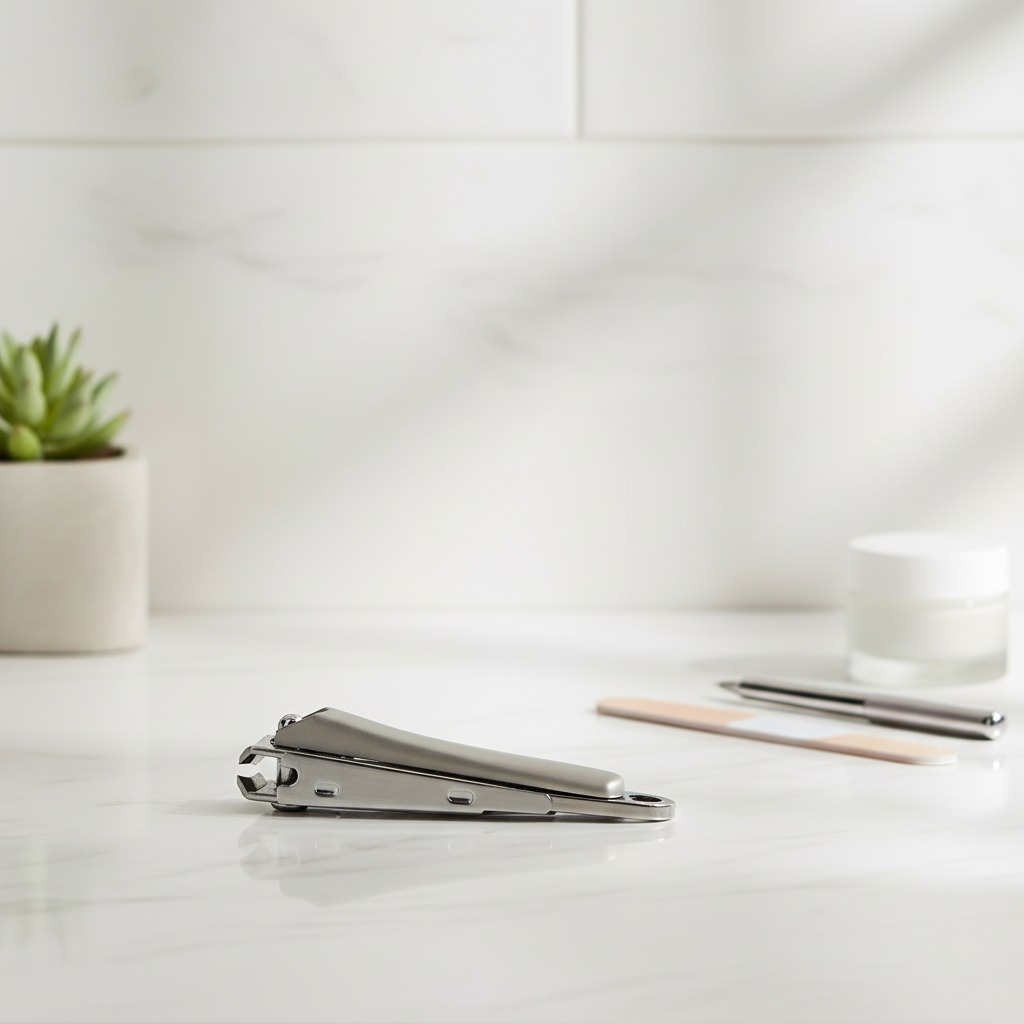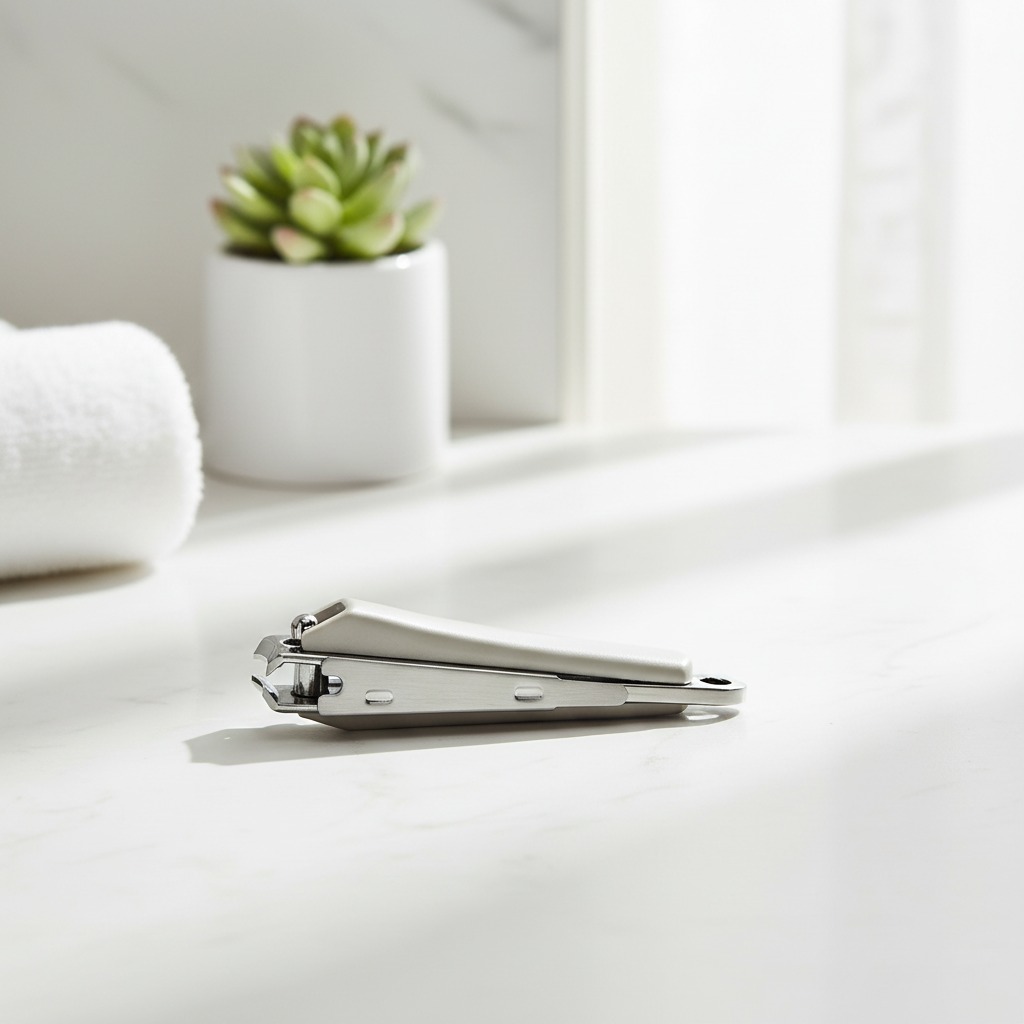











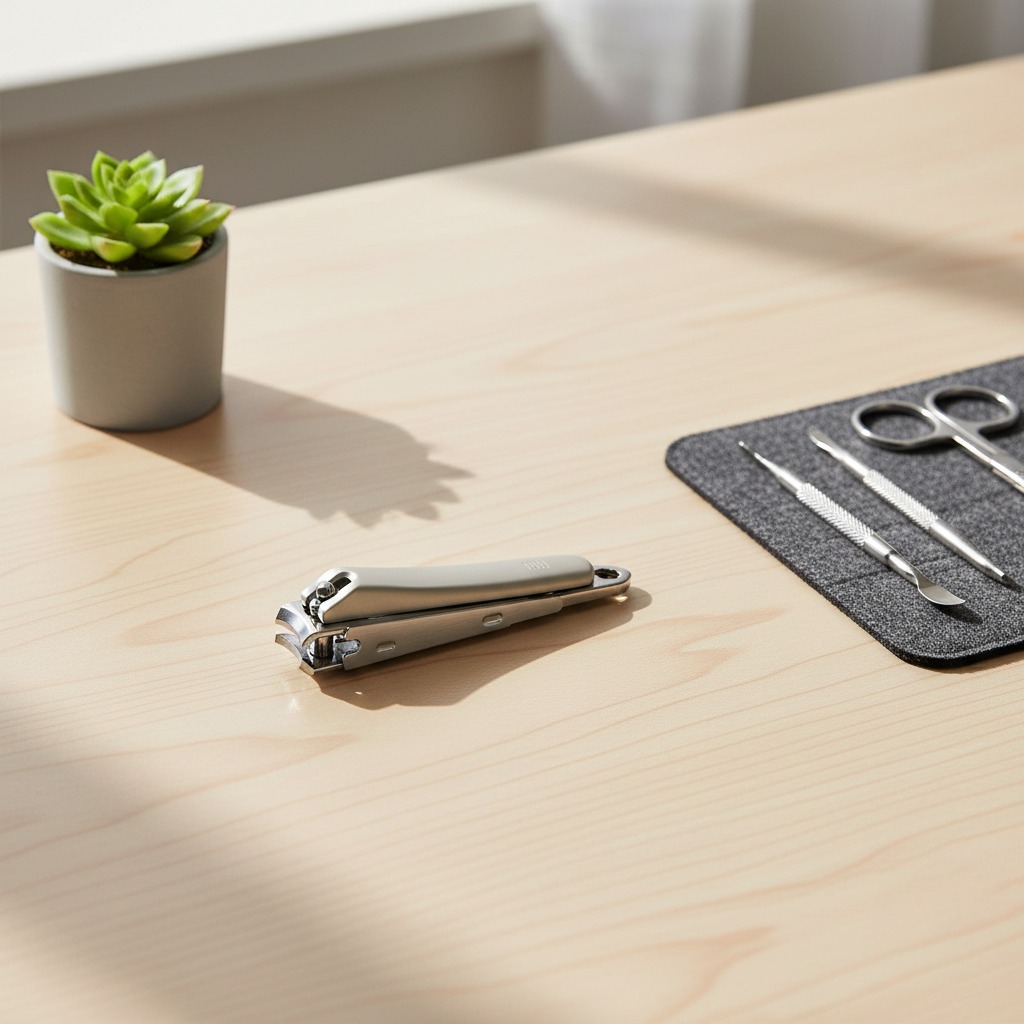
A nail clipper looks simple, but buyers know that small grooming tools can create big quality problems when the factory is not chosen carefully. A clipper that feels loose, cuts unevenly, leaves rough nail edges or rusts too quickly can damage repeat sales for retailers, pharmacies, beauty distributors and private-label brands. For wholesale and OEM projects, the goal is not only to buy nail clippers in bulk; it is to source a consistent tool that end users trust every time they trim their nails.
Olimor Beauty works in the beauty-tools category with a focus on practical grooming tools, including nail clippers made for retail, promotional, travel and private-label programs. This guide explains what professional buyers should review when evaluating a nail clipper factory, how to compare product options, and which questions help reduce sourcing risk before mass production begins.
What Makes a Nail Clipper Factory Worth Evaluating?
A reliable nail clipper factory should be able to explain how it controls the key parts of the product: material selection, blade shaping, spring action, surface finish, assembly and packing. The most attractive sample is not enough. Buyers need to know whether the same cutting feel can be repeated across a full wholesale order.
The original purpose of a nail clipper is clean, controlled trimming across different nail types. Stainless steel is commonly preferred because it offers strength, a clean appearance and practical resistance for personal grooming use. The cutting edges should align closely when the lever is pressed. The jaws should meet without visible gaps, and the lever should give enough pressure without feeling stiff or unstable.
Ergonomics also matter. A nail clipper may be used by teenagers, adults, seniors, salon staff or travelers. A compact travel clipper may need a lighter body and easy storage, while a full-size clipper for toenails may require stronger leverage and a wider jaw. A factory that understands these differences can help buyers select the right construction instead of treating every clipper as the same item.
Key Product Details Buyers Should Check Before Ordering
Before placing a bulk nail clipper order, review the physical sample in the same way a customer would use it. Do not rely only on appearance. The clipper should cut smoothly, leave a neat edge and feel secure in the hand. For OEM programs, the sample review should also include finish, logo area and packaging layout.
- Blade alignment: The upper and lower cutting edges should meet evenly from one side to the other.
- Blade curve: Curved blades are useful for natural fingernail shaping, while different jaw widths may suit different grooming needs.
- Lever pressure: The lever should press down smoothly and return reliably without wobbling.
- Surface finish: Check for sharp burrs, rough edges, uneven polishing or coating flaws.
- Grip comfort: The body should allow controlled handling, especially for smaller clippers used in travel kits.
- Durability of assembly: Pins, levers and moving points should feel stable during repeated use.
- Packaging protection: Packaging should prevent scratches, keep the product clean and present the item clearly for retail sale.
These checks are simple, but they reveal whether a nail clipper supplier is focused on real usability or only on low-cost appearance. If you are comparing different grooming categories, you can also browse Olimor beauty tool products to understand how nail tools fit into a wider personal-care assortment.
Wholesale Nail Clippers: Matching the Product to the Sales Channel
Wholesale buyers often serve several channels at once: supermarkets, beauty stores, pharmacies, e-commerce sellers, hotels, gift suppliers or nail-care distributors. The same nail clipper will not suit every channel. A low-profile travel clipper may be ideal for amenity kits, while a premium-feel stainless steel clipper may be more appropriate for retail hanging cards or boxed grooming sets.
When choosing from a nail clipper factory, define the use case first. For high-volume retail, consistent finish and packaging efficiency may be priorities. For beauty distributors, a cleaner look and comfortable cutting action may matter more. For promotional orders, logo placement, packaging surface and delivery planning become important. For online sellers, product photos, protective packing and low defect rates are closely connected to customer reviews.
A useful buying decision is to separate the product into tiers. Entry-level does not have to mean poor cutting; it should still be safe and functional. Mid-range products may add better finishing, stronger hand feel or more polished packaging. Premium private-label programs may require tighter visual standards and a more distinctive exterior design. Discussing these tiers early helps the factory recommend realistic options without adding unnecessary cost.
OEM Nail Clipper Projects: Customization Without Losing Function
OEM nail clipper development is not only about adding a logo. A private-label buyer may want a particular finish, a compact travel-friendly design, retail packaging, color direction or a coordinated grooming set. These choices affect tooling, printing, surface treatment, packaging materials and inspection standards. The best result comes when customization supports the product’s function rather than distracting from it.
For example, a matte finish can create a modern appearance, but it must still feel comfortable and resist obvious handling marks in normal use. A compact design may be convenient for travel, but the lever still needs enough strength for clean cutting. A logo can improve brand recognition, but it should be placed where it will not interfere with grip or wear away too quickly from frequent contact.
Buyers planning an OEM program should prepare a clear brief before production discussion. Include the target market, retail channel, expected packaging style, preferred finish, logo method if known, and any product-size expectations. If the brand already sells other grooming tools, the nail clipper should visually match the broader line. Olimor’s product collections can help buyers think about how individual tools may be grouped for retail or gift-focused assortments.
A Practical Factory Review Checklist
The following table gives buyers a structured way to compare nail clipper manufacturers. It is especially useful when several factories offer similar-looking samples at different prices.
| Review Area | What to Check | Why It Matters |
|---|---|---|
| Material | Confirm the stated material and surface finish options. | Material choice affects durability, appearance and buyer positioning. |
| Cutting Performance | Test blade alignment, sharpness and nail-edge smoothness. | End users judge the product mainly by how cleanly it cuts. |
| Assembly | Check lever movement, pin stability and jaw closing action. | Poor assembly can cause inconsistent pressure and early failure. |
| OEM Support | Review logo, finish, packaging and sample approval process. | Clear customization control reduces misunderstandings before mass production. |
| Quality Control | Clarify inspection points from raw material through final packing. | Consistent checking helps keep bulk orders close to approved samples. |
| Packing | Evaluate retail display needs, protection and barcode or label space. | Packaging affects shelf presentation, shipping condition and warehouse handling. |
This checklist does not replace a formal purchasing process, but it helps buyers focus on details that influence real customer satisfaction. A nail clipper that passes visual inspection but fails in cutting performance is not a successful product.
Quality Control From Sample to Bulk Production
One of the most important sourcing questions is whether the bulk order will match the approved sample. Quality control should not begin at final packing. It should cover incoming materials, shaping and grinding, polishing or finishing, assembly, cutting checks and packaging review. Even small variations in blade alignment can change the user experience.
For a nail clipper China manufacturer serving international buyers, production communication is also part of quality control. Clear specifications reduce errors. Sample approval should document the visible finish, size, packaging, logo placement and any performance expectations that can be checked during inspection. If a buyer changes packaging or surface finish after sample approval, the effect on lead time and production steps should be reviewed before the order moves forward.
Buyers should keep an approved sample for reference and request pre-production confirmation when customization is involved. For larger programs, inspection criteria should define acceptable appearance, function and packaging conditions. This approach is more effective than relying on general statements such as “good quality” or “premium finish.”
Choosing Olimor Beauty for Nail Clipper Sourcing
Olimor Beauty’s nail clipper offering is built around the needs of buyers who require practical grooming tools for wholesale and OEM supply. The focus is on stainless steel construction, ergonomic handling, sharp curved blades and consistent production communication for bulk orders. For retailers and distributors, that means a product that can fit common personal-care categories. For private-label brands, it means a platform for customization while keeping the cutting function at the center of the design.
The right nail clipper factory should help you make decisions, not simply quote a price. It should guide you through product selection, finish options, packaging direction and quality-control expectations. Whether you are planning a straightforward wholesale order or developing a private-label grooming item, start with the end user: the person who expects a clean cut, comfortable grip and dependable tool.
If you are comparing nail clipper OEM options or preparing a bulk grooming-tool program, you can send an inquiry with your target market, packaging needs and customization ideas. For broader sourcing questions, you may also contact Olimor to discuss the best product direction for your channel.