Nail clippers look simple, but the wrong choice can create repeated problems: rough edges, hand strain, frequent replacement, slow service times or tools that do not match the user. For salons, distributors, care providers and households, the value of a nail clipper is not only in how sharp it feels on the first day. It is in how consistently it performs, how comfortable it is for different hands, and how easily it fits into a safe, repeatable nail-care routine.
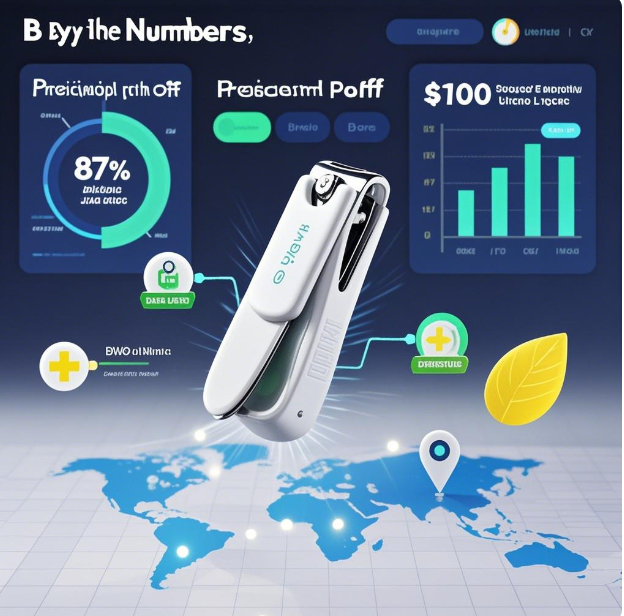
Olimor Beauty customer cases point to a clear pattern: users respond well when a clipper is chosen for the actual job rather than bought as a generic accessory. Reported results include an 87% customer satisfaction level, more than $100 in savings in selected use scenarios, and fewer everyday frustrations around trimming. The examples below show how to read those numbers carefully and turn them into a practical sourcing checklist.
Why Nail Clipper Performance Should Be Measured in Use, Not Just Appearance
A polished finish, compact size or attractive retail package can help a nail clipper sell, but these details do not prove performance. The better questions are more practical: Does the tool cut cleanly without crushing the nail? Is the lever comfortable for people with limited grip strength? Does the cutting edge maintain its function over repeated use? Can the tool be cleaned and stored easily between services?
For professional and retail buyers, customer satisfaction is often tied to the invisible details of daily use. A salon technician may judge a clipper by speed and consistency. A senior user may judge it by how much pressure is required. A family may judge it by durability and whether one tool can serve several users without feeling disposable. That is why customer cases are useful: they show the connection between product features and actual outcomes.
If you are comparing options across beauty tool products, use case data as a starting point rather than a final answer. The same feature can have different value depending on the user. A rotating head, for example, may matter most for someone with restricted hand movement, while an ergonomic grip may matter most in a salon where the tool is used many times a day.
Case 1: Salon Use and the Cost of Inconsistent Cutting
One professional case involved Luxenails Studio in Toronto, Canada. The salon’s challenge was repeated complaints about cut quality and the ongoing cost of replacing tools. In a salon environment, a clipper that feels acceptable for occasional home use may not stand up to repeated appointments. A small decline in sharpness can lead to slower trimming, more finishing work and a less confident service experience.
The salon used an Olimor professional series nail clipper with self-sharpening blades and an ergonomic grip. The reported results were an increase in customer satisfaction from 62% to 87%, monthly savings of $100 on replacement clippers, and a 15% reduction in service time. These figures are meaningful because they connect the tool to three business outcomes: client perception, operating cost and technician efficiency.
For salon buyers, the lesson is not simply to choose the sharpest-looking clipper. It is to evaluate how the clipper performs during repeated trimming sessions. A professional nail clipper should give the technician control over angle and pressure, reduce the need for corrective filing, and feel stable in the hand. When testing samples, salons can track how many services are completed before the tool feels less precise and whether different technicians report similar handling comfort.
Case 2: Senior Nail Care and the Importance of Ergonomics
Another case centered on Margaret, a 72-year-old user in Chicago, Illinois, who found nail trimming painful because of arthritis. For users with reduced hand strength or joint discomfort, the main problem is often not the blade alone. It is the combined effort required to hold the clipper, position the nail and press the lever with control.
The solution used in this case was the Ergoflex nail clipper with a 360-degree rotating head and pressure-sensitive blades. The reported outcome was a 95% reduction in hand strain, no longer relying on costly salon visits, and savings of $120 per year. For an individual user, the most important result may be independence. A nail clipper that reduces strain can make routine self-care easier and more dignified.
Buyers serving senior-care, pharmacy, wellness or home-care channels should pay close attention to lever effort, grip shape and cutting angle. A clipper may be technically sharp but still difficult to use if the user must twist the wrist into an uncomfortable position. A rotating head can help the user approach nails from a more natural angle. A larger or more stable grip can also reduce slipping and improve confidence.
Case 3: Family Use, Waste Reduction and Long-Term Value
A third case involved an eco-conscious family in Portland, Oregon. Their challenge was that disposable or frequently replaced clippers did not match their low-waste goals. The family used the Ecoblade clipper with 100% recycled steel and a 10-year warranty. Reported results included eliminating more than 12 plastic clippers per year and saving $100 over five years compared with cheaper alternatives.
This example is useful for retail buyers because it shows how value can be defined beyond the first purchase price. A low-cost clipper that needs frequent replacement may not be low cost over time. It can also create frustration when different family members need reliable trimming for fingernails and toenails. Durability, clean cutting and sensible storage can matter more than a very low unit price.
For families, the best choice is usually a tool that balances safety, ease of cleaning and strength. A clipper should not require excessive pressure, but it also should not feel flimsy. If the tool will be shared, the household should have a simple cleaning habit after each use and a dedicated storage place to reduce contamination and loss.
What the Numbers Suggest for Buyers
The reported customer data included 87% of customers noting a significantly improved grooming experience, more than $100 average annual savings compared with budget alternatives, and 92% recommending the tool to friends and family. Numbers like these are helpful, but buyers should interpret them through their own channel needs.
A salon should ask whether savings come from fewer replacements, faster appointments or improved client retention. A retailer should ask whether the product story is clear enough for shoppers to understand at the shelf or product page. A distributor should ask whether the clipper line covers enough user types: professional, senior, family and travel use may each require different design priorities.
| Buyer type | Main problem to solve | Feature to evaluate | Useful performance question |
|---|---|---|---|
| Salon owner | Slow service and inconsistent trimming | Blade quality, grip stability, repeat use comfort | Does the clipper reduce corrective filing and replacement frequency? |
| Senior-care buyer | Hand strain and limited wrist movement | Lever effort, rotating head, ergonomic grip | Can users trim safely without painful pressure? |
| Retail distributor | High return risk and unclear product fit | Packaging explanation, user segmentation, durability | Can shoppers quickly understand who the clipper is for? |
| Family household | Frequent replacement and shared use | Material durability, easy cleaning, storage | Will the tool stay reliable across repeated users? |
How to Evaluate a Nail Clipper Before Ordering
Whether buying for professional use or resale, a structured review prevents decisions based only on price. Use a small internal test group if possible, including people with different hand sizes and nail types. Observe how they hold the tool, how much pressure they use, and whether the cut edge is smooth enough before filing.
- Cut quality: Check whether the nail is cut cleanly or crushed at the edge.
- Control: Look for slipping, awkward wrist angles or difficulty positioning the nail.
- Comfort: Test the lever pressure across several trims, not only one cut.
- Consistency: Compare performance after repeated use instead of judging only a new sample.
- Cleaning: Confirm that the tool can be wiped and stored without trapping debris.
- Channel fit: Match the product to salon, senior-care, family or retail needs.
If you are building a broader grooming assortment, compare nail clippers alongside related product collections so the final range feels coherent. A professional collection may prioritize service efficiency and durability, while a consumer wellness collection may prioritize comfort, accessibility and simple instructions.
Maintenance Habits That Protect Performance
Even a well-designed nail clipper performs better when users care for it properly. Basic maintenance can reduce hygiene concerns, preserve cutting feel and extend practical service life. After each use, remove nail debris and wipe the cutting area. Store the clipper in a dry place rather than leaving it in a damp bathroom drawer. For shared tools, cleaning should be more deliberate and consistent.
Users should also avoid forcing a clipper through nails that are too thick or unsuitable for the tool’s size. Excessive force can reduce control and may damage the cutting edge or lever. If a user needs to trim tougher toenails, a stronger clipper designed for that task may be more appropriate than a small fingernail clipper.
Turning Customer Cases into Better Sourcing Decisions
The main lesson from these Olimor Beauty nail clipper cases is that a good buying decision starts with the user. Satisfaction and savings are not created by a single feature in isolation. They come from a match between blade performance, comfort, durability, cleaning needs and the setting where the tool is used.
For salons, the focus should be repeatability and service efficiency. For seniors, the focus should be strain reduction and safe control. For families, the focus should be long-term value and responsible use. For distributors, the focus should be clear segmentation so each product has a defined audience and purpose.
To discuss nail clipper options for a specific channel or assortment plan, you can contact Olimor or send an inquiry with your intended use case, target customer and packaging needs. A clear use case makes it easier to compare products in a meaningful way and choose tools that perform well after purchase, not only on the product page.