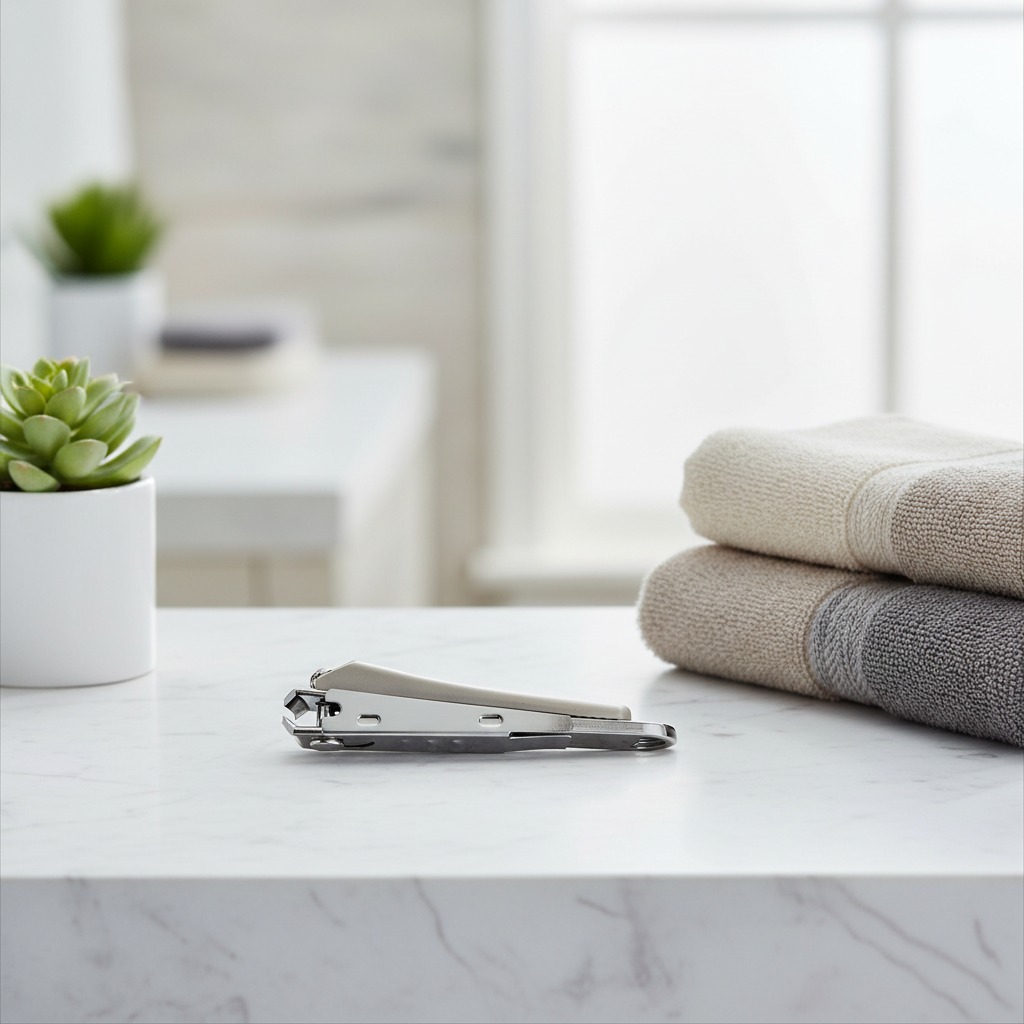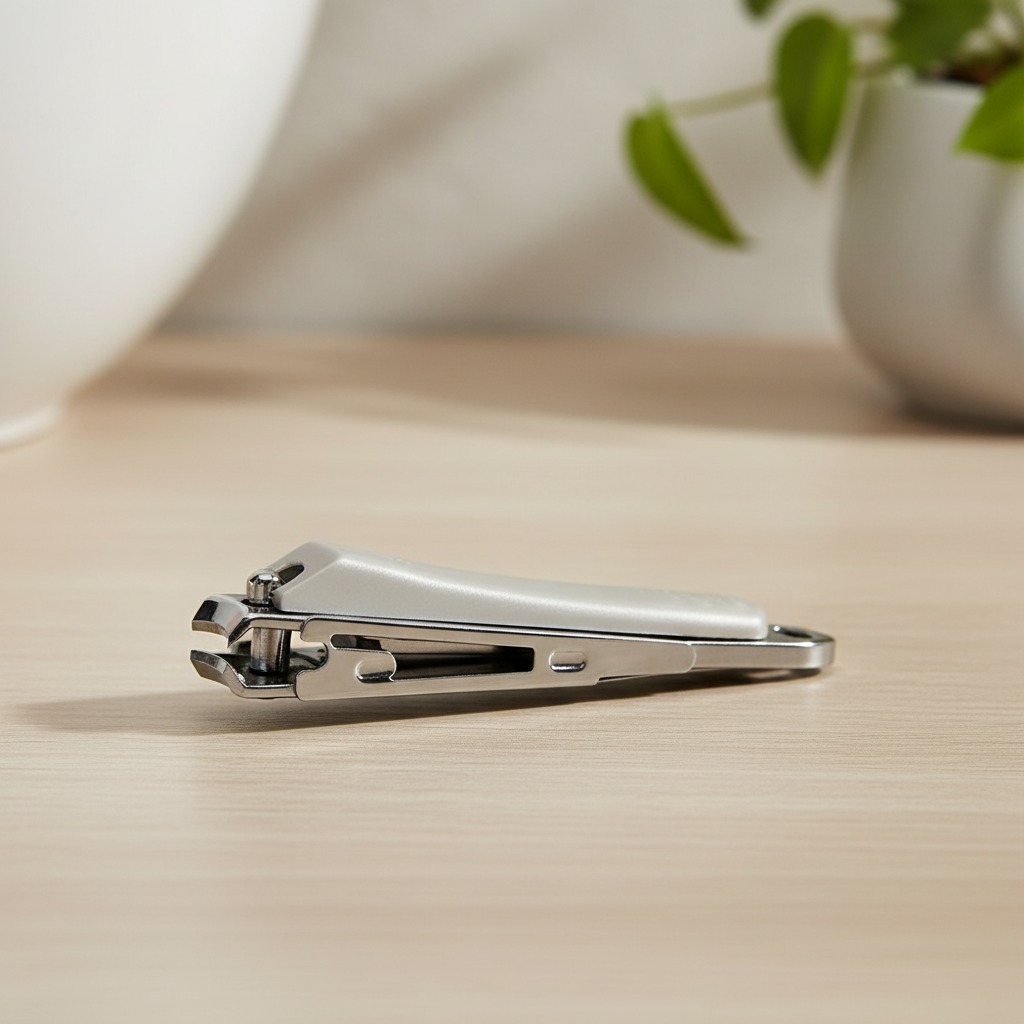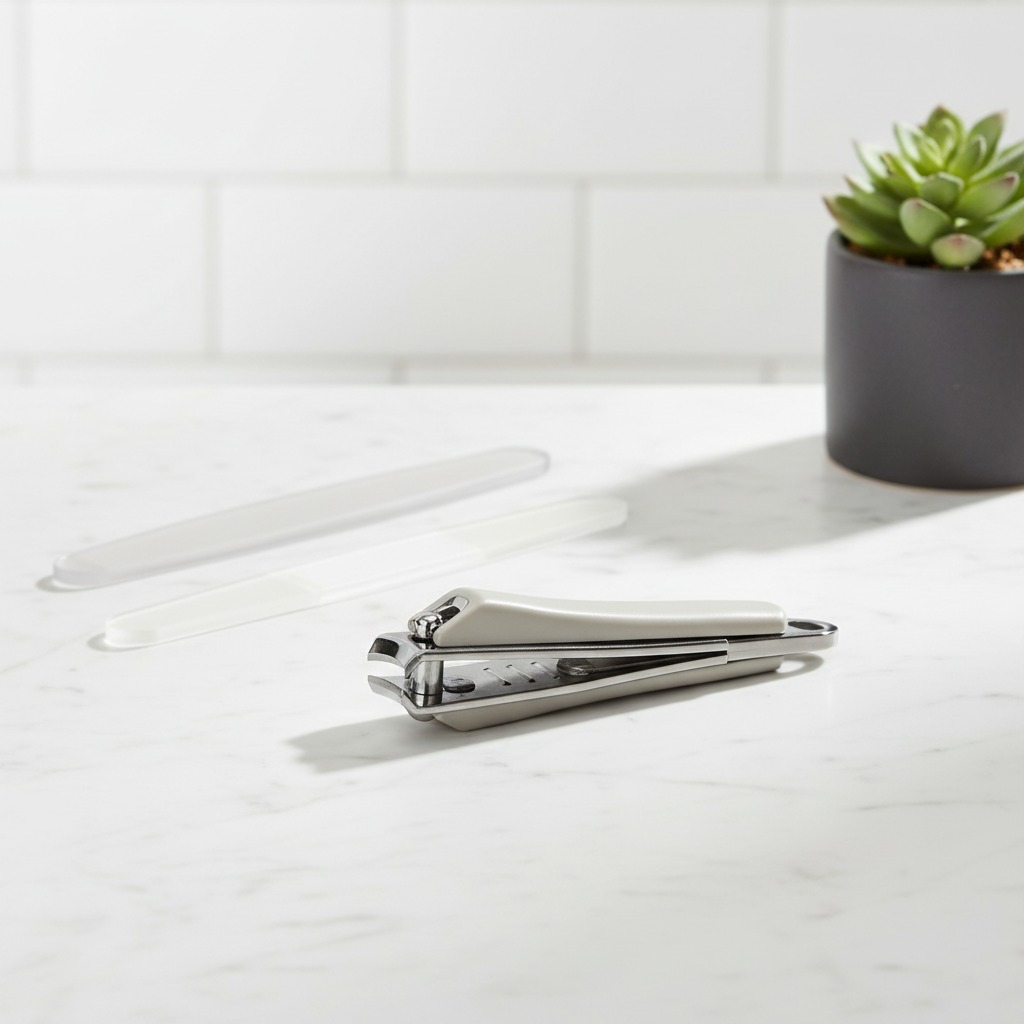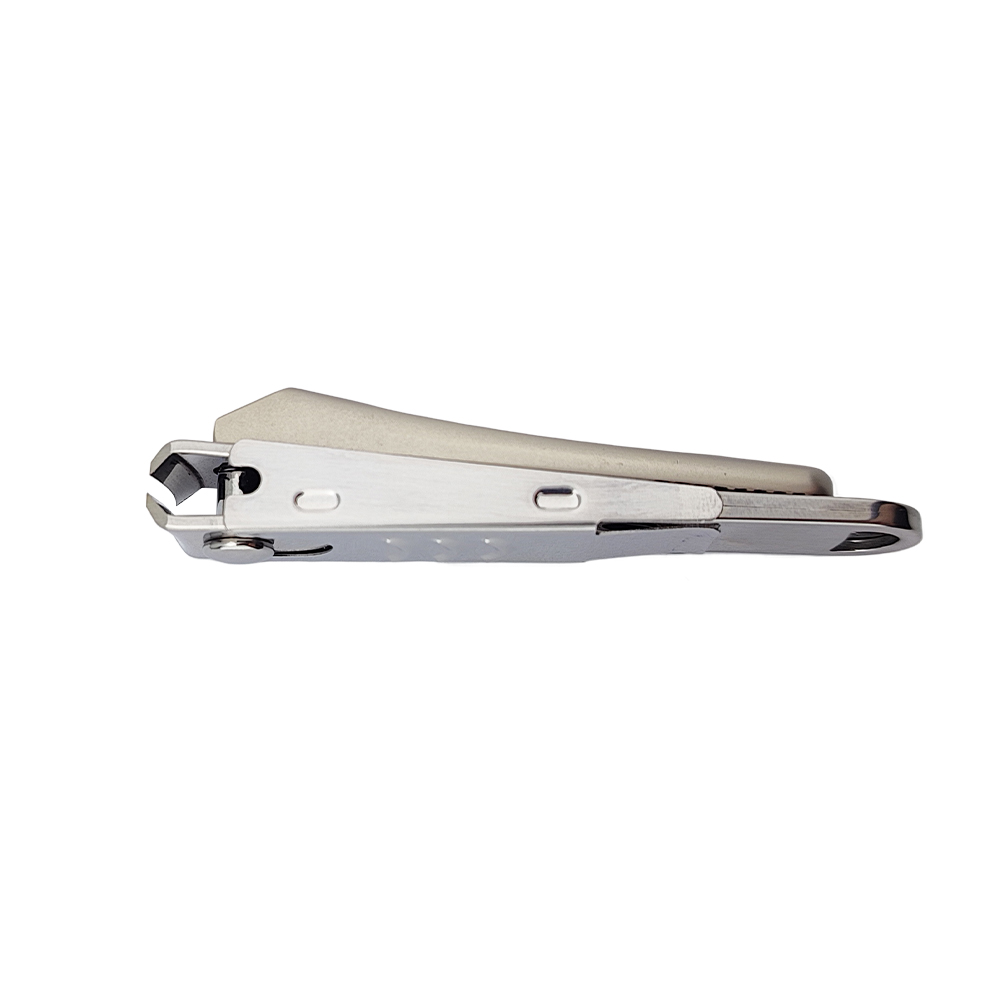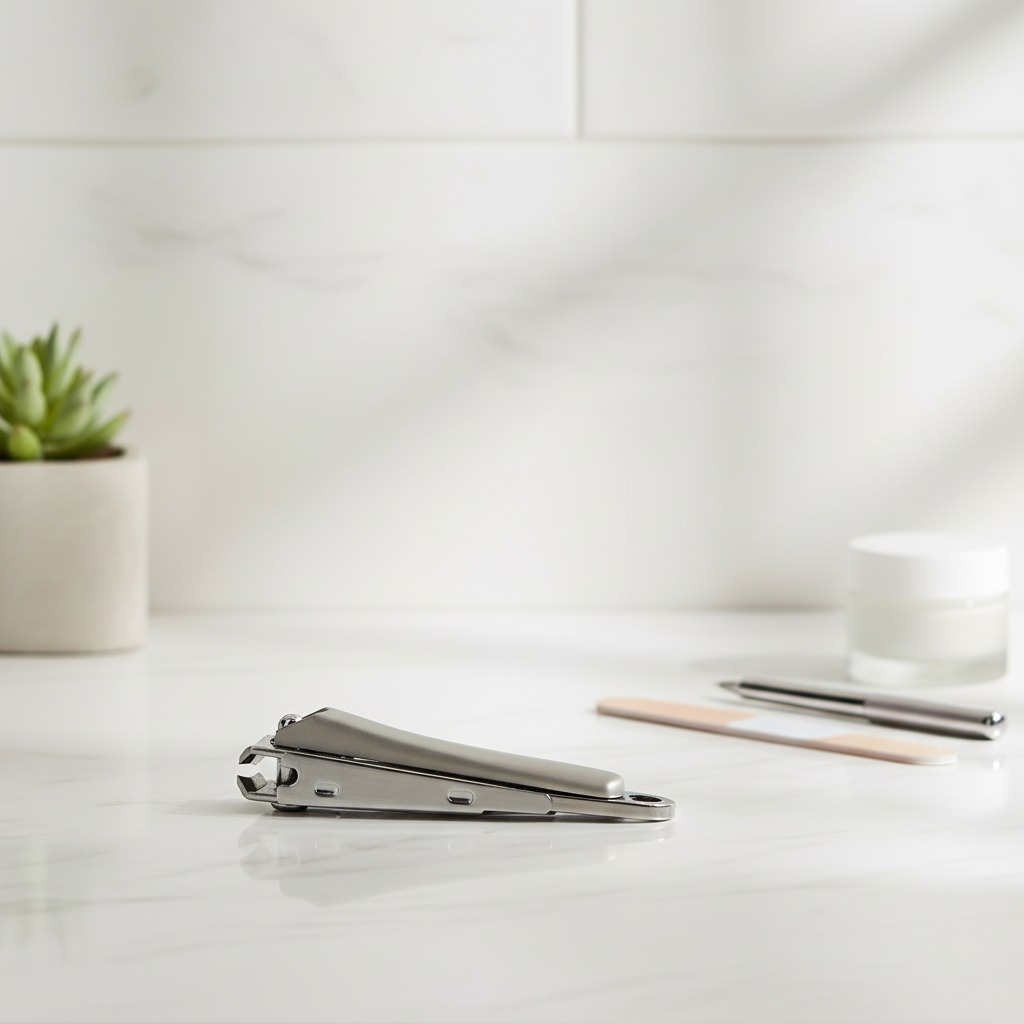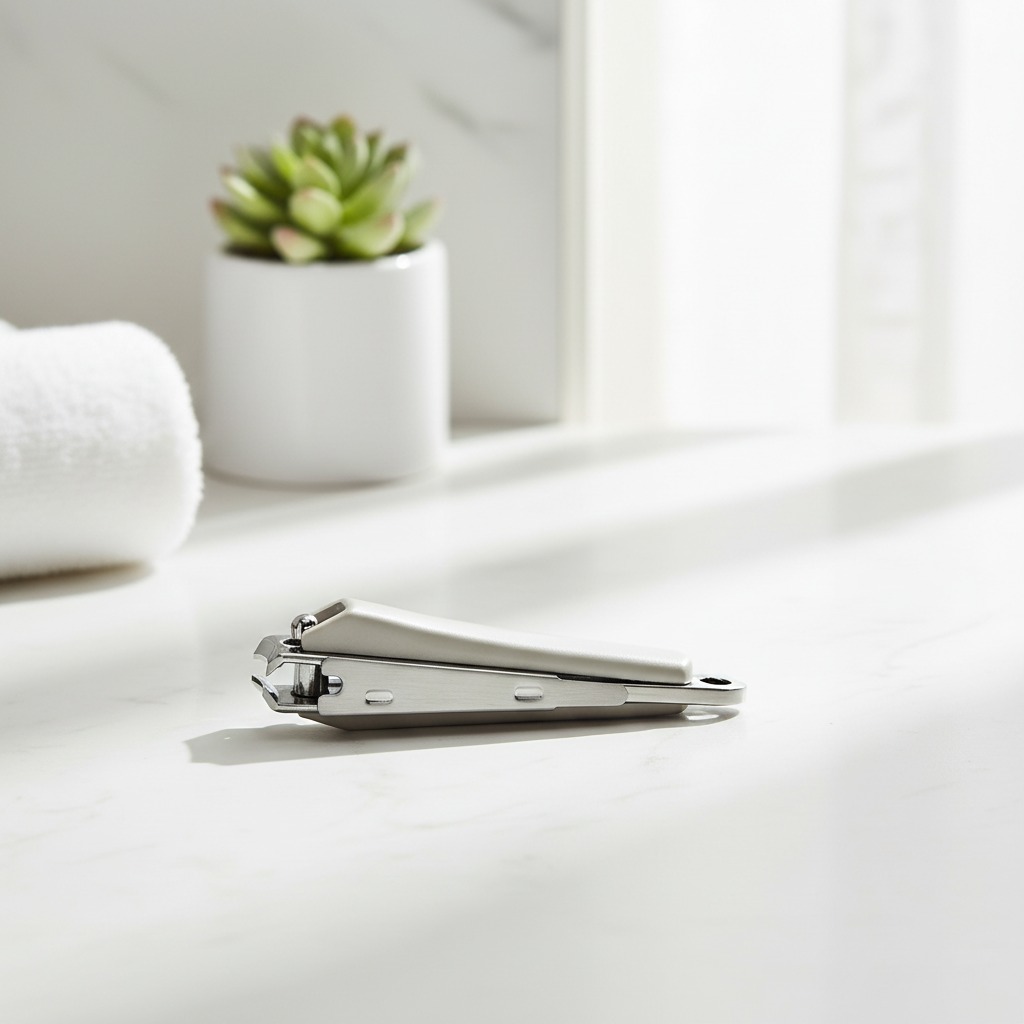












Cuticle nippers for salons are small tools, but they have a direct impact on the quality, comfort, and safety of a manicure service. In a professional setting, a nipper is not simply an accessory kept beside files and buffers. It is a precision tool used close to delicate skin, often repeatedly throughout the day, and it needs to perform consistently from one client to the next.
For salon owners, nail technicians, spa managers, and beauty tool buyers, the right nipper should support clean cuticle trimming, comfortable handling, and reliable hygiene procedures. Olimor Beauty supplies cuticle nippers made from durable stainless steel with ergonomic grip design and sharp blades for accurate trimming. When evaluating manicure tools for salon or wholesale use, it helps to look beyond a general product description and focus on how the tool behaves during real services.
What Professional Salons Need from Cuticle Nippers
Salon use is different from occasional personal use. A technician may hold the same tool for long appointments, move quickly between detailed nail services, and work on clients with very different cuticle conditions. A nipper that feels acceptable for one short manicure may become uncomfortable or inconsistent when used all day.
The most important function is controlled removal of excess cuticle or hangnail tissue without pulling, tearing, or requiring force. Sharp blades matter because dull edges can crush rather than cut. Precision also affects the final look of the service: clean cuticle work helps polish, gel, or other nail finishes appear neater around the nail plate.
Durability matters as well. In a salon, tools are handled frequently, cleaned regularly, stored with other implements, and expected to remain dependable. Stainless steel construction is a practical choice for professional environments because it supports strength and routine sanitation when used and cared for properly.
Key Features to Evaluate Before Buying
When comparing cuticle nippers for salons, buyers should consider a combination of blade quality, handle comfort, material, and repeatable performance. A low-cost tool that needs frequent replacement or causes hand fatigue may not be economical for a busy salon. A well-chosen tool can support smoother service flow and more consistent results.
- Blade sharpness: The blades should meet cleanly and trim small areas accurately. Sharp blades reduce dragging and help the technician work with less pressure.
- Jaw alignment: The two cutting edges should close evenly. Misalignment can cause uneven cutting, pinching, or incomplete trimming.
- Stainless steel construction: Durable stainless steel is suitable for professional nail tools because it supports strength and regular cleaning routines.
- Ergonomic grip: A comfortable grip helps reduce strain during extended use, especially for technicians who perform multiple manicures each day.
- Spring response: The opening and closing action should feel smooth and controlled, not stiff or loose.
- Tip control: The technician should be able to see and guide the cutting area clearly, particularly when working around sidewalls and delicate areas.
These criteria are useful whether you are purchasing for one salon station or planning a larger tool assortment. Buyers reviewing broader beauty tool products can use the same practical evaluation method across manicure implements, tweezers, scissors, and other precision tools.
Why Ergonomics Matter in Daily Nail Work
Ergonomic design is not only about comfort; it also affects control. During cuticle work, the hand must remain stable while the blades make small, deliberate cuts. A grip that feels awkward may cause the technician to overcompensate, tighten the hand unnecessarily, or change wrist position too often.
For salons, this becomes especially important during busy periods. Repetitive hand movements can add up across a full schedule. A cuticle nipper with an ergonomic grip supports a secure hold and helps reduce strain during extended use. The result is not just a more comfortable technician experience, but also more controlled work for the client.
When assessing a nipper, consider how it feels in different hand sizes and working positions. Nail technicians often adjust their angle depending on whether they are working on natural nails, a spa manicure, or detailed finishing around extensions. The tool should allow precise motion without forcing the hand into a rigid posture.
Stainless Steel, Hygiene, and Salon Maintenance
Cuticle nippers are used near living skin, so hygiene procedures are central to professional nail care. Stainless steel tools are widely used in salon environments because they can support routine cleaning and disinfection processes when handled correctly. Material alone, however, is not enough; daily maintenance determines how long the tool remains safe and pleasant to use.
Each salon should follow the hygiene rules and disinfection protocols required in its local market. In general, technicians should remove visible debris after use, clean the implement thoroughly, dry it properly, and store it in a way that protects the blade edges. Moisture left on tools can shorten service life, and blade damage can affect precision.
- Clean immediately after service: Remove residue before it dries around the hinge or cutting edges.
- Follow approved disinfection procedures: Use the method required for professional nail tools in your region.
- Dry before storage: Avoid putting damp tools into closed containers or mixed drawers.
- Protect the cutting edges: Store nippers so the tips do not strike other metal implements.
- Inspect regularly: Check blade alignment, spring action, and overall cleanliness before client use.
Good maintenance is also a business issue. Clean, well-kept tools reflect professionalism and help technicians work confidently. For salon owners, a simple inspection routine can prevent damaged tools from remaining in active use.
Wholesale Buying Considerations for Salons and Distributors
For businesses purchasing manicure tools wholesale, the buying decision should account for consistency as well as appearance. A salon may need multiple nippers across stations, while a distributor may need tools that are suitable for different spa, salon, or beauty retail customers. In both cases, buyers should look for practical indicators of quality rather than relying only on a polished product photo.
Olimor Beauty positions its cuticle nippers for salon and wholesale beauty product use, with attention to stainless steel construction, ergonomic handling, sharp blades, and internal quality control from raw materials to final packaging. For professional buyers, it is useful to organize purchasing questions around use case, quality, and presentation.
| Buying Point | Why It Matters | What to Check |
|---|---|---|
| Salon workload | High-frequency use requires consistent cutting and comfort. | Grip feel, spring response, blade stability, and ease of cleaning. |
| Tool assortment | Nippers should fit logically within a broader manicure set. | Compatibility with files, pushers, scissors, and other nail tools. |
| Quality control | Bulk purchases need stable performance across units. | Inspection process, finishing consistency, and packaging condition. |
| End customer | Spas, salons, and distributors may prioritize different features. | Professional use requirements, storage needs, and presentation format. |
If you are building a wider nail care range, browsing Olimor product collections can help you plan tools by service category rather than buying isolated items. This is especially useful for distributors who need a coordinated selection for manicure, pedicure, brow, or general beauty tool customers.
How to Judge Performance During a Trial
Before committing to a larger order, many professional buyers prefer to evaluate how a tool performs in realistic use. A cuticle nipper trial should focus on control, clean cutting, and comfort rather than only first impressions. The tool should feel balanced in the hand, open and close smoothly, and allow the technician to remove small pieces of cuticle with minimal pressure.
During trial use, note whether the cutting edges meet evenly at the tip and along the blade. A good nipper should not require squeezing hard to complete a cut. The technician should also be able to work around the curve of the nail without blocking visibility. If several technicians will use the same model, gather feedback from more than one person because hand size and working style can affect preference.
For salons, performance should also be judged after cleaning and storage. A tool that feels good only when new but becomes stiff, difficult to clean, or easily damaged may not support long-term professional use. Practical testing helps connect the purchase decision to real operating conditions.
When to Replace or Retire a Cuticle Nipper
Even with careful maintenance, manicure tools should be monitored over time. A nipper may need replacement if the blades no longer close evenly, if the cutting action becomes rough, if the tip is damaged, or if the spring action no longer supports controlled movement. Continuing to use a compromised tool can make cuticle work less precise and less comfortable for both technician and client.
Salons can reduce service disruption by keeping spare tools available and assigning responsibility for regular checks. A simple station-by-station inspection can identify tools that need cleaning attention, sharpening evaluation where appropriate, or replacement. For wholesale buyers and distributors, replacement planning can also guide reorder cycles and inventory decisions.
Choosing Olimor Beauty Cuticle Nippers for Professional Use
Olimor Beauty cuticle nippers are designed for professional nail care needs, combining durable stainless steel, sharp blades, and an ergonomic grip for accurate cuticle trimming. For salons, spas, and beauty tools wholesale buyers, these qualities address the core requirements of daily manicure services: precision, comfort, durability, and dependable handling.
The best purchasing decision starts with the way the tool will be used. A single salon may prioritize technician comfort and easy maintenance. A distributor may focus on consistent quality, practical packaging, and suitability for a range of nail care customers. In either case, cuticle nippers should be evaluated as working instruments, not decorative accessories.
To discuss cuticle nippers for salons or plan a wholesale beauty tool selection, you can contact Olimor or send an inquiry. A clear buying checklist will help you compare options, reduce unsuitable purchases, and build a manicure tool range that supports professional service standards.