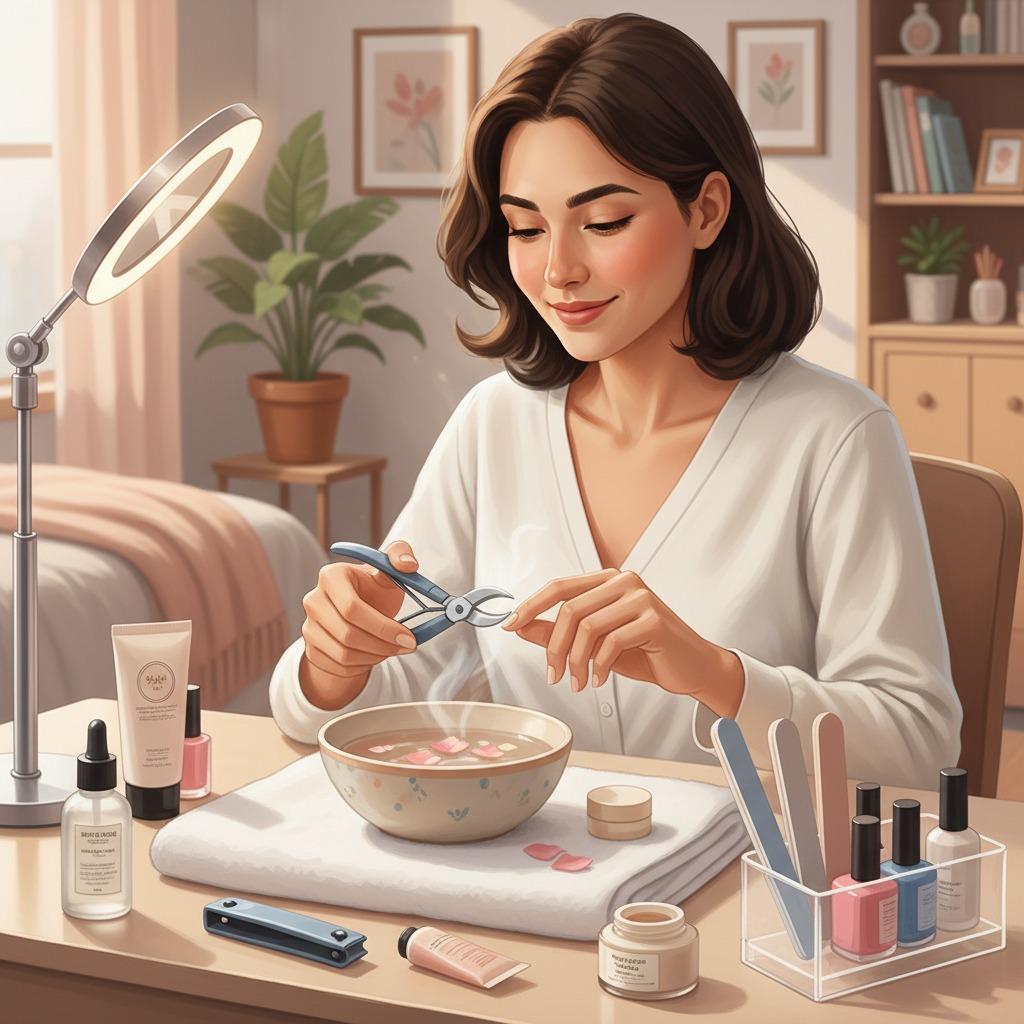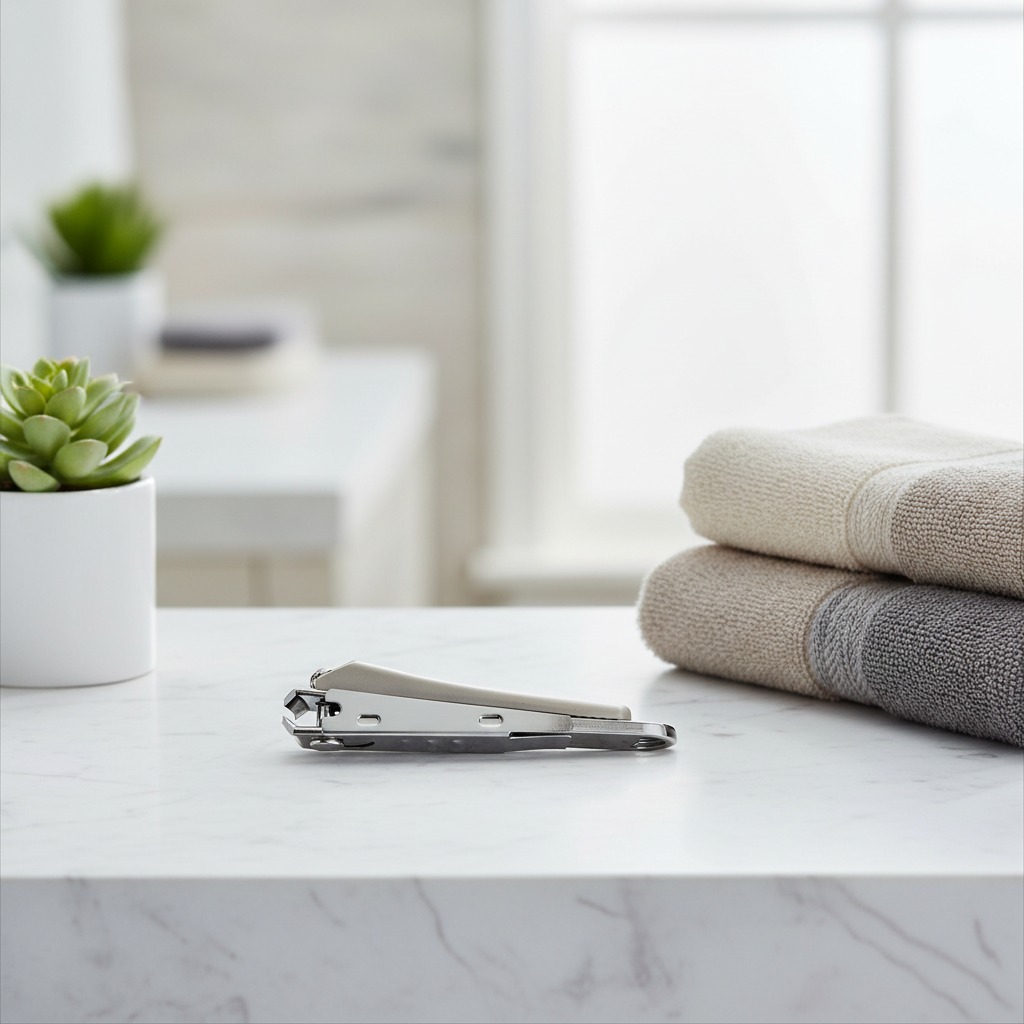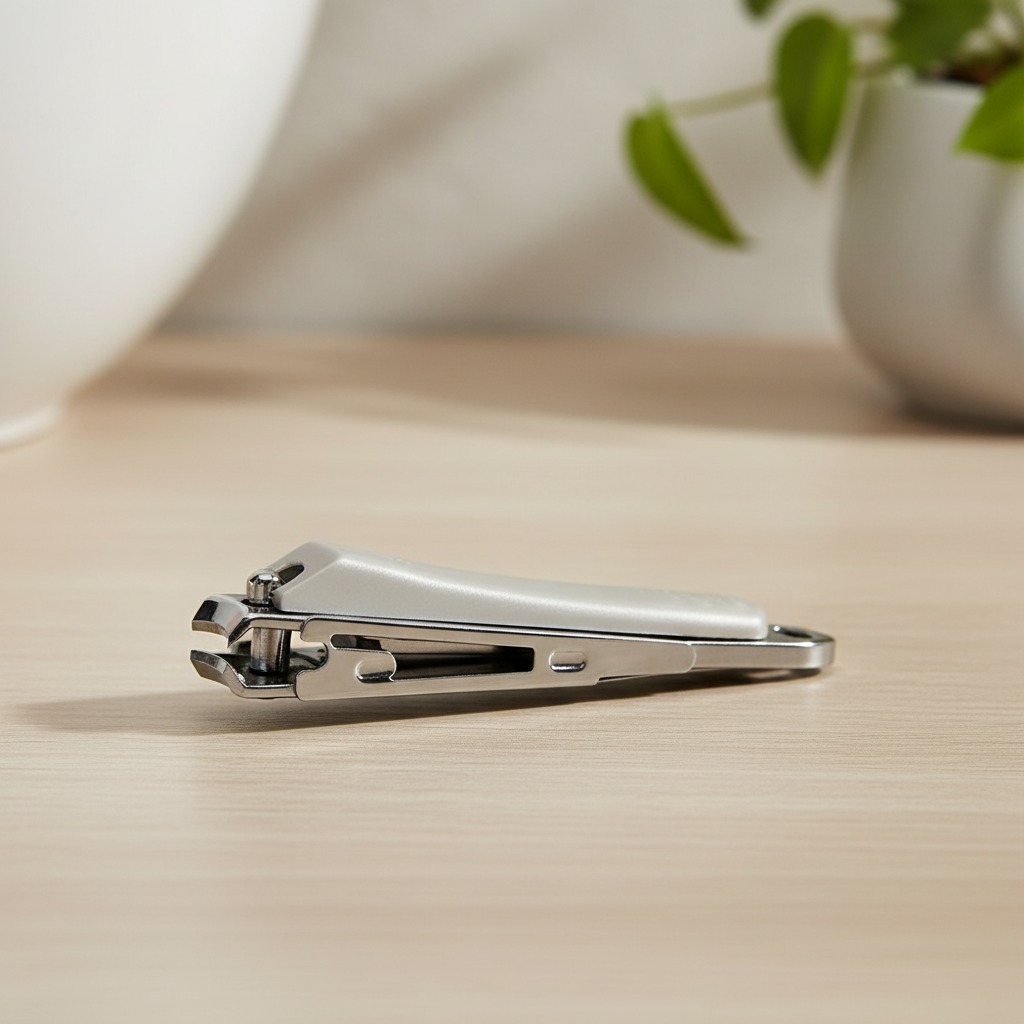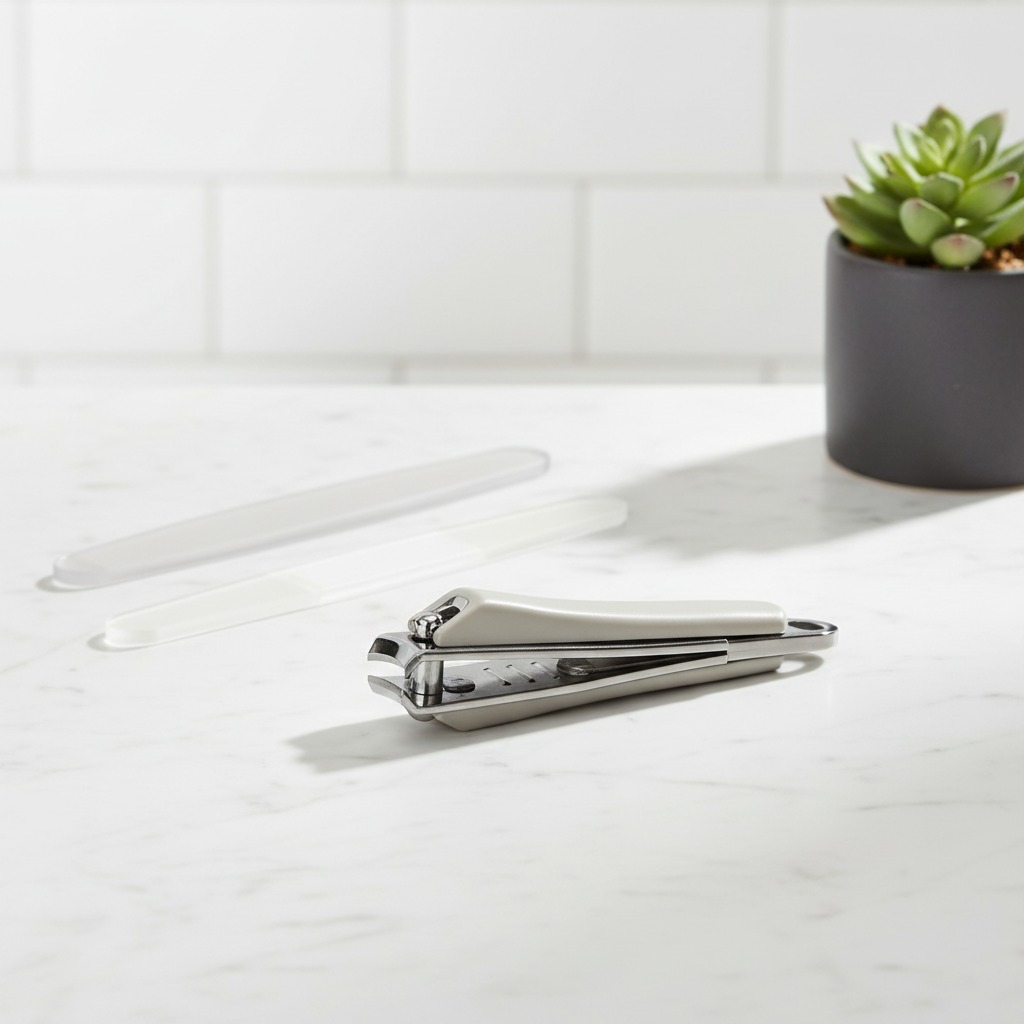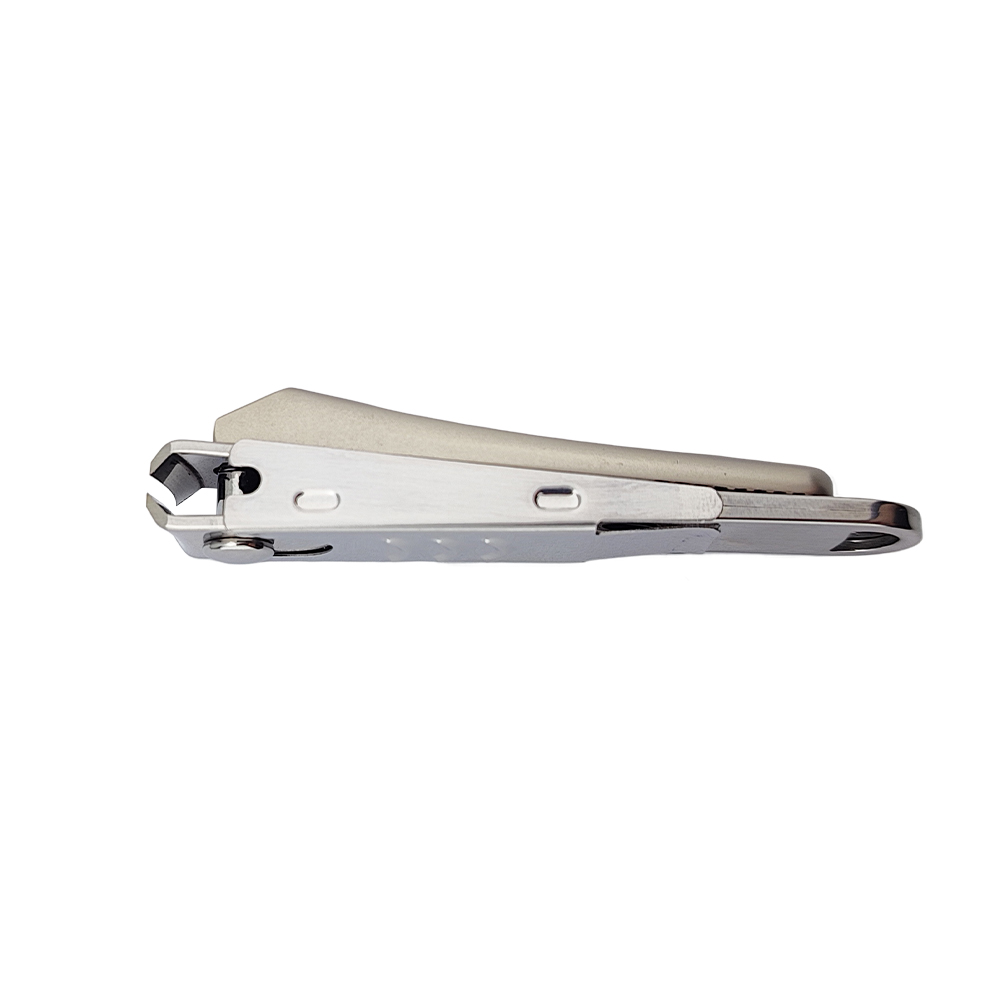











Nail clippers look simple, but the wrong pair can leave rough edges, split nails, uncomfortable pressure, and inconsistent results. For everyday users, a good clipper should make nail trimming quick and controlled. For salon teams, beauty retailers, grooming kits, and private-label buyers, it also needs to feel reliable across repeated use and be easy to clean between services.
The best nail clippers are not defined by one feature alone. Cutting edge alignment, leverage, hand comfort, material choice, finishing quality, and packaging all influence whether a tool feels precise or frustrating. Olimor Beauty focuses on beauty tools, including stainless steel nail care tools, with attention to technical processing and quality inspection from raw materials through final packaging. This guide explains how to evaluate nail clippers in a practical way before choosing products for personal use, retail, or professional nail care settings.
What Makes a Nail Clipper Worth Choosing?
A quality nail clipper should cut the nail cleanly rather than crush it. When blades are poorly aligned, the user often presses harder, which can bend the nail plate and create jagged edges. A well-made clipper closes evenly, offers controlled pressure, and leaves a shape that needs only light smoothing with a file.
For healthy nail care, the goal is not to cut aggressively. Nails should be trimmed gradually, especially thicker toenails or nails that are prone to splitting. A dependable clipper supports this by giving the user enough control to take small cuts instead of forcing one deep cut across the full nail. This is especially important for professional nail technicians who may trim different nail types throughout the day.
When comparing nail clippers, pay attention to these basic performance points:
- Blade alignment: The cutting edges should meet evenly from side to side without visible gaps.
- Cutting smoothness: A clean clip should not require excessive force or create crushed white stress marks.
- Handle leverage: The lever should provide pressure comfortably without slipping under the thumb.
- Edge finish: Corners and body edges should feel smooth enough for safe handling.
- Cleaning access: The tool should be simple to wipe, disinfect according to the user’s hygiene process, and dry thoroughly.
Why Ergonomic Nail Clippers Matter
Ergonomics is more than comfort. A clipper that sits securely in the hand helps the user cut with better aim and less strain. This matters for anyone who trims nails frequently, including beauty professionals, caregivers, and people who prefer maintaining nails at home.
An ergonomic nail clipper typically has a lever that is easy to press, a body size that suits the intended nail type, and surfaces that reduce slipping. If the handle is too short or too narrow, the user may pinch harder than necessary. If the lever is unstable, the cutting angle can shift, creating uneven edges. A secure grip allows the user to position the clipper correctly and make smaller, cleaner cuts.
Hand comfort is especially important when selecting tools for professional use. A nail technician may repeat the same trimming motion many times in one day. Even small improvements in grip, leverage, and tool balance can reduce fatigue. For retailers or distributors, this is also a selling point: customers quickly notice whether a clipper feels controlled in the hand.
Choosing the Right Clipper for Fingernails, Toenails, and Different Users
Not every nail clipper is ideal for every job. Fingernails are usually thinner and more curved, while toenails are often thicker and may require a larger cutting opening. A smaller clipper can provide more precision for fingernails, while a larger clipper can offer better leverage for toenails. The most useful assortment often includes more than one size or shape so users can choose the tool that fits the task.
| Use case | What to look for | Why it matters |
|---|---|---|
| Everyday fingernail care | Moderate size, controlled lever, smooth edges | Helps trim small sections without overcutting |
| Toenail trimming | Stronger leverage and a wider jaw opening | Reduces effort when trimming thicker nails |
| Salon or nail studio use | Comfortable grip, consistent cutting action, easy cleaning | Supports repeated use and hygiene routines |
| Retail grooming kits | Balanced feel, attractive finishing, practical packaging | Improves customer perception and daily usability |
For users with limited grip strength, the lever design deserves extra attention. A clipper that requires heavy pressure may be unsuitable even if the blade is sharp. For travel kits, compact size matters, but it should not come at the cost of poor control. For premium beauty tool sets, finishing quality and consistent movement are important because customers judge the entire set by how each tool feels.
Material, Finish, and Quality Checks
Stainless steel is commonly preferred for nail care tools because it is durable, practical to clean, and suitable for repeated grooming use when maintained properly. The original value of stainless steel, however, depends on the way the tool is manufactured, finished, inspected, packed, and stored. A clipper may look acceptable at first glance but still perform poorly if the cutting edges are misaligned or the lever action is inconsistent.
Olimor Beauty’s nail care tools are associated with a technical approach to production and internal quality control, including inspection steps from raw materials to final packaging. For buyers, that kind of process focus is important because nail clippers must be consistent across a batch, not just attractive in a sample photo.
When evaluating samples or supplier options, use a structured checklist instead of relying only on appearance:
- Inspect the closing line. Open and close the clipper slowly to see whether the edges meet evenly.
- Test controlled clipping. Try small cuts on appropriate test material or sample nails where suitable, checking for clean separation.
- Check surface finishing. Run a finger carefully along non-cutting edges to identify burrs or rough areas.
- Assess lever stability. The lever should not wobble excessively or feel loose during pressure.
- Review cleaning practicality. Confirm that nail debris can be removed easily and that the tool can be dried after cleaning.
- Examine packaging protection. The cutting edge should be protected from rubbing or impact during transport.
This checklist is useful whether you are selecting a personal tool or comparing items for a retail line. For broader assortments, Olimor’s beauty tool products page can help buyers review available tool categories and plan a more complete nail care offering.
Safe Trimming Habits for Better Nail Health
Even the best nail clippers need to be used correctly. Nails are easier to trim after washing or bathing because they are slightly softer, but they should not be overly wet or fragile. Trim gradually and avoid cutting deeply into the corners, especially on toenails. Cutting corners too aggressively can encourage discomfort as the nail grows.
For fingernails, follow the natural curve in small sections. For toenails, a straighter trim is often preferred to reduce pressure at the sides. After clipping, use a file to smooth sharp points rather than continuing to cut repeatedly. Filing reduces the chance of snagging and helps create a neater edge.
Cleanliness also affects nail health. Wipe away nail debris after each use. In professional environments, follow the hygiene and disinfection procedures required for the service setting. After cleaning, dry the clipper completely before storage. Leaving moisture around moving parts or cutting edges can shorten tool life and affect the user experience.
Sourcing Nail Clippers for Salons, Retail, and Beauty Tool Programs
For business buyers, nail clippers are often part of a larger beauty tool decision. A clipper may be sold individually, included in a manicure kit, added to a travel grooming set, or paired with files, cuticle tools, tweezers, and other accessories. The right sourcing decision depends on the target customer and how the tool will be used.
Before selecting a nail clipper program, define the intended positioning. A basic everyday clipper should be reliable and cost-conscious, while a professional or giftable tool may need a more refined finish, stronger packaging, and a more comfortable feel. If you are building a set, consistency matters: the clipper should match the quality level of the other tools, not feel like an afterthought.
Useful sourcing questions include:
- Will the clipper be used mainly for fingernails, toenails, or both?
- Does the target user value compact travel size, professional leverage, or gift-ready presentation?
- How will the tool be cleaned, stored, and protected during shipping?
- What finishing quality is expected for the retail price point?
- Will the nail clipper be sold alone or included in a larger manicure set?
Buyers can compare related categories through Olimor’s product collections or send an inquiry with project details such as intended use, target market, packaging needs, and assortment plans. Clear requirements make sample evaluation more meaningful and reduce the risk of choosing a clipper that looks good but does not fit the customer’s real use case.
Final Takeaway: Comfort, Control, and Consistency
The best nail clippers combine clean cutting, ergonomic handling, durable material choice, and consistent finishing. For personal nail care, that means fewer rough edges and a more comfortable trimming routine. For salons and beauty businesses, it means a tool that performs reliably across repeated use and reflects well on the overall service or product range.
When comparing options, do not focus only on size or appearance. Test the closing action, grip, cutting feel, edge finish, and cleaning practicality. Stainless steel tools from a quality-focused beauty tool supplier such as Olimor Beauty can be a strong choice when they meet the intended use and inspection criteria. For tailored product discussions or nail care tool sourcing support, you can contact Olimor and outline the type of nail clipper application you are planning.