










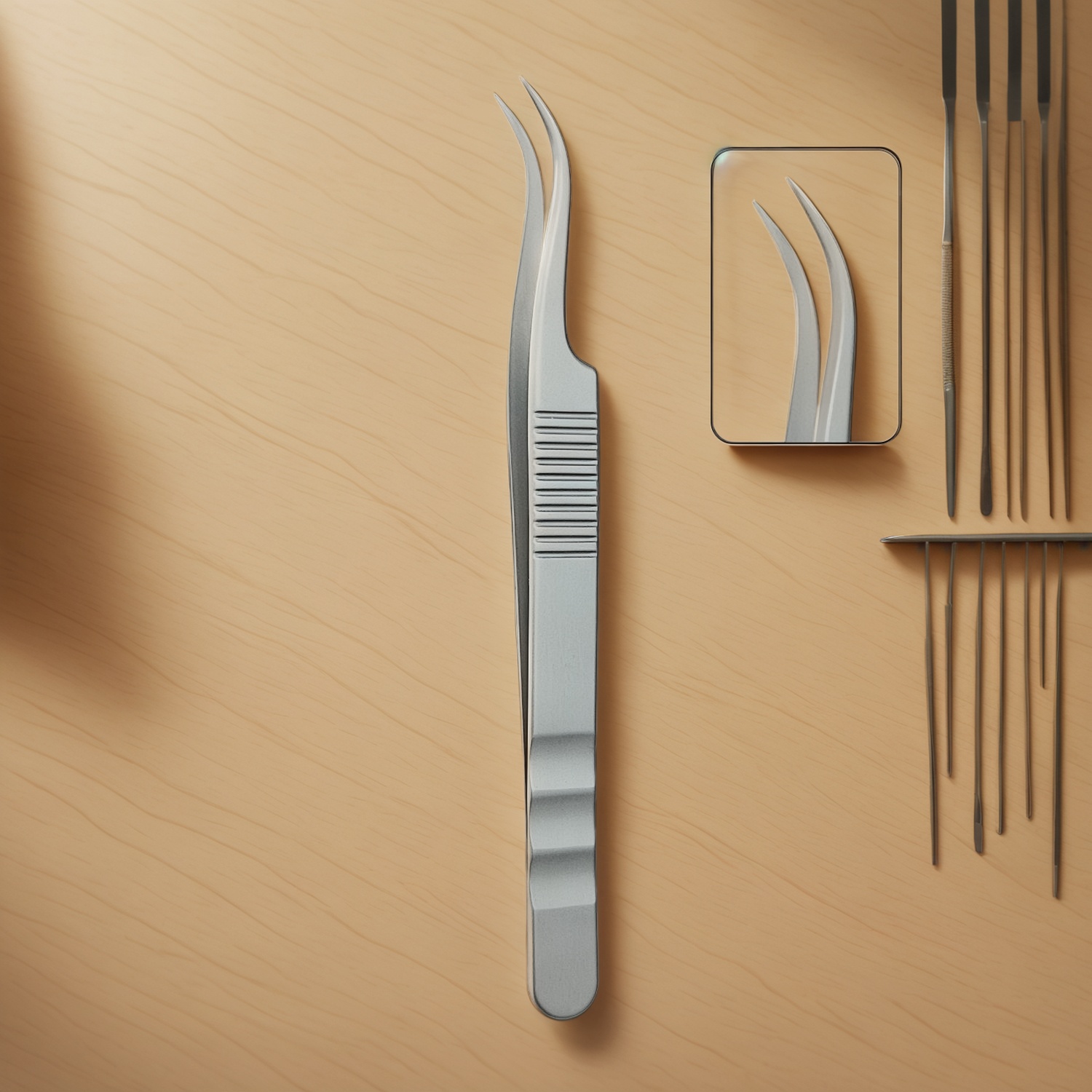
Buying tweezers in bulk is not only a purchasing decision. For a beauty brand, salon chain, lash studio, distributor or online seller, tweezers affect customer experience every time they are used. A tweezer that feels balanced, grips cleanly and keeps its alignment supports repeat purchases. A tool with uneven tips, rough edges or inconsistent tension can damage trust quickly.
Olimor Beauty works with buyers who need dependable beauty tools for professional and retail use, including precision tools such as the False Lash Tweezer. When evaluating a tweezers manufacturer or bulk supplier, the goal is to look beyond a product photo and price quote. The stronger approach is to review function, finish, consistency, packaging needs and communication before committing to a larger order.
This guide explains what to check when you plan to buy tweezers in bulk, especially if you are sourcing for a beauty business and need a practical way to compare suppliers.
Start With the Use Case Before Comparing Prices
Different tweezer applications require different priorities. A lash artist may care most about tip alignment and hand comfort during long appointments. A brow grooming kit may need a familiar shape that is easy for beginners to control. A retail beauty set may depend on consistent finish, attractive packaging and safe handling in transit.
Before sending an inquiry, define where the tweezers will be used and who will use them. This prevents overbuying a tool that looks attractive but does not match your customers’ needs. It also helps the supplier recommend the right direction without guessing.
- False lash application: Look for controlled grip, comfortable finger placement and precise tips for handling lashes.
- Brow shaping: Tip accuracy, smooth edges and reliable tension matter for removing fine hairs cleanly.
- Retail beauty kits: Consistent appearance, packaging fit and safe edge protection are important.
- Salon backbar use: Durability, easy cleaning and repeatable performance become more important than decorative details.
- Private label programs: Branding area, packaging options and production consistency should be reviewed early.
If you are still comparing categories, review Olimor’s beauty tool products to see how tweezers fit alongside other beauty accessories for retail or professional programs.
What Separates a Tweezers Manufacturer From a Basic Reseller?
A true tweezers manufacturer should be able to discuss how a tool is made, checked and prepared for shipment. While a reseller may only share available stock and surface-level descriptions, a manufacturing partner can usually provide more useful details about structure, finish, quality control and packaging possibilities.
The original material, forming process, polishing, tip adjustment and final inspection all influence performance. Even small variations can matter. If tweezer tips do not meet evenly, the product may slip. If the inner edge is too rough, it may pull harshly. If the body tension varies across a bulk order, the end customer may feel that product quality is inconsistent.
Olimor Beauty emphasizes internal quality control from raw stainless steel through the final packaged product. For buyers, this is the type of process thinking to look for: not just whether the sample looks good, but whether production orders can maintain the same usable feel and appearance.
| Evaluation Point | Why It Matters in Bulk Orders | What to Check |
|---|---|---|
| Tip alignment | Determines whether the tweezer grips cleanly | Tips should meet evenly without visible offset |
| Hand tension | Affects comfort and control during repeated use | Pressure should feel consistent, not too loose or too stiff |
| Surface finish | Influences appearance, cleaning and customer perception | Look for smooth polishing and no sharp unwanted edges |
| Consistency | Protects brand reputation across cartons and batches | Compare multiple pieces, not only one sample |
| Packaging fit | Reduces movement and damage during shipping | Confirm tip protection and carton arrangement |
How to Inspect Tweezer Samples Before a Bulk Purchase
Sample review should be more than a quick visual check. Create a small inspection routine that matches how customers will use the product. If your team sells lash tools, ask a lash technician to test the False Lash Tweezer or similar shape with real application movements. If the tweezers will be part of a brow kit, test grip on fine hairs and evaluate comfort for both left- and right-handed users where relevant.
A useful sample check includes several pieces when possible. One good sample does not always prove production consistency, and one flawed sample does not always represent the full capability of a supplier. The goal is to understand both the product and the supplier’s response when you ask practical quality questions.
- Check alignment under good lighting. Open and close the tips slowly. The contact point should be stable.
- Test grip on the intended material. For lash work, test delicate handling. For brow use, test fine hair removal.
- Feel for rough edges. Areas near the tips and finger contact points should not feel harsh.
- Compare several pieces. Look for differences in tension, finish, length perception and tip shape.
- Review packaging protection. Tip guards, pouches or inserts should prevent damage during storage and shipping.
Keep notes and photos during inspection. This gives you a clear reference when discussing revisions, approvals or packaging details with the supplier.
Questions to Prepare Before Contacting a Bulk Supplier
A well-prepared inquiry usually receives a more accurate response. Instead of asking only for the lowest price, describe your target customer, order purpose and any packaging needs. This helps the supplier understand whether you need a professional-use tweezer, a retail-ready item, a kit component or a branded product for distribution.
Useful inquiry details include expected tweezer type, finish preference, approximate quantity range, destination market, packaging concept, logo or branding needs and timeline. If you do not know the exact specifications yet, explain the intended use and ask for suitable options. For direct communication, you can send an inquiry with your project requirements.
Because bulk tweezer orders often involve repeat buying, also consider supplier responsiveness. A good supplier should communicate clearly about available options, sample steps, packaging discussion and production confirmation. Clear communication reduces misunderstandings before money, time and inventory are committed.
Low MOQ Options and When They Matter
Low MOQ tweezers options can be valuable for emerging beauty brands, small salons, independent lash businesses and distributors testing a new market. A smaller initial order allows a buyer to validate customer response before scaling. It can also help when testing packaging, branding direction or a new tweezer shape.
For established businesses, flexible order planning can still be useful. A salon group may want to test a new lash tool before rolling it out across locations. An ecommerce seller may want to compare customer reviews on different tweezer styles. A distributor may prefer to trial several tool types before building a broader catalog.
When reviewing MOQ, avoid looking at the number alone. Consider what level of customization is required, how packaging affects setup, and whether the order will be repeated. A simple stock-style order and a customized private label order may have different planning requirements. The best MOQ is the one that supports your commercial goal without creating unnecessary inventory risk.
Packaging, Branding and Presentation Considerations
In bulk beauty tool sourcing, packaging is part of the product experience. Tweezers have delicate tips, so packaging must protect function as well as appearance. A beautiful box is not useful if the tool shifts inside and arrives with misaligned tips.
For retail, packaging should clearly communicate the tool’s use. For salon supply, practical protection and easy storage may matter more. For online sales, the unboxing experience and shipping durability both affect customer reviews. If the tweezers are included in a kit, confirm the tool length, insert fit and orientation before approval.
Branding should also be planned with restraint. Logo placement, finish contrast and readability should match the tool surface and packaging material. When details are uncertain, request a visual proof or pre-production confirmation rather than relying on assumptions.
Why Long-Term Supplier Fit Matters
The first bulk order is important, but repeatability is what builds a reliable beauty tool program. If customers like the tweezer, you will need future orders to feel and look consistent. Supplier fit includes quality control, communication, packaging understanding and the ability to support your product direction over time.
Olimor Beauty serves buyers looking for beauty tools with practical quality standards and flexible sourcing support. Whether you are building a tweezer line, adding a False Lash Tweezer to a lash product range, or comparing tools for a professional kit, the right process begins with clear product expectations and careful sample review.
You can browse related product collections or contact Olimor to discuss sourcing needs. Buying tweezers in bulk becomes much less risky when you evaluate the supplier as carefully as the product: check the tool in real use, confirm packaging protection, document quality expectations and choose a partner that can support consistent repeat orders.