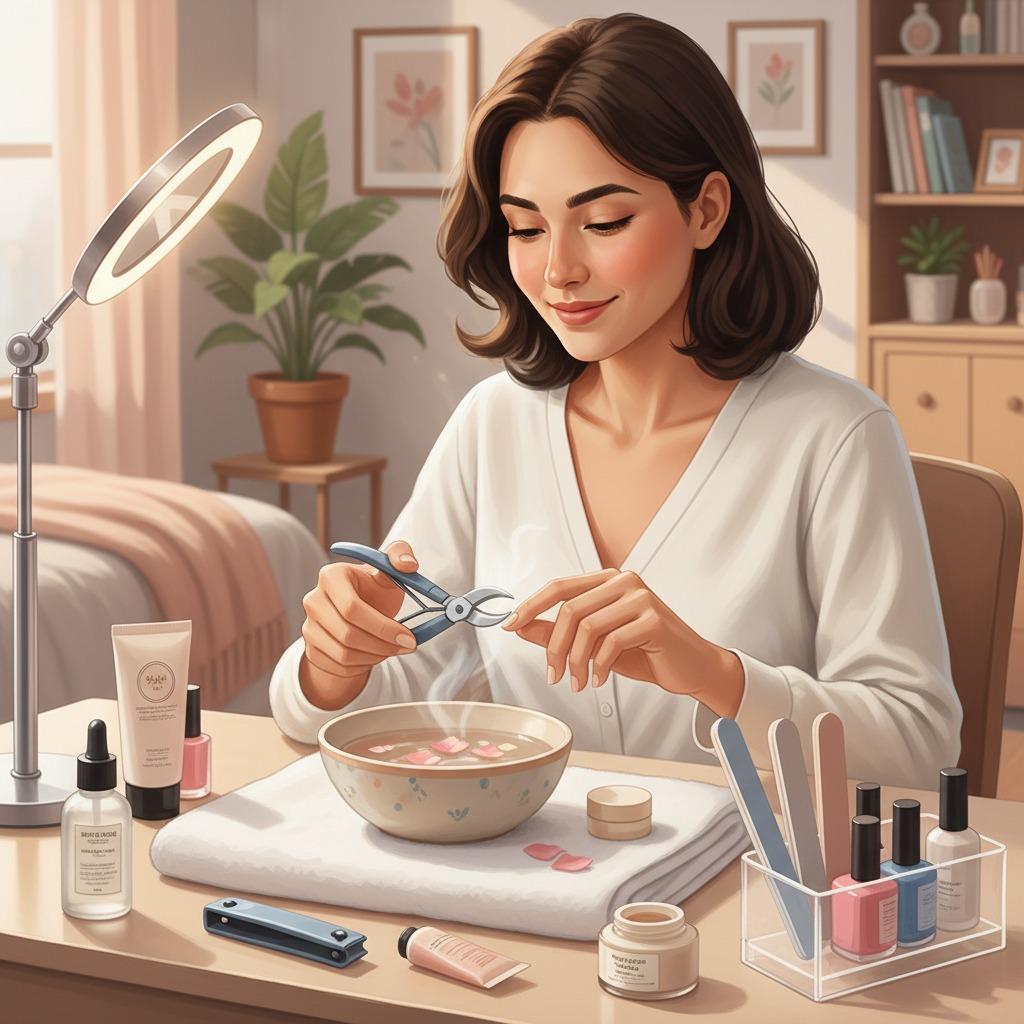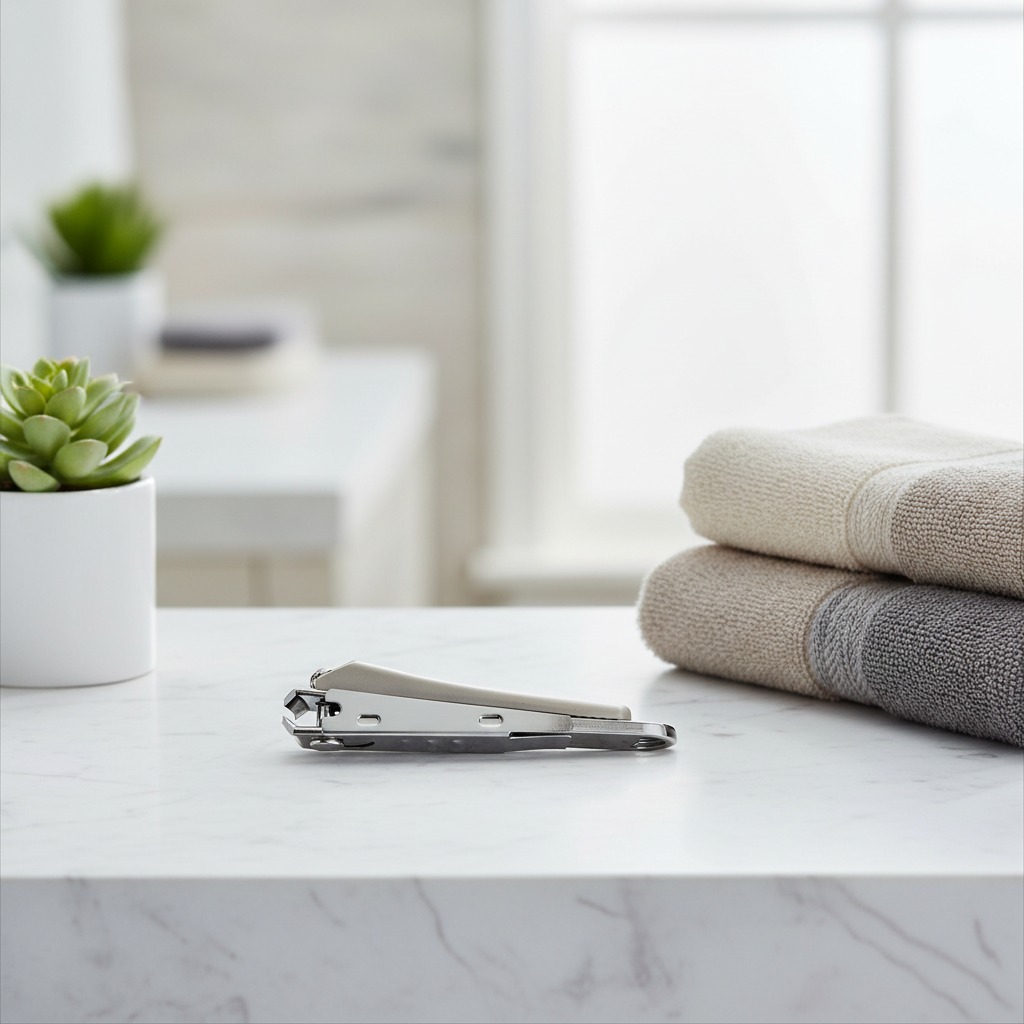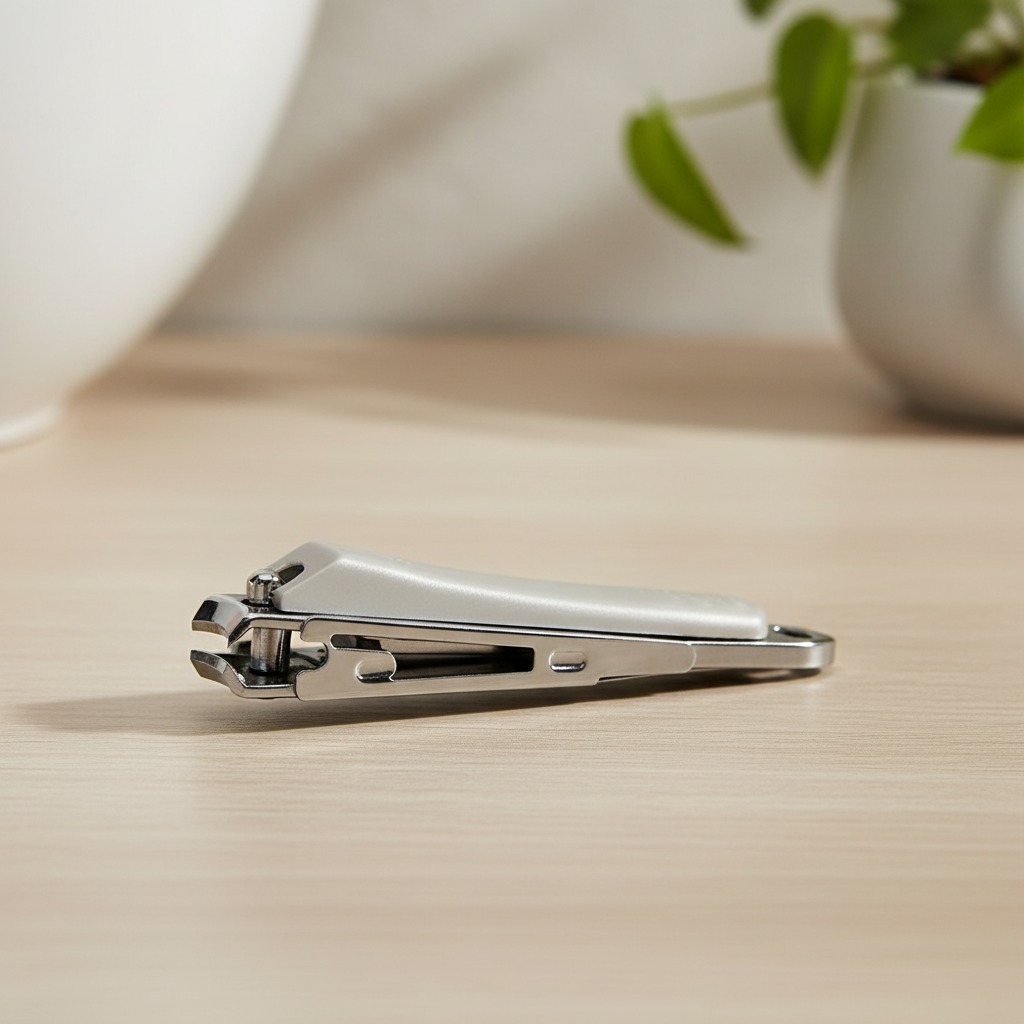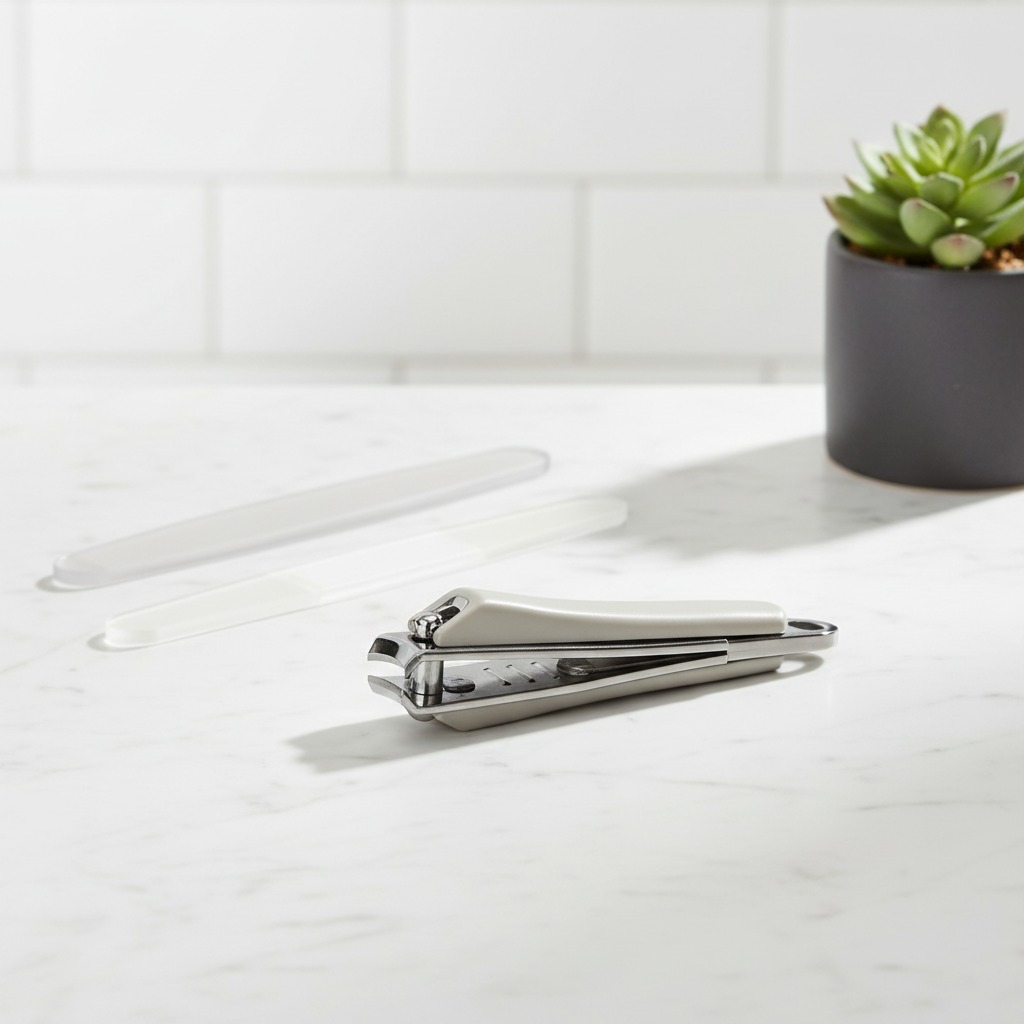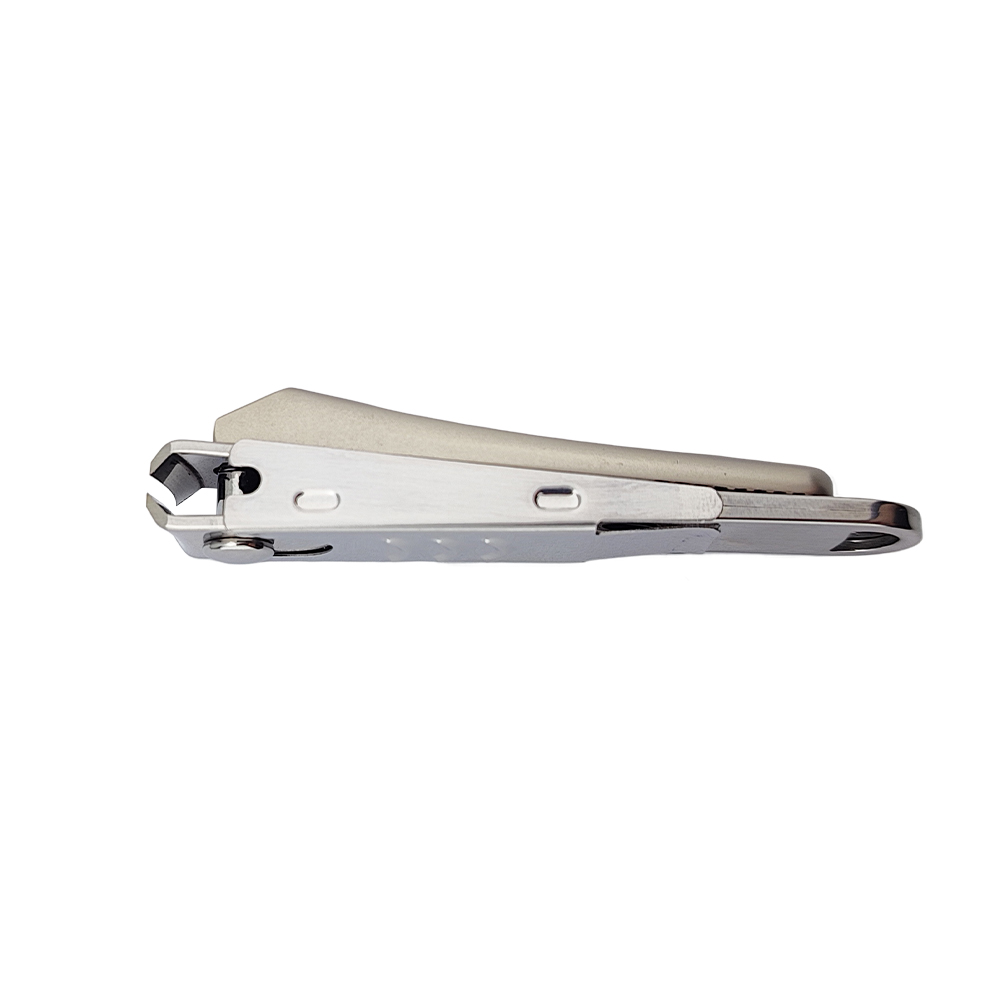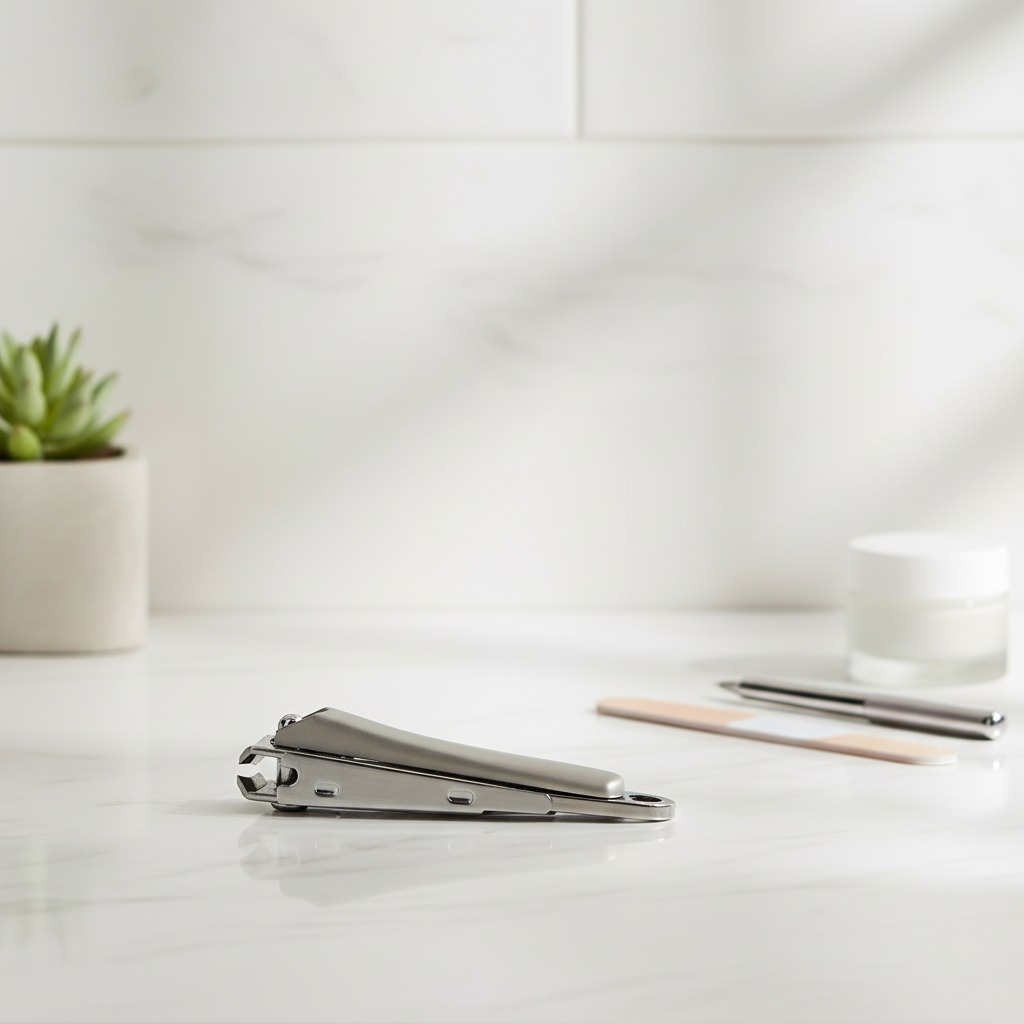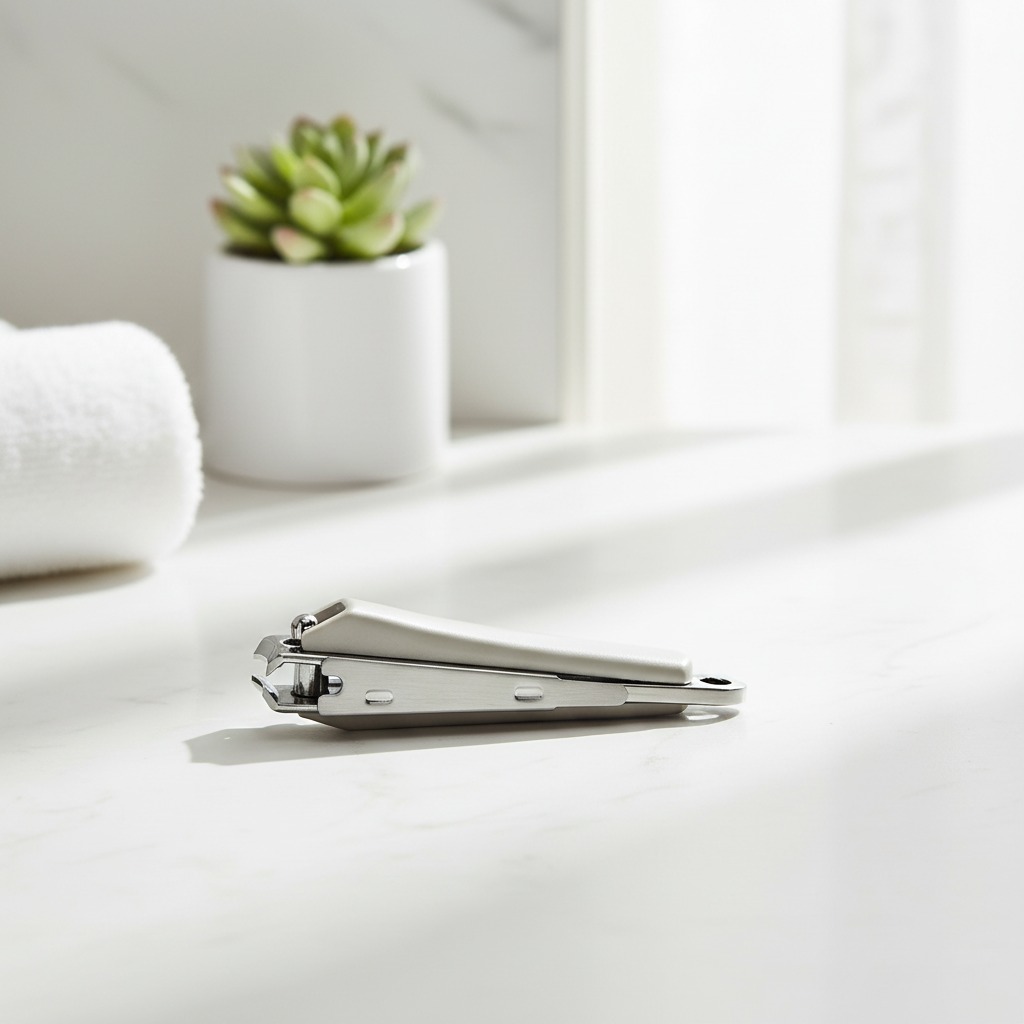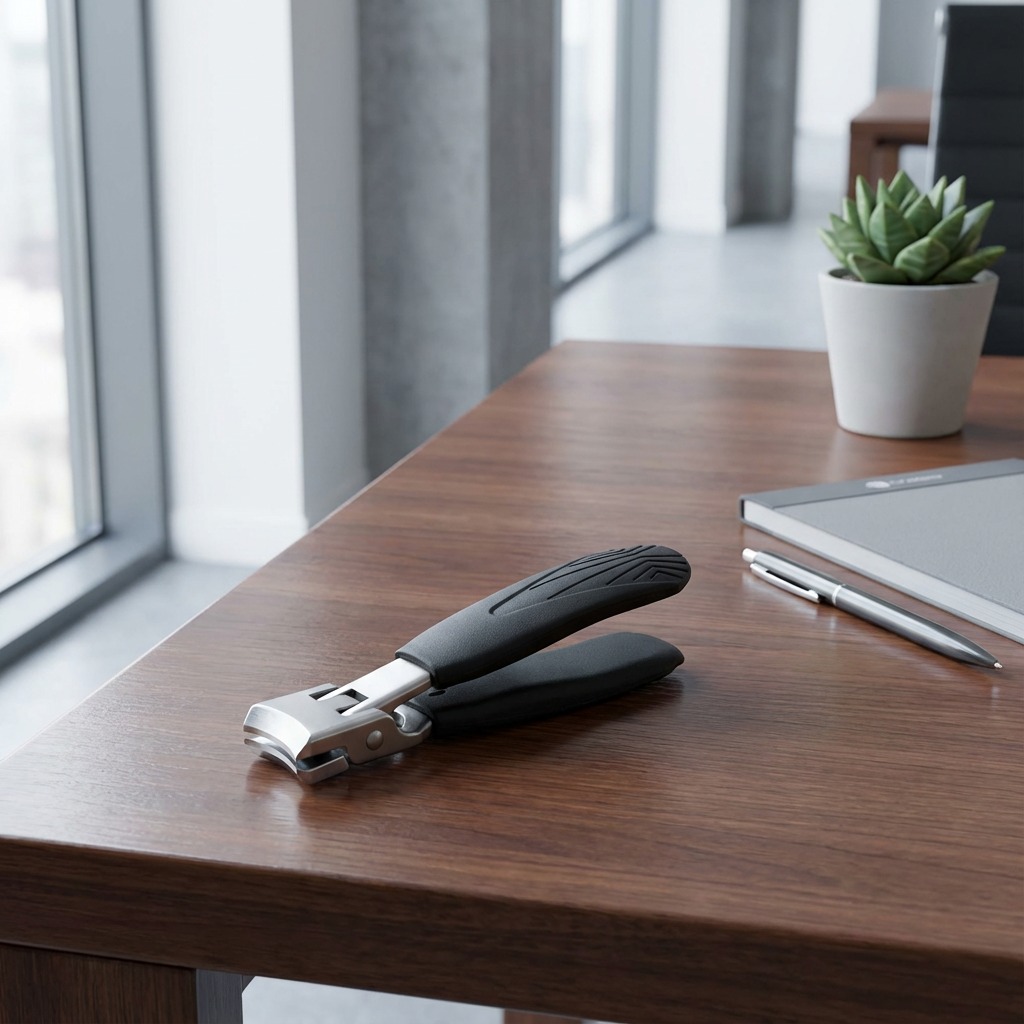
For beauty, grooming, travel, and personal care brands, a nail clipper looks simple at first glance. In practice, it is a product where small decisions affect customer satisfaction: the sharpness of the cutting edge, the curve of the jaw, the feel of the lever, the grip surface, the finish, and the way the tool is packed for retail. Nail clipper OEM services help brands turn these choices into a finished product without building their own manufacturing operation.
Olimor Beauty works with buyers looking for practical beauty tool sourcing, including nail clippers that can be aligned with a brand’s preferred appearance, packaging direction, and target retail channel. The goal is not only to buy a generic grooming item in bulk, but to create a dependable product that feels right in the customer’s hand and fits naturally into a broader product line. For buyers comparing beauty tool products, OEM nail clippers can be a useful way to add an everyday grooming essential to a collection without overcomplicating product development.
Why Nail Clipper OEM Is Different from Buying Stock Tools
Buying a stock nail clipper may be enough for a low-differentiation promotion, but many beauty brands need more control. OEM sourcing allows the buyer to review details such as handle feel, grip material, shape, color direction, logo placement, packaging structure, and assortment planning. These details help a clipper feel connected to the rest of a grooming range rather than appearing like an unrelated add-on.
The original sourcing need behind many OEM projects is straightforward: a brand wants a compact, travel-friendly nail clipper that cuts cleanly, feels stable during use, and can be presented in a way that matches its market positioning. In one typical use case, a beauty startup needed reliable nail clipper OEM support to launch ergonomic grooming tools. The product direction included a sturdy stainless steel cutting edge for clean cuts and non-slip rubber grips for better control. Those are practical features because nail clipping requires both sharpness and stability; a weak edge or slippery handle can quickly lead to customer complaints.
OEM also gives buyers a clearer path to scaling. A brand may begin with a smaller launch, learn from customer feedback, then expand into additional channels or product bundles. This is especially relevant for nail clippers because they can be sold as single grooming tools, included in manicure kits, paired with nail files, or added to travel and personal care sets.
Design Choices That Matter to End Users
A nail clipper is judged during use, not only on a product page. Buyers should evaluate the physical sample with real handling in mind. A beautiful finish can help with shelf appeal, but the tool still has to cut evenly, open and close smoothly, and provide control to users with different hand sizes.
- Cutting edge: A stainless steel cutting edge is commonly preferred for a clean cutting feel. Buyers should inspect the alignment of the upper and lower jaws and check whether the edge catches, crushes, or cuts smoothly.
- Grip surface: Non-slip rubber grips can improve control, especially for compact designs. The grip should feel secure without making the clipper bulky.
- Lever action: The lever should press down without excessive force. If it feels too stiff, the product may be uncomfortable for frequent use.
- Size and portability: A compact nail clipper can suit travel kits, handbags, and daily grooming sets. The size should still allow enough leverage for comfortable cutting.
- Finish and appearance: Color, polish, logo placement, and packaging should be considered together so the final item looks consistent with the brand’s other grooming tools.
These details are especially important for beauty brands that sell through online marketplaces, salons, retailers, subscription boxes, or gift sets. Customers may not use technical language in reviews, but they notice if a clipper feels slippery, weak, rough, or poorly finished.
Bulk Sourcing Without Losing Product Control
Wholesale nail clipper purchasing can create efficiency, but bulk sourcing should not mean accepting inconsistent product quality. A useful OEM process starts with defining the buyer’s expectations clearly: intended audience, target price level, packaging style, retail channel, and any functional preferences such as grip, compact size, or travel-friendly presentation.
When demand grows, brands often look for a nail clipper bulk supplier that can support repeat orders while keeping the product consistent. Consistency matters because a clipper purchased six months later should not feel noticeably different from the first batch. Buyers should pay attention to sample approval, production reference samples, packaging artwork confirmation, and final inspection criteria before moving into larger purchasing plans.
| Buyer Decision | Why It Matters | What to Review |
|---|---|---|
| Grip design | Affects handling and user confidence | Texture, comfort, thickness, and color consistency |
| Cutting performance | Directly affects product reviews and repeat purchases | Jaw alignment, sharpness, smooth closing, clean cut |
| Packaging format | Impacts retail presentation and shipping efficiency | Blister card, box, insert, barcode space, brand artwork |
| Order planning | Helps manage launch risk and inventory pressure | Initial test quantity, reorder timing, storage needs |
| Inspection standard | Reduces batch variation and customer complaints | Appearance defects, function checks, packing accuracy |
Instead of focusing only on the lowest unit cost, brands should compare the total sourcing picture. A slightly cheaper clipper that creates returns, negative reviews, or repacking work can become more expensive than a stable product with better planning.
Quality Checks for OEM Nail Clippers
Quality assurance for nail clippers should cover both materials and finished function. Olimor Beauty’s sourcing approach emphasizes inspection from raw material review through final packaging, which is important because defects can occur at several stages. A clipper may look acceptable at first glance but still fail because the cutting edge is uneven, the lever is loose, the grip is poorly attached, or the packaging does not match the approved artwork.
Buyers can create a practical checklist before confirming a production order. The checklist does not need to be overly complex, but it should be specific enough to guide decisions and avoid confusion.
- Approve a physical sample: Confirm size, grip feel, cutting action, finish, and logo placement before production.
- Check cutting consistency: Test several samples, not just one, to see whether performance is stable across pieces.
- Review grip attachment: Rubber grips should sit securely and evenly without peeling edges or obvious gaps.
- Inspect surface finish: Look for scratches, burrs, stains, uneven coating, or sharp non-cutting edges.
- Confirm packaging details: Compare artwork, spelling, barcode placement, color, and packing quantity with the approved file.
- Keep a reference sample: Store an approved sample for comparison with later production and repeat orders.
This approach is useful for startups, retail buyers, and established beauty brands alike. The more repeatable the inspection standard, the easier it is to scale a nail clipper program while protecting customer trust.
Packaging and Brand Fit
Packaging is often where a simple grooming tool becomes a brand-ready product. A nail clipper may be sold as an everyday essential, a travel accessory, a salon retail item, or part of a manicure set. Each channel calls for different packaging priorities. Online sales may require compact, protective packaging that photographs clearly and ships well. Retail shelves may need stronger visual branding and clear product information. Gift sets may need coordinated colors and inserts that match the rest of the range.
For OEM nail clipper projects, packaging planning should happen early rather than after the tool design is finalized. Logo position, product orientation, and packaging dimensions can affect the final look and cost structure. If the clipper includes non-slip grips or a distinctive compact design, the packaging should make those benefits easy to understand without relying on exaggerated claims.
Brands building a broader range can also review related product collections to decide how nail clippers fit with files, tweezers, scissors, facial tools, or manicure accessories. Consistency across a collection helps customers recognize the brand and makes it easier for retailers to merchandise the line.
Questions to Prepare Before Starting an OEM Project
A well-prepared inquiry usually leads to a more efficient sourcing discussion. Before starting a nail clipper OEM project, buyers should gather the practical information that affects design and production planning. This does not require a complete technical specification, but it helps to define the product direction as clearly as possible.
- Who is the target customer: salon user, travel buyer, personal care customer, gift set buyer, or mass retail shopper?
- Should the clipper be compact, standard size, or part of a set?
- Is a non-slip rubber grip needed for comfort and control?
- What visual direction should the product follow: minimal, colorful, premium, clinical, or travel-focused?
- Where will the product be sold: e-commerce, retail shelf, salon counter, distributor catalog, or promotional program?
- What packaging format is preferred, and what artwork or labeling elements are required?
- How will the buyer evaluate samples before confirming a larger order?
Clear answers help align the product with the intended market. They also reduce avoidable revisions in sampling, artwork, and packaging confirmation. If your team is ready to compare options or share a project brief, you can send an inquiry with your product direction, expected use case, and packaging needs. For broader sourcing questions, you can also contact Olimor.
Building a Reliable Nail Clipper Line Over Time
A successful nail clipper OEM program is not only about the first shipment. Long-term value comes from repeatable quality, clear records, and a product that remains consistent as the brand grows. For a startup, that may mean testing customer response with a focused launch before expanding. For an established brand, it may mean matching a nail clipper to an existing grooming collection and maintaining the same feel across repeat orders.
The strongest projects treat the nail clipper as a functional beauty tool, not a disposable accessory. Buyers should examine how the clipper feels in hand, whether the cutting edge performs cleanly, how secure the grip feels, and how the finished package communicates the product’s value. With the right sourcing process, OEM nail clippers can support a dependable grooming range while giving the brand practical control over design, presentation, and supply planning.