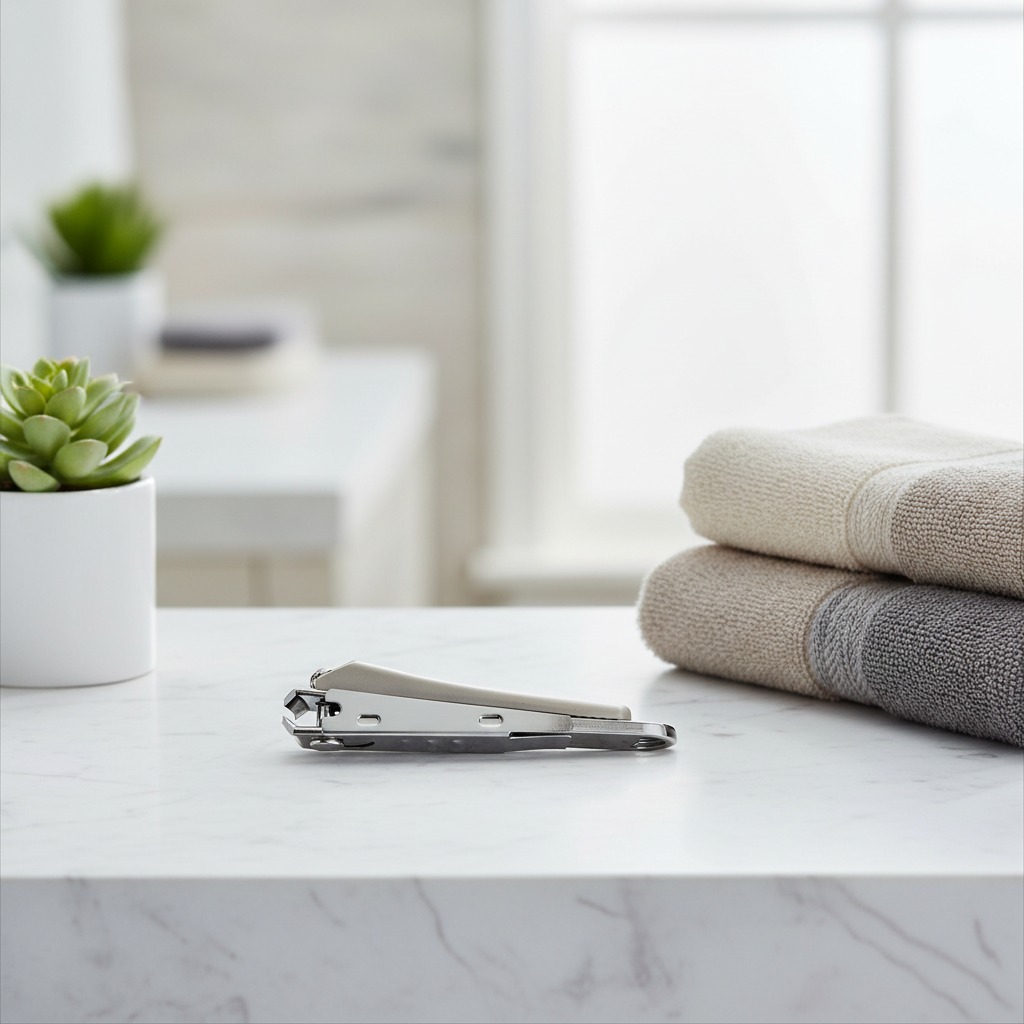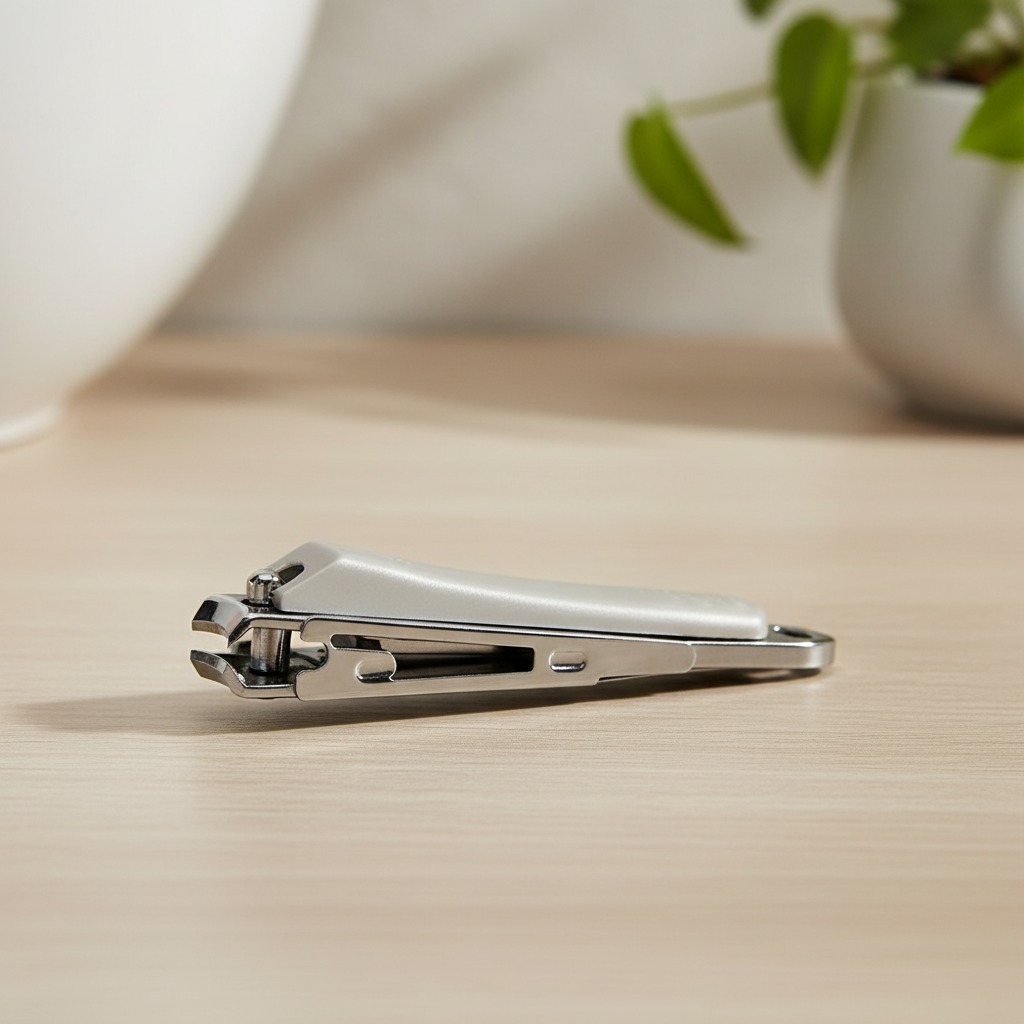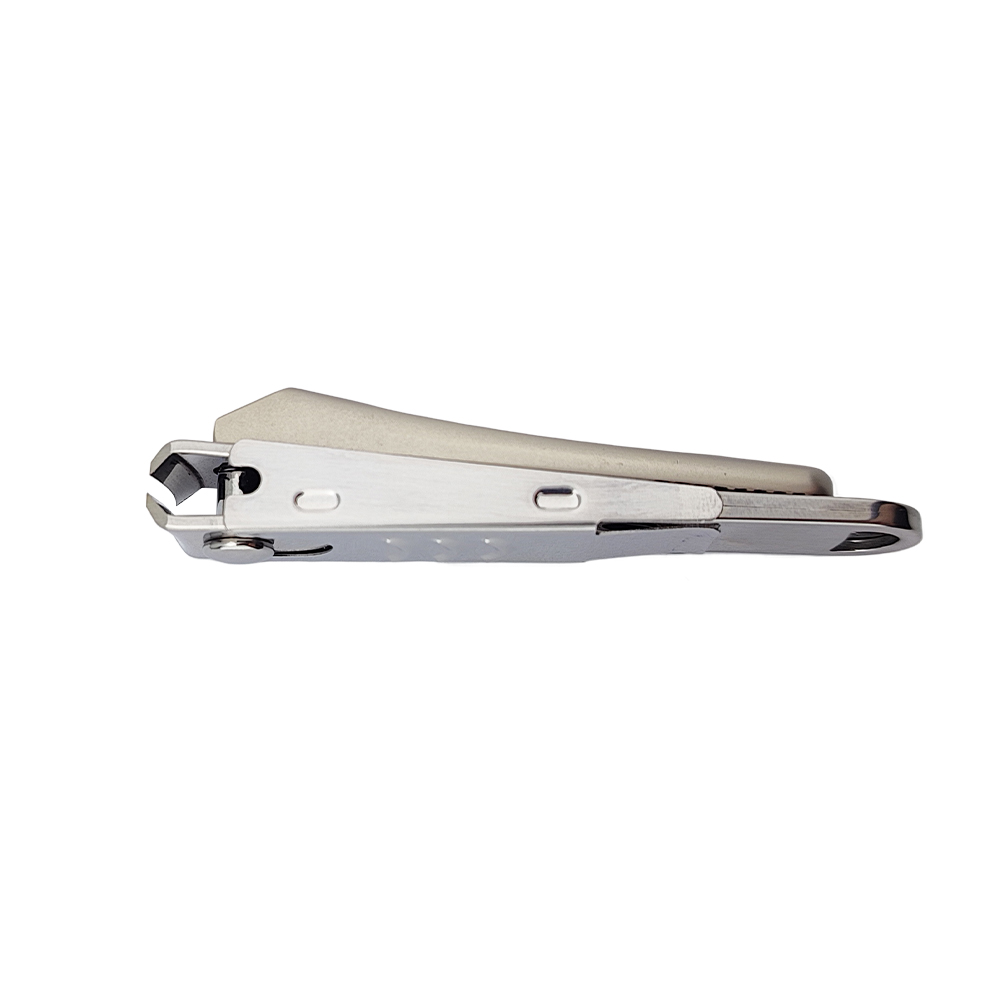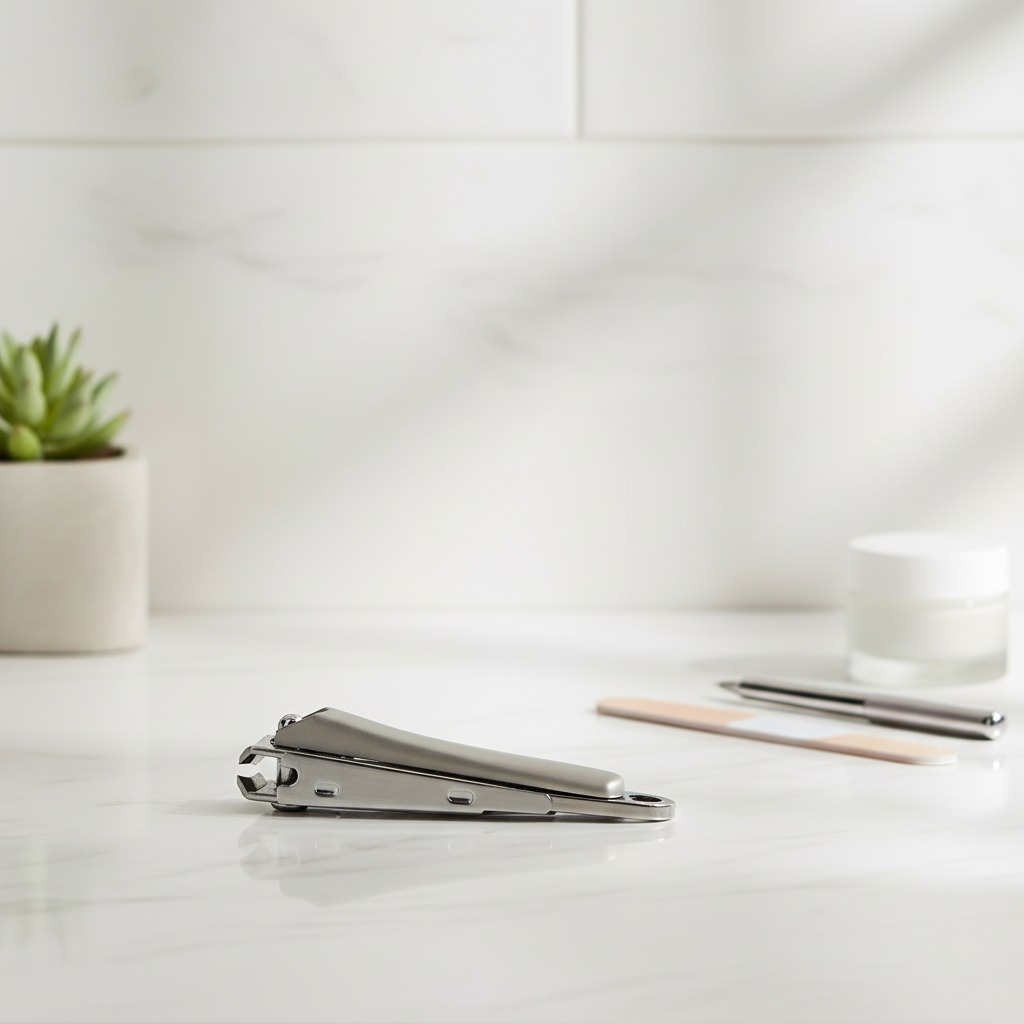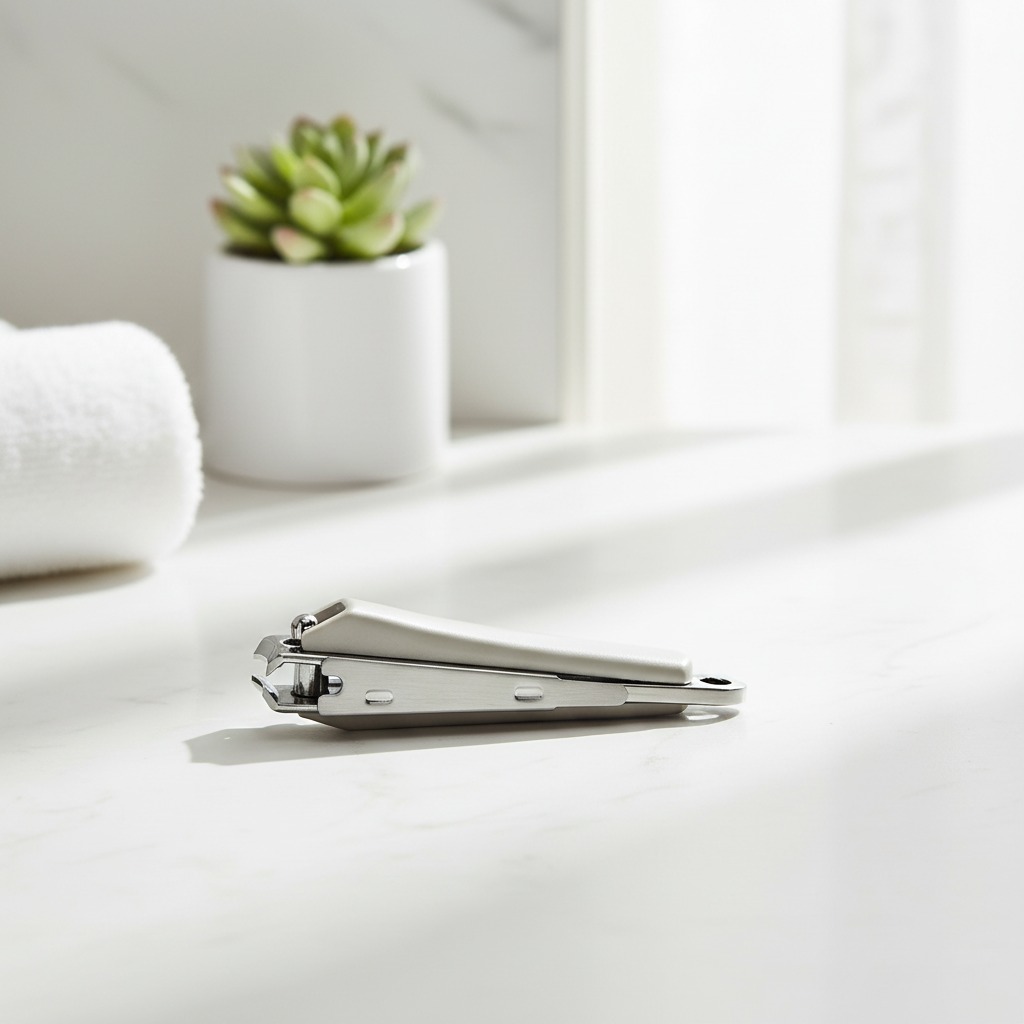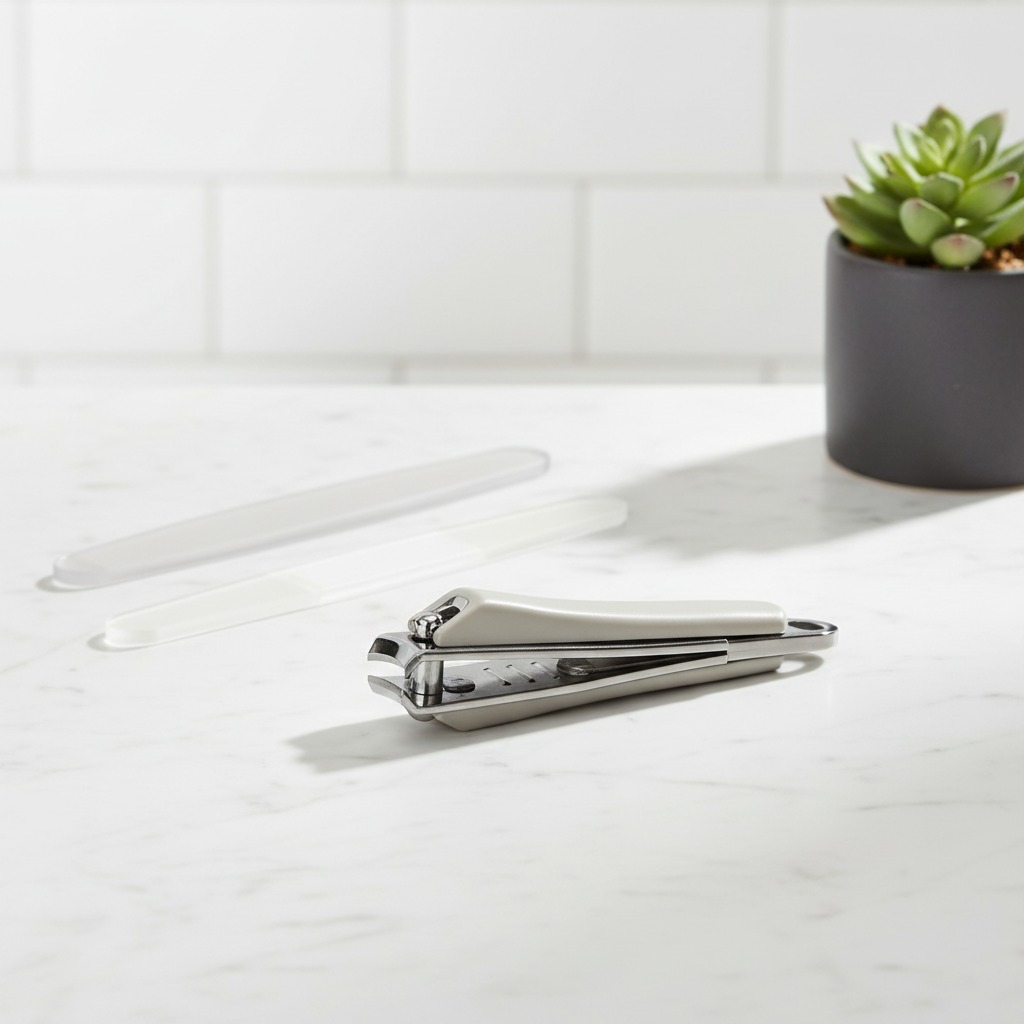
Choosing a nail clipper factory is not only a price comparison. For beauty brands, salon distributors, retail buyers and promotional product suppliers, the right factory affects cutting performance, packaging consistency, delivery reliability and repeat customer satisfaction. A nail clipper may look simple, but small differences in blade alignment, material handling, edge finishing and assembly can decide whether the finished product feels precise or uncomfortable in daily use.
Olimor Beauty works in the beauty tools field with a focus on practical grooming products for wholesale and OEM buyers. For companies looking for a nail clipper China manufacturer, the core question is usually the same: can the supplier deliver stable quality at volume while supporting the buyer’s branding and market requirements? This guide explains what to examine when comparing nail clipper factories and how to build a sourcing brief that leads to better samples, clearer quotations and fewer production surprises.
What a Capable Nail Clipper Factory Should Control
A reliable nail clipper production line needs control at every stage, from raw material selection to final packing. The original design may be compact, but the manufacturing process requires repeatable cutting, shaping, polishing, blade alignment and assembly. Olimor Beauty’s production approach has emphasized stainless steel nail clippers, ergonomic handling and quality inspection through the process. For buyers, those areas are useful starting points when evaluating any supplier.
Stainless steel is commonly chosen for nail clippers because it supports durability, a clean appearance and resistance to ordinary grooming-environment moisture. However, buyers should not rely on the words “stainless steel” alone. When preparing a purchase brief, define the target market, retail price level, expected finish, packaging type and any compliance documents required by your sales channel. If an exact material grade or test report is essential, it should be listed clearly in the inquiry so the factory can confirm availability instead of making assumptions.
Blade geometry is another important factor. A good clipper should cut cleanly without excessive force, tearing or uneven pressure. During sampling, inspect whether the two cutting edges meet evenly and whether the lever opens and closes smoothly. The buyer should test both fingernail and toenail use cases if the product is intended for both, because different nail thicknesses can expose weaknesses that are not obvious in a quick visual check.
OEM and Wholesale Buyers Need Different Evaluation Criteria
Not every buyer needs the same type of support. A wholesaler may prioritize stable stock, carton consistency and repeatable bulk orders. A private-label brand may need logo application, packaging development, color or finish choices and documentation that helps the product fit a specific retail channel. A salon distributor may care more about hand feel, cutting comfort and repeat professional use.
Before contacting a nail clipper OEM supplier, separate your requirements into “fixed” and “flexible” items. Fixed requirements might include brand logo placement, packaging dimensions, barcode needs or a target retail channel. Flexible items might include surface finish, handle contour, set configuration or outer carton arrangement. This makes communication faster and reduces the chance of receiving samples that look attractive but do not match your actual sales plan.
Buyers comparing beauty tool products should also consider whether nail clippers will be sold as a single item, as part of a manicure kit, or in a wider grooming collection. A single-item retail clipper needs strong shelf presentation and packaging clarity. A kit component needs consistent sizing and finish so it matches the other tools. A promotional clipper may require a simple and durable structure more than premium packaging.
A Practical Nail Clipper Sourcing Checklist
A written checklist helps the factory understand the project and helps the buyer compare suppliers fairly. The goal is not to overload the inquiry with unnecessary details, but to define the areas that affect quality, cost and delivery.
- Product type: fingernail clipper, toenail clipper, travel clipper, set component or multipurpose design.
- Material expectation: stainless steel requirement, finish preference and any documentation needed for the target market.
- Cutting performance: clean cut, smooth lever movement, blade alignment and comfort during repeated use.
- Ergonomics: lever shape, grip comfort, hand size suitability and whether the clipper is intended for home, salon or travel use.
- Branding: logo position, marking method, artwork file format and acceptable tolerance for placement.
- Packaging: bulk pack, retail card, box, kit packaging or other format required by your sales channel.
- Inspection points: raw material review, in-process checks, final appearance inspection, function testing and packaging verification.
- Order planning: sample approval process, production lead time discussion, reorder schedule and forecast flexibility.
This checklist can be used when you send an inquiry to Olimor Beauty or when comparing several suppliers. The more clearly the buyer defines the commercial use case, the easier it is for the factory to recommend an appropriate production route.
Quality Inspection Should Go Beyond Appearance
Nail clippers are often judged first by appearance: shine, finish, packaging and overall presentation. Those details matter, especially in retail. But appearance alone cannot confirm whether the clipper will perform well over time. A stronger inspection process includes function, assembly and packaging checks.
For nail clipper wholesalers, batch consistency is especially important. If a retailer receives one shipment with a smooth lever and another with stiff or uneven movement, the product line becomes harder to manage. Buyers should request confirmation of how the factory checks alignment, lever action, surface defects and packaging accuracy. If the product will carry a private label, logo clarity and placement should also be included in the approved sample record.
During sample testing, open and close the lever multiple times. Check whether the pin feels secure and whether the cutting edges meet without shifting. Cut different nail thicknesses if appropriate. Look for burrs or sharp unwanted edges on the body of the clipper. Inspect packaging after transport simulation when possible, because a well-made clipper can still create customer complaints if the retail pack is crushed, scratched or difficult to open.
Customization Questions for Private-Label Nail Clippers
OEM nail clipper projects can range from simple logo application to more involved customization. A buyer launching a private-label line should prepare artwork, packaging references and target-market requirements before requesting a quotation. This helps the factory determine which elements are standard, which require tooling or additional sampling, and which may affect timing.
Useful customization questions include:
- Where can the logo be placed without interfering with grip or lever movement?
- Which surface finishes are suitable for the intended retail price point?
- Can the packaging protect the product during shipping and still present the brand clearly?
- Will the nail clipper be sold alone or matched with other manicure tools?
- What inspection standard will be used to approve the final bulk order against the sample?
These questions keep the discussion practical. They also reduce the risk of over-customizing a simple product in ways that add cost without improving the buyer’s market position.
How Wholesalers Can Plan for Repeat Orders
For a nail clipper wholesaler, one successful shipment is only the beginning. The more important question is whether the supplier can support repeat orders with the same appearance, function and packaging. Buyers should keep an approved sample, approved artwork, packaging specifications and written inspection notes. These records make future reorders easier to manage and help prevent small changes from entering production unnoticed.
Forecasting also matters. If a distributor sells to multiple retailers or salons, demand may fluctuate by season, promotion or channel. Sharing realistic forecasts can help the supplier plan materials and production time, while still allowing the buyer to avoid unrealistic commitments. When the purchase plan includes several grooming tools, it may be useful to review related product collections so nail clippers can be matched with other items in a consistent range.
Why Supplier Communication Affects Final Product Quality
Clear communication is a quality control tool. A factory can only manufacture to the requirements that are defined, confirmed and checked. For nail clippers, this includes the product structure, finish, logo, packaging, carton information and inspection criteria. Buyers should avoid relying only on a photo or a short product name. Two clippers may look similar online but differ in blade feel, lever comfort, weight, packaging and durability expectations.
When evaluating Olimor Beauty or any nail clipper China manufacturer, focus on evidence of process control and responsiveness. A good supplier should be able to discuss production steps, sample confirmation, inspection points and the practical limits of customization. If your project requires private-label support, bulk supply or a product matched to an existing beauty range, start with a complete brief and confirm every major detail before production.
For brands and distributors ready to develop wholesale nail clippers or compare options for OEM supply, you can contact Olimor with your target market, product use case and packaging needs. A clear sourcing discussion at the beginning is the best way to receive samples that match the real commercial goal, not just the lowest unit price.