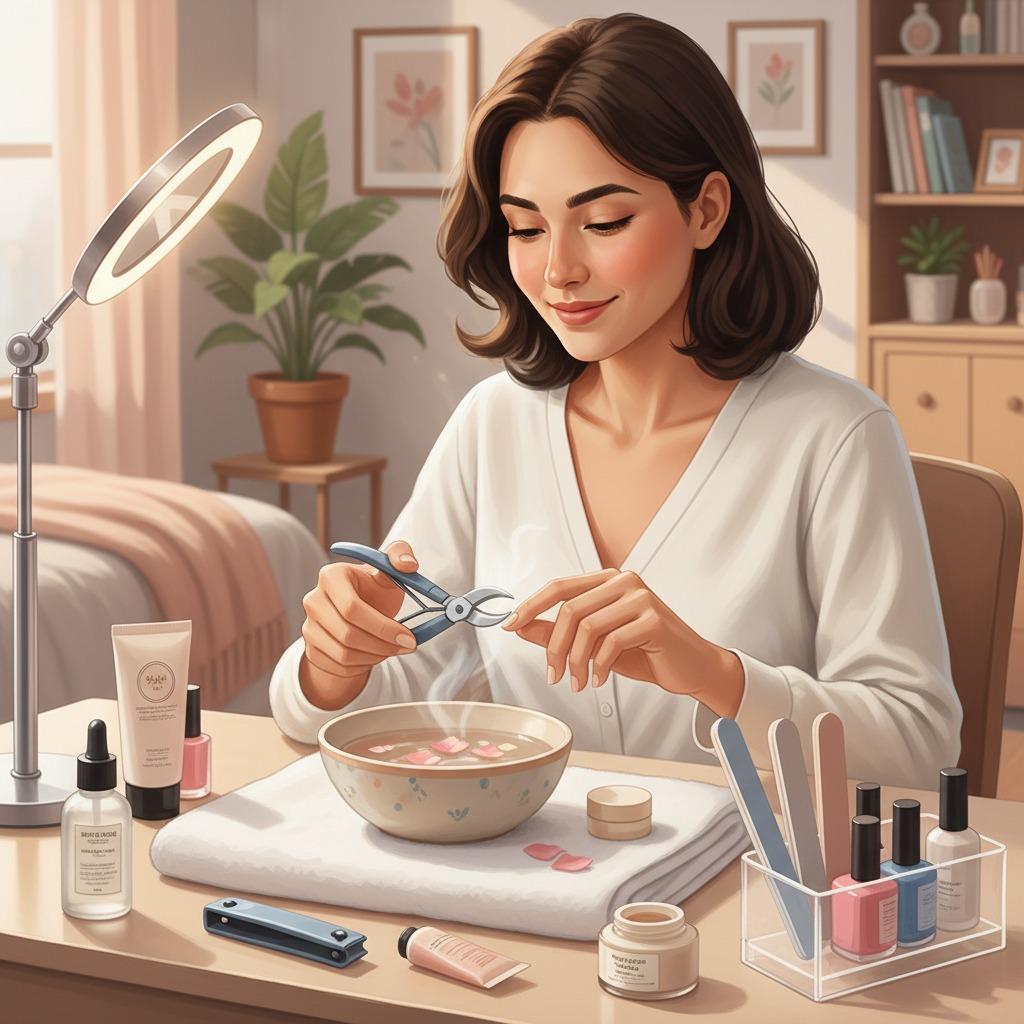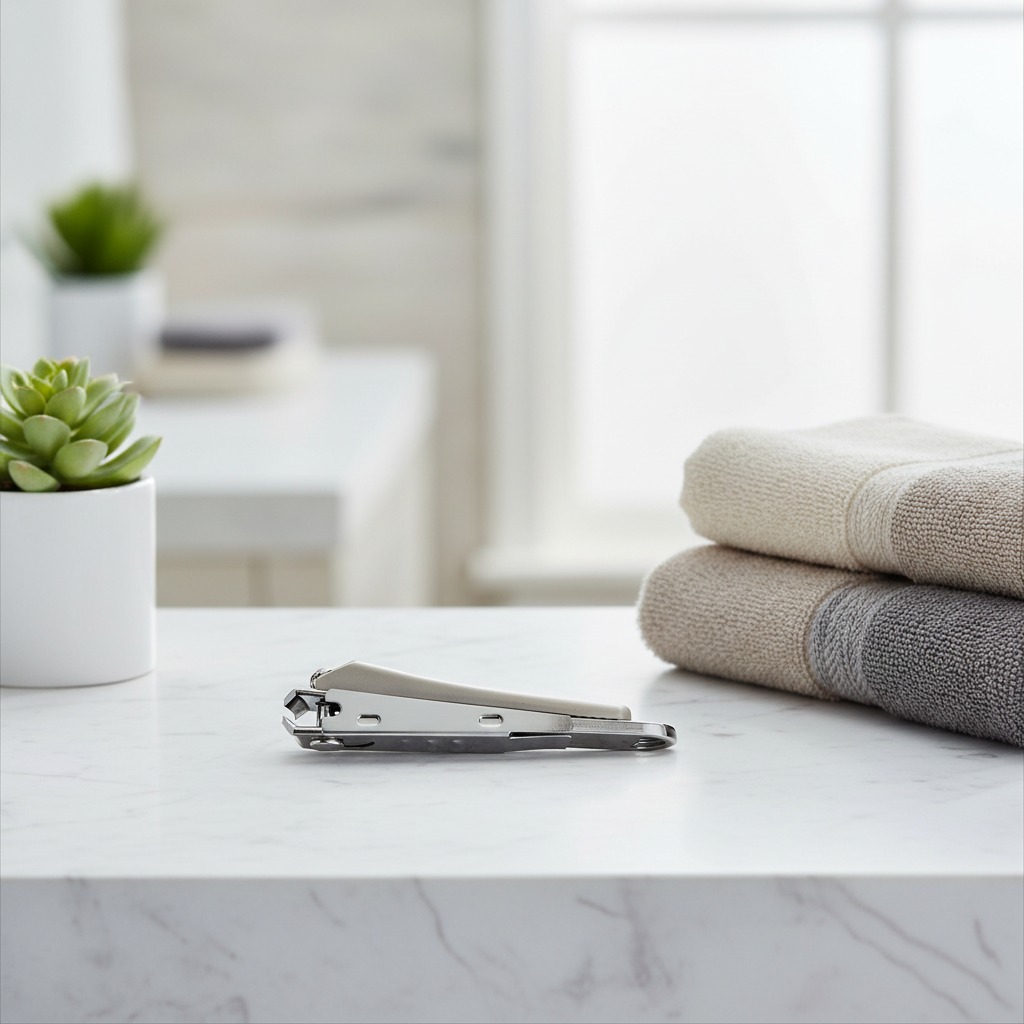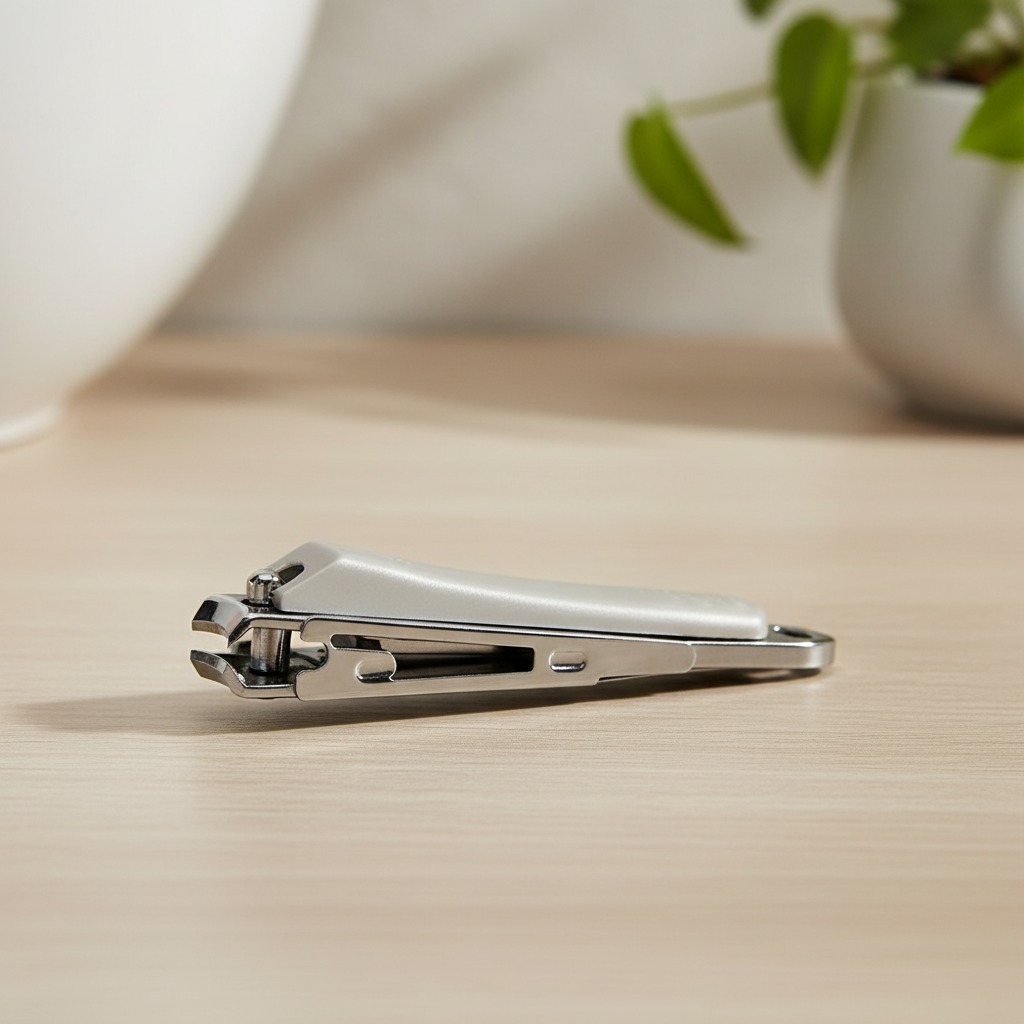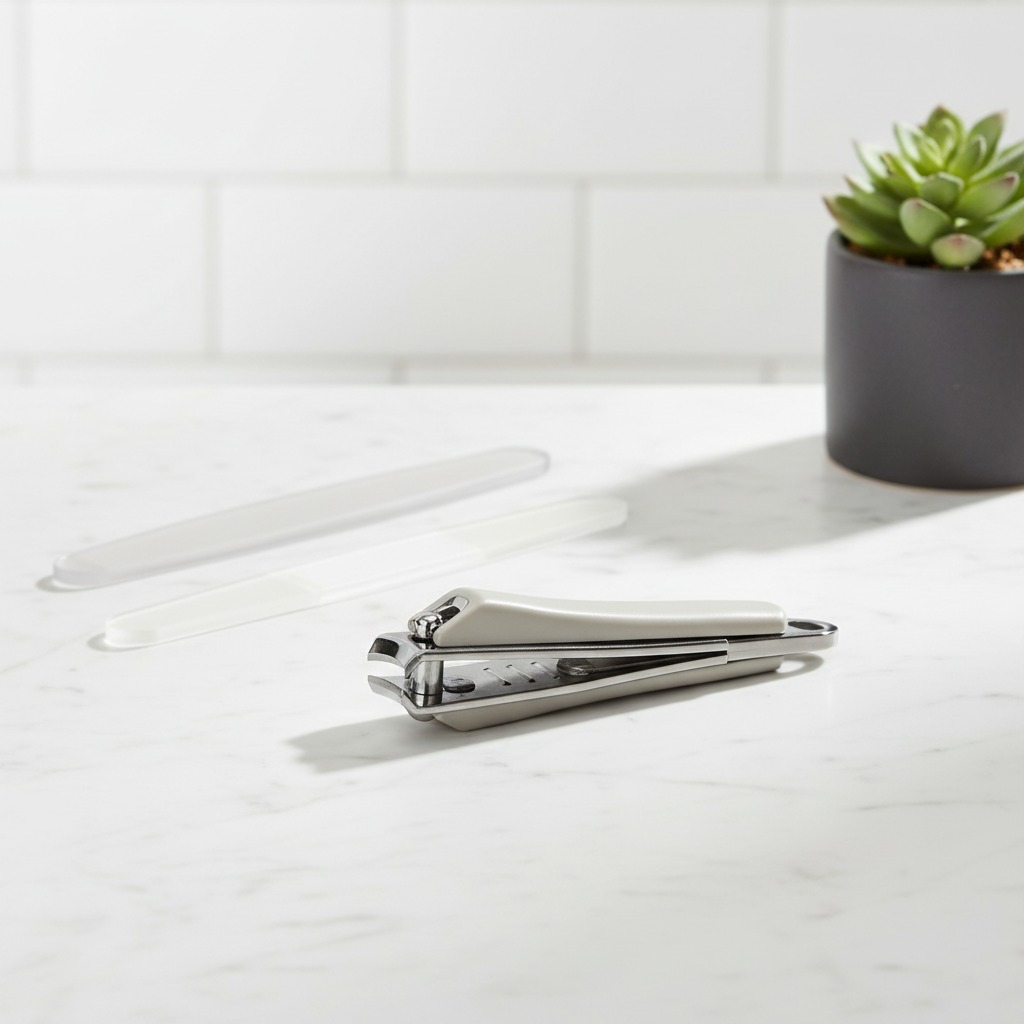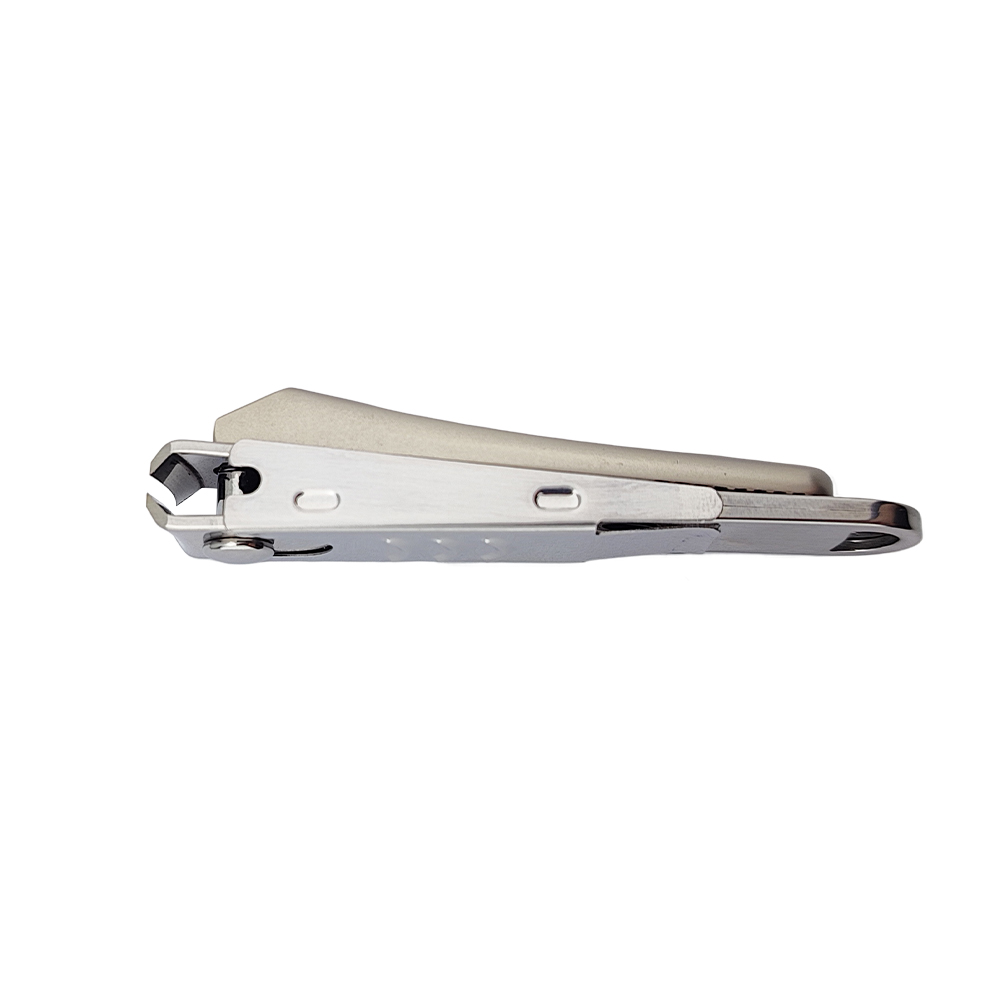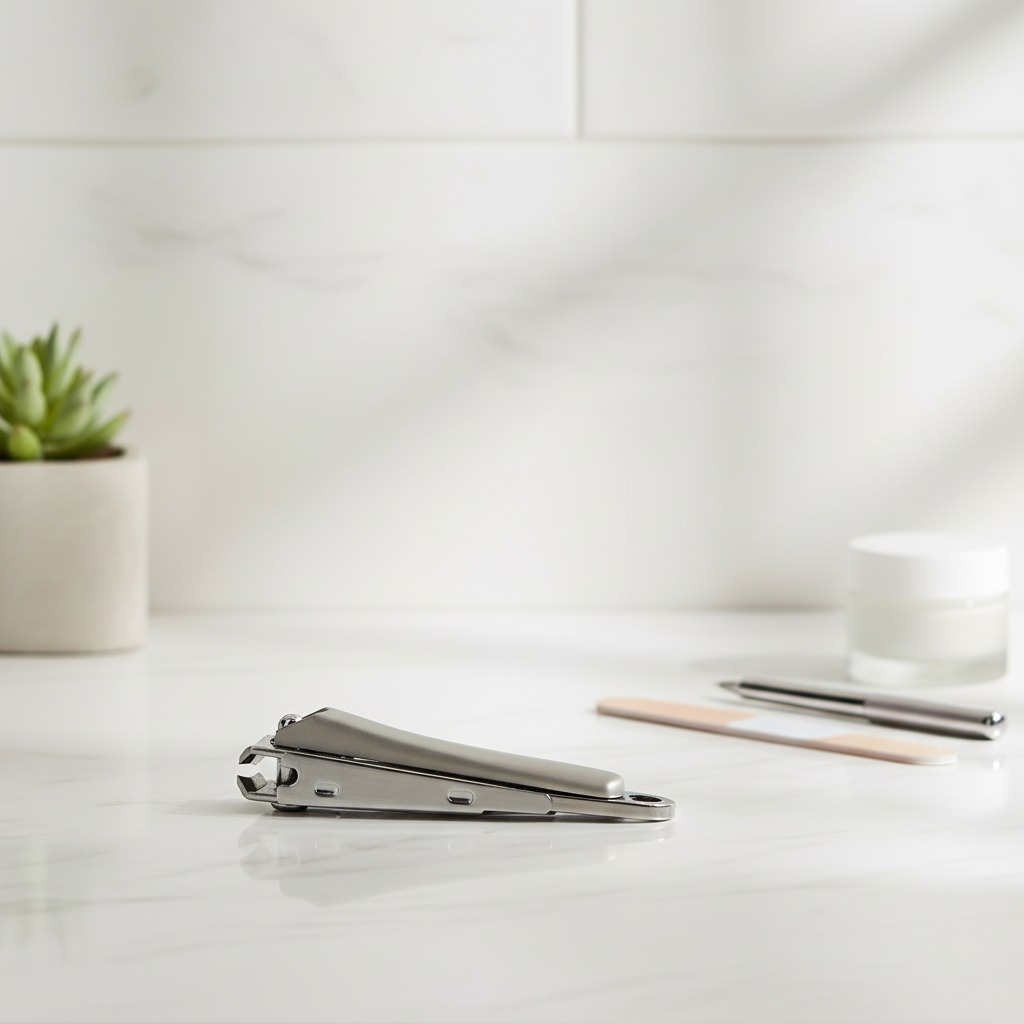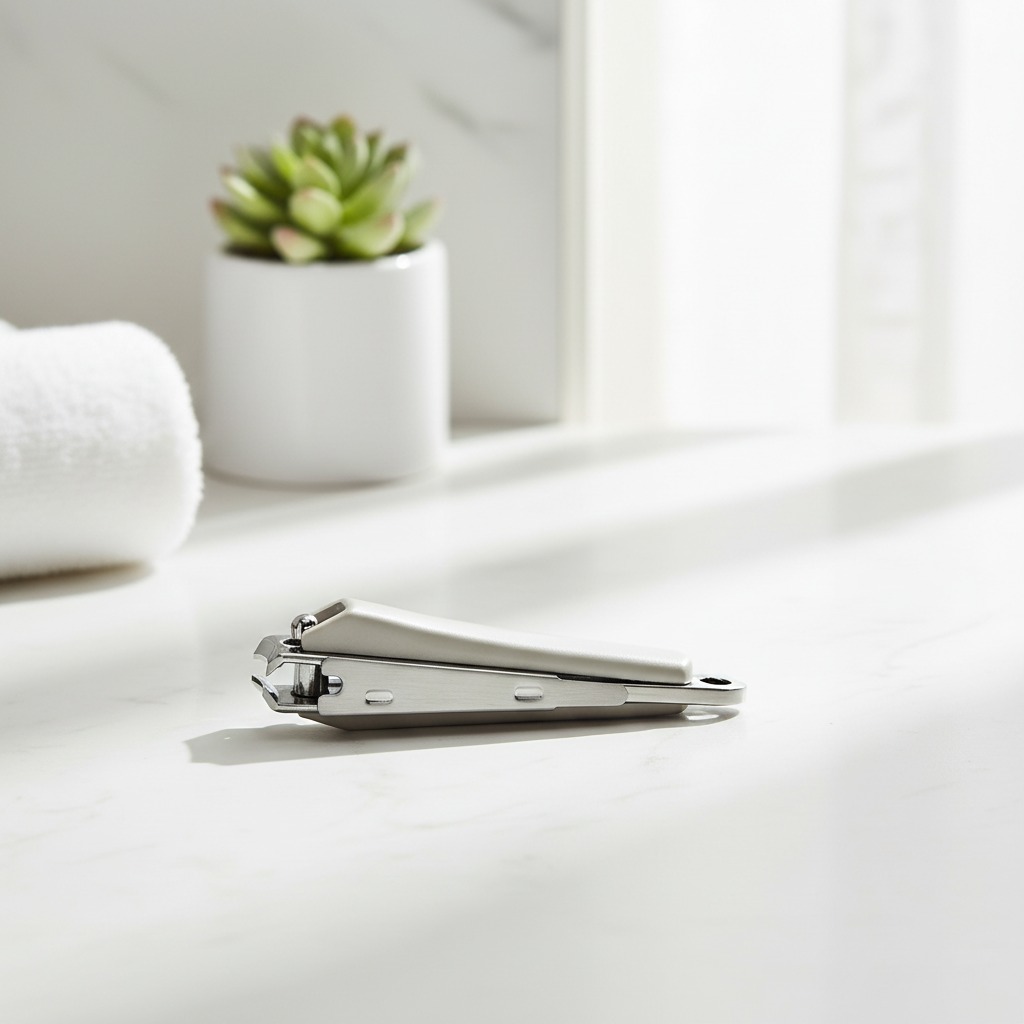











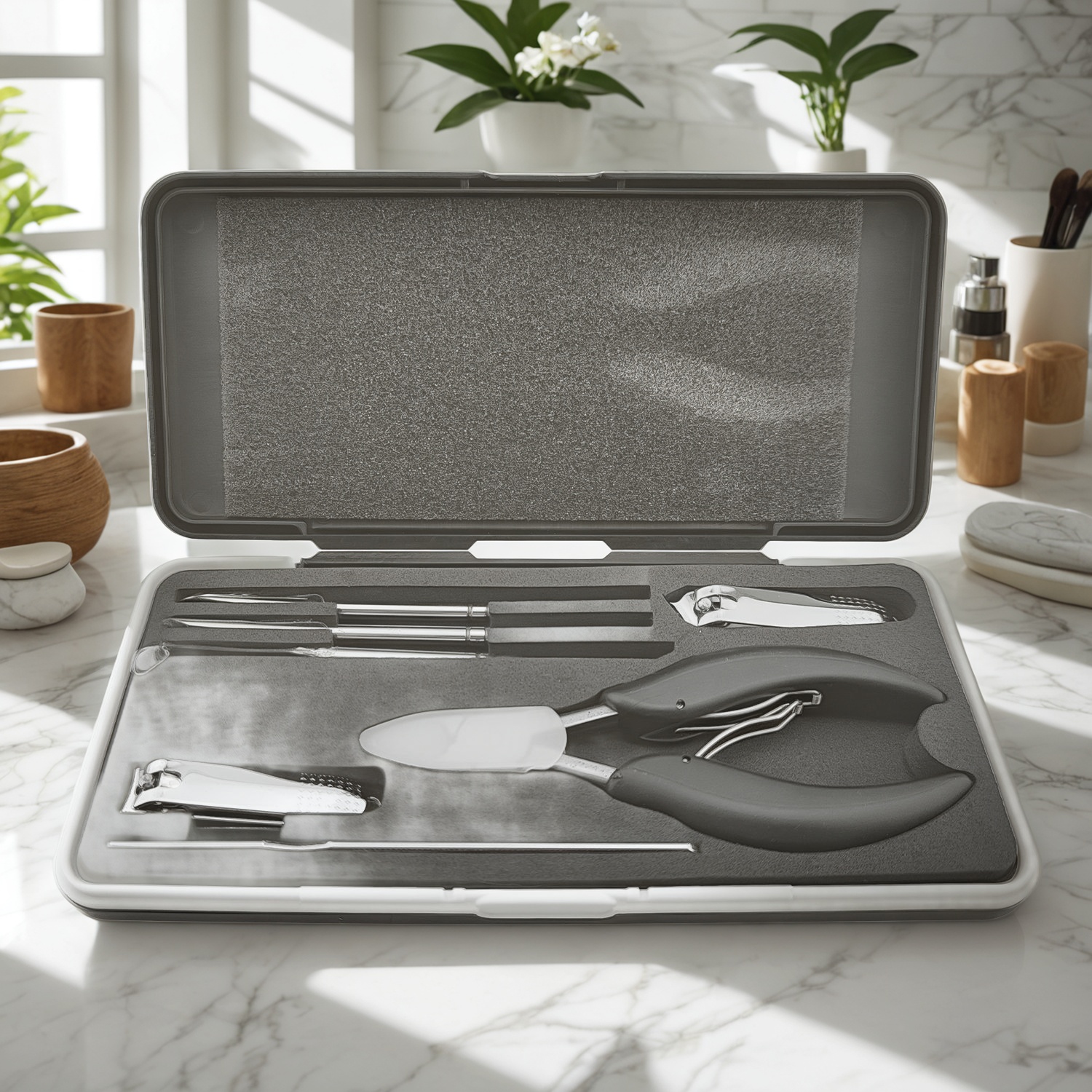
Manicure pedicure products sit in a demanding part of the beauty tools market. They are small, handled frequently, judged closely by end users and expected to perform with consistency from the first use to the last. For spa product wholesalers, salon wholesale distributors and professional beauty tool buyers, the challenge is not simply finding a nail care kit that looks polished in a catalog. The real work is choosing tools that support clean service routines, comfortable handling, dependable trimming or shaping, and a product presentation suitable for retail or professional channels.
Olimor Beauty’s manicure pedicure focus, including the Ultra-Precision Manicure Kit referenced in the existing product story, points to a broader sourcing question: what should buyers evaluate before adding a nail care tool set to a wholesale line? This guide breaks down the selection criteria that matter most for spa, salon and grooming retail channels, without relying on vague claims or unnecessary technical language.
Why Manicure Pedicure Tools Need Careful Wholesale Evaluation
Nail tools are often purchased as compact kits, but they are used in detailed grooming tasks where poor design becomes obvious quickly. A clipper that does not align well, a cuticle tool that feels awkward, or a file that wears too fast can damage customer confidence. In wholesale channels, that feedback may travel through salons, spa buyers, ecommerce reviews or distributor returns.
Professional buyers should evaluate manicure pedicure products from three perspectives: the end user, the service provider and the resale channel. The end user wants tools that feel controlled and safe in the hand. The service provider needs items that support repeated use and organized workflows. The resale channel needs clear product positioning, stable quality and packaging that communicates value without exaggeration.
For a broader view of available categories, buyers can review Olimor beauty tool products and compare manicure pedicure tools with related grooming items. This helps identify whether a kit should be sold as a standalone nail care solution, bundled into a spa assortment, or positioned as part of a personal grooming collection.
Core Features Buyers Should Inspect in a Manicure Pedicure Kit
A manicure pedicure kit may include several individual tools, but buyers should avoid judging it only by the number of pieces. More pieces do not automatically mean better value. A smaller kit with well-chosen tools can be more useful than a large set filled with items that customers rarely use.
When evaluating a kit such as the Ultra-Precision Manicure Kit, focus on how each tool contributes to practical nail care. The following checklist can help purchasing teams compare samples consistently:
- Cutting alignment: Clippers and trimming tools should close evenly, with no obvious offset or loose movement.
- Edge finishing: Edges should feel purposeful for the intended task, not rough, jagged or unfinished.
- Grip comfort: Handles and grip areas should support control, especially for smaller tools used near the nail edge.
- Tool selection: Each included item should have a clear use case for manicure, pedicure or nail maintenance.
- Storage format: A pouch, case or tray should protect the tools and make the kit easy to keep organized.
- Visual consistency: Surface finish, color matching and logo placement, if used, should look uniform across the set.
- Cleaning practicality: Tools should be simple to wipe, dry and store between uses according to the buyer’s intended market.
This kind of inspection is especially important for spa tools wholesale buyers because they often serve customers who expect repeatable quality across larger orders. A sample that looks acceptable at first glance should still be checked tool by tool.
Understanding the Needs of Spa Product Wholesalers
Spa product wholesalers usually need manicure pedicure tools that fit multiple business models. Some customers may be day spas offering nail grooming as an add-on service. Others may be boutique retailers building gift-ready personal care assortments. A few may be hotel, wellness or beauty resellers looking for compact grooming kits that can be merchandised easily.
Because these channels differ, the best product choice depends on the role the kit will play. A professional service environment may prioritize durability, easy organization and familiar tool shapes. A retail setting may place more emphasis on packaging clarity, perceived completeness and an attractive presentation. A travel or personal grooming range may need a compact case and a practical selection of essential tools.
Wholesale buyers can use the table below to clarify the most relevant evaluation points before placing a product into a channel.
| Buyer channel | Most important priorities | Questions to resolve before ordering |
|---|---|---|
| Spa and salon distributors | Usability, repeat consistency, organized storage | Will the tools support frequent professional handling and simple daily storage? |
| Retail grooming brands | Presentation, kit completeness, customer-friendly instructions | Does the set communicate its purpose clearly at shelf or online listing level? |
| Gift and wellness assortments | Compact design, visual appeal, broad user suitability | Is the kit easy to understand for buyers who are not nail care professionals? |
| Ecommerce sellers | Photogenic layout, clear item count, low ambiguity | Can each tool be described accurately without overpromising performance? |
The Role of Professional Beauty Tools Suppliers
A professional beauty tools supplier does more than provide a product list. For manicure pedicure categories, the supplier’s role includes helping buyers understand which tool combinations make sense, how the product will be presented, and what quality expectations should be defined before production or repeat ordering.
Olimor Beauty’s position in beauty tools makes this especially relevant for buyers comparing multiple grooming categories. Nail care tools are often purchased alongside tweezers, cosmetic accessories, facial tools or other personal care items. Reviewing related product collections can help a buyer decide whether the manicure pedicure kit should share a similar case style, finish direction or retail positioning with adjacent products.
For wholesale buyers, communication with a supplier should be specific. Instead of asking whether a tool is “high quality,” define what quality means for the intended market. For example, does the buyer need a compact set for personal home grooming, a more complete kit for beauty retail, or a tool assortment aligned with spa service use? These distinctions influence tool selection, packaging and inspection priorities.
Quality Control Points That Matter Before Scaling Orders
Quality checks for manicure pedicure products should happen before a buyer commits to a broad rollout. Even without naming specific material grades or technical standards, a practical inspection plan can reduce risk. A sample review should include both visual and functional checks, with notes that can be repeated by different team members.
- Open and close each hinged tool several times. Movement should feel controlled, not loose or uneven.
- Check symmetry and alignment. Cutting edges, tips and handles should meet in a predictable way.
- Inspect all surfaces under good lighting. Look for scratches, rough finishing, residue or inconsistent coating.
- Test the storage case. Tools should fit securely without being difficult to remove.
- Review packaging language. Claims should be accurate, understandable and suitable for the market where the product will be sold.
- Compare multiple samples if available. Consistency across samples is more important than one perfect display piece.
For salon wholesale distributors, these checks can also support internal training. Sales teams can explain the product more confidently when they understand why certain tools were chosen and how the kit is intended to be used.
Positioning a Manicure Pedicure Kit for Home and Professional Grooming
The original appeal of a manicure pedicure kit is convenience: several grooming tools organized in one place. However, wholesale buyers should be careful with positioning. A kit intended for personal grooming should not be described as if it replaces professional nail care services. A kit intended for salon supply should be evaluated for the realities of repeated handling and customer expectations.
Strong positioning is usually clear and modest. For example, a manicure pedicure kit can be described as suitable for trimming, shaping and maintaining nails at home, while also being relevant to spa and beauty retail assortments. If a distributor serves professional salons, the product description should focus on tool organization, precision handling and dependable presentation rather than exaggerated lifestyle language.
Images, product names and descriptions should work together. If the kit is called the Ultra-Precision Manicure Kit, the supporting copy should explain what precision means in practical terms: controlled handling, well-selected tools and a format that supports detailed grooming. Buyers should avoid unsupported claims about medical use, performance testing or professional certification unless such documentation is actually available for the product and market.
Maintenance Guidance That Adds Value for End Users
End users often keep manicure pedicure tools for a long time, so basic care information can improve satisfaction. Wholesale buyers should consider including simple maintenance guidance in product inserts, online listings or distributor sales sheets. The guidance does not need to be complicated. It should help customers keep tools clean, dry and organized.
Useful care points include wiping tools after use, allowing them to dry fully before returning them to a case, avoiding storage in damp environments, and keeping sharp or pointed tools away from children. If a tool becomes damaged, loose or misaligned, users should stop using it for detailed grooming tasks. These instructions are practical, easy to understand and suitable for most consumer-facing nail tool kits.
For buyers building branded assortments, maintenance guidance also reduces confusion after purchase. Customers are more likely to value a kit when they understand how to store it properly and what each item is intended to do.
How to Start a More Productive Sourcing Conversation
A good sourcing conversation begins with the buyer’s channel, not just the desired price point. Before comparing manicure pedicure kits, prepare a short brief that explains where the product will sell, who will use it, whether packaging is needed for retail presentation, and what tool functions are essential. This helps narrow the discussion and avoids wasting time on assortments that do not fit the market.
Buyers can also identify whether the kit needs to match other beauty tools in an existing range. A consistent finish, case format or packaging direction may matter more than adding extra pieces. For distributors, repeatability and clear documentation may be the deciding factors. For retailers, shelf appeal and straightforward product education may carry more weight.
To discuss manicure pedicure tools or compare options for a wholesale beauty tools program, buyers can contact Olimor or send an inquiry with channel details, target use case and preferred kit format. The more specific the brief, the easier it is to evaluate whether a product such as the Ultra-Precision Manicure Kit is the right fit.
Final Buying Takeaway
Manicure pedicure tools may be compact, but they deserve careful sourcing attention. The right kit should combine practical tool selection, comfortable handling, consistent finishing and a storage format that supports the buyer’s sales channel. For spa product wholesalers and salon distributors, success depends on evaluating how the set will perform in real grooming routines, not just how it appears in a product photo.
By focusing on alignment, usability, packaging clarity and honest positioning, wholesale buyers can build nail care assortments that are easier to sell and easier for customers to trust. Olimor Beauty’s manicure pedicure tool direction gives buyers a useful starting point for comparing professional beauty tools with the practical needs of today’s spa, salon and personal grooming markets.